The exponential growth of cold chain logistics: From rail to ship – logistics solutions for global refrigerated transport
Available in 27 languages 📢
Prefer Xpert.Digital on GoogleⓘPublished on: August 16, 2024 / Updated on: August 16, 2024 – Author: Konrad Wolfenstein

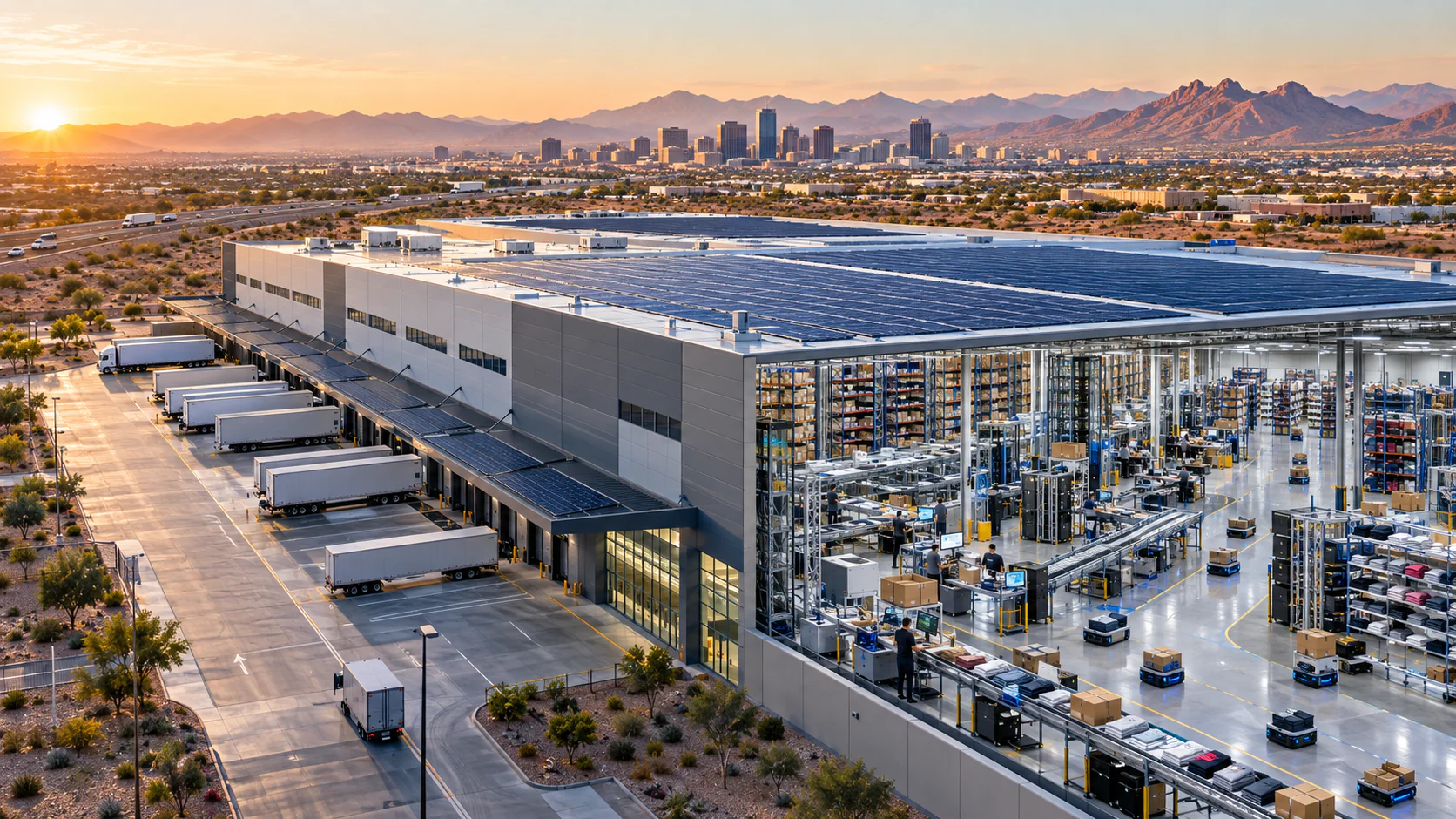
The exponential growth of cold chain logistics: From rail to ship – logistics solutions for global refrigerated transport – Image: Xpert.Digital
🚀🌍 The cold chain logistics market
🚛❄️ The cold chain logistics market is currently experiencing impressive growth, driven by increasing demand for perishable foods. This market encompasses a variety of processes and technologies, all aimed at ensuring the integrity and quality of products from production to the end consumer.
A key factor driving market growth is the expansion of cold storage infrastructure. These facilities are available in various types and sizes to meet diverse storage requirements. Advanced temperature control technologies are essential to address the specific needs of the stored food products and minimize losses.
❄️ Categories of cold chain logistics
🚚 Refrigerated transport
Refrigerated transport is a critical component of the cold chain and can be divided into different means of transport:
Rail transport
Offers a reliable and cost-effective solution for transporting large quantities of perishable goods over long distances. Controlled temperatures in insulated wagons ensure safe and efficient transport of products.
Air traffic
Ideal for the rapid transport of perishable foodstuffs over long distances. Air transport is particularly important for the export of exotic fruits, fresh fish, and other highly perishable goods.
Road transport
The most frequently used transport route for short to medium distances. Specially equipped refrigerated vehicles ensure a constant temperature throughout the entire transport process.
Waterways
Suitable for the international transport of large loads. Special refrigerated containers guarantee that the goods remain in optimal condition, even during long sea voyages.
❄️ Cold storage
Cold storage facilities are the backbone of cold chain logistics and enable the long-term storage of perishable foods. They can be divided into two main categories according to temperature:
Frozen
These facilities maintain a constant temperature below freezing to store products such as meat, fish, ready meals, and certain types of fruit and vegetables.
Chilled
These warehouses operate within a temperature range that ensures the freshness of products such as dairy products, fresh meat, eggs and other perishable goods without freezing.
📡 Technologies in cold chain logistics
Temperature control in cold chain logistics is ensured by a variety of innovative technologies:
Dry ice
It is used for transporting highly sensitive products that require very low temperatures. It sublimates directly from solid to gaseous without a liquid phase, which has the advantage that no water remains.
Gel Packs
Flexible and easy to use, they are well suited for transporting products at moderate temperatures.
Eutectic plates
These plates are filled with a chemical substance that melts at a specific temperature, thus providing constant cooling.
Liquid nitrogen
Offers extremely low temperatures and is often used for transporting sensitive bioproducts and medical samples.
Quilts
Lightweight insulating blankets that protect goods from temperature changes during transport.
⚙️ Processes in cold chain logistics
Every step in the cold chain is crucial for maintaining the quality and safety of perishable foods:
Precooling systems
These facilities rapidly cool freshly harvested produce. This rapid cooling reduces metabolic activity and delays spoilage.
Cold storage facilities
Here, the products are stored for short or long periods at precisely controlled temperatures.
Refrigerated transport
Essential for the safe transfer of products between different points in the cold chain. This can include trucks, trains, airplanes, or ships.
Packaging
Ensure that the goods are shipped in a protected environment. Special packaging may contain additional coolants or insulating materials.
Information management systems
Digital tools and sensors enable real-time monitoring and control of temperature, humidity, and other relevant data. These systems significantly contribute to process optimization and minimize the risk of temperature deviations.
🔮 Future prospects and challenges
The cold chain logistics market will continue to grow as global demand for fresh, high-quality food increases. Innovation and investment in logistics infrastructure and technologies are crucial to meeting these rising demands.
A major area of innovation involves digitalization and automation. The use of IoT sensors and AI-supported systems enables more precise control and monitoring of the entire cold chain. This leads to improved efficiency and reduced losses, as temperature deviations can be detected and corrected immediately.
Another important development is the improvement of sustainability within cold chain logistics. To reduce their ecological footprint, companies are increasingly relying on environmentally friendly refrigerants and energy-efficient cooling and transport systems. Recyclable and biodegradable packaging materials are also a growing trend to counteract the environmental impact of single-use plastics.
Integrating blockchain technology into supply chain management systems will significantly improve product transparency and traceability. Consumers will then be able to track where their food comes from and how it was processed and transported.
📊 Dynamic changes and numerous opportunities
The cold chain logistics sector is facing dynamic changes and numerous opportunities. With advanced technologies and continuous infrastructure improvements, the future of this market looks promising. Developing and implementing innovative and efficient solutions remains crucial to meeting increasing global demands and ensuring the quality of perishable food products.
📣 Similar topics
- 🚀 Impressive growth in the cold chain logistics market
- 🚚 Expand infrastructure and transport capacities
- 💡 Categorization of cold chain logistics techniques
- ❄️ Advanced temperature control technologies
- 📦 Essential processes for quality assurance
- 🌱 Future prospects in cold chain logistics
- 📈 Digital Innovations and Automation
- 🌐 Sustainability in cold chain logistics
- 🔗 Blockchain for greater transparency and traceability
- 🎯 Challenges and strategic solutions
#️⃣ Hashtags: #ColdChainLogistics #Technology #Sustainability #Digitalization #Innovation
Expert partner in warehouse planning and construction
❄️🌍 The global logistics market for cold chains
❄️🚚 The global cold chain logistics market plays a crucial role in maintaining the integrity of temperature-sensitive goods such as food, pharmaceuticals, and chemicals. In recent years, this market has experienced remarkable growth, driven by the increasing demand for fresh and frozen foods, as well as the growing use of vaccines and other medical products that require a constant temperature. The importance of cold chain logistics continues to grow as the world's population expands and living standards improve, particularly in developing countries where the need for safe and fresh food is increasing.
🚀 Growth drivers in the cold chain logistics market
Globalization and expanded international trade are key growth drivers for the cold chain logistics market. Companies expanding into new markets and sourcing products from various regions face increasing complexity in their logistics operations. This complexity leads to a growing demand for advanced logistics solutions capable of efficiently managing cross-border shipping, customs, and supply chain processes. This need for sophisticated logistics solutions fuels the growth of the cold chain logistics market and ensures that temperature-sensitive products arrive at their destination in perfect condition.
Another key growth driver is increasing urbanization, which leads to higher demand for fresh food in urban areas. As people live in cities, the need for food that must be stored and transported under strict temperature conditions grows. Urbanization leads to an increase in supermarkets and food retailers, which require efficient cold chain logistics to meet consumer demands.
⚠️ Challenges caused by supply chain disruptions
Cold chain logistics faces significant challenges, particularly when supply chain disruptions occur. Natural disasters, geopolitical tensions, or global pandemics can severely impact logistics. These disruptions often lead to substantial delays, increased operating costs, and inventory shortages. A prime example is the COVID-19 pandemic, which exposed security gaps in global supply chains and highlighted the fragility and vulnerability of these systems.
When disruptions occur, companies struggle to maintain service levels and meet customer expectations. This can lead to a loss of customer trust and satisfaction. The costs associated with managing and mitigating such disruptions place an additional burden on logistics companies and negatively impact market stability and growth. To address these challenges, companies are increasingly investing in risk management and contingency planning to minimize the effects of supply chain disruptions.
📈 Market trends in logistics
Several significant trends are emerging in the logistics industry that are influencing the growth and development of the cold chain market. A key trend is the increasing importance of cold chain logistics due to the rising demand for temperature-sensitive goods, particularly in the pharmaceutical and perishable food sectors. The need for strict temperature control throughout the supply chain has driven advancements in this sector.
Innovations such as IoT-enabled temperature monitoring and real-time tracking significantly improve the efficiency and reliability of cold chain operations. These technologies enable companies to monitor the temperature of their products throughout transport and ensure that the required conditions are maintained. By using these technologies, companies can minimize losses due to temperature deviations while guaranteeing the safety and quality of their products.
Another important trend is the increasing integration of sustainable practices into cold chain logistics. Given the growing global concern about climate change, companies are seeking ways to reduce their carbon footprint. This is leading to investments in energy-efficient refrigeration technologies that lower energy consumption while ensuring temperature control. Furthermore, environmentally friendly packaging solutions are gaining importance in order to minimize the use of plastics and other environmentally harmful materials.
🌟 Future prospects for cold chain logistics
The future of cold chain logistics looks promising, as the market continues to grow and adapt to new challenges and opportunities. A key driver of future growth is the increasing demand for high-quality food and pharmaceutical products that must be transported under strict temperature conditions. The expanding middle class in emerging markets is expected to further stimulate demand for fresh and frozen foods, leading to increased investment in cold chain infrastructure.
Furthermore, the ongoing digitalization of the logistics industry will play a key role in improving efficiency and transparency in cold chain logistics. The integration of big data, machine learning, and artificial intelligence enables companies to optimize their supply chain processes and make more accurate predictions about future demand and potential risks. These technological advancements will help improve responsiveness to unexpected events and enhance the overall performance of cold chain logistics.
Another aspect that will shape the future of cold chain logistics is the increasing regulation in the areas of food safety and pharmaceuticals. Governments worldwide are tightening regulations to ensure the safety of temperature-sensitive products. Companies must adapt to these stricter regulations, which will lead to increased investment in compliance measures and advanced refrigeration technologies.
🌐 Globalization and international trade
Cold chain logistics is an indispensable component of the global supply chain infrastructure, particularly given the increasing demand for fresh food and pharmaceutical products. Globalization and international trade, combined with the challenges of supply chain disruptions and growing requirements for food safety and sustainability, are driving the further development and growth of this market.
Companies investing in cold chain logistics must continuously adapt to new market conditions and technological advancements to remain competitive. The ability to develop innovative solutions while simultaneously improving efficiency and sustainability will be crucial for future success in this dynamic and growing market. Risk management, digitalization, and sustainability will continue to be the main drivers of cold chain logistics development, and companies that address these challenges will be able to thrive in the long term.
📣 Similar topics
- 🌍 The importance of cold chain logistics for global markets
- 📈 Growth drivers in the cold chain logistics market
- 🏙️ Urbanization as an amplifier for cold chain logistics
- 🌪️ Challenges caused by supply chain disruptions in cold chain logistics
- 📡 IoT and real-time tracking in cold chain logistics
- 🌱 Sustainable practices in cold chain logistics
- 🚀 Future prospects of cold chain logistics
- 🧬 Digitalization and its role in cold chain logistics
- 📜 Stricter regulations as a driver for investment in cold chains
- 🌐 Globalization and international trade as growth drivers for cold chains
#️⃣ Hashtags: #ColdChainLogistics #GlobalTrade #Sustainability #Digitalization #SupplyChain

Xpert.Plus Warehouse Optimization - High-bay warehouses and pallet warehouses: Consulting and planning
📈 From rail to ship - logistics solutions for global refrigerated transport
🚀🌍 The modern world, characterized by increasing globalization and urbanization, has brought about drastic changes in the way goods are transported and stored. One area that has gained particular importance is cold chain logistics. It is key to maintaining the integrity of temperature-sensitive goods, including food, pharmaceuticals, and various chemical substances.
📊 The exponential growth of cold chain logistics
The demand for high-performance and reliable cold chain solutions has increased exponentially in recent years. This is due to several factors: the constant availability of fresh products, even in remote areas, the increase in global trade of temperature-sensitive products, and the growing importance of pharmaceuticals and vaccines, which has been further amplified by the COVID-19 pandemic.
Statistics show that the global market for cold chain logistics is growing at double-digit percentage rates annually. This reflects the increasing consumer demand for fresh and safe products. Furthermore, technological advances have contributed to increased efficiency and enable ever-improving monitoring and control of temperatures throughout the entire supply chain.
🚆 Logistics solutions for rail transport
Rail transport plays a crucial role in cold chain logistics. It offers an environmentally friendly and cost-effective solution for transporting large quantities of temperature-sensitive goods over long distances. Modern refrigerated wagons are equipped with sophisticated cooling systems that ensure consistently low temperatures, thus guaranteeing the quality and safety of the transported products.
Rail transport is particularly important in regions with well-developed railway networks, such as in Europe, North America, and China. In these areas, the rail network enables the efficient distribution of products from the point of production to major distribution centers.
🚢 Efficient cold chains at sea
Sea freight is another important pillar of cold chain logistics. Container ships enable the cost-effective transport of enormous quantities of goods over long distances. Specially designed refrigerated containers, known as reefer containers, are essential for transporting temperature-sensitive goods by sea. These containers are equipped with advanced refrigeration technology, allowing for continuous temperature monitoring and regulation.
A major advantage of sea freight lies in its ability to transport a wide variety of products in a controlled environment, which can even reach deep-freeze temperatures. For example, frozen fish and meat products can be safely transported from one continent to another without any loss of quality.
🌡️ Increasing demand for temperature-sensitive goods
The demand for temperature-sensitive goods is steadily increasing, driven primarily by growing prosperity and changing consumption patterns in many parts of the world. Fresh and frozen foods, high-quality pharmaceuticals, including life-saving vaccines, and certain chemical products have become integral parts of global supply chains.
This increase puts pressure on cold chain logistics to develop innovative solutions to meet this growing demand. Technological advancements play a key role in this.
🛠️ Technological innovations for increasing efficiency
Technological innovations are revolutionizing cold chain logistics. Advances in sensor and monitoring technologies enable precise temperature control and tracking throughout the entire supply chain. Modern IoT (Internet of Things) devices and data-driven solutions provide real-time insights into the condition of the cargo, allowing for immediate corrective action in the event of temperature deviations.
Furthermore, new insulation materials and improved cooling systems enhance the energy efficiency of refrigerated vehicles and containers. These innovations not only contribute to cost reduction but also to reducing the environmental footprint of cold chain logistics.
🌱 Sustainable practices in cold chain logistics
Sustainability is becoming increasingly important in the logistics industry, and cold chain logistics is no exception. Companies are increasingly seeking environmentally friendly solutions to optimize their processes and make them more sustainable. This includes the use of energy-efficient refrigeration technologies, increased use of rail and sea transport to reduce CO2 emissions, and the introduction of reusable packaging materials.
The implementation of renewable energy to support cold chain operations, such as solar power for refrigerated containers, is becoming increasingly popular. These sustainable practices help reduce the logistics industry's environmental footprint while simultaneously increasing the efficiency and reliability of cold chains.
🌍 Challenges posed by global events and regulations
Despite progress and growth, cold chain logistics faces numerous challenges. Global events such as pandemics, natural disasters, and geopolitical tensions can significantly disrupt supply chains and require flexible and robust logistics solutions.
In addition, strict regulations and standards, which vary across countries and regions, pose a challenge for internationally operating companies. These regulations aim to ensure the safety and quality of transported temperature-sensitive goods, but can also increase administrative and cost burdens.
🧊 Importance of cold chain logistics for the integrity of temperature-sensitive goods
The integrity of temperature-sensitive goods depends critically on a well-functioning cold chain. Even a small temperature deviation can severely compromise the quality or even the safety of a product. Therefore, it is of utmost importance that all links in the cold chain, from production and storage to the end consumer, work together seamlessly.
A reliable temperature monitoring system is essential. By using data loggers and real-time monitoring systems, companies can ensure that products are always stored and transported under optimal conditions.
🌆 Impact of globalization and urbanization on cold chain logistics
Progressive globalization and urbanization have further fueled the demand for efficient cold chain solutions. Ever-growing urban populations require constant deliveries of fresh and quality-assured goods. At the same time, globalization facilitates easier access to international markets, which in turn increases the need for robust and reliable refrigerated transport.
These developments have not only increased the growth but also the complexity of cold chain logistics. Companies must continuously adapt and remain innovative to keep pace with constantly changing market demands.
🔮 Future developments in cold chain logistics
The future of cold chain logistics is characterized by even greater integration of digital technologies and further improvements in efficiency and sustainability. Wireless monitoring via IoT, big data analytics for predicting and preventing problems, and the use of autonomous vehicles could soon become the norm.
Furthermore, cooperation between companies and logistics service providers across the entire supply chain is becoming increasingly important in order to leverage synergies and maximize efficiency. The development of new, improved cooling systems and environmentally friendly technologies will also remain a key focus.
Overall, cold chain logistics is an indispensable component of the global economy, and its importance will continue to grow in the future. Entrepreneurial and technological innovations, along with sustainable practices, will be key to meeting the demands of this dynamic market and ensuring the quality and safety of temperature-sensitive goods worldwide.
📣 Similar topics
- 📦 The growing importance of cold chain logistics in a globalized world
- 🚆 Rail transport: The environmentally friendly solution for temperature-sensitive goods
- 🚢 Sea transport solutions: Reefer containers and their role in cold chain logistics
- 📈 Exponential growth of the cold chain logistics solutions market
- 🧬 Technological innovations are revolutionizing cold chain logistics
- 🌱 Sustainability: Ecological practices in cold chain logistics
- 🌍 Challenges posed by global events and regulations in cold chain logistics
- 🔬 The importance of cold chain logistics for the integrity of goods
- 🏙️ Impact of globalization and urbanization on cold chain logistics
- 🔮 Future trends: Digitalization and efficiency improvements in cold chain logistics
#️⃣ Hashtags: #ColdChainLogistics #Globalization #Sustainability #TechnologicalInnovations #FutureTrends
We are here for you - Consulting - Planning - Implementation - Project Management
☑️ Smart City & Factory: Industry expert for energy-efficient 5G buildings and halls, as well as consulting and installation of solar systems
☑️ Xpert.Plus - Logistics consulting and logistics optimization
☑️ Industry expert, here with his own Xpert.Digital industry hub with over 2,500 specialist articles
I would be happy to serve as your personal advisor.
You can contact me by filling out the contact form below or simply call me on +49 7348 4088 965 (Munich) .
I'm looking forward to our joint project.
Xpert.Digital - Konrad Wolfenstein
Xpert.Digital is a hub for industry focusing on digitalization, mechanical engineering, logistics/intralogistics and photovoltaics.
With our 360° Business Development solution, we support renowned companies from new business to after-sales.
Market intelligence, smarketing, marketing automation, content development, PR, mail campaigns, personalized social media and lead nurturing are part of our digital tools.
You can find more information at: www.xpert.digital - www.xpert.solar - www.xpert.plus