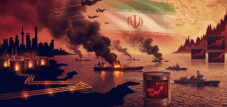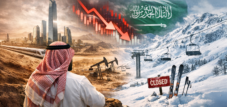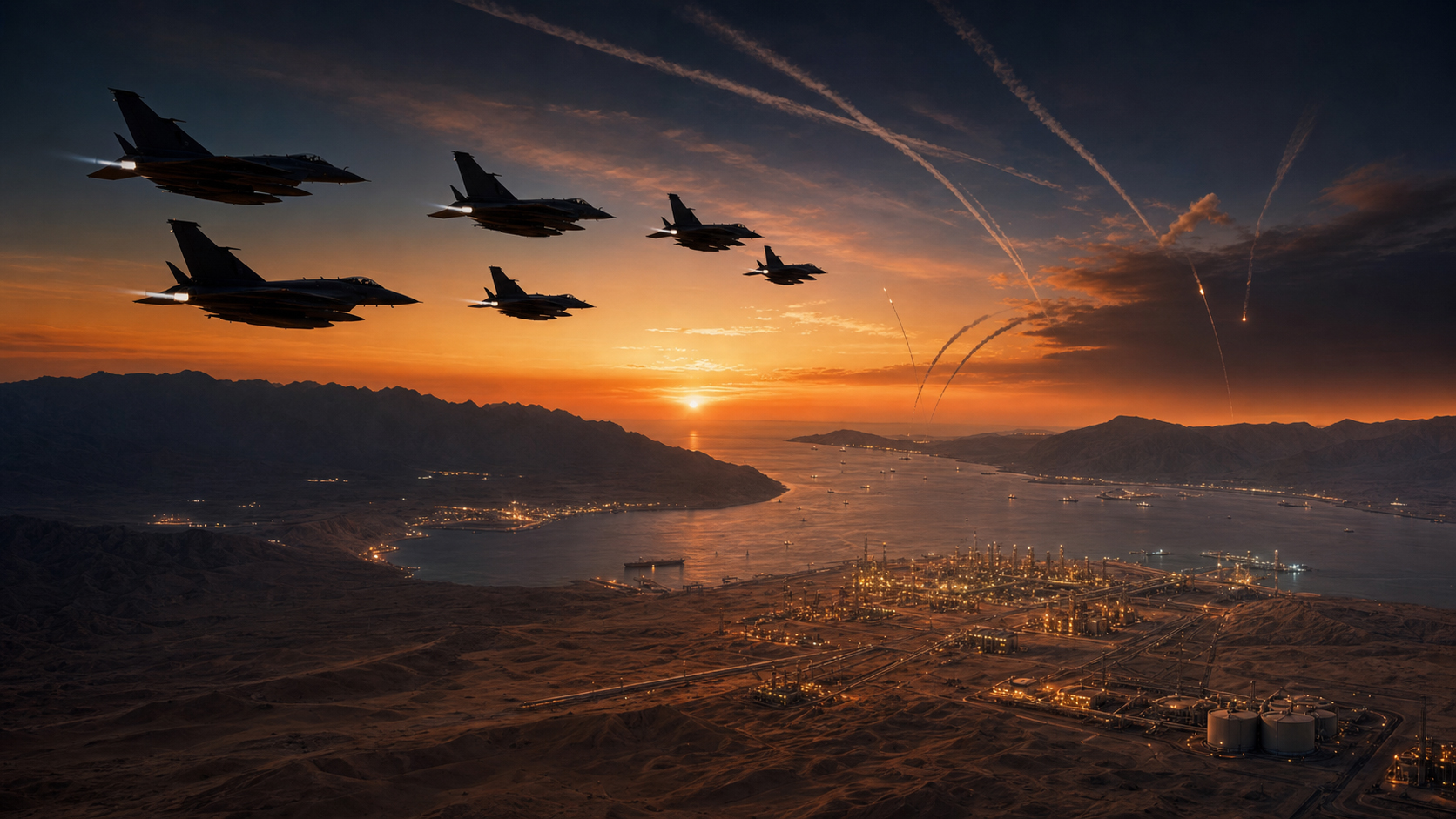
Saudi-Arabien und die Emirate greifen Iran direkt an: Eine historische Zäsur im Nahen Osten – Kreativbild: Xpert.Digital
Geheime Luftschläge am Golf: Der verdeckte Krieg, der die Weltwirtschaft bedroht
Öl-Schock und Wasser-Krise: Wie der neue Nahost-Konflikt unser Leben teurer macht
Achse gegen Teheran: Die geheime Militär-Allianz zwischen den Emiraten und Israel
Der Nahe Osten steht an einem historischen Wendepunkt, dessen Schockwellen weit über die Region hinaus spürbar sind. Was jahrzehntelang als absolute rote Linie galt, wurde im Frühjahr 2026 bittere Realität: Saudi-Arabien und die Vereinigten Arabischen Emirate (VAE) haben erstmals direkte und verdeckte Militärschläge gegen Ziele auf iranischem Territorium ausgeführt. Diese beispiellose Eskalation ist die drastische Antwort auf einen massiven Raketen- und Drohnenhagel Teherans, der die kritische Infrastruktur der Golfmonarchien in nie dagewesenem Ausmaß ins Visier nahm. Die „New York Times“ unterstreicht jüngste Berichte der Nachrichtenagentur Reuters und des „Wall Street Journal“, wonach dieser strategische Paradigmenwechsel die gesamte Sicherheitsarchitektur der Region fundamental neu ordnet. Doch die Folgen dieses Tabubruchs beschränken sich längst nicht mehr auf den Persischen Golf. Mit der faktischen Blockade der Straße von Hormus steht die Weltwirtschaft vor einem massiven Ölpreisschock, der globale Inflationsängste schürt und eine weltweite Rezession heraufbeschwört. Der folgende Bericht analysiert die Hintergründe der verdeckten Operationen, die dramatischen wirtschaftlichen Konsequenzen und die Frage, was von der alten Ordnung im Nahen Osten noch übrig ist.
Der Tabubruch der Golfmonarchien — oder: Wenn Selbstbeherrschung an ihre Grenzen stößt
Vom Zuschauen zum Gegenschlag: Der Moment, der die Golfarchitektur veränderte
Was über Jahrzehnte als nahezu undenkbar galt, wurde im Frühjahr 2026 Wirklichkeit: Saudi-Arabien und die Vereinigten Arabischen Emirate führten unabhängig voneinander direkte Militärschläge gegen Ziele auf iranischem Territorium durch. Die New York Times, gestützt auf aktuelle und ehemalige hochrangige US-Beamte, bestätigte Mitte Mai 2026, was Reuters und das Wall Street Journal bereits zuvor berichtet hatten — nämlich dass beide arabischen Golfstaaten den entscheidenden Schritt hin zu einem aktiven, wenn auch verdeckten Kriegseintritt vollzogen hatten. Es war das erste Mal in der modernen Geschichte, dass die beiden mächtigsten arabischen Staaten am Golf iranischen Boden militärisch angriffen.
Dieser Schritt markiert nicht lediglich einen taktischen Wechsel, sondern eine strukturelle Neudefinition der regionalen Sicherheitsordnung. Jahrzehntelang hatten Riad und Abu Dhabi auf den amerikanischen Sicherheitsschirm vertraut und eigene offensive Handlungen gegen den Iran strikt vermieden, selbst wenn iranische Proxies ihre Interessen im Jemen, im Irak oder im Libanon attackierten. Dass dieser Rahmen nun gesprengt wurde, verdeutlicht das Ausmaß der durch den seit Ende Februar 2026 andauernden US-israelischen Krieg gegen Iran entstandenen Bedrohungslage.
Der Auslöser: Irans Angriffswelle auf die Golfstaaten
Um den verdeckten Gegenschlag zu verstehen, muss man zunächst das Ausmaß der iranischen Angriffe auf Saudi-Arabien und die Emirate begreifen. Seit dem Beginn der US-israelischen Luftkampagne gegen Iran am 28. Februar 2026 hat Teheran alle sechs Mitgliedsstaaten des Golf-Kooperationsrats mit Raketen und Drohnen beschossen — und dabei nicht nur US-Militärstützpunkte, sondern auch zivile Infrastruktur, Flughäfen, Häfen, Energie- und Ölanlagen sowie Wohngebiete ins Visier genommen. Allein gegen die Vereinigten Arabischen Emirate wurden nach Angaben des emiratischen Verteidigungsministeriums rund 550 ballistische und Marschflugkörper sowie über 2.200 Drohnen abgefeuert — mehr als gegen jede andere Nation.
Saudi-Arabien hatte bis Ende März 2026 über 105 Drohnen- und Raketenangriffe in einer einzigen Woche zu verzeichnen. Ein iranischer Angriff auf einen saudischen Luftwaffenstützpunkt verletzte dabei zwölf amerikanische Soldaten. Im März traf die iranische Seite auch Energieinfrastruktur in Katar und Saudi-Arabien, wobei QatarEnergy die LNG-Produktion zeitweise einstellen musste. Die Botschaft Irans war unmissverständlich: Die Golfstaaten, die US-Stützpunkte beherbergen, sollen den politischen Preis für den amerikanisch-israelischen Militäreinsatz bezahlen.
Verdeckte Nadelstiche: Was genau Saudi-Arabien und die Emirate taten
Die saudischen Streitkräfte führten nach Angaben zweier westlicher Beamter und zweier iranischer Beamter Ende März 2026 eine Reihe nicht öffentlich gemachter Luftangriffe auf iranisches Territorium durch. Die genauen Ziele blieben unklar — Reuters konnte die spezifischen Objekte nicht bestätigen. Entscheidend ist die Bewertung durch Beteiligte: Es handelte sich um sogenannte „Tit-for-Tat“-Schläge, die als Vergeltung für die iranischen Angriffe auf saudische Infrastruktur durchgeführt wurden. Bemerkenswert dabei ist eine diplomatische Begleitmaßnahme: Saudi-Arabien unterrichtete Iran vorab über die Schläge und hielt über den iranischen Botschafter in Riad regelmäßigen Kontakt mit Teheran aufrecht, um eine unkontrollierte Eskalation zu verhindern.
Die Vereinigten Arabischen Emirate handelten anders und aggressiver. Ihre Streitkräfte, ausgerüstet mit amerikanischen Kampfflugzeugen und Hubschraubern, griffen nach Berichten des Wall Street Journal und Bloomberg Anfang April 2026 eine Ölraffinerie auf der iranischen Insel Lavan im Persischen Golf an — ein Angriff, der große Teile der Anlage über Monate außer Betrieb setzte. Dieser Schlag erfolgte in Koordination mit Israel und zeitlich abgestimmt mit einem israelischen Angriff auf den iranischen Südpars-Petrochemiekomplex. Ein israelisches Iron-Dome-System war zu diesem Zeitpunkt bereits in die Emirate verlegt worden — die erste derartige Stationierung außerhalb Israels.
Zwei Strategien, eine Absicht: Der Unterschied zwischen Riad und Abu Dhabi
Das Handeln beider Staaten unterschied sich fundamental in Zielsetzung und Temperament, obwohl es aus demselben Quell des Leidensdrucks gespeist wurde. Saudi-Arabien verfolgte eine Strategie der kontrollierten Abschreckung: Schlag führen, Eskalation aber diplomatisch abfangen. Diese doppelte Logik — militärische Vergeltung kombiniert mit intensivem Gesprächskanal — führte zu einer informellen Deeskalationsvereinbarung zwischen Riad und Teheran, kurz bevor am 7. April 2026 ein von Pakistan vermittelter Waffenstillstand zwischen den USA und Iran in Kraft trat. Die Wirkung war messbar: Die Anzahl der iranischen Angriffe auf Saudi-Arabien sank von über 105 in der Woche vom 25. bis 31. März auf lediglich rund 25 in der ersten Aprilwoche.
Abu Dhabi hingegen verfolgte eine härtere Linie, die darauf abzielte, Iran einen substanziellen Preis abzuverlangen. Die emiratischen Schläge erfolgten sowohl vor als auch nach dem Waffenstillstand vom 8. April. Teheran beantwortete die Angriffe auf die Insel Lavan mit einer massiven Raketensalve gegen die Emirate und Kuwait. Iran warf den Emiraten vor, die „Prinzipien der guten Nachbarschaft“ verletzt zu haben, und signalisierte Saudi-Arabien und Oman vorab, dass es die Emirate bevorzugt als Ziel für intensivere Vergeltungsschläge behandeln werde. Washington unterstützte die emiratischen Angriffe stillschweigend und ermutigte nach Angaben eines amerikanischen Beamten gegenüber dem Wall Street Journal andere Golfstaaten, die Emirate in ihrem Vorgehen zu unterstützen.
Die Ölpreis-Schockwelle: Wie die Straße von Hormus die Weltwirtschaft traf
Der wirtschaftliche Schaden durch den Konflikt ist kaum zu überschätzen. Im Zentrum steht die Straße von Hormus — jene 55 Kilometer schmale Meerenge zwischen dem Iran und der Arabischen Halbinsel, durch die rund 20 Prozent des weltweiten Öl- und Gasangebots fließen. Iran ordnete nach dem Beginn der US-israelischen Angriffe die faktische Sperrung der Straße an. Am 4. März 2026 wurde die Passage für Tankschiffe weitgehend geschlossen, was einen globalen Ölpreisschock auslöste.
Brent-Rohöl notierte am 27. Februar 2026 noch bei unter 70 Dollar pro Barrel. Bis Anfang April kletterte der Preis auf knapp 128 Dollar — ein Anstieg von über 80 Prozent in wenigen Wochen. Die Internationale Energieagentur bezeichnete die Unterbrechung als „größte Lieferunterbrechung in der Geschichte des globalen Ölmarktes“. Goldman Sachs warnte, dass Brent im gesamten restlichen Jahr 2026 über 100 Dollar notieren dürfte, falls die Straße nicht wieder vollständig geöffnet werde, und sah bei einer Fortsetzung der Sperrung ein Szenario von bis zu 120 Dollar im dritten Quartal. Die US-Energiebehörde EIA hob ihre Jahresprognose für Brent von 78,84 auf 96 Dollar je Barrel an. Ausgehend von einem Brent-Preis von 103 Dollar im Durchschnitt des Monats März stiegen die Erdgas-Notierungen sogar um nahezu 60 Prozent.
Die Weltwirtschaft am Abgrund: IWF warnt vor globalem Abschwung
Die ökonomischen Erschütterungen gingen weit über den Ölmarkt hinaus. Der Internationale Währungsfonds (IWF) senkte in seinem Weltwirtschaftsausblick die globale Wachstumsprognose für 2026 von zuvor 3,4 auf 3,1 Prozent für den Fall eines kurzen Konflikts. Das schwärzeste Szenario — ein anhaltender Krieg mit dauerhaft hohen Energiepreisen — würde das globale Wachstum auf zwei Prozent drücken und die Inflation auf sechs Prozent treiben; ein Niveau, das nach historischen Maßstäben als weltweite Rezession gilt und das lediglich viermal seit 1980 unterschritten wurde. IWF-Chefvolkswirt Pierre-Olivier Gourinchas formulierte es prägnant: Der Krieg habe eine stabile Wachstumsbahn abrupt unterbrochen.
Die Eurozone wurde besonders hart getroffen. Der S&P Global Einkaufsmanagerindex für die Eurozone fiel auf 47,6 Punkte und signalisierte damit eine Kontraktion, während der Inputpreisindex für den Fertigungssektor auf 76,7 stieg — ein Indikator für dramatisch gestiegene Produktionskosten. Textilfabriken in Indien und Bangladesch schlossen, Flüge in Irland, Polen und Deutschland wurden gestrichen, und Energiesparprogramme wurden in Vietnam, Südkorea und Thailand aktiviert. Pikant: Die USA, das Land, das den Krieg begann, erwiesen sich als vergleichsweise widerstandsfähig gegenüber den Folgeschäden.
🎯🎯🎯 Global Sourcing & Commodity Trading mit integrierter Logistik


Rohstoffe, Globale Beschaffung & Handel - Bild: Xpert.Digital
Modernste Frachtflugzeuge, optimierte Transportrouten und multimodale Logistikketten sind austauschbar – sie lassen sich kaufen, mieten oder outsourcen. Was sich nicht kaufen lässt, sind direkte Produzentenkontakte in peruanischen Minen, verlässliche Lieferbeziehungen in den GUS-Staaten und jahrelang aufgebautes Vertrauen in Märkten, die keine Fremden kennen. Der entscheidende Wettbewerbsvorteil im globalen Rohstoffhandel liegt nicht im Transport des Gutes von A nach B – sondern im Wissen, wo das Gut herkommt, wer es produziert und wie man Zugang bekommt, bevor andere überhaupt wissen, dass es diesen Markt gibt. Wer das Netzwerk besitzt, bestimmt den Preis. Alle anderen bezahlen ihn.
Mehr dazu hier:
Wer profitiert vom Krieg? Die heimlichen Gewinner der Energiekrise
Sieger und Verlierer: Wer am Krieg verdient und wer verliert
Während Millionen Menschen mit steigenden Energie- und Lebensmittelpreisen zu kämpfen haben, profitierten einige Unternehmen außerordentlich von der Krise. BP meldete für das erste Quartal 2026 einen Gewinnsprung auf 3,2 Milliarden Dollar — getragen durch ein „außergewöhnliches“ Abschneiden seiner Handelssparte. TotalEnergies steigerte seinen Quartalsgewinn um fast 33 Prozent auf 5,4 Milliarden Dollar. Die sechs größten Wall-Street-Banken meldeten zusammen 47,7 Milliarden Dollar Gewinn im ersten Quartal 2026, angeführt von JPMorgan mit einem Rekordhandelserlös von 11,6 Milliarden Dollar.
Auf der Verliererseite stehen vor allem Schwellenländer und energie-importabhängige Volkswirtschaften. Das UNDP errechnete, dass allein ein Monat Krieg mehr als vier Millionen Menschen in der arabischen Welt in die Armut treiben und die regionale Wirtschaftsleistung um bis zu sechs Prozent senken könnte — ein Verlust von 194 Milliarden Dollar in einem einzigen Monat. Für den Mittleren Osten und Nordafrika senkte der IWF seine Wachstumsprognose um 2,8 Prozentpunkte auf magere 1,1 Prozent. Paradoxerweise profitierte Russland: Höhere Ölpreise und vorübergehend aufgehobene US-Sanktionen auf russisches Öl steigerten Moskaus Wirtschaftswachstumsprognose geringfügig.
Das Golf-Modell unter Beschuss: Wenn Wohlstand zur Verwundbarkeit wird
Der Konflikt hat die strukturellen Schwachstellen des Wirtschaftsmodells der Golfstaaten schonungslos offengelegt. Die Volkswirtschaften des Golf-Kooperationsrats (GCC) beruhen auf einem fragilen Dreiklang: Energieexporte durch die Straße von Hormus, Importe von Nahrungsmitteln und Konsumgütern durch dieselbe Straße sowie ein auf Stabilität angewiesenes Tourismusmodell. Alle drei Säulen wurden gleichzeitig erschüttert.
Oxford Economics senkte seine BIP-Wachstumsprognose für den GCC um 1,8 Prozentpunkte auf 2,6 Prozent für 2026 — insbesondere die Emirate und Katar litten unter ihrer Unfähigkeit, Kohlenwasserstoffexporte umzuleiten. Bis Mitte März 2026 waren mindestens zehn Millionen Barrel Öl pro Tag weniger als üblich auf den Märkten verfügbar. Die Schließung der Straße von Hormus traf auch Importe: Rund 80 Prozent der Kalorienversorgung der Golfstaaten laufen über Hormus, und 70 Prozent der Lebensmittelimporte waren Mitte März 2026 gestört. Supermärkte wie Lulu Retail begannen, Grundnahrungsmittel per Luftfracht einzufliegen, was zu Preissteigerungen zwischen 40 und 120 Prozent bei Basisprodukten führte.
Vision 2030 im Krisenmodus: Saudi-Arabiens Modernisierungsagenda unter Druck
Für Saudi-Arabien trifft der Krieg den Kern seiner langfristigen Entwicklungsstrategie. Kronprinz Mohammed bin Salmans Vision 2030 — ein gigantisches Programm zur wirtschaftlichen Diversifizierung weg vom Öl, mit Projekten wie der Zukunftsstadt NEOM, Tourismusregionen am Roten Meer und einer modernen Dienstleistungswirtschaft — setzt vorausplanbare Energie- und Handelsströme voraus. Die Schließung der Straße von Hormus, durch die vor dem Krieg der Großteil der saudischen Ölexporte floss, hat diese Grundannahme fundamental erschüttert.
Chatham House analysierte, dass Saudi-Arabien nun seine Exportinfrastruktur strategisch zum Roten Meer hin umorientieren muss: Die bestehende Pipeline transportiert rund vier Millionen Barrel täglich nach Yanbu, müsste aber auf sieben Millionen Barrel täglich ausgebaut werden, um das Vorkriegsniveau zu erreichen. Gleichzeitig hat Riad begonnen, seinen Staatsfonds PIF von Prestigeprojekten abzuziehen — darunter LIV Golf und Partnerschaften mit der Metropolitan Opera in New York — und sich auf industriepolitisch relevante Investitionen zu konzentrieren. Die gigantischen Bauprojekte der Vision 2030 werden eingeschränkt, gekürzt oder aufgeschoben. Saudi-Arabiens Einkaufsmanagerindex fiel im März auf 48,8 Punkte und signalisierte erstmals seit Langem eine Kontraktion der Wirtschaftsaktivität, wenngleich das reale BIP im vierten Quartal 2025 noch um fünf Prozent gewachsen war.
Die VAE zwischen Tel Aviv und Teheran: Strategische Neuausrichtung mit Risiken
Die Vereinigten Arabischen Emirate haben durch ihre enge militärische Koordination mit Israel eine qualitativ neue Position im regionalen Machtgefüge eingenommen. Die Bereitstellung israelischer Iron-Dome-Systeme auf emiratischem Boden, die gemeinsame Zielauswahl für Schläge gegen Iran und der intensive Austausch von Geheimdienstinformationen schufen faktisch eine sicherheitspolitische Achse zwischen Abu Dhabi, Tel Aviv und Washington. Für die VAE war das eine bewusste Entscheidung: In einem Krieg, in dem Iran über 2.800 Geschosse allein auf emiratisches Gebiet abfeuerte, blieb der offizielle Anspruch der Nicht-Kriegsbeteiligung eine politische Fiktion.
Die strategische Rechnung der Emirate ist nachvollziehbar, aber kostspielig: Abu Dhabi sucht eine dauerhaft gesicherte regionale Stellung an der Seite der USA und Israels — auch gegen den Willen Teherans. Das hat einen Preis. Iran richtete den Fokus seiner Angriffe zunehmend auf die Emirate, die als Komplize des westlich-israelischen Militärbündnisses galten. Das Stimson Center stellte fest, dass ein sich verschiebendes Investitionsklima in den Emiraten maßgeblich zu einem erheblichen Anstieg der Insolvenzanmeldungen im ersten Quartal 2026 beigetragen habe. Zugleich begann sich ein Riss zwischen Abu Dhabi und Riad zu öffnen: Saudi-Arabien, das Israel als regionale Destabilisierungsmacht betrachtet, sah die emiratische Annäherung an Israel mit wachsendem Misstrauen.
Wasser als unsichtbare Kriegswaffe: Die vergessene humanitäre Dimension
Jenseits der Ölpreise und Handelsbilanzstatistiken liegt eine noch bedrohlichere Schwachstelle des Golfmodells: die Trinkwasserversorgung. In Kuwait, Bahrain und den Emiraten stammen nahezu 100 Prozent des Trinkwassers aus Meerwasserentsalzungsanlagen. Rund 100 Millionen Menschen in der Region sind auf diese Technologie angewiesen. Als iranische Drohnen im März 2026 eine Entsalzungsanlage in Bahrain trafen, war das mehr als ein militärischer Nadelstich — es war eine Demonstration struktureller Vulnerabilität. Iran seinerseits warf den USA vor, eine Entsalzungsanlage auf der iranischen Insel Qeshm getroffen zu haben, was 30 Dörfer von der Wasserversorgung abschnitt.
Das Centre for Strategic and International Studies warnte, dass Entsalzungsanlagen in Kuwait und den Emiraten besonders exponiert seien. Und das nicht nur durch direkte Angriffe, sondern auch durch die Sperrung von Hormus selbst: Der Schiffsverkehr, der Chemikalien und Energie für die energieintensiven Entsalzungsanlagen liefert, lief durch dieselbe Meerenge, die nun blockiert war. Ein koordinierter Angriff auf die Wasserinfrastruktur der Golfstaaten würde laut Experten eine humanitäre Katastrophe auslösen, die keine Ölreserve und kein Staatsfonds kurzfristig abwenden könnte.
Waffenstillstand als Atempause, nicht als Lösung: Der fragile Schwebezustand
Am 7. April 2026 trat ein von Pakistan vermittelter Waffenstillstand zwischen den USA und Iran in Kraft. Zwei Wochen später verlängerte US-Präsident Donald Trump den Waffenstillstand, machte dies aber von einer Wiedereröffnung der Straße von Hormus abhängig. Doch trotz des Waffenstillstands blieb die Meerenge für den normalen Schifffahrtsbetrieb weitgehend geschlossen — durch eine Kombination aus US- und iranischen Seeblockaden sowie anhaltender Unsicherheit. Noch Mitte Mai 2026, nach fast sechs Wochen Waffenstillstand, hatten Diplomaten und Analysten keine belastbare Friedensperspektive entwickeln können.
Brent-Öl notierte Mitte April 2026 noch immer über 100 Dollar und pendelte in den Wochen danach zwischen 88 und 108 Dollar. Der Economist stellte fest, dass kaum maritime Aktivität durch Hormus floss und die wirtschaftliche Erholung der Golfstaaten stockte, weil eine dauerhafte Lösung ausstand. Der IWF warnte: Selbst im besten Fall — dem schnellen Ende des Krieges — werde der Ölpreis 2026 noch um 21,4 Prozent über dem Vorjahreswert liegen. Die Realität eines Waffenstillstands ohne echten Frieden ist wirtschaftlich kaum weniger belastend als der offene Krieg selbst — weil Investoren, Händler und Reedereien strukturelle Unsicherheit mit dauerhaften Risikoaufschlägen bepreisen.
Die neue Ordnung am Golf: Was bleibt von der alten Regionalarchitektur?
Der Krieg hat die Grundlagen der regionalen Sicherheitsordnung am Golf dauerhaft verändert. Der von China vermittelte Annäherungsprozess zwischen Saudi-Arabien und Iran aus dem Jahr 2023, der zu einer formellen Normalisierung der Beziehungen und einem Houthi-Waffenstillstand im Jemen geführt hatte, liegt in Trümmern. Stattdessen hat sich ein neues Muster herausgebildet: Golfstaaten agieren eigenständig militärisch — verdeckt, aber real — und suchen gleichzeitig bilaterale Kommunikationskanäle, um Eskalation zu begrenzen. Das ist eine pragmatische Lösung, die aber hochgradig instabil ist.
Ali Vaez von der International Crisis Group beschrieb die saudisch-iranische Dynamik treffend: Nicht Vertrauen, sondern das gemeinsame Interesse an der Begrenzung unkontrollierbarer Eskalation sei das Fundament der informellen Deeskalationsvereinbarung gewesen. Das Carnegie Endowment analysierte für die Golfstaaten drei mögliche Szenarien nach dem Krieg: einen fragilen Status quo mit latenter Spannung, eine neue regionale Sicherheitsarchitektur unter US-Führung oder eine dauerhafte Fragmentierung des GCC-Modells. Die Wahrscheinlichkeit einer raschen Rückkehr zur Vorkriegsnormalität ist gering — zu tief sind die gegenseitigen Verluste, zu massiv die ökonomischen Restrukturierungen, die die Krise ausgelöst hat.
Saudi-Arabiens Sicherheitspolitik befindet sich in einem Lernprozess. Der frühere saudische Geheimdienstchef Prinz Turki al-Faisal formulierte das Dilemma des Königreichs in einem Kommentar präzise: Wenn Iran und andere versuchten, das Königreich in den „Schmelzofen der Zerstörung“ zu ziehen, habe die Führung die Schmerzen eines Nachbarn ertragen, um Leben und Eigentum der Bürger zu schützen. Dieses Abwägen zwischen Verletzlichkeit und Zurückhaltung, zwischen Selbstbehauptung und Deeskalation, wird das strategische Denken Riads auf Jahre hinaus prägen — und mit ihm die ökonomische Zukunft einer Region, deren Wohlstand auf einem globalen Energiesystem ruht, das gerade in seinen Grundfesten erschüttert wurde.
Unsere globale Branchen- und Wirtschafts-Expertise in Business Development, Vertrieb und Marketing

Unsere globale Branchen- und Wirtschafts-Expertise in Business Development, Vertrieb und Marketing - Bild: Xpert.Digital
Branchenschwerpunkte: B2B, Digitalisierung (von KI bis XR), Maschinenbau, Logistik, Erneuerbare Energien und Industrie
Mehr dazu hier:
Ein Themenhub mit Einblicken und Fachwissen:
- Wissensplattform rund um die globale wie regionale Wirtschaft, Innovation und branchenspezifische Trends
- Sammlung von Analysen, Impulsen und Hintergründen aus unseren Schwerpunktbereichen
- Ein Ort für Expertise und Informationen zu aktuellen Entwicklungen in Wirtschaft und Technologie
- Themenhub für Unternehmen, die sich zu Märkten, Digitalisierung und Brancheninnovationen informieren möchten
🎯🎯🎯 Datengetriebener B2B-Industry-Hub als Quasi-Inhouse-Lösung


Die Quasi-Inhouse-Lösung: Wie Xpert.Digital operative Lücken in B2B-Marketing und Vertrieb schließt – Smart Content-Driven Business - Bild: Xpert.Digital
Xpert.Digital ist ein von Konrad Wolfenstein geführter, datengetriebener B2B-Industry-Hub. Das Unternehmen agiert als externe Quasi-Inhouse-Lösung für Industriepartner und schließt operative Lücken in Marketing, Content und Vertrieb – ohne zusätzlichen Ressourcenaufbau auf Kundenseite.
Mehr dazu hier: