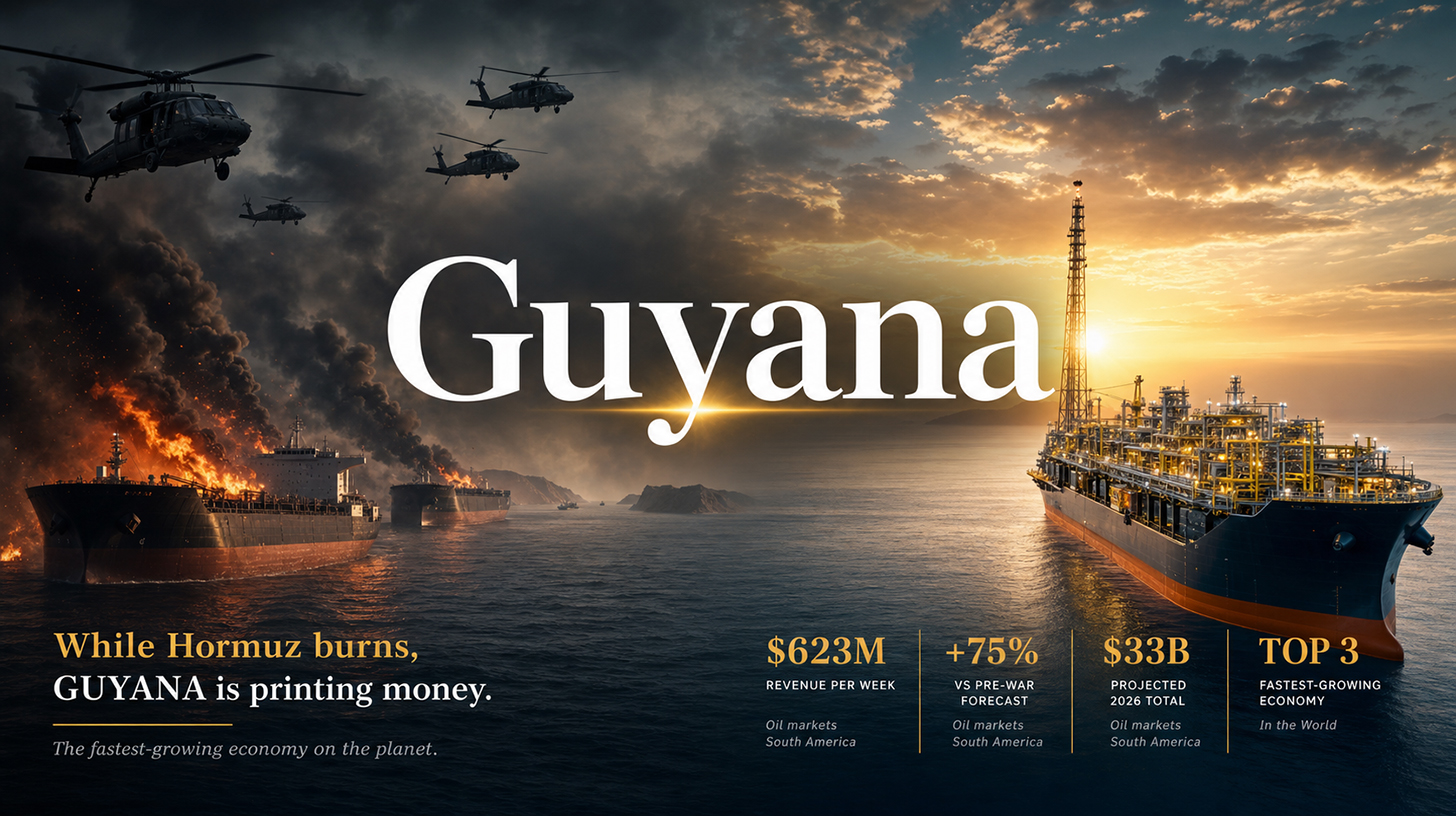
Das schnellste Wirtschaftswachstum der Welt: Warum dieses kleine Land Guyana plötzlich Milliarden mit Öl verdient – Bild: Xpert.Digital
BIP explodiert um 58 Prozent: Das südamerikanische Öl-Wunder, das die globale Energieordnung auf den Kopf stellt
Exxons (USA) Offshore-Goldgrube: Wie ein Land ohne Öl-Historie zum wichtigsten Lieferanten Europas wird
Niemand hatte es auf dem Radar: Dieser Kleinstaat ist der heimliche Gewinner der Nahost-Krise
Die Eskalation im Nahen Osten hat den globalen Ölmarkt in seinen Grundfesten erschüttert. Während die Straße von Hormuz – die wichtigste Lebensader der weltweiten Energieversorgung – durch geopolitische Konflikte und Drohnenangriffe de facto blockiert ist und die Rohstoffpreise explodieren lässt, richtet sich der Blick der Weltwirtschaft auf einen unerwarteten Profiteur. Guyana, ein bis vor wenigen Jahren kaum beachteter Kleinstaat an der Nordküste Südamerikas, erlebt derzeit einen wirtschaftlichen Aufstieg, der in der modernen Geschichte beispiellos ist. Befeuert durch gigantische Offshore-Ölfunde, massive Investitionen westlicher Konzerne und dem plötzlichen Wegfall verlässlicher Nahost-Lieferungen, sprengt das Land sämtliche globale Wachstumsprognosen. Doch der historische Reichtum bringt nicht nur unfassbare Chancen, sondern auch gewaltige Herausforderungen mit sich. Kann das Land dem gefürchteten „Ressourcenfluch“ entgehen und seinen Öl-Boom in nachhaltigen Wohlstand umwandeln? Eine tiefgehende Analyse über die Neuausrichtung der globalen Energieordnung, Exxons Meisterstück im Atlantik und das rasanteste Wirtschaftswunder unserer Zeit.
Passend dazu:


Ein Kleinstaat wird zur wichtigsten Ölalternative der Welt – und wenige haben es kommen sehen
Ein Schifffahrtsengpass verändert die globale Energieordnung
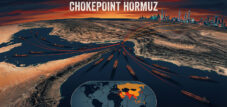
Als israelische und amerikanische Streitkräfte Anfang März 2026 Schläge gegen iranische Militärinfrastruktur durchführten, dauerte es keine 72 Stunden, bis die Konsequenzen an den globalen Energiemärkten spürbar wurden. Die Iranische Revolutionsgarde sperrte die Straße von Hormuz faktisch für den kommerziellen Schiffsverkehr: Drohnenangriffe in unmittelbarer Nähe der Meerenge machten den Transit für Versicherungsgesellschaften untragbar, was einer De-facto-Schließung gleichkam. Die Zahl der Schiffe, die die Meerenge täglich passierten, fiel von einem Vorkriegsdurchschnitt von 129 bis 140 auf gerade einmal 7 bis Mitte April 2026 — ein Rückgang von 95 Prozent. Die Internationale Energieagentur klassifizierte die Lage als die größte Angebotsunterbrechung in der Geschichte des globalen Ölmarkts. Ende April 2026 lag Brent-Rohöl bei über 118 US-Dollar pro Barrel — ein Preisniveau, das seit Jahren nicht mehr erreicht worden war.
Rund 20 Prozent des weltweiten Ölhandels und ein erheblicher Teil der globalen Flüssiggas-Exporte durchqueren Hormuz in normalen Zeiten. Länder wie Indien, Südkorea, Pakistan und Japan, die zu einem Großteil auf Lieferungen aus dem Persischen Golf angewiesen sind, gerieten unmittelbar unter Druck. Katar, einer der weltweit bedeutendsten LNG-Exporteure, erklärte Force Majeure auf sämtliche Flüssiggaslieferungen, die über die Straße von Hormuz transportiert werden, was etwa 20 Prozent des globalen LNG-Angebots betraf. Obwohl am 8. April 2026 ein Waffenstillstand zwischen den USA und dem Iran verkündet wurde, blieb die Straße von Hormuz weiterhin für den normalen Schifffahrtsverkehr blockiert: Der Iran nutzte die anhaltende Sperrung als Verhandlungsmasse gegen die US-Seeblockade seiner eigenen Ölexporte. Mitten in diesem geopolitischen Chaos richteten Rohstoffhändler, europäische Energieversorger und amerikanische Raffineriebetreiber ihren Blick verstärkt auf einen Ort, der noch vor wenigen Jahren auf keiner strategischen Landkarte verzeichnet war: den Atlantischen Ozean, knapp 200 Kilometer vor der Küste Guyanas.
Eine Entdeckung, die alles veränderte
Die Geschichte des guyanischen Ölbooms beginnt 2015, als ExxonMobil im Stabroek-Block vor der Küste Guyanas eine Weltklasse-Ölentdeckung machte. Was folgte, war eine der spektakulärsten Erschließungssequenzen in der modernen Ölgeschichte: Innerhalb weniger Jahre identifizierte das Konsortium aus ExxonMobil (45 Prozent), Hess/Chevron (30 Prozent) und dem chinesischen Staatskonzern CNOOC (25 Prozent) über 40 Reservoirs mit insgesamt mehr als 11 Milliarden Barrel zertifizierten und wahrscheinlichen Reserven. Im Dezember 2019 begann die erste kommerzielle Ölförderung mit dem Projekt Liza Phase 1. Was damals wie ein vielversprechender Anfang wirkte, hat sich bis 2026 in eine Produktionsmaschinerie verwandelt, die selbst erfahrene Energieökonomen in Staunen versetzt.
Im Februar 2026 erreichte die tägliche Ölförderung im Stabroek-Block einen historischen Rekordwert von 918.000 Barrel pro Tag — die höchste monatliche Produktion seit dem ersten Öl im Jahr 2019. Bis Ende Februar 2026 wurden an einem einzigen Tag sogar 926.550 Barrel gehoben. Dieser Wert übersteigt bereits heute die kumulierte Förderleistung Venezuelas, das einst ein Schwergewicht der lateinamerikanischen Erdölindustrie war und nun nur noch einen Bruchteil seiner historischen Kapazitäten ausschöpft. Zum Vergleich: Im Jahr 2020, also nur wenige Monate nach dem ersten Öl, lag Guyanas Tagesproduktion noch bei rund 60.000 Barrel. Der Anstieg auf fast eine Million Barrel täglich innerhalb von sechs Jahren ist ohne Präzedenz in der Nachkriegsgeschichte der Ölindustrie.
Der strukturelle Wendepunkt: Vom Kostennehmer zum Nettogewinner
Um die ökonomische Tragweite des gegenwärtigen Moments zu verstehen, muss man die Mechanik des Produktionsteilungsvertrags (Production Sharing Agreement, PSA) von 2016 kennen. Dieser regelt, wie die Einnahmen aus der Ölförderung zwischen dem guyanischen Staat und dem ExxonMobil-Konsortium aufgeteilt werden. Der Vertrag sieht vor, dass ExxonMobil bis zu 75 Prozent der monatlichen Öleinnahmen für die Rückzahlung seiner Entwicklungskosten einbehalten kann, bevor Gewinne geteilt werden. Erst wenn sämtliche historischen Investitionskosten amortisiert sind, wechselt das Verteilungsregime: Dann werden die verbleibenden Öleinnahmen zu gleichen Teilen — jeweils 50 Prozent — zwischen der guyanischen Regierung und dem Konsortium aufgeteilt.
ExxonMobil hat bislang insgesamt etwa 40 Milliarden US-Dollar in die sieben genehmigten Projekte im Stabroek-Block investiert. Noch zu Jahresbeginn 2026 betrug der verbleibende Kostenrückstand in der sogenannten Cost Bank rund 5 Milliarden US-Dollar. Unter normalen Preisverhältnissen wäre die vollständige Amortisierung erst 2027 erwartet worden. Der Preisschock durch die Hormuz-Krise hat diesen Zeitplan erheblich nach vorne verschoben: ExxonMobil-Guyana-Präsident Alistair Routledge erklärte im März 2026 öffentlich, dass die vollständige Kostentilgung angesichts hoher Ölpreise noch im Laufe des Jahres 2026 erfolgen könnte — ein Jahr früher als ursprünglich geplant. Für Guyana bedeutet dies einen historischen Quantensprung: Der Staatsanteil an den Öleinnahmen wird von derzeit 14,5 Prozent auf bis zu 52 Prozent steigen.
Im ersten Quartal 2026 flossen bereits 761,72 Millionen US-Dollar in Guyanas Staatsfonds — ein neues Rekordquartal. Mit einem Brent-Preis von 118,35 US-Dollar pro Barrel zum 31. März 2026 und steigender Produktion lässt sich hochrechnen, was der vollständige Übergang zur 50/50-Gewinnaufteilung für die guyanischen Staatsfinanzen bedeutet. Analysten sprechen von einem potenziellen Jahreseinnahmen-Volumen, das bisher nicht einmal in den optimistischsten Prognosen berücksichtigt wurde.
Das schnellste Wirtschaftswachstum der Welt — in Zahlen
Kein Staat wächst derzeit so schnell wie Guyana. Laut IWF erzielte das Land seit 2022 im Durchschnitt ein reales BIP-Wachstum von 47 Prozent pro Jahr — ein Wert, der in der modernen Wirtschaftsgeschichte schlicht keinen Vergleich findet. Im Jahr 2024 stieg das reale Öl-BIP um 58 Prozent, während das Nicht-Öl-BIP gleichzeitig um über 13 Prozent wuchs — ein Zeichen dafür, dass die Wachstumsdynamik zunehmend breiter wird. Die Weltbank prognostiziert für 2026 ein Wachstum von 22,4 Prozent und für 2027 sogar 24 Prozent — und weist Guyana damit als das am schnellsten wachsende Land in Lateinamerika und der Karibik aus, ohne jede ernsthafte Konkurrenz.
Das BIP pro Kopf ist das eindrucksvollste Kapitel dieser Geschichte. Im Jahr 2019 lag Guyanas Wirtschaftsleistung je Einwohner noch bei unter 5.000 US-Dollar. Im Jahr 2023 erreichte es bereits 23.103 US-Dollar. Der IWF projiziert, dass Guyana bis 2030 ein BIP pro Kopf von über 50.000 US-Dollar erreichen wird — ein Wert, der höher liegt als der heutige Durchschnitt Mexikos, Brasiliens und Kolumbiens zusammengenommen. Die Grafiken, die der IWF und die Weltbank dazu veröffentlichen, sehen nicht wie normale Wachstumskurven aus: Sie ähneln einem senkrechten Anstieg, der alle bisherigen Maßstäbe sprengt. Die Frage, ob ein Land von unter einer Million Einwohnern dies tatsächlich in nachhaltige Prosperität ummünzen kann, ist eine andere — und sie ist ebenso relevant wie die nackten Wachstumszahlen.
Die Fördermaschine: FPSO-Flotte und Produktionsarchitektur
Das technologische Rückgrat des guyanischen Ölbooms sind schwimmende Förder-, Speicher- und Verladeanlagen, sogenannte FPSOs (Floating Production, Storage and Offloading vessels). Diese gigantischen Plattformen operieren im Tiefwasser des Stabroek-Blocks, 200 Kilometer vor der Küste, in Wassertiefen von bis zu 2.000 Metern. Derzeit sind vier FPSOs in Betrieb: Liza Destiny, Liza Unity, Prosperity und One Guyana (auch Yellowtail-FPSO). Sie bilden gemeinsam die Basis für die aktuelle Förderkapazität von knapp 930.000 Barrel täglich.
ExxonMobil hat für Guyana einen Investitionsplan von insgesamt über 60 Milliarden US-Dollar in sieben genehmigte Projekte zugesagt. Mit dem Uaru-Projekt, dem fünften Entwicklungsvorhaben im Stabroek-Block, wird 2026 eine weitere FPSO in Betrieb gehen: die Errea Wittu, mit einer Kapazität von 250.000 Barrel täglich. Das sechste Projekt, Whiptail, wird bis Ende 2027 mit der FPSO Jaguar folgen und weitere 250.000 Barrel täglich hinzufügen — ein Investment von 12,7 Milliarden US-Dollar. Darüber hinaus laufen Planungen für das siebte Projekt, Hammerhead, sowie für ein achtes und neuntes Vorhaben auf Basis der Haimara- und Pluma-Entdeckungen — allesamt gasreiche Felder, die Guyana mittelfristig auch als LNG-Exporteur positionieren könnten. Bis 2030 plant ExxonMobil eine Gesamtkapazität von bis zu 1,62 Millionen Barrel Öl täglich zuzüglich rund 290.000 Barrel Kondensaten und mehr als 1,6 Milliarden Standardkubikfuß Erdgas täglich. Gemessen am Ausgangspunkt — dem Förderstart 2019 mit weniger als 75.000 Barrel täglich — ist diese Entwicklung nichts anderes als ein industriehistorischer Ausnahmefall.
Europa bezahlt Aufschläge — und Guyana kassiert
Die geopolitische Logik ist so klar wie einleuchtend: Europa hat nach dem Angriff auf Russland und der damit verbundenen Neuausrichtung seiner Energiepolitik systematisch nach nicht-russischen und nicht-Nahost-Rohölquellen gesucht. Guyana liefert genau das: leichtes Süßöl aus dem Atlantikbecken, das von der Straße von Hormuz so weit entfernt ist wie nur möglich, ohne auf einer anderen Hemisphäre zu liegen. Im Jahr 2025 gingen rund 60 Prozent aller guyanischen Ölexporte nach Europa, mit den Niederlanden, dem Vereinigten Königreich, Spanien und Italien als Hauptdestinationen. Europäische Abnehmer zahlen für nicht-nahöstliches Rohöl seit dem Ausbruch der Hormuz-Krise Prämien, die den Vorteil guyanischen Öls — kurze Transitrouten über den Atlantik, keinerlei Abhängigkeit von Engpässen — in barer Münze honorieren.
Gleichzeitig wächst der Absatzmarkt. Im Jahr 2025 wurden erstmals 24 Ladungen guyanischen Rohöls in den asiatisch-pazifischen Raum verschifft — kein einziges Frachtschiff hatte diesen Weg zuvor genommen. Mit zunehmender Produktionskapazität öffnet Guyana sukzessive neue Märkte: Die USA importierten 2025 im Jahresdurchschnitt bereits 208.000 Barrel täglich aus Guyana — mehr als aus jedem anderen südamerikanischen Land. Das Muster ist deutlich: Guyana etabliert sich als Zulieferer erster Wahl für diejenigen Importländer, die nach verlässlichen, politisch stabilen Alternativen zu Nahostöl suchen. Die exportierten Mengen von 2025 — rund 260 Millionen Barrel zu einem Gesamtwert von 17,8 Milliarden US-Dollar — machen Rohöl bereits zu über 85 Prozent des guyanischen Gesamtexportvolumens.
🎯🎯🎯 Global Sourcing & Commodity Trading mit integrierter Logistik


Rohstoffe, Globale Beschaffung & Handel - Bild: Xpert.Digital
Modernste Frachtflugzeuge, optimierte Transportrouten und multimodale Logistikketten sind austauschbar – sie lassen sich kaufen, mieten oder outsourcen. Was sich nicht kaufen lässt, sind direkte Produzentenkontakte in peruanischen Minen, verlässliche Lieferbeziehungen in den GUS-Staaten und jahrelang aufgebautes Vertrauen in Märkten, die keine Fremden kennen. Der entscheidende Wettbewerbsvorteil im globalen Rohstoffhandel liegt nicht im Transport des Gutes von A nach B – sondern im Wissen, wo das Gut herkommt, wer es produziert und wie man Zugang bekommt, bevor andere überhaupt wissen, dass es diesen Markt gibt. Wer das Netzwerk besitzt, bestimmt den Preis. Alle anderen bezahlen ihn.
Mehr dazu hier:
Wie Guyana das globale Ölspiel verändert – Chancen, Risiken und das Essequibo-Problem
Der geopolitische Kontext: Venezuela, Maduro und das Essequibo-Risiko
Keine Analyse Guyanas wäre vollständig ohne einen Blick auf das größte geopolitische Risiko: den territorialen Anspruch Venezuelas auf die Essequibo-Region, die zwei Drittel des guyanischen Staatsgebiets umfasst und direkt an das Stabroek-Fördergebiet angrenzt. Der Disput hat eine fast 200-jährige Geschichte und wurde durch die Ölentdeckungen seit 2015 zur hochbrisanten Schicksalsfrage. Im Dezember 2023 ließ Nicolás Maduro ein venezolanisches Referendum abhalten, in dem eine überwältigende Mehrheit — bei freilich sehr geringer Beteiligung — für die Annexion der Essequibo-Region votierte. Maduro kündigte anschließend an, einen venezolanischen Gouverneur für das Gebiet zu ernennen und neue Landkarten der Region als Teil Venezuelas zu veröffentlichen.
Die Situation hat sich seitdem in mehrfacher Hinsicht verändert. Im Januar 2026 wurde Nicolás Maduro in einer dramatischen Nacht-und-Nebel-Aktion amerikanischer Spezialkräfte in Caracas festgenommen und außer Landes gebracht. Seitdem fungiert Delcy Rodríguez als kommissarische Präsidentin Venezuelas — und signalisiert durch das ostentative Tragen einer Anstecknadel in Form der Essequibo-Region bei Staatsbesuchen, dass der venezolanische Anspruch in der politischen Symbolik des Landes weiterhin präsent ist. Beim Internationalen Gerichtshof in Den Haag, wo Guyana seit 2018 auf eine gerichtliche Grenzbestätigung klagt und Venezuela seine Erwiderung erst im August 2025 eingereicht hat, sind die Verhandlungen für 2026 angesetzt. Entscheidend ist: Trotz aller politischen Symbolik hat Venezuela militärisch keine Maßnahmen in Richtung Essequibo unternommen. Brasilien hat Truppen an die Grenze verlegt, die USA haben Militärmanöver mit Guyana durchgeführt, und Guyanas Ölproduktion im Offshore-Bereich — außerhalb jeglicher Territorialgewässer-Dispute — läuft unterbrechungsfrei weiter.
Passend dazu:
Der Staatsfonds: Guyanas institutionelle Antwort auf den Ölreichtum
Ein wesentliches Merkmal, das Guyana von anderen kleinen Ölstaaten unterscheidet, ist das relative Maß an institutioneller Vorsicht, mit der die Öleinnahmen verwaltet werden. Der Natural Resource Fund (NRF), Guyanas Staatsfonds, wurde 2019 gegründet und hält seine Einlagen bei der Federal Reserve Bank in New York. Zum Jahresende 2025 belief sich das Fondsvermögen auf 3,25 Milliarden US-Dollar; bis Ende März 2026 stieg es auf 3,64 Milliarden US-Dollar an. Der Fonds unterliegt einer gesetzlich verankerten Entnahmeregel, die verhindert, dass Öleinnahmen ungefiltert in den Staatshaushalt fließen und eine Überhitzung der Binnenwirtschaft auslösen.
Die Geometrie der Entnahmeregel ist progressiv und konservativ zugleich: Von der ersten Milliarde der Vorjahreseinlagen können 100 Prozent entnommen werden, von der zweiten Milliarde 95 Prozent, von der dritten 90 Prozent, und so weiter abnehmend, bis bei Einlagen von über 5 Milliarden US-Dollar nur noch 10 Prozent abgerufen werden können. Dies bedeutet, dass steigende Ölpreise und höhere Einnahmen sich nicht proportional in höheren Staatsausgaben niederschlagen — eine strukturell wichtige Dämpfung, die explizit aus den Fehlern anderer ressourcenreicher Entwicklungsländer gelernt wurde. Ob diese Konstruktion ausreicht, um die bekannten Pathologien des Ressourcenreichtums zu verhindern, ist allerdings eine offene Frage.
Die dunklen Seiten des Goldrauschs: Ressourcenfluch und Dutch Disease
Der Wohlstand Guyanas ist real — aber die Risiken sind es ebenso. Die wirtschaftswissenschaftliche Literatur zum sogenannten Ressourcenfluch ist umfangreich: Länder, die in kurzer Zeit zu großen Rohstoffproduzenten werden, neigen zu De-Industrialisierung, wachsender Abhängigkeit von Rohstoffeinnahmen, institutionellem Verfall und gesellschaftlicher Ungleichheit. Das Phänomen der „Dutch Disease“ (Holländische Krankheit) beschreibt, wie massive Devisenzuflüsse eine Währungsaufwertung auslösen, die traditionelle Exportbranchen wie Landwirtschaft und verarbeitendes Gewerbe unrentabel macht. Guyanas Regierung hat diese Gefahr erkannt und versucht, ihr durch den Staatsfonds und eine gezielte Investitionspolitik entgegenzuwirken.
Dennoch sind die Warnsignale nicht zu übersehen. Ein Kommentar in der guyanischen Presse vom Mai 2026 brachte es auf den Punkt: Das Land importiert Rohöl in raffinierter Form zurück, weil es keine eigene Raffinerie besitzt — was bedeutet, dass ein Teil der Windfall-Gewinne durch höhere Kraftstoffpreise im Inland neutralisiert wird. Der Mindestlohn ist seit Jahren eingefroren, während ausländische Arbeitskräfte für Infrastruktur- und Ölprojekte ins Land geholt werden. Subventionsprogramme wie die Reissubvention kaschieren die Kaufkraftprobleme der unteren Einkommensschichten. Präsident Irfaan Ali hat das Ziel der wirtschaftlichen Diversifizierung öffentlich zur Staatsdoktrin erklärt — mit Investitionen in Landwirtschaft, Agrarverarbeitung, Tourismus und digitale Infrastruktur. Ob dies ausreicht, ist ungewiss. Der Ausgang hängt wesentlich davon ab, ob die politischen Institutionen die nötigen langen Zeithorizonte durchhalten können, oder ob kurzfristiger politischer Druck die Ausgabendisziplin untergräbt.
Die globale strategische Dimension: Energiesicherheit neu denken
Der Hormuz-Schock von 2026 hat etwas sichtbar gemacht, was die strategischen Planungsabteilungen großer Energieimporteure längst wussten: Die Konzentration globaler Öllieferungen auf wenige Engpässe ist eine strukturelle Verwundbarkeit ersten Ranges. Rund 13 Millionen Barrel täglich flossen 2025 durch Hormuz — 31 Prozent des gesamten maritimen Rohölhandels der Welt. Die Unterbrechung auch nur eines Teils dieser Ströme erzeugt Preisschocks, die gesamtwirtschaftlich destabilisierend wirken. Länder wie Deutschland, das 2025 noch immer zu einem erheblichen Teil von Importen aus dem Persischen Golf abhängig war, suchen seitdem noch aktiver nach Alternativen im Atlantikbecken.
Guyana ist einer der zentralen Profiteure dieser Suche — neben Brasilien, dessen Pre-Salt-Tiefseefelder ähnliche Produktionsdynamiken aufweisen, und einem wiedererstarkenden Offshore-Sektor in Westafrika. Die EIA hatte bereits Ende 2025 festgestellt, dass Guyana zusammen mit Brasilien und Argentinien rund die Hälfte des globalen Produktionswachstums außerhalb der OPEC trägt. Mit dem Hormuz-Schock ist aus einer strukturellen Tendenz eine akute strategische Priorität geworden. Die Fähigkeit Guyanas, seine Förderkapazität von heute knapp 930.000 Barrel täglich bis 2030 auf potenziell 1,7 Millionen Barrel täglich auszubauen, macht das Land zu einem Systemwert für die globale Energiesicherheit — nicht nur für Europa.
Die Investorenperspektive: Was Händler und Beschaffer wissen müssen
Für professionelle Marktteilnehmer — Rohstoffhändler, Raffinerien, strategische Einkäufer und institutionelle Investoren — liefert Guyana gegenwärtig eine Kombination von Merkmalen, die selten in einem einzigen Markt zusammentreffen. Die Produktionskosten im Stabroek-Block gehören zu den niedrigsten der Welt, was den Betrieb auch bei deutlich niedrigeren Ölpreisen profitabel macht. Die Qualität des guyanischen Rohöls — leichtes Süßöl der Sorten Liza Light sowie das 2025 neu eingeführte Golden Arrowhead — trifft die Spezifikationen europäischer und amerikanischer Raffinerien präzise. Die Preisprämie gegenüber Nahost-Crude, die sich seit dem Hormuz-Schock aufgebaut hat, reflektiert nicht Spekulation, sondern die physische Knappheit alternativer Lieferquellen.
Gleichzeitig besteht das Risiko, dass eine schnelle Lösung der Hormuz-Krise — ein vollständiger Waffenstillstand, diplomatischer Druck der USA zur Wiedereröffnung oder direkte Verhandlungen — die aktuellen Prämien schlagartig neutralisieren würde. Brent fiel nach der Waffenstillstandsankündigung am 8. April zwar kurzzeitig zurück, erholte sich aber rasch auf über 100 Dollar, als klar wurde, dass der Iran die Sperrung der Meerenge weiterhin als Verhandlungshebel einsetzte. Selbst bei einer vollständigen Normalisierung der Meerenge bleibt Guyanas strukturelle Attraktivität als atlantischer Produzent bestehen — die Versorgungsunterbrechung hat lediglich beschleunigt, was sich ohnehin ankündigte: die Etablierung Guyanas als unverzichtbarer Pfeiler einer diversifizierten globalen Ölversorgung.
Ausblick 2026–2030: Milestones und offene Fragen
Die nächsten vier Jahre werden die Weichen für Guyanas langfristige Rolle in der Weltwirtschaft stellen. Zu den sicher terminierten Entwicklungen gehören der Anlauf der FPSO Errea Wittu im Uaru-Feld 2026 (plus 250.000 Barrel täglich), der Start der FPSO Jaguar im Whiptail-Feld bis Ende 2027 (weitere 250.000 Barrel täglich), die Entwicklung des Hammerhead-Feldes bis 2029 sowie das Longtail-Projekt bis 2030, das als erstes guyanisches Vorhaben schwerpunktmäßig auf nicht-assoziiertes Erdgas abzielt. Parallel dazu soll die Gas-to-Shore-Pipeline noch 2026 in Betrieb gehen, die erstmals heimische Stromerzeugung aus eigenem Offshore-Gas ermöglichen wird — eine strukturell bedeutsame Maßnahme, die die Energiekosten im Inland senken und die Wettbewerbsfähigkeit der Nicht-Öl-Wirtschaft verbessern soll.
Noch ist eine wichtige Frage ungeklärt: Wann genau beginnt der Übergang zur 50/50-Gewinnaufteilung vollständig zu wirken? ExxonMobil hat erklärt, dass der Übergang schrittweise und projektbezogen erfolgt — nicht als einmaliger Schalter. Da der Produktionsteilungsvertrag die Kostenrückzahlung auf Projektebene regelt, werden unterschiedliche FPSOs zu unterschiedlichen Zeitpunkten den Schwellenwert überschreiten. Die frühen Projekte (Liza Destiny, Liza Unity) befinden sich bereits in der fortgeschrittenen Phase der Kostenrückzahlung; die neueren (Yellowtail, Uaru) werden noch Jahre benötigen. Für den guyanischen Staatsfonds bedeutet dies einen graduellen, aber unaufhaltsamen Anstieg der Einnahmen — selbst bei moderaten Ölpreisen.
Ein Kleinstaat unter dem Brennglas der Geschichte
Guyana ist ein Land von weniger als einer Million Menschen. Es hat keine nennenswerte industrielle Geschichte, keine etablierten internationalen Finanzinstitutionen und keine wirtschaftlich leistungsstarke Mittelschicht im Sinne eines entwickelten Landes. Was es hat, ist das geologische Glück der Jahrhunderte, eine pragmatische Regierung, die — trotz aller berechtigten Kritik — den institutionellen Rahmen für die Verwaltung des Rohstoffreichtums frühzeitig aufgebaut hat, und eine Positionierung im Atlantikbecken, die in einer Welt voller geopolitischer Engpässe massives strategisches Gewicht besitzt.
Die Frage, die über die Zukunft Guyanas entscheidet, ist letztlich dieselbe, die sich alle ressourcenreichen Entwicklungsländer stellen müssen: Kann eine politische Klasse, die sozialen Druck von unten und externen Druck von oben gleichermaßen aushalten muss, den langen Atem aufbringen, Öl-Milliardeneinnahmen so zu investieren, dass sie eine produktive, diversifizierte Wirtschaft entstehen lassen — statt lediglich eine Petro-Klientelwirtschaft zu stabilisieren? Norwegen ist das oft zitierte Vorbild. Aber Norwegen verfügte beim ersten Öl bereits über starke demokratische Institutionen, eine gebildete Mittelschicht und einen funktionierenden Rechtsstaat. Guyana fängt an einem völlig anderen Ausgangspunkt an. Die Bedingungen sind schwieriger — und die Welt schaut zu.
Die Wirtschaftsgeschichte wird darüber urteilen, ob Guyana das schnellste Wachstum der modernen Zeit in dauerhaften Wohlstand übersetzen konnte. Was sich bereits heute mit absoluter Sicherheit sagen lässt: Während die Straße von Hormuz brennt, ist Guyana — durch eine Kombination aus geologischem Glück, amerikanischem Kapital und atlantischer Geografie — zum bedeutendsten neuen Öl-Akteur des Atlantikbeckens aufgestiegen. Das ist keine Metapher. Das ist Wirtschaftsgeografie.
Ihr Kontakt für Rohstoffe ⛏️ Globale Beschaffung 🚢🌐 & Handel 📦

Dmitry Kovalenko
Gerne stehe ich Ihnen als persönlicher Berater zur Verfügung.
Dmitry Kovalenko
Tel: +49 7348 4088 961
Ihr Kontakt für Rohstoffe ⛏️ Globale Beschaffung 🚢🌐 & Handel 📦

Konrad Wolfenstein
Gerne stehe ich Ihnen als persönlicher Berater zur Verfügung.
Konrad Wolfenstein
E-Mail: wolfenstein@xpert.Digital
Unsere globale Branchen- und Wirtschafts-Expertise in Business Development, Vertrieb und Marketing

Unsere globale Branchen- und Wirtschafts-Expertise in Business Development, Vertrieb und Marketing - Bild: Xpert.Digital
Branchenschwerpunkte: B2B, Digitalisierung (von KI bis XR), Maschinenbau, Logistik, Erneuerbare Energien und Industrie
Mehr dazu hier:
Ein Themenhub mit Einblicken und Fachwissen:
- Wissensplattform rund um die globale wie regionale Wirtschaft, Innovation und branchenspezifische Trends
- Sammlung von Analysen, Impulsen und Hintergründen aus unseren Schwerpunktbereichen
- Ein Ort für Expertise und Informationen zu aktuellen Entwicklungen in Wirtschaft und Technologie
- Themenhub für Unternehmen, die sich zu Märkten, Digitalisierung und Brancheninnovationen informieren möchten