
Without civilian industry, no logistics in the event of a disaster and civil-military cooperation (CMC)
Xpert pre-release

Available in 27 languages 📢
Prefer Xpert.Digital on GoogleⓘPublished on: August 9, 2025 / Updated on: August 9, 2025 – Author: Konrad Wolfenstein
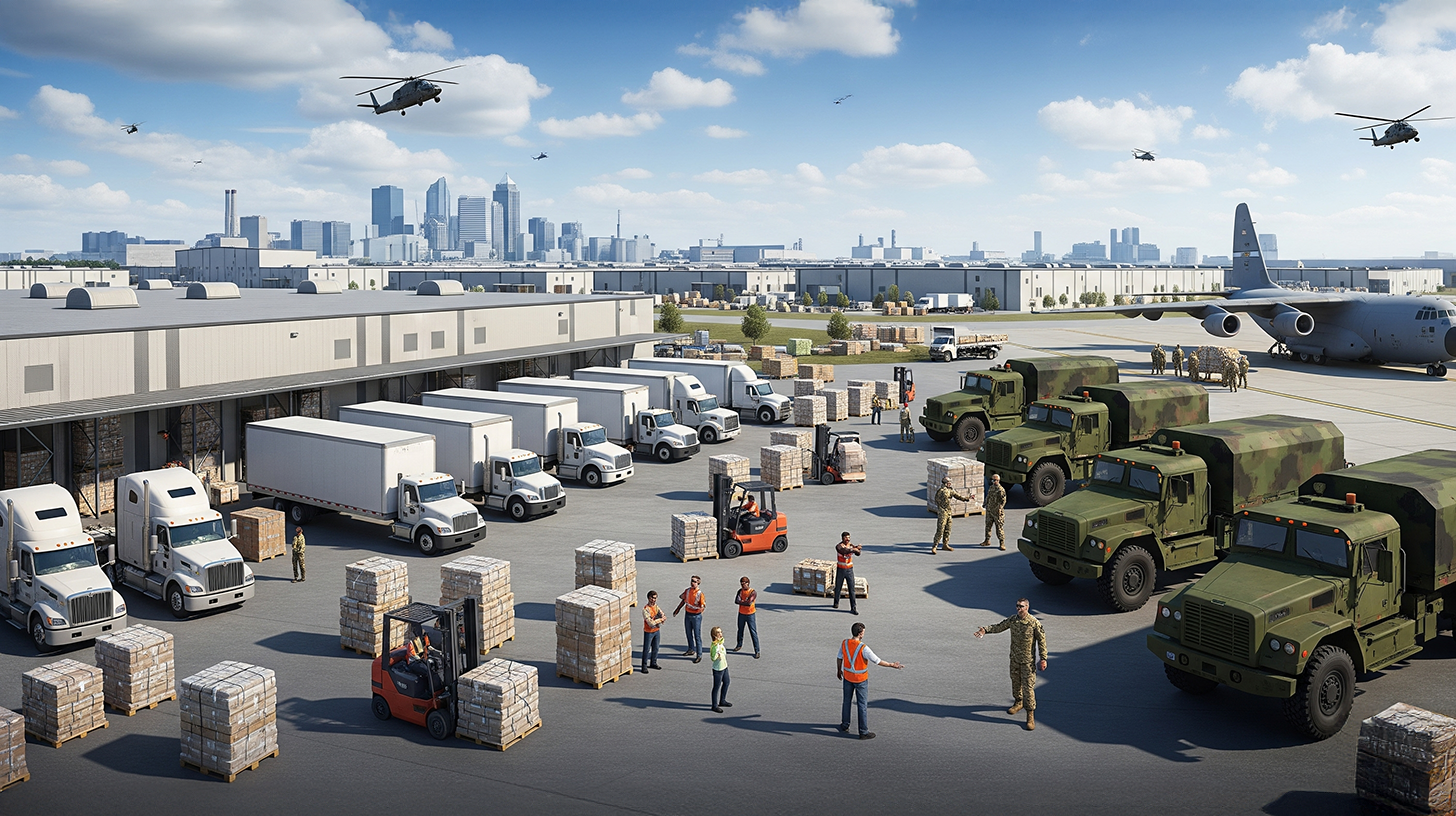
Without the civilian sector, there will be no logistics in the event of a V-case and civil-military cooperation (CMC) – Image: Xpert.Diital
Germany's new role: Why 800,000 NATO soldiers depend on our logistics
Operational Plan Germany: What the Bundeswehr expects from civilian companies in an emergency and how freight forwarders and IT companies are becoming the backbone of national defense
The security situation in Europe has changed fundamentally. Germany faces the challenge of rethinking its defense capabilities and strengthening logistics as a central pillar of national and alliance defense. At the heart of this transformation is the realization that military defense cannot function without the support of the civilian sector. This study sheds light on the complex interrelationships between military logistics and the civilian economy in the context of defense for society as a whole.
Suitable for:

What does the changed threat situation mean for Germany?
How has the security situation in Europe changed?
The security situation in Europe has fundamentally changed since the Russian attack on Ukraine in February 2022. Germany, which was a frontline state during the Cold War, now finds itself in a completely different strategic position. As a country in the heart of Europe, the Federal Republic is no longer directly on the potential front line, but functions as a central logistical hub for NATO.
This new role arises from Germany's geographical location. NATO member states such as Poland, the Czech Republic, Slovakia, Hungary, Romania, Bulgaria, and the Baltic states lie to the east. In the event of a potential conflict, the defense lines would run east of Germany. This makes Germany an indispensable transit country and supply base for Allied forces.
The German Armed Forces (Bundeswehr) and Western intelligence agencies assume that Russia is massively rearming its armed forces. Russian defense spending is now at about ten percent of economic output, while Europe is planning on spending three to four percent. Russia produces about 1,500 battle tanks annually or repairs them from depots – significantly more than is needed for the war against Ukraine.
What timeframe is given for a possible threat?
In security circles and within the Bundeswehr, the year 2029 is cited as a critical point. Brigadier General Ralf Lungershausen, Deputy Commander of the Bundeswehr Logistics Command, made it clear at LOG.NET 2025 in Koblenz: "As early as 2029 – four years from now – Russia could be able and willing to attack NATO territory."
Inspector General Carsten Breuer shares this assessment, stating that Russia would be capable of a large-scale, conventional attack on NATO territory by 2029. By then, the Russian armed forces, with 1.5 million soldiers, would be twice as large as before the war of aggression against Ukraine.
It is important to emphasize that this timeframe should not be understood as a prediction of an actual attack, but rather as a planning horizon for the necessary preparations. NATO and Germany must have strengthened their deterrent capabilities by this time to such an extent that an attack is prevented from the outset.
The role of the Bundeswehr Logistics Command
What is the Bundeswehr Logistics Command and what are its tasks?
The Bundeswehr Logistics Command (LogKdoBw) is a central capability command in the Bundeswehr's support area, headquartered in Erfurt. Established on January 15, 2013, it consolidates responsibility and authority for the deployment, training, and further development of logistics throughout the Bundeswehr.
With approximately 17,000 civilian and military personnel – almost a quarter of the total personnel in the support area – the Logistics Command is one of the largest organizational units of the Bundeswehr. The Commander of the Logistics Command also holds the position of "General Bundeswehr Logistics" and is thus responsible for the design and functioning of the entire Bundeswehr logistics system.
The command has 52 subordinate offices at 73 locations throughout Germany. Its main tasks include providing all cross-sectional logistics services, the special logistical tasks of the Special Engineer Unit, and ensuring the Bundeswehr's motor vehicle operations. The mobile logistics troops of the Basic Logistics Unit are responsible for supporting deployments and providing logistical support to German armed forces during exercises and operations.
How is Bundeswehr logistics preparing for national and alliance defense?
The refocusing on national and alliance defense requires a fundamental reorientation of Bundeswehr logistics. Brigadier General Lungershausen emphasized: "We must strengthen our Bundeswehr logistics and thus make our contribution to security and effective deterrence."
This realignment encompasses several dimensions. First, the logistics battalions are being restructured. The units previously focused on international crisis operations are being reclassified into heavy and light logistics battalions. Heavy battalions will function as quasi-stationary logistics bases in the theater of operations, while light battalions, as rapidly deployable and situation-adapted logistics facilities, ensure continuity with the operational logistics of the armed forces.
Second, training is being adapted. Logisticians must learn to supply not just small contingents in distant theaters of operations, but large troop formations in a coherent operational area. The requirements for "mass" – is, the ability to move large quantities of material and personnel – are paramount.
Third, there is increased networking with civilian partners. The Logistics Command is working closely with the Federal Office of Equipment, Information Technology and In-Service Support and the Federal Office of Infrastructure, Environmental Protection and Services to prepare the integration of civilian capacities.
Germany as a NATO hub
What exactly does “Hub Germany” mean?
"Hub Germany" describes Germany's central role as a logistical hub for NATO troops in Europe. Due to its geographical location, almost all transport routes to NATO's eastern and southeastern flanks pass through Germany. In an emergency, up to 800,000 soldiers from NATO allies, along with their weapons, vehicles, and supplies, would have to be transported through Germany within 180 days.
This function encompasses several aspects. Germany serves as the first point of contact for transatlantic reinforcements from the US and Canada, as well as for British troops. The Federal Republic must provide the infrastructure for the reception, temporary storage, and forwarding of troops and equipment. This includes ports, airports, railway stations, road networks, and logistics centers.
A large portion of the supply flows from the USA, Southern and Western Europe converge on German territory and are distributed from there to the front lines. At the same time, Germany must manage the return flow: refugees, wounded, dead, and damaged military equipment must be transported in the opposite direction.
Suitable for:

What is Host Nation Support and what obligations does Germany have?
Host Nation Support (HNS) refers to the civilian and military support that Germany, as a host country, provides to allied forces during their transit or stay. This support is one of Germany's core alliance obligations within NATO and a cross-ministerial task.
HNS covers a wide range of services: from planning and permitting transit routes across German roads or waterways to providing accommodations and refueling facilities. Specifically, this includes the provision of infrastructure such as storage areas and field camps, logistical support with fuel, provisions, and transportation, traffic management and marching organization for troop movements, customs and immigration clearance, security support from police and law enforcement agencies, and medical care.
The legal basis is the NATO Status of Forces Agreement and its supplementary agreements, as well as national regulations. Any movement of foreign armed forces through Germany requires approval from the Federal Ministry of Defense. The Bundeswehr Operational Command coordinates the practical implementation of Host Nation Support.
The overall social task of national defense
What is meant by societal defense?
Defense for the whole of society means that national defense is not the sole responsibility of the armed forces, but requires the cooperation of all levels of government, the private sector, and civil society. This concept is enshrined in the Basic Law, which grants the federal government exclusive legislative authority over defense, including the protection of the civilian population.
According to the German Defence Framework Guidelines (RRGV), Germany's overall defence is divided into military and civil defence. Civil defence encompasses the maintenance of state and government functions, civil protection, ensuring supply, and supporting the armed forces. Both areas are organizationally independent but inextricably linked.
Whole-of-society defense is based on the principle that effective deterrence and defense can only be achieved through the cooperation of all forces. This requires not only military strength, but also a resilient economy, functioning critical infrastructure, and a prepared population.
What role does the “Operational Plan Germany” play?
The "Operations Plan Germany" (OPLAN DEU) is a comprehensive strategy document of the Bundeswehr that governs Germany's defense in an emergency. The document, which in its initial version is approximately 1,000 pages long, is classified in detail but clearly defines the roles of various actors, including the private sector.
The plan describes the military tasks and requirements of the armed forces, but also specifies the need for civilian support. It contains detailed plans for how Germany would respond in the event of a defense situation and maintains a list of all buildings and infrastructure worthy of protection for military reasons.
For businesses, the OPLAN represents concrete preparatory tasks. Companies are encouraged to develop emergency plans, strengthen their resilience, and prepare for potential support services. The Bundeswehr conducts training courses to inform companies about their potential role in a defense emergency.
Suitable for:
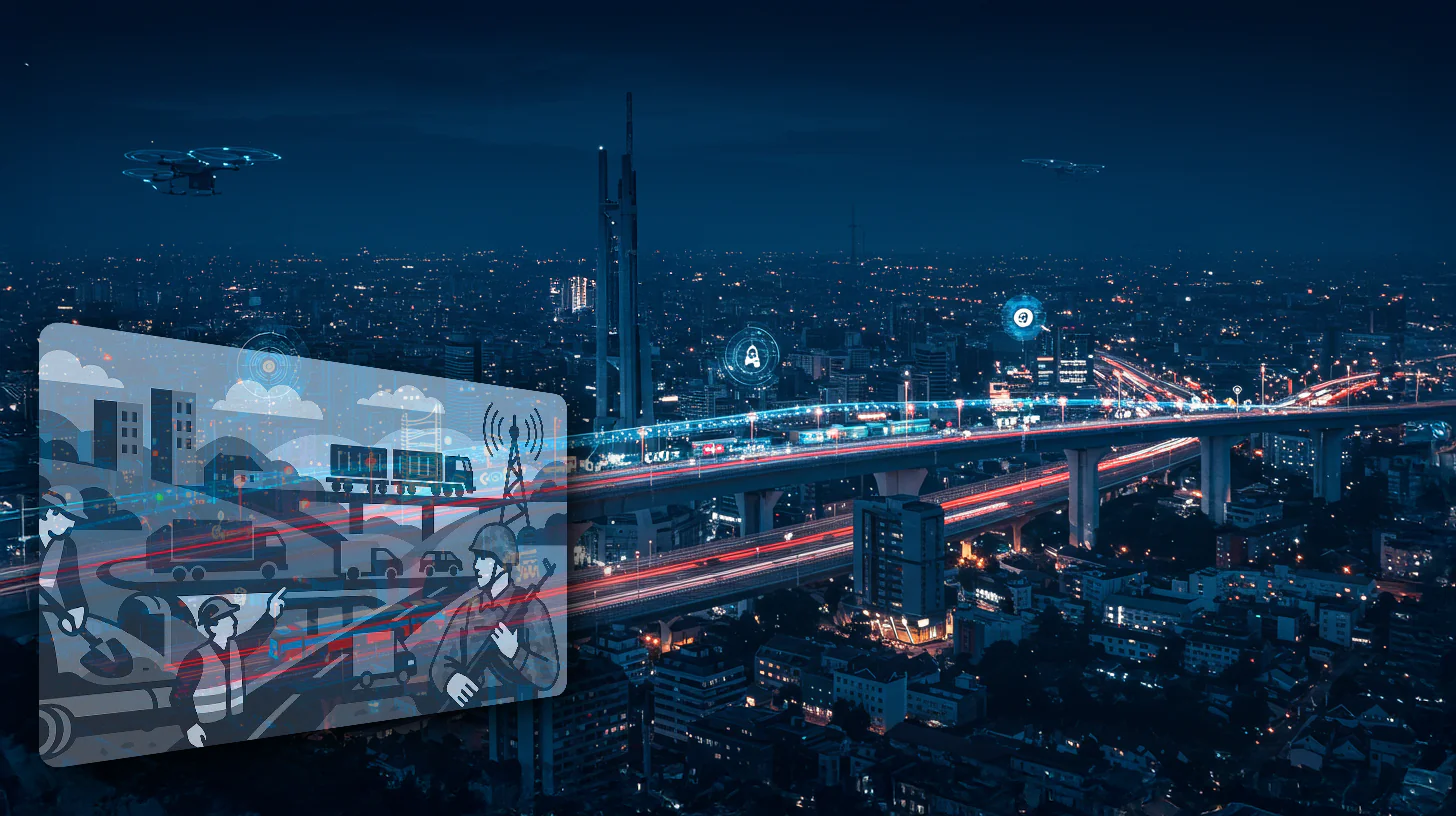
The role of the civilian economy in defense
Why is the civilian industry essential for defense?
Modern warfare and defense require logistical capabilities that far exceed the capabilities of the armed forces alone. Brigadier General Lungershausen emphasized at LOG.NET 2025: "They all play a significant role in ensuring our security and defending our country."
The Bundeswehr lacks sufficient transport capacity, storage space, or specialized services of its own to meet the demands of national and alliance defense alone. Approximately 70 percent of all trucks on German roads are driven by Eastern European drivers – a resource that may not be available in the event of a conflict.
The civilian logistics sector offers indispensable capabilities: modern warehouses and distribution centers, specialized transport vehicles and routes, digital control and tracking systems, trained personnel, and established supply chains. Without these civilian capacities, the Bundeswehr could not fulfill its defense missions.
What concrete contributions are expected from companies?
Expectations of the economy are diverse and affect different sectors differently. Logistics companies are expected to provide transport capacity, make storage space available, and contribute their expertise in supply chain management. The Bundeswehr specifically recommends training at least five additional truck drivers for every 100 employees to avoid staff shortages in the event of a crisis.
Energy suppliers must ensure the supply of electricity, water, and fuel even under challenging conditions. IT companies are expected to support cybersecurity and provide resilient communications systems. The manufacturing industry is urged to diversify their supply chains and develop emergency plans for production outages.
In addition, all companies are expected to strengthen their own resilience by developing emergency plans, establishing alternative energy supplies (such as diesel generators or wind turbines), strengthening security measures, and training their employees for crisis situations.
What are the legal bases for claiming civil benefits?
The legal basis for the use of civilian services in the event of a defense situation largely dates back to the Cold War era. The Basic Law provides for various emergency provisions that can be activated depending on the situation.
In a state of tension (Article 80a of the Basic Law), expanded government powers can already be exercised. Precautionary and security laws allow interventions in the economy to ensure supplies. In a state of defense (Article 115a of the Basic Law), these powers are significantly expanded.
Important laws include the Economic Security Act, the Transport Security Act, the Food Security Act, and the Work Security Act. These allow authorities to demand benefits, confiscate supplies, or restructure production. However, all measures fit within the existing legal framework – arbitrary interventions are not possible.
Hub for security and defense – advice and information

Hub for security and defense – Image: Xpert.digital
The hub for security and defense offers well-founded advice and current information in order to effectively support companies and organizations in strengthening their role in European security and defense policy. In close connection to the SME Connect working group, he promotes small and medium -sized companies (SMEs) in particular that want to further expand their innovative strength and competitiveness in the field of defense. As a central point of contact, the hub creates a decisive bridge between SME and European defense strategy.
Suitable for:
Risks and resilience: How companies master civil-military cooperation
Challenges for civil-military cooperation
What challenges does the logistics industry face?
The logistics industry faces enormous challenges in preparing for its role in defense. Increasing digitalization and interconnectedness make logistics systems vulnerable to cyberattacks. European companies are already suffering from hybrid attacks by Russia, which could intensify in the future.
The complexity of modern supply chains with just-in-time production and minimal inventory levels conflicts with the requirements of crisis preparedness. Companies must strike a balance between economic efficiency and necessary redundancy. Dependence on Eastern European drivers poses a particular risk, as they may return to their home countries in the event of a conflict.
Legal uncertainties regarding specific obligations in the event of an emergency complicate planning. Many companies don't know exactly what might happen and how to prepare. The costs of precautionary measures must be weighed against uncertain risks.
What role do cyberattacks and hybrid threats play?
Cyberattacks and hybrid threats pose a particular danger to rear-area logistics. Brigadier General Lungershausen explicitly warned: "Cyberattacks, which European companies are already suffering from in Russia's hybrid war, are particularly critical for rear-area logistics."
The threats are diverse: Ransomware attacks can encrypt data and paralyze systems. DDoS attacks overload IT systems and disrupt communications. Supply chain attacks exploit supplier vulnerabilities. The manipulation of logistics data can lead to misdeliveries and chaos.
Modern logistics systems, with their networked IT systems, GPS tracking, digital freight documents, and automated warehouses, offer numerous points of attack. A successful cyberattack on central logistics hubs could disrupt supplies on a large scale. Therefore, the Bundeswehr is demanding that companies implement modern security technologies and protect their critical infrastructure.
How can companies prepare for supply chain disruptions?
Preparing for supply chain disruptions requires a systematic approach. Companies should first conduct a comprehensive risk analysis to identify critical dependencies. This includes assessing single-source risks, analyzing geographic concentrations, and identifying critical components.
Based on this analysis, companies can strengthen their resilience through various measures: diversification of suppliers and procurement channels (dual or multiple sourcing), building strategic inventories for critical components, developing alternative transport routes and means, implementing robust IT security systems, and regularly practicing crisis scenarios.
Developing emergency plans that clearly define responsibilities and procedures for various scenarios is particularly important. These plans should be reviewed regularly and coordinated with suppliers and customers. Investing in digital systems for real-time supply chain monitoring can provide early warning of disruptions.
The importance of resilient structures
What does resilience mean for companies in the defense context?
Resilience in the defense context means the ability of companies to maintain or quickly restore their functionality even under extreme conditions. Brigadier General Lungershausen emphasized: "A resilient economy – which we need – can respond more quickly to unexpected challenges."
Resilience encompasses several dimensions: structural resilience through redundant systems and processes, personnel resilience through trained and prepared employees, technical resilience through robust and secure IT systems, financial resilience through sufficient reserves, and organizational resilience through flexible structures.
In a defense situation, companies must expect power outages, cyberattacks, staff shortages, supply chain disruptions, and physical threats. Resilient companies have taken precautions for these scenarios and can continue to deliver their services even under adverse conditions.
Which measures increase the resilience of companies?
Strengthening corporate resilience requires a comprehensive package of measures. In terms of infrastructure, companies should invest in autonomous energy supplies, such as emergency power generators, photovoltaic systems with storage, or their own wind turbines. Redundant communication systems and physical security measures such as fences, access control systems, and surveillance cameras increase protection.
From an organizational perspective, it is recommended to appoint safety officers, draw up detailed emergency plans, and conduct regular crisis drills. Identifying employees with special skills from their work with the fire service, the Federal Agency for Technical Relief (THW), or as reservists can be valuable in an emergency.
In terms of personnel, companies should conduct training to raise awareness of security risks, implement cross-training to compensate for absences, and train additional specialists. The German Armed Forces specifically recommend training additional truck drivers.
Technically, implementing robust cybersecurity measures is essential, as are regular backups and disaster recovery plans, as well as diversifying IT systems and vendors.
How can small and medium-sized enterprises (SMEs) build resilience?
Small and medium-sized enterprises face particular challenges in building resilience because they often have limited resources. However, there are effective approaches that can be implemented even with limited resources.
SMEs should begin with a risk analysis that focuses on the most critical areas. Often, simple measures such as documenting key processes, identifying key personnel, and creating basic emergency plans can significantly improve resilience.
Collaborations offer special opportunities for SMEs. Working with other companies allows resources to be shared and synergies to be leveraged. This can include joint security concepts, shared emergency power supplies, or mutual support agreements. Industry associations and chambers of commerce and industry often offer support and advice.
Digitalization can help SMEs become more flexible. Cloud solutions enable location-independent work and reduce dependence on physical infrastructure. At the same time, however, security aspects must also be considered.
Concrete preparatory measures for companies
What first steps should companies take?
Companies should begin with a systematic inventory. The first step is to conduct a threat assessment that identifies and assesses potential threats. This should consider both direct military threats and indirect impacts such as cyberattacks, supply chain disruptions, or personnel absences.
Next, an inventory of critical processes and resources should be conducted. Which processes are essential for the company's survival? Which employees possess key competencies? Which suppliers are indispensable? This analysis forms the basis for all further measures.
Appointing a security officer or forming a crisis team creates clear responsibilities. This person or group should establish and maintain liaison with local authorities, the Bundeswehr, and aid organizations. Participation in Bundeswehr briefing events on the "Operations Plan Germany" provides important insights into expectations and options.
How should emergency plans be designed?
Effective emergency plans must be clearly structured, practical, and regularly updated. They should cover a variety of scenarios, from short-term disruptions to long-term crises. Each plan must define clear trigger criteria so that rapid action can be taken in an emergency.
The plans should include the following elements: alert and communication chains with current contact details, responsibilities and deputies for all critical functions, instructions for action for various scenarios, lists of critical resources and their alternatives, evacuation and protection concepts for personnel and important assets.
Practicality is especially important. Complex, theoretical plans often fail in reality. Instead, instructions should be simple and clear. Checklists and flowcharts increase applicability under stress. The plans must be known and accessible to all relevant employees, even if normal communication channels fail.
What role do exercises and training play?
Exercises and training are essential for testing the effectiveness of emergency plans and preparing employees for crisis situations. Only through regular training can procedures be internalized and weak points identified.
Companies should use a variety of exercise formats: Tabletop exercises allow for the discussion of scenarios without great effort. Communication exercises test alert chains and information flows. Functional exercises test specific areas such as IT recovery or evacuations. Full-scale exercises simulate realistic crisis situations with all participants.
The Bundeswehr recommends specifically integrating employees with experience from reserve duty or emergency services. These employees bring valuable skills and can act as multipliers. Companies should release these employees for training sessions with their organizations – both sides benefit from this.
The cooperation between the military and civil society
How does civil-military cooperation (CMC) work?
Civil-military cooperation (CMC) is the coordinated interaction of governmental and non-governmental civilian organizations with the armed forces. It is an essential component of overall defense and enables the optimal use of military and civilian capabilities.
In Germany, the Central Military Command (CMM) is organized in such a way that civilian structures remain in place even in a state of defense. Unlike in some other countries, the armed forces cannot "rule out." The democratically legitimized civilian authorities retain their responsibility but are supported by the Bundeswehr.
Practical implementation takes place at various levels: At the federal level, the Federal Ministry of Defense coordinates with other ministries. At the state level, the Bundeswehr's state commands work with state authorities. At the local level, the district liaison commands act as the interface between the Bundeswehr and local authorities, as well as the private sector.
Which structures support collaboration?
Established structures exist at various levels for civil-military cooperation. The Bundeswehr Territorial Tasks Command, with its regional commands in each German state, forms the military backbone. These commands are the primary points of contact for civilian authorities and companies.
The district liaison commands at the local level are largely composed of reservists, many of whom are themselves active in the regional economy. They are familiar with local conditions and can quickly establish connections between military requirements and civilian opportunities in an emergency.
On the civilian side, the state and local disaster management authorities are important partners. The Federal Office of Civil Protection and Disaster Assistance (BBK) coordinates at the federal level and develops standards for local hazard prevention planning, which also incorporate civil protection aspects.
The Chambers of Industry and Commerce act as an important interface between business, the armed forces, and civil defense authorities. They can inform and advise their member companies and, if necessary, facilitate contacts.
How can companies contact the Bundeswehr?
Companies have various options for contacting the Bundeswehr and learning about their potential role in defense. The first point of contact is often the responsible Bundeswehr regional command, which is represented in every German state.
The Bundeswehr regularly holds information events on the "Operations Plan Germany." These are often held in cooperation with the Chambers of Industry and Commerce. Companies should contact their Chamber of Industry and Commerce to find out about planned events and participate.
For specialized logistics questions, companies can also contact the Bundeswehr Logistics Command in Erfurt directly. Logistics companies that could make their capacities available in an emergency should, in particular, seek early contact.
The district liaison commands offer another contact option at the local level. These can be reached through the state commands or often through the municipal authorities.
Your container high-bay warehouse and container terminal experts

Container terminal systems for road, rail, and sea in the dual-use logistics concept of heavy-duty logistics – Creative image: Xpert.Digital
In a world characterized by geopolitical upheavals, fragile supply chains, and a new awareness of the vulnerability of critical infrastructure, the concept of national security is undergoing a fundamental reassessment. A state's ability to ensure its economic prosperity, the supply of its population, and its military capability increasingly depends on the resilience of its logistics networks. In this context, the term "dual-use" is evolving from a niche category of export control to a overarching strategic doctrine. This shift is not merely a technical adaptation, but a necessary response to the "turning point" that requires the profound integration of civilian and military capabilities.
Suitable for:
Bundeswehr and industry working together: Comprehensive protection through digital and analogue solutions
Technological aspects and digitalization
What role does digitalization play in military logistics?
Digitalization is a double-edged sword for military logistics. On the one hand, it enables significant efficiency gains and better coordination, but on the other, it creates new vulnerabilities.
Modern digital systems enable real-time transport tracking, optimized route planning, automated warehouse management, forward-looking equipment maintenance, and better coordination between different actors. These capabilities are essential for meeting the complex requirements of national and alliance defense.
At the same time, new risks are emerging. Networked systems offer points of attack for cyberattacks. The dependence on GPS and other satellite-based systems makes logistics vulnerable to disruptions. The complexity of digital systems can become problematic in a crisis if specialists become unavailable or systems are compromised.
The Bundeswehr and its civilian partners must therefore find a balanced approach: using digital technologies to increase efficiency while maintaining analog fallback levels and robust security measures.
How can companies protect themselves against cyberattacks?
Protecting against cyberattacks requires a multi-layered approach. Companies should combine technical, organizational, and personnel measures to increase their resilience.
Technical measures include: implementation of firewalls and intrusion detection systems, regular updates and patches of all systems, encryption of sensitive data, network segmentation to limit damage, regular backups with offline storage, and two-factor authentication for critical systems.
Organizationally, companies should establish clear IT security policies, develop cybersecurity contingency plans, conduct regular security audits, and clearly define responsibilities. Collaboration with specialized security service providers can be beneficial.
The human factor should not be underestimated. Regular training to raise awareness of phishing and social engineering is essential. Employees must know how to recognize and report suspicious activity. The principle of minimum privilege allocation – each employee is granted only the access rights necessary for their work – also reduces risks.
Which digital systems are particularly critical?
Various digital systems are critical in the logistics industry. Enterprise Resource Planning (ERP) systems often control entire company processes. A failure or compromise can completely paralyze the company. Warehouse Management Systems (WMS) are essential for warehouse management – without them, efficient picking and inventory management are virtually impossible.
Transport Management Systems (TMS) coordinate vehicle fleets and routes. GPS tracking and telematics systems enable real-time tracking of shipments. These systems are particularly vulnerable to disruptions or tampering, which can lead to misdeliveries or lost cargo.
Communication systems such as email, telephony, and messaging are critical for coordination. Digital document systems manage shipping documents, customs records, and other important documents. The failure of these systems can lead to significant delays.
Companies should develop emergency plans for all these critical systems, including analog fallbacks. The ability to work with paper and telephone systems can be crucial in a crisis.
Practical examples and recommendations for action
What concrete examples are there of successful preparation?
Some companies have already implemented exemplary crisis preparedness measures. A large logistics service provider in northern Germany has launched a comprehensive resilience program. The company has trained additional truck drivers, set up an autonomous power supply using photovoltaics and battery storage, and implemented redundant IT systems at various locations.
A medium-sized transport company in Bavaria has established close ties with the local district liaison command. Regular joint exercises have helped both sides optimize processes. The company provides vehicles for training purposes and, in return, benefits from security training provided by the Bundeswehr.
A chemical logistics company has developed an innovative employee training concept. All drivers are also trained as forklift operators, and office employees receive basic knowledge of warehouse management. This flexibility makes it easier to compensate for staff shortages.
What does the Bundeswehr specifically recommend?
The Bundeswehr has developed concrete recommendations for companies based on the "Operations Plan Germany." Lieutenant Colonel Jörn Plischke summarized the key points at events:
Personnel provision: “For every 100 employees, train at least five additional truck drivers you don’t need.” This reserve is important because 70 percent of all trucks in Germany are driven by Eastern Europeans, who may not be available in the event of a conflict.
Energy self-sufficiency: Companies should invest in their own energy supply – diesel generators for emergencies, but also sustainable solutions such as wind turbines or photovoltaics. "This makes you less dependent on grid outages," says the Bundeswehr.
Networking: "Maintain close contacts with Homeland Security, the Federal Agency for Technical Relief (THW), or the fire department. This will cost you a few days a year, but in a crisis, you'll have a direct link to the people."
Emergency planning: Every company needs a concrete crisis plan that is known to all employees and practiced regularly.
What does an action plan for the next few years look like?
A structured action plan should include short, medium and long-term steps:
Short-term (within 6 months): Conducting a risk analysis, participating in information events organized by the Bundeswehr, identifying employees with relevant additional qualifications, preparing basic emergency plans, and establishing contacts with local authorities and the Bundeswehr.
Medium-term (6-18 months): Implementation of cybersecurity measures, start of additional training (e.g. truck drivers), conducting initial crisis exercises, establishing redundancies in critical areas and investing in emergency power supplies.
Long-term (18 months to 2029): Full implementation of resilience measures, regular exercises and plan adjustments, development of autonomous energy supply, diversification of supply chains, and continuous improvement based on lessons learned from exercises.
Cooperation as a success factor: protecting the economy and society
How is the threat situation likely to develop?
Security experts expect the situation to escalate further. Russia is massively rearming and modernizing its armed forces. The production of military equipment significantly exceeds the needs for the war in Ukraine, which indicates further ambitions.
At the same time, hybrid threats are intensifying. Cyberattacks on critical infrastructure are increasing, and disinformation campaigns are attempting to destabilize Western societies. Dependence on global supply chains and digital systems makes modern societies vulnerable.
NATO and Germany are responding with increased defense efforts. The Bundeswehr is being modernized and expanded, and cooperation with civilian actors is being intensified. Nevertheless, time remains short until 2029 to implement all necessary measures.
What role will the economy play in defense in the future?
The economy will play an increasingly central role in overall defense. The distinction between military and civilian spheres is becoming increasingly blurred. Modern conflicts are not only fought with military means but encompass economic, technological, and informational dimensions.
Companies are no longer viewed merely as suppliers or service providers, but as an integral part of the defense architecture. This requires a rethink: Defense is no longer solely the responsibility of the state, but a responsibility of society as a whole.
The Chambers of Industry and Commerce position themselves as an important interface between business and security authorities. They support companies in their preparations and coordinate between various stakeholders in an emergency. This role will be further expanded in the coming years.
What are the key findings for companies?
The key takeaway is: preparation is not an option, but a necessity. Companies that fail to prepare for potential crises not only endanger their own existence but also the country's defense capabilities.
Resilience also pays off during normal operations. Crisis preparedness measures such as redundant systems, trained employees, and robust processes also improve day-to-day operational reliability. Investments in resilience are therefore not sunk costs, but contribute to long-term competitiveness.
Cooperation is the key to success. No company can prepare for all eventualities alone. Collaboration with other companies, government agencies, and the armed forces multiplies one's own capabilities. Networks built during calmer times are invaluable in emergencies.
The time to act is now. With each passing year, preparation becomes more difficult. Companies shouldn't wait for perfect plans, but rather start with pragmatic steps. Even small measures increase resilience and can make a difference in an emergency.
Strengthening overall defense: Why logistics companies must act now
Logistics is the backbone of modern armed forces and thus essential for Germany's defense capability. Without the support of the civilian sector, the Bundeswehr cannot fulfill its national and alliance defense missions. This makes companies, especially in the logistics sector, an integral part of overall defense.
The challenges are complex and multifaceted. From cyberattacks to supply chain disruptions to staffing shortages, companies must prepare for a wide variety of scenarios. This requires investment, rethinking, and a willingness to cooperate with government agencies.
At the same time, preparing for emergencies also offers opportunities. Resilient companies are not only more resilient to crises, but are often also more efficient and competitive during normal operations. Close cooperation with the Bundeswehr and other authorities creates networks that can be used in a variety of ways.
The time until 2029 is short, but sufficient if action is taken now. Every company should take its role in overall defense seriously and initiate concrete steps to prepare. Only through the cooperation of all social forces can an effective deterrent be built that ensures peace in Europe.
Brigadier General Lungershausen's message at LOG.NET 2025 was clear: "Without the civilian sector, there can be no logistics in the event of a disaster." This insight should serve as an incentive for all companies to live up to their responsibilities and make their contribution to the security of our country. Because one thing is certain: A strong, resilient economy is the best insurance against crises of all kinds – and thus an indispensable component of crises that prevent conflicts before they arise.
Advice – planning – implementation

Markus Becker
I would be happy to serve as your personal advisor.
Head of Business Development
Chairman SME Connect Defense Working Group
Advice – planning – implementation
Konrad Wolfenstein
I would be happy to serve as your personal advisor.
contact me under Wolfenstein ∂ Xpert.digital
call me under +49 89 674 804 (Munich)





