
Pathways to greener steel: How COGNE and the steel industry are making their production more sustainable
Xpert Pre-Release

Available in 27 languages 📢
Prefer Xpert.Digital on GoogleⓘPublished on: May 7, 2026 / Updated on: May 7, 2026 – Author: Konrad Wolfenstein
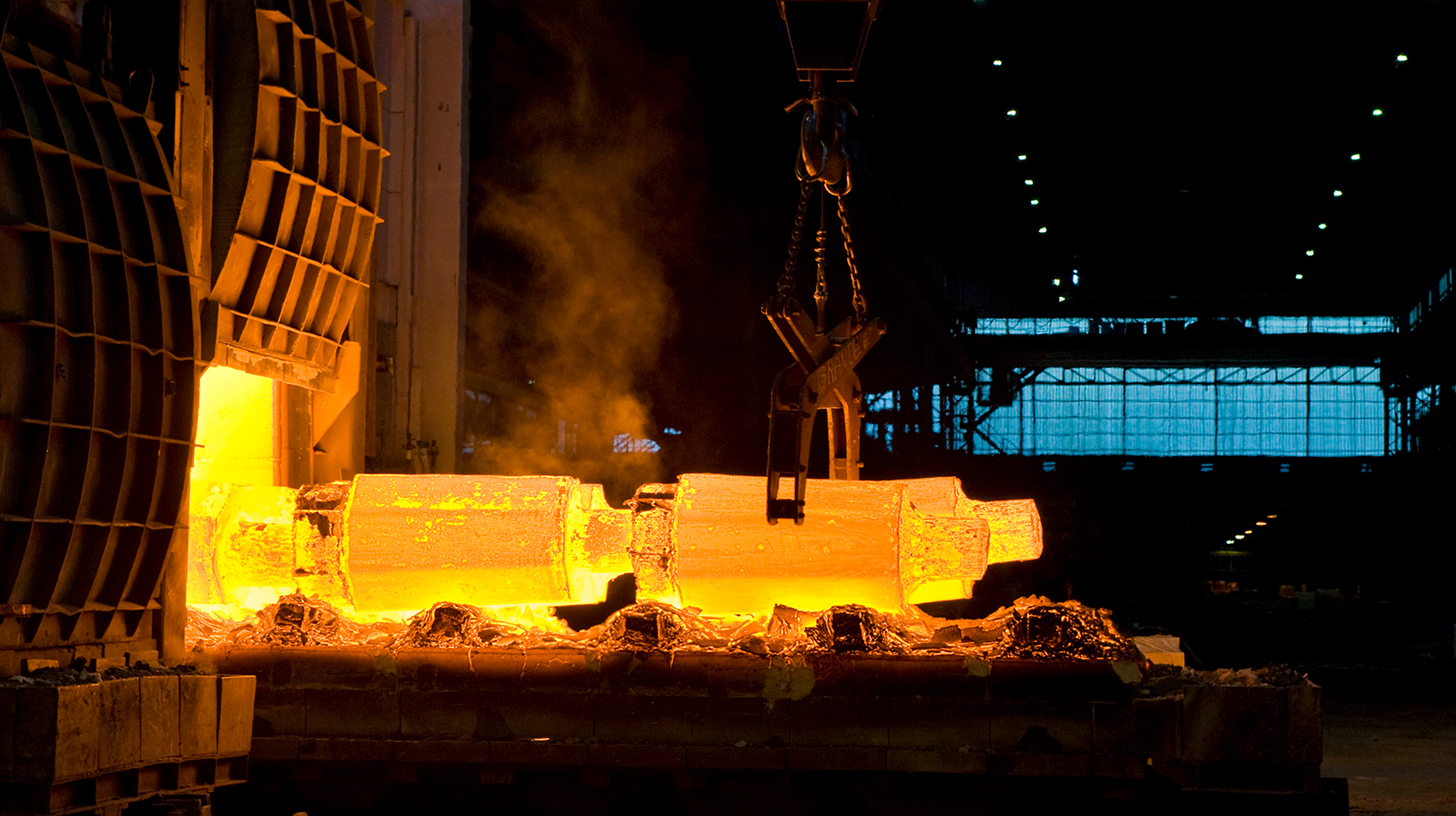
Paths to greener steel with 'Cogne Edelstahl': Which measures make steel production more sustainable – Image: COGNE Edelstahl GmbH
A multi-billion dollar market in transition: Why green steel is changing our economy forever
Competitive advantage through green production: Why industry cannot wait – Paths to emission-free steel
Steel is the backbone of our modern civilization – and at the same time one of its greatest environmental burdens. Accounting for around nine percent of global greenhouse gas emissions, the steel industry is currently facing the most significant technological and economic transformation in its history. Pressure is mounting from all sides: stricter climate targets, the EU's new carbon border adjustment mechanism (CBAM), and more demanding customers are forcing the industry to act quickly. But how can the transition from emission-intensive blast furnaces to climate-neutral materials be achieved? From the enormous economic importance of recycling in electric arc furnaces to the technological revolution through green hydrogen and the clever utilization of byproducts – this article examines the multifaceted measures, challenges, and geopolitical risks of the global steel transition. One thing is certain: the shift to green steel is no longer merely an environmental issue, but will determine the future competitiveness of entire industrialized nations.
The steel revolution: Between industrial necessity and ecological responsibility
Why the world's dirtiest material needs to be cleaned up – before the market punishes it
Steel production is one of the oldest and most indispensable forms of industry in modern civilization – and simultaneously one of the most environmentally damaging. Steel is the backbone of buildings, bridges, vehicles, machines, and countless everyday objects. But the ecological cost of this material is enormous: the global steel industry is currently responsible for around nine percent of worldwide greenhouse gas emissions. This makes it one of the largest single emitters of industrial origin – even larger than air travel and comparable to the total carbon footprint of entire continents. In Germany alone, the steel industry emits around 51 million tons of CO2 per year, which accounts for about 30 percent of all German industrial emissions and roughly seven percent of total national CO2 emissions. The transition to sustainable steel production is therefore not a matter of goodwill, but an economic and strategic necessity – with far-reaching consequences for companies, markets, and industrial society as a whole.
A material with a heavy ecological legacy
To understand the scale of the challenge, one must understand the fundamentals of the conventional steelmaking process. In the classic blast furnace process, iron ore is reduced using coke – a carbon-rich substance derived from coal – at temperatures exceeding 1,500 degrees Celsius. This process releases an average of approximately 2.32 tons of CO2 per ton of crude steel produced globally. This is not a technical inefficiency that could be remedied through better control – it is an inherent characteristic of the chemical process. The carbon in the coke is not used as an energy source, but as a chemical reducing agent. It combines with the oxygen from the iron ore and inevitably leaves the blast furnace as carbon dioxide. According to calculations by the World Steel Association, the emission intensity in the blast furnace process averages 1.7 tons of CO2 per ton of crude steel, while the electric arc furnace route, based on scrap metal, only produces around 0.7 tons. Direct reduction with green hydrogen could reduce this value to as low as 0.2 tonnes of CO2 per tonne of steel – a reduction of almost 90 percent compared to the conventional blast furnace process.
The global context is as clear as it is alarming: Of the approximately 1.8 billion tons of steel produced worldwide each year, the vast majority still comes from the emissions-intensive blast furnace process. In 2024, electric arc furnace production accounted for only 29.1 percent of total global production. While this share is increasing, the pace of this transformation is far from sufficient to meet the climate targets. The steel industry must reduce its emissions by about 30 percent by 2030 and achieve climate neutrality by 2050 – a goal that seems virtually unattainable at the current pace of transformation.
The electric oven as a first lever: Recycling as an underestimated economic factor
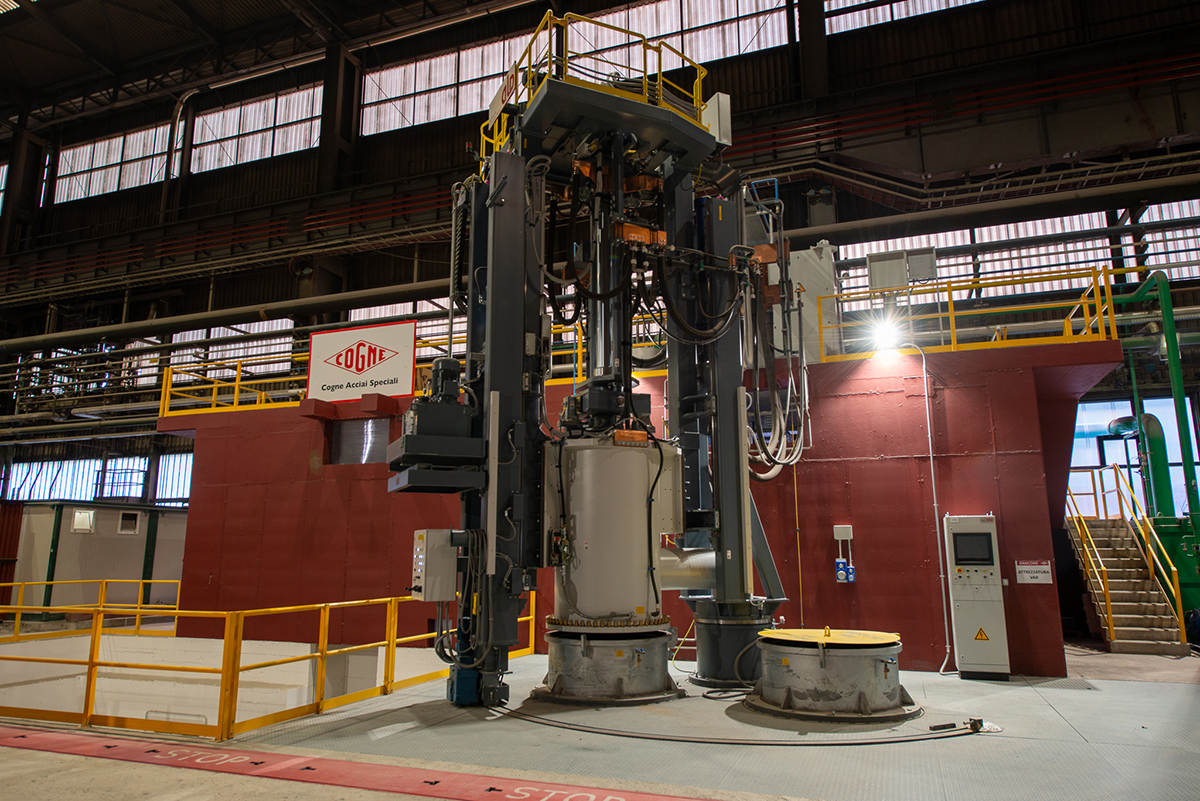
Steel production via electric arc furnaces offers a lower-emission alternative to the traditional blast furnace process – Image: COGNE Edelstahl GmbH
The most readily accessible and already established large-scale alternative to the blast furnace route is the electric arc furnace, or EAF. Unlike the blast furnace, the EAF requires neither coke nor iron ore – it melts steel scrap using electrical energy. Depending on the electricity mix used, the emission intensity of the EAF route ranges between 0.209 and 0.266 tons of CO2 equivalents per ton of steel. This is a fundamental advantage that also has a positive impact on the national economy.
A study by the RWI – Leibniz Institute for Economic Research, commissioned by the German Steel Recycling and Disposal Association (BDSV), has for the first time precisely quantified the economic benefits of steel recycling in Germany: The use of processed steel scrap in domestic steel production saves approximately €6.2 billion annually in raw material and environmental costs; at the European level, this benefit amounts to around €28 billion per year. In 2024, 46 percent of German steel production was based on processed steel scrap; in the European Union, this figure was even higher at 59 percent. The entire steel recycling industry in Germany generated sales of around €5.7 billion in 2024 and directly employed approximately 14,700 people, while including indirect effects, around 36,700 jobs were secured.
Germany exports significant quantities of steel scrap: In the first eleven months of 2025, scrap exports rose by four percent to 7.15 million tons, while imports fell by eleven percent to 3.71 million tons. Germany thus remains a structural net exporter of steel scrap – a position that raises strategic questions about the optimal distribution of this valuable secondary raw material. Every ton of scrap exported is potential feedstock for domestic electric steel plants and therefore a missed opportunity for domestic emissions reduction. The global recycling rate for steel is already around 90 percent – an impressively high figure, but one that also shows that the potential for further increases is limited. The future, therefore, lies not only in recycling, but in the fundamental transformation of primary steel production.
Exhaust gas purification as a continuous investment task
Regardless of whether a steel plant uses the blast furnace or electric arc furnace route, the production process generates significant air pollutant emissions: particulate matter, heavy metal compounds, nitrogen oxides, sulfur dioxide, and organic compounds. Controlling these emissions has developed into a distinct technological field in recent decades, with considerable progress made.
Modern exhaust gas purification systems encompass a wide range of technologies: electrostatic precipitators separate electrically charged particles, fabric filters capture fine dust from the exhaust stream with high efficiency, and wet chemical scrubbers remove soluble pollutants. For specific process steps, such as the AOD (argon-oxygen decarburization) converters used in stainless steel production, specially developed extraction systems exist that capture the vapors and fine dust generated in the reaction chamber directly at the source, before they can disperse into the work area or the atmosphere. Companies that continuously invest in modernizing such systems do so not only out of environmental awareness but also for economic reasons: modern systems are more energy-efficient, require less maintenance, and compliance with increasingly stringent emission limits secures long-term operating permits.
Furthermore, precise and comprehensive emissions monitoring is no longer merely technically desirable, but a regulatory requirement. Continuous emission monitoring systems provide real-time data that must be transmitted to the relevant authorities. The international management standards ISO 14001 and ISO 50001 play a central role in this context: ISO 14001 specifies requirements for a systematic environmental management system, enabling organizations to improve their environmental performance and meet legal obligations. ISO 50001 focuses on energy management systems and aims for continuous efficiency improvements in energy use. Worldwide, there are more than half a million ISO 14001 certifications, including around 13,400 in Germany. In addition, there are more specific standards such as ISO 14064 for the quantification and reporting of greenhouse gas emissions and ISO 14067, which governs the calculation of the carbon footprint of products. This regulatory framework creates comparability, transparency, and trust – for authorities, customers, investors, and the public alike. Leading steel companies like FERALPI STAHL hold the EMAS label – the highest EU environmental management certification – which requires annual audits and certifies that their operational climate protection exceeds the legal minimum standard. Badische Stahlwerke also firmly integrates EMAS, as well as ISO 14001 and ISO 50001, into its business processes.
COGNE Acciai Speciali: How a stainless steel manufacturer proves it
What often remains abstract in strategic debates—namely, how a medium-sized stainless steel producer can implement a sustainable transformation within its ongoing operations—is demonstrated in an instructive way by COGNE Acciai Speciali, headquartered in the Aosta Valley of northern Italy. The company, which produces long products from stainless steel and nickel-based alloys and operates seven plants on three continents, including sites in Germany, Sweden, Switzerland, and the United Kingdom, has completely switched all of its European production sites to electricity from renewable sources since January 2024. This has reduced the Scope 2 emissions of all COGNE European plants to zero—a step that is by no means standard practice in the industry.
But COGNE is going further. At its headquarters in Aosta, the pilot phase of the "Green Hydrogen in COGNE" project was launched in September 2025. The centerpiece is a 1.008-megawatt electrolyzer based on anion exchange membrane (AEM) technology, capable of producing 165 tons of hydrogen annually. This green hydrogen is generated directly from renewable energy sources: A newly constructed hydroelectric power plant on the Dora Baltea River, which flows directly past the plant, delivers an average rated output of 315 kilowatts with three Voith Hydro StreamDiver turbines; a photovoltaic system on the factory roofs supplements this self-sufficiency. The savings potential is quantifiable: For every ton of green hydrogen used, up to 26 tons of CO2 emissions can be avoided, emissions that would otherwise result from the use of natural gas in industrial heat treatment. Initially, the hydrogen will fully power one of 70 heat treatment furnaces – a demonstration of the concept, which is designed for gradual expansion. The total investment amounts to approximately €7.9 million and is co-financed by Italy's National Recovery Plan (PNRR), part of the European NextGenerationEU program.
In parallel, COGNE is pursuing a comprehensive certification strategy. The company undergoes a multi-stage external audit for the demanding ResponsibleSteel certification – an international standard that reviews the entire supply chain, from raw material procurement to the end customer, from a sustainability perspective. The external audit is designed to ensure that this is not greenwashing, but rather demonstrably adherence to established criteria. This is complemented by an annual sustainability report that not only documents the company's own emissions but also addresses the requirements along the supply chain. Bernd Grotenburg, Managing Director of COGNE Edelstahl GmbH, succinctly summarized the company's strategy: Green hydrogen is no longer a future project, but a key component of the ongoing decarbonization strategy. COGNE is thus demonstrating that an integrated sustainability strategy – consisting of 100% renewable electricity, its own green hydrogen production, tiered certifications, and transparent reporting – is both practically feasible and economically viable for specialized stainless steel manufacturers.
The carbon border adjustment: When the regulatory framework becomes market power
One of the most consequential regulatory instruments currently impacting the global steel industry is the European Union's Carbon Border Adjustment Mechanism (CBAM). The full pricing phase of this mechanism entered into force on January 1, 2026. CBAM obliges importers of certain emissions-intensive products—including, explicitly, iron and steel—to purchase CBAM allowances that correspond to the CO2 price of the EU Emissions Trading System (ETS). The stated goal is to prevent so-called carbon leakage: the relocation of emissions-intensive production to countries without comparable climate protection regulations, which would render European climate policy globally ineffective.
The pricing system is technically complex: it distinguishes between Scope 1 emissions, i.e., the direct emissions from the steel production process itself; Scope 2 emissions, resulting from the electricity required for production; and Scope 3 emissions, which include further indirect emissions along the value chain – for example, from transport routes or upstream processes. EU-wide standardized calculation methods and benchmarks apply to price determination. Initial market observations show that, despite the implementation of CBAM, the expected steel price increases have so far been moderate – a phenomenon that can be attributed to pricing strategies employed by European producers to defend their market share, as well as to stockpiling by traders at the end of 2025. In the medium term, however, a price increase of around 15 percent is expected for imported steel, and significant CBAM surcharges are anticipated for imported flat steel products from the most important trading partners in all relevant supplier countries. This makes CBAM a crucial competitive factor: Steel producers who invest early in low-emission processes position themselves with a structural cost advantage over less sustainable competitors from third countries.
From slag to raw material: Waste management as a source of added value
A seemingly insignificant, yet economically and ecologically significant aspect of sustainable steel production is the management of byproducts generated during the process. Steel production produces various types of slag: blast furnace slag, pig iron ladle slag, converter slag, and casting ladle slag. These differ in their chemical composition and particle size and are suitable for different reuses.
The quantities are considerable: In 2023, a total of 35.8 million tons of blast furnace slag were produced in the EU and the UK, comprising 19.9 million tons of blast furnace slag and 15.9 million tons of steelworks slag. The utilization rate is already exceptionally high: In 2022, 99 percent of the blast furnace slag produced was used as a building material or in fertilizers. Of this, 82.5 percent of blast furnace slag was used in cement and concrete, while 70.2 percent of steelworks slag was used in road construction.
The environmental impact of this recycling is impressive: In 2023 alone, the use of blast furnace slag saved 44 million tons of natural rock across Europe. In the same year, the use of granulated blast furnace slag instead of Portland cement clinker prevented 12 million tons of CO2 emissions. Since 2000, CO2 savings through slag recycling have totaled 416 million tons – a figure that underscores the scale of this seemingly insignificant circular economy measure. At the same time, it eliminates the costly landfilling process, which not only ties up financial resources but also consumes considerable land. Companies like thyssenkrupp are therefore pursuing a consistent zero-waste approach with the goal of fully reusing all slag generated.
In Europe, around 23 percent of BOF slag is still landfilled or temporarily stored – indicating potential for optimization. Investing in appropriate processing technologies pays off in several ways: more efficient use of all raw materials reduces waste at the source, and byproducts are transformed from a cost factor into a source of revenue. Standards for environmental information on these recycling services are regulated, among other things, by the UNI EN ISO 14021 standard, which establishes transparent requirements for environmental supplier declarations.
Our global industry and economic expertise in business development, sales and marketing

Our global industry and economic expertise in business development, sales and marketing - Image: Xpert.Digital
Industry focus areas: B2B, digitalization (from AI to XR), mechanical engineering, logistics, renewable energies and industry
More information here:
A thematic hub offering insights and expertise:
- Knowledge platform covering global and regional economies, innovation and industry-specific trends
- A collection of analyses, insights, and background information from our key areas of focus
- A place for expertise and information on current developments in business and technology
- A hub for companies seeking information on markets, digitalization, and industry innovations
Invisible damage and short-, medium- and long-term strategies: How steel pollutes soil and groundwater in the long term – How the steel industry is making more sustainable steel economically viable
Soil and groundwater: The invisible ecological footprint
A less considered dimension of the environmental impact of the steel industry concerns the pollution of soil and groundwater. Historically established steel sites are frequently contaminated with legacy pollutants: heavy metals, polycyclic aromatic hydrocarbons (PAHs) from coke production, and other industrial contaminants have accumulated in the soil over decades. For active production sites, improper storage or disposal of production waste, sludge, and process water significantly increases the risk of pollutants entering soil and groundwater.
Modern waste storage concepts therefore rely on multi-layered sealing systems that prevent contaminated leachate from percolating into the subsurface. Regular soil and groundwater monitoring programs detect potential contamination early, before it spreads and triggers costly remediation measures. The economic logic is clear: preventive investments in secure storage infrastructure and monitoring systems are many times cheaper than subsequent soil remediation, which, depending on the extent of the contamination, can cost millions or even billions. Furthermore, companies protect their operating licenses and avoid liability risks towards affected residents and authorities.
Water as a strategic resource: The underestimated footprint
Water consumption and pollution from the steel industry receive far less public attention than CO2 emissions – even though their practical significance is hardly less. Metal processing and steel production are among the most water-intensive industries. Water is used in steel production for cooling processes, dust removal, as a process medium during rolling, and for steam generation. This generates wastewater that can be contaminated with heavy metals, oils, greases, acids, and other process chemicals.
The steel industry has significantly reduced its specific water consumption in recent decades – by more than 75 percent since 1983. This progress is primarily due to the introduction of closed-loop water systems, in which process water is treated and reused multiple times. Such systems not only reduce fresh water consumption but also the amount of wastewater requiring treatment – thereby significantly reducing both environmental impact and operating costs.
For the systematic management of water use, the ISO 14046 standard provides an international framework for calculating and reporting the so-called water footprint. This indicator captures not only the quantitative consumption of freshwater but also the qualitative impairment of water resources—that is, the proportion of water that is removed from the natural cycle through contamination. In addition, the World Resources Institute's Aqueduct Water Risks Atlas offers a data-driven mapping of water risks worldwide and enables companies to assess the vulnerability of their sites to water scarcity or regulatory restrictions.
Modern filtration systems and chemical treatment processes that remove heavy metals, oils, and fats from wastewater are now technically mature and economically established. Membrane filtration, ion exchange, precipitation reactions, and biological treatment stages can be combined, depending on the wastewater composition, to comply with discharge limits. At the same time, process optimizations help to reduce the use of chemicals and thus simplify wastewater treatment—an approach that combines technical efficiency and environmental protection.
Hydrogen and direct reduction: The technological revolution with an open price tag
Beyond incremental improvements to existing processes lies the most profound transformation the steel industry could undergo in its history: the switch from the coal-based blast furnace route to hydrogen-based direct reduction. The principle is simple and elegant: instead of using coke as a reducing agent for the iron ore, hydrogen is used. The chemical byproduct is not CO2, but water. With the full use of green hydrogen—that is, hydrogen produced via electrolysis from renewable energy sources—CO2 emissions from primary steel production would approach zero. The Swedish company H2 Green Steel is currently building a large-scale plant with a direct reduction facility and its own hydrogen electrolyzer; CO2 emissions there are expected to be only 95 to 195 kilograms per ton of steel, depending on the operating phase, compared to around two tons in conventional blast furnace production.
The reality, however, is more complex. Green hydrogen is currently neither available in sufficient quantities nor procurable at economically viable costs. According to thyssenkrupp, around 500 additional wind turbines would be needed to operate a single direct reduction plant and generate enough green electricity for the required hydrogen production. If all of Germany's primary steel production were converted to direct iron reduction, this alone would generate a hydrogen demand of 53 terawatt-hours, or 1.6 million tons of hydrogen annually. For comparison, Germany produced a total of around 57 terawatt-hours of hydrogen in 2020 – the entire output at that time would hardly be sufficient to supply this one industry.
The economic realities are correspondingly harsh: Estimates suggest that direct reduction with green hydrogen could increase production costs by around 20 percent; implementing CO2 capture technologies could even double them. In June 2025, ArcelorMittal rejected government funding for its direct reduction plans and halted them – a decision with far-reaching implications for the entire industry. Thyssenkrupp CEO Miguel López admitted that they were operating at the limit of profitability, and indeed, as of today, even beyond it. Nevertheless, some companies are steadfastly pursuing the transformation: Salzgitter plans to switch completely to climate-friendly production by 2033 – initially using natural gas as a transitional medium, later with green hydrogen. Stahl-Holding Saar is investing around €4.6 billion in direct reduction plants and electric arc furnaces at its Dillingen and Völklingen sites.
Carbon Capture and Storage: Bridging technology or dead end?
Alongside the hydrogen route, carbon capture and storage (CCS) is being discussed as another option – particularly for process emissions that cannot be completely avoided even with a full decarbonization of the energy supply. The principle: CO2 is separated from industrial exhaust gases, compressed, and permanently stored in underground geological formations. Globally, the CCS market was estimated at US$8.8 billion in 2024, with a projected annual growth rate of 16.7 percent until 2034.
In October 2025, the German Federal Cabinet approved draft legislation to create the legal framework for the use of CCS technology. This allows Germany to export CO2 for storage and, in the future, to also store it in the seabed of the German Exclusive Economic Zone (EEZ). It was clarified that CCS is not a panacea and that consistently avoiding CO2 production remains the priority – however, CCS offers a permissible solution for unavoidable residual emissions. In this context, a DLR study analyzes three key technologies for the decarbonization of the global steel industry: CCS, hydrogen use, and electricity-based iron production. The combination of these approaches appears more promising than the use of each technology alone.
Competition, subsidies and geopolitical asymmetries
The economic dimension of the steel transition cannot be analyzed without considering international competitive conditions. Decarbonizing the steel industry is costly – and these costs are not evenly distributed among all market participants. Green steel, which costs 20 percent more to produce than conventionally produced steel, is initially at a disadvantage in global competition, unless it is privileged by regulatory frameworks or customer preferences.
In Europe, demand for green steel is already noticeable, driven in particular by the automotive industry: steel accounts for about a quarter of a car's emissions during production, which is why automakers are increasingly willing to pay higher prices for low-carbon steel. In China, however, buyers are hardly willing to pay significantly lower premiums for green steel – at a price premium of US$140 per ton, buyers could still be found in Europe, but hardly in China. This demand asymmetry reflects differing regulatory frameworks and environmental preferences.
The Hans Böckler Institute warns that a potential steel shock – an accelerated decline in German steel production without a parallel expansion of green capacities – could cost up to €50 billion in added value annually. This looming loss underscores the industrial policy dimension of the steel transition: it is not just about climate protection, but about whether Germany and Europe can remain competitive in one of their most strategically important industrial sectors in the long term, or whether the transformation will de facto lead to deindustrialization. Public investments in the tens of billions are considered necessary; according to the European Steel Association, the EU must pursue a consistent value chain approach and place competitiveness at the heart of its industrial policy.
The future of steel production: Not an either-or, but an intelligent both-and
What conclusions can be drawn from this multidimensional analysis for the strategic direction of steel companies? First, the obvious: there is no single measure that would make the steel industry sustainable in one step. The transformation is a multi-layered project that must address technological, regulatory, economic, and social aspects simultaneously.
In the short term, the greatest leverage lies in optimizing existing plants: improved exhaust gas cleaning, precise emissions monitoring, consistent slag recycling, closed-loop water systems, and systematic certification according to relevant ISO standards. These measures are already economically viable and significantly reduce the environmental footprint. In the medium term, the focus is on expanding electric arc furnace capacity and optimizing the scrap metal industry. In the long term, there is no alternative to hydrogen-based direct reduction – provided that the necessary green hydrogen infrastructure and renewable energy capacities are expanded on the required scale.
The regulatory framework – CBAM, EU Emissions Trading, national climate targets – has been established and will become significantly more stringent in the coming years. Companies that fail to invest today will pay dearly tomorrow – either through rising certificate prices, competitive disadvantages resulting from CBAM, or the loss of demanding customers who are themselves under pressure to decarbonize. The economic message is clear: sustainability in steel production is not at odds with competitiveness – it is increasingly becoming a prerequisite. Companies that recognize this transformation as a strategic opportunity and systematically adjust the levers of emissions, waste, soil, and water management will not only secure their social license to produce but also their economic future in a market that will soon value clean steel considerably more highly than the fossil-fueled legacy of the 20th century.
Your global marketing and business development partner
☑️ Our business language is English or German
☑️ NEW: Correspondence in your native language!

Konrad Wolfenstein
I and my team are happy to be available to you as your personal advisor.
You can contact me by filling out the contact form here simply call me at +49 7348 4088 965. My email address is [email protected]:or
I'm looking forward to our joint project.
☑️ SME support in strategy, consulting, planning and implementation
☑️ Creation or realignment of the digital strategy and digitization
☑️ Expansion and optimization of international sales processes
☑️ Global & Digital B2B trading platforms
☑️ Pioneer Business Development / Marketing / PR / Trade Fairs
New: Patent from the USA – install solar parks up to 30% cheaper and 40% faster and easier – with explanatory videos!

New: Patent from the USA – Install solar parks up to 30% cheaper and 40% faster and easier – with explanatory videos! - Image: Xpert.Digital
The core of this technological advancement is the deliberate departure from conventional clamp mounting, which has been the standard for decades. The new, more time- and cost-effective mounting system addresses this with a fundamentally different, more intelligent concept. Instead of clamping the modules at specific points, they are inserted into a continuous, specially shaped support rail and held securely in place. This design ensures that all forces – whether static loads from snow or dynamic loads from wind – are distributed evenly across the entire length of the module frame.
More information here:










