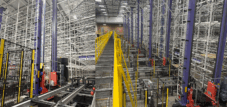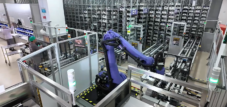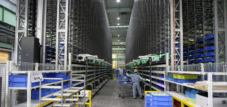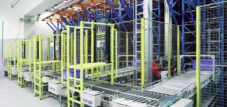
Lagerautomatisierung: Wie Zweirad-Gigant PT Mitra Pinasthika Mulia (MPM) mit Daifuku die Ersatzteilogistik automatisiert – Bild: Daifuku
99,9 % fehlerfrei: Warum dieses clevere Automatiklager die Logistikbranche aufmischt
Von 3 Tagen auf wenige Stunden: Der Logistik-Schachzug, der die Konkurrenz abhängt
Schneller, präziser, profitabler: Wie die Lagerautomatisierung den Ersatzteilmarkt neu definiert
Die globale Logistikbranche agiert in einer Zeit, in der Kunden Same-Day-Delivery erwarten und Lieferketten zunehmend unter Druck geraten, wird das Lager vom bloßen Aufbewahrungsort zum entscheidenden Wettbewerbsvorteil. Wer heute noch auf fehleranfällige und zeitaufwendige manuelle Prozesse setzt, riskiert, den Anschluss zu verlieren. Ein eindrucksvolles Lehrstück für diese Transformation liefert der indonesische Zweirad-Gigant PT Mitra Pinasthika Mulia (MPM), der exklusive Honda-Distributor in einer der bevölkerungsreichsten Regionen der Welt.
Durch den konsequenten Umstieg von einem klassischen Regallager auf ein hochmodernes, automatisiertes Mini-Load-System (AS/RS) gepaart mit intelligenten „Goods-to-Person“-Technologien, gelang dem Unternehmen ein logistisches Meisterstück: Die Versandzeiten schrumpften von drei Tagen auf wenige Stunden, während die Fehlerquote auf ein absolutes Minimum reduziert wurde. Dieser Artikel beleuchtet tiefgehend, warum die Lagerautomatisierung – gerade in Schwellenländern – längst keine reine Kostenfrage mehr ist. Er zeigt auf, wie intelligente Logistik in Krisenzeiten über Marktanteile entscheidet und welche wegweisenden Lektionen die globale Ersatzteilbranche aus diesem südostasiatischen Erfolgskonzept lernen muss.
Wenn Maschinen schneller liefern als der Wettbewerb: Lagerautomatisierung in der Ersatzteillogistik der Zweiradbranche
Wer nicht automatisiert, verliert – warum das alte Lager zum Grabstein des Wettbewerbsvorteils wird
Was einst als nachgelagerter Prozess galt, ist heute ein strategisches Differenzierungsmerkmal, das über Kundenbindung, Marktanteile und letztlich über das Überleben von Unternehmen entscheidet. Am Beispiel des indonesischen Honda-Motorradteile-Distributors PT Mitra Pinasthika Mulia (MPM) lässt sich paradigmatisch nachvollziehen, wie die Einführung automatisierter Lagersysteme nicht nur interne Prozesse revolutioniert, sondern einen gesamten Markt in Bewegung setzt. MPM, als exklusiver Händler für Honda-Motorradersatzteile in Ostjava, gelang es durch die Installation eines Mini-Load-Automatiklagers, die Versandvorlaufzeiten auf ein Drittel zu reduzieren und die Versandgenauigkeit auf 99,9 Prozent zu steigern. Diese Transformation ist weit mehr als ein technisches Upgrade – sie ist ein Lehrstück über die ökonomischen Mechanismen der modernen Lagerautomatisierung in Schwellenländern.
Der indonesische Zweiradmarkt als ökonomisches Kraftfeld
Indonesien ist mit Abstand der größte Motorradmarkt Südostasiens und einer der bedeutendsten weltweit. Im Jahr 2024 entfielen rund 72,3 Prozent aller Motorradverkäufe in Indonesien auf die Marke Honda, gefolgt von Yamaha mit einem Marktanteil von etwa 24,4 Prozent. Die Insel Java, auf der MPM seinen Sitz hat, generierte 2024 allein 59,28 Prozent des gesamten Zweiradmarktumsatzes des Landes, gestützt durch eine dichte Besiedlung, konzentrierte Fertigungskapazitäten und ein weitreichendes Servicenetzwerk. Die Händlernetzwerke in Großstädten wie Surabaya und Bandung sichern eine rasche Ersatzteilverfügbarkeit, die Ausfallzeiten minimiert und die Markenbindung stärkt. Der Zweiradmarkt Indonesiens wird voraussichtlich von 10,48 Milliarden US-Dollar im Jahr 2025 auf 12,46 Milliarden US-Dollar im Jahr 2030 wachsen, mit einer jährlichen Wachstumsrate von 3,52 Prozent.
Diese Zahlen verdeutlichen die Dimension des Marktes, in dem MPM operiert. Im Jahr 2023 wurden nahezu fünf Millionen Honda-Motorräder in Indonesien verkauft. Jede dieser Maschinen generiert über ihren Lebenszyklus hinweg einen erheblichen Bedarf an Ersatzteilen, Wartungsmaterialien und Verschleißkomponenten. Das Ersatzteilgeschäft ist daher nicht lediglich ein Annex des Neufahrzeugvertriebs, sondern ein eigenständiges Geschäftsfeld mit hohen Margen und langfristiger Kundenbindung. PT Mitra Pinasthika Mulia ist der exklusive und vertrauenswürdige Distributor für Honda-Motorräder in Ostjava und Ost-Nusa Tenggara und bietet zugleich After-Sales-Service und Originalersatzteile an. Das Unternehmen wurde als Tochtergesellschaft der PT Mitra Pinasthika Mustika Tbk gegründet, die zur Saratoga Group gehört, einem der führenden Investmentunternehmen Indonesiens. Mit einem Netzwerk von über 500 Mitarbeitern und zahlreichen Niederlassungen bildet MPM das Rückgrat der Honda-Ersatzteilversorgung in einer der bevölkerungsreichsten Regionen des Landes.
Die Grenzen manueller Lagerlogistik in einem wachsenden Markt
Die Ausgangslage bei MPM vor der Automatisierung war typisch für viele Distributoren in aufstrebenden Märkten. Im alten Lager in Sidoarjo, südlich der Metropole Surabaya gelegen, wurden Waren auf Paletten in Festregalen gelagert. Dieses System, das über Jahre hinweg funktioniert hatte, stieß an seine Grenzen, als die Zahl der zu verwaltenden Artikelpositionen (Stock Keeping Units, kurz SKUs) stetig anstieg, um den wachsenden Kundenanforderungen gerecht zu werden. Die zunehmende Artikelvielfalt führte zu einem erhöhten Handhabungsaufwand und einer Komplexität, die mit der bestehenden Infrastruktur nicht mehr beherrschbar war.
Dieses Szenario ist keineswegs ein Einzelfall. Weltweit kämpfen Lagerbetreiber mit den Konsequenzen manueller Prozesse: Arbeitskosten machen 50 bis 70 Prozent des gesamten Lagerbudgets eines Unternehmens aus und stellen damit den größten einzelnen Betriebskostenfaktor dar. In manuell betriebenen Lagern erreichen Kommissionierer im besten Fall 100 bis 150 Artikel pro Stunde, weil der Großteil der Arbeitszeit nicht für die eigentliche Wertschöpfung, sondern für das Laufen durch Gänge und das Suchen von Artikeln aufgewendet wird. Die Fehlerquote manueller Kommissionierverfahren liegt typischerweise bei 85 bis 95 Prozent Genauigkeit, was im Umkehrschluss bedeutet, dass bei jeder zwanzigsten bis siebten Bestellung ein Fehler auftritt. In einer Branche, in der ein fehlendes oder falsches Ersatzteil bedeutet, dass ein Motorrad stillsteht und ein Kunde abwandert, sind diese Fehlerquoten nicht tragbar.
Für MPM kam erschwerend hinzu, dass der bisherige Prozess vom Bestelleingang bis zum Versand drei volle Arbeitstage in Anspruch nahm. In einem Markt, in dem Händler und Werkstätten auf schnelle Verfügbarkeit angewiesen sind, um ihrerseits ihre Kunden nicht zu verlieren, stellte diese Vorlaufzeit einen gravierenden Wettbewerbsnachteil dar. Die Notwendigkeit einer grundlegenden Transformation war unausweichlich.
Architektur der Automatisierung: Mini-Load AS/RS als technologisches Rückgrat
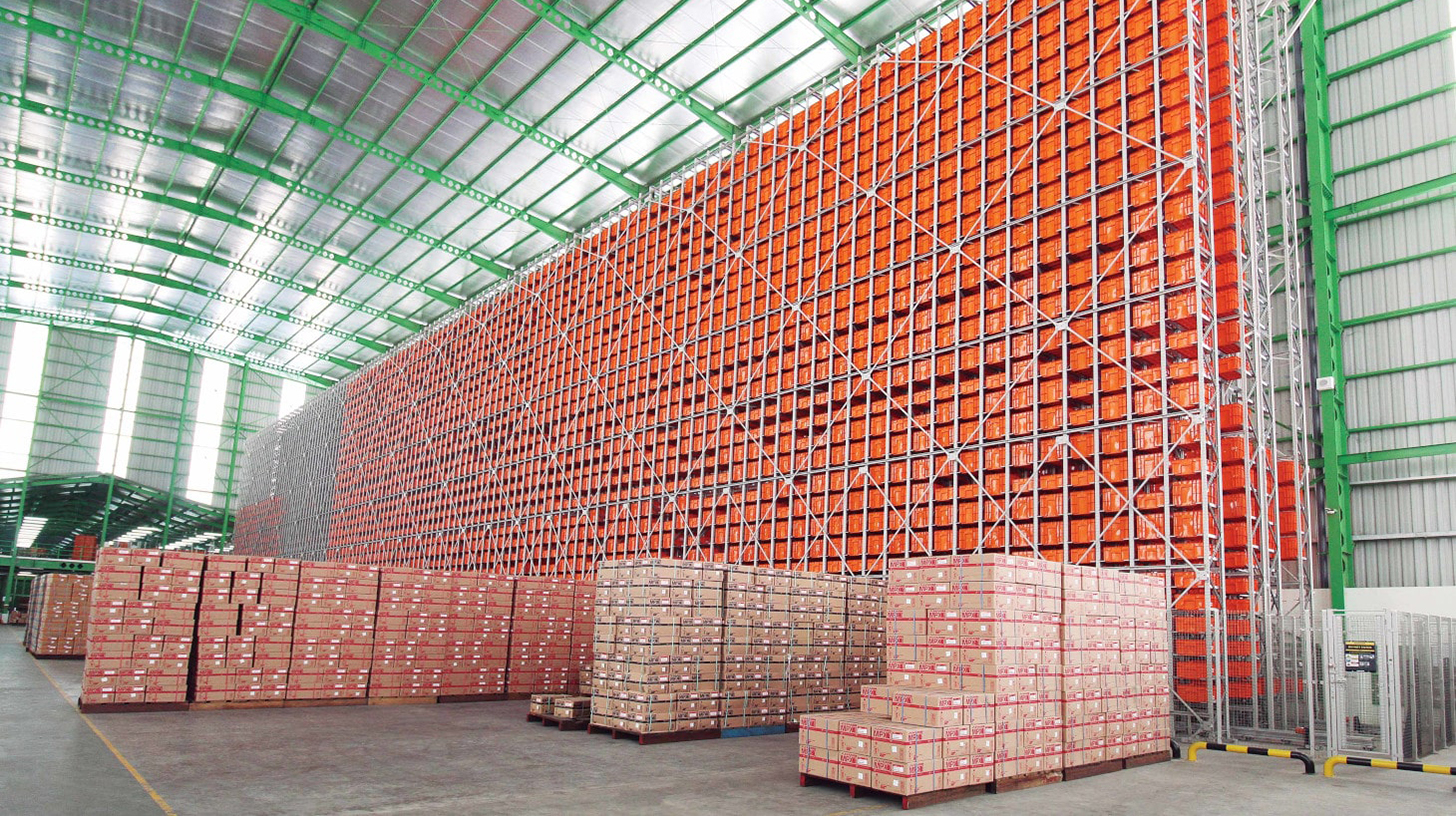
Im Jahr 2020 errichtete MPM auf einem angrenzenden Grundstück ein neues zweistöckiges Lagergebäude und installierte ein integriertes Automatisierungssystem, bestehend aus einem Mini-Load AS/RS (Automated Storage and Retrieval System), Sorting Transfer Vehicles (STV) und einem modernen Kommissioniersystem. Das Mini-Load AS/RS umfasst zwei Regalbediengeräte mit einer Höhe von 15 Metern und einer Kapazität von 14.400 Behältern. Damit konnte die Lagerkapazität auf bis zu 13.000 SKUs erhöht werden.
Mini-Load-Automatiklagersysteme sind speziell für die Handhabung kleinerer Ladeeinheiten wie Behälter, Kartons oder Tablare konzipiert. Sie zeichnen sich durch ein kompaktes, hochverdichtetes Design aus, das den verfügbaren Lagerraum in der Höhe maximal ausnutzt und die Arbeitsgänge minimiert. Die eingesetzten Regalbediengeräte (Stacker Cranes) sammeln Behälter automatisch von ihrem Lagerplatz und transportieren sie zur Kommissionierstation oder direkt auf ein Fördersystem. Gegenüber manuellen Systemen bietet ein Mini-Load AS/RS eine Raumersparnis von bis zu 85 Prozent und eine Reduktion der manuellen Arbeit um etwa zwei Drittel.
Das neue Lager bei MPM gliedert sich in zwei funktionale Bereiche: eine Bodenlagerfläche für schnelldrehende Artikel auf Paletten und den AS/RS-Bereich für mittel- und langsamdrehende Artikel. Beim Wareneingang werden die eingehenden Güter inspiziert und je nach Umschlagshäufigkeit dem entsprechenden Bereich zugewiesen. Mittel- und langsamdrehende Artikel werden aus Kartons in Kunststoffbehälter umgepackt und anschließend im Mini-Load AS/RS eingelagert. Diese differenzierte Lagerstrategie nach ABC-Analyse ist ein wesentliches Element der Effizienzmaximierung, da sie sicherstellt, dass hochfrequente Zugriffe mit minimalen Wegen erfolgen, während das Automatiklager die große Artikelvielfalt der weniger gefragten Positionen platzsparend und fehlerfrei verwaltet.
Sorting Transfer Vehicle: Der verbindende Taktgeber der Materialflüsse
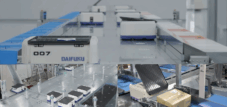
Ein oft unterschätztes, aber entscheidendes Element moderner Lagersysteme sind die Sorting Transfer Vehicles (STV), die bei MPM den Materialfluss zwischen dem AS/RS und den Kommissionierstationen koordinieren. Das STV-System basiert auf schienengeführten, intelligenten Hochgeschwindigkeitsfahrzeugen, die speziell für lastspezifische Transportaufgaben entwickelt wurden. Bei MPM sind drei STV-Einheiten in einer Schleifenkonfiguration auf dem zweiten Stockwerk installiert, die den Materialfluss zwischen dem AS/RS und vier Kommissionierstationen effizient verbinden.
Daifuku, einer der weltweit führenden Anbieter von Intralogistiklösungen und ein Unternehmen, das in der asiatisch-pazifischen Region eine dominierende Marktposition einnimmt, beschreibt sein STV-System als ein palettensortierfähiges System, das schienengeführte Fahrzeuge für eine schnelle und effiziente Materialhandhabung einsetzt. In der Integration mit AS/RS-Systemen ermöglicht das STV die Sortierung auf Förderer, die an eine STV-Linie oder -Schleife angeschlossen sind, und optimiert so Lagerprozesse wie den Transfer von Gütern zwischen automatisierten Lagergassen, Kommissionierstationen und die richtungsbasierte Sortierung für den Versand. Die Fahrzeuge erreichen Geschwindigkeiten von bis zu 200 Metern pro Minute und passen sich dynamisch an, um die Effizienz zu maximieren und gleichzeitig den Energieverbrauch zu senken.
Das STV ist damit weit mehr als ein simples Transportmittel. Es fungiert als intelligenter Taktgeber, der die verschiedenen Subsysteme des Lagers zu einem kohärenten Ganzen synchronisiert. Ohne diese Verbindungsschicht würde die hohe Ein- und Auslagerungsleistung des AS/RS an der Schnittstelle zur Kommissionierung verpuffen. Die Schleifenkonfiguration bei MPM erlaubt zudem eine hohe Redundanz: Fällt ein Fahrzeug aus, können die verbleibenden Einheiten die Versorgung aufrechterhalten, was die Systemverfügbarkeit erhöht und das Risiko von Betriebsunterbrechungen minimiert.
Goods-to-Person und Put-to-Light: Die Neudefinition der Kommissionierung
Die eigentliche Revolution in der Auftragsbearbeitung vollzieht sich an den vier Goods-to-Person-Kommissionierstationen, die jeweils eine Kapazität von 2.000 Aufträgen pro Tag aufweisen. Das Prinzip hinter Goods-to-Person (GTP) ist denkbar einfach, aber in seinen Auswirkungen transformativ: Statt dass Mitarbeiter durch das Lager laufen, um Artikel zu suchen und zu entnehmen, werden die Artikel automatisch zur stationären Arbeitskraft gebracht. Der Kommissionierer bleibt an seinem Platz und wartet darauf, dass Roboter oder Automatisierungssysteme die benötigten Artikel anliefern, und übernimmt dann die anspruchsvollen Entnahme- und Sortieraufgaben, die für Maschinen noch schwierig oder unmöglich sind.
Die Produktivitätsgewinne dieses Ansatzes sind erheblich. Während manuelle Kommissionierer maximal 100 bis 150 Artikel pro Stunde bearbeiten, können GTP-Systeme die Kommissionierrate auf 600 bis 650 Artikel pro Stunde steigern. Andere Quellen sprechen von einer Steigerung der Kommissionierrate um 300 Prozent oder mehr gegenüber herkömmlichen Verfahren. Manuelle Kommissionierer erreichen im Durchschnitt 60 bis 100 Entnahmen pro Stunde, während GTP-Systeme diese Raten auf über 300 treiben können.
Bei MPM funktioniert der Prozess folgendermaßen: Geht eine Kundenbestellung ein, sendet das Warehouse Management System (WMS) Abrufbefehle an das Mini-Load AS/RS. Das System lagert die bestellten Behälter aus und transportiert sie über Förderbänder auf das zweite Stockwerk. Von dort werden die Behälter über die Sorting Transfer Vehicles zu den Kommissionierstationen geliefert. An jeder Station wird zunächst eine Batch-Kommissionierung durchgeführt, bei der mehrere Aufträge gleichzeitig bearbeitet werden. Anschließend erfolgt die auftragsbezogene Sortierung über ein sogenanntes Digital Assortment System, ein Put-to-Light-System, das hinter den Kommissionierern angebracht ist.
Put-to-Light-Systeme nutzen eine Kombination aus Leuchtanzeigen und digitalen Displays, um Bediener während des Auftragsabwicklungsprozesses zu leiten. Die Lichtgeräte lenken den Bediener zur korrekten Position, an der ein Artikel abgelegt werden soll, wobei jede Position dynamisch einem Auftrag zugeordnet wird und ein beleuchtetes Display anzeigt, wo und in welcher Menge Artikel zu platzieren sind. Der primäre Vorteil dieses Systems liegt in seiner Fähigkeit, Fehler bei der Auftragsabwicklung signifikant zu reduzieren. Das System verringert menschliche Fehler, die durch Ablenkung, Ermüdung oder fehlerhafte Referenzlesungen entstehen, und bietet klare Anweisungen für die Bestückung. Nach dem Scannen eines Artikels leitet das System den Bediener automatisch zum korrekten Ablageort.
Die nach Aufträgen sortierten Produkte werden anschließend verpackt und zur Versandzone im Erdgeschoss transportiert, wo sie mit schnelldrehenden Artikeln konsolidiert, in Versandreihenfolge gebracht und auf Lkw verladen werden. Diese durchgängige Prozesskette – vom automatischen Abruf über die lichtgeführte Kommissionierung bis zur Versandkonsolidierung – eliminiert nahezu alle manuellen Such-, Lauf- und Sortiervorgänge und schafft einen kontinuierlichen, getakteten Materialfluss.

Xpert Partner in der Lagerplanung und -bau

Der schnellste gewinnt, nicht der größte: Die neue Erfolgsformel der Logistik
Messbare Ergebnisse: Der ökonomische Beweis der Automatisierung
Die quantifizierbaren Ergebnisse der Automatisierung bei MPM sind beeindruckend und lassen sich an drei zentralen Kennzahlen festmachen. Erstens wurde die Lagerkapazität massiv erweitert: Das Unternehmen kann nun bis zu 13.000 SKUs verwalten, was eine enorme Steigerung gegenüber dem alten System darstellt und MPM die Flexibilität gibt, ein weit breiteres Sortiment anzubieten. Zweitens wurde die Versandvorlaufzeit von drei Tagen auf ein Drittel der bisherigen Zeit reduziert, was eine taggleiche Auslieferung nach Bestelleingang ermöglicht. Drittens stieg die Versandgenauigkeit auf 99,9 Prozent, ein Wert, der in der Lagerautomatisierung als Benchmark gilt.
Diese Ergebnisse fügen sich nahtlos in die branchenweiten Benchmarks ein. Automatisierte Kommissioniersysteme steigern die Auftragsabwicklungsgeschwindigkeit um bis zu 300 Prozent. Die Inventargenauigkeit erreicht durch die Integration von KI-gestützter Lagerverwaltungssoftware und Analytics bis zu 99,9 Prozent, bei gleichzeitiger Steigerung des Durchsatzes um 20 Prozent oder mehr. Lagerhäuser, die Automatisierungstechnologien eingeführt haben, verzeichnen eine 25-prozentige Reduktion von Arbeitsunfällen und eine 35-prozentige Steigerung der Produktivität.
Der Return on Investment (ROI) von Lagerautomatisierung wird branchenweit als attraktiv eingestuft. Organisationen, die automatisierte Lagerlösungen implementieren, berichten von einer durchschnittlichen Reduktion der Betriebskosten um 15 bis 20 Prozent innerhalb des ersten Jahres, bei gleichzeitiger Steigerung der Lagerkapazität um 30 Prozent. Die Arbeitskosten können je nach Automatisierungsgrad um 25 bis 85 Prozent reduziert werden. Ein illustratives Beispiel: Ein Fulfillment-Lager, das täglich rund 4.500 Bestellungen bearbeitete, reduzierte die durchschnittliche Kommissionierzeit von 7,5 Minuten auf 4,1 Minuten pro Bestellung, was zu einer 38-prozentigen Effizienzsteigerung und einer 29-prozentigen Senkung der Betriebskosten führte, mit einem ROI nach etwa 19 Monaten.
Wettbewerbsvorteil in der Krise: Die Covid-19-Erfahrung als Stresstest
Besonders aufschlussreich ist die Aussage von Hari Widodo, dem Leiter für Bestandsmanagement und Logistik der Ersatzteilabteilung von MPM. Er wies darauf hin, dass die Umsätze von MPM trotz der schweren Krise, die die gesamte Motorradteilebranche durch Covid-19 erlebte, nicht so stark einbrachen wie bei den Wettbewerbern. Er führte dies direkt auf die kürzeren Lieferzeiten zurück, die durch die Automatisierung ermöglicht wurden.
Diese Beobachtung unterstreicht einen fundamentalen ökonomischen Zusammenhang, der in Krisenzeiten besonders deutlich zutritt: In Phasen rückläufiger Nachfrage konzentrieren Kunden ihre verbleibenden Bestellungen auf die zuverlässigsten und schnellsten Lieferanten. Wenn alle Anbieter ein ähnliches Produktsortiment zu vergleichbaren Preisen führen, wird die Liefergeschwindigkeit zum entscheidenden Differenzierungsmerkmal. MPMs Fähigkeit, Bestellungen noch am selben Tag zu versenden, während Wettbewerber mehrere Tage benötigten, verschaffte dem Unternehmen einen strukturellen Vorteil, der sich in Marktanteilsgewinnen während der Krise niederschlug.
Dieser Effekt ist kein Zufall. Unternehmen, die in die Automatisierung ihrer Lager investiert haben, berichten von einer Verbesserung der Last-Mile-Lieferzeiten um 20 bis 40 Prozent. Automatisierung ermöglicht es Lagern, die Cut-off-Zeiten für Same-Day- oder Next-Day-Versand zu verlängern, da Aufträge innerhalb von Minuten statt Stunden bearbeitet werden können. Die Vorhersagbarkeit, die Automatisierung in Lagerprozesse bringt, hat grundlegend verändert, wie Last-Mile-Logistikanbieter ihre Ressourcen planen. Für MPM bedeutete dies konkret, dass Händler in Ostjava ihre Honda-Ersatzteile schneller erhielten als die Teile anderer Marken oder von alternativen Bezugsquellen, was die Bindung an das Honda-Ökosystem stärkte.
Der globale Markt für Lagerautomatisierung: Dimensionen und Dynamiken
Die Investition von MPM ist eingebettet in einen globalen Megatrend. Der weltweite Markt für automatisierte Lager- und Bereitstellungssysteme (AS/RS) wurde 2025 auf rund 9,58 Milliarden US-Dollar beziffert und soll bis 2034 auf 17,4 Milliarden US-Dollar wachsen, bei einer jährlichen Wachstumsrate von 7,0 Prozent. Andere Analysten sehen den Markt noch dynamischer: Eine Schätzung beziffert das Marktvolumen bis 2033 auf 16,60 Milliarden US-Dollar bei einer CAGR von 7,79 Prozent, während wieder andere von 20,24 Milliarden US-Dollar bis 2034 bei einer CAGR von 8,7 Prozent ausgehen.
Der übergeordnete Markt für Lagerautomatisierung insgesamt ist noch weitaus größer. Er erreichte 2025 ein Volumen von 23,92 Milliarden US-Dollar und wird voraussichtlich bis 2030 auf 47 Milliarden US-Dollar wachsen, bei einer CAGR von 14,4 Prozent. Automatisierte Speicher- und Bereitstellungssysteme werden bis 2025 voraussichtlich in über 92.000 Lagerhäusern und Distributionszentren weltweit eingesetzt, angetrieben durch steigende Durchsatzanforderungen, urbane Lagerflächenbeschränkungen und den Kostendruck auf manuelle Operationen.
In der asiatisch-pazifischen Region, zu der Indonesien gehört, ist die Dynamik besonders ausgeprägt. Der asiatisch-pazifische Markt für Lagerautomatisierung wurde 2025 auf 14,5 Milliarden US-Dollar geschätzt und wächst mit einer starken CAGR von 15,2 Prozent. Daifuku Co., Ltd., Murata Machinery, Swisslog und Toyota Material Handling zählen zu den führenden Anbietern in der Region. Speziell für Südostasien wird der Markt für Lagerautomatisierung 2026 auf 0,91 Milliarden US-Dollar geschätzt und soll bis 2031 auf 1,63 Milliarden US-Dollar wachsen, bei einer CAGR von 12,36 Prozent. Zu den wichtigsten Anbietern in dieser Region zählen Daifuku, Dematic (KION Group), Swisslog (KUKA), SSI Schaefer und Vanderlande Industries.
Ersatzteillogistik als strategische Disziplin: Branchentrends und Zukunftsperspektiven
Die Ersatzteillogistik im Automobilbereich durchläuft einen tiefgreifenden Wandel, der von mehreren konvergierenden Trends angetrieben wird. Der globale Markt für Ersatzteillogistik wurde 2025 auf 23,2 Milliarden US-Dollar geschätzt und soll mit einer CAGR von 5,2 Prozent bis 2035 wachsen. Das Segment Automobilteile allein machte 2025 rund 9,23 Milliarden US-Dollar aus und wird voraussichtlich mit einer CAGR von 4,5 Prozent wachsen. Diese Expansion wird durch zunehmende Fahrzeugzulassungen, ein wachsendes Interesse an älteren Modellen und den Aufschwung des Online-Handels für Ersatzteile gestützt.
Die wesentlichen Trends, die diesen Markt formen, umfassen die Erwartung der Kunden an schnelle Lieferung, häufig mit Same-Day- oder Next-Day-Versand. Unternehmen investieren in fortschrittliche Lagerverwaltungssysteme, die Echtzeitverfolgung und intelligente Auftragsbearbeitung ermöglichen. Die KI-gestützte Bedarfsprognose und Bestandsoptimierung haben 2023 deutlich an Bedeutung gewonnen, gefolgt von der Expansion robotergestützter Automatisierung in Kommissionier- und Verpackungsprozessen im Jahr 2024, und einer verstärkten Integration von IoT-Sensoren für die Echtzeit-Zustandsüberwachung empfindlicher Automobilkomponenten in Lagern im Jahr 2025.
Die steigende Bedeutung der Echtzeit-Verfolgung und Sichtbarkeit von Ersatzteilen wird als einer der Haupttreiber des Marktwachstums identifiziert. Verbesserte Transparenz ermöglicht es Unternehmen, Lagerbestände und Versandstatus durchgängig über die gesamte Lieferkette hinweg präzise zu überwachen. Diese Transparenz minimiert Fehlbestände, Lieferverzögerungen und verlegte Komponenten und stellt die Verfügbarkeit am benötigten Ort und zur benötigten Zeit sicher.
Indonesiens logistischer Transformationsdruck: Inselstaat mit Infrastrukturambitionen
Der Fall MPM lässt sich nicht isoliert von den spezifischen logistischen Herausforderungen Indonesiens betrachten. Das Land erstreckt sich über mehr als 17.000 Inseln und ist damit der größte Archipelstaat der Welt. Die Weltbank schätzt die Logistikkosten Indonesiens auf 23 bis 25 Prozent des Bruttoinlandsprodukts – einer der höchsten Werte in Asien. Jede Effizienzsteigerung in der Logistik wirkt sich daher direkt auf die Wettbewerbsfähigkeit aus.
Die indonesische Regierung investiert massiv in Infrastruktur, um die Rolle des Landes im globalen Handel zu stärken. Jüngste Projekte umfassen Flughäfen, Seehäfen, Mautstraßen und Sonderwirtschaftszonen, die ein stärker integriertes Logistiknetzwerk über Java, Sumatra, Kalimantan und darüber hinaus schaffen. Die Regierung baut zudem die maritime Autobahn Tol Laut aus, um regelmäßige Containerverbindungen zwischen den Hauptinseln sicherzustellen. Im Kontext der China-plus-one-Diversifizierungsstrategie globaler Hersteller wird Indonesien zunehmend als attraktiver Standort betrachtet, was die Nachfrage nach maritimem Transport und Hafeninfrastruktur weiter ankurbelt.
Für ein Unternehmen wie MPM, das Ersatzteile von seinem Zentrallager in Sidoarjo an Händler und Einzelhändler in ganz Ostjava – und darüber hinaus nach Ost-Nusa Tenggara – versendet, bedeutet diese geographische Fragmentierung, dass jede Zeitersparnis im Lager die gesamte nachgelagerte Lieferkette beschleunigt. Wenn der innerbetriebliche Prozess vom Bestelleingang bis zur Verladung auf den Lkw von drei Tagen auf wenige Stunden verkürzt wird, kann die Ware noch am selben Tag den langen Weg zu entfernten Inseldestinationen antreten. In einem Land, in dem die letzte Meile oft buchstäblich über Wasser führt, ist dieser Zeitvorsprung im Lager von unschätzbarem Wert.
Die ökonomische Logik der Automatisierungsentscheidung in Schwellenländern
Die Entscheidung von MPM, mitten in der Covid-19-Pandemie in Lagerautomatisierung zu investieren, mag auf den ersten Blick kontraintuitiv erscheinen. Doch sie folgt einer soliden ökonomischen Logik, die über kurzfristige Kostenkalkulationen hinausgeht. In Schwellenländern wie Indonesien, wo die Logistikkosten einen überproportionalen Anteil am BIP ausmachen, wirkt jede Effizienzsteigerung als Hebel auf die gesamte Wertschöpfungskette.
Die Investitionslogik für Lagerautomatisierung in der Südostasien-Region wird von mehreren Faktoren getrieben: steigende Arbeitskosten, die Automatisierung zunehmend kosteneffizient gegenüber manueller Arbeit machen, die Notwendigkeit verbesserter Genauigkeit und Geschwindigkeit bei der Auftragserfüllung sowie staatliche Initiativen zur Förderung von Industrie 4.0. Der südostasiatische Markt für Lagerautomatisierung wird von einem Wachstum von 0,72 Milliarden US-Dollar im Jahr 2025 auf 1,84 Milliarden US-Dollar bis 2033 ausgegangen, bei einer jährlichen Wachstumsrate von 12,51 Prozent.
Für MPM lassen sich mehrere ökonomische Rechtfertigungen der Investition identifizieren. Der direkte ROI ergibt sich aus der Reduktion der Arbeitsstunden und der damit verbundenen Personalkosten, der Steigerung des Durchsatzes ohne proportionale Kostensteigerung und der Senkung der Fehlerkosten durch die 99,9-prozentige Versandgenauigkeit. Der indirekte ROI manifestiert sich in der Kundenbindung durch kürzere Lieferzeiten, der Fähigkeit, ein breiteres Sortiment zu führen und damit mehr Bedarfssituationen abzudecken, und – wie die Covid-19-Erfahrung gezeigt hat – in der Krisenresilienz, die Marktanteilsgewinne in Abschwungphasen ermöglicht.
Branchenweit wird der durchschnittliche ROI für Automatisierungsimplementierungen auf 20 Prozent innerhalb der ersten zwei Jahre geschätzt. Fallstudien zeigen eine 42-prozentige Reduktion der Betriebsausgaben über fünf Jahre im Vergleich zu manuellen Prozessen. Durch die gezielte Automatisierung der volumenreichsten Zonen können Unternehmen sofortige Arbeits- und Fehlerkostenreduzierungen von 20 bis 30 Prozent bereits in der ersten Woche realisieren.
Die nächste Stufe: Paletten-AS/RS und die Vision eines vollintegrierten Lagers
MPM hat bereits den nächsten Schritt angekündigt: die Installation eines Paletten-AS/RS, um schwerere Artikel wie Öle und Reifen automatisiert handhaben zu können. Diese Erweiterung ist logisch konsequent und folgt dem Muster einer schrittweisen Automatisierung, bei der zunächst die komplexesten und fehleranfälligsten Prozesse automatisiert werden – in diesem Fall die Handhabung der großen SKU-Vielfalt mittel- und langsamdrehender Kleinteile – und anschließend das System auf weitere Produktkategorien ausgedehnt wird.
Ein Paletten-AS/RS würde es MPM ermöglichen, auch die schweren und voluminösen Artikel aus dem Bodenlagerbereich in ein automatisiertes System zu überführen. Dies würde die verblebeiten manuellen Prozesse weiter reduzieren, die Raumeffizienz nochmals steigern und vor allem die durchgängige Automatisierung vom Wareneingang bis zum Versand für das gesamte Sortiment ermöglichen. Die Integration von Paletten- und Mini-Load-AS/RS in einer gemeinsamen WMS-Umgebung schafft die Voraussetzung für eine vollständig orchestrierte Auftragsbearbeitung, bei der das System automatisch entscheidet, aus welchen Lagerbereichen Artikel abgerufen und wie sie für den Versand konsolidiert werden.
Diese Vision eines vollintegrierten Lagers steht im Einklang mit den globalen Entwicklungen. Unternehmen, die zunächst einzelne Automatisierungsinseln implementiert haben, bewegen sich zunehmend in Richtung durchgängig automatisierter Prozesse. Die Integration von KI-gestützter Lagerverwaltungssoftware und Echtzeit-Analytik steigert dabei die Leistungsfähigkeit der physischen Automatisierung weiter, indem sie prädiktive Bestandsplanung, intelligente Auftragssequenzierung und vorausschauende Wartung ermöglicht.
Lehren für die globale Ersatzteillogistik: Von Sidoarjo in die Welt
Der Fall MPM liefert Erkenntnisse, die weit über die Grenzen Indonesiens oder der Zweiradbranche hinaus Gültigkeit besitzen. Er demonstriert erstens, dass Lagerautomatisierung kein Privileg hochentwickelter Industriestaaten ist, sondern gerade in Schwellenländern mit hohen Logistikkosten und fragmentierter Infrastruktur einen überproportionalen Wettbewerbsvorteil schaffen kann. Zweitens zeigt er, dass der ROI von Automatisierung nicht allein in der Reduktion von Arbeitskosten liegt, sondern vor allem in der strategischen Dimension kürzerer Lieferzeiten, höherer Genauigkeit und der damit einhergehenden Kundenbindung. Drittens belegt er, dass ein schrittweiser Automatisierungsansatz – erst Mini-Load für Kleinteile, dann Paletten-AS/RS für Schwerlast – den finanziellen Druck auf einmalige Großinvestitionen mildert und gleichzeitig eine kontinuierliche Verbesserung ermöglicht.
Die Lagerautomatisierung ist heute keine Frage des Ob, sondern des Wann und Wie. In einem Marktumfeld, in dem Same-Day-Delivery vom Ausnahmefall zum Standard wird, in dem Versandgenauigkeit von 99,9 Prozent nicht mehr Alleinstellungsmerkmal, sondern Mindestanforderung ist, und in dem jeder dritte Cent des indonesischen BIP in Logistik fließt, ist die Investition in automatisierte Lagersysteme keine strategische Option mehr – sie ist eine ökonomische Notwendigkeit. MPM hat diese Lektion früh gelernt und erntet heute die Früchte in Form von Marktanteilen, Kundenbindung und Krisenresilienz. Das Beispiel zeigt eindrücklich, dass in der modernen Ersatzteillogistik nicht mehr der größte Akteur gewinnt, sondern der schnellste.

Xpert.Plus Lageroptimierung - Hochregallager wie Palettenlager Beratung und Planung
Ihr globaler Marketing und Business Development Partner
☑️ Unsere Geschäftssprache ist Englisch oder Deutsch
☑️ NEU: Schriftverkehr in Ihrer Landessprache!

Konrad Wolfenstein
Gerne stehe ich Ihnen und mein Team als persönlicher Berater zur Verfügung.
Sie können mit mir Kontakt aufnehmen, indem Sie hier das Kontaktformular ausfüllen oder rufen Sie mich einfach unter +49 7348 4088 965 an. Meine E-Mail Adresse lautet: wolfenstein∂xpert.digital
Ich freue mich auf unser gemeinsames Projekt.
☑️ KMU Support in der Strategie, Beratung, Planung und Umsetzung
☑️ Erstellung oder Neuausrichtung der Digitalstrategie und Digitalisierung
☑️ Ausbau und Optimierung der internationalen Vertriebsprozesse
☑️ Globale & Digitale B2B-Handelsplattformen
☑️ Pioneer Business Development / Marketing / PR / Messen
Unsere globale Branchen- und Wirtschafts-Expertise in Business Development, Vertrieb und Marketing


Unsere globale Branchen- und Wirtschafts-Expertise in Business Development, Vertrieb und Marketing - Bild: Xpert.Digital
Branchenschwerpunkte: B2B, Digitalisierung (von KI bis XR), Maschinenbau, Logistik, Erneuerbare Energien und Industrie
Mehr dazu hier:
Ein Themenhub mit Einblicken und Fachwissen:
- Wissensplattform rund um die globale wie regionale Wirtschaft, Innovation und branchenspezifische Trends
- Sammlung von Analysen, Impulsen und Hintergründen aus unseren Schwerpunktbereichen
- Ein Ort für Expertise und Informationen zu aktuellen Entwicklungen in Wirtschaft und Technologie
- Themenhub für Unternehmen, die sich zu Märkten, Digitalisierung und Brancheninnovationen informieren möchten