
Did you know? Agri-PV has developed from the technology for solar parking spaces with partially transparent solar modules
Xpert pre-release

Language selection 📢
Published on: January 15, 2025 / Update from: January 15, 2025 - Author: Konrad Wolfenstein

Did you know? Agri-PV has developed from the technology for solar parking spaces with partially transparent solar modules - creative image: Xpert.Digital
Agri-PV explains: Why this technology is transforming our energy and agricultural systems
Agri-Photovoltaics: The Future of Agriculture and Energy Production
Agri-photovoltaics (agri-PV) is a pioneering technology that has the potential to overcome the challenges of the growing global population and increasing energy demand. Valuable synergies can be created through the innovative combination of agricultural use and the production of renewable energy on the same land. This concept was originally inspired by the technology of solar parking lots, which use semi-transparent solar panels. Today, Agri-PV is considered a key technology for a sustainable future.
Origin of agri-photovoltaics
The beginnings of Agri-PV go back to the development of roofing asphalt parking spaces with solar modules for parking spaces. The goal here was to use the space twice: to provide shade for parked vehicles and at the same time to generate electricity from solar energy. Partially transparent solar modules, which only absorb part of the light, have proven to be an efficient solution. This principle has been applied to agriculture to achieve similar benefits.
In agriculture, partially transparent modules allow solar radiation to be regulated, which protects plants from harmful heat stress and at the same time provides sufficient lighting. a potential area for agri-photovoltaics showed that this technology can improve both yield and quality while generating renewable energy.
Advantages of agri-photovoltaics
Agri-PV offers a variety of advantages over conventional solar parks and purely agricultural use:
- Efficient use of land: In regions with limited land supply, agri-PV systems can enable dual use of land for energy and food production.
- Protection against extreme weather: Solar modules can protect plants from intense sunlight, hail or heavy rain and thus reduce crop losses.
- Water savings: By shading the plants, water requirements can be reduced by up to 20%.
- Additional source of income: Farmers can generate a stable source of income by selling electricity and reduce the energy costs of their operations.
- Climate protection: Agri-PV supports the expansion of renewable energies and contributes to the reduction of greenhouse gas emissions.
- Biodiversity: The design of agri-PV systems can specifically create habitats for insects and other animals.
- Protection against soil erosion: Solar modules reduce wind and water erosion on agricultural land.
- Rainwater collection: Some Agri-PV systems are designed to capture rainwater and store it for irrigation.
- Reduced use of pesticides: Creating a microclimate under the modules can reduce pest pressure.
- Adapting to climate change: Agri-PV protects plants from excessive sunlight and other extreme weather conditions.
Technological innovations in agri-PV
A crucial aspect in the development of agri-PV systems is optimizing the light transmission and efficiency of the solar modules. Various technologies are used here:
- Semi-transparent modules: They allow enough light through for photosynthesis while at the same time generating electricity.
- Bifacial modules: These modules use both direct sunlight and reflected light to maximize power generation.
- Organic solar cells: Flexible and thin solar cells that can be manufactured in various degrees of transparency and are ideal for agricultural structures.
- Adaptation to regional conditions: Researchers are developing algorithms to adapt the light transmission of the modules to specific climatic conditions and plant needs.
Additionally, work is being done on cooling the modules, as improved airflow can increase their efficiency and extend their service life.
Different designs and applications
Agri-PV systems can be divided into several categories that vary depending on agricultural needs:
- Elevated systems: The modules are mounted on high structures, which allows agricultural machines to easily work under the modules. These systems are particularly suitable for growing fruit and berries.
- Ground-level systems: Modules are arranged in rows, with enough space for agricultural machinery. They are ideal for crops such as wheat or corn.
- Integrated systems: The modules are integrated into existing structures such as greenhouses. This enables optimal use of the existing infrastructure.
The use of transparent and organic solar cells
Transparent and organic solar cells are key technologies for the further development of agri-PV. They offer a high degree of flexibility in design and enable better adaptation to the needs of the plants. For example, transparent solar cells can be used in greenhouses to filter sunlight and generate electricity at the same time. Thanks to their flexibility, organic solar cells offer new possibilities, for example for integration into existing agricultural structures.
Agri-PV as a solution to global challenges
Given the challenges of climate change, increasing demand for food and energy, and limited land resources, Agri-PV is a solution that can make a positive contribution in the long term. It not only offers agricultural and ecological advantages, but also creates economic prospects for farmers and rural regions.
Agri-PV in Germany: The example of Baden-Württemberg
Baden-Württemberg is considered a pioneer in the development and implementation of AGRI PV systems. As part of the research project “Model Region AGRI-PV BW”, several systems were planned and built, including a facility on Augustenberg near Karlsruhe. Here over 1,400 PV modules were installed on an area of 6,000 square meters. These pilot projects should show the practical suitability of the technology and serve as a model for other regions.
Suitable for:
- “Model Region Agri-Photovoltaics Baden-Württemberg” shows synergy effects of the double agri-PV land use in Oberkirch-Nussbach
- Agri-Solar for fruit growing: Agri-PV in Baden-Württemberg and Rhineland-Palatinate for CO2-neutral fruit growing (fruit and vegetables)
- Agri-photovoltaics in BW (Ba-Wü): Third pilot plant in the model region Agri-PV berry cultivation with a closed water cycle
Challenges and future prospects
Despite all the advantages, agri-PV systems face challenges. Planning and integrating solar panels into agricultural land requires close collaboration between engineers, farmers and scientists. Technological innovations, government funding and education are necessary to increase the acceptance and spread of the technology.
The future of agri-PV is promising. Through the further development of technologies such as organic solar cells and adaptation to regional needs, Agri-PV will play an increasingly larger role in the coming years. The combination of renewable energy and agriculture not only offers a sustainable solution to global problems, but also contributes to the resilience of agriculture to the challenges of climate change.
Agri-photovoltaics is more than a technical innovation. It is a key to the sustainable development of our society. Through the intelligent use of land for the simultaneous production of energy and food, it makes a valuable contribution to climate protection and food security. With the right funding, research and education, Agri-PV has the potential to sustainably change the world of agriculture and energy supply.

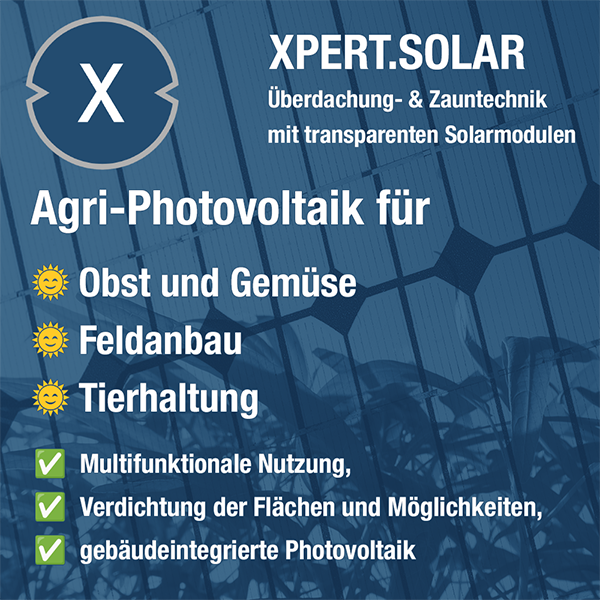
Partially transparent solar modules for Agri-PV are already in use
Partially transparent solar modules are already being used in a research facility in the “Model Region Agri-Photovoltaics Baden Württemberg”.
More about it here:

- Warehouses, production halls and industrial halls with their own power source from a photovoltaic roof system - Image: NavinTar|Shutterstock.com

- Industrial plant with its own power source from an outdoor photovoltaic system - Image: Peteri|Shutterstock.com

- Plan solar systems with photovoltaic solutions for freight forwarding and contract logistics
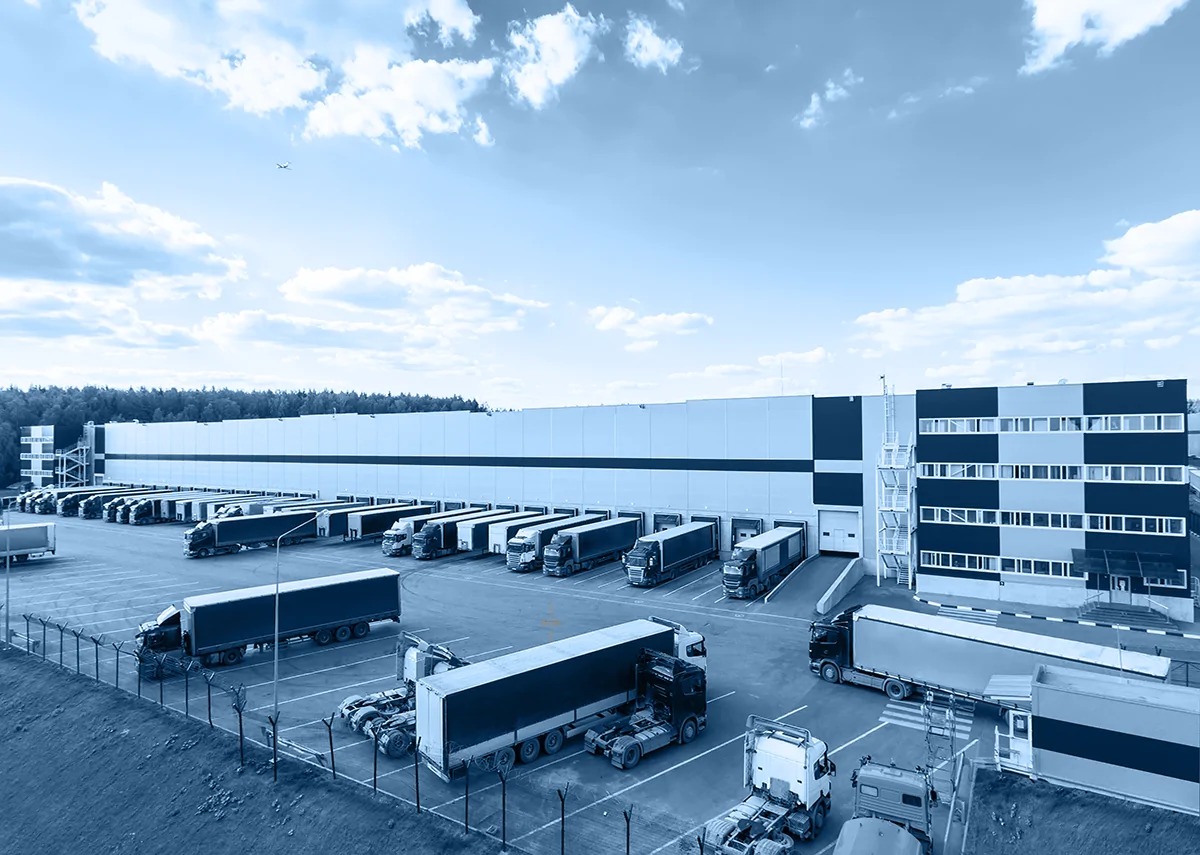
- B2B solar systems and photovoltaic solutions & advice
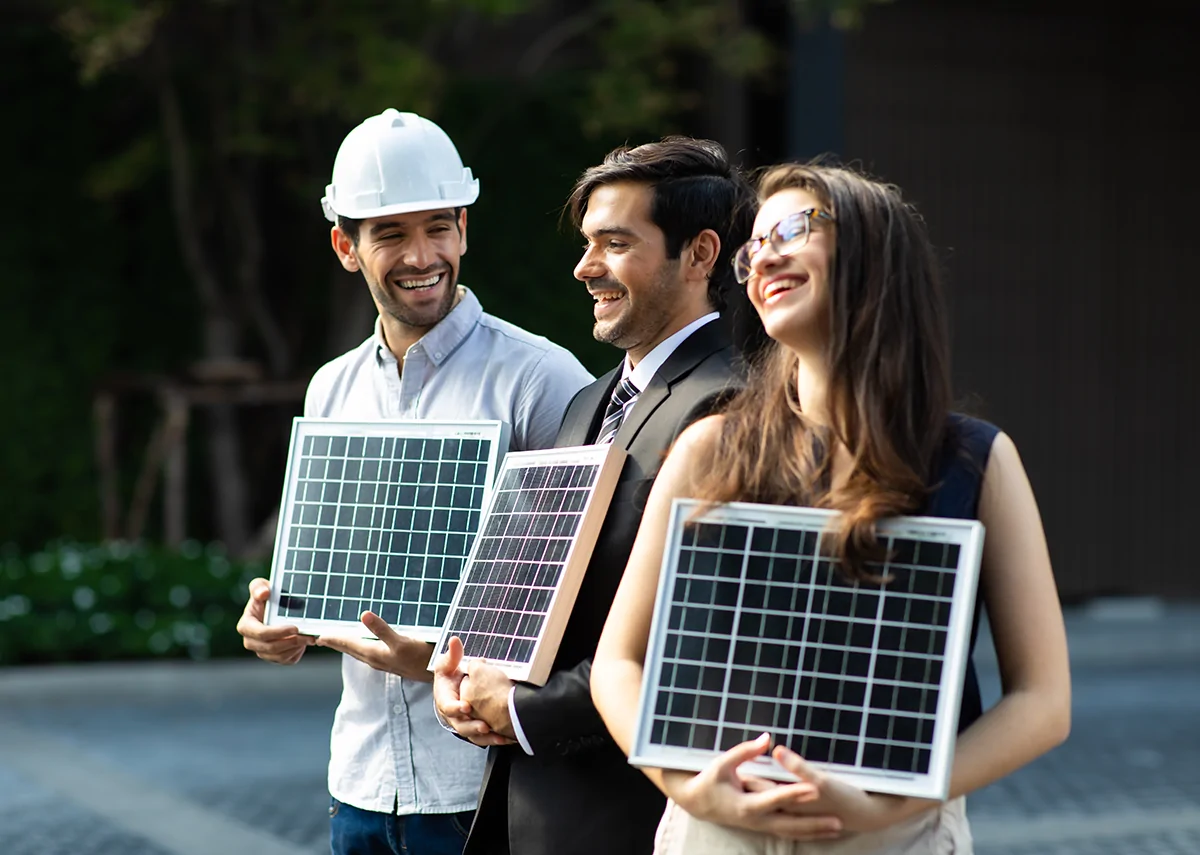
- Plan photovoltaics for warehouses, commercial halls and industrial halls
- Industrial plant: Plan a photovoltaic open-air system or open-space system
- Plan solar systems with photovoltaic solutions for freight forwarding and contract logistics
- B2B solar systems and photovoltaic solutions & advice
We are there for you - advice - planning - implementation - project management
☑️ Construction and advice on photovoltaic open-space systems
☑️ Solar park planning ☑️ Agri-photovoltaic implementation
☑️ Solar outdoor systems with dual-use solutions
Xpert.Solar is your ideal partner for the planning, consulting and construction implementation of ground-mounted photovoltaic systems and agricultural photovoltaic projects due to our many years of experience and expertise in the solar energy industry. Xpert.Solar has an experienced team of professionals that offers tailored solutions to farmers and investors. From location analysis to financial and legal advice to technical implementation and monitoring, Xpert.Solar supports its customers professionally and reliably to ensure successful and sustainable implementation.

Konrad Wolfenstein
I would be happy to serve as your personal advisor.
You can contact me by filling out the contact form below or simply call me on +49 7348 4088 965 (Munich) .
I'm looking forward to our joint project.
Write to me

Xpert.Digital - Konrad Wolfenstein
Xpert.Digital is a hub for industry with a focus on digitalization, mechanical engineering, logistics/intralogistics and photovoltaics.
With our 360° business development solution, we support well-known companies from new business to after sales.
Market intelligence, smarketing, marketing automation, content development, PR, mail campaigns, personalized social media and lead nurturing are part of our digital tools.
You can find out more at: www.xpert.digital - www.xpert.solar - www.xpert.plus
Keep in touch








