
Looking for roof solar for parking spaces: Build a solar carport or plan a system in Arnsberg, Castrop-Rauxel, Lüdenscheid or Bocholt?

Available in 27 languages 📢
Prefer Xpert.Digital on GoogleⓘPublished on: October 19, 2021 / Updated on: October 19, 2021 – Author: Konrad Wolfenstein

Solar carport: Rooftop solar for parking spaces – Image: Xpert.Digital / bonandbon|Shutterstock.com
Business model solar carport
Certainly, solar carports alone won't be enough to achieve the energy transition to a zero-emission environmental policy. However, the main advantage of covered, open solar parking spaces is that they offer an additional and meaningful use for already paved areas beyond parking. Furthermore, new business models can be developed for distributing and charging the electricity generated by solar energy. Solar carports are particularly significant from a transportation policy perspective: they will have a substantial impact on our traffic and, by decentralizing refueling habits, will fundamentally change transportation patterns. Refueling wherever you are – at home, at work, or while shopping. Going to a gas station will no longer be essential. As mentioned earlier, new business models will allow those offering solar carports with charging stations to also profit from this new technology. To increase customer loyalty, retailers can offer discounted refueling rates or even free refueling in combination with regular purchases. With the new developments in electromobility, we are no longer necessarily dependent on the major energy companies. Competition is increasing, which is to the benefit of consumers.
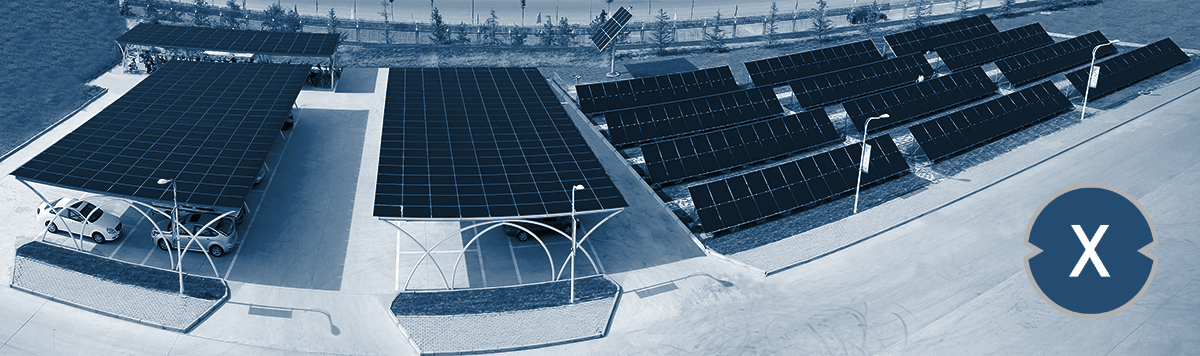
Xpert – Your solar carport and ground-mounted system expert
Our solar carport solutions for covering open parking areas are modular and scalable:
- Quick and easy assembly
- Individually customizable design (color, materials, surface, size, etc.)
- Installation of charging stations and inverters is possible at any time
- Scalable & modular: Available as a single, double or arbitrarily scalable row carport
- Suitable for use even in the standard version for very high wind and snow loads
- …and much more
📣 Open parking areas: Photovoltaic solutions for industry, retail and municipalities
Everything from a single source, specially designed for solar solutions for large parking areas. You refinance or counterfinance into the future with your own electricity generation.
🎯 For solar engineers, plumbers, electricians and roofers
Advice and planning including a non-binding cost estimate. We bring you together with strong photovoltaic partners.
👨🏻 👩🏻 👴🏻 👵🏻 For private households
We are positioned across regions in German-speaking countries. We have reliable partners who advise you and implement your wishes.
With over 1,000 specialist articles, we cannot present all topics here. Therefore, you will find a small excerpt from our work here and we would be pleased if we have piqued your interest in getting to know us better:
Our Solar PDF Library

Photovoltaic Library (PDF) – Image: Xpert.Digital / Benvenuto Cellini|Shutterstock.com
Large PDF library: Market monitoring and market intelligence on the topic of photovoltaics.
Data is viewed at regular intervals and checked for relevance. This usually brings together some interesting information and documentation, which we combine into a PDF presentation: our own data analyzes and marketing intelligence as well as external market observations.
More about it here:
Electricity consumption - share of sectors worldwide
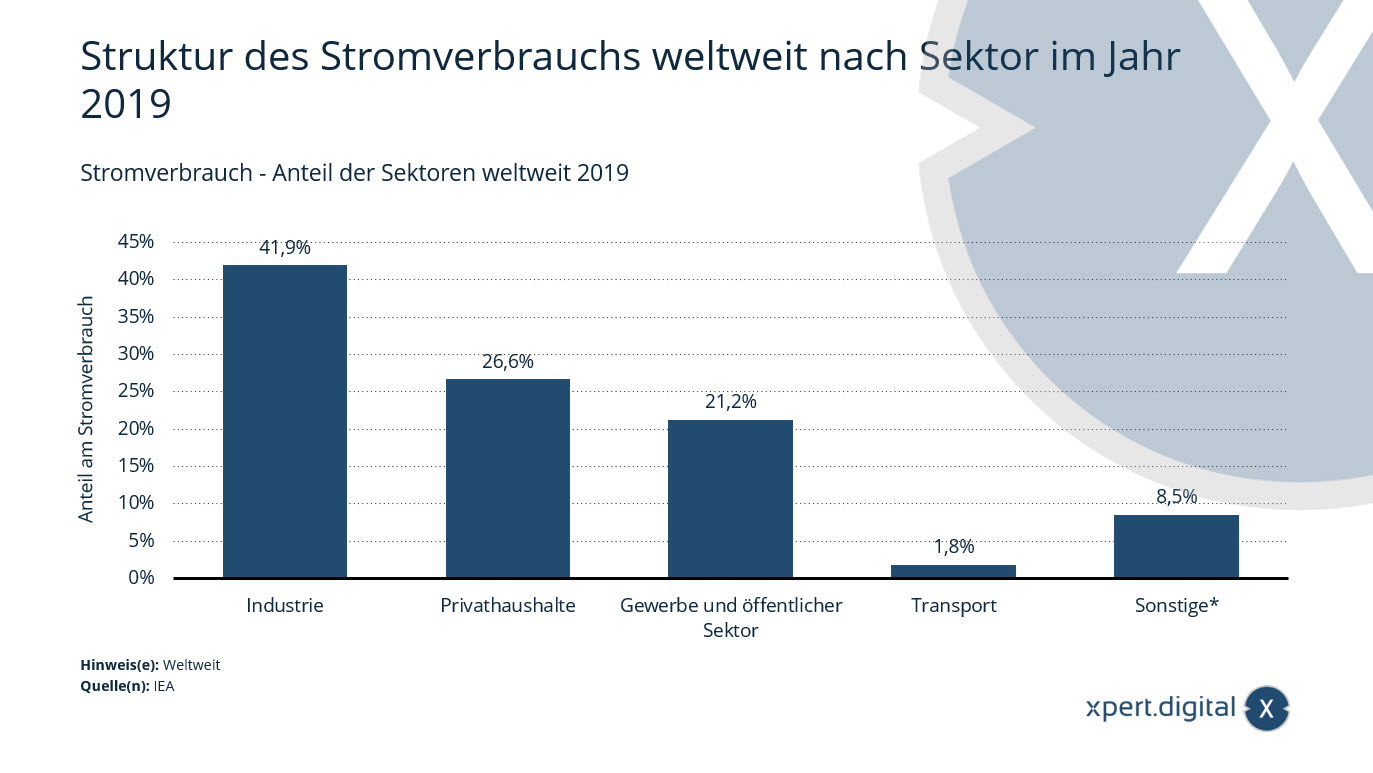
Electricity consumption – share of sectors worldwide – Image: Xpert.Digital
The statistic shows the structure of electricity consumption worldwide by sector in 2019. In 2019, the industrial sector consumed around 42 percent of the world's electricity.
Structure of electricity consumption worldwide by sector in 2019
- Industry – 41.9%
- Private households – 26.6%
- Business and public sector – 21.2%
- Transport – 1.8%
- Other* – 8.5%
Net electricity consumption in Germany
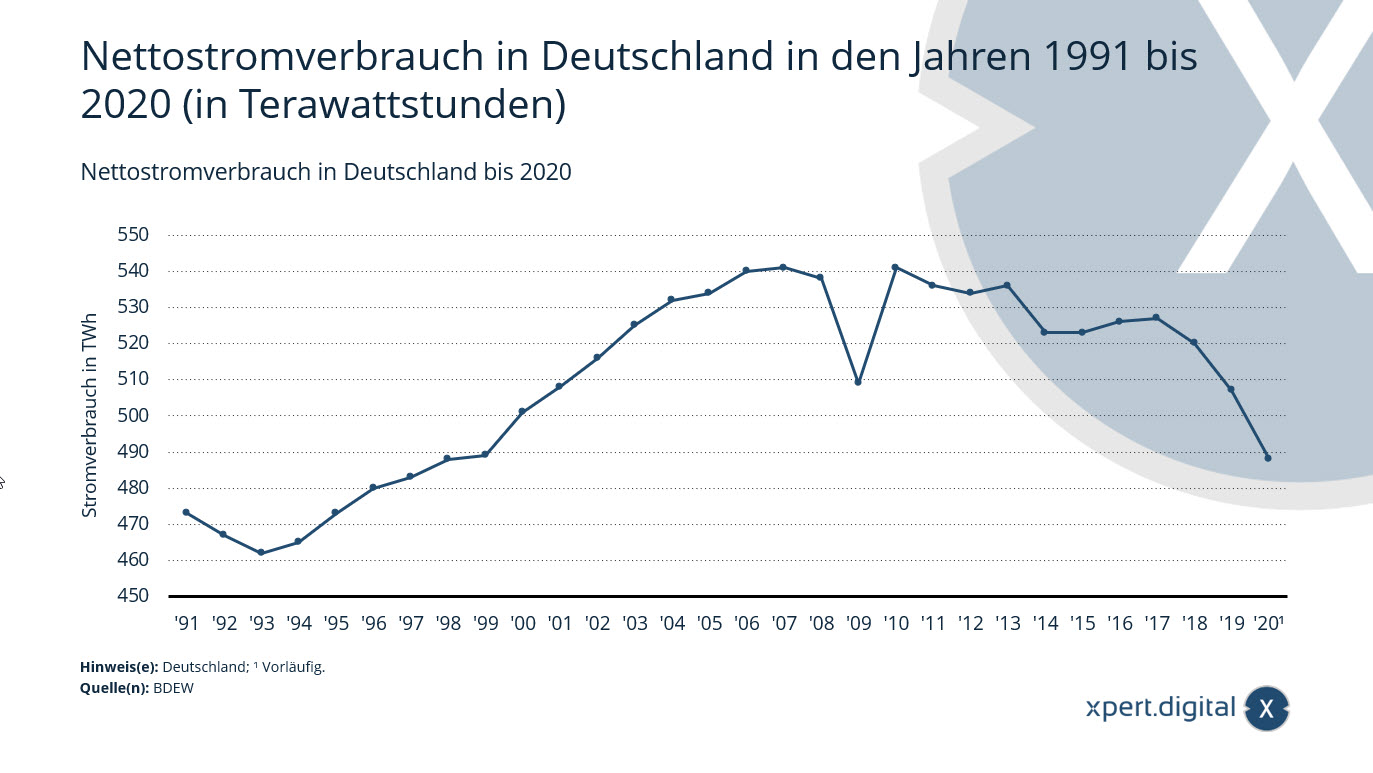
Net electricity consumption in Germany
Net electricity consumption in Germany in 2020 amounted to approximately 488 terawatt-hours. The term net electricity consumption refers to the electrical energy used by consumers after deducting the power plants' own consumption and transmission and grid losses. Per capita electricity consumption in 2018 was approximately 7.2 megawatt-hours (gross).
Is global electricity consumption increasing?
Global electricity consumption is steadily increasing. Today, roughly three times as much electricity is consumed worldwide as in 1980. The industrial sector accounts for the largest share of global electricity consumption, followed by private households, commerce, and the public sector. Transportation, on the other hand, accounts for a relatively small share of global electricity consumption. Reasons for this increase in consumption include industrialization and climate change (higher energy demands due to extreme weather).
Germany as an electricity exporter
Since 1980, the number of companies in the electricity supply sector in Germany has been increasing. At the same time, however, the number of people employed in the electricity supply sector has been decreasing. Regarding electricity imports and exports, the difference between electricity imports and exports to and from Germany has widened over the years. Currently, significantly more electricity is exported than imported into Germany. Germany's largest electricity export destinations are Austria, Poland, and Switzerland.
Net electricity consumption in Germany from 1991 to 2020 (in terawatt hours)
1991 – 473 terawatt hours
1992 – 467 terawatt hours
1993 – 462 terawatt hours
1994
– 465 terawatt hours
1995 – 473 terawatt hours 1996 – 480
1997 –
483 terawatt hours 1998 – 488 terawatt
hours
489 terawatt hours
2001 – 508 terawatt hours
2002 – 516 terawatt hours
2003 –
525 terawatt hours
2004 – 532 terawatt hours 2006 – 540 terawatt hours
2007 – 541 terawatt hours
2008 – 538 terawatt hours
2009 – 509 terawatt hours
2010 – 541 terawatt
hours 2011
– 536 terawatt hours
2012 – 534 terawatt hours
2013 – 536 terawatt hours 2014 – 523 terawatt hours
2015 – 523 terawatt hours
2016 – 526 terawatt hours
2017 – 527 terawatt hours
2018 – 520 terawatt hours
2019 – 507 terawatt hours
2020 – 488 terawatt hours
Average monthly electricity bill in Germany
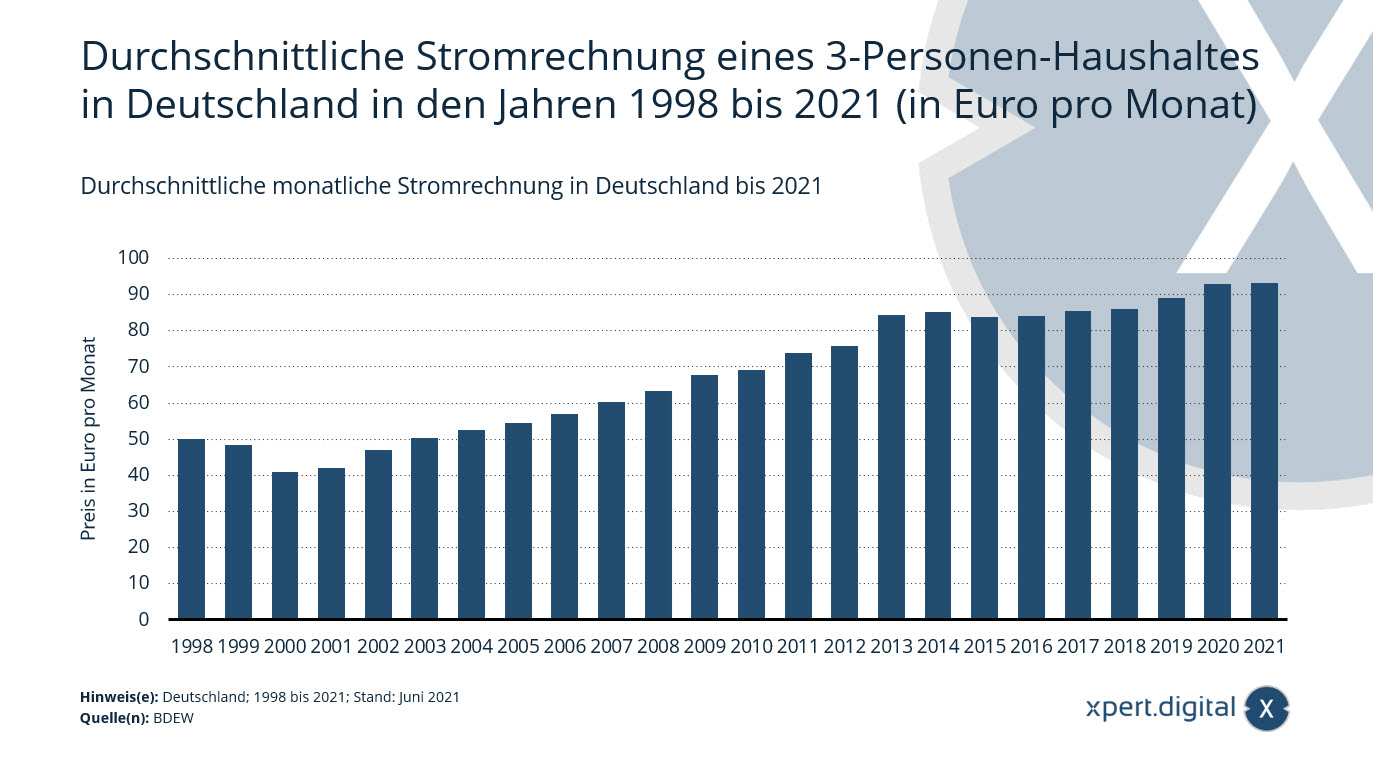
Average monthly electricity bill in Germany – Image: Xpert.Digital
With an electricity consumption of 3,500 kWh, a typical three-person household in Germany paid an average of €93.17 per month for electricity (as of June 2021). The electricity price was primarily composed of network charges, procurement and distribution costs, and the EEG surcharge.
Germany has the highest electricity prices in the EU
When comparing electricity prices for households in the EU-28 countries with an annual consumption of 2,500 to 5,000 kilowatt-hours, Germany recently ranked first. Electricity was cheapest in Bulgarian households. Even in a global comparison, Germany was a country with comparatively high electricity prices for households. The fact that electricity prices in Germany are continuing to rise is also evident when looking at the index values for the development of household electricity prices.
Electricity supply in Germany
In Germany, a large portion of electricity is now generated from renewable energy sources. At the same time, the amount of electricity generated using nuclear power and hard coal is decreasing. In terms of electricity consumption, industry is the largest consumer in Germany. The consumer groups "commerce, trade, and services" and "households" each consume approximately one quarter of the total electricity.
Average electricity bill for a 3-person household in Germany from 1998 to 2021 (in euros per month)
- 1998 – 49.90 euros per month
- 1999 – 48.21 euros per month
- 2000 – 40.66 euros per month
- 2001 – 41.76 euros per month
- 2002 – 46.99 euros per month
- 2003 – 50.14 euros per month
- 2004 – 52.39 euros per month
- 2005 – 54.42 euros per month
- 2006 – 56.76 euros per month
- 2007 – 60.20 euros per month
- 2008 – 63.15 euros per month
- 2009 – 67.69 euros per month
- 2010 – 69.09 euros per month
- 2011 – 73.59 euros per month
- 2012 – 75.51 euros per month
- 2013 – 84.13 euros per month
- 2014 – 85.00 euros per month
- 2015 – 83.70 euros per month
- 2016 – 83.99 euros per month
- 2017 – 85.42 euros per month
- 2018 – 85.94 euros per month
- 2019 – 88.84 euros per month
- 2020 – 92.78 euros per month
Electricity supply - Number of employees in Germany

Electricity supply – Number of employees in Germany – Image: Xpert.Digital
The statistic shows the number of people employed in the electricity supply sector in Germany from 1991 to 2019. In 2019, around 128,000 people were employed in the electricity supply sector in Germany.
Number of employees in the electricity supply sector* in Germany from 1991 to 2019
- 1991 – 201,000 employees
- 1992 – 194,000 employees
- 1993 – 192,000 employees
- 1994 – 188,000 employees
- 1995 – 180,000 employees
- 1996 – 174,000 employees
- 1997 – 168,000 employees
- 1998 – 160,000 employees
- 1999 – 137,000 employees
- 2000 – 151,000 employees
- 2001 – 131,000 employees
- 2002 – 132,000 employees
- 2003 – 131,000 employees
- 2004 – 127,000 employees
- 2005 – 123,000 employees
- 2006 – 122,000 employees
- 2007 – 122,000 employees
- 2008 – 121,000 employees
- 2009 – 120,000 employees
- 2010 – 121,000 employees
- 2011 – 121,000 employees
- 2012 – 110,000 employees
- 2013 – 118,000 employees
- 2014 – 118,000 employees
- 2015 – 117,000 employees
- 2016 – 119,000 employees
- 2017 – 121,000 employees
- 2018 – 127,000 employees
- 2019 – 128,000 employees
* By specialist department. Values have been rounded.
Thinking outside the box: Offshore wind energy

Offshore wind energy to double by 2025 – Image: Eugene Suslo|Shutterstock.com
Wind and solar energy are becoming the cheapest alternatives to fossil fuels worldwide. The wind industry is experiencing a boom and, according to Bloomberg forecasts, is expected to reach a global electrical capacity of around 60 gigawatts by 2025. As the graphic shows, the current capacity is around 25 gigawatts and is projected to increase steadily year by year. To put these figures into perspective: one gigawatt is enough energy to power approximately 110 million LED light bulbs.
Bloomberg also reports that offshore wind farms have proven to be very lucrative in recent years. Relatively simple installation and operation allow for the rapid expansion of the wind energy grid. The USA, Japan, South Korea, and Europe, in particular, are investing in the expansion of their offshore wind farms.
More about it here:
How important are energy storage systems for renewable energies?
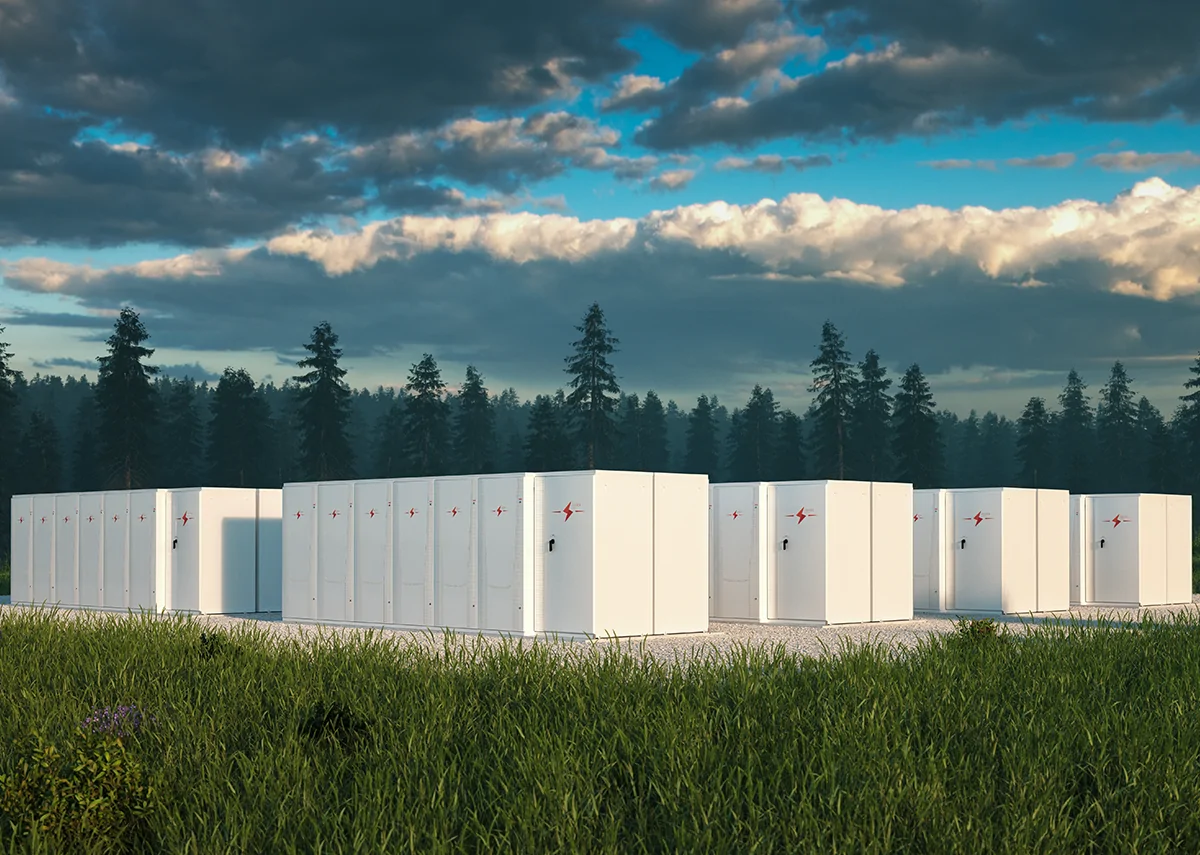
Renewable energies: Now it all comes down to energy storage systems – Image: petrmalinak|Shutterstock.com
To successfully implement the energy transition, research in the field of energy storage is of paramount importance. The sooner efficient energy storage becomes possible, the sooner fluctuations in the electricity grid can be balanced and the shift away from fossil fuels can be achieved. In 2019, the German government provided approximately nine million euros in funding for electrochemical storage systems.
More about it here:
What are Power-to-X energy storage systems?

Flexible energy storage Power-to-X – Image: Xpert.Digital
According to new data from the climate think tank Ember, global electricity generation from solar and wind power has increased by 19 percent and 11 percent, respectively. Major countries such as China, India, Russia, and the USA are experiencing massive increases in wind and solar power production. Russia is making significant strides in renewable energy, with a 55 percent increase in solar power and an astonishing 236 percent increase in wind power.
Electricity generated from wind and solar power has doubled in the last five years, according to Ember and Bloomberg. While the global share of annual wind and solar energy production has generally increased by less than one percent, it is projected to rise by over three percent by 2020.
More about it here:
What are mini PV systems?

Mini PV system – Image: sandra zuerlein|Shutterstock.com
In light of continuously rising temperatures, the debate surrounding climate change is steadily intensifying in Germany as well. This is one of the reasons why more and more consumers are considering the use of renewable energies. Solar energy is increasingly coming into focus. The growing interest in photovoltaic systems for home use demonstrates that consumers can do more for the environment than simply purchasing their electricity from a green energy provider.
In addition to large-scale rooftop systems, small plug-in solutions that can be connected directly to the electrical circuit are becoming increasingly common. This article explains how these mini-PV systems can significantly reduce electricity consumption in your home while protecting the environment.
More about it here:

- Warehouses, production halls and industrial halls with their own power source from a photovoltaic roof system - Image: NavinTar|Shutterstock.com

- Industrial plant with its own power source from an outdoor photovoltaic system - Image: Peteri|Shutterstock.com

- Plan solar systems with photovoltaic solutions for freight forwarding and contract logistics
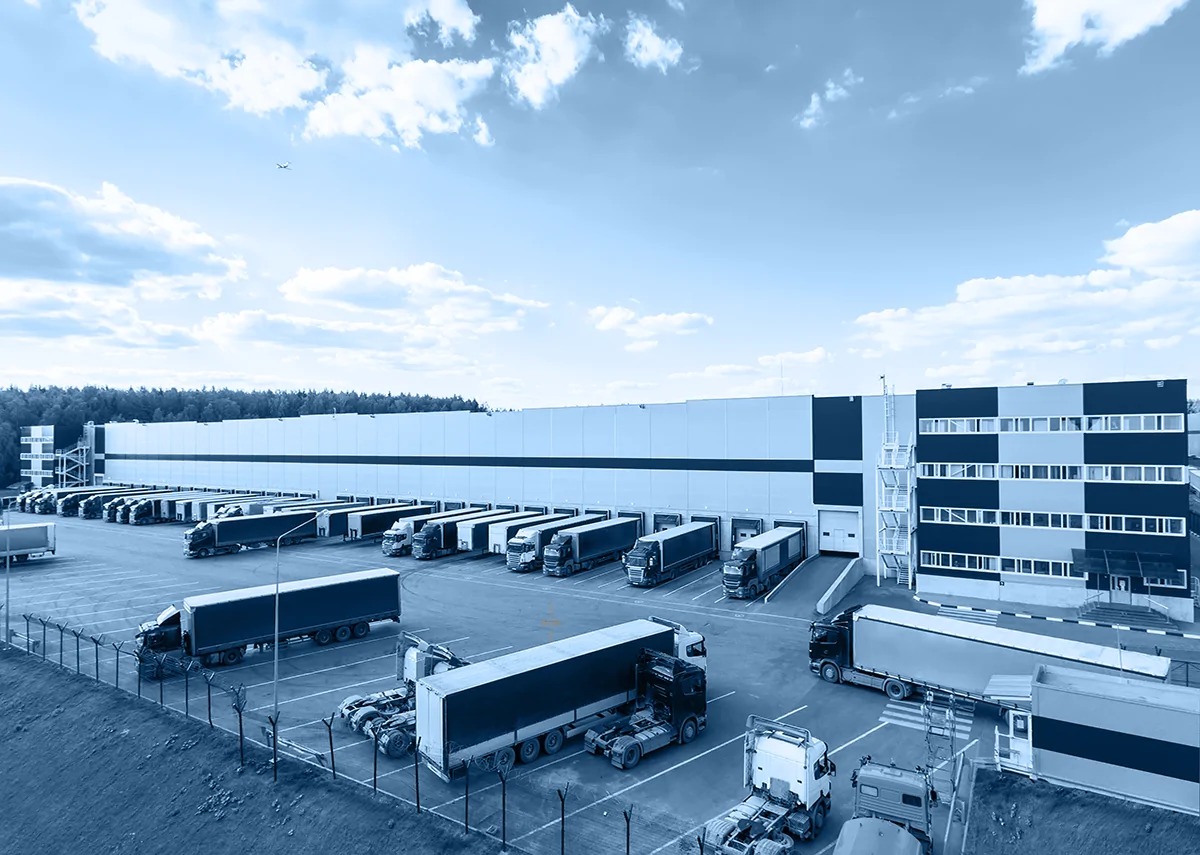
- B2B solar systems and photovoltaic solutions & advice
- Plan photovoltaics for warehouses, commercial halls and industrial halls
- Industrial plant: Plan a photovoltaic open-air system or open-space system
- Plan solar systems with photovoltaic solutions for freight forwarding and contract logistics
- B2B solar systems and photovoltaic solutions & advice
Photovoltaic system solutions: Xpert.Solar for planning and consulting in the area of solar carports, solar systems on roofs and photovoltaic systems in general for Arnsberg, Castrop-Rauxel, Lüdenscheid and Bocholt

Konrad Wolfenstein
I would be happy to serve as your personal advisor.
You can contact me by filling out the contact form below or simply call me on +49 7348 4088 965 .
I'm looking forward to our joint project.
Write to me

Xpert.Digital – Konrad Wolfenstein
Xpert.Digital is a hub for industry with a focus on digitalization, mechanical engineering, logistics/intralogistics and photovoltaics.
With our 360° business development solution, we support well-known companies from new business to after sales.
Market intelligence, smarketing, marketing automation, content development, PR, mail campaigns, personalized social media and lead nurturing are part of our digital tools.
You can find out more at: www.xpert.digital – www.xpert.solar – www.xpert.plus
Keep in touch









