
German economy is recovering

Available in 27 languages 📢
Prefer Xpert.Digital on GoogleⓘPublished on: August 13, 2020 / Updated on: September 13, 2020 – Author: Konrad Wolfenstein
German economy recovers in the third
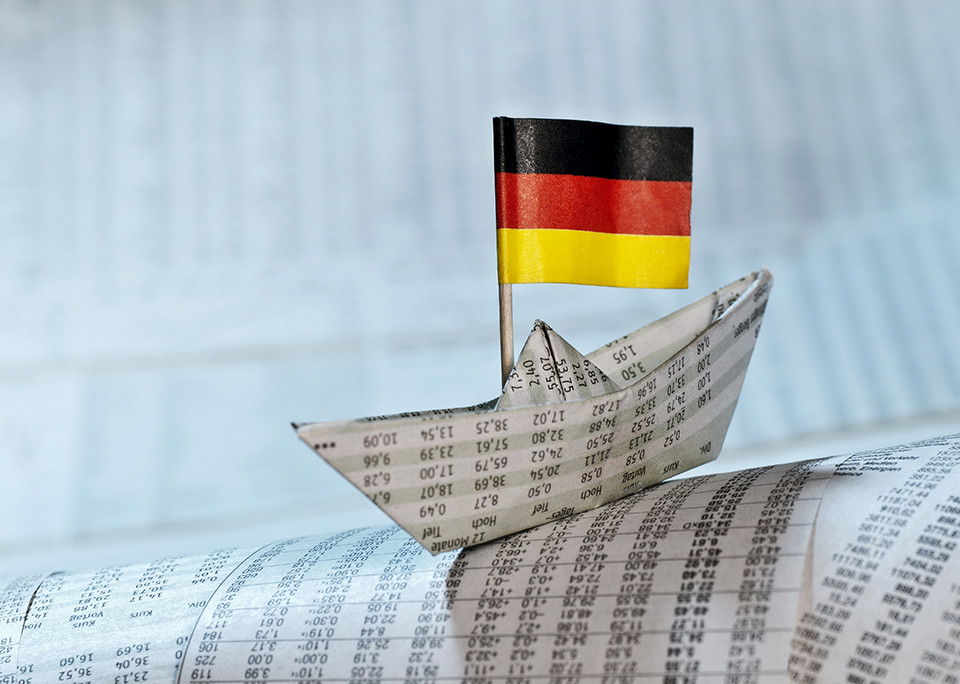
German economy is recovering – @shutterstock | gopixa
The economic barometer of the German Institute for Economic Research (DIW Berlin) rose significantly again in August, reaching 105 points. This marks the first time since the end of 2017 that it has exceeded the 100-point mark, which indicates average growth in the German economy. Economic output in Germany is expected to grow strongly in the current third quarter – albeit from a much lower level after the historic slump in the spring.
This momentum is unlikely to continue. According to DIW economic expert Simon Junker, the labor market situation remains tense: "While short-time work allows companies to avoid layoffs for the time being, demand remains subdued in some sectors, partly because consumers may permanently change their spending habits. As a result, unemployment, which skyrocketed in the spring, is likely to remain high." Concerns about a second wave of infections are also expected to weigh on the situation.
The economic barometer of the German Institute for Economic Research (DIW Berlin) rose significantly again in August, reaching 105 points. This marks the first time since the end of 2017 that it has exceeded the 100-point mark, which indicates average growth in the German economy. Economic output in Germany is expected to grow strongly in the current third quarter – albeit from a much lower level after the historic slump in the spring.
This momentum is unlikely to continue. According to DIW economic expert Simon Junker, the labor market situation remains tense: "While short-time work allows companies to avoid layoffs for the time being, demand remains subdued in some sectors, partly because consumers may permanently change their spending habits. As a result, unemployment, which skyrocketed in the spring, is likely to remain high." Concerns about a second wave of infections are also expected to weigh on the situation.
The economic barometer of the German Institute for Economic Research (DIW Berlin) also rose significantly in August, to 105 points. For the first time since the end of 2017, it is above the 100-point mark, which indicates average growth in the German economy. In the current third quarter, economic output in Germany is likely to grow strongly, albeit from a much lower level after the historic slump in spring.
It is unlikely to continue with such momentum in the further course of the year. According to DIW economic expert Simon Junker, the situation on the labor market remains tense: “Companies can avoid layoffs for the time being by using short-time work. However, as demand remains subdued in some areas, partly because consumers may change their consumption behavior for the long term, the unemployment rate that shot up in the spring is likely to remain high. Concerns about a second wave of infection are also likely to weigh on developments.
The economic barometer of the German Institute for Economic Research (DIW Berlin) also rose significantly in August, to 105 points. This means that for the first time since the end of 2017 it is above the 100-point mark, which indicates average growth in the German economy. In the current third quarter, economic output in Germany is likely to grow strongly, albeit from a much lower level after the historic slump in spring.
It is unlikely to continue with such momentum in the further course of the year. According to DIW economic expert Simon Junker, the situation on the labor market remains tense: “Companies can avoid layoffs for the time being by using short-time work. However, as demand remains subdued in some areas, partly because consumers may change their consumption behavior for the long term, the unemployment rate that shot up in the spring is likely to remain high. Concerns about a second wave of infection are also likely to weigh on developments.

You can find more infographics at Statista
Keep in touch










