
Is there a solar obligation in Hesse?

Available in 27 languages 📢
Prefer Xpert.Digital on GoogleⓘPublished on: April 5, 2021 / update from: July 13, 2021 - Author: Konrad Wolfenstein
Some federal states have already introduced compulsory solar energy. It will start in Baden-Württemberg from 2022 and in Berlin and Hamburg from 2023. Other federal states such as Bremen, North Rhine-Westphalia, Lower Saxony and Schleswig-Holstein are already quite advanced and it is only a matter of time before the solar obligation applies here too. There are currently no plans to make solar compulsory in Hesse.

Runkel Castle in Hesse – Image: Norbert Frommelt & Save nature and wildlife | Shutterstock.com
What is the current electricity consumption in Hesse?
With around 6.3 million inhabitants, Hesse is the fifth largest federal state in the Federal Republic of Germany. If you look at the area of the German federal states in comparison, Hesse is in the middle field with around 21,116 km². Frankfurt am Main is the largest city in Hesse, Wiesbaden is the state capital.
The share of renewable energy (gross electricity generation) in Hesse was just over 43% in 2017. 2018 at 48%. At the end of 2020, renewable energies overtook conventional energy sources. Wind energy made the largest contribution among renewables in 2019 at 52 percent.
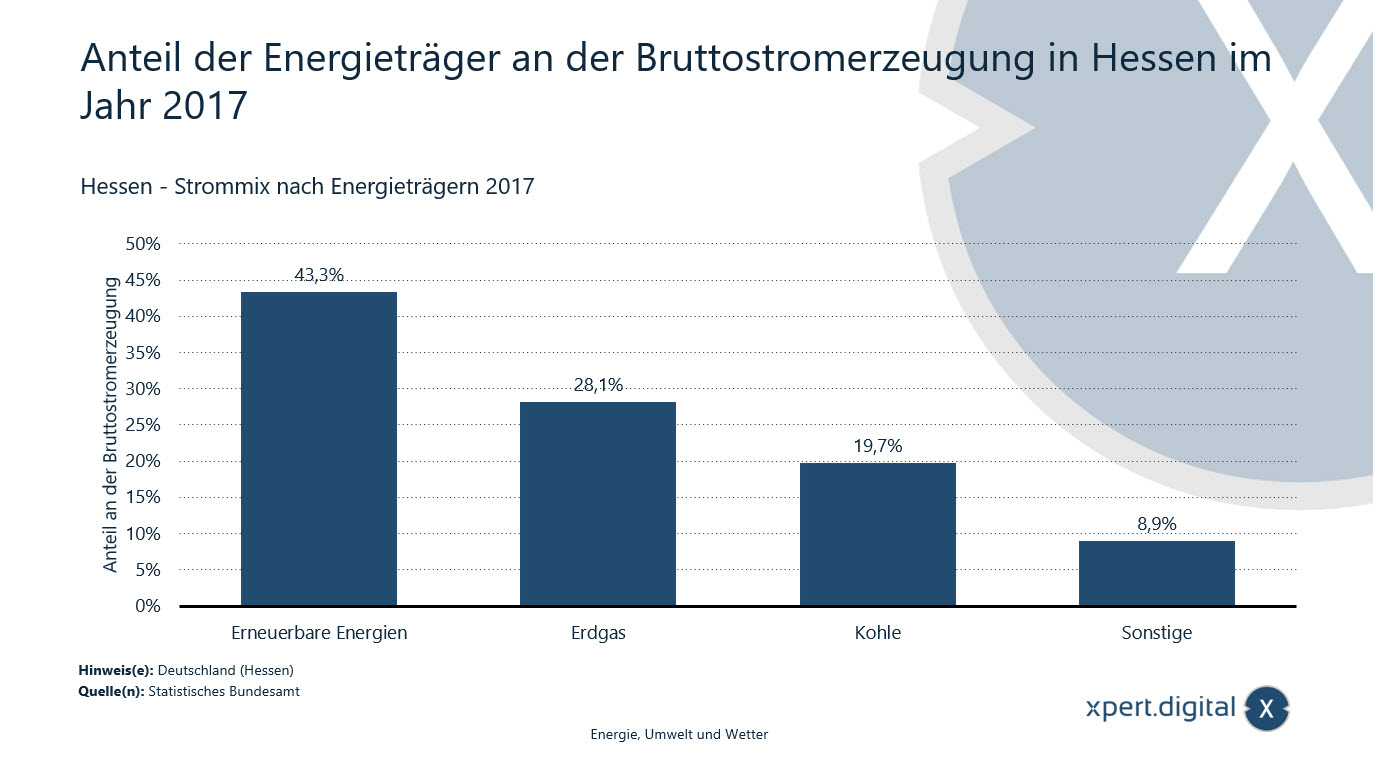
Share of energy sources in gross electricity generation in Hesse - Image: Xpert.Digital
However, Hesse is a federal state that does not produce all of its own electricity consumption. This means that in 2019 Hesse will receive more than half, i.e. around 52 percent, of its gross electricity consumption from other federal states or from abroad.
This also explains why, of the just over 43% of renewable energy generated in the country in 2017, 100% was also consumed in the country, but still only represented a total electricity consumption share of 20.3%. At the end of 2020, renewable energies accounted for almost 25% of energy consumption in Hesse.

- Share of renewable energies in gross electricity consumption in Hesse – Image: Xpert.Digital

- Share of renewable energies in gross electricity consumption in Hesse – Image: Xpert.Digital

Electricity generation from renewable energies without solar obligation is broken down as follows at the end of 2020:
- 52% wind power
- 21% solar
- 11% biogas
- 6% biomass (solid)
- 6% biogenic portion of the waste
- 3% hydropower
- 1% sewage gas
Source: IE-Leipzig 2020; HMWEVW (Hessian Ministry for Economic Affairs, Energy, Transport and Housing)
What is the current solar development in Hesse?
From 2004 to 2008, the installed PV capacity in Hesse increased by 55 MW annually, which corresponds to around 5,500 solar systems per year. From 2009 to 2012, the expansion of solar systems increased fivefold by 285 MW annually, i.e. around 13,000 PV systems per year. A change in the EEG levy meant that only 154 MW of solar systems were installed in 2013 and 103 MW in 2014.

2016-02-04 Tarek Al-Wazir – MdL Hessen – 3647-2 , Photo: Sven Teschke / License: Creative Commons CC-by-sa-3.0 de , CC BY-SA 3.0 DE
For the Hessian state government, Economic and Energy Minister Tarek Alwazir said: “We have progressed in Hesse with the energy transition: In the meantime, renewable energies are contributing 50 percent to Hessian electricity generation. This is also due to the wind energy, the extension of which broke down in 2019 due to incorrect federal political decisions, but is slowly recovering. In Hesse we set the right course: with the designation of wind ranking areas as well as the new administrative regulation on nature conservation and wind energy. ” Al-Wazir also referred to the ongoing boom in photovoltaics: “The Hessian solar cadastre, which has now been used by more than 300,000 citizens, has given the PV expansion a thrust. This is extremely important: because renewable electricity is needed to successfully implement the heat transition. With a special program for homes, extensive advice from the state energy agency and the thermal guidelines, we therefore help municipalities and citizens to the arms at the heat turnaround. ”
How can the suitability for a solar system be checked?
Since 2016, each of the five million roofs and open spaces in Hesse can be checked online for suitability for a solar system. The Hesse solar cadastre not only takes physical variables such as angle of inclination and shading into account, but also calculates the economic viability of a system for a wide range of consumption profiles and technical variants, such as the combination of a solar system with a power storage system or an electric vehicle.
The data comes from the official real estate cadastre with its around five million buildings, 5,600 digital aerial images and a comprehensive high-resolution laser scan of Hesse from an aircraft with at least four recording points per square meter.
Suitable for this
Interesting figures on the economy, infrastructure, energy and environment in Hesse, among other things
Important note: The PDF is password protected.
Please get in contact with me. Of course, the PDF is free of charge. Important note: The PDF is password protected. Please contact me. Of course the PDF is free of charge.
German version – To see the PDF, please click on the image below.
German Version – To view the PDF, please click on the image below.

Hesse – PDF Download
🢂 We will keep you updated here about further developments in Hesse!
Viessmann tweets about this article:
After Baden-Württemberg (from 2022), Berlin and Hamburg (from 2023), will there now also be a #solar requirement in Hesse? What the country is specifically planning and how renewable electricity influences #heat transition https://t.co/vKCPrVqR7A
— Viessmann (@Viessmann) April 7, 2021
With Xpert.Solar we offer consulting services for companies that are planning a photovoltaic system for a flat or pitched roof - even without roof penetration!

- Warehouses, production halls and industrial halls with their own power source from a photovoltaic roof system - Image: NavinTar|Shutterstock.com

- Industrial plant with its own power source from an outdoor photovoltaic system - Image: Peteri|Shutterstock.com

- Plan solar systems with photovoltaic solutions for freight forwarding and contract logistics
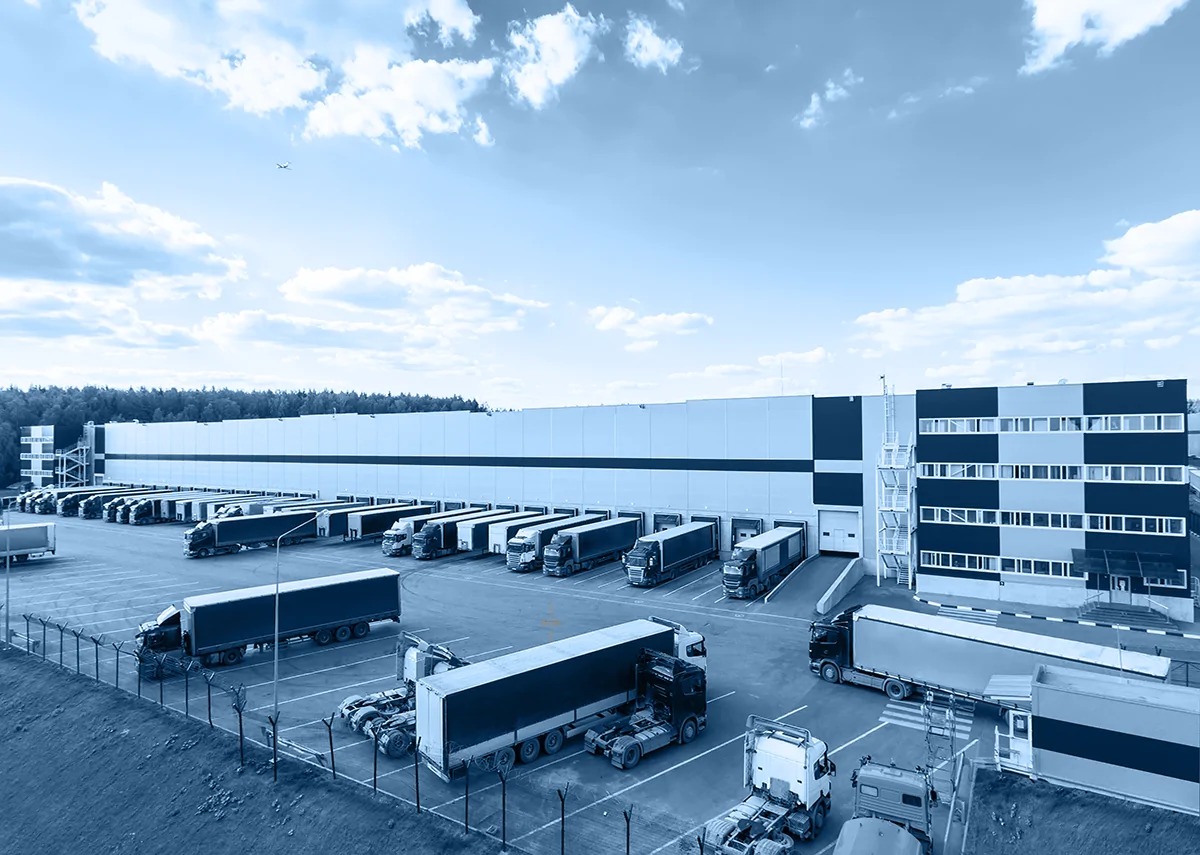
- B2B solar systems and photovoltaic solutions & advice
- Plan photovoltaics for warehouses, commercial halls and industrial halls
- Industrial plant: Plan a photovoltaic open-air system or open-space system
- Plan solar systems with photovoltaic solutions for freight forwarding and contract logistics
- B2B solar systems and photovoltaic solutions & advice
Why Xpert.Solar ?
Xpert.Solar is a project from Xpert.Digital. We have many years of experience in supporting and advising on storage solutions and in logistics optimization, which we bundle in a large network Xpert.Plus With Xpert.Solar we combine the same know-how in the areas of photovoltaics and renewable energies.
If you wish, you can also access our large market observation and market intelligence data in the form of PDFs. More about that here .

Konrad Wolfenstein
I would be happy to serve as your personal advisor.
You can contact me by filling out the contact form below or simply call me on +49 7348 4088 965 (Munich) .
I'm looking forward to our joint project.
Write to me

Xpert.Digital – Konrad Wolfenstein
Xpert.Digital is a hub for industry with a focus on digitalization, mechanical engineering, logistics/intralogistics and photovoltaics.
With our 360° business development solution, we support well-known companies from new business to after sales.
Market intelligence, smarketing, marketing automation, content development, PR, mail campaigns, personalized social media and lead nurturing are part of our digital tools.
You can find out more at: www.xpert.digital – www.xpert.solar – www.xpert.plus
Keep in touch








