
Consulting & planning: Top 10 manufacturers and construction companies of heat pumps with installation, construction and assembly in Berlin and Brandenburg, among others

Available in 27 languages 📢
Prefer Xpert.Digital on GoogleⓘPublished on: July 12, 2023 / Updated on: July 12, 2023 – Author: Konrad Wolfenstein

Consulting & Planning: Heat pumps including installation, construction and assembly – Image: Xpert.Digital
Steps to optimal heat pump installation: consultation, planning and installation
A heat pump is a device that transfers thermal energy from a source to a destination. Heat pumps utilize renewable energy by extracting heat from the environment – air, water, or geothermal energy – and using it for heating and hot water. Because they consume less energy than conventional heating systems, they help reduce carbon dioxide emissions and protect the environment.
Advice and planning
Thorough consultation and planning are necessary before installing a heat pump. This includes a detailed analysis of the building and the existing heating system. The building's heat output is calculated to determine the correct size and type of heat pump. Factors such as insulation, window area and quality, the age and structure of the building, as well as room usage, must be taken into account.
Another important aspect of the consultation and planning is determining the most suitable heat source. A distinction is made between air, water, and geothermal heat pumps. Air source heat pumps are generally the easiest to install, as they do not require any excavation; however, they are often less efficient in operation than water or geothermal heat pumps.
Installation, construction and assembly
Installing a heat pump is a complex process that should be carried out by professionals. The installation involves several steps:
1. Provision of the heat source
This could involve installing a ground probe or collector for a geothermal heat pump, or installing an air source heat pump that extracts heat from the ambient air.
2. Installation of the heat pump
The heat pump is installed in the house or in a utility room and connected to the heat source. It can also be connected to an existing heating system if a bivalent operating mode (heat pump plus another heating system) has been chosen.
3. Connection to the heating system
The heat pump is connected to the existing heating system, either as a replacement for the existing heating system or as a supplement to it.
4. Installation of the control and regulation technology
The heat pump is connected to a control and regulation system that controls and optimizes the operation of the heat pump.
5. Commissioning and instruction
After installation, the heat pump is put into operation and the users are instructed in its operation.
Installing a heat pump requires a high level of technical knowledge and experience. It is therefore advisable to have this work carried out by qualified professionals. A correctly installed and well-maintained heat pump system can operate reliably for many years, resulting in significant energy cost savings.
Concluding thoughts
Heat pumps are an excellent way to improve a building's energy efficiency while reducing its environmental impact. With careful planning and professional installation, heat pumps can provide a reliable and cost-effective heating solution. However, it is essential that expert advice and planning are carried out to ensure the system is correctly sized and functions optimally.
📣 Energy-related renovation and new construction, consulting, planning and implementation for industry, retail and municipalities
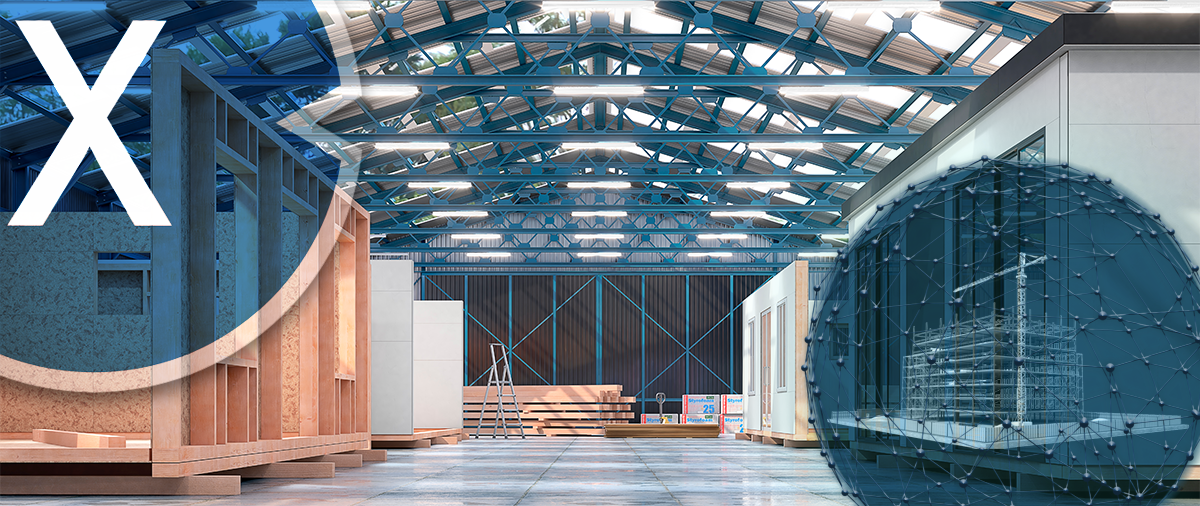
Our experienced team will support you in optimizing your buildings to reduce energy consumption and promote sustainable energy use with photovoltaics. We analyze your individual needs and create tailor-made concepts that make sense both economically and ecologically. Regardless of whether it is about the energy-efficient renovation of existing buildings or the construction of new energy-efficient structures, we are at your side. Industrial facilities, retail buildings and municipal facilities can reduce their energy costs and reduce environmental impact while improving the comfort and efficiency of their buildings through our tailored solutions.
👨🏻 👩🏻 👴🏻 👵🏻 Energy-saving renovation and new construction, advice, planning and implementation for private households
We offer comprehensive support for private households in the energy-efficient renovation and construction of new buildings with photovoltaics. Our experienced team is at your side to help you advise, plan and implement your sustainable energy solutions. We analyze your energy consumption, identify savings potential and develop tailor-made concepts to improve your energy efficiency. From improving building insulation to installing energy-efficient windows and doors to installing photovoltaic and solar systems - we accompany you step by step to make your home more energy efficient and environmentally friendly. Trust in our expertise and benefit from the numerous advantages that energy renovation and the use of renewable energies offer you. Together we will create a sustainable future for your home.
Top Ten manufacturers such as companies for heat pumps
Daikin
A Japanese manufacturer, known for its inverter technology and wide range of air and ground source heat pumps. They are leaders in the use of environmentally friendly refrigerants and are characterized by high efficiency and quality.
Viessmann
A German company with over 100 years of experience in heating technology. Viessmann offers a wide range of heat pumps, including air-to-water, brine-to-water, and water-to-water pumps. They have set themselves the goal of being CO2-neutral by 2050.
Bosch
Bosch is a globally renowned German company that also operates in the field of heating and cooling systems. Bosch offers high-quality heat pumps suitable for both residential and commercial properties. Their products are characterized by efficiency, durability, and smart control options.
Mitsubishi Electric
Another leading manufacturer from Japan offers heat pumps with high efficiency and quality. They are known for their “Zubadan” technology, which ensures constant heating performance even at very low outside temperatures.
Stiebel Eltron
A German company with over 90 years of experience. They offer a wide range of heat pumps and are known for their innovative and energy-efficient technology.
Vaillant
Vaillant is a leading company in the heating, ventilation and air conditioning industry, headquartered in Germany. They offer a range of efficient and reliable heat pumps designed for diverse requirements and applications.
NIBE
A Swedish company offering a wide range of energy-efficient heat pumps. They place great emphasis on sustainability and strive to create solutions that have a minimal impact on the environment.
Danfoss
A Danish company offering a wide range of heating and cooling solutions. Danfoss is known for its reliable and energy-efficient heat pumps, which are characterized by quality and durability.
Panasonic
Another Japanese electronics giant, also active in the field of heating and cooling solutions, is Panasonic. They offer heat pumps that stand out for their high energy efficiency and smart control options.
Carrier
An American company considered a pioneer in air conditioning. Carrier offers a wide range of heat pumps characterized by high quality and performance, efficient operation, and innovative features.
The challenge of integrated energy technology: Why companies need to combine solar installers and heat pump installers
There are several reasons why there are many solar installers and heat pump installers, but relatively few companies that can offer both services simultaneously and holistically.
1. Specialization
Installing solar thermal systems and heat pumps requires different expertise and skills. Solar installers specialize in the installation and operation of solar power systems, while heat pump installers focus on installing heating and cooling systems. Each area demands a deep understanding of the technologies, specific certifications, and experience. Companies often struggle to find experts equally skilled in both solar thermal and heat pump technology.
2. Complexity of the projects
The installation of solar thermal systems and heat pumps requires complex planning, calculations, and design work. Solar installers must determine the optimal position for the solar panels to ensure maximum solar gain. Heat pump installers, on the other hand, must analyze a building's heating and cooling needs and select the appropriate heat pump solution. Combining both technologies requires a comprehensive analysis of a building's energy requirements and optimal integration of both systems. This presents an additional challenge that not all companies are equipped to handle.
3. Resources and Investments
Installing solar systems and heat pumps requires specialized tools, equipment, and materials. Companies that specialize in only one of these areas can focus their resources and investments accordingly. Those wishing to offer both services must invest in a broader range of resources, incurring additional costs. This can be a financial burden for smaller companies and may reduce their desire to offer both services.
4. Market needs and demand
The market for solar thermal systems and heat pumps has grown significantly in recent years, driven by increasing interest in renewable energy and energy-efficient solutions. There is high demand for qualified solar and heat pump installers who can provide specialized services. This has led to a rise in the number of companies focusing on these areas. At the same time, demand for companies that can combine both services is lower, as fewer customers require both solar thermal systems and heat pumps.
5. Cooperations and partnerships
Some companies choose to bridge the gap by entering into collaborations or partnerships with other companies specializing in the other field. This allows them to offer their customers a comprehensive solution without having to possess all the necessary resources and expertise themselves. Such collaborations can enable them to offer customers seamless integration of solar systems and heat pumps, with each company contributing its specific expertise.
➡️ The large number of solar installers and heat pump installers compared to the small number of companies that can offer both simultaneously and comprehensively is due to specialization, project complexity, resources and investments, market needs and demand, as well as cooperation and partnerships. It is important to note that the market is constantly evolving, and there may be more companies in the future that can successfully combine both services.
Plan your solar system for the most common applications conveniently online with our solar system planner!
With our user-friendly solar system planner you can plan your individual solar system online. Whether you need a solar system for your home, your business or for agricultural purposes, our planner offers you the opportunity to take your specific requirements into account and develop a tailor-made solution.
The planning process is simple and intuitive. You simply enter relevant information. Our planner takes this information into account and creates a tailor-made solar system that meets your needs. You can try out different options and configurations to find the optimal solar system for your application.
Additionally, you can save your plan to review later or share with others. Our customer service team is also available to answer your questions and provide support to ensure your solar system is optimally planned.
Use our solar system planner to plan your individual solar system for the most common applications and advance the transition to clean energy. Start now and take an important step towards sustainability and energy independence!

The solar system planner for the most common applications: Plan the solar system online here - Image: Xpert.Digital
More about it here:
Infrared radiation for comfortable warmth: The advantages of a carbon fiber heater compared to an air-to-air heat pump
If a ground-source heat pump is unsuitable for certain reasons, a carbon fiber heater, also known as carbon heat (infrared heater), can be an interesting alternative to a conventional air-to-air heat pump. Here are some important and interesting details that shed light on this option:
How carbon fiber heating works
A carbon fiber heating system is based on the use of electrically heated carbon fiber panels, which serve as the heat source. The electric current heats the carbon fiber, causing it to emit long-wave infrared radiation that is absorbed by surrounding surfaces and objects. These, in turn, radiate the heat into the room, thus creating a comfortable room temperature.
Efficiency and energy saving
Compared to an air-to-air heat pump, a carbon fiber heating system has the advantage that it does not need to extract heat from the ambient air. This makes it independent of outside temperatures and ensures consistently efficient operation. Furthermore, it eliminates the need for an outdoor unit and the associated noise. This makes the carbon fiber heating system an attractive option for rooms where high energy efficiency and a comfortable indoor climate are desired.
Comfortable indoor climate
The heat emitted by the carbon fiber heater is via infrared radiation, which is perceived as particularly pleasant. Compared to conventional heating systems that heat the air, the carbon fiber heater ensures an even and comfortable heat distribution throughout the room. Furthermore, certain models can be individually controlled, allowing for the creation of specific heat zones.
Installation and space requirements
Installing a carbon fiber heating system requires careful planning, as the panels must be strategically mounted on the walls or ceiling of the room. It requires less space compared to an air-to-air heat pump because no outdoor unit is needed. However, it is important to consider the panel placement and room size to ensure even heat distribution.
Costs and operating expenses
The initial purchase price of a carbon fiber heating system can be higher than that of an air-to-air heat pump. However, long-term operating costs can be lower because the carbon fiber heating system operates efficiently and contains no moving parts or compressors that require maintenance or repair. Furthermore, the operating costs depend on the amount of electrical energy required to heat the carbon fiber panels.
➡️ It is important to note that the choice between a carbon fiber heater and an air-to-air heat pump depends on various factors, such as the specific requirements of the room, individual preferences, and local conditions. Expert advice and a careful analysis of specific needs are crucial to determining the best heating option for each individual case.
Industrial heating solutions compared: What advantages does carbon fiber heating offer compared to heat pumps?
The decision as to whether a carbon fiber heating system (infrared heating system) is a better alternative to heat pumps in industrial settings, particularly in building complexes and industrial buildings, depends on various factors. Here are some important and interesting details to consider when making this decision:
1. Energy demand and efficiency
The energy demand of industrial buildings can be substantial due to their size and use. Heat pumps are known for their high energy efficiency, as they extract heat from the ambient air, ground, or water. This makes them particularly advantageous in temperate climates. However, carbon fiber heating systems can be a good alternative when energy demand is not too high or when specific areas require targeted heating.
2. Flexibility and zoning
Industrial buildings often have different zones with varying heating requirements. Infrared heating systems offer the advantage of flexible zoning. By strategically placing carbon fiber panels, heat can be generated precisely where it is needed. This enables efficient use of heating energy and individual temperature control for different areas of the industrial building.
3. Maintenance and operating costs
Heat pumps require regular maintenance and inspection, especially when used on a larger scale in industrial buildings. In comparison, carbon fiber heating systems have fewer moving parts and are largely maintenance-free. This can result in lower operating costs and higher availability, particularly in large industrial facilities where maintenance can be a complex and time-consuming task.
4. Reaction speed and room climate
Infrared heaters offer the advantage of a rapid response time. Once the carbon fiber panels are activated, they emit pleasant warmth within minutes. This is particularly beneficial in industrial buildings where a rapid temperature increase may be necessary, such as in work areas or warehouses. Furthermore, the infrared radiation from the carbon fiber heater can contribute to a consistent and comfortable room temperature.
5. Investment costs and environmental aspects
Heat pumps often require extensive installation and infrastructure, especially in larger industrial plants. This can lead to higher investment costs. In comparison, carbon fiber heating systems are generally easier to install and require less structural work. Furthermore, they are emission-free and produce no harmful exhaust gases, which can be particularly advantageous in industrial buildings with strict environmental regulations.
➡️ It is important to note that the decision between a carbon fiber heating system and a heat pump in an industrial setting depends on the specific requirements of the building, energy demand, zoning, operating costs, response time, investment costs, and environmental aspects. A careful analysis and individual assessment are necessary to determine the best heating solution for the industrial sector.
Efficient heating in industrial environments: How a carbon fiber heating system better meets the requirements of building complexes and industrial buildings than a heat pump
Specific applications
The choice between a carbon fiber heating system and a heat pump in industrial settings also depends on the specific applications and processes taking place in the building complexes and industrial buildings. In some cases, a heat pump may be the better choice due to its ability to provide simultaneous cooling and heating. In other cases, where targeted and zone-specific heat distribution is required, a carbon fiber heating system may be the preferred option.
Integration with other systems
Industrial plants often have complex systems such as ventilation, air conditioning, and process controls. Integrating a carbon fiber heater or heat pump into these existing systems can be a deciding factor. A carbon fiber heater can typically be easily integrated into existing electrical systems, while a heat pump may require additional modifications or interfaces.
Scalability and expansion options
Industrial facilities often have the potential for future expansion or modification of building structures. The flexibility and scalability of the heating solution are therefore crucial aspects. Carbon fiber heating systems offer a degree of flexibility in this regard, as the panel placement and number can be adjusted as needed. In contrast, the scalability of heat pumps can be limited by the system's capacity and the availability of suitable heat sources.
Environmental aspects and sustainability
Sustainability is playing an increasingly important role in industrial decision-making. Heat pumps are considered an environmentally friendly solution because they utilize renewable heat sources and operate efficiently. However, carbon fiber heating systems are also environmentally friendly, as they are electrically powered and produce no harmful emissions. Furthermore, they can be powered by renewable energy sources, which further reduces their ecological footprint.
Operational requirements and user preferences
Industrial buildings often have specific operational requirements, such as high reliability, ease of use, and fast response times. User preferences also play a role, as they desire a pleasant indoor climate and a comfortable working environment. A comprehensive assessment of both operational requirements and user preferences is therefore essential to determine the best solution.
➡️ It is important to note that the choice between a carbon fiber heater and a heat pump in an industrial setting depends on an individual analysis that considers factors such as energy demand, flexibility, maintenance costs, response time, specific applications, integration with other systems, scalability, environmental aspects, operational requirements, and user preferences. A careful evaluation of these aspects will help identify the better alternative for the specific industrial needs.

- Warehouses, production halls and industrial halls with their own power source from a photovoltaic roof system - Image: NavinTar|Shutterstock.com

- Industrial plant with its own power source from an outdoor photovoltaic system - Image: Peteri|Shutterstock.com

- Plan solar systems with photovoltaic solutions for freight forwarding and contract logistics
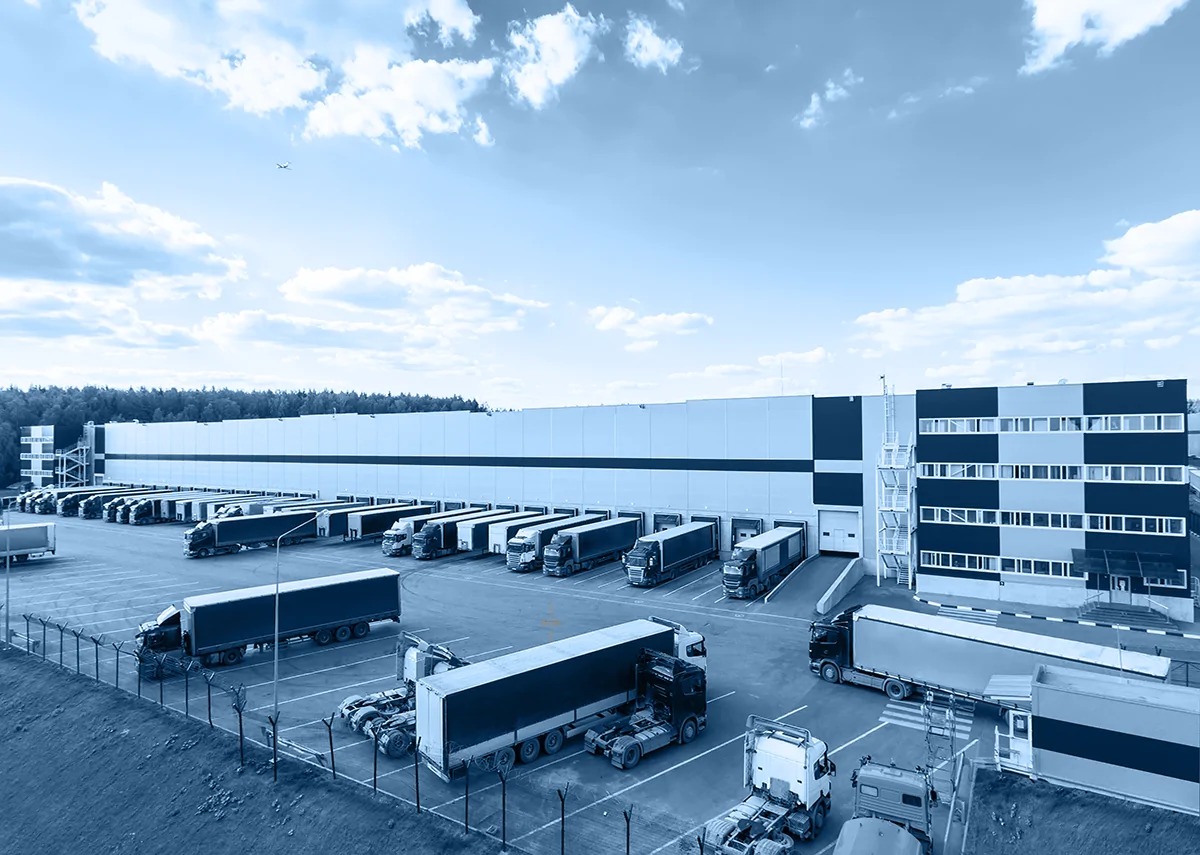
- B2B solar systems and photovoltaic solutions & advice

- Plan photovoltaics for warehouses, commercial halls and industrial halls
- Industrial plant: Plan a photovoltaic open-air system or open-space system
- Plan solar systems with photovoltaic solutions for freight forwarding and contract logistics
- B2B solar systems and photovoltaic solutions & advice
Expert advice on energy-efficient renovation and new construction with Xpert.Plus

Konrad Wolfenstein
I would be happy to serve as your personal advisor.
You can contact me by filling out the contact form below or simply call me on +49 7348 4088 965 (Munich) .
I'm looking forward to our joint project.
Write to me

Xpert.Digital – Konrad Wolfenstein
Xpert.Digital is a hub for industry with a focus on digitalization, mechanical engineering, logistics/intralogistics and photovoltaics.
With our 360° business development solution, we support well-known companies from new business to after sales.
Market intelligence, smarketing, marketing automation, content development, PR, mail campaigns, personalized social media and lead nurturing are part of our digital tools.
You can find out more at: www.xpert.digital – www.xpert.solar – www.xpert.plus
Keep in touch







