
Energy renovation and new construction with photovoltaics/solar systems & top ten energy efficiency in Berlin and Brandenburg

Available in 27 languages 📢
Prefer Xpert.Digital on GoogleⓘPublished on: July 8, 2023 / update from: July 9, 2023 - Author: Konrad Wolfenstein
Energy renovation and new construction with photovoltaic/solar systems & energy efficiency in Berlin and Brandenburg - Image Xpert.Digital
Sustainable energy solutions for Berlin and Brandenburg: The booming combination of energy renovation, new construction and photovoltaic installation
Berlin and Brandenburg are characterized by ideal conditions for the installation of photovoltaic and solar systems in conjunction with the energy-efficient renovation and new construction of various buildings. These options not only extend to residential buildings, but also include halls, commercial halls, industrial halls, warehouses, logistics and office buildings.
The expansion of renewable energies and the reduction of CO2 emissions are at the top of the agenda in Berlin and Brandenburg. Therefore, numerous funding programs and financial incentives have been introduced to support companies and owners in installing photovoltaic and solar systems. This has led to a sharp increase in energy-saving renovations and the construction of new buildings with integrated solar solutions.
What is particularly interesting is that the combination of energy renovation and photovoltaic installation offers a particularly efficient way to reduce energy consumption and at the same time use renewable energies. During energy renovation, various measures are taken to improve the energy efficiency of the building envelope, such as improving thermal insulation, installing energy-efficient windows and optimizing heating and ventilation systems. By integrating photovoltaic and solar systems, the solar energy generated is used directly on site to cover the building's electricity needs. Excess electricity can either be fed into the public grid or temporarily stored in battery storage for use at a later date.
The variety of building types that can benefit from the combination of energy-efficient renovation and photovoltaic installation is impressive. Commercial halls and industrial halls, for example, often offer large, unused roof areas that are ideal for installing solar modules. By using these areas, companies can produce their own green electricity and significantly reduce their energy costs. Warehouses and logistics buildings can also benefit from integrating solar solutions as they often have large open spaces where solar panels can be installed. The solar energy generated can help meet the energy needs for lighting, heating and cooling the building while reducing CO2 emissions.
Another fascinating detail is that the integration of photovoltaic and solar systems in office buildings not only contributes to a sustainable energy supply, but also to a pleasant working environment. For example, transparent solar panels can be integrated into the facades of office buildings to capture sunlight while maintaining a certain degree of transparency. This allows for natural lighting and reduces the need for artificial lighting during the day. In addition, installing solar panels on parking lot canopies or carports can not only generate electricity, but also provide protection for vehicles from the elements.
In Berlin and Brandenburg there is a wide range of companies that specialize in the planning and installation of photovoltaic and solar systems. These companies offer tailor-made solutions that meet the individual requirements and circumstances of different building types. The experts not only take into account the technical aspects, but also the aesthetic requirements of the customers. For example, the color of the solar modules can be adapted to the existing building structure to ensure a harmonious overall appearance.
➡️ Berlin and Brandenburg are ideal locations for the installation of photovoltaic and solar systems in combination with energy-efficient renovation and the new construction of various types of buildings. The diverse funding programs and financial incentives make the use of renewable energies attractive, especially for commercial businesses and companies. The integration of solar solutions makes it possible to reduce energy consumption, reduce electricity costs and at the same time contribute to climate protection. The expertise of the regional companies ensures tailor-made solutions that meet both technical and aesthetic requirements. Overall, the combination of energy renovation and photovoltaic installation offers numerous advantages for halls, commercial and industrial buildings, warehouses, logistics and office buildings in Berlin and Brandenburg.
📣 Energy-related renovation and new construction, consulting, planning and implementation for industry, retail and municipalities
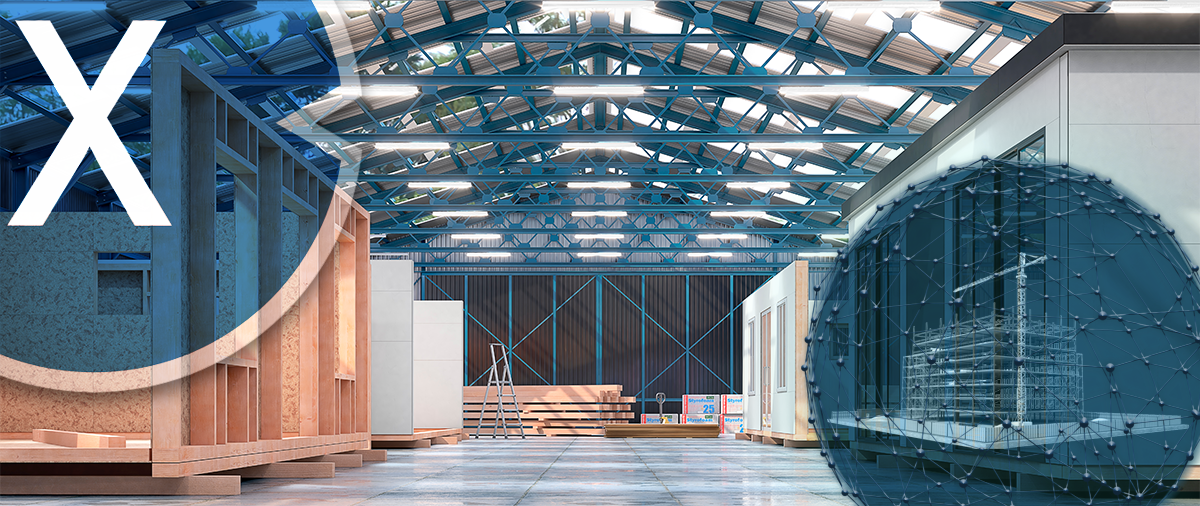
Our experienced team will support you in optimizing your buildings to reduce energy consumption and promote sustainable energy use with photovoltaics. We analyze your individual needs and create tailor-made concepts that make sense both economically and ecologically. Regardless of whether it is about the energy-efficient renovation of existing buildings or the construction of new energy-efficient structures, we are at your side. Industrial facilities, retail buildings and municipal facilities can reduce their energy costs and reduce environmental impact while improving the comfort and efficiency of their buildings through our tailored solutions.
👨🏻 👩🏻 👴🏻 👵🏻 Energy-saving renovation and new construction, advice, planning and implementation for private households
We offer comprehensive support for private households in the energy-efficient renovation and construction of new buildings with photovoltaics. Our experienced team is at your side to help you advise, plan and implement your sustainable energy solutions. We analyze your energy consumption, identify savings potential and develop tailor-made concepts to improve your energy efficiency. From improving building insulation to installing energy-efficient windows and doors to installing photovoltaic and solar systems - we accompany you step by step to make your home more energy efficient and environmentally friendly. Trust in our expertise and benefit from the numerous advantages that energy renovation and the use of renewable energies offer you. Together we will create a sustainable future for your home.
Top 10 for energy efficiency, energetic renovation and new construction
1. Energy efficiency as the key to sustainability
Energy efficiency is a top priority when it comes to reducing energy consumption and protecting the environment. Through efficient measures, buildings, industrial facilities and infrastructure can reduce their energy requirements and at the same time increase their performance. This results in cost savings, reduced reliance on fossil fuels and a lower carbon footprint.
2. The importance of energy renovation
The energetic renovation of existing buildings is a central building block for a sustainable energy future. Measures are taken to reduce energy consumption and improve thermal comfort. This includes improving building insulation, replacing inefficient heating and cooling systems and optimizing building controls. Energy-efficient renovation makes it possible to reduce energy consumption by up to 80 percent.
3. New building with a focus on energy efficiency
Energy efficiency plays a crucial role when building new buildings. By using the latest building standards, such as passive house or low-energy house concepts, new buildings can be designed to be energy efficient from the start. Factors such as building insulation, the choice of efficient heating and cooling systems and the use of renewable energy are taken into account. An energy-efficient new building makes it possible to minimize energy requirements right from the start.
4. Photovoltaics as a key technology
Photovoltaics is one of the most important technologies in the field of renewable energy. It converts sunlight directly into electrical energy and can be installed on residential as well as industrial and commercial buildings. Photovoltaic systems generate emission-free electricity and help reduce CO2 emissions. By combining photovoltaics with storage technologies, the self-generated electricity can also be used outside of sunny hours.
5. Intelligent building control and automation
The integration of intelligent control systems and automation technologies enables efficient and needs-based use of energy in buildings. By automatically controlling heating, cooling, lighting and other consumers, energy savings can be achieved without compromising occupant comfort. Intelligent building control systems analyze energy consumption data in real time and optimize operations accordingly.
6. Heat recovery and efficient heating systems
Heat recovery is an important aspect of energy efficiency in buildings. By using heat recovery systems, waste heat sources such as exhaust air or wastewater can be used to heat water or support heating systems. Efficient heating systems, such as heat pumps or district heating, also help reduce energy consumption.
7. Building insulation and airtightness
Good building insulation is crucial for the energy efficiency of a building. Effective thermal insulation reduces heat loss and reduces heating energy requirements. In addition, an airtight building envelope is important to avoid uncontrolled air leaks, which can lead to heat loss. Modern insulation materials and careful construction ensure optimal insulation performance and airtightness.
8. Funding programs and financial incentives
In order to promote energy-efficient renovation and energy-efficient new construction, many governments and institutions offer financial incentives and support programs. These can include grants, cheap loans or tax breaks. They are intended to make investments in energy efficiency measures more attractive and make implementation easier.
9. Sustainable materials and construction
Sustainable construction helps reduce the ecological footprint of buildings. The use of sustainable materials, such as recycled building materials or wood from sustainable forestry, reduces resource consumption and the environmental impact. In addition, energy-efficient construction techniques, such as the use of prefabricated components or modular constructions, can contribute to efficient construction.
10. Energy efficiency as an increase in the value of real estate
Energy efficient buildings are increasingly seen as valuable because they offer lower energy costs, greater living comfort and a smaller environmental footprint. Therefore, the demand for energy-efficient properties is increasing. Investments in energy-efficient renovations or energy-efficient new buildings can increase the value of a property in the long term and increase its attractiveness on the market.
Green Buildings: The power of energy-efficient renovation and energy-efficient new construction
From renovation to new construction: The key technologies for a climate-friendly future
Energy efficiency, energy-efficient renovation and energy-efficient new buildings are important steps on the way to a sustainable and climate-friendly future. They make it possible to reduce energy consumption, use renewable energies and make buildings more efficient. By combining various measures and technologies, maximum energy savings and a significant reduction in environmental impact can be achieved. The integration of photovoltaic systems, intelligent control systems, heat recovery technologies, efficient heating systems and good building insulation plays a crucial role.
The energetic renovation of existing buildings is of great importance because the majority of buildings still have outdated energy systems and inadequate thermal insulation. The renovation can achieve energy savings of up to 80 percent. Various measures are implemented such as optimizing the heating and cooling systems, installing thermal insulation and sealing leaks. These measures not only help reduce energy consumption, but also increase living comfort and increase the value of the property.
When building new buildings, the focus is on energy efficiency right from the start. Modern building standards such as the passive house or low-energy house concept place high demands on the building envelope, ventilation systems, heating and cooling technologies and the use of renewable energies. This ensures that the buildings are energy efficient from the start and minimizes the need for conventional energy.
The integration of photovoltaic systems is one of the most effective ways to integrate renewable energies into buildings. Solar cells convert sunlight directly into electrical energy, which can either be used directly in the building or fed into the public power grid. The use of storage technologies also enables excess electricity to be stored for later consumption. Photovoltaic systems can be used flexibly and can be installed on roofs as well as facades.
The implementation of intelligent control systems and automation technologies enables needs-based and efficient use of energy in buildings. Sensors and intelligent algorithms collect and analyze energy consumption data in real time to adjust heating, cooling and lighting systems accordingly. This allows unnecessary waste of energy to be avoided and energy consumption to be optimized.
Heat recovery plays an important role in the energy efficiency of buildings. By using heat recovery systems, the waste heat generated, for example, from ventilation or wastewater treatment, can be used to heat other processes. This reduces the need for additional energy and increases the efficiency of the entire system.
Effective building insulation is crucial for energy efficiency. Insulating roofs, walls and floors minimizes heat loss and reduces the energy required for heating or cooling. Modern insulation materials, such as mineral wool or ecological insulation materials, offer high insulation performance and contribute to energy savings.
Financial incentives and support programs from governments and institutions play an important role in promoting energy-efficient renovation and energy-efficient new construction. They support builders and owners in implementing energy-saving measures through grants, cheap loans or tax breaks. These financial incentives make investments in energy efficiency measures more attractive and enable faster implementation.
Implementing energy efficient measures in construction not only helps reduce energy consumption and CO2 emissions, but also offers a variety of benefits such as improved living comfort, lower operating costs, increased property value and the creation of jobs in the green economy.
The top 10 for energy efficiency, energy renovation and new construction are crucial for a sustainable energy future. By implementing these measures, we can reduce our energy consumption, use renewable energy and reduce our ecological footprint. It is our responsibility to use these solutions and create a sustainable and climate-friendly future.
Plan your solar system for the most common applications conveniently online with our solar system planner!
With our user-friendly solar system planner you can plan your individual solar system online. Whether you need a solar system for your home, your business or for agricultural purposes, our planner offers you the opportunity to take your specific requirements into account and develop a tailor-made solution.
The planning process is simple and intuitive. You simply enter relevant information. Our planner takes this information into account and creates a tailor-made solar system that meets your needs. You can try out different options and configurations to find the optimal solar system for your application.
Additionally, you can save your plan to review later or share with others. Our customer service team is also available to answer your questions and provide support to ensure your solar system is optimally planned.
Use our solar system planner to plan your individual solar system for the most common applications and advance the transition to clean energy. Start now and take an important step towards sustainability and energy independence!

The solar system planner for the most common applications: Plan the solar system online here - Image: Xpert.Digital
More about it here:
Sustainable building with solar power: Energy renovation and new construction in focus
The energetic renovation and construction of new buildings with photovoltaics/solar systems, building-integrated photovoltaics and smart city concepts are important steps towards a sustainable and climate-friendly future. These technologies make it possible to make buildings more efficient, use renewable energy and make cities smarter and more environmentally friendly.
Installing photovoltaics/solar systems on roofs or facades of buildings is a proven method of converting solar energy into electricity. These systems consist of solar cells that capture sunlight and convert it into electrical energy. By using photovoltaics, buildings can generate their own electricity, reducing the need for conventional electricity from the grid. This not only helps save costs, but also reduces CO2 emissions and reduces dependence on fossil fuels.
Another approach to using solar energy is building-integrated photovoltaics. Solar cells are integrated into the building shell, for example in roof tiles or glass facades. This means that solar energy generation is seamlessly integrated into the design of the building and can offer architecturally appealing solutions. Building-integrated photovoltaics make it possible to use solar energy efficiently without requiring additional space. This is particularly beneficial in densely populated urban areas where space is limited.
The combination of energy renovation and photovoltaics/solar systems can significantly improve the energy efficiency of buildings. Energy renovation involves taking measures to reduce a building's energy consumption and improve thermal comfort. This includes improving building insulation, using efficient heating and cooling systems and optimizing building control. By combining these measures with the installation of photovoltaics/solar systems, a building's energy requirements can be drastically reduced, resulting in significant energy savings.
In addition, the smart city concept plays an important role in the integration of renewable energies and sustainable buildings. A smart city is a city that uses technology to efficiently manage its resources and improve the living standards of its residents. By using intelligent energy management systems, buildings and infrastructures in a smart city can be networked with one another. This enables optimized use of energy, for example by controlling lighting systems or monitoring energy consumption. Photovoltaics/solar systems can be integrated into this system to generate and distribute renewable electricity.
➡️ The energetic renovation and new construction with photovoltaics/solar systems, building-integrated photovoltaics and smart city concepts have enormous advantages. They help reduce CO2 emissions, promote the use of renewable energy and improve the energy efficiency of buildings. In addition, they contribute to the creation of future-proof and sustainable cities in which the quality of life of residents is in line with environmental goals. These technologies are an important building block for a climate-friendly and resource-saving future.
Heat pumps and infrared heaters: The heating systems of the future for energy-efficient renovations and new buildings
Energy efficiency meets comfort: The importance of heat pumps and infrared heating in energy-efficient building modernization
Energy efficiency plays a central role in reducing energy consumption and conserving our resources. One of the most important components of increasing energy efficiency in buildings is choosing the right heating system. Innovative heating technologies are increasingly being used both in the energy-efficient renovation of existing buildings and in energy-efficient new buildings, including heat pumps and infrared heaters with carbon fiber.
Heat pumps are extremely efficient heating systems that use ambient heat to heat rooms. They work on the principle of the refrigeration cycle and remove heat from the environment (e.g. the air, the ground or groundwater) in order to use it for heating purposes. Heat pumps can be installed in different versions, such as air-water, ground-water or water-water heat pumps. They offer the advantage that they use the ambient heat efficiently and thus achieve a significantly higher heating output compared to energy consumption. This means significant energy savings can be achieved, which has a long-term impact on both operating costs and the environmental footprint.
Carbon fiber infrared heaters are an innovative form of electric heating technology. They use infrared radiation to heat rooms efficiently and specifically. Unlike traditional convection heaters that heat the air, infrared heaters directly heat the surfaces and objects in the room. This means that the heat energy is transferred directly to people and objects without any heat being lost through air movement. Infrared heaters with carbon fiber use special carbon fiber elements that enable even heat distribution and a quick heat-up time. They are energy efficient because they deliver heat directly to the desired zones and do not require any preheating time. They also provide a pleasant and even warmth, similar to the natural radiant heat of the sun.
The energetic renovation of existing buildings is an important step in reducing energy consumption and improving living comfort. As part of a renovation, measures are taken to optimize thermal insulation and inefficient heating and cooling systems are replaced with energy-efficient alternatives. Heat pumps and infrared heaters are used as modern solutions here. During energy-saving renovations, building envelopes are often improved in order to minimize heat losses and maximize the efficiency of the heating system. This includes installing high-quality thermal insulation, replacing windows and doors, and sealing leaks.
The choice of heating system also plays a crucial role in energy-efficient new buildings. The integration of heat pumps and infrared heaters is a future-oriented solution. In new buildings, the buildings can be planned and constructed in such a way that they take advantage of these heating technologies right from the start. The use of heat pumps makes it possible to use the ambient heat efficiently and minimize energy consumption. Infrared heaters offer flexible and targeted heat emission that meets individual comfort needs.
The use of heat pumps and infrared heaters brings a number of advantages. Both systems work extremely efficiently and use renewable energy sources. Heat pumps offer high efficiency because they use the ambient heat that is present in the air, ground or groundwater. This allows you to reduce energy consumption by up to 50 percent compared to conventional heating systems. Infrared heaters with carbon fiber have a quick heat-up time, offer even heat distribution and enable targeted room heating. In addition, both systems can be used flexibly and can be used in different types of buildings and rooms.
➡️ Selecting the optimal heating system depends on various factors, including the individual requirements of the building, the geographical location and the financial framework. Careful planning and expert advice is therefore essential to find the right heating system for a particular building.
➡️ Energy efficiency, energy-efficient renovation and energy-efficient new buildings with the heating systems of the future play a crucial role on the path to a sustainable and climate-friendly future. Heat pumps and infrared heaters with carbon fiber offer innovative solutions to reduce energy consumption, use renewable energy and increase living comfort. It is our responsibility to use these advanced technologies and ensure sustainable heat supply in buildings.
Heated by the sun: The combination of heat pumps and solar systems for energy-efficient buildings in Berlin and Brandenburg
Shaping a sustainable and energy-efficient future requires innovative approaches to building heating. A promising solution is to use heat pumps in combination with solar systems. The Berlin and Brandenburg regions in particular offer ideal conditions for this sustainable and efficient combination.
1. Energy efficiency as the key to sustainability
Energy efficiency plays a crucial role in reducing energy consumption and CO2 emissions in buildings. Innovative heating systems, such as heat pumps, enable the efficient use of renewable energy and thus help reduce environmental impact. By combining heat pumps with solar systems, energy consumption is further reduced because the electricity required to operate the heat pumps is generated by solar energy.
2. Heat pumps as an efficient heating technology
Heat pumps use the ambient heat from air, water or ground to heat rooms. They work according to the principle of the refrigeration cycle and convert the heat gained into usable heating energy. Compared to conventional heating systems, heat pumps can reduce energy consumption by up to 50 percent. This is because they use the ambient heat that is already present and only require a small amount of electrical energy to bring the heat to the desired level. In conjunction with solar systems, heat pumps can be operated even more efficiently because the electricity required comes from renewable sources.
3. Solar systems as a renewable energy source
Solar systems convert sunlight directly into electrical energy, thus offering a sustainable solution for generating electricity. Solar energy is abundant in Berlin and Brandenburg because the regions have high levels of solar radiation. By installing solar panels on the roofs of buildings, homeowners can produce their own clean electricity, thereby meeting their energy needs to run heat pumps. Excess electricity can be fed into the grid, helping to further reduce CO2 emissions and providing financial benefits through the feed-in tariff.
4. Sustainable new building with innovative heating systems
The construction of new buildings offers the opportunity to integrate energy-efficient and sustainable solutions right from the start. By combining heat pumps with solar systems, newly built buildings can be heated in an almost climate-neutral manner. The integration of these innovative heating technologies makes it possible to drastically reduce energy consumption while ensuring a high level of living comfort. Sustainable new buildings in Berlin and Brandenburg particularly benefit from the combination of heat pumps and solar systems due to the optimal climatic conditions and the support of local funding programs.
5. Energy-efficient renovation with sustainable heating technology
The energetic renovation of existing buildings is an important step towards improving energy efficiency and reducing CO2 emissions. When renovating buildings in Berlin and Brandenburg, it makes sense to rely on innovative heating systems such as heat pumps in combination with solar systems. Significant energy savings can be achieved by replacing outdated heating systems with energy-efficient heat pumps and installing solar systems. This not only leads to an improved environmental balance, but also offers long-term economic benefits through lower energy costs.
➡️ The combination of heat pumps with solar systems in Berlin and Brandenburg offers a promising solution for sustainable new construction and energy-efficient renovation. Through the efficient use of renewable energies, both energy consumption and CO2 emissions can be significantly reduced. Solar energy is available as a renewable and almost unlimited resource and supports the efficient heating of buildings. It is up to us to use these innovative heating systems and create a sustainable future.

- Warehouses, production halls and industrial halls with their own power source from a photovoltaic roof system - Image: NavinTar|Shutterstock.com

- Industrial plant with its own power source from an outdoor photovoltaic system - Image: Peteri|Shutterstock.com

- Plan solar systems with photovoltaic solutions for freight forwarding and contract logistics
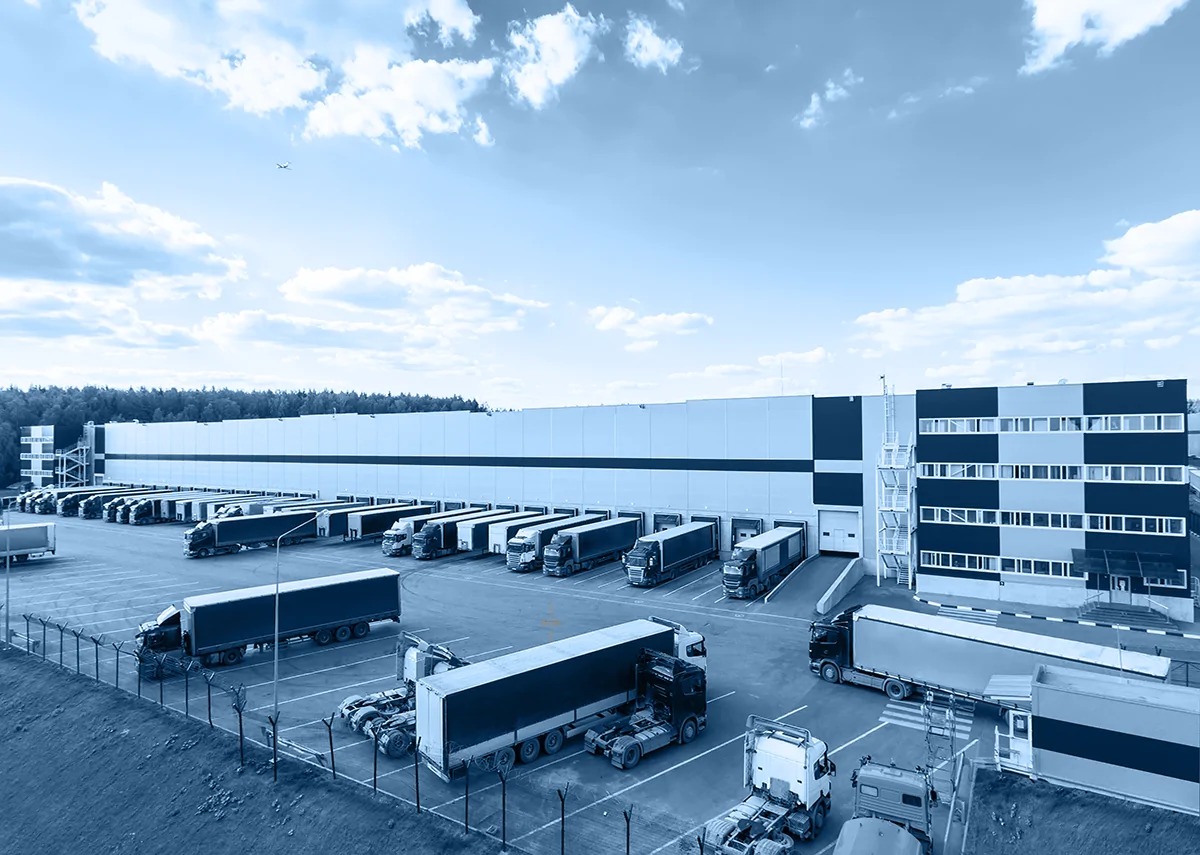
- B2B solar systems and photovoltaic solutions & advice
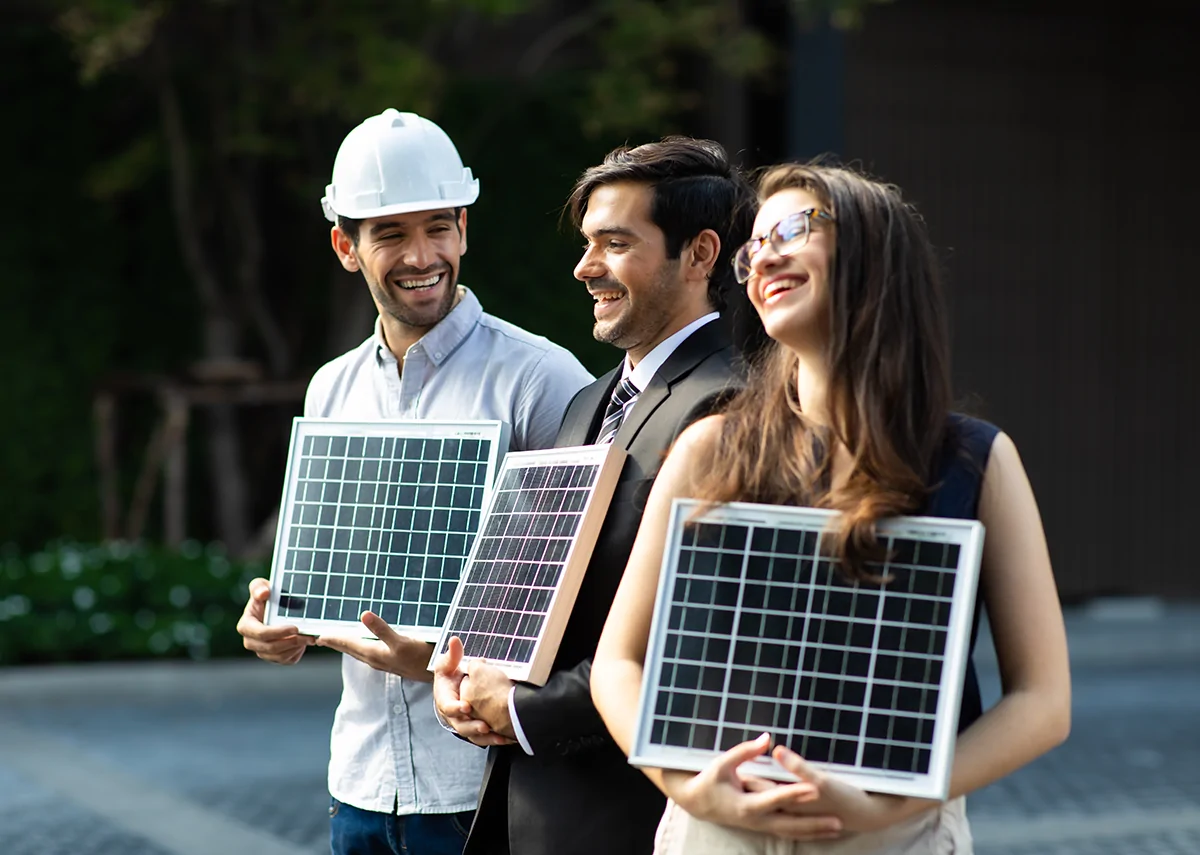
- Plan photovoltaics for warehouses, commercial halls and industrial halls
- Industrial plant: Plan a photovoltaic open-air system or open-space system
- Plan solar systems with photovoltaic solutions for freight forwarding and contract logistics
- B2B solar systems and photovoltaic solutions & advice
Expert advice on energy-saving renovation via Xpert

Konrad Wolfenstein
I would be happy to serve as your personal advisor.
You can contact me by filling out the contact form below or simply call me on +49 7348 4088 965 (Munich) .
I'm looking forward to our joint project.
Write to me

Xpert.Digital – Konrad Wolfenstein
Xpert.Digital is a hub for industry with a focus on digitalization, mechanical engineering, logistics/intralogistics and photovoltaics.
With our 360° business development solution, we support well-known companies from new business to after sales.
Market intelligence, smarketing, marketing automation, content development, PR, mail campaigns, personalized social media and lead nurturing are part of our digital tools.
You can find out more at: www.xpert.digital – www.xpert.solar – www.xpert.plus
Keep in touch








