

Published on: April 22, 2025 / Updated on: April 29, 2025 – Author: Konrad Wolfenstein

Efficient maintenance logistics in the military with GS1 DataMatrix and Telemaintenance – Logistics modernization – Image: Xpert.Digital
The transformation of military maintenance logistics: GS1 DataMatrix and Telemaintenance
Optimized operational readiness: How new technologies are changing defense logistics
Modern defense logistics faces the complex challenge of maintaining the operational readiness of highly advanced weapon systems and equipment in globally distributed and potentially hazardous areas of operation. A profound transformation is underway: the integration of the GS1 DataMatrix as a standardized identification medium, combined with telemaintenance solutions, is fundamentally revolutionizing military maintenance logistics. This combination enables more precise component identification, accelerates repair processes, and significantly improves operational readiness. The German Armed Forces and international armed forces, in particular, are increasingly implementing these innovative technologies to optimize maintenance processes and ensure the availability of critical systems even under challenging conditions.
Suitable for:

Fundamentals and significance of the GS1 DataMatrix in military logistics
The GS1 DataMatrix has established itself as a key technology in modern defense logistics. As a standardized 2D barcode, it offers exceptionally high data capacity combined with high error tolerance, thus enabling a robust method for the unambiguous identification of military components and for digital data linking.
Technical specifications and features
The GS1 DataMatrix is based on the ISO version ECC 200 of the Data Matrix symbology (ISO/IEC 16022) and supports the numbering structures of the GS1 system. A particular strength lies in the use of the Reed-Solomon error correction algorithm, which keeps damaged symbols legible to a certain degree – a crucial advantage in military applications. Each symbol consists of square modules within a surrounding search pattern, requiring a clear zone on all sides that is one module wide.
The minimum module size should be 0.38 mm, ensuring reliable machine reading. The FNC1 symbol at the beginning indicates data according to the GS1 data identifier concept, thus guaranteeing compatibility with the GS1 system. A particularly advantageous feature is the possibility of reverse reflection, which allows symbols to be read either dark on light or light on dark.
Implementation in the German Armed Forces
The German Armed Forces (Bundeswehr) have established clear guidelines for the marking of products and materials. According to the Technical Delivery Specification TL A-0032, supplies delivered to the Bundeswehr must be clearly and, if possible, permanently marked with a GS1 data carrier. The GS1-128 barcode is generally to be used for product marking, although the GS1 DataMatrix can be used as an alternative if space is limited.
The marking follows a standardized scheme that includes, for example, the GTIN (Global Trade Item Number) and a serial number. According to GS1 rules, a typical code contains elements such as: the data identifier for the GS1 standard, the GTIN identifier for the supply item, the GLN (Global Location Number) of the manufacturer, an identification number, and the serial number of the specific part.
Telemaintenance: A paradigm shift in military maintenance
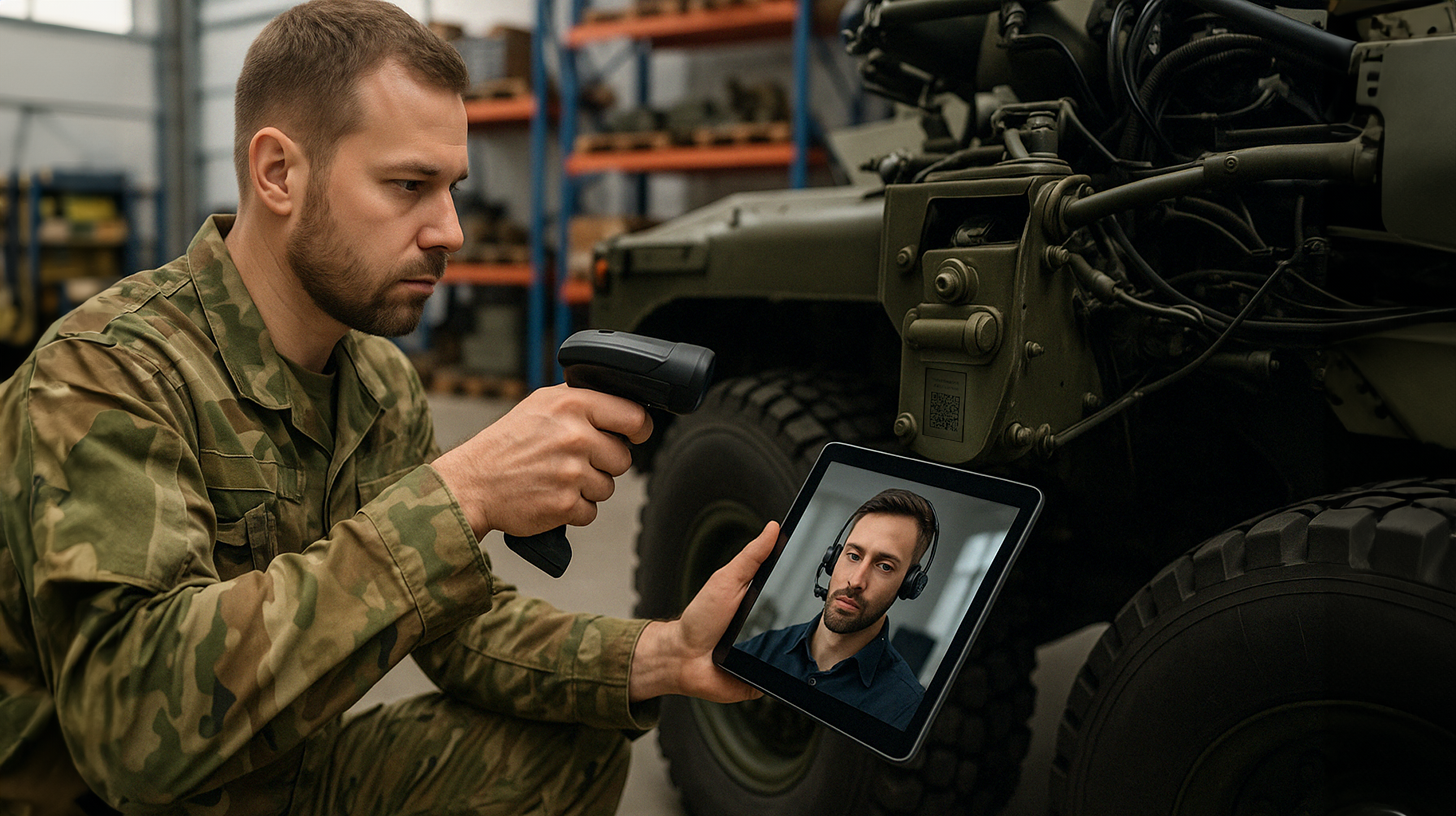
Telemaintenance: A paradigm shift in military maintenance – Image: Xpert.Digital
Telemaintenance has established itself as a transformative approach in military maintenance, enabling remote diagnostics and support by experts without them needing to be physically present on site.
Concept and technological foundations
The basic principle of telemaintenance is based on a secure communication link between on-site technicians and remote experts. This link allows for the real-time transmission of audio and video data, enabling specialists to assess the situation remotely and provide instructions. Modern systems also allow for the exchange of documents, the annotation of images, and the use of augmented reality (AR) to visually convey complex instructions.
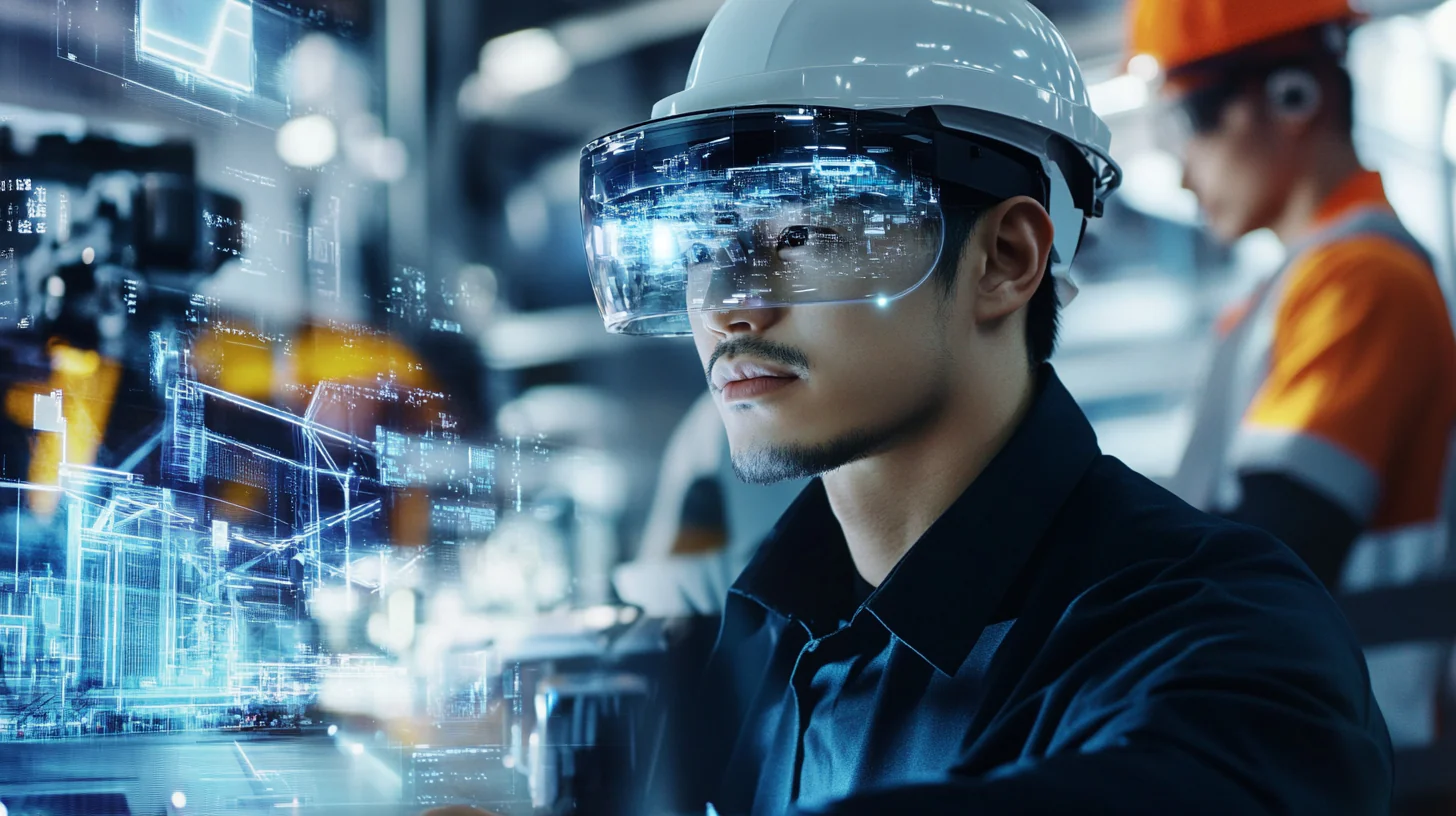
Particularly innovative is the integration of mixed-reality technology, which allows the remote expert to see the system being serviced from the technician's perspective and to give precise visual instructions. This enables intuitive and efficient collaboration across any distance.
Suitable for:
International Application and Successes
The US Army has already successfully used telemaintenance in the Ukraine conflict . Following the Russian invasion in February 2022, American specialists remotely supported Ukrainian troops in maintaining M777 howitzers. General Charles Hamilton, head of the Army Materiel Command, described this capability as a “game changer” for combat operations.
Due to its success, the US Army plans to implement telemaintenance in the Indo-Pacific region, which is considered particularly challenging logistically. Furthermore, the technology will be tested in various exercises and integrated into military doctrine and training.
Application in the German Federal Armed Forces
The German Armed Forces are increasingly relying on telemaintenance solutions for their complex weapon systems. A notable example is the cooperation with Rheinmetall for the maintenance of the A400M transport aircraft. In December 2021, Rheinmetall received a contract in the low double-digit million range for the delivery of modern training rigs and augmented reality systems for training maintenance and repair personnel.
These combined systems enable comprehensive, integrated training in essential maintenance procedures, including all work steps, regardless of the actual aircraft. This ensures that the availability of the A400M fleet remains unaffected by the training, thus improving the operational readiness of the Air Force.
Synergies between GS1 DataMatrix and Telemaintenance
The combination of GS1 DataMatrix and Telemaintenance creates significant synergies that take military maintenance logistics to a new level.
Operational advantages of integration
Integrating GS1 DataMatrix into telemaintenance processes significantly improves data quality, accelerates diagnostic and repair procedures, and increases the operational flexibility of maintenance. The unique identification of components using GS1 DataMatrix enables targeted access to the maintenance history or construction drawings of specific components.
This leads to reduced downtime and potentially lower costs, as experts can provide fast and precise support without needing to be physically present. The combination also enables improved logistical intelligence, since data on lifecycle, maintenance history, and spare parts availability are accessible in real time.
MBDA Germany as a pioneer
MBDA Germany has created an innovative telemaintenance service using GS1 DataMatrix, offering a secure and cost-effective solution for the maintenance and repair of highly complex systems. The company develops, produces, and services air defense and guided missile systems for the German Armed Forces and faces the challenge of maintaining these high-tech products worldwide, often under extreme environmental conditions.
The telemaintenance platform developed by MBDA Germany enables on-site technicians and experts in Germany to communicate via mobile data communication using audio and video. Images of the affected machine or component are captured by a camera and the GS1 DataMatrix is read by a scanner to enable precise identification of the assembly.
This solution has been successfully tested under real operating conditions on the frigate Hamburg and has proven its suitability for practical use even in complex scenarios.
Practical applications and case studies
The combination of GS1 DataMatrix and Telemaintenance finds practical application in various military fields.
Maintenance and modernization of the TAURUS cruise missiles
The German Armed Forces and TAURUS Systems GmbH have signed a contract for the maintenance and modernization of the TAURUS cruise missiles. These measures will ensure the operational readiness of this high-precision standoff weapon until at least 2045.
As part of the “Major Overhaul 2”, a comprehensive modernization is being carried out alongside maintenance to meet the increasing demands placed on modern weapon systems. The TAURUS thus remains a key element of the German Air Force and NATO, making a significant contribution to deterrence and national and collective defense with its range of over 500 kilometers and high precision.
Deployment of telemaintenance in Ukraine
The US Army has successfully used the telemaintenance capability, which it initially developed in a parking lot in Poland, to support Ukrainian troops. Hamilton reported on a case in which maintenance personnel guided Ukrainian soldiers through the repair of a damaged piece of equipment to make it operational again.
Virtual maintenance support has since been significantly expanded. The army established an independent facility and a spare parts depot. Ukrainian soldiers can now communicate with staff at US depots, giving maintenance technicians access to expert engineers and original equipment manufacturers.
Mixed-reality collaboration for the German Armed Forces
For deployments in field camps, at sea, or in disaster areas, the German Armed Forces have implemented the remote support system “T-Maintenance XR” in combination with the genua Rendezvous remote maintenance solution. This enables technicians on site to collaborate directly, intuitively, and securely with an expert via mixed reality, regardless of distance.
A particular advantage of this system is the ability to quickly make rare expert knowledge available in a wide variety of locations, often only for short periods and for critical details. Secure remote support meets the highest IT security standards and offers easy integration into existing networks as well as reliable monitoring capabilities.
Suitable for:

Data security and interoperability: Challenges for modern military solutions
Despite the many advantages, military organizations face several challenges in implementing these technologies that must be overcome.
Data security and system interoperability
A key challenge is ensuring data security during the transmission of sensitive military information. This is particularly critical because telemaintenance systems often have to operate over long distances and potentially insecure networks.
Interoperability between different systems and platforms also presents a challenge. Military organizations often use a variety of devices and systems from different generations and manufacturers, all of which must be integrated into a unified maintenance system.
Further development and future potential
MBDA Germany aims to expand its telemaintenance solution in the medium term to other maintenance-intensive sectors such as mechanical and plant engineering. The use of GS1 DataMatrix, a globally proven and mature identification standard, offers the best foundation for this.
The increasing prevalence of augmented reality and artificial intelligence opens up further possibilities for improving telemaintenance. For example, future systems could automatically diagnose problems or suggest preventive maintenance measures based on the analysis of historical data.
The US Army plans to not only deploy telemaintenance in various geographical regions, but also to integrate it into training centers to make it a permanent part of its doctrine and training methods.
Efficiency gains through technology: Modern approaches in military logistics
The integration of GS1 DataMatrix and Telemaintenance marks a paradigm shift in military maintenance logistics. This combination offers significant advantages in terms of efficiency, cost reduction, and operational readiness, and is therefore a crucial factor in the modernization of defense logistics.
Successful implementations by the US Army, the German Armed Forces, and companies like MBDA Germany demonstrate the enormous potential of these technologies in practical applications. Especially in times of global deployments and complex weapon systems, the ability to make expert knowledge available quickly and securely anywhere in the world is invaluable.
Despite challenges such as data security and system interoperability, the advantages of improved logistical intelligence, reduced downtime, and potentially lower costs outweigh the disadvantages. With advancing technological development, particularly in the areas of augmented reality and artificial intelligence, military maintenance logistics is expected to make further significant progress in the coming years.
The GS1 DataMatrix as a robust identification standard and Telemaintenance as a flexible remote maintenance solution will remain central components and sustainably strengthen the defense capabilities of modern armed forces.
Suitable for:
Your AI transformation, AI integration and AI platform industry expert
☑️ Our business language is English or German
☑️ NEW: Correspondence in your national language!

Konrad Wolfenstein
I would be happy to serve you and my team as a personal advisor.
You can contact me by filling out the contact form or simply call me on +49 7348 4088 965 (Munich) . My email address is: wolfenstein ∂ xpert.digital
I'm looking forward to our joint project.


