
Autonomous mobile robots (AMR) and artificial intelligence (AI): cost reduction and efficiency boost in intralogistics
Xpert pre-release

Language selection 📢
Published on: March 24, 2025 / update from: March 24, 2025 - Author: Konrad Wolfenstein

Autonomous mobile robot (AMR) and artificial intelligence (AI): cost reduction and efficiency boost in intralogistics-Image: Xpert.digital
Autonomous mobile robot: The future of efficient intralogistics (reading time: 47 min / no advertising / no paywall)
Sink costs, increase flexibility: AMRS as a key technology
The intralogistics, the invisible backbone of every successful company, include the complex dance of goods and information within the walls of warehouses, production facilities and distribution centers. In a world that is characterized by ever faster delivery times, personalized products and an unstoppable e-commerce boom, the efficiency and flexibility of these internal logistics processes has become a decisive competitive factor. Companies are under constant pressure to optimize their processes, reduce costs and at the same time meet the increasing expectations of their customers. Added to this is the growing shortage of skilled workers, which in many industries finds the search for qualified staff for repetitive and physically exhausting tasks in logistics.
In this dynamic environment, a key technology is emerging that has the potential to fundamentally change intralogistics: autonomous mobile robots, or AMRS for short. These intelligent vehicles are not just a means of transport; Rather, they are flexible, capable of learning and collaborative partners who herald a new era of automation. AMRS promise to fundamentally transform the way in which goods are moved, picked and stored within companies. They offer the possibility of lifting efficiency, costs and flexibility to a previously unmatched level.
This comprehensive article immerses deep into the world of autonomous mobile robots in intralogistics. We will examine the concept and functioning of this fascinating technology in detail, analyze your diverse advantages and the associated challenges, explore your broad areas of application, examine the current state of the art and the dynamic market, take a look at the future to illuminate the latest trends and developments, present successful application examples from practice and compare AMRs with traditional methods and technologies. Our goal is to offer you a well -founded and comprehensive basis for strategic business decisions in the field of intralogistics automation. We would like to help you understand how Amrs can lead your company into the future by making your internal logistics processes more intelligent, efficient and more resistant.
Suitable for:

What are autonomous mobile robots in intralogistics?
Autonomous mobile robots (AMRS) are the next generation of intelligent transport robots, which have been specially developed for moving loads autonomously in a wide range of industries. From the automotive industry, where precision and just-in-time deliveries are crucial, through the logistics centers of e-commerce, which are characterized by high throughput rates and fast processing times, to production facilities that require flexible and adaptable material flows, AMRS play an increasingly important role. You are used in the consumer goods industry, healthcare, retail and in many other industrial processes, where the efficient and flexible transport of goods and materials is crucial for success.
In the heart of intralogistics, AMRS navigate freely and independently within a defined area. Imagine a modern warehouse in which AMRs move elegantly and efficiently between shelves, picking stations and shipping areas without the need for human leadership or rigid infrastructure. When taking a loading unit - be it a palette, a container or a single article - AMRS orientate themselves precisely on its position and orientation. This ability to autonomous navigation and load captivates it fundamentally from older technologies such as driverless transport systems (FTS), which are often also known as automated guided vehicles (AGVS).
The decisive difference between AMRS and AGVS lies in your navigation method and flexibility. AGVs are dependent on permanently installed infrastructure such as magnetic strips, induction loops or wires that are laid in the ground in order to follow their predefined routes. This rigid infrastructure makes AGVS inflexible and difficult to adapt to changing environments. AMRS, on the other hand, are equipped with a variety of highly developed sensors that enable them to perceive and interpret their surroundings in real time. These sensors include Lidar (Light Detection and Ranging), which creates precise 3D cards in the area, cameras that can provide visual information and recognize objects, and ultrasonic sensors that recognize obstacles in the near area. Through the merger of these sensor data, AMRS can build a detailed understanding of their environment, obstacles - be it static objects such as shelves or dynamic objects such as humans and forklifts - and dynamically adapt their routes to avoid collisions and achieve their goals efficiently.
This advanced sensors and the ability to plan dynamic route enable AMRS to transport autonomously from one place to another, without the need for direct human interference in the navigation. Imagine an AMR receives the order to transport a range of point A to point B. The robot independently plans the most efficient route, taking obstacles and traffic flow into account, safely navigates through the warehouse, absorbs the palette, transports it to the destination and sets it down precisely. This entire process takes place autonomously, controlled by the intelligent software and sensors of the AMR.
The navigation of AMRS can be based on various technologies. A common method is the detection of QR codes that are strategically attached to the ground. The AMR scans these codes to determine its position and track its route. An even more advanced method is so -called natural navigation. The robot recognizes its surroundings based on solid characteristics such as walls, shelves and columns, and creates a map of its surroundings. This card serves as a guide for the robot and enables flexible navigation without the need for physical markings in the soil. Some AMRs even use a combination of different navigation technologies to ensure even more robust and reliable navigation in complex environments.
Although AMRS are able to do tasks independently, it is important to emphasize that these tasks must be known and clearly defined in advance. AMRs are not all -purpose robots that can manage unstructured or unpredictable tasks. However, they are excellent to perform repetitive and clearly defined logistical tasks efficiently and reliably. Another important aspect of AMRS is your ability to work with people and other machines within the logistics environment. Modern AMRs are designed in such a way that they can safely work near people. They are equipped with security sensors and emergency off systems that ensure safe cooperation between people and robots. This collaborative nature makes Amrs valuable partners in modern intralogistics, where the optimal balance between human expertise and robot -based automation is the key to success.
The basic functionality of AMRS
The fascinating functionality of AMRS is based on the interaction of several key components that work together in perfect harmony to ensure autonomous and efficient operation. The first step in this process is the surrounding area and perception. AMRs use a variety of advanced sensors to create a comprehensive image of their surroundings. Lidar sensors send out laser rays and measure the reflection time to create precisely 3D cards in the area. These cards allow the robot to precisely determine its position in the area and to recognize obstacles. High -resolution cameras record visual information and enable object recognition, for example the identification of pallets, containers or even individual articles. Ultrasonic sensors complement the sensor palette and serve the close -range recording in order to recognize obstacles in the immediate vicinity of the robot. Some AMRs are also equipped with inertial sensors (IMUS), measure the movements and accelerations of the robot, as well as encoders on the wheels that provide information about the route and rotations. The continuous recording and merger of these sensor data in real time is the basis for understanding the current situation by the AMR.
The next crucial step is data processing and decision -making. The raw data collected by the sensors are not simply forwarded; They are processed and interpreted in real time by complex AI algorithms and machine learning models. These algorithms are the brain of the Amr. They analyze the sensor data, create a detailed understanding of the situation, plan efficient routes, softly dynamically obstacles and make intelligent decisions regarding tasks. The AI enables the AMR to adapt to changed environmental conditions, learn from mistakes and to continuously improve its performance. AMRs often also communicate with overarching Warehouse Execution Systems (WES). The WES is the central nervous system of the warehouse. It assigns the AMRS tasks, optimizes the workflow, coordinates the overall operation and ensures that all robots work together efficiently. The WES takes into account factors such as order priorities, robot availability, warehouse layout and current traffic situation to ensure optimal distribution of tasks and route planning.
The actual navigation and movement are autonomous, based on the dynamic route planning and the ability to avoid obstacles independently. The AMR uses the routes calculated by the AI to move precisely and safely through the warehouse. The wheel and drives are controlled in real time in order to adhere to the planned route exactly and at the same time react to unexpected obstacles or changes in the area. The ability to autonomy navigation is the core of AMR technology and enables flexible and efficient material flow without rigid infrastructure.
The action execution includes the actual logistical activities for which the AMR is used. This can be the transport of goods from one place to another, the picking of articles on shelves or the implementation of warehouse movements, such as storing and outsourcing pallets. The action execution is carried out precisely and reliably, controlled by the algorithms of the AMRS and the instructions of the WES. Fleet management plays a crucial role in environments with several robots. Central software, the fleet management system, controls and coordinates the activities of an entire fleet of Amrs. It monitors the status of each robot, assigns tasks, optimizes routes, avoids collisions between robots and ensures smooth and efficient overall operation. The fleet management system is essential to exploit the full potential of an AMR fleet and maximize the efficiency and productivity of the warehouse.
Compared to AGVs, which operate on fixed routes, often specified by physical conductors such as magnetic strips, AMRS offer significantly higher flexibility and autonomy. AGVs are well suited for repetitive tasks in strongly structured environments in which the routes and processes remain constant, but their rigid nature makes them unsuitable for dynamic and changing environments. AMRS, on the other hand, play their strengths in such environments. Their ability to adapt routes in real time, avoid obstacles and to react intelligently to unforeseen events makes it the ideal solution for modern warehouses and production facilities, which are characterized by high dynamics and flexibility. This ability to make autonomous decision -making, which is made possible by advanced sensors and artificial intelligence, represents significant progress in intralogistics and enables more efficient, more adaptable and future -proof automation.
The integration of AMRS with Warehouse Execution Systems (WES) is a decisive factor for optimal distribution of tasks and route planning. This seamless exchange of information between AMRS and WES enables dynamic and intelligent control of the logistics processes. AMRs continuously collect data about your environment, your current status (e.g. position, battery stand, utilization) and the progress in tasks. This valuable data is sent to the WES in real time. The WES analyzes this information in combination with other relevant data, such as order priorities, inventory and resource availability. Based on this comprehensive data analysis, the WES assigns the AMRS tasks, optimizes routes and adapts the overall operation dynamically changing conditions in the warehouse. This continuous feedback loop enables real-time optimization of the logistics processes and maximum efficiency of the AMR use. For example, if an AMR encounters an unexpected obstacle or an urgent order arrives, the WES can re -plan the Routes and tasks of the AMRS in real time in order to minimize the effects on the overall operation and ensure smooth order processing.
Suitable for:

The most important advantages and potential improvements through autonomous mobile robots
The use of autonomous mobile robots in intralogistics opens up a world full of advantages and potential improvements that go far beyond the pure automation of transport tasks. A central aspect is increased efficiency and productivity. AMRs are tireless workers who can automate repetitive and time -consuming transport tasks around the clock. By taking on these monotonous activities, human employees are relieved of physically exhausting and less value -adding tasks. This relief enables employees to concentrate on more demanding, more creative and strategically important tasks that require human skills and expertise, such as complex picking tasks, quality control, process optimization or customer support. Automation through AMRS leads to a significant reduction in running and waiting times for the employees, since the robots and materials transport quickly and efficiently to the required places. This not only leads to an increase in employee productivity, but also to a potential increase in the picking rates and speed. Since AMRS do not need any breaks and ideally can be used continuously in 24/7 operation (with short autonomous loading times), you can significantly increase the total throughput of a warehouse or a production facility. By optimizing work processes, reducing idle times and the more efficient allocation of resources, AMRs thus contribute to a significant increase in productivity and enable companies to process more orders in shorter time.
Another major advantage is the potential to reduce labor costs. Personnel costs are a significant cost factor in logistics. The automation of transport, picking and storage tasks reduces the dependence on manual work in these areas. This can lead to considerable savings on wage costs, especially in regions with high labor costs. At the same time, Amrs solve a growing problem for many companies: the shortage of skilled workers. The logistics industry is increasingly struggling to find qualified personnel for physically exhausting and repetitive tasks. AMRs can compensate for these personnel bottlenecks and make companies more independent of seasonal fluctuations and high employee fluctuation. The initial investment in AMRS may be considerable, but the increased efficiency, reduced operating costs and the savings on wage costs often lead to a quick amortization of the investment and an attractive return on investment (ROI). Companies that rely early on AMR technology can get a long-term cost advantage over competitors.
AMRS also offer significant advantages in the area of security and contribute to a safer working environment. You can take on dangerous or physically exhausting tasks that recover a high risk of work accidents and injuries. Think of the transport of heavy loads, working in cramped or confusing areas or dealing with dangerous goods. AMRs are specially designed to carry out these tasks safely and reliably, which significantly reduces the risk of work accidents and injuries for employees. Thanks to advanced sensors and intelligent collision avoidance systems, AMRS can recognize obstacles in their surroundings and bypass you safely. They are able to recognize and react both static and dynamic obstacles, which minimizes the risk of collapse with people, other devices or the infrastructure. In addition, AMRS can also be used for the safe transport of sensitive or even dangerous goods, as they carry out precisely and controlled movements and minimize the risk of damage or accidents.
Another important advantage of AMRS is their increased flexibility and scalability. In contrast to permanently installed automation solutions such as conveyor belts or AGV systems, AMRS can usually be easily adapted to new warehouse layouts or changing requirements. The implementation of AMRS often does not require extensive and costly infrastructure changes. In many cases, it is sufficient to optimize the existing warehouse layout and integrate the AMRs into the existing IT infrastructure. The number of robots used can be scaled relatively easily with increasing demand or seasonal tips. Companies can flexibly expand or reduce their AMR fleet to react to changed order volumes or new business requirements. This scalability makes AMRS an ideal solution for companies that act in dynamic markets and have to react quickly to changes.
Amrs also contribute to improved accuracy and quality control in intralogistics. The precise and repeatable execution of tasks significantly reduces the likelihood of human errors, such as miscommissioning or incorrect camp positions. The automation through AMRS leads to a higher process quality and minimizes error rates. In some advanced AMR systems, even functions for quality control can be integrated. For example, AMRs can be equipped with cameras and image processing software to visually inspect products and automatically identify quality defects. This integrated quality control can help recognize errors in the process at an early stage and to improve the quality of the goods delivered.
Optimized use of space is another often underestimated advantage of AMRS. The compact design and the high maneuverability of AMRS enable use in narrow corridors and cramped areas in which conventional forklifts or other industrial trucks may not be able to operate. By using AMRS, companies can potentially reduce the required gait widths in warehouses and thus increase the storage capacity on the same area. This is particularly advantageous in urban environments or in existing warehouses with a limited space. Optimized space usage leads to more efficient use of the storage area and can lead to considerable cost savings in the long term.
After all, Amrs also make an important contribution to sustainability in logistics. Most AMRs are battery operations and cause significantly less harmful emissions compared to conventional, diesel -powered vehicles. The use of electromobility in intralogistics contributes to reducing CO2 footprint and improving the air quality in warehouses and production facilities. In addition, the optimized route planning and duty distribution through the fleet management system can reduce the energy consumption of the AMR fleet. AMRS usually work more energy -efficiently than conventional industrial trucks and thus contribute to a more sustainable logistics. In some cases, AMRS also support the concept of “Lights-Out Manufacturing” or “Dark Warehouses”, fully automated production or warehousing without human presence. These fully automated environments can lead to further energy savings, since for example, lighting and heating in certain areas can be reduced or switched off if no people are present.
The advantages of AMRS thus go far beyond pure cost savings. They include significant improvements in security, the work environment for human employees, flexibility, scalability, accuracy, space use and sustainability. By taking over dangerous, repetitative and physically exhausting tasks, AMRS reduce the risk of work accidents and physical stress, which can lead to higher employee satisfaction, motivation and loyalty. The improved work environment and the opportunity to focus on more demanding tasks increase the attractiveness of jobs in logistics and help companies to gain and maintain qualified employees. In addition, AMRS's flexibility and scalability enable companies to react quickly and agile to market changes, seasonal fluctuations and new customer requirements. This competitive advantage is invaluable in today's dynamic business world. In contrast to permanently installed automation solutions, AMRs can easily be adapted to new requirements and, if necessary, increased or reduced in the number, which enables high agility and resilience in intralogistics.
Current challenges and restrictions on implementation and operation
Despite the impressive advantages and the enormous potential of autonomous mobile robots, there are also current challenges and restrictions that companies have to take into account when implementing and operating in logistics environments. In the area of technical challenges, secure navigation in dynamic environments comes first. Warehouses and production facilities are often complex and dynamic environments in which people, forklifts and other vehicles move. Amrs must be able to move safely and reliably in this dynamic environment, to recognize obstacles and to avoid collisions. Reliable obstacle detection and avoidance, especially in the case of unexpected events or in unpredictable situations, represents a demanding technical task. AMRS must be able to recognize and react not only static obstacles such as shelves and walls, but also dynamic obstacles such as humans, forklifts, falling objects or temporary changes in the warehouse layout. In addition, AMRS must be able to cope with different soil properties and environmental conditions. Beam floors can be uneven, dust and moisture can affect the sensor performance, and extreme temperatures can influence the electronics and battery life. The limited battery life and the need for loading times can affect continuous 24/7 operation. Although battery technology is constantly evolving and fast charging options are available, companies have to plan the loading times in their operating processes to ensure smooth material flow.
The programming and integration of AMRS into existing Warehouse Management Systems (WMS) or Enterprise Resource Planning (ERP) systems can be complex and requires special expertise. The seamless communication and data integration between AMRS and the overarching IT systems is crucial for optimal distribution of tasks, route planning and inventory management. The development of the necessary interfaces and the adaptation of the software to the specific requirements of the company can be time -consuming and expensive. In large warehouses, ensuring a stable WLAN connection for the communication and control of the robots can be another challenge. AMRs are usually dependent on reliable wireless communication in order to receive commands, send data and interact with the fleet management system. Funkholes or interference can affect communication and lead to operational disorders. After all, the interoperability of AMRS of different manufacturers can be a problem, especially if a company wants to use a heterogeneous fleet to benefit from the specific advantages of different AMR models. The lack of standardization and the proprietary interfaces of various manufacturers can make integration and fleet management difficult.
There are also some hurdles to overcome when implementing. The high initial investment costs for the hardware (robot), the necessary software (fleet management system, integration software) and the sensors can be significant financial burden for some companies, especially for small and medium -sized companies (SMEs). In addition, there is the costs for installation, configuration and integration of the AMRs into the existing infrastructure and the IT systems. The implementation of AMRS is not just “plug-and-play”. It requires careful planning, adaptation of the processes, installation of the robots, configuration of the software and integration into the existing IT landscape. The training of employees in dealing with the new robots and the associated systems is essential, but also causes costs and time. Employees must learn how to interact with the AMRs, assign tasks, monitor the operation and intervene in the event of disruptions. It is also possible that there are resistance to the introduction of robots, especially if they fear losing their workplace. The successful implementation of AMRS therefore requires careful change management and transparent communication with the employees in order to reduce fears and create acceptance. Unexpected compatibility problems with the existing infrastructure can also occur. For example, the soil quality, the shelf systems or the existing IT infrastructure may require unexpected adjustments or modifications to ensure smooth AMR operation. A detailed analysis of the existing processes and their adaptation to the use of AMRS is necessary, but can be time -consuming. Companies must analyze their existing logistics processes, identify weaknesses and optimize the processes so that the use of AMRS brings the maximum benefit. This often requires a redesign of work processes, warehouse layouts and IT systems.
Restrictions can also occur during operation. The load capacity of AMRS is usually lower than that of traditional forklifts. While some AMR models can move heavy loads of up to 1.5 tons or more, most AMRs are more designed for the transport of lighter loads of up to a few hundred kilograms. Conventional forklifts may continue to be the more efficient solution for the transport of very heavy loads or large pallet quantities. With a large number of AMRs used, traffic disabilities and bottlenecks on the roads can potentially, especially in highly frequented areas of the warehouse. An efficient fleet management system is crucial to avoid traffic jams and ensure that the AMRS traffic flow smoothly. The dependence on technology also means that technical problems can occur with technical problems. Software errors, sensor failures, communication problems or battery problems can affect AMR operation and lead to downtimes. Fast and reliable technical support and maintenance are therefore essential to ensure the operational readiness of the AMR fleet. For a smooth navigation, AMRS usually require a certain degree of order and cleanliness in the work area. Disorder, objects lying around or heavily dirty soils can affect the sensor performance and make navigation difficult. Regular cleaning and order in the warehouse are important to ensure reliable AMR operation. In addition, there are currently no uniform regulatory hurdles and security standards for the broad use of AMRs in all areas. The legal framework for the use of robots in intralogistics have not yet been fully mature and can vary depending on the region and industry. Companies must find out about the applicable regulations and ensure that their AMR systems meet the necessary safety standards. Finally, the need for specialized specialists for maintaining and repairing the robots can be an additional company restriction. The maintenance and repair of AMRS requires specific technical know-how. Companies must either train their own employees accordingly or use external service providers to ensure the maintenance and repair of the AMR fleet.
In addition to the technical and operational aspects, there are also ethical and social aspects to be taken into account. The concern for job losses and the need for retraining measures for affected employees are important topics that companies have to proactively tackle when introducing AMRs. It is important to involve employees in the implementation process at an early stage, to provide transparent information about the goals and effects of the AMR use and offer retraining and further education measures in order to enable employees to make new perspectives and qualifications. Data protection and security concerns in dealing with the data collected by the AMRS should also not be neglected. AMRS record large amounts of data about your environment, your movements and your interactions. Companies must ensure that this data is processed responsibly and in accordance with data protection and that suitable measures are taken to protect against unauthorized access and abuse. Cybersecurity is also an important topic because Amrs are networked systems that can potentially be prone to cyber attacks. Companies must implement suitable security measures to protect their AMR systems from cyber threats.
The successful implementation of AMRS therefore requires careful planning and consideration of both technical and organizational aspects. The mere purchase of Amrs is not enough. Companies have to analyze their existing processes, which AMRS seamlessly integrate into these processes, train their employees who provide the necessary IT infrastructure and ensure that the environment is suitable for AMR operation. Although AMRS are designed to work with people, concerns about job security and the potential job loss can occur among employees. Transparent communication and integration of the workforce in the implementation process is therefore essential. It is important to emphasize the advantages of AMRS for the employees, such as reducing physical stress, improving working conditions and the possibility of concentrating on more demanding tasks. At the same time, companies have to offer opportunities for further training and retraining in order to reduce fears, promote acceptance and to convey new skills for working with the new technologies to employees. A successful AMR assignment is a joint project by man and machine, in which both sides benefit from each other.

Xpert partner in warehouse planning and construction
Efficiency increase in intralogistics: areas of application of autonomous robots
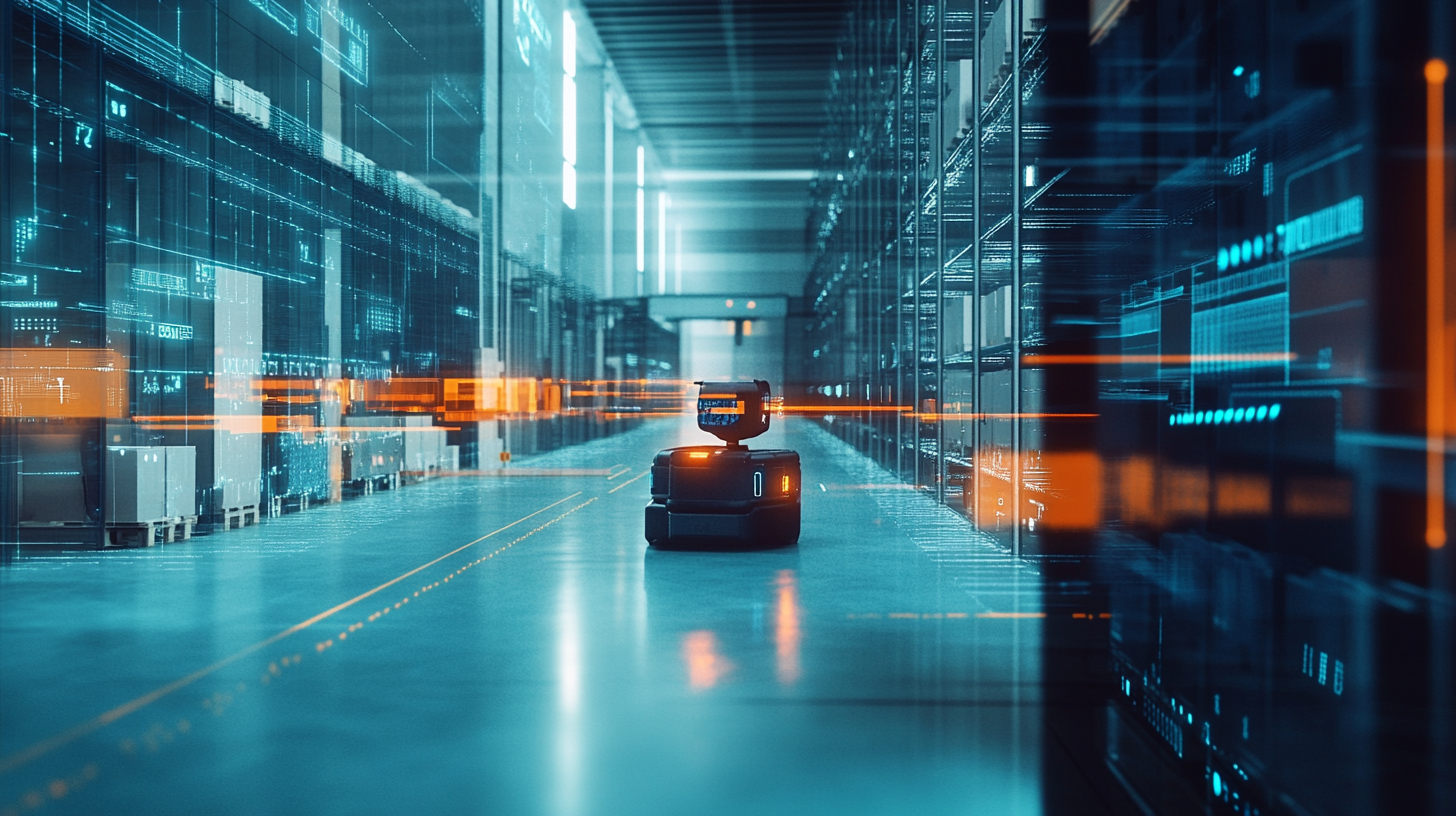
Applications of autonomous mobile robots within intralogistics - Image: Xpert.digital
Areas of application of autonomous mobile robots within intralogistics
Autonomous mobile robots have proven to be true multitalents in intralogistics and find a wide range of areas of application that go far beyond the pure transport from A to B. One of the most common and fundamental areas of application is the transport of goods. AMRs can move pallets, containers, shelves, cars and other loads efficiently and autonomously between different areas of the warehouse or the production facility. This includes a variety of specific transport tasks:
Delivery of goods from warehouse zones to work cells
Amrs bring the required materials and components directly to the production lines or picking stations to ensure a smooth production flow.
Transport of raw and finished goods
AMRs combine production steps and transport raw materials to the production facilities and finished products to the warehouse or shipping areas.
Connection of production lines and work stations
AMRS automate the material flow between different production lines or work stations and ensure a continuous production process.
Transport of consumables to packaging lines
AMRS provide packaging materials, labels and other consumables in good time to the packaging lines to avoid bottlenecks.
Return transport of excess stocks
Amrs can transport excess materials or non -required goods back into the warehouse zones and thus ensure order and optimized inventory.
Transport of very heavy loads
Some AMR models are specially designed for the transport of very heavy loads of up to 1500 kg or more and can even replace conventional forklifts in certain applications.
Another important area of application is picking (Order picking), one of the most labor -intensive and cost -intensive processes in intralogistics. AMRS revolutionize picking in different ways:
“Goods-to-Person” Commissioning
With this method, AMRs bring the required warehouse shelves, containers or shopping baskets directly to the inpatient pickers. The pickers stay at their workplace and do not have to cover long walking paths to get the articles. This significantly reduces terms, increases the picking speed and improves ergonomics for employees.
Accompaniment of pickers
AMRS can also actively accompany pickers while they go through the warehouse and remove articles from the shelves. The AMR follows the order picker and serves as a mobile shopping cart or transport platform for the picked items. This makes it easier to transport heavy or bulky items and enables the picker to concentrate on the actual picking task.
Autonomous article withdrawal
Some advanced AMRs are even equipped with integrated robot arms and gripping systems that are able to autonomously remove individual articles from the shelves. These robots can handle both containers and individual articles and enable fully automated picking from A to Z.
Multi-order order
AMRS support multi-order order, in which several orders can be processed at the same time. An AMR can also collect articles for various customer orders and further increase the efficiency of picking.
Zone commissioning
AMRs can be used in zone commissioning systems in which the warehouse is divided into different picking zones. AMRs transport the goods between the zones and enable efficient order processing over several zones.
Suitable for:

Optimized warehouse processes through intelligent forklift robots
In the area of warehousing, increasingly autonomous forklifts (AMR forklifts) are used, which can autonomously store and outsource pallets. These robots can drive up the pallet racks independently, absorb pallets and place it at the desired storage spaces. AMRs can also contribute to optimizing the warehouse assignment by using intelligent route planning to find the most efficient paths to the storage spaces and minimize empty trips. You can support automated warehouse and retrieval systems (AS/RS) by acting as a mobile interface between the AS/RS and other storage areas. Include further applications in warehousing:
Case storage
AMRs can store and outsourced containers or boxes (cases) into shelf systems.
Small item storage
AMRs can handle small parts in special shelf systems or containers.
Shipping buffers
AMRs can serve as a mobile buffer camp in front of the shipping areas and intermediate goods until they are ready for shipping.
How to transform the warehouse planning and shipping logistics
AMRS also offer valuable support in the area of inventory and inventory management. You can drive autonomously through the warehouse and stocks by scanning barcodes, RFID tags or by using cameras and image detection. This enables real -time data to be recorded via the inventory, which avoids misconceptions and excesses and the existing transparency and accuracy can be improved. AMRs can accelerate inventory processes, reduce errors and improve the accuracy of the inventory data, which leads to optimized warehouse planning and control.
AMRS are also used to sort goods for shipping. These can automatically transport goods to the corresponding shipping areas or shippingors. Flexible sorting amrs can forward goods based on various criteria such as size, weight, destination or shipping method, to the correct destinations. This accelerates the sorting process, reduces manual sorting work and minimizes errors in the preparation for shipping.
In addition to these core applications, there are also other interesting and specialized areas of application for AMRS in intralogistics and beyond:
Cleaning and disinfection of warehouses
Special AMRs are equipped with cleaning and disinfection systems and can autonomously clean and disinfect warehouses, especially in industries with high hygiene requirements such as the food or pharmaceutical industry.
Security monitoring
AMRs can be equipped with cameras and sensors and patrolled through the camp in order to monitor security areas, recognize unauthorized access or report anomalies.
Transport of sterile instruments in hospitals
AMRs are used in hospitals to transport sterile instruments, medication or medical devices safely and hygienically between operating rooms, sterilization departments and stations.
Delivery of meals and medication in health facilities
AMRs can autonomously deliver meals, medication or other supply goods to patient beds or nursing specifications in hospitals or nursing homes.
Tool and material delivery in production environments
AMRs can deliver tools, spare parts or materials directly to the workplaces or machines in production environments and thus reduce set -up times and optimize production processes.
Support of cross-docking processes
AMRS can transport goods directly from the goods receipt to the goods output, without intermediate storage, and thus accelerate throughput and reduce storage costs.
Quality control
AMRs can be equipped with cameras and sensors to visually inspect products or carry out quality tests while they are transported by the warehouse.
E-commerce fulfillment
AMRS play a key role in e-commerce fulfillment centers to manage the high throughput rates and fast processing times required in online trading.
Suitable for:

Future of intralogistics: Why Amrs are indispensable
AMRS's areas of application in intralogistics are therefore extremely diverse and are constantly developing. The flexibility, autonomy and adaptability of these robots enable companies to use them for a wide range of tasks and thus significantly increase efficiency, productivity and flexibility in different areas of internal logistics. The integration of AMRS into specialized processes, such as the handling of sterile instruments in hospitals or the transport of dangerous chemicals into production facilities, shows the remarkable potential of this technology, even in highly sensitive or risky environments. The precision, reliability and autonomy of AMRS can lead to a significant improvement in security and efficiency in such scenarios in which human errors could have serious consequences.
State of the art and market for autonomous mobile robots in intralogistics
The current state of the art in the field of autonomous mobile robotics in intralogistics is characterized by rapid progress and innovations in various key areas. Significant improvements were achieved in sensors, especially at Lidar, cameras, ultrasound, infrared and 3D sensors. These highly developed sensors enable more precise navigation, more reliable obstacle recognition and more detailed environmental perception in complex and dynamic environments. The sensors are getting smaller, cheaper and more powerful, which facilitates integration into AMRS and expands their functionality.
The development of AMRS also contributed significantly to the development of AMRS. Advances in the field of machine learning, deep learning and the artificial neuronal networks enable more intelligent decision -making, more efficient route planning, improved adaptability to unforeseen situations and optimized fleet coordination. AI algorithms are becoming more and more sophisticated and AMRS enable AMRS to manage complex tasks, learn from experiences and to improve continuously.
In the area of battery technology, significant progress has also been made, which lead to longer operating times, shorter loading times, higher energy density and longer battery life. New battery types such as lithium-ion batteries or solid body batteries improve the performance and efficiency of AMRS and enable longer autonomous operation. Rapid charging options and autonomous charging stations reduce downtime for charging and enable a continuous 24/7 operation.
The development of user-friendly software for easy programming, configuration, management and monitoring of AMR fleets has further promoted the acceptance and use of this technology. Modern AMR software offers intuitive user interfaces, drag-and-drop functionalities, cloud-based platforms and comprehensive analysis and reporting tools. The easy usability and management of AMR systems make it easier for companies to get started with automation and lowers the technical hurdles.
The increasing integration of machine learning and artificial intelligence enables Amrs to continuously improve their performance by learning from their experiences and adapting to new situations. AMRs can optimize and become more efficient in the course of time. Machine Learning also enables Amrs to adapt to changed environmental conditions and to improve their performance in dynamic environments.
In addition, cloud computing is increasingly used to ensure optimal performance, central control and coordination of the AMR fleet. Cloud -based fleet management systems enable central monitoring, control and optimization of all AMRs in real time. Cloud computing also offers the option of analyzing large amounts of data, recognizing trends, optimizing processes and continuously improving the performance of the AMR fleet.
The development of standardized interfaces such as VDA 5050 facilitates the integration of AMRs into existing logistics systems and enables the interoperability of AMRS of various manufacturers. Standardized interfaces reduce the integration effort, enable simpler communication between AMRS and other systems and promote competition and innovation in the AMR market.
Last but not least, considerable progress in the area of security technology was made, and new security standards and standards are continuously developed for the use of AMRs. Modern AMRs are equipped with extensive safety functions, such as emergency-off systems, laser scanners, security cameras, acoustic and visual warning signals and intelligent collision avoidance algorithms. The continuous further development of security technology and the establishment of clear security standards help to strengthen trust in AMR technology and to ensure their safe use in different environments.
The market for autonomous mobile robots in intralogistics records strong and dynamic growth, which is largely driven by the persistent e-commerce boom, the increasing shortage of labor in logistics, the increasing demands on efficiency, speed, flexibility and the falling costs of AMR technology. AMRs are used in more and more industries and applications, including logistics, production, healthcare, retail, food and drinks, pharmaceuticals, automotive industry and many others. Experts predict another significant growth of the market in the coming years, with some estimates expecting annual market growth of 20% or more. The AMR market is a growth market with great potential for the future.
Although Automated Guided Vehicles (AGVS) currently still have a larger market share in intralogistics, the proportion of AMRS will be increased significantly in the future, since its technological maturity is progressing, the costs are decreasing and taking away the advantages of their flexibility and autonomy. AMRs are increasingly regarded as the more future -provision technology for intralogistics automation. The increasing investments in mobile robotics as a whole, both by established companies and start-ups, also help to accelerate technological progress, reduce the costs and to advance the market penetration of AMRS. The competition in the AMR market is intense, which leads to innovations, falling prices and a larger selection of AMR solutions for companies.
The market for AMRS in intralogistics is therefore in a phase of dynamic growth and change, driven by technological innovations, changing market requirements and a steadily increasing need for flexible and efficient automation solutions. The e-commerce boom, the globalization of the supply chains, the increasing variety of products, the rising customer requirements and the shortage of labor in the logistics industry create a strong incentive for companies to invest in AMRS in order to increase their efficiency, reduce operating costs, increase flexibility and become more competitive. At the same time, continuous technological advances in areas such as sensors, artificial intelligence, battery technology, software and communication ES AMRS enable more and more complex tasks to cope with more and more demanding environments, which further increases their attractiveness for companies and accelerates market penetration. Amrs are on the best way to become an integral part of modern intralogistics and the way in which goods are moved and managed within companies are fundamentally changed.

Xpert.Plus warehouse optimization - high-bay warehouses such as pallet warehouses consulting and planning
Smart intralogistics thanks to AMRS: Efficiency through automation
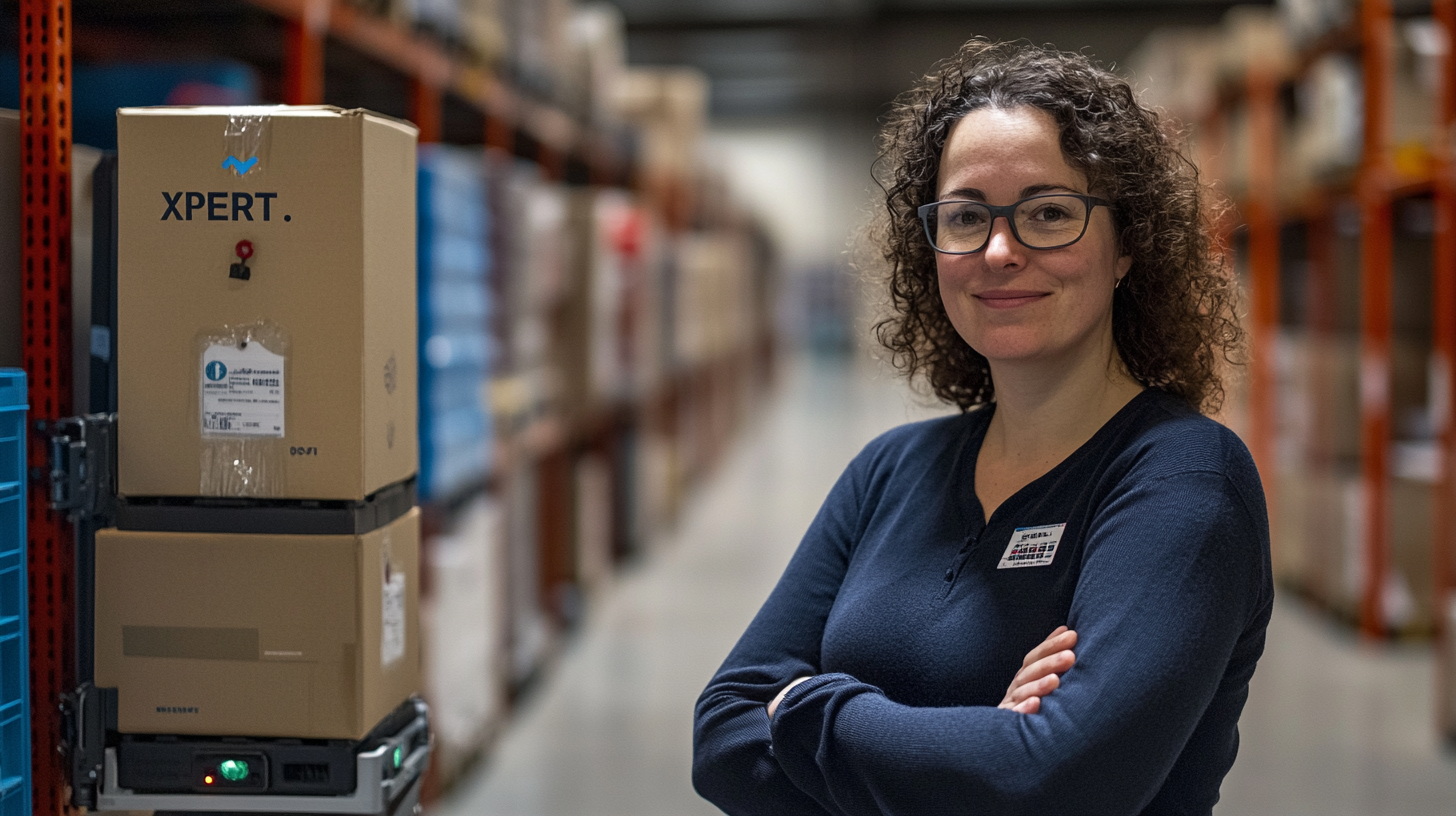
Autonomous mobile robot: progress on the way to intelligent logistics - Image: Xpert.digital
Future trends and developments in autonomous mobile robotics
The future of autonomous mobile robotics in intralogistics will be characterized by a number of new technologies, groundbreaking innovations and potential disruptive effects. In the area of navigation, improved navigation systems with even more precise and versatile sensors are expected. This includes an extended use of LIDAR of the next generation, which can create even more precise 3D cards in the environment, more advanced computer vision systems with more powerful cameras and image recognition algorithms, merged sensors, which combines different sensor types to achieve a more robust and reliable environmental perception (simultaneous localization and mapping), which enable Amrs to determine their position at the same time and to create a map of their surroundings, also in unknown or changing environments. The further development of AI and Machine Learning will lead to even more intelligent decision -making processes and more adaptive behavior of the robots. Future AMRs will be able to cope with complex tasks, to adapt more flexibly to dynamic environments, to learn from experiences, to continuously optimize their performance, to carry out predictive maintenance and to act autonomously. The human-robot collaboration (Cobots) will develop and enable even narrower, safer and more natural cooperation between people and machine. Future cobots will be able to recognize human intentions, to intuitively adapt to human movements, surely work in the immediate vicinity of people and to do complex tasks together with people.
The use of Large Language Models (LLMS), as used in chatbots such as chatt, could revolutionize the AMR operations and task planning in the future. LLMs could make it possible to control AMRs via natural language, to delegate tasks, to report problems and to call up information. LLMs could also be used for the automatic generation of route plans, to optimize work processes and intelligent troubleshooting. The integration of robots with the Internet of Things (IoT) will enable better networking, data analysis and real-time transparency in the logistics processes. IoT sensors in warehouses, production facilities, goods and AMRS will generate large amounts of data that can be used to optimize logistics processes, recognize bottlenecks, carry out predictive maintenance, to increase efficiency and develop new services.
The development of flexible and versatile AMR platforms can also be expected that are equipped with interchangeable modules and attachments in order to adapt quickly and easily to different tasks and applications. Modular AMRs can be configured for various transport tasks, picking tasks, warehouse tasks or specialized applications by simply exchanging the corresponding modules. Improvements in battery technology will lead to longer operating times, even shorter loading times, higher energy density, longer battery life and autonomous, wireless charging options. Future AMRs will be able to work autonomously even longer and may be able to charge your batteries wirelessly and without human intervention. Security is further increased by more advanced sensors, more intelligent software and improved security standards. Future AMRs will work even more securely near people, manage complex dynamic environments and offer an even higher level of reliability and reliability. Finally, special robots for special applications and environments are also developed, for example for use in clean rooms, cold stores, explosion -prone areas, extreme temperatures or in environments with special hygiene requirements. These specialized AMRs will be tailored to the specific requirements and challenges of these environments.
This technological advances are expected to have significant potential effects on intralogistics. We can expect a further increase in efficiency and productivity in all areas of intralogistics. AMRs will be able to automate even more tasks, optimize processes, increase throughout rates, shorten throughput times and minimize error rates. The labor costs and the shortage of skilled workers could be further reduced by the increased and intelligent use of AMRS. Companies become less dependent on manual work in intralogistics and can counter the growing shortage of skilled workers more effectively. New business models and services in the field of logistics could develop based on AMR technology. Logistics-as-a-service models are conceivable, for example, in which companies can rent AMR fleets and associated services flexibly and as required. The shift towards flexible and scalable automation solutions is expected to increase. AMRS offer companies the opportunity to quickly and easily adapt their intralogistics to changed requirements, without major investments in rigid infrastructure. Working conditions for human employees could continue to improve because Amrs are increasingly taking over repetitive, dangerous and physically exhausting tasks. Employees can concentrate on more demanding, more value -added and ergonomic activities. The contribution to more sustainable logistics processes is expected to increase. The increased use of battery -operated AMRS, optimized route planning and lower energy consumption contribute to a more environmentally friendly intralogistics. Overall, the trend towards “smart warehouses” and fully automated logistics centers will continue to continue. AMRs are an essential component of this development and will play a key role in realizing intelligent, efficient and resilient logistics systems of the future.
The future development of autonomous mobile robotics in intralogistics is largely driven by progress in artificial intelligence and sensors. More powerful AI algorithms will enable AMRs to manage even more complex tasks, to adapt more flexibly to dynamic environments, to better understand human intentions and to work more safely with people. At the same time, improved sensors will further increase the accuracy and reliability of the navigation, obstacle detection, object recognition and ambient perfection. Another important trend is the increasing integration of AMRS with other technologies such as the Internet of Things, Cloud Computing, Big Data Analytics, 5G Communication and Digital Zwins. This integration will lead to more networked, data -controlled and intelligent intralogistics. Through the continuous exchange of data, the seamless coordination of tasks in real time, the predictive analysis of data and the simulation of processes in digital twins, companies can further optimize their logistics processes, recognize bottlenecks early, plan resources more efficiently and achieve higher transparency and resilience in the entire supply chain. The future of intralogistics is autonomous, intelligent and networked, and Amrs will play a central role in this transformation.
Suitable for:

Successful application examples and case studies
The theory is convincing, but the true strength of autonomous mobile robots is in practice. Numerous companies worldwide have already recognized the transformative power of AMRS and successfully integrated into their intralogistics. These application examples and case studies provide convincing evidence of the diverse possible uses and the significant advantages that AMRs offer in different industries and applications.
DHL
A global logistics company, DHL, is a pioneer in the use of AMR technology. DHL LOCUS Robotics uses AMRS for picking in their warehouses. By using these collaborative robots, DHL was able to achieve a significant increase in the pick rate and at the same time significantly reduce the training period for new employees. The AMRS efficiently guide the pickers through the warehouse, show them the articles to be patched and optimize the walking paths. This leads to faster order processing, lower error quotas and higher employee satisfaction.
The e-commerce giant Amazon is known for his joy of innovation and its high level of automation in logistics. Amazon uses a huge fleet of its own AMRS to transport goods within its gigantic logistics centers. These robots, often referred to as “Amazon Robots” or “Kiva Robots”, move shelves with goods autonomously to the picking stations, where employees put together the orders. Due to the massive use of AMRS, Amazon was able to enormously increase its throughput rates in the fulfillment centers, shorten the processing times for orders and optimize the efficiency of the entire logistics chain.
Havells
Hovells, a leading company in the field of electrical engineering, has revolutionized its warehouse processes by using AMRS for the trolley and pallet transport. Due to the automation of the internal material flow, Havell was able to achieve increased efficiency, optimized personnel planning and improved security at the workplace. The AMRS take on repetitive transport tasks and relieve the employees of physically exhausting activities so that they can concentrate on more value -added tasks. The implementation of AMRS has led to a significant increase in productivity and a reduction in operating costs.
A leading manufacturer of lithium batteries integrates Iplus Mobot AMRS into its production facility for automated material transport and loading and unloading of machines. The AMRs transport heavy battery modules and components efficiently and securely between the production lines and the warehouse areas. By using AMRS, the company was able to achieve considerable cost savings and achieve a significant increase in production efficiency. The automation of the material flow has led to a reduction in waiting times, an improvement in the material throughput and higher production quality.
SEC Group
The SEC Group, a provider of intralogistics solutions, supported a company in increasing its picking rate from only 25 to impressive 200 picks per hour. By using a tailor-made AMR solution, the company was able to drastically accelerate its picking processes and multiply its order processing capacity. This example impressively illustrates the enormous performance of AMR solutions and the potential for companies to fundamentally transform their intralogistics processes.
In addition to these prominent examples, there are a variety of other companies in a wide variety of industries such as the automotive industry, consumer goods production, the pharmaceutical sector, the food industry, retail and healthcare, which AMRS successfully integrate into their internal logistics processes. These companies use AMRs for a wide range of applications, from simple transport tasks to complex picking and warehouse processes.
Intelligent logistics strategies: AMRS as the key factor of the future
The advantages achieved by the successful use of AMRS are diverse and industry -specific, but can be summarized in the following core areas:
Significant efficiency increases and productivity improvements
in the logistics processes through automation, optimized route planning, reduction in terms and continuous operation.
Reduced operating costs
And a fast return on investment for the investments made by savings in labor costs, reduction of error rates, optimized resource use and higher throughput rates.
Improved security at the workplace
And better working conditions for employees by taking over dangerous, repetitative and physically exhausting tasks through the robots.
Increased flexibility and scalability of the logistics processes
It facilitates companies to react to changed market conditions, seasonal fluctuations and new customer requirements.
Improved accuracy in order processing
Higher customer satisfaction by reducing errors, faster delivery times and higher delivery reliability.
Tailor-made AMR solutions: This is how companies win in intralogistics
These successful case studies impressively prove that AMRS are able to achieve significant advantages in terms of efficiency, costs, security, flexibility and customer satisfaction in a variety of industries and applications. The concrete examples of companies such as DHL, Amazon, Havells, Iplusmobot and SEC Group provide convincing evidence for practical benefits and the profitability of the use of AMRS in intralogistics. It also shows that the successful implementation of AMRS often requires close cooperation between the company and the AMR provider in order to optimally adapt the solution to the specific needs and requirements of the respective company. The tailor-made development and implementation of AMR solutions that are tailored to the customer's individual challenges and goals is a decisive factor for success and long-term added value through AMR technology.
Comparison: Autonomous mobile robot vs. Traditional methods and technologies
In order to understand the full potential of autonomous mobile robots in intralogistics, a detailed comparison with traditional methods and technologies is essential. This comparison illuminates the strengths and weaknesses of AMRS in relation to manual processes and other automation technologies such as driverless transport systems (AGVS). Such a comparison helps companies make sound decisions when choosing optimal intralogistics solution for their specific needs.
In many cases, AMRs offer higher performance in the area of efficiency than manual processes. By automating transport and picking tasks as well as intelligent route planning, AMRS can perform repetitive activities without fatigue, around the clock and with high precision. Compared to AGVs, AMRs are significantly more flexible in terms of routing route and adaptation to new tasks, since they do not require a permanently installed infrastructure and can react dynamically to changes in the area. Manual processes are flexible, but usually slower, more prone and less efficient than automated solutions. AGVs are efficient in repetitive tasks on predefined routes, but inflexible in the event of changes and less efficient in dynamic environments.
With regard to the costs, it should be noted that the initial investment costs for AMRS can usually be higher than with traditional manual methods or the use of simpler technologies such as AGVs. The purchase of AMRS, integration into existing systems and the training of employees require an initial investment. In the long term, however, AMRS can lead to considerable cost savings, in particular by reducing labor costs, minimizing error rates, increasing overall efficiency and continuous 24/7 operation. Manual processes have lower initial costs, but higher running costs through personnel costs, error costs and lower productivity. AGVs have lower initial costs than AMRS, but also lower flexibility and possibly higher long -term costs in dynamic environments due to inflexibility and adaptation effort. In addition, the maintenance costs for AMRs can often be lower compared to conventional vehicles used by humans, since they have fewer wearing parts and enable predictive maintenance.
The flexibility is another crucial factor in which AMRS fully play their strengths. AMRS are characterized by high flexibility and can easily adapt to changed warehouse layouts, new product types or fluctuating order volumes. In contrast to permanently installed systems such as conveyor belts or AGVs, AMRs do not need a rigid infrastructure and can safely navigate in dynamic environments, even if people and other vehicles move there. Manual processes are very flexible, but inefficient and difficult to scale. AGVs are very inflexible and require considerable adjustments to the infrastructure in the event of changes in the warehouse layout or the processes.
With regard to other aspects, AMRs often offer higher security standards than conventional vehicles used by humans, since they are equipped with advanced sensors and collision avoidance systems. AMRS can recognize dangers and avoid accidents, which makes the work environment safer. Manual processes are heavily dependent on human behavior in terms of security and hide a higher risk of accidents. AGVs are safe on predefined routes, but less flexible in avoiding obstacles and can recover risks in unforeseen situations. The space requirement of AMRS is usually low, and they can also be used in narrow rooms, which can potentially reduce the required gait widths in warehouses. Manual processes and AGVs often need more space for roads and turning maneuvers. However, the space required for warehouse and picking operations can be higher compared to other high-density warehouse systems. The implementation time for AMRS is often shorter and easier than with complex, permanently installed automation solutions such as AGV systems or conveyor belts. AMRS are ready for use relatively quickly and require fewer structural changes. Manual processes are ready for use immediately, but do not require infrastructure investments. AGV systems require longer implementation time and considerable infrastructure investments.
Suitable for:

Autonomous mobile robot (AMR) vs. driverless transport systems (AGV)
Autonomous mobile robots (AMR) and driverless transport systems (AGV) differ in several essential features. While Amrs enable autonomous and dynamic navigation, AGVs move on fixed routes that follow a certain infrastructure such as magnetic strips or wires. As a result, AMRS are significantly more flexible than AGVs. In addition, AMRS have advanced obstacle avoidance skills, which are often not at all or only limited at AGVs. However, these advantages are accompanied by a higher initial effort, while AGVs are usually cheaper to buy. AMRs are ideal for diverse areas of application in dynamic environments, whereas AGVs are used, especially for repetitive tasks on defined routes.
Advantages and challenges of autonomous mobile robots (AMR)
Autonomous mobile robots (AMR) offer numerous advantages, including increased efficiency and productivity through the automation of repetitive tasks, reducing terms, continuous operation and optimized route planning. They help to reduce labor costs by reducing the dependency on manual work, both by savings in wage costs and by compensating for a shortage of skilled workers. AMRs improve security by taking on dangerous tasks and reducing the risk of accidents through advanced sensors and collision avoidance systems. They are also flexible and scalable because they can easily be adapted to new requirements, can be implemented quickly and enable easy scaling of the fleet. Your accuracy and quality control also make a decisive contribution by precisely executing tasks, reducing error rates and are able to integrate quality control functions.
However, challenges are also accompanied by these advantages. Technical challenges include navigation in dynamic environments, reliable obstacle recognition, the battery life as well as integration with existing systems and interoperability. The implementation brings additional hurdles such as high initial investment costs, installation and configuration effort, training needs, possible employee resistance and necessary process adjustments. Restrictions can also occur in the company, including limited load -bearing capacity, potential traffic disruptions, the dependence on technology, an increased need for order and cleanliness as well as regular maintenance.
The comparison shows that AMRS are often superior to traditional manual methods and AGVs in terms of efficiency, flexibility and security, although the initial costs can be higher. The ability of AMRS to autonomous navigation and adaptation to dynamic environments offer a clear advantage over the fixed routes of AGVs and the inflexibility of manual processes. However, the long -term cost savings, improved security, greater flexibility and increased efficiency can justify the initial investment and generate an attractive ROI. The choice between AMRS and other automation technologies ultimately depends on the specific requirements, the budget, the framework conditions and the strategic goals of the respective company. For companies with rapidly changing requirements, dynamic environments, a high degree of flexibility and a focus on long -term increase in efficiency, AMRS could be the optimal solution. AGVs could possibly be a cheaper alternative for companies with very repetitive tasks, firm routes, a limited budget and less dynamic environments. Manual processes can continue to be relevant in certain niche areas or for very small companies with low automation requirements, but are no longer competitive in most modern intralogistics environments.
Competition advantage through AMRS: Companies are preparing for tomorrow
Autonomous mobile robots have developed from a promising technology into a central pillar of modern intralogistics in recent years. Your ability to perform tasks such as transport, picking, warehousing, inventory and sorting autonomously and efficiently revolutionizes the way in which goods are moved, managed and processed within companies. AMRs offer numerous advantages over traditional methods and technologies, including increased efficiency and productivity, reduced labor costs, improved security, increased flexibility and scalability as well as improved accuracy and quality control. These advantages help companies optimize their intralogistics processes, increase their competitiveness, serve their customers better and be able to equip themselves for the challenges of the future.
Despite these convincing advantages, there are also challenges and restrictions on the implementation and operation of AMRS, such as high initial investment costs, technical complexity, integration effort, training needs and potential operational restrictions. Companies have to carefully analyze these challenges and develop suitable strategies to cope with them. Careful planning, a detailed process analysis, transparent communication with the employees, comprehensive training, robust IT infrastructure and close cooperation with experienced AMR providers are crucial success factors for a successful AMR implementation.
The market for autonomous mobile robots in intralogistics is in dynamic growth, driven by technological progress, e-commerce boom, the shortage of skilled workers and the increasing need for flexible and efficient automation solutions. Future trends indicate further improvements in sensors, artificial intelligence, human-robot collaboration, battery technology and software that will further increase the potential of AMRS in intralogistics. Successful application examples in various industries already show the diverse possible uses and the significant advantages that companies can achieve through the use of AMRs.
In summary, it can be said that autonomous mobile robots represent a key technology for the future of intralogistics. Their potential to help companies are enormous to become more efficient, more flexible, safe, safer, sustainable and competitive. Companies should therefore consider the introduction of AMRS to optimize their internal logistics processes, to relieve their employees, reduce their costs and to prepare themselves for the challenges of a rapidly changing world. The careful analysis of the specific requirements, the selection of the right AMR solution in cooperation with experienced providers and strategic implementation planning are decisive success factors. The future of intralogistics is mobile, autonomous and intelligent, and Amrs are the driving force behind this transformation. Companies that recognize this development and proactively invest in AMR technology will be able to lift their intralogistics to a new level and to secure a sustainable competitive advantage.
We are there for you - advice - planning - implementation - project management
☑️ SME support in strategy, consulting, planning and implementation
☑️ Creation or realignment of the digital strategy and digitalization
☑️ Expansion and optimization of international sales processes
☑️ Global & Digital B2B trading platforms
☑️ Pioneer Business Development

Konrad Wolfenstein
I would be happy to serve as your personal advisor.
You can contact me by filling out the contact form below or simply call me on +49 7348 4088 965 (Munich) .
I'm looking forward to our joint project.
Write to me

Xpert.Digital - Konrad Wolfenstein
Xpert.Digital is a hub for industry with a focus on digitalization, mechanical engineering, logistics/intralogistics and photovoltaics.
With our 360° business development solution, we support well-known companies from new business to after sales.
Market intelligence, smarketing, marketing automation, content development, PR, mail campaigns, personalized social media and lead nurturing are part of our digital tools.
You can find out more at: www.xpert.digital - www.xpert.solar - www.xpert.plus
Keep in touch











