Blog/Portal for Smart FACTORY | CITY | XR | METAVERSE | AI (AI) | DIGITIZATION | SOLAR | Industry Influencer (II)

Industry Hub & Blog for B2B Industry - Mechanical Engineering - Logistics/Intralogistics - Photovoltaics (PV/Solar)
For Smart FACTORY | CITY | XR | METAVERSE | AI (AI) | DIGITIZATION | SOLAR | Industry Influencer (II) | Startups | Support/Advice

Business Innovator - Xpert.Digital - Konrad Wolfenstein
More about this here

Which Turkish industries have the greatest potential for successful expansion into Germany or Europe?

Xpert pre-release


Konrad Wolfenstein - Brand Ambassador - Industry InfluencerOnline Contact (Konrad Wolfenstein)

Available in 27 languages 📢

Prefer Xpert.Digital on Googleⓘ

Published on: March 26, 2025 / Updated on: March 26, 2025 – Author: Konrad Wolfenstein

Expansion instead of stagnation: How Turkish companies are conquering the European market

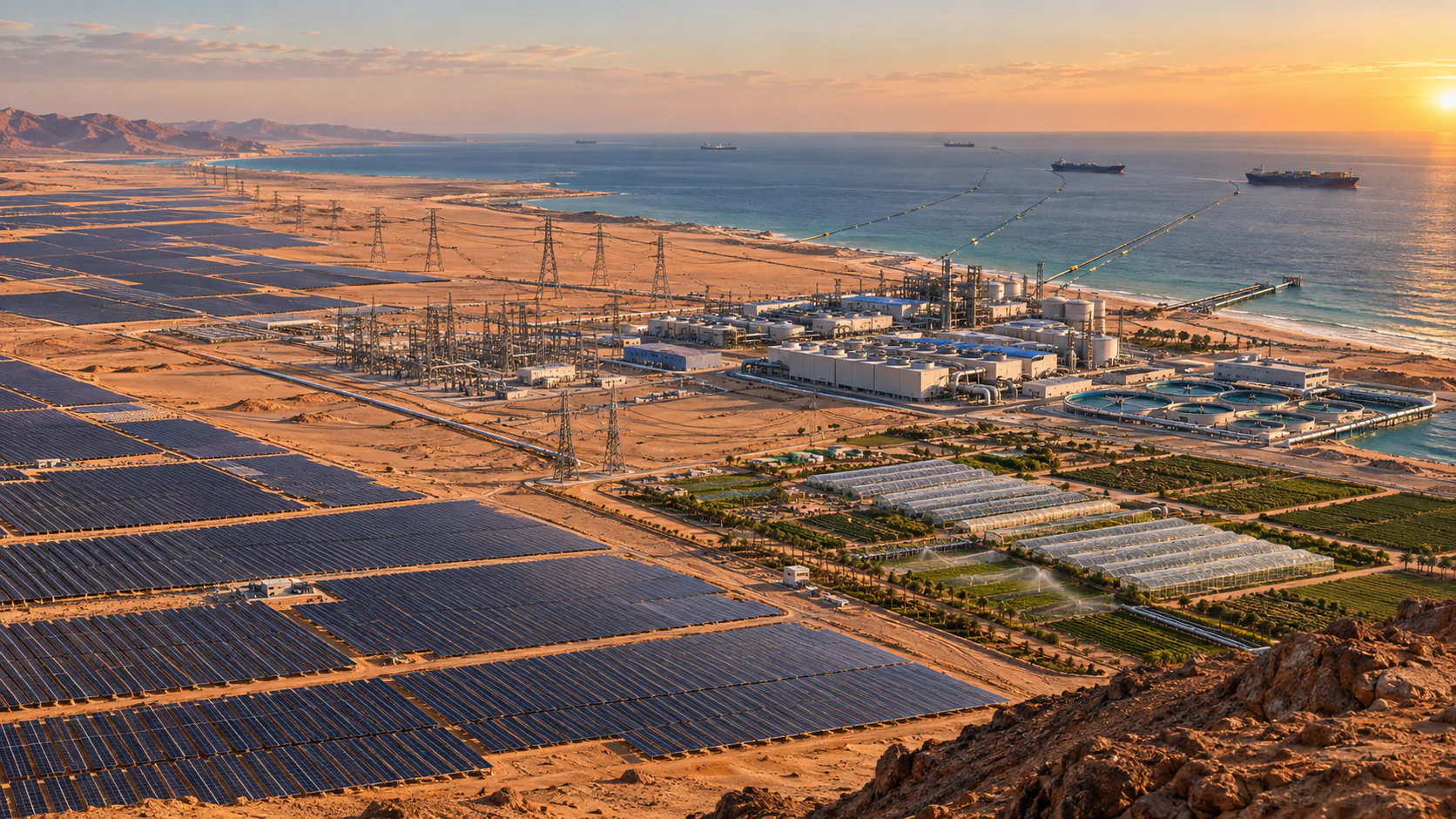
Expansion instead of stagnation: How Turkish companies are conquering the European market – Image: Xpert.Digital

Expansion instead of stagnation: How Turkish companies are conquering the European market (Reading time: 24 min / No advertising / No paywall)

The Turkish economy in transition: challenges, opportunities and a look towards Europe

The Turkish economy is undergoing a period of profound change, characterized by remarkable dynamism but also significant challenges. For Turkish companies seeking growth and stability, the European market, and Germany in particular, is increasingly coming into focus. For many, expansion beyond national borders no longer appears merely as an option, but as a strategic necessity to mitigate risks and unlock new potential. But what exactly is the current economic situation in Turkey, and what opportunities and obstacles await Turkish companies on their path to Europe?

Suitable for:

  • Europe and Germany for international companies: a comprehensive analysis of the market potentialEurope and Germany for international companies: a comprehensive analysis of the market potential

A look at the current economic situation in Türkiye: Between growth and instability

To understand the expansion efforts of Turkish companies, a close look at the macroeconomic landscape of their domestic market is essential. The Turkish economy presents itself as a complex entity of impressive growth potential and persistent structural weaknesses.

Economic growth in a field of tension

The Turkish economy demonstrated remarkable resilience in 2023, with gross domestic product (GDP) growth of approximately 4.5 to 5.1 percent, depending on the data source. This growth followed a recovery period after the 2018 economic crisis and the global disruptions caused by the COVID-19 pandemic. It reflected robust domestic demand, which was, however, partly fueled by expansionary fiscal and monetary policies. For subsequent years, however, all forecasts pointed to a noticeable slowdown. Growth rates of between 2.7 and 3.5 percent were expected for 2024, with actual growth settling at around 3.2 percent. Expectations for 2025 also hover around the 3 percent mark. This anticipated slowdown is not a sign of weakness per se, but rather a consequence of necessary macroeconomic stabilization measures. The Turkish government and central bank are forced to curb high inflation, which will inevitably dampen domestic demand. This realignment is increasingly shifting the focus towards an export-oriented growth model. This strategic shift implies that Turkish companies will find it increasingly difficult to rely solely on domestic consumption for their expansion. Actively exploring and developing international markets will therefore be essential to maintaining growth momentum and reducing dependence on the volatile domestic market.

Inflation: The persistent problem

Inflation remains the Achilles' heel of the Turkish economy. After an alarming peak of over 83 percent in the autumn of 2022, the annual inflation rate has declined, but remains at a level that is a cause for considerable concern. At the end of 2024, the rate was still at a worrying 44 percent. In the spring of 2024, inflation even surged again to over 68 percent, the highest level since November 2022, before falling back to just under 40 percent in the spring of 2025. The Central Bank of Turkey (CBRT) has had to repeatedly revise its inflation forecasts upwards and now expects a return to a somewhat moderate level of around 12 percent only in 2026. This persistently high inflation has serious consequences: it erodes the purchasing power of Turkish consumers, reduces the propensity to save, and increases operating costs for companies through rising wages and more expensive intermediate goods. This creates a strong incentive for Turkish companies to seek markets with more stable price levels. Germany and the Eurozone as a whole, despite their own inflation challenges, offer a significantly more predictable environment. The European Central Bank's (ECB) efforts to moderate inflation in the Eurozone have contributed to relative price stability, which can provide Turkish companies with a more reliable financial basis for their expansion.

Labor market: Positive signals with reservations

There have been positive developments in the labor market recently. The official unemployment rate fell to 9.4 percent in 2023, down from 10.4 percent the previous year, reaching its lowest level in a decade. Seasonally adjusted, the rate even dropped below 9 percent at the end of 2023 and stood at around 8.4 percent at the beginning of 2025. A falling unemployment rate means that a larger proportion of the population is employed. This can theoretically lead to a greater supply of available labor, potentially moderating wage cost growth and ensuring that Turkish companies have sufficient staff to meet the production requirements of expanding into the European market. However, the persistently high youth unemployment rate casts a shadow over this positive picture. It remains a significant challenge and points to structural problems with integrating young people into the labor market, which could be particularly relevant for sectors that rely on young talent.

Exchange rate: The lira under pressure

The Turkish lira has depreciated significantly against major international currencies such as the euro and the US dollar in recent years. For example, the EUR/TRY exchange rate exceeded 41 lira per euro in the spring of 2025. The depreciation against the dollar has also continued, with forecasts suggesting a rate of over 45 lira per dollar by the end of 2025. This ongoing depreciation of the lira presents a double-edged sword for Turkish companies. On the one hand, it makes Turkish products and services cheaper for foreign buyers, which can boost exports and increase price competitiveness in European markets. On the other hand, it significantly increases the cost of importing raw materials, machinery, intermediate goods, and technologies that are either unavailable or not available in sufficient quality in Turkey. This raises production costs and can reduce margins, particularly for import-dependent industries. For companies looking to expand into Europe, this currency volatility requires extremely careful financial planning, sophisticated risk management, and possibly the use of hedging strategies to limit the negative effects of exchange rate fluctuations.

The strengths of the Turkish economy as a foundation for expansion

Despite the aforementioned challenges, the Turkish economy possesses a number of significant strengths that can serve as a solid basis for the international expansion of its companies:

Strategic location

Turkey's geographical position as a bridge between Europe and Asia is an invaluable advantage. It offers immediate proximity to key European, Middle Eastern, and Central Asian markets, which reduces transport costs and shortens delivery times – a crucial factor in globalized supply chains.

Diversified industrial structure

Turkey has built an impressively broad and deep industrial base. Strong expertise exists in numerous sectors such as automotive manufacturing, textiles and apparel, electronics production, mechanical engineering, chemicals, and food processing. This diversification enables Turkish companies to offer a wide range of competitive goods for export.

Demographic advantage

With a young, dynamic, and growing population, Turkey has a large pool of potential workers. Many young Turks are well-educated and tech-savvy. Compared to Western Europe, labor costs are often more competitive, which can translate into a cost advantage in production.

Dynamic service sector

The tourism sector is traditionally a key pillar of the Turkish economy and contributes significantly to GDP (around 12% in 2023). This success demonstrates a well-developed service sector, which also holds potential for expansion into related areas in Europe, such as hospitality, logistics, and financial services.

Focus on renewable energies

Turkey is increasingly investing in renewable energies, which already account for over half of its installed electricity generation capacity. This focus on green technologies positions the country as a potential partner in the European energy transition (Green Deal) and opens up opportunities for Turkish companies in the energy generation, technology, and services sectors.

Established EU relations (customs union)

The customs union with the European Union, in place since 1995, is a central pillar of economic relations. It enables largely duty-free trade in industrial goods and has significantly facilitated market access for many Turkish products. Although it requires modernization and only partially covers certain sectors (such as agriculture and services), it provides an established framework for trade.

These strengths are not isolated phenomena, but rather work synergistically. The strategic location facilitates trade promoted by the customs union, the diversified industry supplies exportable goods, and the young population provides the workforce for production. For many Turkish companies, expansion into Europe is therefore a logical next step, building on these solid foundations.

The weaknesses of the Turkish economy as a driver for internationalization

At the same time, it is precisely the weaknesses and structural problems of the Turkish economy that increase the pressure on companies to expand:

Persistent inflation and instability

As previously mentioned, high inflation erodes domestic purchasing power and creates an uncertain economic environment that makes long-term planning difficult. The search for more stable markets with more predictable price developments is becoming a necessity.

Import dependency

Turkey is highly dependent on imports, particularly for energy (oil, gas) and technologically advanced intermediate goods and machinery. This makes the economy vulnerable to external price shocks and currency fluctuations, and puts a strain on the trade balance.

Chronic current account deficit

The fact that Turkey tends to import more than it exports leads to a structural current account deficit. This deficit must be financed by capital inflows (investments or loans), which increases dependence on foreign countries and can put additional pressure on the lira.

Geopolitical risks

The location in an unstable region (Middle East, Black Sea region) poses geopolitical risks that can affect investor confidence and disrupt trade routes. These uncertainties may prompt companies to diversify their operations geographically.

Political and regulatory uncertainty

Periods of political instability or unpredictable changes in the economic policy environment can deter foreign direct investment and make business planning more difficult for domestic and foreign companies.

High foreign debt (private)

In particular, short-term foreign debt of the private sector represents a vulnerability. In the event of global financial crises or a further devaluation of the lira, servicing this debt could become a significant problem.

These inherent weaknesses, above all inflation, currency volatility, and import dependency, provide a compelling reason for Turkish companies to turn to the more stable and larger economic area of ​​the European Union. While the EU market presents its own challenges, its relative stability, the size of its single market, and its higher purchasing power offer resilience and growth prospects that are currently difficult to find in the Turkish domestic market.

Suitable for:

  • Turkish-German synergies for Turkish companies – Successful in Germany, the EU and worldwide – Expertise in business development, marketing and PRMade in Turkey, supported by Germany – Unbeatable together: How regional partnerships can bring about a breakthrough

Identifying potential sectors: Where Turkish strength meets European demand

Which Turkish industries therefore have the greatest potential for successful expansion into Europe, particularly Germany? Here, the competitive advantages of Turkish industries meet the specific demands of the European market.

Renewable energies and environmental technology

Driven by government incentives in Turkey and massive investments within the framework of the European Green Deal, there is enormous potential here. Turkish companies operating in the fields of solar, wind, or geothermal technology (the latter also of interest to agriculture) will find a huge market in Europe. Cooperations, technology transfer, and the export of components or entire systems are promising approaches.

Construction industry

Turkish construction companies enjoy a good international reputation and have gained extensive experience in large-scale projects abroad. Given the need for infrastructure modernization, housing construction, and energy-efficient renovations in Germany and Europe, they can contribute their expertise and often competitive cost structures. Furthermore, reconstruction efforts following natural disasters in Turkey are strengthening the industry's capacity and know-how.

Information technology (IT) and start-ups

Turkey, and Istanbul in particular, has become a vibrant hub for technology startups. Sectors such as fintech, e-commerce, gaming, and software-as-a-service (SaaS) are booming and attracting venture capital. The European market, with its high rate of digitalization and demand for innovative solutions, is an attractive destination. Progressive legislation and the "passporting" system for financial service providers within the Eurozone offer further incentives.

Automotive industry and suppliers

As a cornerstone of Turkey's export economy, the automotive industry is already deeply integrated into European supply chains. Turkey is a major producer of commercial vehicles and passenger cars, as well as a key supplier of automotive parts to European manufacturers, particularly in Germany. The emerging focus on electromobility, symbolized by the domestic brand Togg, opens up new opportunities to participate in this global trend and supply components or expertise to the European EV market.

Agriculture and food industry

Turkey is an agricultural giant with considerable export potential, especially to the EU. The increasing demand in Europe for high-quality, natural, organic, and sustainably produced food products plays into the hands of Turkish suppliers. Products such as dried fruits (figs, apricots), nuts, tomato products, olive oil, legumes, as well as flour and pasta are selling like hotcakes. The popularity of Mediterranean cuisine in Europe further fuels this demand.

Textile and clothing industry

Traditionally a strength of Turkey, this sector benefits greatly from the customs union. As one of the world's largest textile exporters, Turkey supplies Europe with high-quality and competitively priced fashion, home textiles, and technical textiles. The trend toward more sustainable fashion ("slow fashion") offers new opportunities for differentiation.

Household appliances and consumer electronics

Turkish brands like Beko and Vestel have established a strong market position in Europe with high-quality and innovative products. This existing market share and brand awareness provide a solid foundation for further growth and the introduction of new product lines.

mechanical engineering

The share of machinery and equipment in Turkish exports to the EU is steadily growing. Turkish manufacturers are gaining expertise and can compete with European rivals in certain niches and sub-sectors, often at more attractive prices.

Chemical industry

As an important contribution to the Turkish economy, this sector also offers potential for exports to the large European chemical market, be it basic chemicals, plastics or specialty chemicals.

defense industry

A relatively new but rapidly growing sector with increasing exports, including to Europe. Drone technology, armored vehicles, and naval equipment produced in Turkey are attracting particular international attention. The current geopolitical climate could further increase demand.

These sectors not only demonstrate Turkey's economic dynamism, but also its ability to produce and innovate in areas closely aligned with the needs of the European market and global megatrends such as digitalization, sustainability, and electromobility.


Our recommendation: 🌍 Limitless reach 🔗 Networked 🌐 Multilingual 💪 Strong sales: 💡 Authentic with strategy 🚀 Innovation meets 🧠 Intuition

From local to global: SMEs conquer the global market with clever strategies

From local to global: SMEs conquer the global market with clever strategies - Image: Xpert.Digital

At a time when a company's digital presence determines its success, the challenge is how to make this presence authentic, individual and far-reaching. Xpert.Digital offers an innovative solution that positions itself as an intersection between an industry hub, a blog and a brand ambassador. It combines the advantages of communication and sales channels in a single platform and enables publication in 18 different languages. The cooperation with partner portals and the possibility of publishing articles on Google News and a press distribution list with around 8,000 journalists and readers maximize the reach and visibility of the content. This represents an essential factor in external sales & marketing (SMarketing).

More about it here:

  • Authentic. Individually. Global: The Xpert.Digital strategy for your company


Why Turkish companies want to conquer the European market

Why Turkish companies want to conquer the European market

Why Turkish companies want to conquer the European market – Image: Xpert.Digital

The profile of Turkish companies seeking expansion

The companies from Turkey that are venturing into Europe are diverse. Nevertheless, some typical characteristics and motivations can be identified:

Size and maturity

It's not just the large corporations. Small and medium-sized enterprises (SMEs), the backbone of the Turkish economy, are increasingly seeking international growth opportunities. This includes both established SMEs with many years of experience in the domestic market and young, technology-oriented "born globals" that have been globally focused from the outset.

Industry focus

Naturally, many companies seeking expansion come from the aforementioned internationally competitive sectors (automotive, textiles, food, electronics, mechanical engineering). However, innovative technology start-ups are also increasingly entering the European market.

Core motivations

The main drivers are the search for new growth markets outside the volatile domestic market, the diversification of revenue sources to minimize risk, the use of the benefits of the customs union, access to a more purchasing-rich and stable consumer base, and the pursuit of revenues in more stable currencies such as the euro to counter exchange rate risks and potentially achieve higher profit margins.

Expansion strategies

Entry into the market often occurs via traditional exports, which involve lower initial investments and risks. If successful, this is frequently followed by the establishment of company-owned sales offices or subsidiaries in strategically important markets such as Germany, in order to be closer to customers. Strategic partnerships, joint ventures, or even the acquisition of established European companies are also considered as means of accelerating market entry, acquiring local expertise, and leveraging existing distribution networks. Technology companies also frequently utilize remote work models and tap into European talent pools.

It is crucial to understand that the profile of Turkish companies interested in expansion is not monolithic. It ranges from traditional manufacturing SMEs to agile tech start-ups. Successfully supporting these companies therefore requires tailored strategies.

Germany: The strategic gateway to Europe

For Turkish companies looking to expand into Europe, Germany stands out as a particularly attractive location and strategic springboard for several reasons:

Economic strength and market size

Germany is by far the largest economy in Europe and one of the largest in the world. This translates into a huge domestic market with high purchasing power and strong demand for high-quality products and services. Germany's economic stability provides a predictable environment.

Central location and logistics hub

Located in the heart of Europe, Germany borders nine countries and offers excellent transport connections to all major European markets. Its outstanding infrastructure – dense motorway and rail networks, large international airports (such as Frankfurt) and important seaports (such as Hamburg and Bremen/Bremerhaven) – facilitates the efficient distribution of goods across the continent.

Political and legal stability

Germany offers a safe and predictable business environment, characterized by political stability, sound economic policies, and a high degree of legal certainty. Transparent regulations and a reliable legal framework foster investor confidence.

Skilled workers

The German education system, particularly the dual system of vocational training, produces highly qualified and motivated specialists, especially in technical and industrial sectors. German engineering and manufacturing quality enjoy an excellent reputation worldwide.

Innovation ecosystem

Germany invests heavily in research and development (R&D). Numerous renowned research institutes (e.g., Max Planck, Fraunhofer), technology-oriented universities, and innovation-driven companies create a dynamic environment for technological progress and the development of new products and services. The high number of patent applications underscores this innovative strength.

Strong bilateral relations with Türkiye

Germany is traditionally one of Turkey's most important trading partners and a significant source of foreign direct investment. These deep-rooted economic ties create a solid foundation for further cooperation.

The Turkish diaspora

With over three million people of Turkish origin, Germany is home to the largest Turkish community outside of Turkey. This diaspora represents an invaluable bridge. It facilitates cultural understanding, offers a network of potential employees, business partners, and customers, and can help Turkish companies find their way more quickly in the German market.

The combination of economic strength, strategic location, excellent infrastructure, stability, innovative capacity and special relations with Turkey makes Germany an almost ideal starting point for Turkish companies that want to conquer the European market.

The indispensable role of a German partner

Entering a highly developed and competitive market like Germany is complex for foreign companies. Cultural differences, language barriers, unfamiliar regulatory requirements, and intense competition present significant hurdles. This is where the crucial role of a local German partner specializing in marketing, PR, and business development comes into play

Local market know-how

A German partner possesses in-depth knowledge of consumer behavior, market trends, the competitive landscape, and industry-specific characteristics. They are familiar with the most effective marketing channels and PR strategies for reaching the German target audience.

Cultural translation

He can adapt marketing messages and communication strategies to German cultural values ​​and communication styles to avoid misunderstandings and build trust. Native-level German language skills are essential for smooth communication with partners, customers, and the media.

Networks and contacts

An established partner brings with them a valuable network of media contacts, industry influencers, potential sales partners, dealers, and other relevant stakeholders. These contacts can open doors, generate leads, and enable strategic collaborations.

Navigating regulations

The partner is familiar with German and European business regulations, industry standards, and legal frameworks. They can provide support with company formation, compliance, and navigating bureaucratic processes, thus helping to avoid costly mistakes.

Tailor-made business development

Based on his market knowledge, he can develop tailored market entry and growth strategies, identify lucrative business opportunities, and support the initiation of partnerships or joint ventures.

Risk minimization

By anticipating potential challenges – be they cultural pitfalls, market entry barriers or competitive pressures – the partner helps to proactively manage and minimize risks.

A specialized German partner thus acts as an indispensable bridge and catalyst. They provide the local knowledge, cultural competence, contacts, and strategic expertise that Turkish companies need to accelerate market entry, reduce risks, and achieve sustainable growth in Germany and Europe.

Learning from the successful: Examples of Turkish companies in Europe

Numerous examples from various industries demonstrate that Turkish companies can be successful in Europe and especially in Germany:

Gastronomy and food

The Berlin-based restaurant chain Hasir, founded in 1978, has grown into an empire with numerous restaurants and hotels. Companies like Marmara GmbH have established themselves as major importers and distributors of Turkish food products, demonstrating the continued demand. The acquisition of the British biscuit manufacturer United Biscuits by the Turkish Ülker Group (now Pladis) transformed it into a global powerhouse with a strong European presence.

technology

The video game development studio Crytek, founded in Germany by brothers of Turkish descent and headquartered in Frankfurt, achieved global success with games like Far Cry and Crysis. Kobil Systems, also founded in Germany by a Turkish immigrant, is today a leading provider of security technology for online banking, with prominent European banks among its clients. Younger "unicorns" like the delivery service Getir and the e-commerce platform Trendyol are aggressively expanding into European markets, demonstrating the scalability of Turkish tech models.

Industry and services

Companies like EXTIM GmbH actively promote cooperation between German and Turkish firms, particularly in the automotive supply industry. Solitem, founded by a Turkish engineer in Germany, develops innovative solar-powered cooling systems. Entrepreneurs of Turkish origin have also built successful businesses in the logistics (e.g., Tunc Trans) and service sectors (e.g., the cleaning company Forever Clean).

These diverse success stories demonstrate that Turkish companies – whether large or small, whether founded by immigrants or expanding from Turkey – have the potential to thrive even in the demanding German market. Key factors often include high quality, adaptability to local needs, leveraging bilateral relationships, and entrepreneurial spirit, frequently fostered by the Turkish diaspora. They provide valuable blueprints and inspiration for other companies seeking to expand.

Overcoming challenges: Risks and solutions for European expansion

However, the path to Europe is not without obstacles. Turkish companies must prepare for specific challenges and develop strategies to overcome them

Customs Union borders

The EU-Turkey Customs Union does not cover services, agricultural products (only partially), or public procurement. Furthermore, Turkey has no say in EU free trade agreements with third countries, which can lead to competitive disadvantages. Solution: Focus initially on covered industrial goods, examine EU subsidiaries or partnerships for other sectors, and monitor modernization talks regarding the Customs Union.

Regulatory hurdles and compliance

Complying with complex EU norms, standards (e.g., product safety, CE marking, environmental regulations), and certifications can be time-consuming and expensive. The upcoming EU Carbon Border Adjustment Mechanism (CBAM) will place an additional burden on imports from carbon-intensive industries. Solution: Thorough research, consulting specialized advisors, investing in product adaptation and certification, early analysis of one's own carbon footprint, and development of decarbonization strategies.

Cultural differences in business

Differing communication styles (direct vs. indirect), varying importance of personal relationships, punctuality, and decision-making processes can lead to misunderstandings. Solution: Intercultural training for employees, raising awareness of German business etiquette, gradual trust building, and using a German partner as a cultural mediator.

Language barriers

Even though English is widely spoken, strong German skills are essential for marketing, customer service, and building trust. Solution: Professional translation and localization of materials, hiring German-speaking staff for key positions.

Intense competition

The European market is saturated and highly competitive. Solution: Clear positioning through quality, innovation or price, identification of niche markets, building a strong brand.

Exchange rate fluctuations

The lira's volatility remains a risk to financial planning and profitability. Solution: Use of financial hedging instruments, pricing in euros, and maintaining euro accounts.

Geopolitical and economic uncertainties

Global crises or tensions in EU-Turkey relations can impact the business environment. Solution: Robust risk management plans, geographical diversification within Europe, and continuous monitoring of the political and economic situation.

A proactive approach to identifying and managing these risks, ideally in collaboration with an experienced local partner, is crucial for sustainable success.

Strategic recommendations for success in Europe: A roadmap

Based on the analysis, the following strategic recommendations can be derived for Turkish companies seeking expansion into Germany and Europe:

  1. Thorough market analysis: Invest time and resources to thoroughly understand the target market (Germany and possibly other European countries) – customer needs, competitors, sales channels, regulatory requirements.
  2. Focus on core competencies: Concentrate on sectors where your company and Turkey have proven strengths and competitive advantages, and where there is clear demand in Europe.
  3. Tailor-made entry strategy: Choose the appropriate market entry mode (export, branch, partnership, acquisition) based on your resources, goals and risk tolerance.
  4. Finding a strategic German partner: Actively seek out a reputable German partner with expertise in marketing, PR, and business development who understands your industry and has experience with international companies. Pay attention to intercultural competence.
  5. Invest in culture and language: Provide your employees with intercultural training and invest in German language skills for key personnel. Localize your communication carefully.
  6. Ensure compliance: Plan for sufficient resources to meet all EU and German regulations and standards. Seek external advice if needed.
  7. Building brand presence: Develop a clear, culturally appropriate brand message and invest strategically in marketing and PR to build awareness and trust.
  8. Establish efficient logistics: Ensure reliable and cost-efficient supply chains and logistics processes for the European market.
  9. Stay flexible and learn: Continuously monitor your performance, gather feedback, and be prepared to adapt your strategies. Market entry is a learning process.
  10. Utilize bilateral bridges: Build on the strong economic and social ties between Turkey and Germany. Leverage the network of the Turkish diaspora.

A path with potential and challenges

Expansion into Europe, particularly Germany, offers Turkish companies immense opportunities to escape the volatile domestic market, tap into new growth potential, and secure their long-term competitiveness. The strengths of the Turkish economy in many sectors meet high demand in a stable and affluent market. Germany serves as an ideal gateway and strategic anchor point.

At the same time, the path is not without its challenges. Regulatory hurdles, cultural differences, intense competition, and economic uncertainties necessitate careful planning, a sound strategy, and often the support of an experienced local partner. However, companies willing to embrace these challenges, conduct thorough preparation, and respond flexibly to the realities of the European market have excellent prospects for continuing their success story beyond Turkey's borders. For many Turkish companies, looking to Europe is not just an option, but a promising path to a more stable and growth-oriented future.


Our recommendation: 🌍 Limitless reach 🔗 Networked 🌐 Multilingual 💪 Strong sales: 💡 Authentic with strategy 🚀 Innovation meets 🧠 Intuition

From local to global: SMEs conquer the global market with clever strategies

From local to global: SMEs conquer the global market with clever strategies - Image: Xpert.Digital

At a time when a company's digital presence determines its success, the challenge is how to make this presence authentic, individual and far-reaching. Xpert.Digital offers an innovative solution that positions itself as an intersection between an industry hub, a blog and a brand ambassador. It combines the advantages of communication and sales channels in a single platform and enables publication in 18 different languages. The cooperation with partner portals and the possibility of publishing articles on Google News and a press distribution list with around 8,000 journalists and readers maximize the reach and visibility of the content. This represents an essential factor in external sales & marketing (SMarketing).

More about it here:

  • Authentic. Individually. Global: The Xpert.Digital strategy for your company


We are there for you - advice - planning - implementation - project management

☑️ SME support in strategy, consulting, planning and implementation

☑️ Creation or realignment of the digital strategy and digitalization

☑️ Expansion and optimization of international sales processes

☑️ Global & Digital B2B trading platforms

☑️ Pioneer Business Development


Digital Pioneer - Konrad Wolfenstein

Konrad Wolfenstein

I would be happy to serve as your personal advisor.

You can contact me by filling out the contact form below or simply call me on +49 7348 4088 965 (Munich) .

I'm looking forward to our joint project.


Write to me

Write to me - Konrad Wolfenstein / Xpert.Digital

Konrad Wolfenstein / Xpert.Digital - Brand Ambassador & Industry Influencer (II) - Video call with Microsoft Teams➡️ Video call request 👩👱
 
Xpert.Digital - Konrad Wolfenstein

Xpert.Digital is a hub for industry with a focus on digitalization, mechanical engineering, logistics/intralogistics and photovoltaics.

With our 360° business development solution, we support well-known companies from new business to after sales.

Market intelligence, smarketing, marketing automation, content development, PR, mail campaigns, personalized social media and lead nurturing are part of our digital tools.

You can find out more at: www.xpert.digital - www.xpert.solar - www.xpert.plus

Keep in touch

Infomail/Newsletter: Stay in touch with Konrad Wolfenstein / Xpert.Digital


other topics

  • Opportunities for companies from South Africa and Namibia in Germany and Europe with Xpert.Digital - expertise in business development, marketing and PR
    From Africa to Europe: Opportunities for South African and Namibian companies in Germany and Europe – expertise in business development, market...
  • Made in Turkey, supported by Germany – Unbeatable together: How regional partnerships can bring about a breakthrough
    Turkish-German synergies for Turkish companies – Success in Germany, the EU and worldwide – Expertise in business development, marketing, etc.
  • Opportunities for Indonesian companies in Germany and Europe with Xpert.Digital - expertise in business development, marketing and PR
    From Jakarta to Berlin: Opportunities for Indonesian companies in Germany and Europe – expertise in business development, marketing and PR...
  • Opportunities for US companies in Europe with Xpert.Digital - expertise in business development, marketing and PR
    Why Germany is the ideal starting point for US companies in Europe – expertise in business development, marketing and PR...
  • Success in Europe: How Germany is paving the way for Russian-speaking companies – with marketing, PR & business development
    Success in Europe: How Germany is paving the way for Russian-speaking companies – with marketing, PR & business development...
  • Opportunities for Chinese companies in Germany and Europe with Xpert.Digital - expertise in business development, marketing and PR
    From Shanghai to Berlin: Opportunities for Chinese companies in Germany and Europe – expertise in business development, marketing and PR...
  • Distribution of startups in Germany by industry in 2023
    When do you actually call a startup a start-up and what important role do they play in the various sectors of the economy?...
  • The market in Germany is the ideal entry point for companies from India in Europe – expertise in business development, marketing and PR
    The market in Germany is the ideal entry point for companies from India in Europe - expertise in business development, marketing and PR...
  • Opportunities for South Korean companies in Germany and Europe with Xpert.Digital - expertise in business development, marketing and PR
    From Seoul to Berlin: Opportunities for South Korean companies in Germany and Europe – expertise in business development, marketing and PR...

⭐️⭐️⭐️⭐️ Sales/Marketing

Online like digital marketing | Content Development | PR & press work | SEO / SEM | Business Development️Contact - Questions - Help - Konrad Wolfenstein / Xpert.DigitalInformation, tips, support & advice - digital hub for entrepreneurship: start-ups – business foundersUrbanization, logistics, photovoltaics and 3D visualizations Infotainment / PR / Marketing / MediaIndustrial Metaverse online configuratorOnline solar system roof & area plannerOnline solar port planner - solar carport configurator 
  • Material Handling - Warehouse Optimization - Consulting - With Konrad Wolfenstein / Xpert.DigitalSolar/Photovoltaics - Consulting Planning - Installation - With Konrad Wolfenstein / Xpert.Digital
  • Connect with me:

    LinkedIn Contact - Konrad Wolfenstein / Xpert.Digital
  • CATEGORIES

    • Logistics/intralogistics
    • Artificial Intelligence (AI) – AI blog, hotspot and content hub
    • New PV solutions
    • Sales/Marketing Blog
    • Renewable energy
    • Robotics/Robotics
    • New: Economy
    • Heating systems of the future - Carbon Heat System (carbon fiber heaters) - Infrared heaters - Heat pumps
    • Smart & Intelligent B2B / Industry 4.0 (including mechanical engineering, construction industry, logistics, intralogistics) – manufacturing industry
    • Smart City & Intelligent Cities, Hubs & Columbarium – Urbanization Solutions – City Logistics Consulting and Planning
    • Sensors and measurement technology – industrial sensors – smart & intelligent – ​​autonomous & automation systems
    • Augmented & Extended Reality – Metaverse planning office / agency
    • Digital hub for entrepreneurship and start-ups – information, tips, support & advice
    • Agri-photovoltaics (agricultural PV) consulting, planning and implementation (construction, installation & assembly)
    • Covered solar parking spaces: solar carport – solar carports – solar carports
    • Power storage, battery storage and energy storage
    • Blockchain technology
    • NSEO Blog for GEO (Generative Engine Optimization) and AIS Artificial Intelligence Search
    • Order acquisition
    • Digital intelligence
    • Digital transformation
    • E-commerce
    • Internet of Things
    • USA
    • China
    • Hub for security and defense
    • Social media
    • Wind power / wind energy
    • Cold Chain Logistics (fresh logistics/refrigerated logistics)
    • Expert advice & insider knowledge
    • Press – Xpert press work | Advice and offer
  • Further article: Google Gemini 2.5 Pro Experimental: A new milestone in AI development
  • New article DeepSeek V3: Improved AI model with impressive AI performance outperforms top models in benchmarks
  • Xpert.Digital overview
  • Xpert.Digital SEO
Contact/Info
  • Contact – Pioneer Business Development Expert & Expertise
  • contact form
  • imprint
  • Data protection
  • Conditions
  • e.Xpert Infotainment
  • Infomail
  • Solar system configurator (all variants)
  • Industrial (B2B/Business) Metaverse configurator
Menu/Categories
  • Managed AI Platform
  • AI-powered gamification platform for interactive content
  • LTW Solutions
  • Logistics/intralogistics
  • Artificial Intelligence (AI) – AI blog, hotspot and content hub
  • New PV solutions
  • Sales/Marketing Blog
  • Renewable energy
  • Robotics/Robotics
  • New: Economy
  • Heating systems of the future - Carbon Heat System (carbon fiber heaters) - Infrared heaters - Heat pumps
  • Smart & Intelligent B2B / Industry 4.0 (including mechanical engineering, construction industry, logistics, intralogistics) – manufacturing industry
  • Smart City & Intelligent Cities, Hubs & Columbarium – Urbanization Solutions – City Logistics Consulting and Planning
  • Sensors and measurement technology – industrial sensors – smart & intelligent – ​​autonomous & automation systems
  • Augmented & Extended Reality – Metaverse planning office / agency
  • Digital hub for entrepreneurship and start-ups – information, tips, support & advice
  • Agri-photovoltaics (agricultural PV) consulting, planning and implementation (construction, installation & assembly)
  • Covered solar parking spaces: solar carport – solar carports – solar carports
  • Energy-efficient renovation and new construction – energy efficiency
  • Power storage, battery storage and energy storage
  • Blockchain technology
  • NSEO Blog for GEO (Generative Engine Optimization) and AIS Artificial Intelligence Search
  • Order acquisition
  • Digital intelligence
  • Digital transformation
  • E-commerce
  • Finance / Blog / Topics
  • Internet of Things
  • USA
  • China
  • Hub for security and defense
  • Trends
  • In practice
  • vision
  • Cyber ​​Crime/Data Protection
  • Social media
  • eSports
  • glossary
  • Healthy eating
  • Wind power / wind energy
  • Innovation & strategy planning, consulting, implementation for artificial intelligence / photovoltaics / logistics / digitalization / finance
  • Cold Chain Logistics (fresh logistics/refrigerated logistics)
  • Solar in Ulm, around Neu-Ulm and around Biberach Photovoltaic solar systems – advice – planning – installation
  • Franconia / Franconian Switzerland – solar/photovoltaic solar systems – advice – planning – installation
  • Berlin and the surrounding area of ​​Berlin – solar/photovoltaic solar systems – consulting – planning – installation
  • Augsburg and the surrounding area of ​​Augsburg – solar/photovoltaic solar systems – advice – planning – installation
  • Expert advice & insider knowledge
  • Press – Xpert press work | Advice and offer
  • Tables for desktop
  • B2B procurement: supply chains, trade, marketplaces & AI-supported sourcing
  • XPaper
  • XSec
  • Protected area
  • Pre-release
  • English version for LinkedIn

© January 2026 Xpert.Digital / Xpert.Plus - Konrad Wolfenstein - Business Development