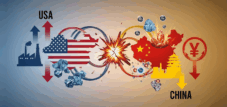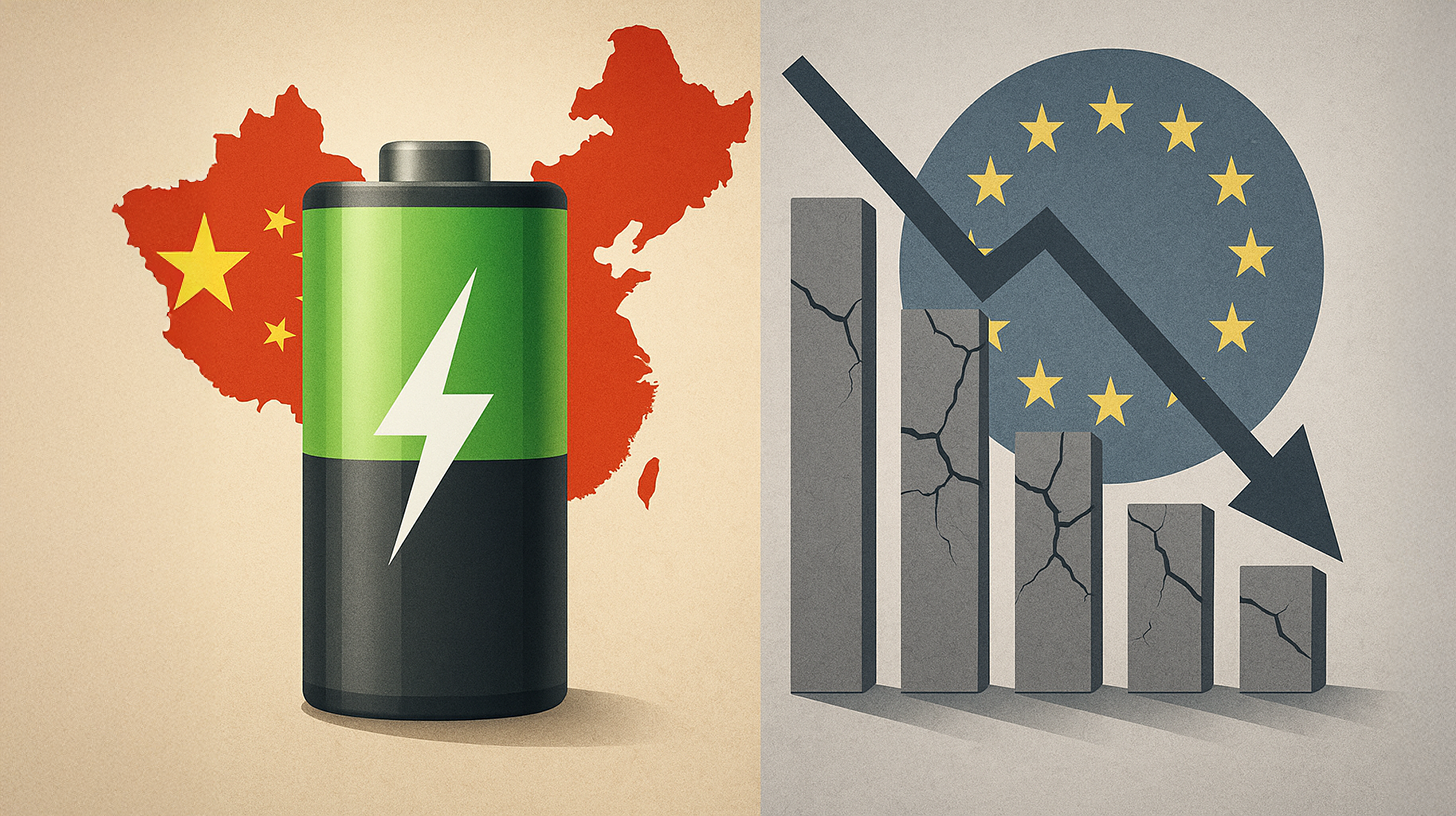
Chinas Strategie offenbart das Versagen westlicher Wirtschaftspolitik am Beispiel der Batteriespeicher – Bild: Xpert.Digital
Europas Batterie-Dilemma: Strategisches Versagen im Schatten chinesischer Dominanz
Diagnose einer Krise: Robin Zengs ungeschönte Kritik an Europas Batterieindustrie
Die Kritik des chinesischen Batterie-Weltmarktführers Robin Zeng an der europäischen Batterieindustrie trifft den Kern einer fundamentalen wirtschaftspolitischen Fehlentwicklung. Der Gründer und Vorstandsvorsitzende von Contemporary Amperex Technology Co. Limited, besser bekannt als CATL, hat in einem bemerkenswerten Interview mit dem norwegischen Hedgefonds-Manager Nicolai Tangen eine Diagnose gestellt, die weit über höfliche diplomatische Floskeln hinausgeht. Seine Aussage, die Europäer machten derzeit fast alle Fehler gleichzeitig, ist keine übertriebene Polemik, sondern vielmehr eine nüchterne Zustandsbeschreibung einer Industrie, die dabei ist, eine ihrer wichtigsten Zukunftstechnologien an außereuropäische Konkurrenten zu verlieren.
Zengs Kritik setzt an drei fundamentalen Punkten an. Erstens verfügten europäische Batteriehersteller über falsche Konstruktionskonzepte. Zweitens arbeiteten sie mit falschen Prozessen. Drittens käme falsche Ausrüstung zum Einsatz. Diese Trias der Mängel mache eine Fertigung in Großserien praktisch unmöglich. Sie sind nicht über Nacht entstanden, sondern das Resultat jahrelanger Vernachlässigung einer Schlüsseltechnologie. Die Aussage Zengs, dass die Europäer alle Fehler gleichzeitig machen, ist eine harte, aber faire Diagnose. Falsche Konstruktionskonzepte deuten auf mangelnde technologische Kompetenz hin. Falsche Prozesse zeigen fehlendes Produktions-Know-how. Falsche Ausrüstung weist auf unzureichende Investitionen und mangelhafte Planung hin. Diese drei Defizite in Kombination machen eine wettbewerbsfähige Massenproduktion unmöglich.
Die erschreckende Realität: Chinas erdrückende Dominanz und Europas hohle Versprechen
Die Dimension dieses Problems lässt sich kaum überschätzen. CATL kontrolliert mit einem Marktanteil von etwa 38 Prozent mehr als ein Drittel des globalen Marktes für Elektrofahrzeugbatterien. Mit diesem beherrschenden Marktanteil ist das Unternehmen nahezu doppelt so groß wie der zweitgrößte Hersteller BYD, ebenfalls aus China, der auf etwa 18 Prozent kommt. Die südkoreanischen Hersteller, allen voran LG Energy Solution mit rund 10 Prozent, folgen mit deutlichem Abstand. Europa hingegen verfügt praktisch über keine nennenswerten eigenständigen Batteriehersteller von globalem Rang. Diese Marktstruktur ist nicht zufällig entstanden, sondern das Ergebnis gezielter industriepolitischer Entscheidungen, die in China bereits vor mehr als 15 Jahren getroffen wurden.
Die Konsequenz dieser strukturellen Defizite zeigt sich in der ernüchternden Realität der europäischen Batterieproduktion. Während für das Jahr 2030 ursprünglich Produktionskapazitäten von 2000 Gigawattstunden angekündigt wurden, liegt die realistische Einschätzung des Fraunhofer-Instituts für System- und Innovationsforschung bei lediglich 800 bis 1100 Gigawattstunden. Der Bedarf wird im gleichen Zeitraum auf 800 bis 1300 Gigawattstunden geschätzt. Im Jahr 2024 erreichte Europa gerade einmal eine Produktionskapazität von etwa 124 Gigawattstunden.
Diese Zahlen illustrieren eine fundamentale Diskrepanz zwischen Anspruch und Wirklichkeit. Von den angekündigten Projekten sind bereits 700 Gigawattstunden an Kapazität gescheitert oder erheblich verzögert, ein Drittel davon allein in Deutschland. Das schwedische Unternehmen Northvolt, einst als europäischer Hoffnungsträger gefeiert und mit 600 Millionen Euro deutscher Fördergelder unterstützt, meldete im März 2025 Insolvenz an. Die Schulden des Unternehmens beliefen sich auf etwa neun Milliarden US-Dollar. Dieser Zusammenbruch war kein plötzliches Ereignis, sondern das Resultat einer Kette von Produktionsproblemen, Qualitätsmängeln und Lieferverzögerungen, die letztlich das Vertrauen der Investoren erschütterten.
Die Insolvenz von Northvolt symbolisiert ein größeres Problem. Europäische Akteure haben es nicht geschafft, die technologische Lücke zu asiatischen Herstellern zu schließen. Experten schätzen den Vorsprung chinesischer und südkoreanischer Batteriehersteller auf 15 bis 20 Jahre. Dieser Rückstand ist nicht primär eine Frage technologischer Brillanz, sondern vor allem eine Konsequenz unterschiedlicher industriepolitischer Prioritäten und Investitionszyklen. China hat die strategische Bedeutung der Batterietechnologie für die Energiewende und die Elektromobilität frühzeitig erkannt und systematisch in den Aufbau einer kompletten Wertschöpfungskette investiert. Die Insolvenz von Northvolt ist symptomatisch für dieses Versagen. Das Unternehmen erhielt zwar staatliche Unterstützung und private Investitionen, doch die Rahmenbedingungen für eine erfolgreiche Skalierung waren nicht gegeben. Technologische Probleme hätten mit mehr Geduld, Expertise und finanziellen Ressourcen überwunden werden können. Stattdessen führte der Druck, schnell Ergebnisse zu liefern, kombiniert mit steigenden Kosten und schwacher Nachfrage, in die Insolvenz. Dieser Fall zeigt, dass punktuelle Förderung ohne ein kohärentes industriepolitisches Gesamtkonzept zum Scheitern verurteilt ist.
Die umkämpfte Lieferkette: Chinas strategische Kontrolle von Rohstoffen bis zur Zellfertigung
Die chinesische Dominanz erstreckt sich nicht nur auf die Batteriezellproduktion selbst, sondern umfasst die gesamte Lieferkette. China kontrolliert etwa 80 Prozent der weltweiten Produktion von Lithium-Ionen-Batterien. Bei Lithium-Eisenphosphat-Batterien, einer kostengünstigeren Chemievariante, liegt der chinesische Anteil bei über 98 Prozent. In der Rohstoffgewinnung und -verarbeitung ist die Position noch ausgeprägter. Chinesische Unternehmen kontrollieren 29 Prozent des weltweiten Lithium-Abbaus, obwohl die größten Vorkommen in Australien und Chile liegen. Bei der Raffination und Weiterverarbeitung steigt der chinesische Anteil dramatisch an. Europa besitzt hingegen praktisch keine nennenswerten Anteile an ausländischen Lithium-Vorkommen und ist zu fast 100 Prozent von Importen abhängig.
Diese strategische Abhängigkeit ist das Ergebnis bewusster politischer Entscheidungen. Die chinesische Regierung hat mit der Made in China 2025-Initiative einen umfassenden Plan zur Erlangung technologischer Führerschaft in Schlüsselindustrien vorgelegt. Die Batterieindustrie steht im Zentrum dieser Strategie. Die staatliche Unterstützung erfolgt auf mehreren Ebenen. Direkte Subventionen für Hersteller wie BYD stiegen von etwa 220 Millionen Euro im Jahr 2020 auf 2,1 Milliarden Euro im Jahr 2022. Diese Zahlen erfassen jedoch nur einen Bruchteil der tatsächlichen Unterstützung. Konservative Schätzungen beziffern die gesamten Industriesubventionen Chinas im Jahr 2019 auf etwa 221 Milliarden Euro, was 1,73 Prozent des Bruttoinlandsprodukts entspricht.
Mehr als 99 Prozent der börsennotierten Unternehmen in China erhielten im Jahr 2022 direkte staatliche Subventionen. Hinzu kommen vergünstigte Kredite staatlicher Banken, bevorzugter Zugang zu Rohstoffen, steuerliche Anreize und eine koordinierte öffentliche Beschaffungspolitik. China plant zudem, weitere 750 Millionen Euro in die Forschung und Entwicklung von Feststoffbatterien zu investieren, der nächsten Generation von Energiespeichern. Diese Summen stehen in krassem Gegensatz zu den europäischen Investitionen. Während China ein kohärentes und langfristig angelegtes Ökosystem schafft, reagiert Europa fragmentiert, kurzfristig und oft zu spät. Die chinesische Strategie basiert nicht nur auf staatlicher Förderung, sondern auch auf einem massiven Ausbau der Ausbildungskapazitäten. Universitäten wurden gezielt mit Ressourcen ausgestattet, Forschungszentren geschaffen und die Zusammenarbeit zwischen Wissenschaft und Industrie institutionalisiert.
Die Rohstoffabhängigkeit verschärft die Lage zusätzlich. Europa verfügt über keine nennenswerten eigenen Lithium-Vorkommen und ist praktisch vollständig auf Importe angewiesen. Während die USA und China durch den Erwerb von Minen und Raffinerien in Australien, Chile, Indonesien und der Demokratischen Republik Kongo ihre Kontrolle über die Lieferkette ausbauen, hinkt Europa hinterher. Der europäische Critical Raw Materials Act zielt zwar darauf ab, bis 2030 mindestens 10 Prozent der strategischen Rohstoffe im eigenen Land zu gewinnen und 40 Prozent zu verarbeiten, doch der Weg dorthin ist steinig.
Neu: Patent aus den USA – Solarparks bis zu 30 % günstiger und 40 % schneller und einfacher installieren – mit Erklärvideos!
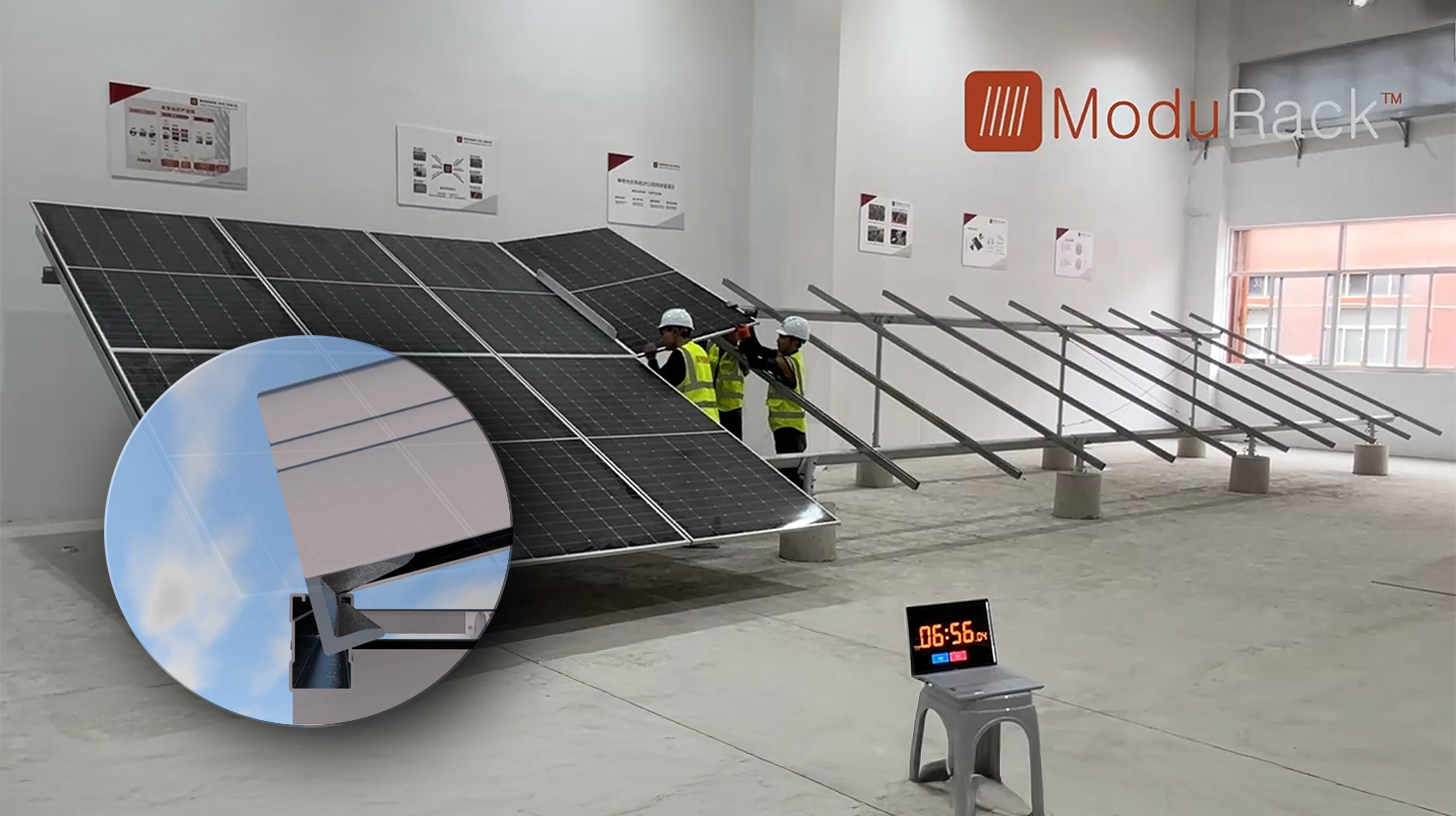
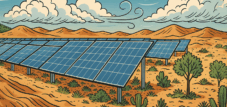
Neu: Patent aus den USA – Solarparks bis zu 30 % günstiger und 40 % schneller und einfacher installieren – mit Erklärvideos! - Bild: Xpert.Digital
Das Herzstück dieser technologischen Weiterentwicklung ist die bewusste Abkehr von der konventionellen Klemmenbefestigung, die seit Jahrzehnten den Standard darstellt. Das neue und zeit- wie kostengünstigere Montagesystem begegnet dieses mit einem grundlegend anderen, intelligenteren Konzept. Anstatt die Module punktuell zu klemmen, werden sie in eine durchgehende, speziell geformte Trägerschiene eingelegt und dort sicher gehalten. Diese Konstruktion sorgt dafür, dass alle auftretenden Kräfte – seien es statische Lasten durch Schnee oder dynamische Lasten durch Wind – gleichmäßig über die gesamte Länge des Modulrahmens verteilt werden.
Mehr dazu hier:
Warum Europas Batterieindustrie gegen USA und China chancenlos ist – Wie Europa seine Batteriehoheit noch zurückerobern kann
Europäische Achillesfersen: Hohe Kosten, Fachkräftemangel und die US-Konkurrenz
Die strukturellen Wettbewerbsnachteile Europas gehen jedoch über die Höhe der Subventionen hinaus. Die Energiekosten spielen eine zentrale Rolle. Nach der Einführung des US-amerikanischen Inflation Reduction Act im August 2022 lag der durchschnittliche Preis für Batteriepakete in Europa bereits etwa acht Prozent höher als in den USA und 33 Prozent höher als in China. Die Energiekrise infolge des Ukraine-Kriegs verschärfte diese Situation dramatisch. Die Batteriepreise in der EU stiegen um weitere 10 bis 12 Prozent, während die USA durch massive Steuererleichterungen und Subventionen die Kosten auf chinesisches Niveau senken konnten. Der resultierende Preisunterschied von etwa 40 Prozent macht eine wettbewerbsfähige Produktion in Europa nahezu unmöglich.
Der Inflation Reduction Act der USA mit einem Volumen von etwa 135 Milliarden US-Dollar für Elektrofahrzeuge, kritische Mineralien und Batterieproduktion hat die globale Wettbewerbssituation fundamental verändert. Das Gesetz bindet Steuererleichterungen und Subventionen an lokale Produktion und Lieferketten. So müssen beispielsweise 40 Prozent der Batteriemineralien aus den USA stammen oder aus Ländern mit Freihandelsabkommen. Die Hälfte aller Batteriekomponenten muss in Nordamerika gefertigt werden. Diese protektionistischen Maßnahmen haben bereits konkrete Auswirkungen auf Europa gezeigt. Tesla verlagerte seine geplante Batteriezellproduktion aus Grünheide in Brandenburg in die USA. Ursprünglich sollte am deutschen Standort eine Spitzenkapazität von über 50 Gigawattstunden pro Jahr entstehen. Diese Pläne wurden 2023 aufgrund der attraktiveren steuerlichen Rahmenbedingungen in den USA aufgegeben.
Ein zentraler Punkt in Zengs Kritik betrifft das europäische Bildungssystem. Seine Aussage, dass Europa nicht genug kreative Fachkräfte im Bereich der Elektrochemie ausbildet, trifft einen neuralgischen Punkt. Die Zahl der Studienanfänger in Elektrotechnik und verwandten MINT-Fächern sinkt in Deutschland seit Jahren. Gleichzeitig erreichen die geburtenstarken Jahrgänge das Rentenalter, was den Fachkräftemangel verschärft. Viele Studierende wenden sich von technischen Studiengängen ab, weil sie in anderen Bereichen wie den Finanzwissenschaften schnellere Karrieren und höhere Einkommen erwarten. Diese Entwicklung ist besonders problematisch, weil Batterietechnologie ein hochspezialisiertes Feld ist, das jahrelange Ausbildung und praktische Erfahrung erfordert. CATL beschäftigt allein etwa 20.000 Experten in Forschung und Entwicklung. Diese Zahl übersteigt die gesamte akademische Kapazität vieler europäischer Länder in diesem Bereich. Zeng hatte bereits vor mehr als einem Jahrzehnt der damaligen Bundeskanzlerin Angela Merkel geraten, in die Ausbildung von Elektrochemie-Studenten zu investieren. Diese Empfehlung verhallte weitgehend ungehört.
Die Reaktion Europas auf diese Herausforderungen blieb bislang unzureichend. Zwar wurden verschiedene Förderinstrumente geschaffen, doch die Umsetzung leidet unter bürokratischen Hürden, regulatorischer Unsicherheit und mangelnder Koordination zwischen den Mitgliedstaaten. Die europäische Batterieallianz EBA250 hat zwar ambitionierte Ziele formuliert, doch die praktische Umsetzung hinkt den Ankündigungen hinterher. Viele Projekte scheitern in der Finanzierungsphase, weil Investoren angesichts der globalen Wettbewerbsbedingungen das Risiko scheuen. Die hohen Kapitalkosten, steigende Baukosten und die Unsicherheit über zukünftige Nachfrage erschweren private Investitionen zusätzlich.
Die strategische Umarmung: CATLs Expansion und Europas Abhängigkeitsfalle
Die Konsequenzen dieser Versäumnisse zeigen sich heute in der Abhängigkeit europäischer Automobilhersteller von chinesischen Lieferanten. BMW arbeitet seit 2012 mit CATL zusammen. Mercedes-Benz und Volkswagen sind ebenfalls große Abnehmer. CATL hat seine Präsenz in Europa systematisch ausgebaut. Im thüringischen Arnstadt produziert das Unternehmen seit 2022 Batteriezellen mit einer Kapazität von 50 Gigawattstunden und beschäftigt 1700 Mitarbeiter. In Debrecen in Ungarn entsteht derzeit mit einer Investition von 7,3 Milliarden Euro eine Fabrik mit einer geplanten Kapazität von 100 Gigawattstunden, die etwa 9000 Arbeitsplätze schaffen soll. In Spanien plant CATL zusammen mit Stellantis ein weiteres Werk mit 50 Gigawattstunden Kapazität.
Diese Expansion chinesischer Hersteller nach Europa ist aus chinesischer Sicht eine logische Konsequenz. Einerseits umgeht sie potenzielle Handelshemmnisse und Zölle, andererseits positioniert sie sich nah an den wichtigsten Kunden. Aus europäischer Perspektive ist diese Entwicklung jedoch ambivalent. Zwar entstehen Arbeitsplätze und Wertschöpfung in Europa, doch die technologische Kontrolle und die Profite verbleiben weitgehend bei chinesischen Unternehmen. Die europäischen Autohersteller werden faktisch zu Monteuren, die die entscheidende Komponente ihrer Produkte von einem Lieferanten beziehen, der potenziell auch zum Konkurrenten werden könnte.
Diese Gefahr ist nicht hypothetisch. CATL entwickelt bereits eigene Plattformen für Elektrofahrzeuge, das CATL Intelligent Integrated Cockpit, das nicht nur die Batterie, sondern auch Kühl- und Bremssysteme, Antriebsstrangelemente und Federungssysteme umfasst. Damit tritt das Unternehmen in direkte Konkurrenz zu Plattformen wie dem modularen Elektrifizierungsbaukasten MEB von Volkswagen. Was heute als Lieferbeziehung beginnt, könnte sich morgen in einen Verdrängungswettbewerb verwandeln, bei dem die europäischen Hersteller strukturell im Nachteil sind.
Die Entwicklung bei Feststoffbatterien, die als nächste technologische Generation gelten, verstärkt diese Bedenken. China plant bis 2030 eine Produktionskapazität von 156 Gigawattstunden für diese Technologie. Die USA werden auf etwa 120 Gigawattstunden kommen, während Europa lediglich 33 Gigawattstunden erreichen dürfte. Die chinesische Regierung hat 2024 die China All-Solid-State Battery Collaborative Innovation Platform ins Leben gerufen, eine Allianz führender Batterie- und Autohersteller, um die Kommerzialisierung dieser Technologie systematisch voranzutreiben. Europäische Hersteller wie Mercedes-Benz und Stellantis versuchen durch Partnerschaften mit US-Startups wie Factorial Energy aufzuholen, doch der Rückstand bleibt erheblich.
Batterie-Abhängikeit: Wie Europa seine Industrie aufs Spiel setzt
Diese Konflikte zwischen wirtschaftlichen Notwendigkeiten und ökologischen sowie sozialen Bedenken sind charakteristisch für die europäische Situation. Während China pragmatisch Rohstoffprojekte durchsetzt und die USA durch Subventionen Anreize schaffen, kämpft Europa mit langwierigen Genehmigungsverfahren, strengen Umweltauflagen und einer skeptischen Öffentlichkeit. Diese Faktoren sind nicht per se negativ, sie erschweren jedoch den schnellen Aufbau eigener Kapazitäten in einem globalen Wettlauf, in dem Geschwindigkeit zunehmend entscheidend ist.
Die geopolitischen Dimensionen dieser Abhängigkeit sind erheblich. Die USA haben CATL 2025 auf eine schwarze Liste des Pentagons gesetzt und planen, ab 2027 den Kauf chinesischer Batterien durch staatliche Stellen generell zu untersagen. Europa bewegt sich in einem Spannungsfeld zwischen wirtschaftlicher Verflechtung mit China und sicherheitspolitischen Bedenken. Die Energiekrise hat gezeigt, wie verwundbar Volkswirtschaften werden, wenn sie von einzelnen Lieferanten abhängig sind. Bei Gas war es Russland, bei Batterien könnte es China werden. Ein hypothetischer Exportstopp oder eine politisch motivierte Verknappung könnte die europäische Automobilindustrie und die Energiewende in eine existenzielle Krise stürzen.
Die ökonomischen Kosten dieser Abhängigkeit sind bereits spürbar. Laut Berechnungen der Unternehmensberatung Deloitte stammten 2024 nur 13 Prozent der weltweit hergestellten Batterien aus europäischen Fabriken, davon wiederum 97 Prozent aus Zweigwerken chinesischer und südkoreanischer Hersteller. Lediglich ein europäischer Hersteller produzierte in begrenztem Umfang eigene Batterien. 70 Prozent der weltweiten Produktion entfielen auf China. Der Umsatz mit Elektrofahrzeugbatterien in Europa wird von 2024 bis 2030 voraussichtlich von etwa 16 auf 54 Milliarden Euro steigen. Dieser wachsende Markt wird jedoch weitgehend von außereuropäischen Akteuren kontrolliert werden, wenn sich die derzeitigen Trends fortsetzen.
Die Frage, die sich stellt, ist nicht, ob Europa eine eigene Batterieproduktion aufbauen sollte, sondern wie dies noch gelingen kann. Die bisherige Strategie, auf Marktkräfte und moderate Förderung zu setzen, hat sich als unzureichend erwiesen. Die Kombination aus hohen Energiekosten, niedrigeren Subventionen als in den USA oder China, bürokratischen Hürden und Fachkräftemangel macht Europa zu einem unattraktiven Standort für kapitalintensive Batterieproduktion. Ohne fundamentale Änderungen in der Industriepolitik wird Europa seine Abhängigkeit zementieren.
Weichenstellung für die Zukunft: Eine Strategie zur Rückgewinnung der Batteriehoheit
Eine erfolgreiche Strategie müsste mehrere Elemente umfassen. Erstens bedarf es massiver und langfristig gesicherter finanzieller Unterstützung, die mit amerikanischen und chinesischen Subventionen konkurrieren kann. Die europäischen Haushaltsregeln müssten gelockert werden, um strategische Investitionen zu ermöglichen. Zweitens muss die Bürokratie radikal vereinfacht und beschleunigt werden. Genehmigungsverfahren, die Jahre dauern, sind in einem dynamischen Technologiefeld nicht wettbewerbsfähig. Drittens sind Energiekosten zu senken, etwa durch gezielte Strompreissubventionen für energieintensive Industrien oder den beschleunigten Ausbau erneuerbarer Energien mit industrieller Priorität.
Schau mal, dieses kleine Detail erspart bis zu 40% Installationszeit und verursacht bis zu 30% weniger Kosten. Kommt aus den USA, ist patentiert.

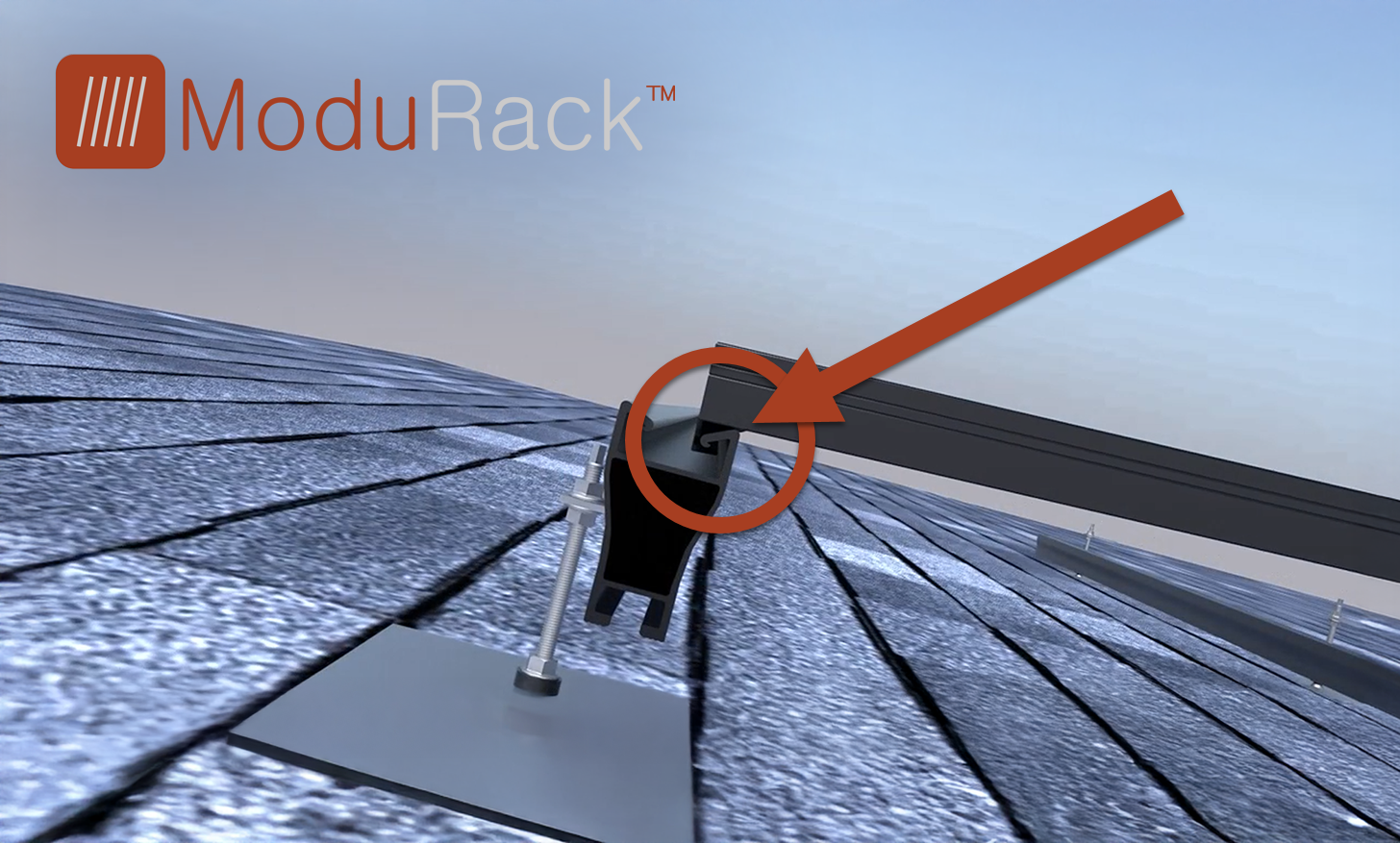
NEU: Montagefertige Solaranlagen! Diese patentierte Innovation beschleunigt Ihren Solarbau massiv
Das Herzstück der Innovation von ModuRack ist die Abkehr von der konventionellen Klemmenbefestigung. Anstelle von Klemmen werden die Module in eine durchgehende Trägerschiene eingelegt und gehalten.
Mehr dazu hier:
Ihr Partner für Business Development im Bereich Photovoltaik und Bau
Von Industriedach-PV über Solarparks bis hin zu größeren Solarparkplätzen
☑️ Unsere Geschäftssprache ist Englisch oder Deutsch
☑️ NEU: Schriftverkehr in Ihrer Landessprache!

Konrad Wolfenstein
Gerne stehe ich Ihnen und mein Team als persönlicher Berater zur Verfügung.
Sie können mit mir Kontakt aufnehmen, indem Sie hier das Kontaktformular ausfüllen oder rufen Sie mich einfach unter +49 7348 4088 965 an. Meine E-Mail Adresse lautet: wolfenstein∂xpert.digital
Ich freue mich auf unser gemeinsames Projekt.
☑️ EPC-Dienstleistungen (Engineering, Procurement and Construction)
☑️ Schlüsselfertige Projektentwicklung: Entwicklung der Solarenergieprojekte von Anfang bis Ende
☑️ Standortanalyse, Systemdesign, Installation, Inbetriebnahme sowie Wartung und Support
☑️ Projektfinanzierer bzw. Vermittlung von Kapitalgeber
Unsere China-Expertise in Business Development, Vertrieb und Marketing
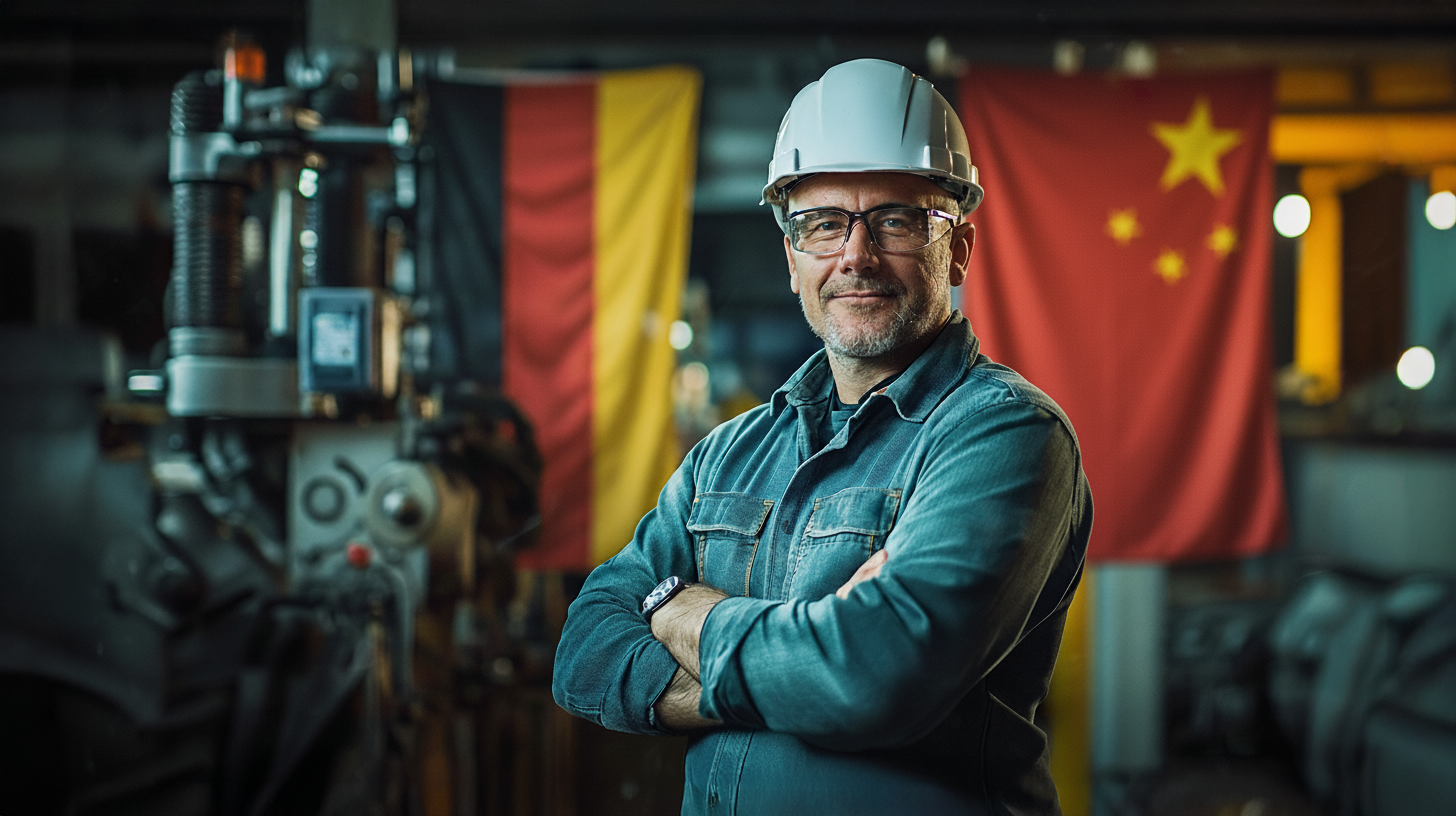
Unsere China-Expertise in Business Development, Vertrieb und Marketing - Bild: Xpert.Digital
Branchenschwerpunkte: B2B, Digitalisierung (von KI bis XR), Maschinenbau, Logistik, Erneuerbare Energien und Industrie
Mehr dazu hier:
Ein Themenhub mit Einblicken und Fachwissen:
- Wissensplattform rund um die globale wie regionale Wirtschaft, Innovation und branchenspezifische Trends
- Sammlung von Analysen, Impulsen und Hintergründen aus unseren Schwerpunktbereichen
- Ein Ort für Expertise und Informationen zu aktuellen Entwicklungen in Wirtschaft und Technologie
- Themenhub für Unternehmen, die sich zu Märkten, Digitalisierung und Brancheninnovationen informieren möchten