
Energy transition and solar energy 2.0: How Japan is setting standards with solar parks, photovoltaics on roofs and parking lots

Available in 27 languages 📢
Prefer Xpert.Digital on GoogleⓘPublished on: November 26, 2024 / Updated on: November 26, 2024 – Author: Konrad Wolfenstein
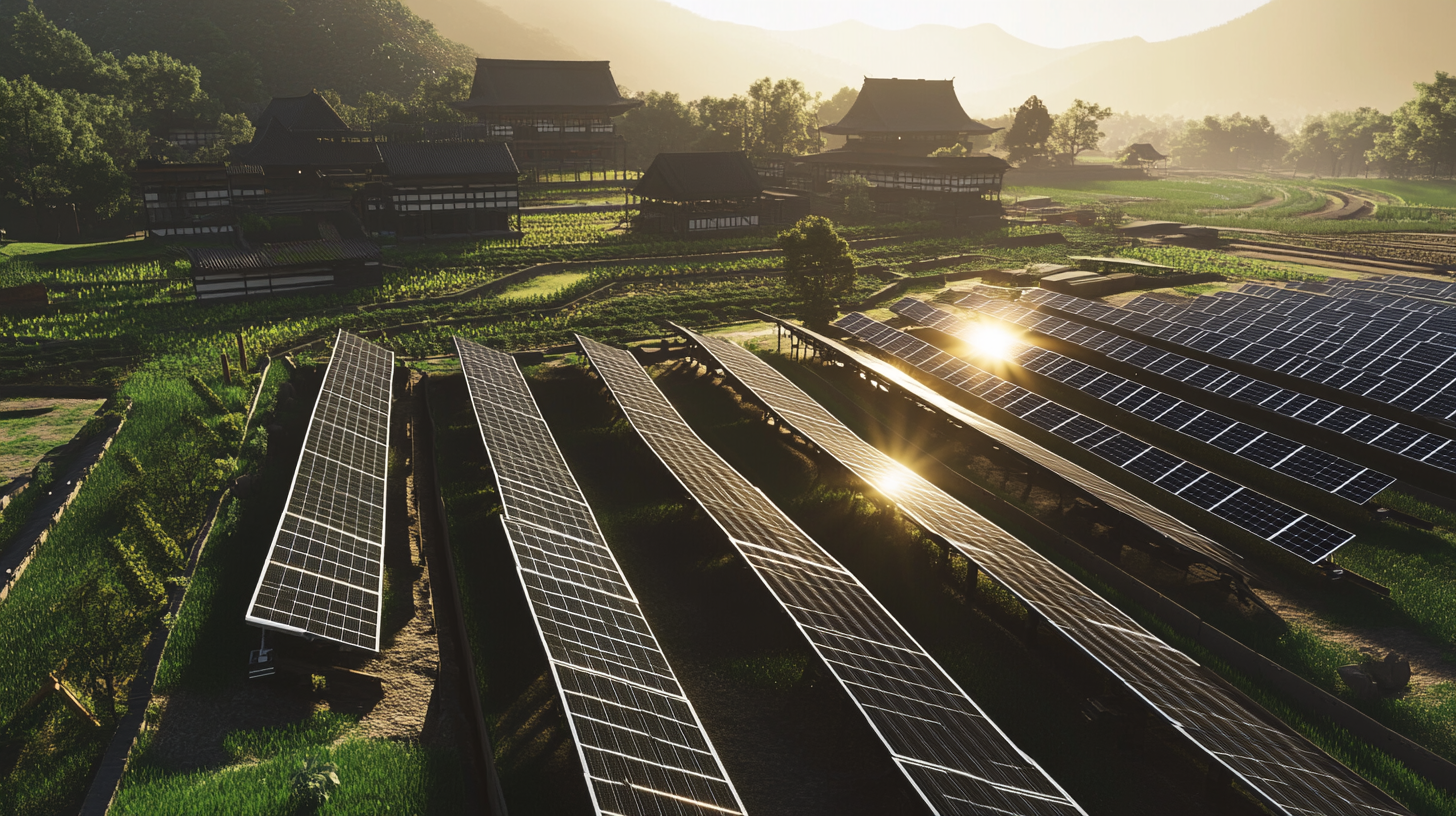
Status and development of PV systems in Japan. Especially in the areas of solar parks, solar parking lots, and rooftop PV systems – Image: Xpert.Digital
New paths in solar energy: Japan's successful concept for a green future
Progress and prospects of photovoltaic development in Japan
Japan has established itself as a leading player in the development and use of photovoltaic (PV) technologies over the past few decades. In particular, its innovative approaches to large-scale solar parks, solar carports, and rooftop PV systems in the residential and commercial sectors demonstrate how the country is addressing the challenges of limited land resources and high energy demand. This article provides a detailed analysis of the current state, developments, and future prospects of the Japanese PV market.
Large-scale solar parks: opportunities and challenges
With a cumulative PV capacity of approximately 90 GW by the end of 2023, Japan is among the global leaders in solar energy use. Annual capacity increases of around 6 GW underscore the market's dynamism. Nevertheless, large-scale solar parks face significant challenges:
Land scarcity and cost problems
The limited availability of land and the high construction and installation costs restrict the construction of new large-scale plants. Suitable space is particularly scarce and expensive in urban areas.
Zoning regulations and environmental requirements
Strict legal regulations make expansion difficult. Environmental aspects and the consideration of local interests must be taken into account when choosing a location.
Innovative solutions
To meet these challenges, Japan is increasingly focusing on agrivoltaics, the combination of agriculture and photovoltaics. This method enables the dual use of land by generating energy and providing agricultural yields.
A significant structural change is also evident in government support policies. The original feed-in tariff (FIT) system has been replaced for larger projects by a feed-in premium (FIP) system. This approach rewards operators who efficiently adjust their plants to market prices, while simultaneously promoting cost reduction and competitiveness.
Solar parking spaces or solar carports: Multifunctional energy sources
Solar carports are gaining popularity in Japan because they intelligently utilize existing infrastructure and offer numerous benefits. These systems combine renewable energy generation with additional features such as weather protection and a reduction in urban heat island effect.
Growing popularity
- Large retail chains like Aeon Mall are pushing ahead with the installation of solar carports. By 2025, the company plans to equip more than 50 locations with a total capacity of 15 MW.
- Municipalities and private companies are also recognizing the benefits of these systems and are increasingly investing in solar carport projects.
Challenges and opportunities
Although installation costs are higher than for rooftop PV systems, solar carports are becoming increasingly competitive. This is due to economies of scale, technological advancements, and their suitability for urban areas with limited space. The integration of charging infrastructure for electric vehicles (EVs) makes these systems particularly future-proof and attractive.
Rooftop PV systems: Decentralized energy supply in focus
Residential sector: Solar energy for households
Given limited land space, Japan is increasingly relying on rooftop PV systems, which accounted for almost half of the total installed PV capacity by the end of 2023. Around 20% of this segment was attributable to residential buildings.
Government funding
From 2025, solar panels will be mandatory on new buildings in Tokyo, a model that may be extended to other prefectures. Subsidies and attractive feed-in tariffs (16 JPY/kWh in 2024) offer additional incentives for private households.
Cost reduction
Prices for residential solar power systems have fallen sharply in recent years. In 2021, the average cost for systems under 10 kW was 220 JPY/W, making them more affordable for households.
Storage solutions
Integrating battery storage systems allows households to use excess energy efficiently and become more independent from the power grid. This technology is particularly valued in a time when power outages due to natural disasters are not uncommon.
Commercial and industrial installations
Commercial PV systems dominate the rooftop segment, accounting for around 80% of installed capacity. These systems are particularly attractive for companies that can reduce their energy costs through self-consumption models.
Regulatory incentives
FIT rates between 10 and 12 JPY/kWh, depending on the system size, as well as the exemption of smaller plants from tendering procedures, promote expansion.
Efficiency gains
Modern technologies enable higher energy yields and lower maintenance costs, further increasing the economic efficiency of these systems.
Future trends and innovative solutions
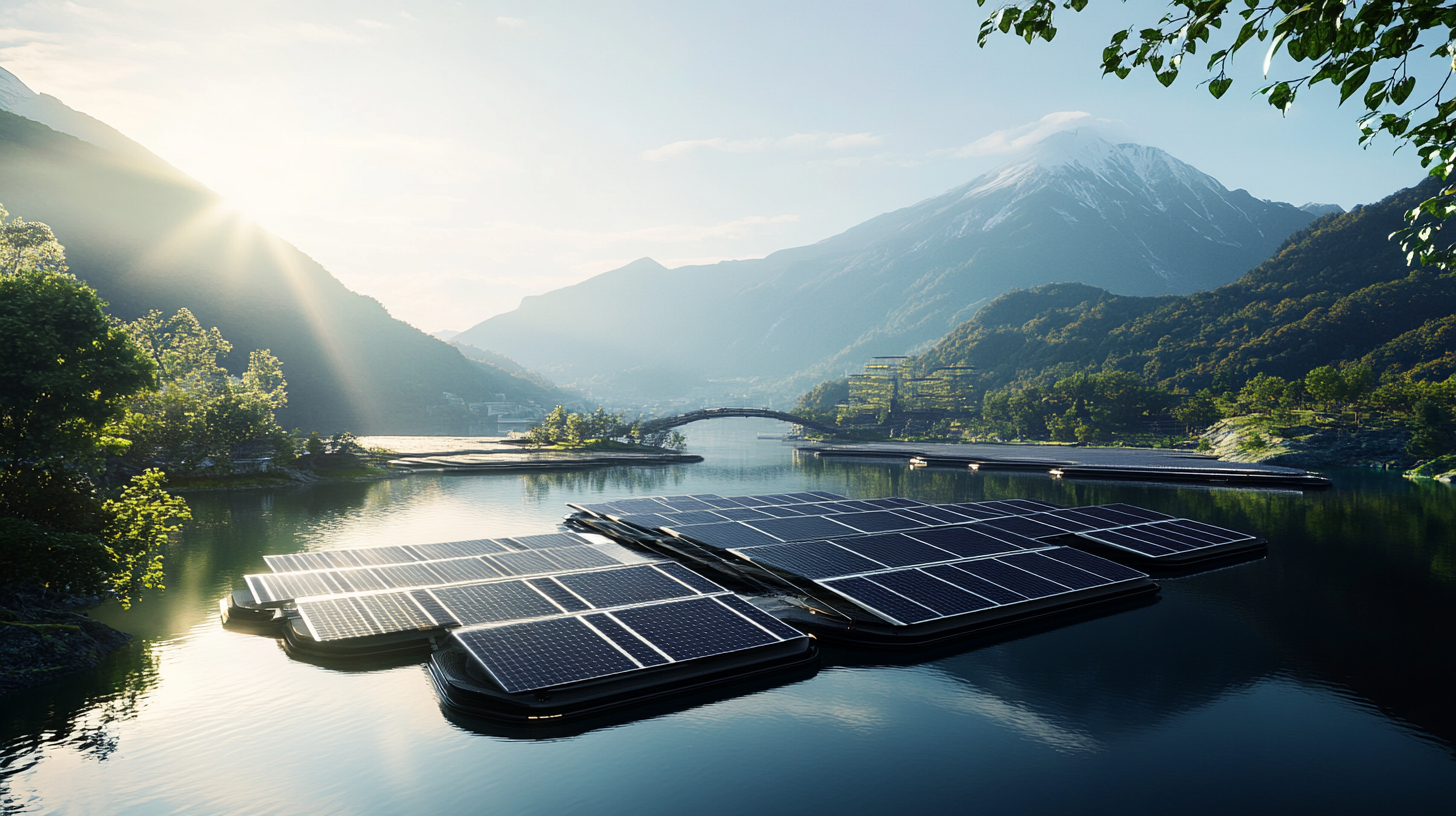
Floating PV systems: An answer to land scarcity – Image: Xpert.Digital
New technologies and approaches
In addition to traditional PV applications, Japan is increasingly focusing on innovative solutions to optimize land use and promote the integration of renewable energies:
Floating photovoltaics
Photovoltaic systems installed on reservoirs and bodies of water offer a promising alternative to land-based systems. They minimize the land requirement and simultaneously contribute to cooling the modules, thus increasing efficiency.
Grid capacity and curtailment
In 2023, curtailments of renewable energy due to grid congestion occurred five times more frequently than in previous years. The government is working to improve the grid infrastructure to resolve these issues and further increase the share of renewable energy.
Long-term goals
Japan has set ambitious targets to achieve its climate neutrality goals. By 2030, its cumulative PV capacity is to increase to 125–154 GW. This will require annual installation rates of 8–14 GW, which is to be achieved through a combination of rooftop PV systems, solar carports, and large-scale projects.
Corporate Power Purchase Agreements (PPAs)
Power purchase agreements (PPAs) are becoming increasingly important as companies seek long-term solutions to improve their carbon footprint and secure stable energy prices. These agreements promote the expansion of commercial PV installations and strengthen demand for renewable energy.
A combination of political will, technological innovation, and social commitment
The Japanese PV market is undergoing profound change. From large-scale solar parks to decentralized solutions such as rooftop systems and multifunctional applications like solar carports, there is a clear trend toward a more flexible and efficient energy supply. Supported by government incentives and innovative technologies, Japan is overcoming the challenges of its geographical conditions and setting new standards in the use of renewable energies.
With a combination of political will, technological innovation, and societal commitment, Japan is at the forefront of the global energy transition. This path not only demonstrates how renewable energies can be used effectively but also serves as inspiration and a model for other countries seeking to reduce their dependence on fossil fuels.
📣 Similar topics
- 📷 Progress through the sun: Japan's pioneering role in photovoltaics
- 🌏 Japan and the energy transition: PV innovations in focus
- 🏙️ Solutions for cities: Solar carports and rooftop PV in Japan
- 🌱 Agrivoltaics: Agriculture meets solar energy
- 🌊 Floating PV systems: An answer to land scarcity
- ⚡ Energy transition reimagined: From FIT to FIP policy in Japan
- 🏠 Rooftop PV in Japan: A success story from residential to commercial applications
- 🚗 Solar power for electric cars: Carports as a multifunctional energy solution
- 🔋 From battery to grid: Future technologies for Japan's PV market
- 🌅 Achieving climate goals: Japan's path to 154 GW of PV capacity by 2030
#️⃣ Hashtags: #Photovoltaics #Japan #EnergyTransition #SolarInnovation #ClimateNeutrality
Our recommendation: 🌍 Limitless reach 🔗 Networked 🌐 Multilingual 💪 Strong sales: 💡 Authentic with strategy 🚀 Innovation meets 🧠 Intuition

From local to global: SMEs conquer the global market with clever strategies - Image: Xpert.Digital
At a time when a company's digital presence determines its success, the challenge is how to make this presence authentic, individual and far-reaching. Xpert.Digital offers an innovative solution that positions itself as an intersection between an industry hub, a blog and a brand ambassador. It combines the advantages of communication and sales channels in a single platform and enables publication in 18 different languages. The cooperation with partner portals and the possibility of publishing articles on Google News and a press distribution list with around 8,000 journalists and readers maximize the reach and visibility of the content. This represents an essential factor in external sales & marketing (SMarketing).
More about it here:
We are there for you - advice - planning - implementation - project management
☑️ SME support in strategy, consulting, planning and implementation
☑️ Creation or realignment of the digital strategy and digitalization
☑️ Expansion and optimization of international sales processes
☑️ Global & Digital B2B trading platforms
☑️ Pioneer Business Development

Konrad Wolfenstein
I would be happy to serve as your personal advisor.
You can contact me by filling out the contact form below or simply call me on +49 7348 4088 965 (Munich) .
I'm looking forward to our joint project.
Write to me

Xpert.Digital - Konrad Wolfenstein
Xpert.Digital is a hub for industry with a focus on digitalization, mechanical engineering, logistics/intralogistics and photovoltaics.
With our 360° business development solution, we support well-known companies from new business to after sales.
Market intelligence, smarketing, marketing automation, content development, PR, mail campaigns, personalized social media and lead nurturing are part of our digital tools.
You can find out more at: www.xpert.digital - www.xpert.solar - www.xpert.plus
Keep in touch







