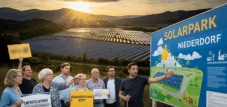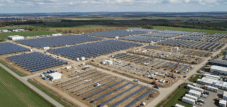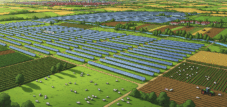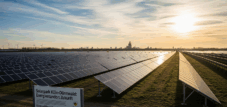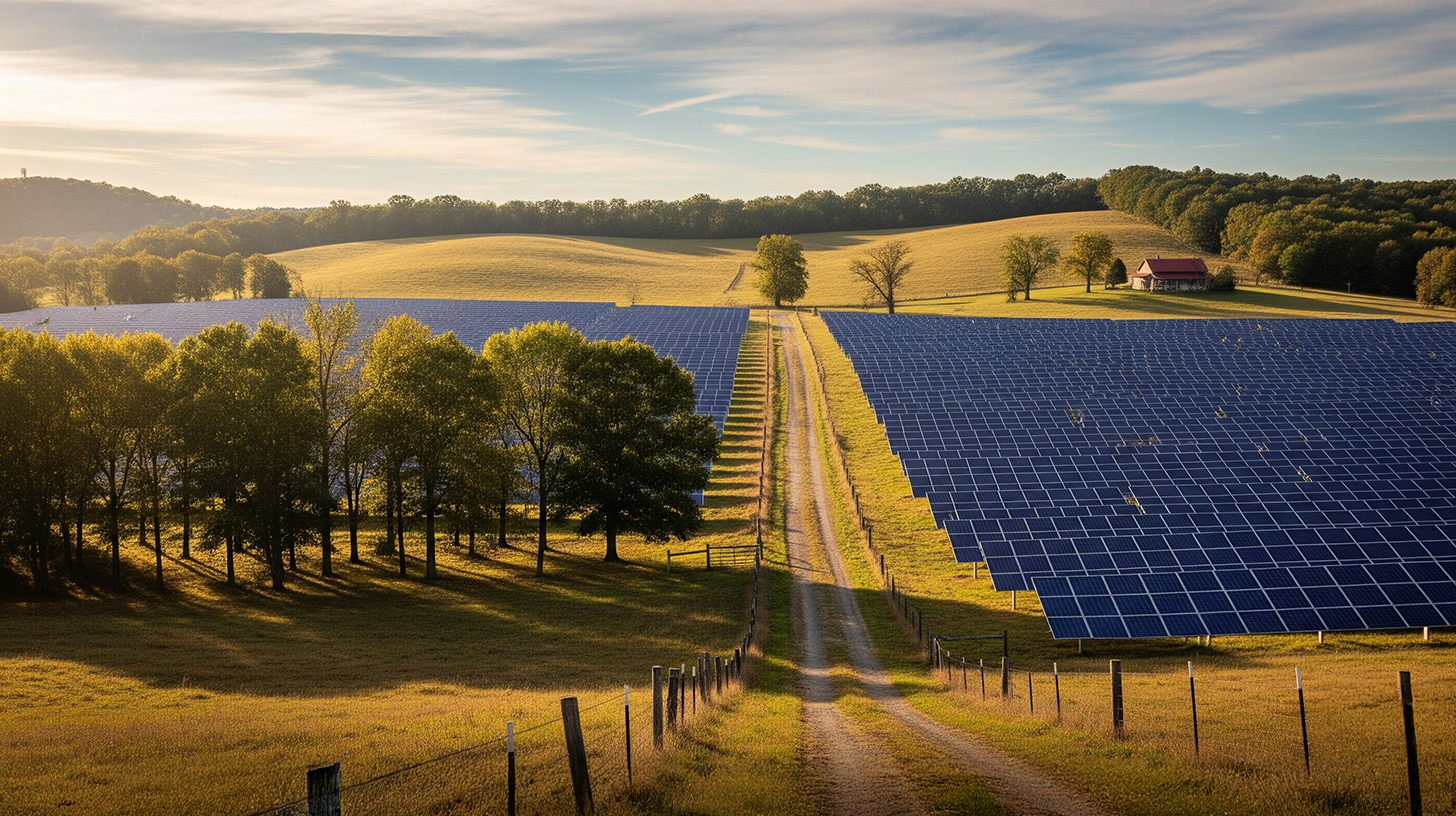
USA/Illinois | Solar farm on Ghost Hollow Road receives approval from the Adams County Board – Creative image: Xpert.Digital
From no to yes: Controversial solar farm forces a policy reversal – The Ghost Hollow project
### “Target on our backs”: Why a rural community is fighting against a solar park – and still losing ### Solar power from Ghost Street: This project divided an entire region – now it's happening after all ### Successful neighborhood protest: How residents forced a solar park developer to reconsider ### Dispute over solar energy: Is the deal really worth it for rural communities? ### First rejected, then approved: A case that shows how the energy transition is changing the country ###
From protest to compromise: Special permit for solar farm – turning point for rural energy policy
After intense debate and initial resistance, the Adams County Board in Illinois has granted a special permit for a controversial solar project on Ghost Hollow Road. This decision marks a significant turning point in local energy policy and highlights the complex challenges rural communities face in implementing renewable energy projects.
The project by Pivot Energy
The solar project developed by Pivot Energy comprises a 3.4-megawatt facility to be built on a site in Melrose Township. Pivot Energy is a leading independent renewable energy power producer based in Colorado, specializing in the development, financing, construction, and operation of solar projects. Founded in 2009, the company has established itself as one of the largest developers of community solar power plants in Colorado.
The company's original plans called for the solar farm to be built just 150 feet from neighboring residential properties. However, after protests from residents and discussions with board members, Pivot Energy agreed to double that distance to 300 feet. Additionally, the company committed to not cutting down an existing row of trees behind the property to minimize the visual impact on the neighborhood.
Brittney Kresbach, lead developer at Pivot Energy, emphasized the benefits of the project for Adams County after its approval. The Ghost Hollow Solar Project will provide locally produced, reliable renewable energy, increase tax revenue, and attract investment to the community. Furthermore, the solar project is being developed with a design that addresses the concerns of local residents.
Decision-making process
The path to approval was fraught with considerable political tension. Initially, the Adams County Board rejected the project in July 2025 by a vote of 12 to 8. This decision came as a surprise, as the company met all state requirements and should normally have received approval under Illinois state law.
Act PA 102-1123, signed by Governor JB Pritzker in 2023, restricts the authority of counties to enact local ordinances prohibiting wind and solar projects. This law was intended to ensure that qualified renewable energy projects are approved if they meet state regulations. Adams County Attorney Todd Eyler had explicitly instructed county board members that they were obligated to comply with the state law.
Following the initial rejection, Pivot Energy threatened legal action. The company argued that there were no concrete reasons for the rejection and that the board members were on shaky legal ground. As a result, the meeting was not adjourned but merely suspended to allow for negotiations with external lawyers and to give the board the opportunity to reconsider its decision.
In the continuation of the meeting in August 2025, 17 board members ultimately voted in favor of the project, while 4 voted against it. This clear majority reflected both the legal constraints and Pivot Energy's willingness to compromise on the planning changes.
State regulation and local autonomy
The Ghost Hollow project highlights the tensions between state energy policy and local autonomy. Illinois is among the states that provide automatic preemption of local permitting processes for certain renewable energy projects. While many states have varying thresholds—from 15 kW in Vermont to 300 MW in New Mexico—Illinois has established relatively low barriers to state takeover of permitting processes.
Keith Callaway, a board member from the first district, expressed his frustration with this restriction of local autonomy. He stated that the board appreciated Pivot Energy's changes, as the company was complying with state law. However, what he and the board objected to was the law itself, which severely limited their decision-making power.
The situation is exacerbated by the feeling that rural areas are disproportionately affected by solar projects, while urban areas like Chicago are virtually spared. Callaway put it this way: "It's almost as if we have a target on our backs," as Adams County is particularly attractive to solar developers due to the lack of strict zoning laws.
Economic impact on the region
Despite the controversies, solar projects bring significant economic benefits to rural communities. Studies show that wind and solar projects in Illinois have generated over $478 million in property taxes since 2003, with over $59.1 million coming in in 2022 alone. These revenues primarily benefit school districts, county governments, community colleges, and fire departments.
Property tax revenues are particularly important for rural communities, as they represent a stable, long-term source of funding. Unlike agricultural yields, which depend on weather conditions and market prices, solar projects offer predictable annual payments over their entire operating life, typically 25 to 30 years.
Landowners in Illinois who lease their land for solar projects receive an average of $1,150 per acre, compared to only $269 per acre for traditional agricultural leases. These significantly higher lease payments allow farmers to diversify their income sources and protect themselves against the risks of farming.
During the construction phase, solar projects create hundreds of well-paid local jobs. Additionally, local businesses, particularly in the transportation sector, benefit from the concrete construction and electrical services. The service sector also experiences a boost due to the increased activity in the region during project development.
Technical aspects and environmental compatibility
Modern solar projects are designed to minimize environmental impact while ensuring maximum energy efficiency. The Ghost Hollow project is not expected to have any measurable impact beyond the property lines. Solar panels produce neither odor nor noise nor light pollution. The noise level of a well-designed solar panel typically does not exceed 45 decibels at the fence, which is comparable to the hum of a refrigerator and thus significantly quieter than normal conversation.
The visual impact, often the primary concern of local residents, is minimized through setback regulations and landscaping. While the originally planned 150-foot distance was considered insufficient, the agreed-upon 300 feet provides a significantly better buffer zone. This also aligns with the recommendations of land-use experts, who consider distances of 200 to 400 feet sufficient to reduce visual intrusion.
Regarding long-term environmental impacts, studies show that solar power plants do not cause lasting damage to the soil. Fears of soil contamination are largely unfounded, as modern solar modules are designed not to release harmful substances unless they are physically damaged. In fact, using solar power plants can give the soil a break from intensive agricultural use and contribute to soil regeneration.
New: Patent from the USA – install solar parks up to 30% cheaper and 40% faster and easier – with explanatory videos!

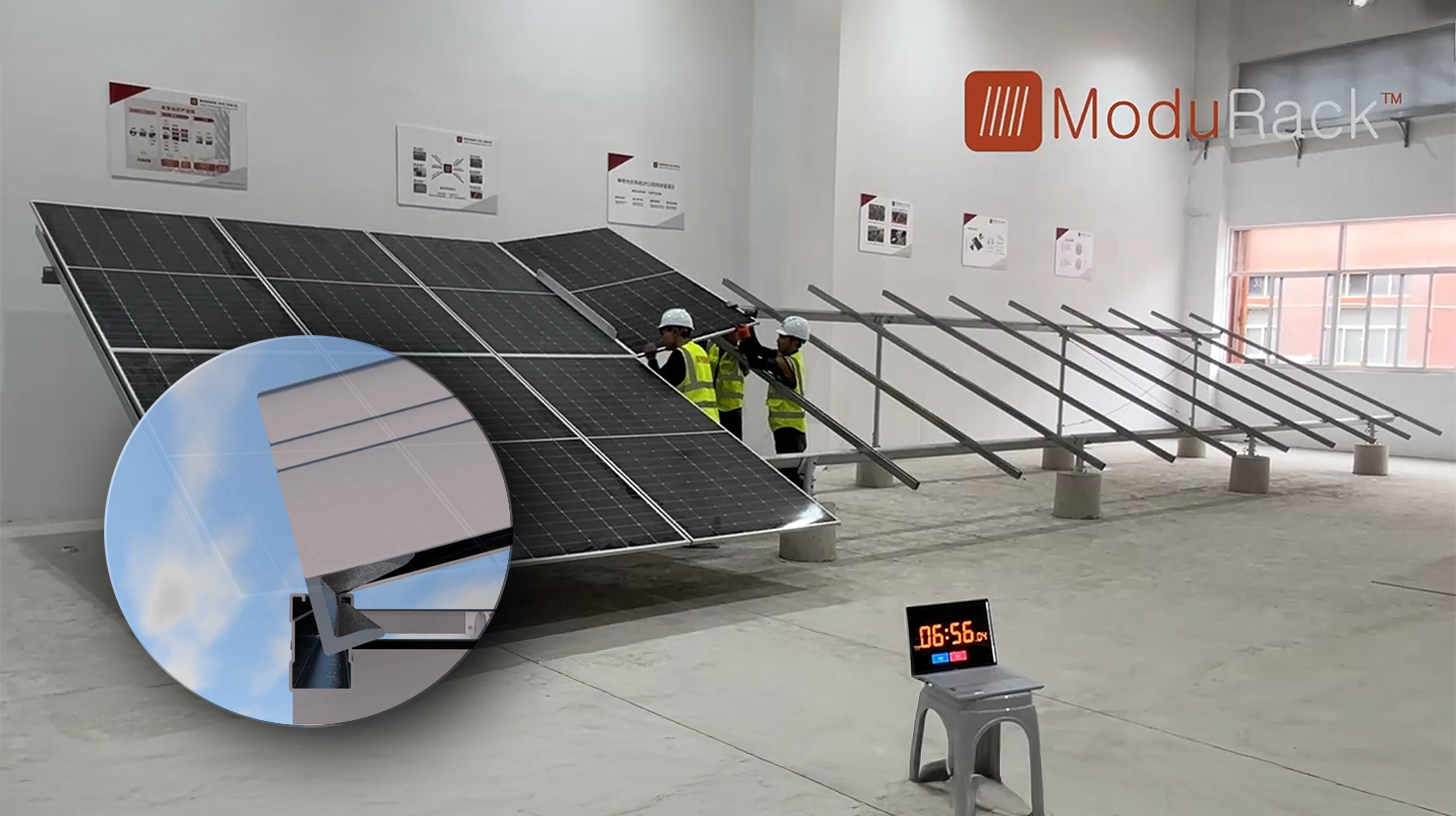
New: Patent from the USA – Install solar parks up to 30% cheaper and 40% faster and easier – with explanatory videos! - Image: Xpert.Digital
The core of this technological advancement is the deliberate departure from conventional clamp mounting, which has been the standard for decades. The new, more time- and cost-effective mounting system addresses this with a fundamentally different, more intelligent concept. Instead of clamping the modules at specific points, they are inserted into a continuous, specially shaped support rail and held securely in place. This design ensures that all forces – whether static loads from snow or dynamic loads from wind – are distributed evenly across the entire length of the module frame.
More information here:
Ghost Hollow: How compromises make rural solar projects possible
Challenges of location acceptance
Gaining acceptance for solar projects in rural communities remains a complex challenge. Residents are primarily concerned about three aspects: the impact on property values, the aesthetic changes to the landscape, and potential health risks.
Studies on the impact on property values show mixed results, with most well-planned projects with adequate buffer zones experiencing no significant negative effects. Conversely, the increased tax revenue from solar projects can improve local infrastructure and services, which can have a positive impact on the entire community.
The World Health Organization has stated that there is no significant research evidence to suggest that living near a solar power plant is harmful due to electromagnetic fields. Nevertheless, safety guidelines generally recommend minimum distances of 500 meters from large solar power plants and 200 meters from smaller ones.
The aesthetic concerns are subjective, but nonetheless real for the affected communities. Modern landscaping and strategic placement can significantly mitigate these concerns. Many developers now opt for extensive greening with native plants, which not only reduces the visual impact but also creates habitats for pollinators.
End of operating time and recycling
An important aspect often overlooked in discussions is the management of solar power systems at the end of their operational life. Modern solar modules have a lifespan of 25 to 30 years, with their efficiency decreasing by only about 6 to 8 percent over this period. After this time, however, the systems must be dismantled and properly disposed of.
The recycling industry for solar modules is developing rapidly. Up to 95 percent of the glass and all external metal parts can be reused. Silicon-based solar cells achieve a recycling rate of 85 percent for the silicon material, while the remaining materials can be used as a heat source for further thermal processing.
The International Renewable Energy Agency estimates that the technical potential of materials recovered from discarded solar modules could exceed $15 billion by 2050. These materials could be used to manufacture 2 billion new modules or sold on global commodity markets, thus increasing security of supply for future solar projects.
Pivot Energy and other reputable developers are required to submit decommissioning plans that outline how the facility will be safely removed and the site restored at the end of its operational life. These plans often include financial guarantees for cleanup costs and ensure that landowners are not burdened with decommissioning expenses.
Comparison with other projects
The Ghost Hollow project is not an isolated case, but rather part of a broader trend in solar development in Adams County. Just two months before the initial rejection of the Ghost Hollow project, the same board had approved a similarly controversial solar project in Ursa. Green Key Solar's Ursa project comprises a 4-megawatt facility on 27 acres and faced similar opposition from local residents.
The difference in how the two projects were handled highlights the uncertainty and learning process of local authorities in dealing with renewable energy projects. While the Ursa project was approved by an 11-to-8 majority, with several board members stating they voted under duress, the approval of the Ghost Hollow project was the result of a lengthy negotiation process involving substantial compromises.
Keith Callaway, who voted against both projects, explained his decision by saying that he represents the community and is doing what he believes is best for the people who elected him. His position reflects the tension between state mandates and local democratic responsibility.
Future prospects for renewable energies in Illinois
The Ghost Hollow project is symptomatic of larger trends in the American energy landscape. Illinois has set ambitious renewable energy targets, enshrined in the Climate and Equitable Jobs Act of 2021. To achieve these targets, the state will need significantly more solar projects, inevitably leading to further conflicts between state policy and local preferences.
The challenge lies in striking a balance between the urgent need for clean energy and the legitimate concerns of rural communities. The Ghost Hollow project demonstrates that compromises are possible when developers are willing to address community concerns and implement additional safeguards.
Other states are closely watching developments in Illinois, as similar conflicts between state preemption and local control are occurring throughout the nation. The experience in Adams County could serve as a model for other rural communities facing similar challenges.
Technological innovations and agrivoltaics
A promising approach to resolving land-use conflicts is the development of agrivoltaic systems that combine solar energy and agriculture on the same land. Pivot Energy has established itself as one of the leading national developers of agrivoltaic projects. These systems make it possible to continue growing crops or raising livestock beneath the solar panels.
Agrivoltaics offers several advantages: The solar panels provide shade, which helps conserve water, while simultaneously creating an additional source of income. Often, such projects involve growing pollinator-friendly plants, vegetables like lettuce and spinach, or even grasses for sheep grazing, thus keeping the land productive for both food and energy.
These innovative approaches could help reduce opposition to solar projects by demonstrating that renewable energy and traditional land use can coexist. Farmers can benefit from reduced energy costs while simultaneously generating additional income from solar energy production.
Political and legal developments
The legal framework for solar projects is evolving. Some board members in Adams County mentioned a bill proposed by Senator Jil Tracy that could change regulations for solar installations. Such legislative changes could give local governments more control over solar projects, but the development of such legislation is often lengthy and uncertain.
The legal landscape is further influenced by nationwide political changes. While current laws strongly promote renewable energies, future political developments could affect this support. Nevertheless, market trends show that demand for clean energy continues to grow, regardless of short-term political fluctuations.
Community solar programs as an alternative
An interesting development in the solar industry is community solar programs, which allow residents to benefit from solar energy without having to install their own systems. Adams County has already gained experience with such programs, including a partnership with other local governments to implement a solar group purchasing program.
These programs can help increase acceptance of larger solar projects by demonstrating the direct benefits for local residents. When people personally benefit from reduced electricity bills through solar energy, they are often less opposed to local solar projects.
Pivot Energy is a leader in the development of community solar projects and has completed or is developing over 380 such projects. The company uses proprietary software called SunCentral, which offers subscribers user-friendly features such as seamless bill payments, energy production monitoring, and downloadable financial reports.
The approval of the Ghost Hollow solar project marks a significant milestone in the development of renewable energy in rural Illinois. Although the path to approval was fraught with controversy and political tension, the end result demonstrates that compromises between developers, communities, and local authorities are possible. Pivot Energy's willingness to double down on setback requirements and implement environmental protection measures, along with the county board's eventual recognition of the economic benefits, could serve as a model for future projects. As the debate continues regarding the balance between state energy policy and local autonomy, the Ghost Hollow project highlights both the challenges and opportunities of America's energy transition.
Look, this little detail saves up to 40% installation time and reduces costs by up to 30%. It comes from the USA and is patented.

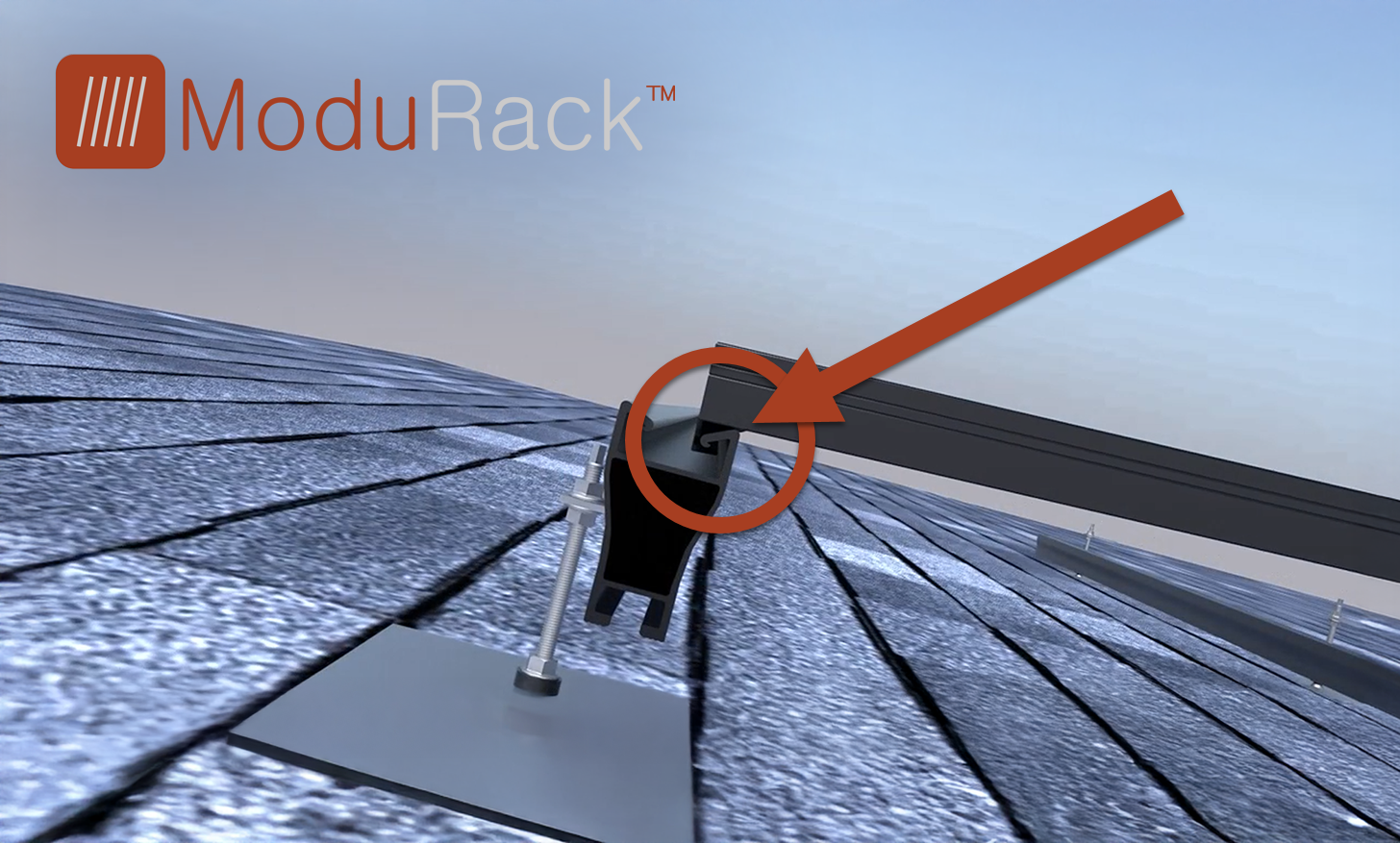
NEW: Ready-to-install solar systems! This patented innovation significantly accelerates your solar construction project
The core of ModuRack 's innovation lies in the departure from conventional clamp fastening. Instead of clamps, the modules are inserted and held in place by a continuous support rail.
More information here:
Your partner for business development in the fields of photovoltaics and construction
From industrial rooftop PV to solar parks and larger solar parking lots
☑️ Our business language is English or German
☑️ NEW: Correspondence in your native language!

Konrad Wolfenstein
I and my team are happy to be available to you as your personal advisor.
You can contact me by filling out the contact form here wolfenstein@xpert.digital:or simply call me at +49 7348 4088 965. My email address is
I'm looking forward to our joint project.