Looking for a solar carport: Planning to build or install a solar parking space canopy in Villingen-Schwenningen, Sindelfingen, Schwäbisch Gmünd or Rastatt?

Language selection 📢
Published on: September 30, 2021 / Updated on: September 30, 2021 – Author: Konrad Wolfenstein
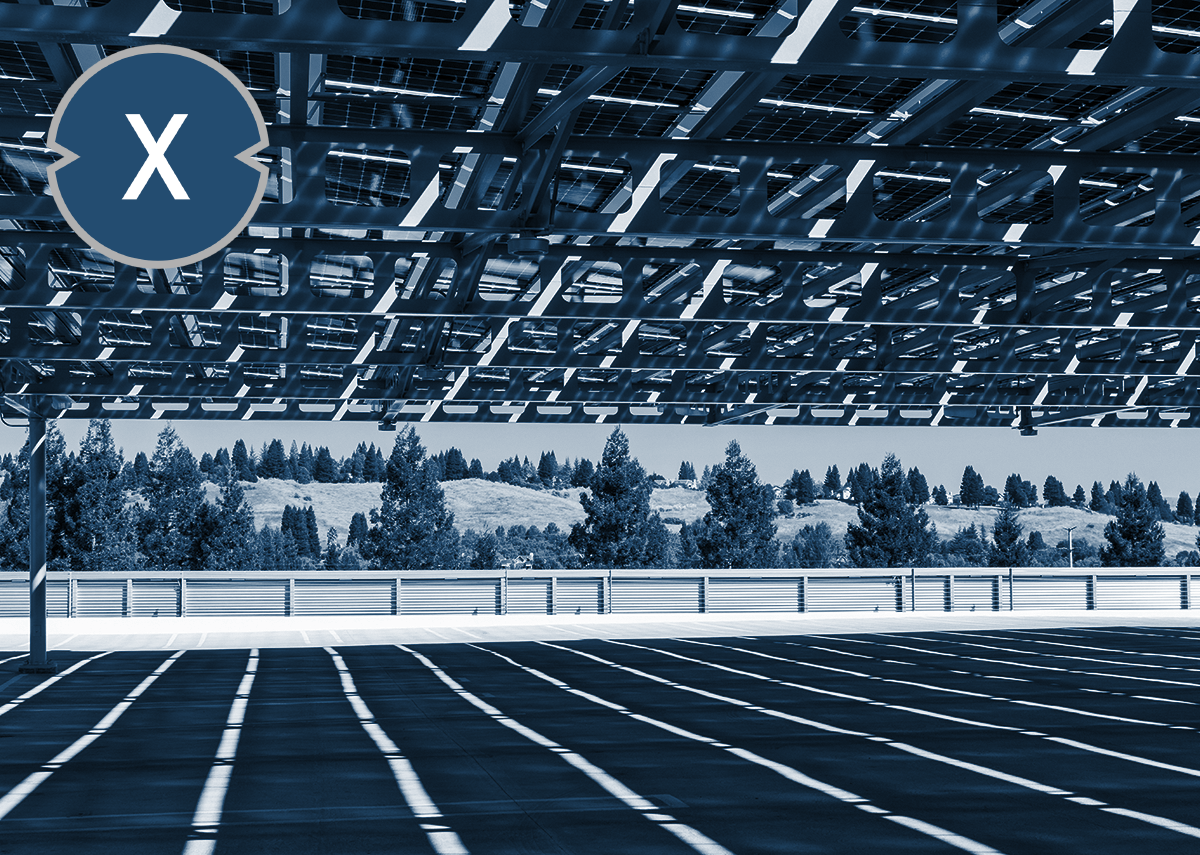
Solar carports protect parking spaces and generate electricity – Image: Xpert.Digital / Michael Vi|Shutterstock.com
Dual function of solar carports: protection from the elements and electricity generation
Solar carports protect your parking areas from the elements. Thanks to the optimized mounting system, these PV carports provide secure shelters that simultaneously generate electricity. Both private car owners and parking lot operators such as supermarkets or municipalities benefit from the advantages of a solar carport. The electricity generated by the modules means the PV system pays for itself in a short time. As an added bonus, they enhance the visual appeal of your parking area.
Climate protection is not only changing building regulations; it will also completely transform our current parking, refueling, and driving habits in the coming years. With your own solar system on the roof, whether on a building or warehouse, or even as a solar parking lot canopy, you can become independent of the electricity grid. The future belongs autonomous power generation
📣 Parking areas solar solutions for industry, retail and municipalities
Everything from a single source, specially designed for solar solutions for large parking areas. You refinance or counterfinance into the future with your own electricity generation.
🎯 For solar engineers, plumbers, electricians and roofers
Advice and planning including a non-binding cost estimate. We bring you together with strong photovoltaic partners.
👨🏻 👩🏻 👴🏻 👵🏻 For private households
We are positioned across regions in German-speaking countries. We have reliable partners who advise you and implement your wishes.
With over 1,000 specialist articles, we cannot present all topics here. Therefore, you will find a small excerpt from our work here and we would be pleased if we have piqued your interest in getting to know us better:
Our Photovoltaics Library (PDF)
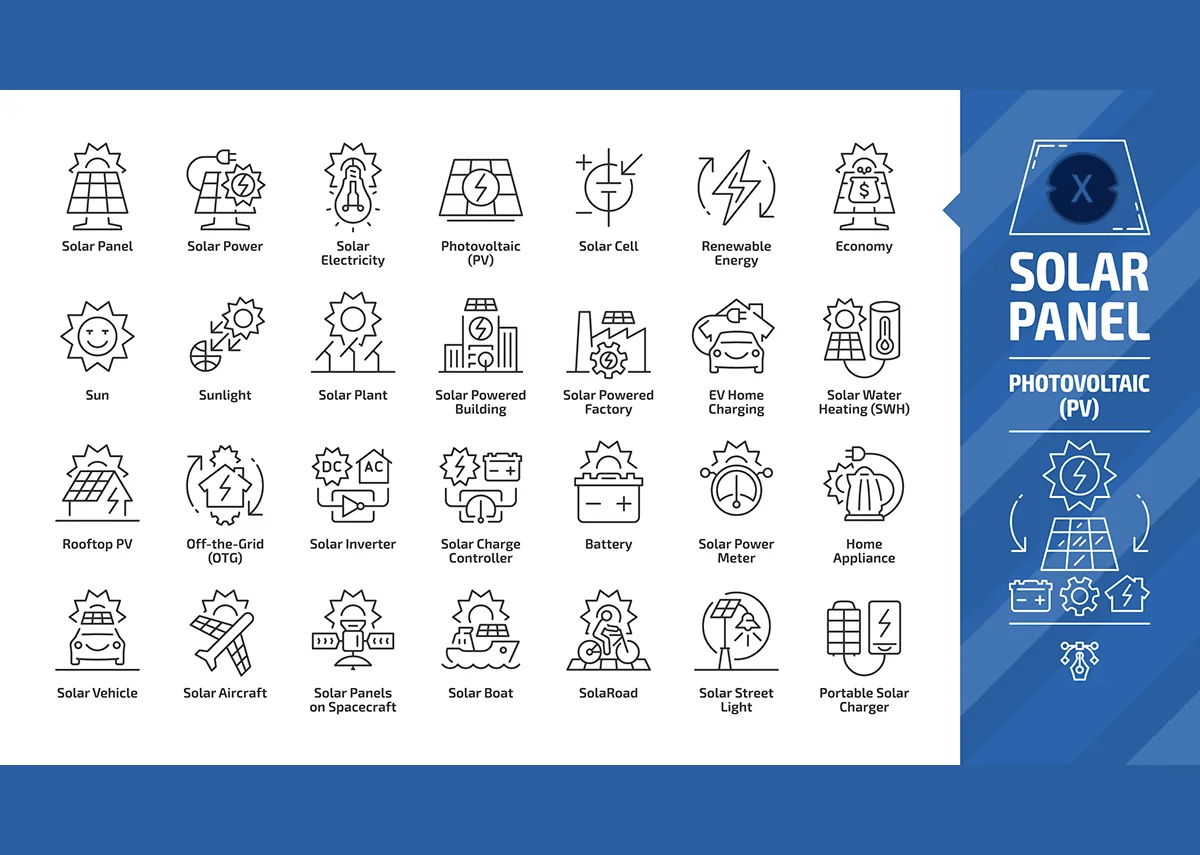
Photovoltaic Library (PDF) – Image: Xpert.Digital / Benvenuto Cellini|Shutterstock.com
Large PDF library: Market monitoring and market intelligence on the topic of photovoltaics.
Data is viewed at regular intervals and checked for relevance. This usually brings together some interesting information and documentation, which we combine into a PDF presentation: our own data analyzes and marketing intelligence as well as external market observations.
More about it here:
Electricity consumption - share of sectors worldwide
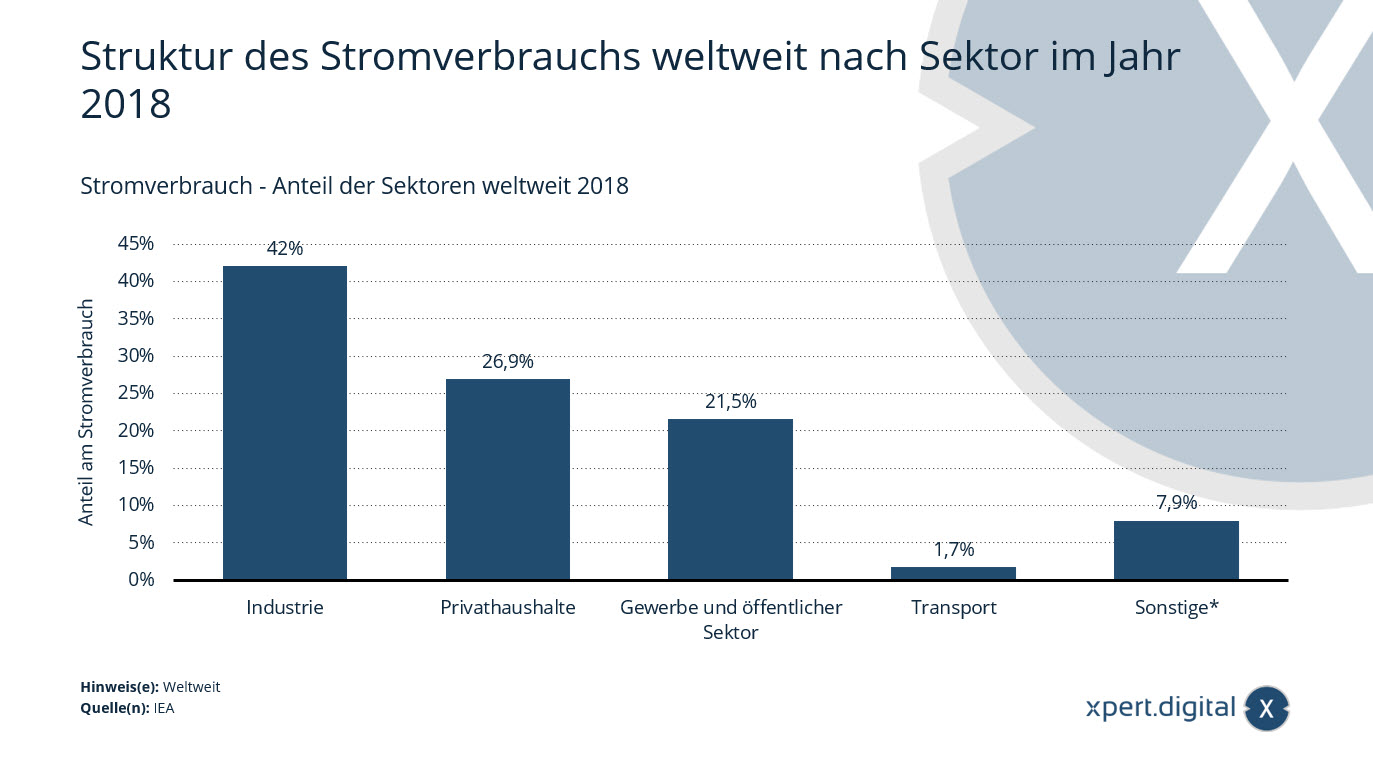
Electricity consumption – share of sectors worldwide – Image: Xpert.Digital
The statistic shows the structure of electricity consumption worldwide by sector in 2018. In 2018, the industrial sector consumed around 42 percent of the world's electricity.
Structure of global electricity consumption by sector in 2018
- Industry – 42%
- Private households – 26.9%
- Business and public sector – 21.5%
- Transport – 1.7%
- Other* – 7.9%
*Including agriculture
Electricity generation in Germany by energy source
Gross electricity generation in Germany by energy source in the years 2000 to 2020 (in terawatt hours)
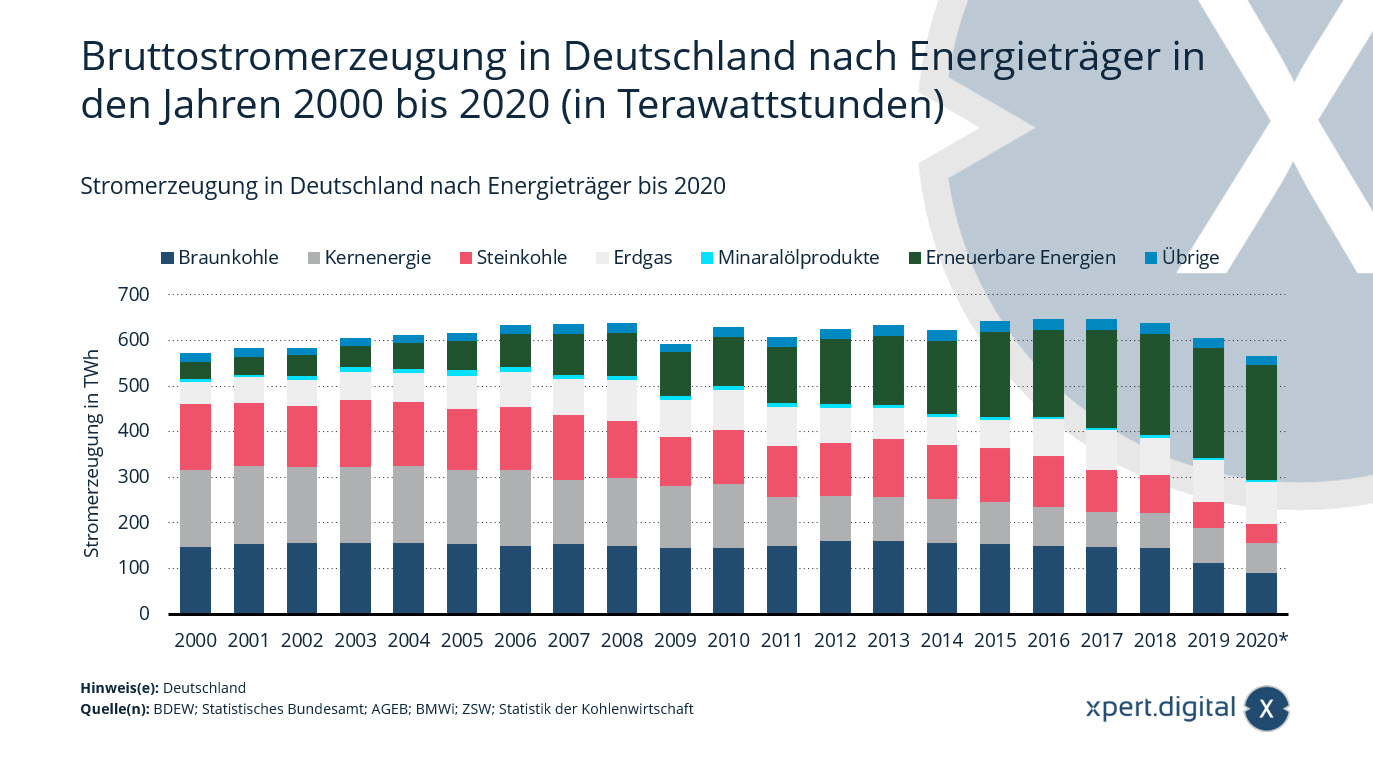
Electricity generation in Germany by energy source – Image: Xpert.Digital
The statistics show the results of a survey on the acceptance of electricity generation systems in the area where you live. In December 2020, 47 percent of those surveyed said that they would find a wind turbine in their neighborhood very good or rather good.
In 2020, 252 terawatt-hours of Germany's total gross electricity were generated from renewable energy sources. This corresponds to approximately 45 percent of the total electricity production. Over the past 20 years, the share of electricity generation from renewable energies has increased significantly. At the same time, hard coal and nuclear power, in particular, have experienced a significant decline.
Renewable energy
Renewable energy, unlike fossil fuels, is generated from renewable, sustainable energy sources. In Germany, wind power, particularly onshore, is the most important renewable energy source in terms of gross electricity generation. Biomass and photovoltaics follow. Germany leads Europe in terms of installed renewable energy capacity. Italy, Russia, and Spain follow at a considerable distance.
Fossil fuels
The share of fossil fuels in electricity generation in Germany has decreased in recent years. One reason for this is the planned phase-out of coal. The output of coal-fired power plants in Germany is to be steadily reduced over the next few years, with all coal-fired power plants scheduled to be shut down by 2038. Electricity generation using nuclear power is also to be stopped. The German government plans to phase out nuclear power by the end of 2022.
How green is Germany's electricity?
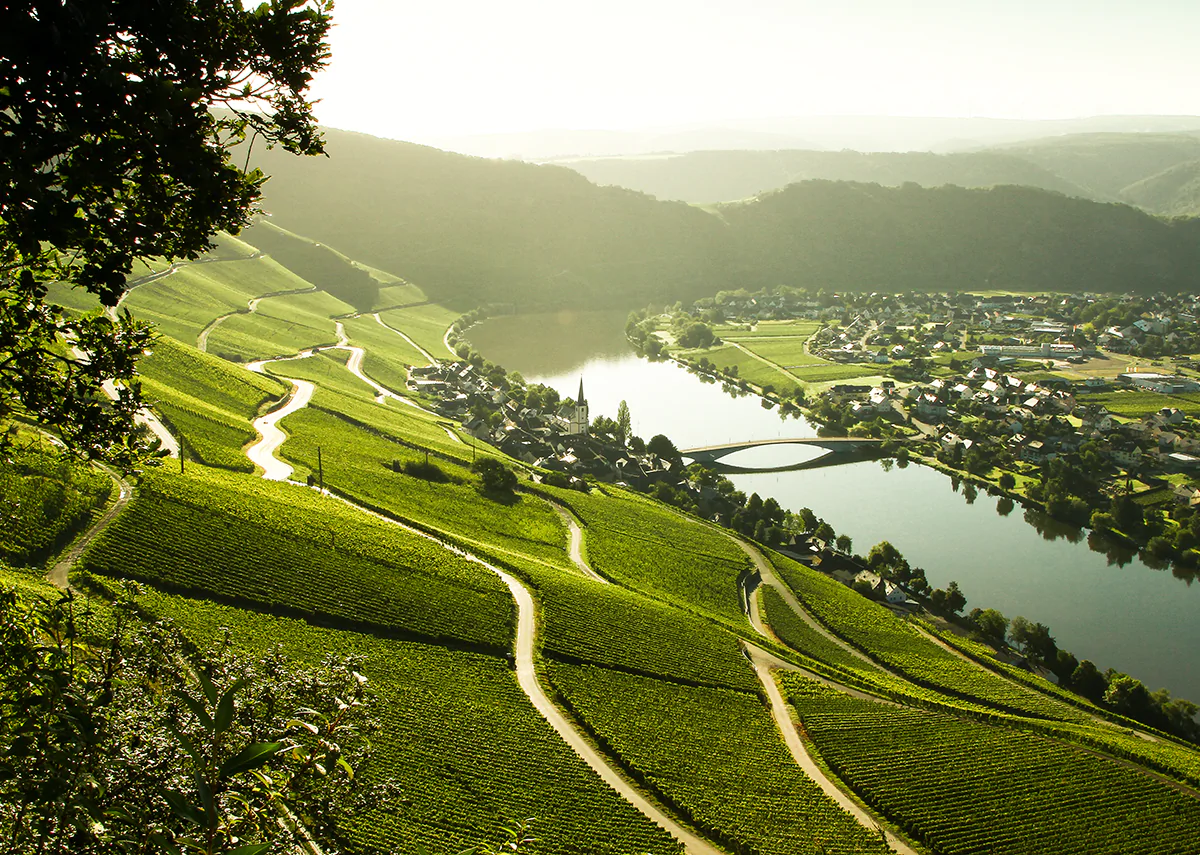
How green is Germany's electricity? – Image MaTiFo|Shutterstock.com
More and more electricity in Germany comes from wind, hydropower, and solar power. As the Fraunhofer Institute for Solar Energy Systems (ISE) announced this week, the share of renewable energies in Germany's total electricity mix exceeded 40 percent for the first time in 2018. By comparison, the share of green electricity was 38.2 percent the previous year.
As the graphic shows, the largest share of green electricity last year came from wind power (20.4 percent). Solar energy came in second, with a share of 8.4 percent of net electricity generation in Germany.
The Fraunhofer ISE also noted that the hot, dry weather last year contributed to the increase in solar energy. The German government aims to increase the share of renewable energies to 65 percent by 2030.
To achieve this goal, some federal states are relying on mandatory solar power with photovoltaic systems on roofs and mandatory solar power for open parking areas that can be equipped with solar roofs, the so-called solar carports.
More about it here:
How green is Europe's energy?

How green is Europe's energy? – @shutterstock | CarpathianPrince
It's a climate protection initiative: By 2020, the European Union (EU) aims to source 20 percent of its gross final energy consumption from renewable energy sources such as wind and solar power. EU member states have set their own individual targets for this. However, according to the latest Eurostat data, which refers to 2017, very few countries have yet achieved their climate goals.
Sweden, the most ambitious country in expanding renewable energy, already exceeded its 2017 target of 49 percent and currently leads the EU ranking with a share of 54.5 percent. In Finland, renewable energy accounts for 41 percent of gross final energy consumption – meaning the country has also already surpassed its targets.
Other countries, such as France and the Netherlands, lag far behind despite setting modest targets, as the graphic shows. Germany, with a share of 15.5 percent renewable energy, is below the EU average. Some German states aim to accelerate progress toward the EU targets by introducing mandatory solar panel installations. This includes a requirement for solar carports in open parking areas.
The situation in Austria, on the other hand, looks better: In 2017, the Alpine republic already obtained 32.6 percent of its energy from renewable sources and is well on its way to achieving its targets by 2020.
A country's gross final energy consumption includes all energy products such as electricity, district heating, gas and fuels that are used by private households, businesses, trade and services, industry and transport.
More about it here:
Climate neutrality: Norway's climate goal is a CO2-neutral building stock by 2050
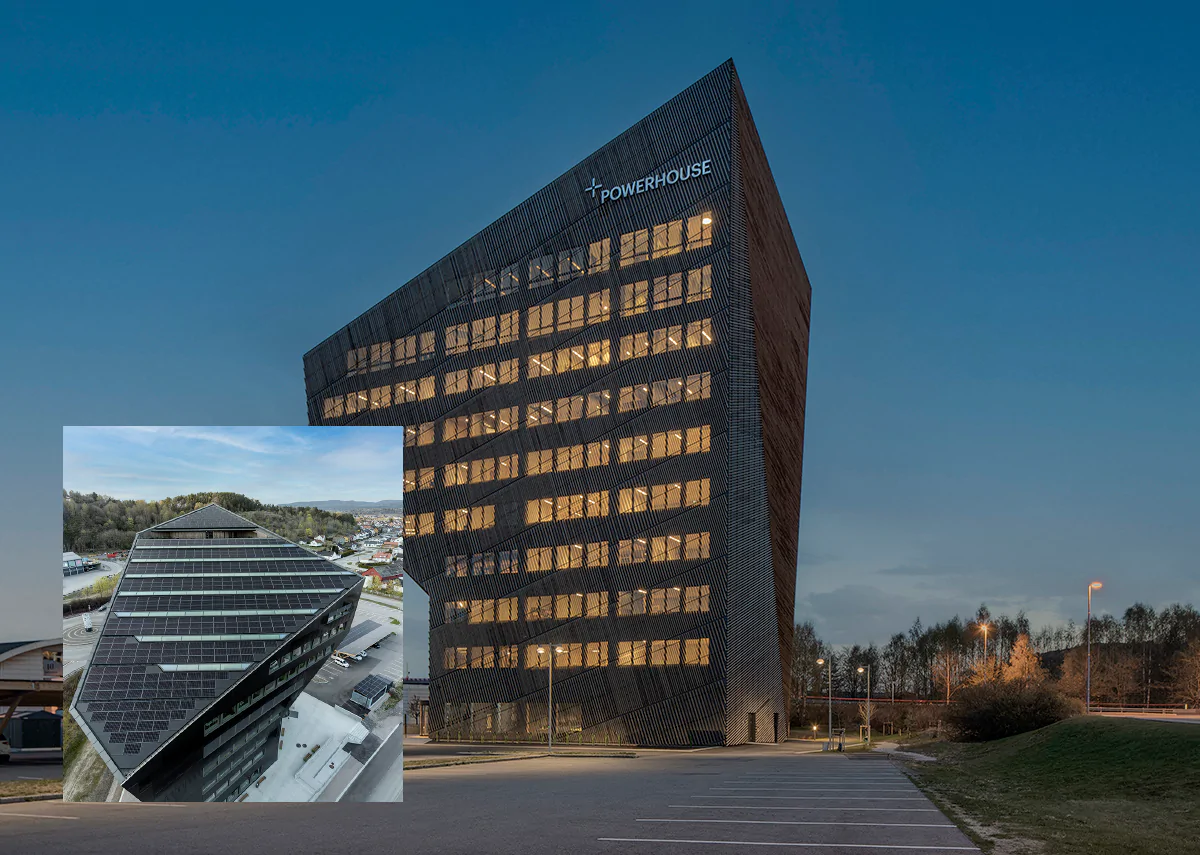
CO2-neutral building “Powerhouse Telemark” – Photographer: Sindre Ellingsen / Copyright: Schüco International KG
Norway's climate protection goals are ambitious. The aim is to achieve a nearly CO2-neutral building stock by 2050. A pioneering example for the decarbonization of new office buildings is the "Powerhouse Telemark," which offsets its carbon footprint over its entire life cycle. Its innovative facade solution plays a key role in this.
Far beyond the horizon of the industrial town of Porsgrunn, the striking silhouette of the "Powerhouse Telemark" is visible. In sunshine, the eleven-story office tower sparkles like an XXL-sized amber diamond, its rooftop terrace offering a breathtaking view of the province's main town of approximately 35,000 inhabitants and the Frierfjord. Completed in the summer of 2020, the zero-emission building has become a symbol of the transition to a green economy in the region, which lies about 150 kilometers south of Oslo and boasts a long history as a progressive economic hub. The UNESCO World Heritage Site of Vemork, located in the same province as Porsgrunn, is home to one of the largest hydroelectric power plants of the early 20th century. The location for a "powerhouse" could hardly be more fitting.
More about it here:
The climate goals for 2030 - The EU Commission's goal by 2050 is 0
With a comprehensive package of regulations, the EU Commission aims to achieve its 2030 climate targets. As the graphic shows, emissions of greenhouse gases are to be reduced by 55 percent by then compared to 1990 levels. They are to be reduced to zero by 2050. The graphic is based on data from the European Union's Emissions Database for Global Atmospheric Research (EDGAR). This database includes CO2 emissions from all nations worldwide. All available sources from each country are compiled and aggregated to determine total national emissions. The data therefore provides a very accurate picture of actual global emissions by country.
The Commission wants CO2 emissions from new passenger cars to fall by 55 percent below current levels by 2030. Five years later, new cars must be completely emission-free. Emissions trading will also be expanded. The Commission intends to reduce the number of allowances more quickly and issue fewer free allowances. Shipping will also have to purchase emission allowances from 2023. Furthermore, a new emissions trading system is planned for the transport and building sectors, likely starting in 2026. This could make fuel and heating oil more expensive. The Commission proposes abolishing the tax exemption for aviation fuel. Aircraft and ships are to increasingly blend in climate-friendly fuels. Forecasts for the use of synthetic kerosene in aviation are still relatively cautious, as the graphic below shows.
The package of twelve legislative proposals is now being discussed among the 27 member states and in the European Parliament. Observers expect this process to take months. Ultimately, both sides must agree. Criticism of individual points has already emerged.
More about it here:

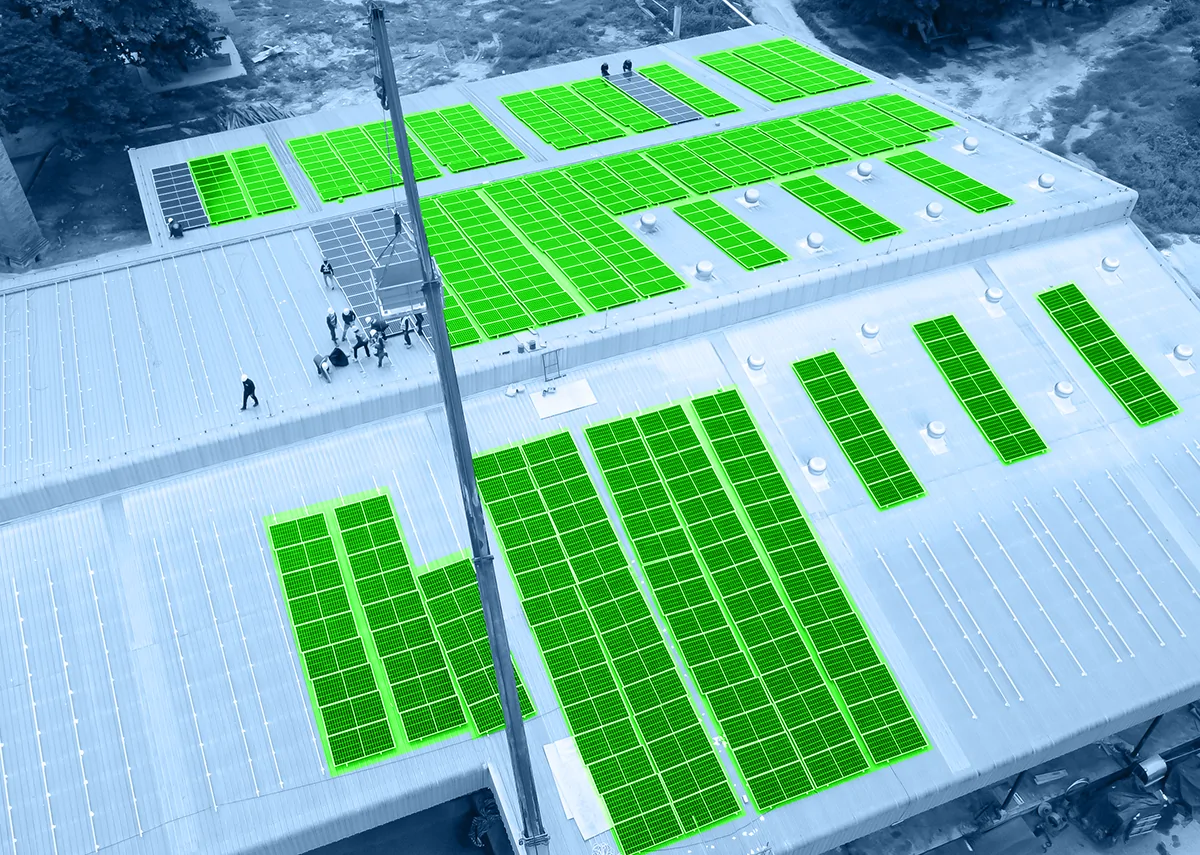
- Warehouses, production halls and industrial halls with their own power source from a photovoltaic roof system - Image: NavinTar|Shutterstock.com
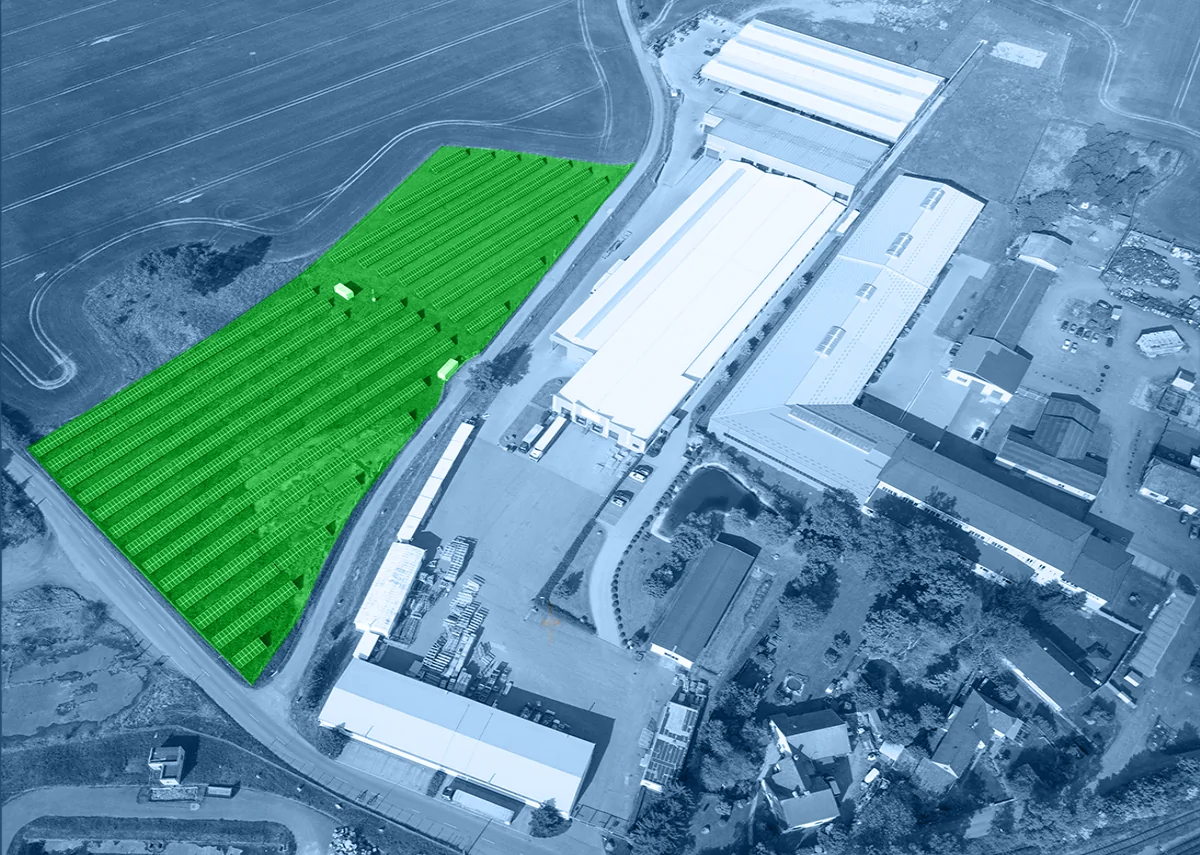
- Industrial plant with its own power source from an outdoor photovoltaic system - Image: Peteri|Shutterstock.com
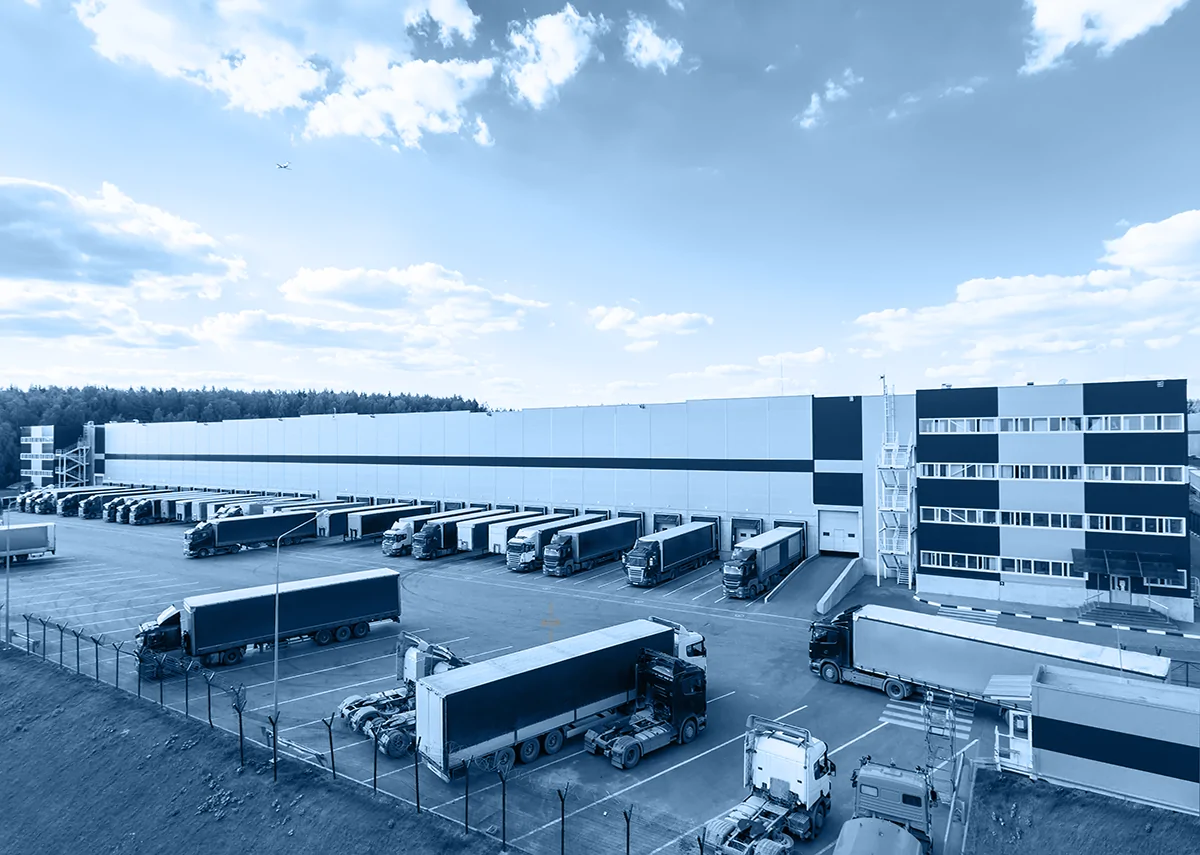
- Plan solar systems with photovoltaic solutions for freight forwarding and contract logistics
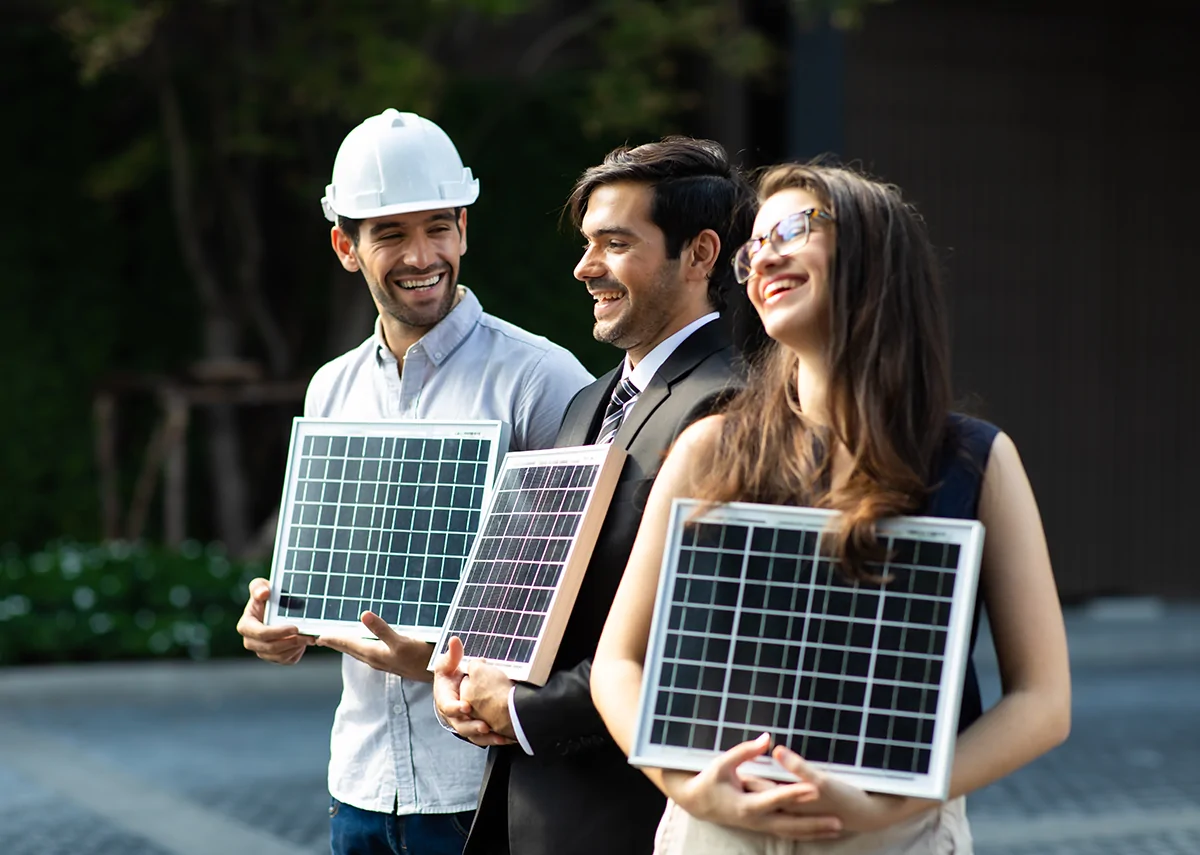
- B2B solar systems and photovoltaic solutions & advice
- Plan photovoltaics for warehouses, commercial halls and industrial halls
- Industrial plant: Plan a photovoltaic open-air system or open-space system
- Plan solar systems with photovoltaic solutions for freight forwarding and contract logistics
- B2B solar systems and photovoltaic solutions & advice
Here is your Xpert.Solar consultation regarding solar carports, solar systems and solar systems on flat roofs for Villingen-Schwenningen, Sindelfingen, Schwäbisch Gmünd and Rastatt
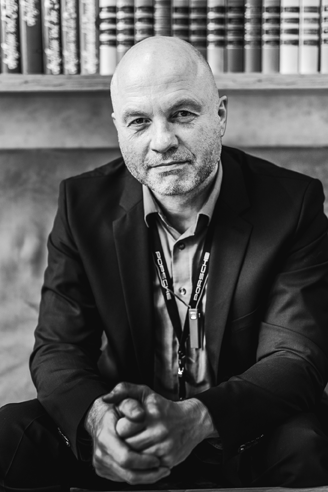
Konrad Wolfenstein
I would be happy to serve as your personal advisor.
You can contact me by filling out the contact form below or simply call me on +49 89 89 674 804 .
I'm looking forward to our joint project.
Write to me

Xpert.Digital – Konrad Wolfenstein
Xpert.Digital is a hub for industry with a focus on digitalization, mechanical engineering, logistics/intralogistics and photovoltaics.
With our 360° business development solution, we support well-known companies from new business to after sales.
Market intelligence, smarketing, marketing automation, content development, PR, mail campaigns, personalized social media and lead nurturing are part of our digital tools.
You can find out more at: www.xpert.digital – www.xpert.solar – www.xpert.plus
Keep in touch