
Adieu smartphone? The AR Smart Glasses Innovation Invasion is here: real-time translation and context-related information
Xpert pre-release

Language selection 📢
Published on: June 29, 2025 / update from: June 29, 2025 - Author: Konrad Wolfenstein
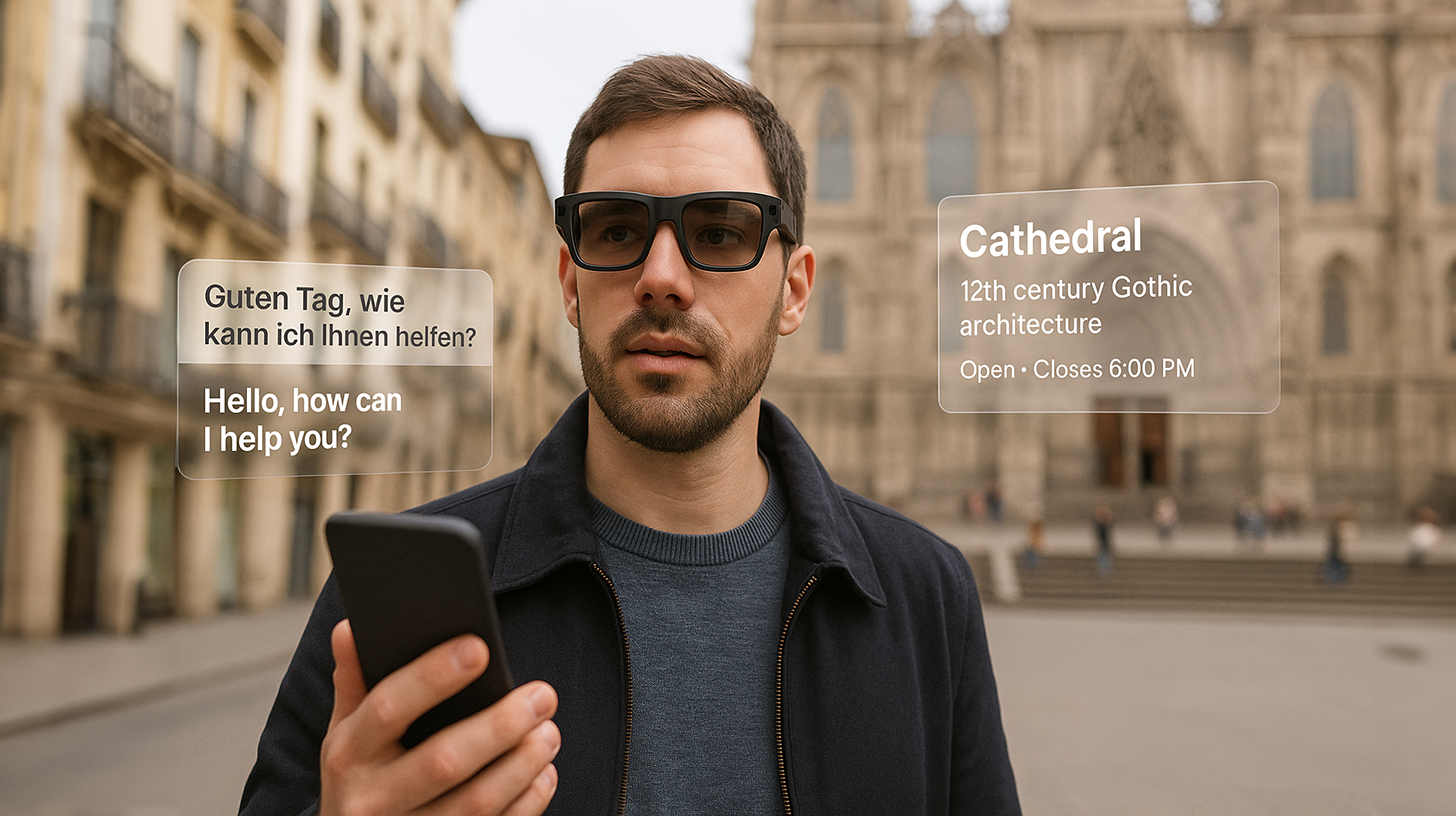
Adieu smartphone? The AR Smart Glasses Innovation Invasion is here: real-time translation and context-related information-Image: Xpert.digital
Real-time translation and AI assistant: AR glasses become intelligent everyday helpers
From sports to medicine: how AI-based AR glasses transform entire industries
We live in the age of tech revolutions, and this new innovation invasion is not just a forecast, but already a reality. While artificial intelligence (AI), robotics and other groundbreaking IT innovations redefine our understanding of interaction and efficiency, a technology at the forefront of this transformation, which has the potential to fundamentally change our perception and everyday life: AR SMART glasses.
They are no longer just science fiction, but a tangible interface to the digital world, which opens a new dimension of human communication and information intake through functions such as real-time translation and context-related information and interaction. The market for these intelligent glasses is characterized by impressive diversity to actors: In addition to the established tech giants such as Meta, Google, Apple, Xiaomi and Samsung, specialized providers such as Rokid, Viture, Asus, Solos and Reebok as well as innovative startups à la Creal and Humane into this growth area.
But the range of this technology goes far beyond pure consumer applications. From sports (think of Oakley Meta HSTN) to industry (ProGlove), the military (Meta with Anduril) and medicine (for complex surgical applications) to special needs, for example to support visual impairment, AR-SMART-GLASSES develop their enormous potential.
However, the central catchphrase, which drives and makes all these developments possible, is artificial intelligence (AI). AI-supported functions are the core of the latest generation of Smart Glasses. Whether real-time translation, as Demonstrates, for example, the context-related information provision and interaction by services such as Meta AI, or direct chatt integration in products from solos and reebok-the intelligence behind the lenses transforms passive devices into intelligent assistants. With their AR1 platform, companies such as Qualcomm also position themselves as the decisive pioneer for this AI-based smart glasses by providing the necessary computing power and connectivity.
Suitable for:

The Innovation Invasion of the AR-Smart Glasses: A new age of tech revolutions
The technology industry is currently experiencing an unprecedented innovation invasion in the area of smart glasses, which significantly shapes the age of augmented reality and artificial intelligence. This revolutionary development not only transforms the way we interact with digital content, but also defines completely new areas of application and business models.
Suitable for:

The Smart Glasses Markt: a billion dollar business in a rapid expansion
The global market for smart glasses is currently experiencing a remarkable renaissance, driven by significant progress in artificial intelligence and the successful market launch of products such as the Ray-Ban Meta Smart Glasses. After a phase of disillusionment, which followed initial hypes, the market now again recorded impressive growth rates. Grandview Research forecast a value of $ 2.47 billion for 2025, while Technavio expects an increase of $ 90.6 million between the years.
The growth forecasts are extremely optimistic: estimates for the annual growth rate (CAGR) range from around 27 percent to over 60 percent for the coming years. This development attracts a large number of new competitors, which leads to an intensification of the competition, which is described as a “struggle of hundreds of smart glasses”. According to forecasts, the smart glasses market should reach a volume of around $ 13 billion by 2030.
The variety of market participants: from tech giants to innovative startups
The Smart Glasses market is characterized by a remarkable variety of providers who pursue all different approaches and target groups. The established tech giants such as Meta, Google, Apple, Samsung and Xiaomi massively invest in this technology and drive development forward.
Meta
Meta is currently leading the market with its Ray-Ban Meta Smart Glasses, which have tripled last year. Over one million devices were already sold in 2024, while a total of 2 million devices have been sold since the market launch in October 2023. The monthly active users have quadrupled compared to the previous year, which underlines the strong acceptance of this technology.
Google prepares its return to the Smart Glasses market and works with Samsung on new, much more progressive models than the original Google Glasses. The new Smart Glasses should come onto the market under the Samsung brand, but contain Google software, whereby the Umělá intelligence Gemini should act as a killer app.
Apple
Apple is actively working on the so-called smart glasses, an everyday AR glasses that differ significantly from the Vision Pro. According to Bloomberg and The Verge, a first model could be launched in 2026. These glasses are intended to offer basic augmented reality functions, such as the display of notifications or navigation.
Samsung
Samsung develops its own augmented reality glasses under the project name “Haean”, which can project digital information directly into the field of vision. With this step, Samsung wants to significantly expand its position in the AR and XR segment.
Xiaomi
Xiaomi recently presented a AI-supported smart glasses, which has an impressive battery life of 8.6 hours. These glasses are equipped with a 12-megapixel ultra-wake angle camera and uses the Qualcomm AR1 chip for the processing of AI tasks.
In addition to the large tech companies, specialized providers are also pushing into the market. Rokid, Viture, Asus and Solos have focused on specific areas of application and offer innovative solutions for different target groups. Vuzix is one of the market -leading providers for augmented and mixed reality technology in the industrial sector. Even startups such as Creal and Humane try to set new standards with innovative approaches.
The differentiation of the market: Consumer vs. Enterprise
The market is increasingly differentiated into two main segments: on the one hand, consumer-oriented AI glasses that rely on style, basic assistance functions and media integration, led by META. On the other hand, more technologically demanding augmented reality (AR) and Extended Reality (XR) devices that aim at immersive experiences, productivity and specialized corporate applications, with actors such as Apple, Microsoft, Vuzix and XReal.
In the consumer area, lifestyle and everyday suitability are in the foreground. The Ray-Ban Meta Smart Glasses, for example, are already available in 60 percent of the essilorluxottica stores in Europe, Africa and the Middle East and show how technology and design can successfully come together.
In the enterprise segment, the focus focuses on specialized applications. Vuzix's products are part of the Smart Glasses' ceratilization for industrial use and are primarily used for remote support, teleconferences, manufacturing, warehouse logistics and telemedicine. The data glasses are mainly used in healthcare, production, in logistics centers and in the field.
Diverse areas of application: far beyond consumer applications
Sport and performance
The sports area develops into an important field of application for smart glasses. Oakley Meta HSTN were specially developed for athletes and combine Oakleys Signature Design DNA with Metas Industry Leading Technology. These performance AI Glasses offer up to eight hours of useful life and up to 19 hours in standby mode. You have a higher-resolution camera for Ultra HD (3K) video recordings and are equipped with an IPX4 water protection.
Reebok Smart Eyewear has developed a smart glasses collection especially for athletes in cooperation with Lucyd. The collection starts with four models - flash, nitrous, octane and voltage - which are designed for different intensity sports, from snowboarding to jogging. These glasses have powerful loudspeakers, amplifiers, micros and equalizers, which were specially coordinated for outdoor activities and sporting environments. With a battery life of about 8 hours and chatt integration, users can create training plans or catch up with training feedback.
Suitable for:

Industry and logistics
The industrial application of smart glasses already shows concrete success. ProGlove has established itself as a specialist for wearable scanners that are used in connection with smart glasses. For example, Mercedes-Benz Vans uses Proglove technology in his work in Düsseldorf for more security, flexibility and efficiency. The application brings a time saving of at least four seconds per scan on daily hundreds of vehicles with around 1,000 scans per vehicle.
Lenovo Thinkreality A3 Smart Glasses have been specially developed for companies and ensure a tailor -made, expanded personal work area. This comfortable augmented reality glasses enables 3D visualization, guided work processes and local cooperation.
Suitable for:

Military and defense
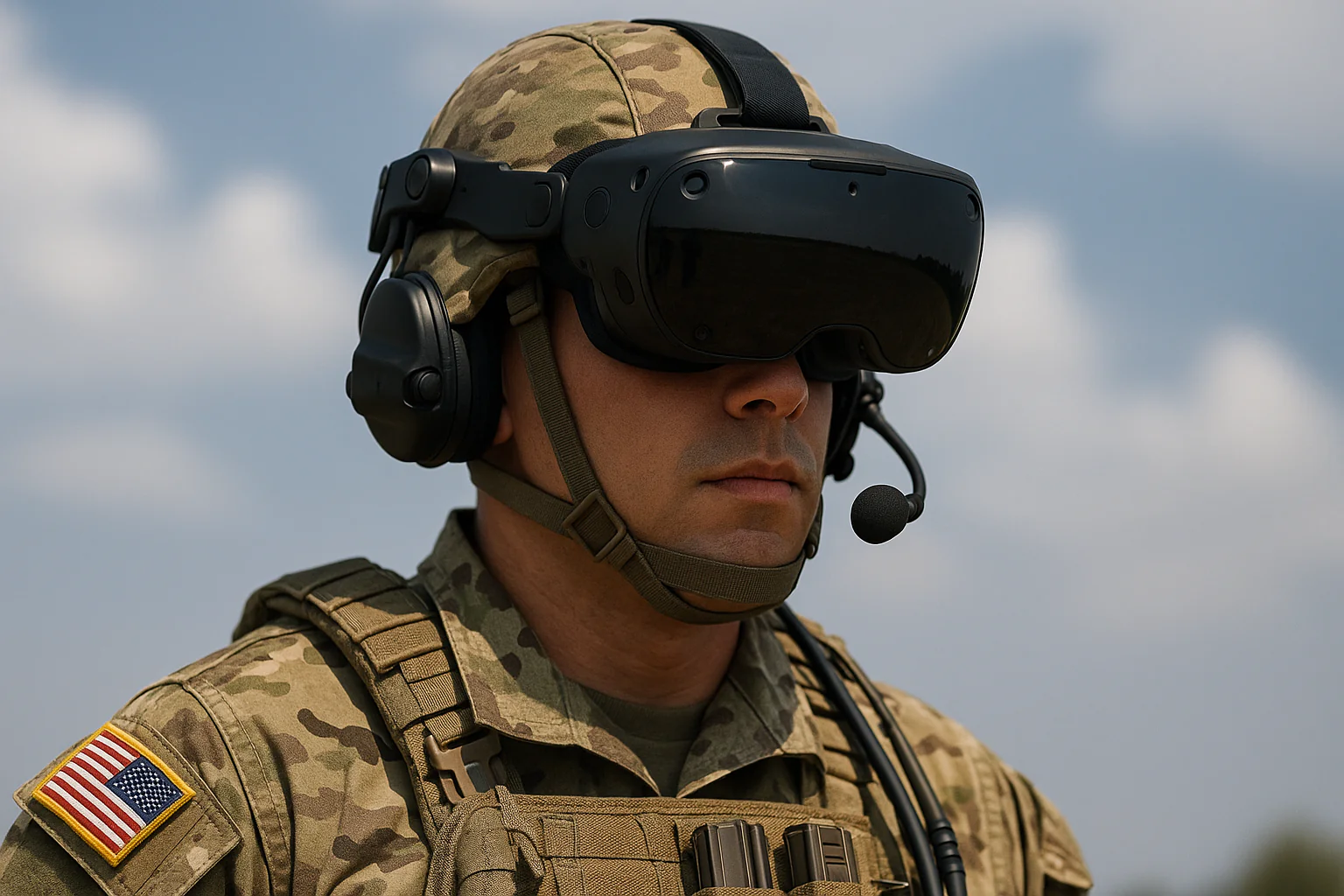
A particularly interesting development area is the military application of smart glasses. Meta works with Anduril Industries to develop special, highly mechanized devices for the US military. In the course of this partnership, a system called “Eagle Eye” is created, which includes virtual reality or augmented reality products such as data glasses and helmets. With his help, soldiers should operate AI-controlled weapons systems and interact with them. The system is intended to technically support the hearing and eyesight of the soldiers so strongly that they already notice attacking drones from a mileage.
Suitable for:
Medicine and surgery
The medical use of smart glasses is already revolutionizing surgical processes. The Alexian St. Hedwig Hospital was the first German urological clinic to introduce Smart Glasses in laser surgery. The technology is used as part of mentoring and enables the urologist to train interns over the distance and to point out problems during the operation.
The Hololens 2 from Microsoft has fundamentally changed neurosurgery. By precisely 3D visualizations of tumors and anatomical structures, AR technology enables surgeons to carry out complex interventions more efficient, safe and more precisely. The Surgical Theater Syncar Spine-System, combined with Hololens 2, offers surgeons a 360-degree view of the areas to be treated during operations.
Smart Glasses make it possible to transfer video data to external experts or colleagues in real time during operations. These can then intervene from a distance, which is particularly advantageous in complex or rare cases. This telemedical support increases efficiency and enables improved cooperation between specialists.
Suitable for:

Support for people with visual impairments
Smart Glasses revolutionize the independence of people with visual impairments. By combining AI, cameras and audio feedback, these devices translate the visual world into accessible information-be it reading a menu, avoiding obstacles or recognizing faces. For over 200 million people worldwide that are affected by diseases such as macular degeneration or complete blindness, smart glasses are no longer niche devices, but indispensable aids in everyday life.
Leading smart glasses for visually impaired in 2025 include data glasses from Solidddvision, Orcam Myeye, Esight glasses, Envision glasses and even the Ray-Ban Meta Smart Glasses. Cameras and sensors record the environment in real time, AI processing analyzes data for the identification of objects, text or dangers, and audio feedback provides information about bone pipe headphones.
Suitable for:
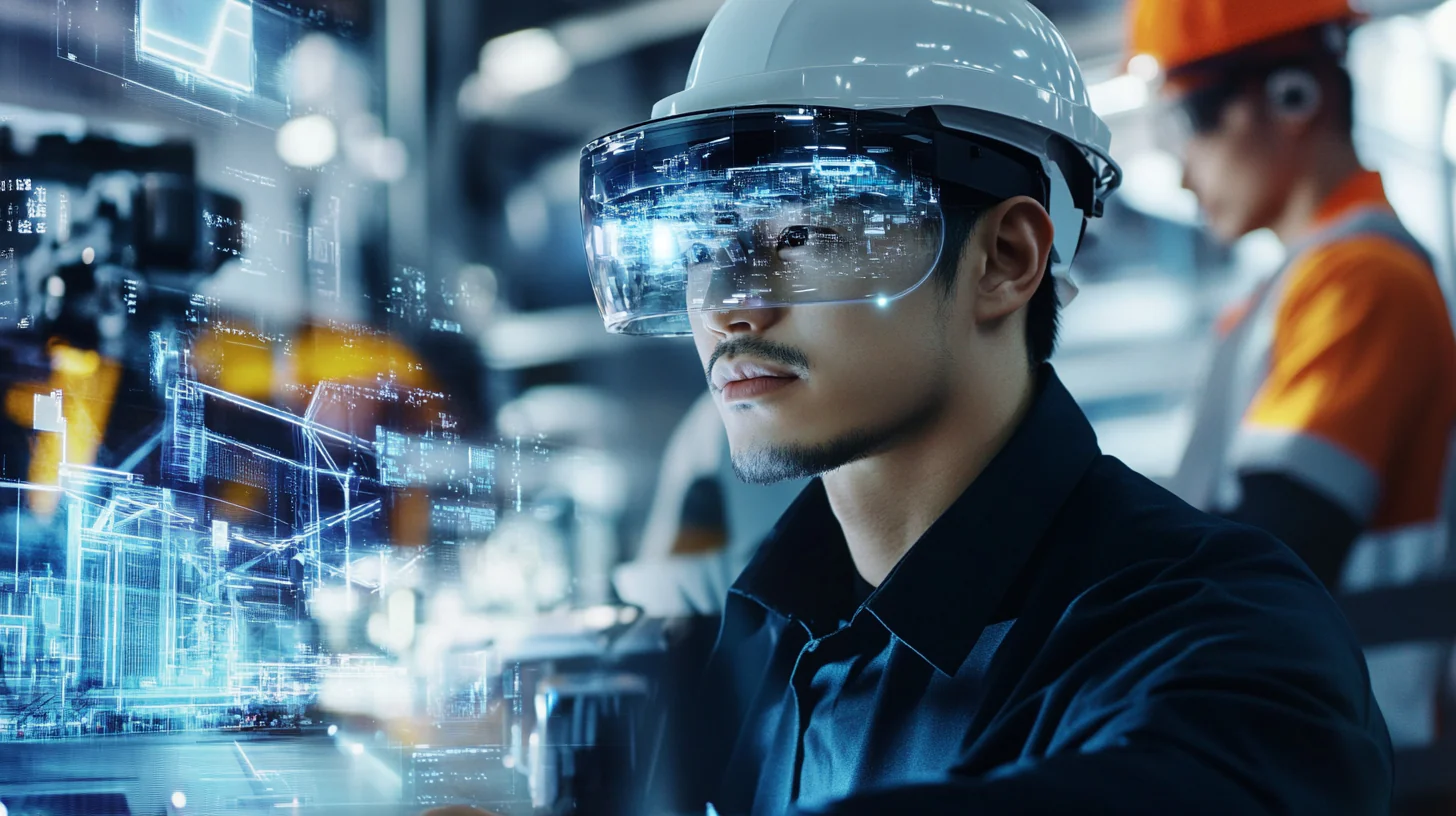
🗒️ Xpert.Digital: A pioneer in the field of extended and augmented reality

Find the right Metaverse agency and planning office such as a consulting firm - Image: Xpert.Digital
🗒️ Find the right Metaverse agency and planning office such as a consulting firm - search and search for top ten tips for consulting & planning
More about it here:
From real-time language translation to object recognition: Smart Glasses become AI POWertools
Artificial intelligence as a central driver of the innovation
AI is the central catchphrase and the decisive differentiation factor in the Smart Glasses market. The integration of artificial intelligence enables completely new functions and possible uses that transform these devices from simple display glasses to intelligent assistants.
Suitable for:

Real-time translation: overcome language barriers
One of the most impressive AI functions is real-time translation. Google has already presented prototypes that can show route instructions and photos. The possibility is particularly impressive that two people can talk to each other in different languages, with the glasses in each case display the translation. Google calls this "subtitle for the real world".
The Ray-Ban Meta Smart Glasses can translate spoken language in real time between English, Spanish, French and Italian. The translations are either reproduced via the loudspeakers of the glasses or displayed as text on the connected smartphone. When someone speaks Spanish, French or Italian, users hear the translation in English about the loudspeakers of the glasses.
Solos Airgo Vision offers a particularly advanced real-time translation function with solo translates. Travelers can immediately understand conversations in another country, and thanks to the integrated camera, signs, menus and brochures can also be translated without removing the phone.
Context -related information and interaction
The new AI functions go far beyond simple voice commands. Meta Ai on the Ray-Ban Smart Glasses can remember things that are recorded via the camera. As an example, the glasses can remember the parking lot at the airport using a photo. Memories by voice command also make it possible. Based on the text that users are looking at, the glasses can perform actions, such as calling a phone number on a flyer or scanning a QR code.
The new live AI function of the Ray-Ban Meta enables glasses to process visual entries in real time and to react to user inquiries. The glasses can identify objects or provide the user context information on what he sees. After the first question, users can ask “Hey Meta” follow -up questions without repeating the voice command.
Chatgpt integration and extended AI assistant
Solos integrated Chatgpt directly into his smart glasses. The Airgo Vision Smart Glasses offer AI for object recognition and live translations. In addition to Openai, Airgo Vision also supports Google's Gemini and Claude from Anthropic. The AI assistant can answer questions, provide real-time information, help with scheduling and even summarize messages-everything without taking out the phone.
When using for cooking, for example, the camera can ask Chatgpt what can be made of the ingredients in the fridge, deliver recipe ideas or give suggestions to improve dishes. The quality of the answers depends heavily on the precision of the input - the more detailed the question, the better the result.
Reebok Smart Eyewear also enables the Lucyd app to use a Chatgpt Custom Model. This allows users to create training plans or get training feedback.
The revolution of the AI agents
AI agents could finally make smart glasses usable. In the world of artificial intelligence, everyone is talking about agents, the large voice models (LLM) to expand the ability to carry out tasks independently. In the past twelve months, the ability to process multimodal ALMs, in addition to text, also video, pictures and audio, has improved enormously.
Meta is definitely interested in AI agents and Mark Zuckerberg made it clear how much Meta is interested in making a “highly intelligent and personalized AI assistant” available as many users as possible. New agents will not only have eyes and ears, but also a context -related awareness of what is happening around them. AI agents who run on Smart Glasses could even have interactive conversations with their straps without being asked. For example, you could remind us of buying orange juice when we walk past a shop, or we have the name of colleagues who walk past us on the sidewalk.
Google is very interested in this “agent-first” approach. The new smart glasses, which the company presented on Google I/O in May 2024, is powered by a AI agent system called Astra.
🎯🎯🎯 Benefit from Xpert.Digital's extensive, fivefold expertise in a comprehensive service package | R&D, XR, PR & SEM

AI & XR 3D Rendering Machine: Fivefold expertise from Xpert.Digital in a comprehensive service package, R&D XR, PR & SEM - Image: Xpert.Digital
Xpert.Digital has in-depth knowledge of various industries. This allows us to develop tailor-made strategies that are tailored precisely to the requirements and challenges of your specific market segment. By continually analyzing market trends and following industry developments, we can act with foresight and offer innovative solutions. Through the combination of experience and knowledge, we generate added value and give our customers a decisive competitive advantage.
More about it here:
Smart Glasses 2025: From Meta to Apple-the AI glasses becomes everyday gadget
Qualcomm as a central technology enabler
Qualcomm positions itself with its AR1 platform as an important supplier for AI-based smart glasses and drives the technological development significantly. With the Snapdragon AR1+ Gen 1, Qualcomm has presented a new chip for AI glasses to improve image quality, energy efficiency and local voice model processing.
Suitable for:

Local AI processing revolutionizes the user experience
The central feature of the AR1+ Gen 1 is the integrated Neural Processing Unit (NPU), which can run small language models directly on the device - without connection to a smartphone or server. Qualcomm demonstrated this with a glasses prototype on which METAS ran LLAMA-3.2-1B, which is suitable for simple AI assistance, visual detection and local translations.
The chip therefore supports exactly the AI functions that Meta has already introduced into the Ray-Ban Smart Glasses. According to media reports, Meta plans a new, higher quality glasses with a monocele hud for the end of 2025, which is developed under the code name “Hyprenova” and could use the AR1+ Gen 1 for the first time.
Technical specifications and improvements
The AR1+ Gen 1 supports both one and on both sides with a resolution of up to 1,280 × 1,280 pixels per eye at 60 Hz. The field of vision should look more pleasant by 3dof (three degrees of freedom) and depth perception in the display. The image edition is suitable for notifications, navigation and simple AI interactions.
The Snapdragon AR1 Gen 1 platform was specially developed for slim and elegant smart glasses. This platform enables manufacturers to develop lighter and more compact AR glasses. Qualcomm promises more power in terms of CPU and GPU, but also longer battery life and support for Wi-Fi 6e and Bluetooth 5.3.
Xiaomi already uses the Qualcomm AR1 chip in its new AI Smart glasses. This technological basis enables glasses to carry out complex tasks such as scanning QR codes for payments quickly and reliably.
The XR2 Gen 2 platform for immersive experiences
Qualcomm offers the Snapdragon XR2 Gen 2 platform for more demanding applications. This has been designed for MR and VR technology in a single chip architecture and offers impressive performance features: 2.5-fold GPU performance compared to the predecessor generation, 8-fold improvement in AI performance, support for up to 3K resolution per eye and seamless transitions between mixed reality (MR) and virtual reality (VR).
Innovative display technologies: CREAL as a pioneer
As a Swiss startup, CREAL develops a revolutionary display technology that differs fundamentally from conventional AR displays. The company specializes in Light-Field micro displays that bring natural focus depth to digital 3D imaging.
Light-Field Technology for Natural AR experiences
While today's AR displays project a flat image in a firm focal length, which leads to visual conflicts and hinders interactions in personal space, Creal's Light-Field display projects real depth. This enables digital content to be seamlessly inserted into the real world and deliver a natural and correct visual experience.
The Clarity Display Solution from CREAL offers impressive technical specifications: 40 PPD Angular Resolution (at Infinity), 1 MPIX modulator resolution (1: 1 ratio), continuous depth resolution, 36 ° FOV (diagonal) with a path to dual fov up to 75 ° Eybox, 6 mm exit pupil, 20 ± 3 mm eye relief, 2 million colors and 2000 nits brightness.
Transparent lentils and glasses integration
CREAL technology integrates with conventional glasses and provides corrected view of both the real and virtual world. By using a transparent holographic film that is applied to the lens to reflect the digital light rays to the eyes of the user, CRAAL ensures seamless integration of its solution into the existing glasses production and supply chain.
Creal lens ensures natural eye contact, unhindered view and a stylish appearance-essential for the everyday acceptance of AR glasses. The transparency and minimal disturbing rainbow effects promote social interaction, while CREAL's display technology adapts to every lens shape for a personalized and fashionable look of the glasses frames.
Challenges and solutions
Despite the impressive progress, there are basic challenges, in particular with regard to costs, battery life, design and comfort as well as the critical aspects of data protection and social acceptance.
Suitable for:

Accounting time and energy management
The battery life remains one of the greatest technical challenges. While the Ray-Ban Meta Smart Glasses offer up to 4 hours with a single charge plus up to 32 hours per fully charged case, newer models show significant improvements. The Oakley Meta HSTN can achieve up to eight hours of typical use and up to 19 hours in standby mode, which is practically a doubling of the battery life compared to the Ray-Ban Meta.
With its Ki Smart glasses, Xiaomi has achieved an impressive battery life of 8.6 hours, which is a significant improvement compared to the Ray Ban Meta Meta Smart Glasses that only offer four hours. Solos Airgo Vision promises up to 10 hours of music streaming or 7 hours and should enable more than 2,500 AI interactions.
Data protection and social acceptance
Data protection is a critical topic, especially for smart glasses with integrated cameras. The Ray-Ban Meta Smart Glasses have an LED on the front that lights up on photo, video or audio recordings. According to criticism, the diameter of the LED was enlarged by the Irish data protection supervisory authority. Nevertheless, from the perspective of the German data protection authority, it is not always possible to recognize for the circumstances whether the glasses are taking on, for example in light sunshine or backlight.
Solos addresses these concerns through a modular design. The company offers frames without cameras for more privacy, which limits the use to audio support. The frame of the Airgo Vision should be easy to interchangeable if you are to do without cameras. The battery and touch sensors are housed in the bracket of the glasses and connected to the front part of the glasses and lenses via USB-C.
Comfort and design
Modern Smart Glasses are getting lighter and more comfortable. The Ray-Ban Meta Wayfarer weigh only 49 grams and offer all-day comfort. The Solos Airgo Vision weighs even less with 42 grams, while the ASUS Airvision M1 with 87 grams is comparatively light despite the more complex technology.
The Even Realities G1 Glasses, which caused a stir on the CES 2025, are hardly to be distinguished from normal glasses. The Halliday Glasses with its 35 gram design and up to twelve hours of battery life show how Smart Glasses approach more and more normal glasses.
The future of smart glasses: outlook on 2025 and beyond
The development of the Smart Glasses is only at the beginning of a revolutionary transformation. Mark Zuckerberg confirmed that new smart glasses will be launched this year. Together with Essilorluxottica, Meta will launch some exciting new products in 2025, which will expand this category and give the glasses new technological options.
Suitable for:

Technological breakthroughs on the horizon
The further development of key technologies such as displays, processors, batteries and software platforms will be crucial for overcoming existing hurdles. CReal works on the further miniaturization of its Clarity display and the integration of customer-specific components to ultimately enable all-in-one AR glasses that offer a completely natural, immersive and contextual visual experience.
Apple plans to produce “large quantities” of prototypes by the end of this year in order to give the company time to test from mass production and public unveiling. An Apple employee said that the glasses are similar to the meta glasses, "but better made".
The integration into daily life
Smart Glasses develop from technology -oriented gadgets to everyday and more easily portable devices. The planned Apple Smart Glasses should offer fundamental augmented reality functions, such as the display of notifications or navigation-similar to that are available from smartwatches today.
The technology becomes increasingly invisible and intuitive. Google works on Android XR, an operating system especially for AR glasses. The glasses are intended for the entire day and connect to the smartphone. The Google-Ki Gemini can use it to “see the world”.
New fields of application and business models
The market is developing in the direction of specialized solutions for various industries and applications. New business opportunities are created for opticians. Smart glasses, wearable technology, AR glasses and AI glasses are among the most wanted terms in the optics industry for 2025. For opticians, this change means both exciting opportunities and new challenges.
Today's smart glasses go far beyond simple visual correction or sun protection. These devices can project digital information directly into the field of vision of the carrier, offer real-time navigation, translate languages, track health data and even enable free-handed communication and entertainment.
Gaming and entertainment
With the Airvision M1 Smart Glasses, Asus has created a virtual 100-inch display that is designed for mobile and inpatient work. The glasses can be connected to laptops via USB-C and used as a further “screen”. A connection to the ROG Ally is also possible, so that the glasses can also be used for games.
With its microoled technology, VITURE PRO XR offers up to 135 inches at a distance of 3 meters, 120Hz refresh rate and up to 4000 nits. These specifications show how Smart Glasses also set new standards in the entertainment area.
A new era of digital interaction
The Smart Glasses Revolution marks the beginning of a new era of digital interaction, in which the boundaries between physical and digital world are increasingly blurring. With the integration of artificial intelligence, real-time translation and context-related information, these devices of futuristic gadgets are transformed into indispensable everyday helpers.
The variety of providers-from tech giants such as Meta, Google, Apple and Samsung to specialized companies such as solos, vuziix and innovative startups such as CREAL-shows the enormous potential and the different approaches in this dynamic market. The areas of application extend far beyond consumer applications and include sport, industry, military, medicine and specialized areas such as the support of people with visual impairments.
Artificial intelligence acts as a central driver of this innovation and enables functions such as real-time translation, context-related information and intelligent assistants. With their AR1 platforms, technology providers such as Qualcomm create the necessary basis for these AI-based applications, while companies such as CREAL enable completely new visual experiences with revolutionary display technologies.
Despite the remaining challenges in areas such as battery life, data protection and social acceptance, the current developments clearly show that Smart Glasses are willing to take on a central role in our digital life. The innovation invasion is no longer to be stopped-it has already started and will work our way to communicate and to perceive the world fundamentally.
Xpaper AIS - R&D for Business Development, Marketing, PR and Content Hub
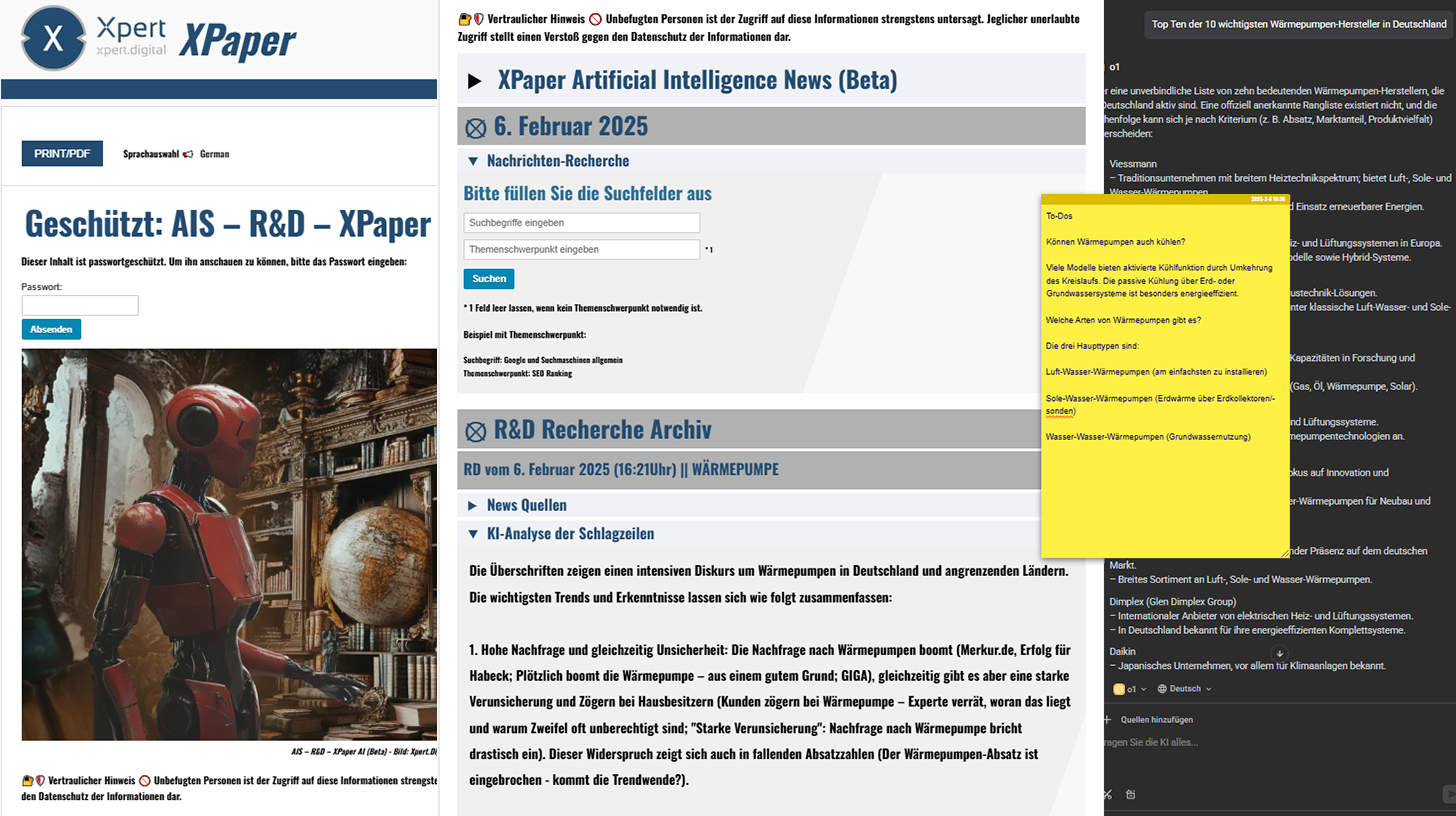
Xpaper AIS Ais Possibilities for Business Development, Marketing, PR and our Industry Hub (Content) - Image: Xpert.digital
This article was "written". My self-developed R&D research tool 'Xpaper' used, which I use in a total of 18 languages, especially for global business development. Stylistic and grammatical refinements were made in order to make the text clearer and more fluid. Section selection, design as well as source and material collection are edited and revised.
Xpaper News is based on AIS ( Artificial Intelligence Search ) and differs fundamentally from SEO technology. Together, however, both approaches are the goal of making relevant information accessible to users - AIS on the search technology and SEO website on the side of the content.
Every night, Xpaper goes through the current news from all over the world with continuous updates around the clock. Instead of investing thousands of euros in uncomfortable and similar tools every month, I have created my own tool here to always be up to date in my work in the field of business development (BD). The xpaper system resembles tools from the financial world that collect and analyze tens of millions of data every hour. At the same time, Xpaper is not only suitable for business development, but is also used in the area of marketing and PR - be it as a source of inspiration for the content factory or for article research. With the tool, all sources worldwide can be evaluated and analyzed. No matter what language the data source speaks - this is not a problem for the AI. Different AI models are available for this. With the AI analysis, summaries can be created quickly and understandably that show what is currently happening and where the latest trends are-and that with Xpaper in 18 languages . With Xpaper, independent subject areas can be analyzed - from general to special niche issues, in which data can also be compared and analyzed with past periods.
We are there for you - advice - planning - implementation - project management
☑️ SME support in strategy, consulting, planning and implementation
☑️ Creation or realignment of the digital strategy and digitalization
☑️ Expansion and optimization of international sales processes
☑️ Global & Digital B2B trading platforms
☑️ Pioneer Business Development

Konrad Wolfenstein
I would be happy to serve as your personal advisor.
You can contact me by filling out the contact form below or simply call me on +49 7348 4088 965 (Munich) .
I'm looking forward to our joint project.
Write to me

Xpert.Digital - Konrad Wolfenstein
Xpert.Digital is a hub for industry with a focus on digitalization, mechanical engineering, logistics/intralogistics and photovoltaics.
With our 360° business development solution, we support well-known companies from new business to after sales.
Market intelligence, smarketing, marketing automation, content development, PR, mail campaigns, personalized social media and lead nurturing are part of our digital tools.
You can find out more at: www.xpert.digital - www.xpert.solar - www.xpert.plus
Keep in touch










