Robots – boom or bust for Japanese society?

Language selection 📢
Published on: December 18, 2018 / Updated on: December 18, 2018 – Author: Konrad Wolfenstein
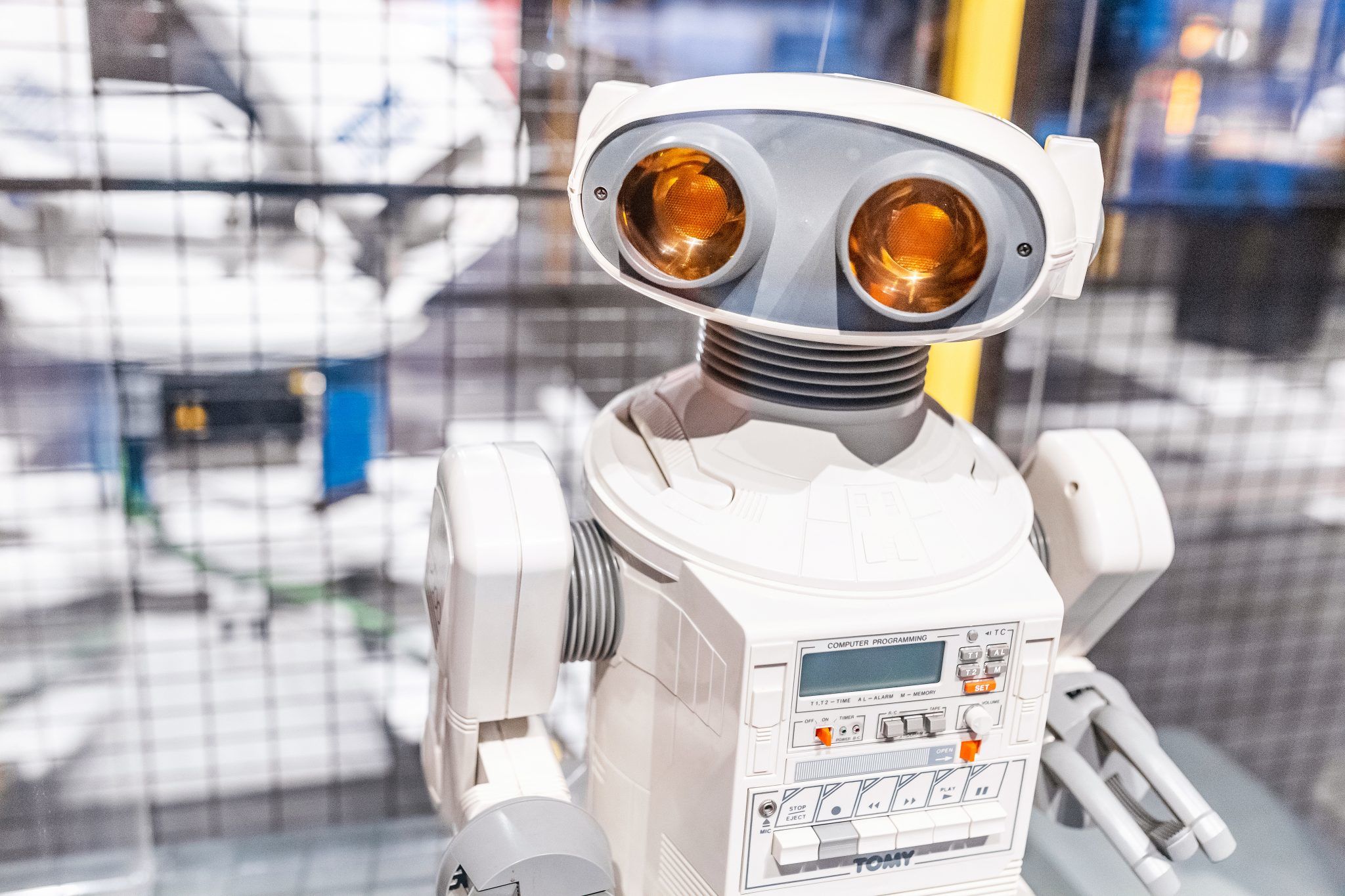
Robots – boom or bust? – @shutterstock | frantic00
Robots – Boom or bust for Japanese society?
Ever since the concept of developing autonomous machines arose, the Japanese have been fascinated by it. Following the development of the first mobile robot by a US scientific research institute in Silicon Valley, Japanese scientists have been heavily involved in robotics since the 1970s. While the word "robot" derives from the Czech word for "forced labor," the actual definition encompasses the concept of an intelligent, humanoid machine capable of autonomous movement and execution of tasks. As the field of robotics has developed at a rapid pace, it has spawned a wide range of types, which can be categorized by form, movement system, purpose, and much more.
Japan is renowned for developing innovative robots, as illustrated by news reports from around the world about the latest inventions, such as welding robots, robot dogs, or AI robots that help schoolchildren learn English. While perhaps not as entertaining as these examples, industrial robots have become a crucial part of the workforce in the manufacturing industry, and Japan is one of the largest markets for them globally. By performing tedious or dangerous tasks with far greater precision and speed than humans, they have transformed the manufacturing industry and helped it remain competitive.
However, Japan doesn't seem to be overly optimistic about technological progress. According to a Pew Research Center from May and June 2018 on the likelihood of societal changes if robots were to perform a large portion of the work currently done by humans, about 83 percent of Japanese respondents believe that inequality between rich and poor would worsen despite a much more efficient economy. Similarly, the majority believed that it would be difficult for ordinary people to find employment and doubted that better-paying jobs would become available. Given its aging population and shrinking working-age population, robots could be a solution for Japan to remain globally competitive. It must therefore find a way to create a society in which robots and humans can coexist and work together.
Robots – boom or bust for Japanese society?
Ever since the concept of creating machines that can operate autonomously exists, Japanese people have been fascinated by it. After the first mobile and perceptive robot was developed by a US scientific research institute in Silicon Valley, Japanese scientists have been heavily involved in robotics engineering since the 1970s. While the word robot derives from the Czech word for “forced labor”, the real-world definition includes the notion of an intelligent, embodied machine that can move and perform tasks autonomously. As the robotics field has developed at a fast pace, it has spawned a wide range of types, which can be divided by shape, locomotion system, purpose and many more.
Japan is famous for creating innovative robots, illustrated by news spreading from Japan across the world about the newest inventions, such as sweating robots, robot dogs or AI robots helping school children to learn English. Although not as entertaining as these examples, industrial robots have become a crucial part of the workforce in the manufacturing sector and Japan represents one of the biggest markets for them worldwide. By performing difficult or dangerous tasks with far more precision and speed than humans, they have transformed the manufacturing industry and helped it stay competitive.
Yet, people in Japan don't seem too optimistic about the technological progress. According to a Pew Research Center survey conducted in May and June 2018 about the likelihood of changes in society if robots do much of the work currently done by humans, about 83 percent of Japanese respondents thought that despite a much more efficient economy, the inequality between rich and poor would worsen. Similarly, the majority believed that ordinary people would have a hard time finding jobs and doubted that there would be better-paying jobs. With its aging society and shrinking workforce, robots could be one solution for Japan to stay globally competitive. It must therefore find a way to create a society in which robots and humans can coexist and work together.
 You will find more infographics at Statista
Keep in touch