Peak shaving during charging: throttling? Forced shutdown? Electricity rationing for electric cars?

Language selection 📢
Published on: September 27, 2021 / Updated on: September 27, 2021 – Author: Konrad Wolfenstein
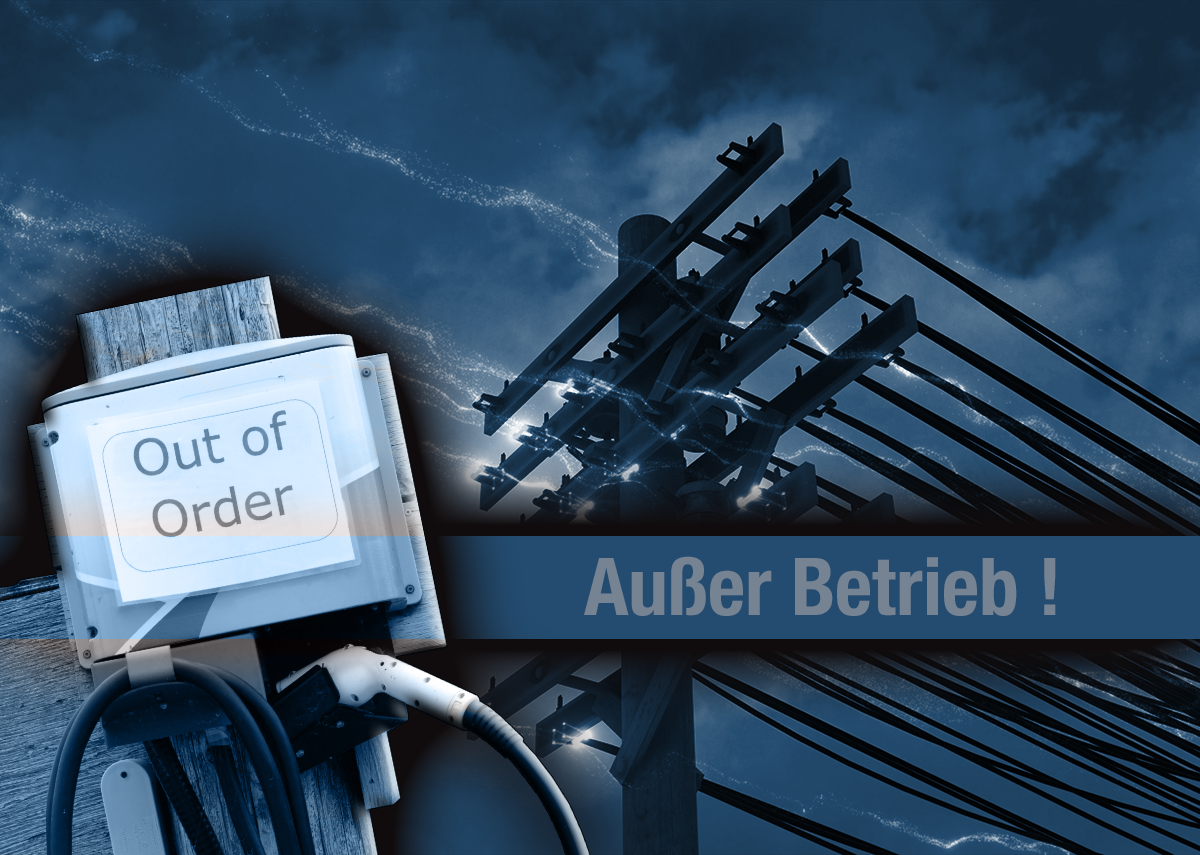
Electricity rationing for electric cars? – Image: Xpert.Digital
The focus is on electric cars, rooftop photovoltaic systems, solar carports, heat pumps, and electricity storage. The necessary infrastructure, the power grids, however, has been neglected.
Because with the increase and expansion of renewable energies through photovoltaic plants, solar thermal power plants, wind turbines and biogas plants, decentralized electricity generation also increases, the electricity generated from which is also fed into the electricity grid.
This, in turn, leads to a significantly more complex structure, primarily in the areas of load control, voltage regulation in the distribution network, and maintaining grid stability. Smaller, decentralized generation plants, unlike medium to large power plants, also feed directly into lower voltage levels such as the low-voltage or medium-voltage networks.
More about it here:
A functioning electricity grid is a fundamental prerequisite for mobility, where charging power is available decentrally anytime, anywhere. The more charging stations for electric cars are deployed, the greater the risk of temporary grid overload. Therefore, it is necessary to smooth out charging peaks during periods of temporary grid overload.
In the UK, starting in May 2022, private charging stations are scheduled to be remotely blocked for nine hours a day, between 8 and 11 a.m. and 4 and 10 p.m. Currently, there are only around 300,000 electric cars in the UK, yet measures are already being taken to prevent grid overload.
Upgrading the power grids must also be a top priority for the newly formed government in Germany if it wants to avoid the supposed and temporary total collapse.
Similar to the UK, Germany also had a draft law for "peak-level smoothing" (of up to two hours per day) ready to go. After the details became public, Economics Minister Peter Altmaier withdrew the plan at the beginning of the year. So close to the elections, there were likely fears of significant disadvantages and ridicule for the current aggressive approach to an emissions-free environmental policy. The automotive industry had also vehemently criticized these plans.
The Federal Ministry for Economic Affairs and Energy (BMWi) subsequently confirmed that the peak shaving measure, intended to curb electricity consumption in Germany and outlined in the coalition agreement between the CDU/CSU and SPD, would not be implemented before the next federal election. At the end of June, the plan ultimately failed due to the lack of agreement with the automotive industry and the grid operators.
The plan isn't off the table. We won't be able to avoid it. Besides mandatory charging breaks, the plan is to enable remote control not only of wallboxes, but also of heat pumps and night storage heaters. Alternatively, a temporary reduction in power output would also be possible, provided the necessary technical infrastructure is in place.
However, it is also a fact that flexible connection options have been proposed for those who do not necessarily require readily available connection capacity at all times, and who should receive financial benefits for this. The absence of this point in the discussions demonstrates once again the wide range of emotions surrounding this topic.
Those who develop their own island solution or autonomous power supply clearly at an advantage here, in addition to the tax benefit ( see CO2 tax
Network optimization - measures taken by German distribution network operators in 2020
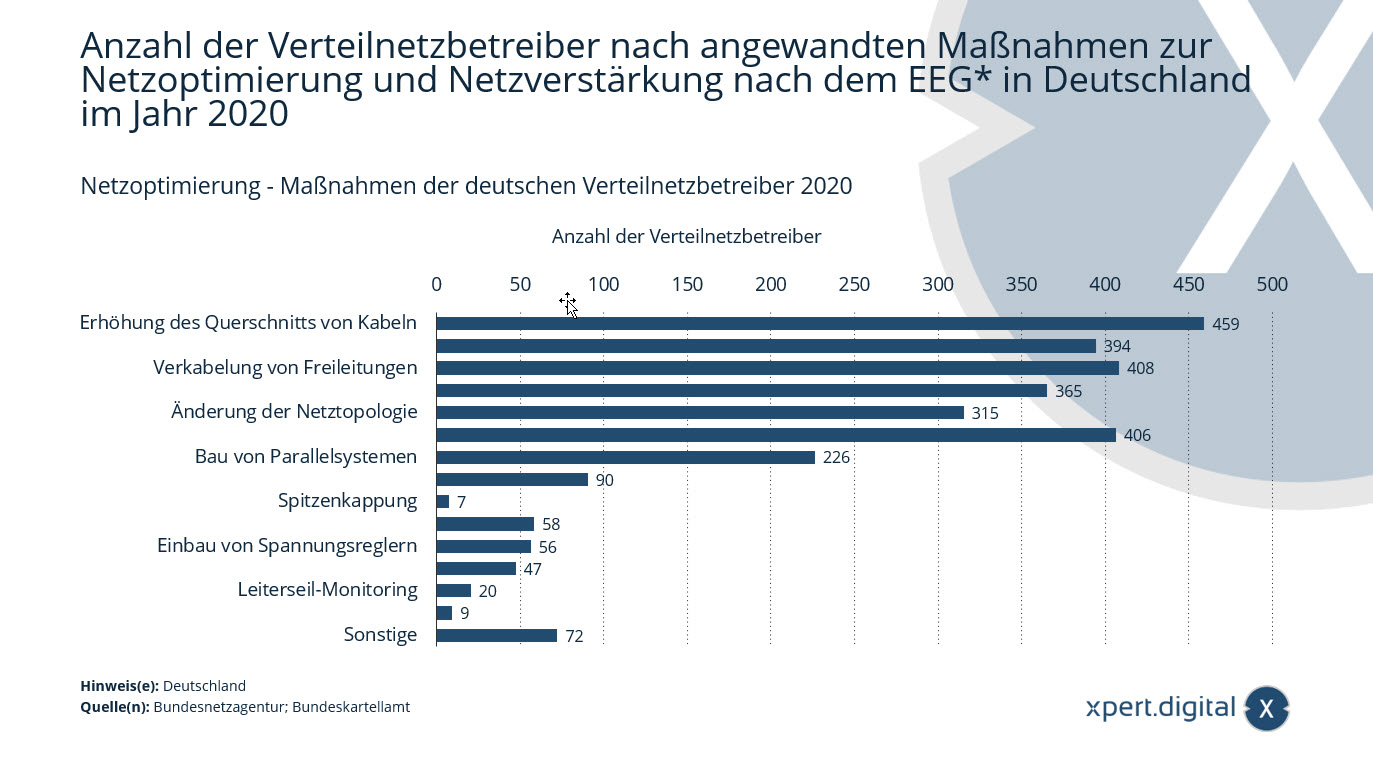
Network optimization – measures taken by German distribution network operators in 2020 – Image: Xpert.Digital
* EEG = Renewable Energy Sources Act, Section 9 Paragraph 1 EEG
The statistic shows the number of distribution system operators (DSOs) in Germany in 2020, based on the measures applied for grid optimization and grid reinforcement under the Renewable Energy Sources Act. As of April 1, 2020, 226 German DSOs were building parallel systems.
Number of distribution network operators according to measures applied for network optimization and network reinforcement under the EEG in Germany in 2020
- Increasing the cross-section of cables – 459 distribution network operators
- Increase in transformer capacity – 394 distribution network operators
- Cabling of overhead lines – 408 distribution network operators
- Disconnection point optimization – 365 distribution network operators
- Network topology change – 315 distribution network operators
- Installation of measurement technology – 406 distribution network operators
- Construction of parallel systems – 226 distribution network operators
- Increasing the cross-section of conductor cables – 90 distribution network operators
- Peak shaving – 7 distribution network operators
- Installation of adjustable local network transformers – 58 distribution network operators
- Installation of voltage regulators – 56 distribution network operators
- Regulation of cable sag – 47 distribution network operators
- Conductor cable monitoring – 20 distribution network operators
- High-temperature conductor cable – 9 distribution network operators
- Other – 72 distribution network operators
A conductor cable is a cable used for transporting electricity in an overhead power line as part of an electrical line.
Electricity grid operators - number in Germany up to 2020
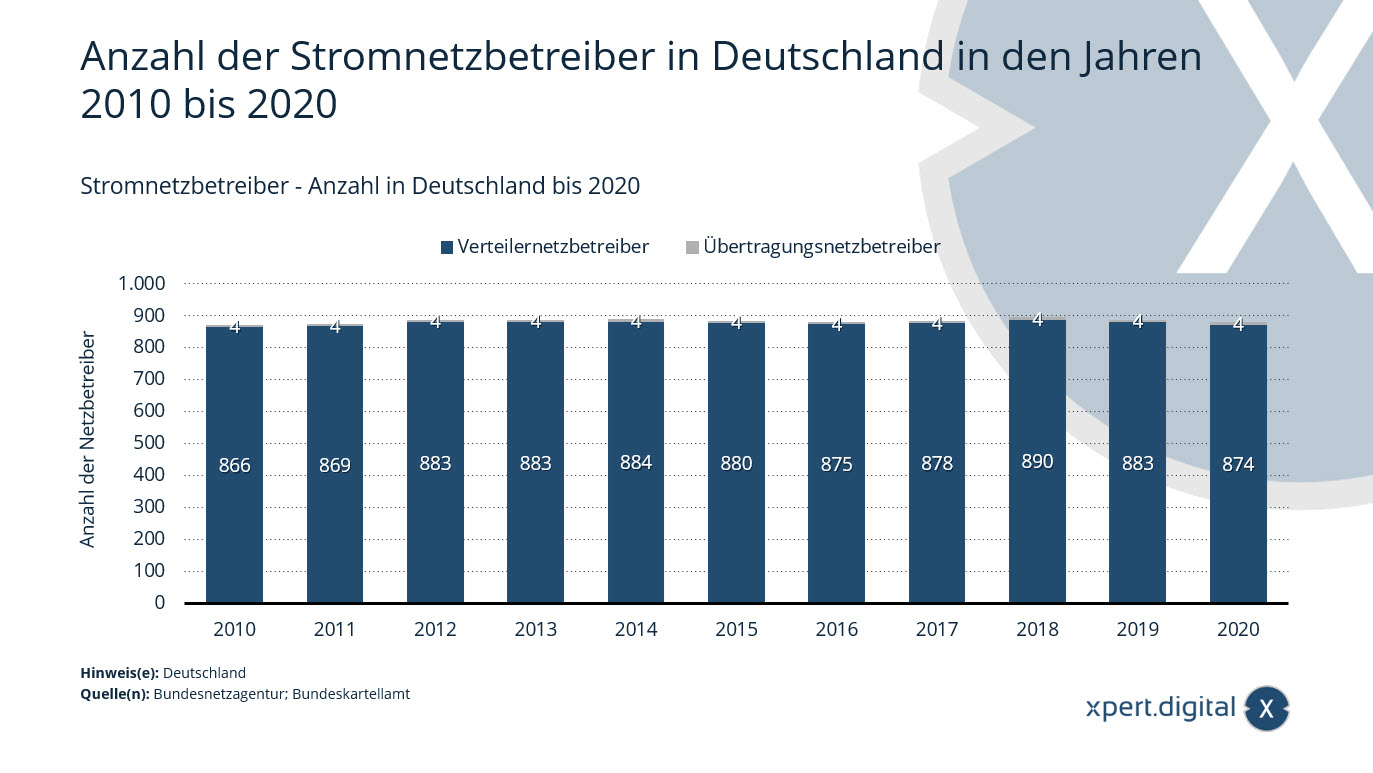
Electricity grid operators – number in Germany by 2020 – Image: Xpert.Digital
In 2020, a total of 874 electricity grid operators were counted in Germany. Compared to 2010, the number of operators increased by eleven. Electricity grid operators can be divided into transmission system operators and distribution system operators. The transmission grid is connected to the distribution system operators' grids via substations.
Transmission and distribution
In Germany, there are four transmission system operators: Amprion, 50Hertz, TransnetBW, and TenneT. They are responsible for the infrastructure of the national electricity grids. Amprion was the transmission system operator with the highest revenue in 2019. The 874 distribution system operators are currently responsible for electricity grids in the low-voltage, medium-voltage, and, in some sections, high- and extra-high-voltage ranges. They supply electricity to, for example, private households.
Electricity generation and consumption in Germany
In Germany, the amount of electricity generated has increased significantly over the past 30 years, albeit with slight fluctuations. Most of this electricity was generated from the fossil fuel lignite and from renewable energy sources. Industry was the largest electricity consumer, using almost half of the total electricity. The consumer groups "business, trade, and services" and "households" each consumed around a quarter of Germany's electricity.
Number of electricity grid operators in Germany between 2010 and 2020
- 2006 – 876 / 4 Distribution network operators/Transmission network operators
- 2007 – 877 / 4 Distribution network operator/Transmission network operator
- 2008 – 855 / 4 Distribution network operators/Transmission network operators
- 2009 – 862 / 4 Distribution network operators/Transmission network operators
- 2010 – 866 / 4 Distribution network operators/Transmission network operators
- 2011 – 869 / 4 Distribution network operators/Transmission network operators
- 2012 – 883 / 4 Distribution network operators/Transmission network operators
- 2013 – 883 / 4 Distribution network operators/Transmission network operators
- 2014 – 884 / 4 Distribution network operators/Transmission network operators
- 2015 – 880 / 4 Distribution network operators/Transmission network operators
- 2016 – 875 / 4 Distribution network operators/Transmission network operators
- 2017 – 878 / 4 Distribution network operators/Transmission network operators
- 2018 – 890 / 4 Distribution network operators/Transmission network operators
- 2019 – 883 / 4 Distribution network operators/Transmission network operators
- 2020 – 874 / 4 Distribution network operators/Transmission network operators
Transmission system operators in Germany
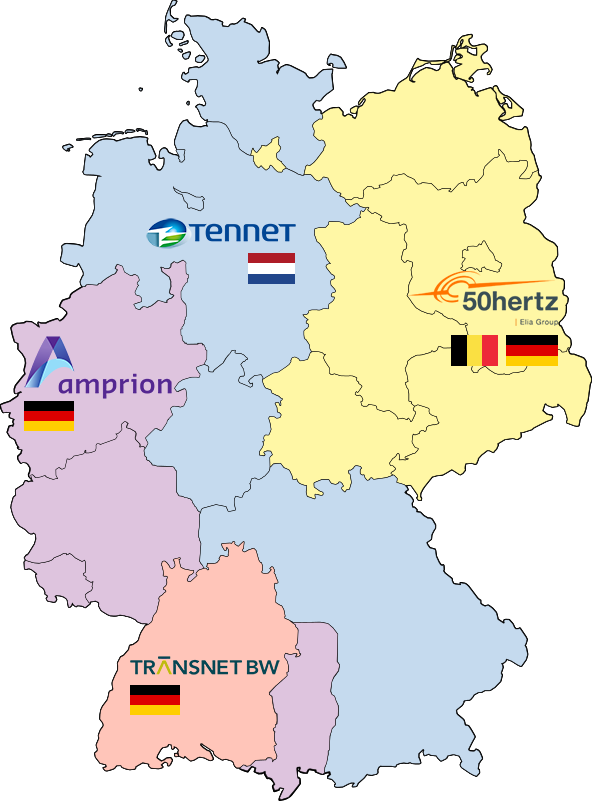
Francis McLloyd , Control areas with transmission system operators in Germany , edited, CC BY-SA 3.0
Transmission system operators are service companies that operationally manage the infrastructure of supra-regional electricity grids for the transmission of electrical energy, ensure demand-oriented maintenance and dimensioning, and grant electricity traders/suppliers non-discriminatory access to these grids. Furthermore, they are responsible for procuring and providing balancing power to the system as needed, in order to minimize grid fluctuations resulting from imbalances between electricity generated and consumed at any given time. The transmission grids are connected via substations to the denser, lower-voltage grids of the distribution system operators (DSOs), which typically ensure the supply to end customers, usually via low-voltage networks. Individual large customers, such as energy-intensive industrial plants, may also be directly connected to the transmission grid.
Transmission networks represent natural monopolies and their operators are generally subject to government supervision.
In Germany, the model of "regulated network access" came into force in 2005 with the second amendment to the Energy Industry Act (EnWG). It authorizes the Federal Network Agency to regulate transmission system operators.
There are four transmission system operators in Germany:
- Tennet TSO
- 50Hertz Transmission
- Amprion
- TransnetBW
The Flensburg municipal utility's network area represents a special case in Germany. Due to its direct connection to the Danish electricity grid, it technically belongs to the control area of the Danish transmission system operator energinet.dk and not to the control area of TenneT TSO, the transmission system operator responsible for northwestern Germany.
Distribution network operator
Since the liberalization of the energy supply, energy suppliers are generally no longer also the network operators. Only small municipal utilities are permitted to operate networks without a legal separation from the company. However, even there, electricity distribution and network operation must be organizationally unbundled. Networks are natural monopolies. Therefore, there is only one gas or electricity network operator in each network area, which cannot be freely chosen by the customer. Despite the separation of supplier and network operator, both can be part of the same energy group.
- A distribution network operator is a company that operates electricity and/or gas networks for distribution to end consumers (private households and small consumers).
- A distribution network operator maintains electricity networks at the network levels in the low-voltage, medium-voltage and high-voltage ranges for regional electricity supply.
- A distribution network operator is downstream of the transmission network operator, which transmits electricity over long distances in high-voltage networks.
- The distribution network operator is responsible for the safe and reliable operation of the networks in a specific area and for the connection to other electricity networks.
- Distribution network operators typically belong to a local or municipal energy supply company, such as a municipal utility, but sometimes also to one of the large energy companies that have often acquired such networks as part of privatizations.
- The distribution network operator is responsible for recording the meter readings at the end consumer's premises, which he then forwards to the customer's contractual partner for invoicing.
- The distribution network operator obtains its electricity from the transmission network operator and its gas from the long-distance pipeline operator.
📣 Solar solutions for industry, retail and municipalities
Everything from a single source, specifically tailored to your solar solution. Refinance or offset your future costs with your own electricity generation.
🎯 For solar engineers, plumbers, electricians and roofers
Advice and planning including a non-binding cost estimate. We bring you together with strong photovoltaic partners.
👨🏻 👩🏻 👴🏻 👵🏻 For private households
We are positioned across regions in German-speaking countries. We have reliable partners who advise you and implement your wishes.
📊 Photovoltaic planning tool and solar configurator for roof and outdoor areas 💬

Innovation bonus for electromobility
Since mid-2020, the adoption of electric vehicles in Germany has increased significantly. This is primarily due to the introduction of the innovation bonus on July 8, 2020, with which the German government doubled its subsidies for the purchase of an electric vehicle.
Federal Minister Peter Altmaier: “Since the introduction of the innovation premium, we have seen a significant boost in electromobility. The number of applications remains at a record high. In the first half of 2021, more premiums were claimed than in the entire previous year – a total of €1.25 billion. This year will see record funding for electric cars. That is why we in the coalition have decided to continue the funding until the end of 2025, so that the market ramp-up of electromobility can gain further momentum.”
Torsten Safarik, President of the Federal Office for Economic Affairs and Export Control (BAFA): “With the introduction of the innovation premium, demand for the environmental bonus has risen sharply. In the first half of 2021, 273,000 vehicles were applied for – already more than in the entire previous year. This is a strong signal for climate-friendly mobility in Germany.”
With the introduction of the innovation premium, the number of applications for the environmental bonus increased significantly. In the second half of 2020, new application records were set monthly. In December 2020, the number of applications reached a preliminary peak of 53,566. In March 2021, the number of applications was again just under 52,000.
From January to the end of June 2021, subsidies were applied for on 273,614 vehicles. This sends a strong signal for climate protection and demonstrates the steadily increasing public interest in electric vehicles. Since the subsidy program began in 2016, a total of 693,601 vehicles have been applied for as of July 1, 2021.
The innovation premium, which doubles the federal government's share of the environmental bonus, will be extended beyond 2021 until December 31, 2025, according to the decision of the Automotive Summit (KAM) at the Federal Chancellery on November 17, 2020. The Federal Ministry for Economic Affairs and Energy will implement this extension shortly.
With the doubling of the government's share of the environmental bonus, subsidies of up to €9,000 can be claimed for electric vehicles with a net list price of less than €40,000; for hybrid cars, the subsidy is €6,750. For electric vehicles with a net list price exceeding €40,000, subsidies of up to €7,500 are available for purely electric vehicles and up to €5,625 for hybrid cars.
Increased subsidies for electric vehicles
“The amended funding guidelines for the ‘innovation premium’ will be published in the Federal Gazette today at 3 p.m. and will come into force tomorrow. This will double the government's share of the subsidies for electric cars. Pure electric cars will thus receive a subsidy of up to €9,000; plug-in hybrids will receive a subsidy of up to €6,750,” according to the Federal Ministry for Economic Affairs and Energy in its press release of July 7, 2020.

Amount of the environmental bonus for the purchase of electric vehicles – Image: Xpert.Digital
Federal Minister for Economic Affairs Peter Altmaier: “We are doubling the government subsidy for the purchase of an electric car, thus creating a significant incentive for consumers to buy one. We want to accelerate the switch to electric cars and give electromobility in Germany a new boost.”
The President of the Federal Office for Economic Affairs and Export Control (BAFA), Torsten Safarik: “The new subsidies of up to €9,000 make switching to an electric car significantly more attractive for citizens. With the streamlined, single-stage process, we at BAFA are implementing the new innovation premium efficiently and in a citizen-friendly manner.”
From July 8, 2020, the federal share of the existing environmental bonus system will be doubled temporarily until December 31, 2021. The manufacturer's share remains unchanged. The following purchased or leased vehicles can benefit from the "innovation premium"—even retroactively:
- New vehicles that are registered for the first time after June 3, 2020 and up to and including December 31, 2021, as well as young used vehicles whose first registration takes place after November 4, 2019 and whose second registration takes place after June 3, 2020 and up to December 31, 2021.
The "innovation premium" stems from the outcome of the coalition committee meeting of June 3, 2020. In addition to the temporary doubling of the federal government's share, the amended funding guidelines prohibit combining it with funding from other public sources. This is intended to prevent over-subsidization. The European Commission has reviewed the "innovation premium" under state aid rules.
Related to this:
Model 'peak shaving' - Better utilization and control of low-voltage networks
The network operator should be enabled to smooth out peak loads in the network and thereby utilize the network more effectively.
This could be achieved through a new instrument called "peak shaving." This would allow the grid operator to control the available power for flexible consumption in the short term and adapt it to the load situation on the grid. For example, this would enable more simultaneous charging processes for electric vehicles without overwhelming the distribution network. This could be implemented through flexible connection and grid usage.
The flexibility management by the network operator should be clearly limited.
Peak shaving should only be permitted to a very limited extent, so that adjustments to power consumption are kept to a minimum and occur as infrequently as possible. This is because grid-side flexibility management should be largely unnoticed and without any noticeable impact on grid users. The grid-side control signal takes precedence over other flexibility applications by consumption facilities. Furthermore, grid users are free to market their flexibility in other ways – for example, for variable electricity tariffs or by providing ancillary services together with other low-voltage consumers via aggregators. Interventions for peak shaving should be transparently documented and thus as predictable as possible for third parties (see section 6 below). The varying flexibility capacities of different installations must also be taken into account when defining the limits for intervention by the grid operator.
Flexibility management is intended to limit the expansion of low-voltage networks to an efficient level.
The network operator must continue to plan and expand its network appropriately to meet demand. However, greater consideration should be given than before to the fact that network expansion may not be practical during rare periods of peak load. Several studies indicate that
peak shaving can substantially reduce the need for network expansion. A prerequisite for this is that network operators can reliably incorporate peak shaving into their network planning.
Example: "Top cutting"
The approach of "peak smoothing" electricity consumption is similar to the long-established and proven method used in electricity generation: Through so-called "peak shaving" in
renewable energies, the grid no longer needs to be expanded for the last renewable kilowatt hour.
From: Intelligently integrating flexibility into distribution networks, advancing electromobility and sector coupling: the instrument of "peak shaving"
Discussion points on the further development of the legal framework for flexible consumers in low-voltage networks – Federal Ministry for Economic Affairs and Energy
A flexible grid connection for flexible consumers
Flexible loads should be given flexible connection options.
Currently, when connecting to the low-voltage grid, a standard flat-rate power output capacity of 30 kilowatts (kW) is agreed upon with the customer, which theoretically must be available at all times. However, this does not mean that a corresponding power output will actually be achieved when using this connection, and certainly not continuously.
To use the existing grid more efficiently and limit further grid expansion to an efficient level, it makes sense to differentiate the required grid capacity in the future to meet the varying needs of grid users and increase flexibility. For peak shaving, the connection capacity of 30 kW could therefore be retained in principle, but its use could be divided into two parts:
- For electricity consumption that is not considered flexible, readily available must continue to be ensured. This portion is not subject to grid-oriented management but may only be used for inflexible demand. It should therefore be dimensioned to be high enough to fully cover typical household applications. The
exact amount is open for discussion. - For flexible electricity consumption, a "flexible connection usage" is created. The grid operator can temporarily limit the power drawn here according to the principles of "peak shaving" described above. This portion could, for example, consist of the capacity exceeding the inflexible portion. Because maximum power is only available in specific cases and not everywhere simultaneously, this excess portion is suitable for consumption devices that do not require constant availability and can react flexibly to bottlenecks if necessary.
Flexible connection usage should become the norm for consumption considered flexible.
The more flexible consumption is covered by flexible connection usage, the more facilities can be connected to the existing network and the more broadly the network-side control actions can be distributed.
The dimensions of the "flexible connection usage" can be individually configured by the user.
There is generally nothing wrong with allowing the conversion of a flexibly used grid connection into a fixed, inflexible connection that can be used without restrictions at any time.
However, this is contingent on feasibility and appropriate participation in the resulting additional costs.
From: Intelligently integrating flexibility into distribution networks, advancing electromobility and sector coupling: the instrument of "peak shaving"
Discussion points on the further development of the legal framework for flexible consumers in low-voltage networks – Federal Ministry for Economic Affairs and Energy
Flexibility should also pay off financially.
Consumers who can react flexibly should be rewarded for using their flexibility in a grid-oriented manner. Currently, according to Section 14a of the German Energy Industry Act (EnWG), consumers who agree to grid operator control already receive a reduction in grid fees. This mechanism should be expanded and further developed and become the standard for all grid connections with flexible consumption devices in the low-voltage network. This would give grid users the opportunity to choose the grid usage product that best suits their needs.
The following guidelines shall apply to the design:
- Different prices will be introduced depending on the type of network usage. Flexible consumers who participate in peak shaving will pay significantly lower network charges. Those who provide flexibility can therefore benefit from the cost savings for the network. Conversely, those who want to use the full capacity at all times for their flexible consumption will have to pay higher charges.
- Several implementation options are available: Currently, network charges for the majority of low-voltage customers consist of a basic charge and a usage charge. Both components could, in principle, be differentiated according to the type of network usage. It would also be conceivable to supplement the existing system with a charge component for the agreed-upon capacity of the connection. This could be based on a (subsequent) measurement of the connection's usage or a (prior) order of capacity. One-off payments would also be possible.
From: Intelligently integrating flexibility into distribution networks, advancing electromobility and sector coupling: the instrument of "peak shaving"
Discussion points on the further development of the legal framework for flexible consumers in low-voltage networks – Federal Ministry for Economic Affairs and Energy
Transformation to Smart Grids: Smart Metering & Roadmap for Intelligent Energy Networks of the Future
Standardization strategy for cross-sectoral digitalization of the energy transition published
The digitalization of energy grids is a key prerequisite for the grid integration of renewable energies and electromobility. To this end, the Federal Ministry for Economic Affairs and Energy (BMWi) and the Federal Office for Information Security (BSI) jointly published the standardization strategy for the cross-sectoral digitalization of the energy transition This roadmap contains the work plan for transforming energy grids into so-called "smart grids." The goal is to network all stakeholders in the electricity supply within the intelligent energy grid of the future.
The roadmap is based on the Act on the Digitization of the Energy Transition (GDEW). The GDEW has redefined smart metering in Germany and set an important precedent for a future-proof energy grid. It rests on four cornerstones: standardization, data protection and data security, investment security, and public acceptance.
A core element of the GDEW (German Energy Transition Initiative) is the introduction of smart meter gateways. The roadmap now presented describes the further development of the smart meter gateway into a comprehensive digital communication platform for the energy transition. This platform provides energy supply stakeholders – from grid operators and electricity suppliers to consumers – with the generation and consumption information they need. At the same time, smart meter gateways guarantee the highest level of data protection and data security. Because the energy transition needs more than just "smart meters."
The minimum technical standards for smart meter gateways must be continuously developed. They must keep pace with the demands of the energy transition, ensure added value for consumers, function across sectors and in line with sector coupling (especially heating and smart homes), incorporate electromobility, and be prepared for future threat scenarios, such as hacker attacks. The further development of the relevant standards is also addressed in the roadmap.

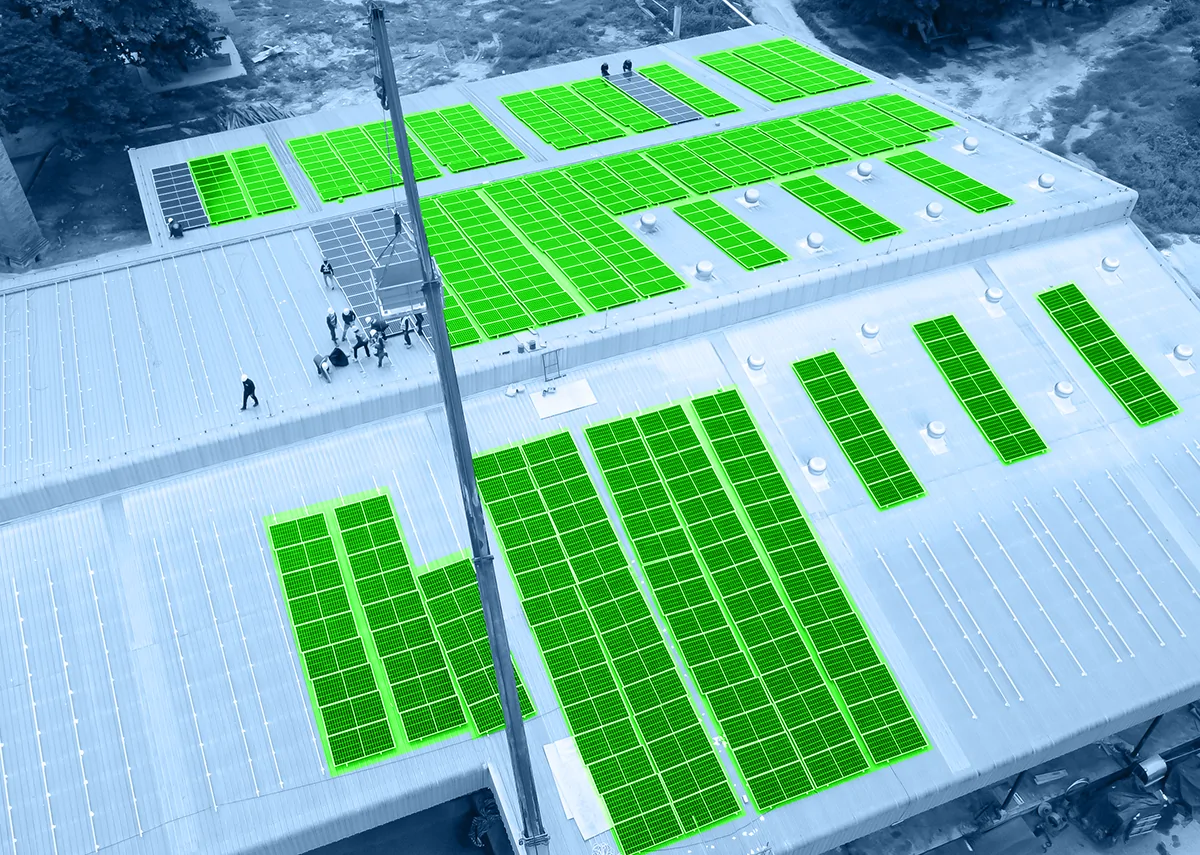
- Warehouses, production halls and industrial halls with their own power source from a photovoltaic roof system - Image: NavinTar|Shutterstock.com
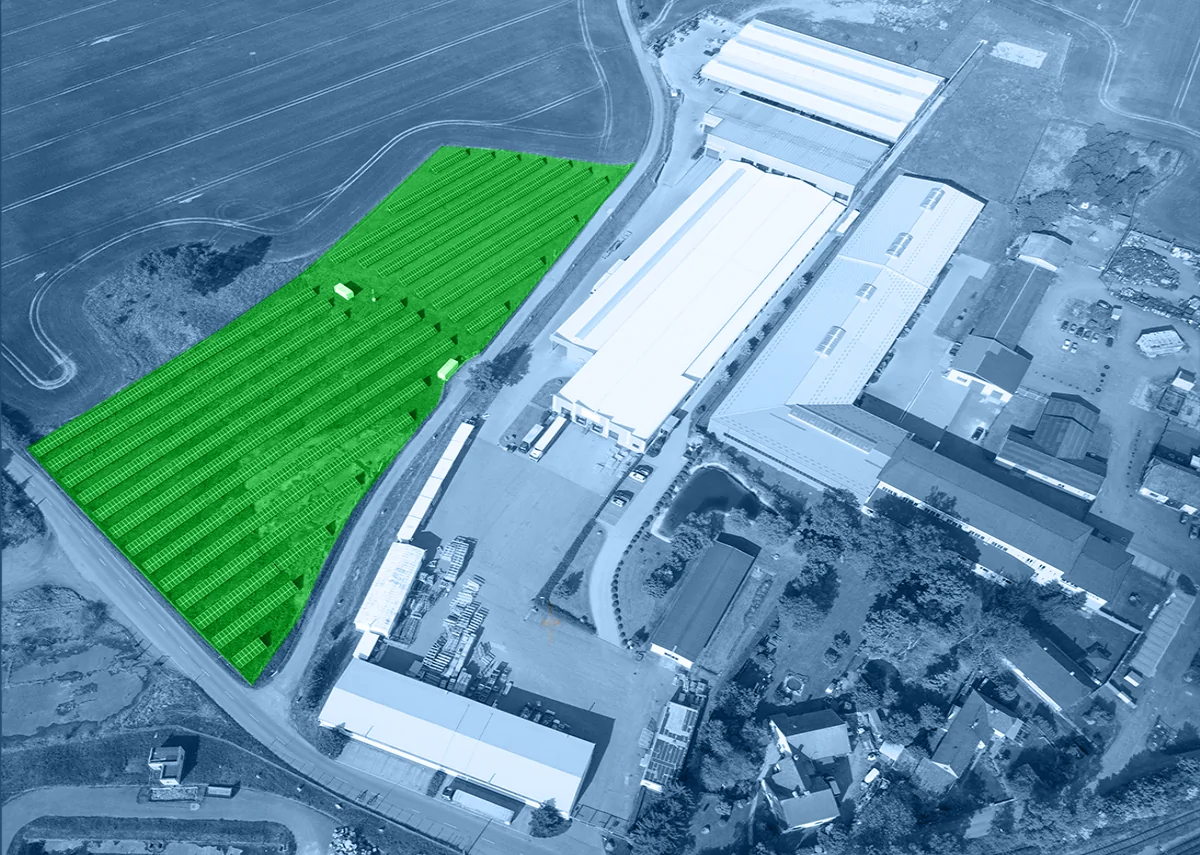
- Industrial plant with its own power source from an outdoor photovoltaic system - Image: Peteri|Shutterstock.com
- Plan solar systems with photovoltaic solutions for freight forwarding and contract logistics

- B2B solar systems and photovoltaic solutions & advice

- Plan photovoltaics for warehouses, commercial halls and industrial halls
- Industrial plant: Plan a photovoltaic open-air system or open-space system
- Plan solar systems with photovoltaic solutions for freight forwarding and contract logistics
- B2B solar systems and photovoltaic solutions & advice
Xpert.Solar offers consulting and planning services for solar solutions, solar power systems, solar carports, charging stations, energy storage systems and infrastructure.

Konrad Wolfenstein
I would be happy to serve as your personal advisor.
You can contact me by filling out the contact form below or simply call me on +49 89 89 674 804 .
I'm looking forward to our joint project.
Write to me

Xpert.Digital – Konrad Wolfenstein
Xpert.Digital is a hub for industry with a focus on digitalization, mechanical engineering, logistics/intralogistics and photovoltaics.
With our 360° business development solution, we support well-known companies from new business to after sales.
Market intelligence, smarketing, marketing automation, content development, PR, mail campaigns, personalized social media and lead nurturing are part of our digital tools.
You can find out more at: www.xpert.digital – www.xpert.solar – www.xpert.plus
Keep in touch