
Fashion & Fashion Commerce: Metaverse Fashion Week – The fashion industry in the metaverse – Is this the future?

Available in 27 languages 📢
Prefer Xpert.Digital on GoogleⓘPublished on: August 6, 2023 / Updated on: August 6, 2023 – Author: Konrad Wolfenstein
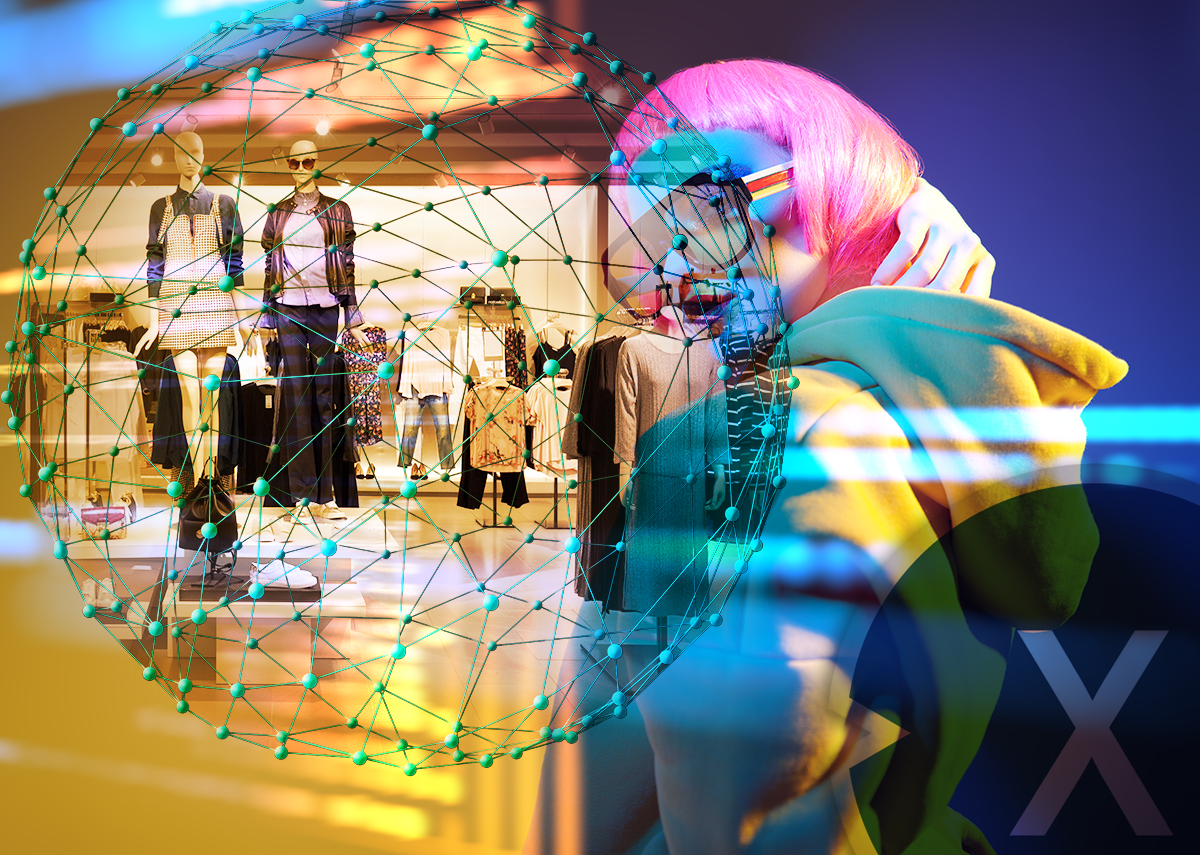
The fashion industry in the metaverse – Is this the future? – Image: Xpert.Digital
Metaverse and the fashion industry: Hurdles and challenges
The future of fashion in the metaverse: Major players and McKinsey's estimate put to the test
In this section, we will critically examine the supposedly exciting future of the fashion industry in the Metaverse. The Metaverse, a concept driven by AI and virtual experiences, is touted as a promising new era for the fashion world. Here, we will question the claims about NFTs, virtual stores, and groundbreaking technologies being used by brands like Adidas and Gucci to gain a foothold in the Metaverse.
The questionable nature of NFTs
Non-fungible tokens (NFTs) have undoubtedly garnered attention, but to what extent do they truly contribute to the development of the fashion industry in the metaverse? Brands like Adidas and Gucci may be using these digital assets to venture into the metaverse market, but the question remains whether they actually offer added value for customers. The merging of the physical and virtual worlds may be theoretically appealing, but the long-term relevance of this technology is a matter of debate.
Virtual businesses – reality or fiction?
Platforms like Decentraland and Roblox may promote the idea of virtual stores, but how realistic is an actual shopping experience in such an environment? The technology may allow us to experience products virtually, but the question remains whether this can truly replace the traditional way of shopping. Will the fashion industry really benefit from this technology, or is it merely a short-lived trend?
The hurdles in Meta's Horizon Worlds
Meta's Horizon Worlds may be considered a major player in the Metaverse, but what about the actual challenges? Creating a coherent and engaging virtual world undoubtedly requires enormous effort, but will this investment truly deliver the desired success for the fashion industry? The need for a seamless and brand-consistent presentation places high demands on companies and requires substantial investment.
Fashion and gaming – a questionable combination
The success of Tommy Hilfiger and Christian Louboutin may serve as proof of the successful fusion of fashion and gaming, but it's important to remember that these are just isolated cases. The question is whether these partnerships with gaming platforms are truly sustainable and offer long-term opportunities. It remains to be seen whether the integration of fashion into virtual worlds will actually create the desired opportunities for designers and isn't just a fleeting trend.
Big players – are they really the future?
With the entry of giants like Apple, Netflix, and Disney into the metaverse, the virtual world may gain further importance. But the question remains whether these companies should truly be setting the direction. The introduction of Apple's mixed-reality glasses may offer consumers an even more immersive experience, but it's questionable whether this will truly represent a decisive breakthrough for the fashion industry. The innovative power of Netflix and Disney is undoubtedly impressive, but to what extent are their approaches actually relevant to the fashion industry?
McKinsey's estimate – hope or wishful thinking?
McKinsey's estimate that the metaverse will reach a value of $5 trillion by 2030 may sound impressive. However, it's important to remember that such forecasts are often fraught with uncertainty and depend on many factors. The fashion industry may benefit from this development, but it's crucial to address the real technological challenges and truly prioritize customer needs. Companies should be careful not to be blinded by a seemingly golden future in the metaverse.
Sometimes, critically examine the possibilities
The metaverse may be an exciting journey into a virtual world brimming with possibilities, but it's crucial to critically examine these possibilities. The use of NFTs and virtual stores may seem appealing, but the question remains whether these technologies are truly relevant in the long run. The convergence of fashion and gaming may offer some success stories, but it's questionable whether this applies to the fashion industry as a whole. Major players may be investing in the metaverse, but it's unclear whether their approaches will truly shape the future of the fashion industry. McKinsey's estimates may inspire hope, but it's essential to remain realistic and not underestimate the challenges. Let's approach the future with a critical eye and carefully examine the metaverse's potential for the fashion industry.
Dining in the Metaverse? More nonsense in store? Absurd with sense and logic!

Dining in the Metaverse? – Image: Xpert.Digital
More about it here:
Our Industrial Metaverse configurator
Just try out our universally applicable (B2B/Business/Industrial) Metaverse configurator for all CAD / 3D demo options:

Xpert (B2B/Business/Industrial) Metaverse configurator for all CAD / 3D data can be used on all devices, one platform!
Suitable for:
Media review: Metaverse Fashion Week (#MVFW23)
The Metaverse Fashion Week (#MVFW23) in March 2023 was another exciting moment in the global fashion industry. Over 60 brands, artists, and designers participated in the event, showcasing a mix of traditional legacy brands and digital brands. The theme, “Future Heritage,” aimed to shape the future of fashion through diverse aesthetics that connect realities and worlds. #MVFW23 took place in Decentraland, the first decentralized metaverse, providing a platform for users to create, experience, and monetize content, as well as participate in community-driven events.
The second edition of Metaverse Fashion Week saw a lower attendance compared to the previous year, but organizers and fashion brands remain optimistic and intend to continue expanding within the Metaverse. Brands such as Adidas, Clarks, Coach, Dolce & Gabbana, Diesel, and Marc Cain shared their experiences and future plans. The event attracted 26,000 visitors, down from the impressive 108,000 of the previous year, and sales of digital products also declined.
Digital fashion, rooted in the early days of the internet, has recently gained momentum thanks to advances in augmented and virtual reality. The COVID-19 pandemic has further boosted its popularity. Well-known fashion brands like Dolce & Gabbana and Adidas have launched digital collections using NFTs or announced their presence in the metaverse. The metaverse encompasses a virtual space closely linked to 3D technologies and connected to blockchain, AR, MR, and NFTs. Metaverse fashion exists in two main forms: physical clothing made wearable through AR or VR, and fully digital fashion sold directly to avatars or traded as NFTs.
Leading brands like Gucci, Balenciaga, and Nike have already embraced the metaverse, offering virtual products and experiences to appeal to tech-savvy consumers. The metaverse's potential for sustainability is highlighted, as it could reduce the fashion industry's environmental impact by enabling virtual showrooms and product presentations, thereby minimizing production, reproduction, and fashion waste. However, it is crucial to consider the challenges and opportunities of digital fashion to work towards a more sustainable and ethical industry, both in the physical and digital realms.
MVFW23: The vision of the “Future Heritage”
The overarching theme of #MVFW23 was “Future Heritage.” The goal was to shape the future of fashion, utilizing diverse aesthetics that connect different realities and worlds. The event took place in the virtual space of Decentraland, the first decentralized metaverse. Decentraland offered participants an exceptional platform to create, experience, and even monetize content. The excitement was palpable as virtual worlds merged with fashion, blurring the lines between physical and digital experiences.
Digital fashion is on the rise
Digital fashion is a phenomenon rooted in the early days of the internet, but it has experienced rapid development in recent years. A key driver of its increasing popularity is technological advancement in augmented and virtual reality. The COVID-19 pandemic has further amplified this trend, as people increasingly sought innovative ways to experience and express fashion without being physically present.
Renowned fashion houses like Dolce & Gabbana and Adidas have recognized the importance of digital fashion and launched their own digital collections using NFTs. NFTs (non-fungible tokens) are a crucial component of the metaverse, as they enable the creation of unique and non-interchangeable digital artworks and fashion collections.
The Metaverse and its possibilities
The Metaverse is a virtual space intricately linked to advanced technologies such as blockchain, augmented reality (AR), mixed reality (MR), and NFTs. It offers an unprecedented opportunity to create, explore, and interact within digital worlds. The Metaverse Fashion Week was just a glimpse of the immense potential this virtual reality holds for the fashion industry.
A crucial aspect of the metaverse is that it blurs the lines between physical and digital fashion. On the one hand, there is physical clothing that is augmented by AR or VR. This means that consumers can virtually try on garments before buying them. This streamlines the online purchasing process and reduces return rates, which in turn promotes sustainability.
On the other hand, there is fully digital fashion designed specifically for avatars or as NFTs. In this area, brands like Gucci, Balenciaga, and Nike have already developed innovative products and experiences to satisfy the needs of tech-savvy consumers.
Metaverse Fashion Week: Strong brand presence
Metaverse Fashion Week brought together brands like DKNY, Dundas, Perry Ellis, and Tommy Hilfiger across three platforms. The event offered participating brands a unique opportunity to strengthen their identity within the metaverse and expand their brand presence.
Adidas' First All-Digital Collection and Innovative Presentation
Adidas set a milestone at Metaverse Fashion Week with its first all-digital collection. The brand demonstrated how to push the boundaries of virtual reality and set new standards. Viewers were captivated by the creative presentation of the products, which could revolutionize traditional shopping.
Dolce & Gabbana's “Future Reward” Designs and the Power of Creativity
Dolce & Gabbana presented their “Future Reward” designs at Metaverse Fashion Week. The brand once again proved that creativity and innovation know no bounds in the Metaverse. The virtual fashion show allowed Dolce & Gabbana to interact with their target audience in a way that would not be possible in the physical world.
Diesel's Interactive Party and Future Projects
Diesel CEO Stefano Rosso is extremely pleased with the success of their interactive party. Diesel plans to explore further projects and partnerships within the Metaverse. Metaverse Fashion Week provided Diesel with the perfect platform to interact with their target audience in a completely new way.
Marc Cain's Virtual Leohearts Blazer and Mask: Limited Exclusive Edition
Marc Cain created a sense of limited-edition exclusivity with their virtual Leohearts blazer and mask. The limited run of 1,000 pieces lent the products an air of luxury and exclusivity. Visitor reactions were overwhelmingly positive, and the brand plans to further expand its interactive 3D experiences.
Sustainability and ethics in digital fashion
Metaverse Fashion Week also highlighted the potential benefits of the metaverse for a more sustainable fashion industry. By utilizing virtual showrooms and product presentations, the need for physical production and reproduction could be significantly reduced. This would not only lessen the fashion industry's ecological footprint but also pave the way for a more resource-efficient future.
Nevertheless, we must not forget the challenges and ethical questions that come with digital fashion. Data protection and cybersecurity are crucial aspects that must be carefully considered to gain consumer trust. Furthermore, we must ensure that the rights and needs of workers in the supply chain are respected, including in digital production.
Shaping the future of fashion
Metaverse Fashion Week (#MVFW23) demonstrated that the fashion industry is open to progressive developments toward a digital future. The combination of physical and digital fashion opens up exciting potential for both brands and consumers. Particularly noteworthy is the strong focus on sustainability and ethics, which together are creating a fashion industry that operates innovatively, responsibly, and with a future-oriented approach.
The second Metaverse Fashion Week: Review and Outlook
The second edition of Metaverse Fashion Week saw a decline in attendance compared to the previous year. Nevertheless, organizers and most fashion brands remain optimistic and plan to further expand their presence in the virtual world. Brands such as Adidas, Clarks, Coach, Dolce & Gabbana, Diesel, and Marc Cain shared their experiences and upcoming projects within the virtual fashion realm. Held on platforms like Decentraland, Spatial, and Over, the virtual fashion week attracted 26,000 visitors, down from 108,000 the previous year. Revenue from digital products fell from $76,757 to $26,700. Despite this, Diesel captivated attendees with interactive experiences and exclusive NFT apparel. Coach received positive feedback for its Tabby experience and plans to explore further Metaverse projects. Adidas showcased a digital collection in its Decentraland lounge and received enthusiastic feedback. Dolce & Gabbana revealed the winners of its “Future Reward” design contest and their plans for a stronger presence in the Metaverse. Marc Cain designed a virtual Leohearts blazer and mask, which saw high demand. Alena Glimpel, team leader for digital collection development at Marc Cain, expressed her enthusiasm for the creative community and the 3D experiences created to celebrate the brand's 50th anniversary. The second edition of MVFW focuses on the theme of “Future Heritage” and includes luxury fashion brands embracing Web 3 and planning further metaverse projects.
The decline in visitor numbers and revenue
The decline in visitor numbers and revenue compared to the previous year may initially seem disappointing, but it shouldn't overshadow the positive developments that took place during the event. The fact that 26,000 people attended the virtual Fashion Week still demonstrates a strong interest in the metaverse and the convergence of fashion and technology. Revenue from digital products may have decreased, but this doesn't necessarily reflect the quality or interest of visitors. Rather, it's because the market is still in its infancy and will continue to evolve.
The successes of the individual brands
Despite the overall decline in participation, several notable individual brands achieved success during Metaverse Fashion Week. Diesel focused on innovative, interactive experiences and exclusive NFT garments that captivated attendees and created a positive brand experience. Coach received praise for its Tabby experience, demonstrating that creativity and uniqueness are rewarded in the virtual fashion world. Adidas impressed visitors with its digital collection and Decentraland lounge, laying a promising foundation for future projects. Dolce & Gabbana scored points with its “Future Reward” design competition, fostering community integration and long-term engagement. Marc Cain set trends with its virtual Leohearts blazer and mask, generating high demand and further strengthening the brand.
The future of the metaverse in the fashion industry
The second edition of Metaverse Fashion Week demonstrates that the fashion industry is ready to embrace the potential of the metaverse. The theme, “Future Heritage,” underscores the desire of luxury fashion brands to translate their heritage into the virtual world and create exciting new experiences for their customers. The positive response to interactive experiences and unique virtual collections suggests that the fusion of fashion and technology holds a promising future.
Nevertheless, positive feedback
Despite the decline in visitor numbers and revenue at the second Metaverse Fashion Week, the successes of individual brands and the positive feedback demonstrate that the Metaverse is a promising territory for the fashion industry. Advances in the virtual fashion world are just the beginning, and the fashion industry is expected to continue investing in virtual reality. The “Future Heritage” themed Fashion Week showed that combining tradition and technology can create a unique and inspiring experience for customers. Luxury fashion brands are on the right track to fully realize the potential of the Metaverse and further push the boundaries of the fashion industry.
It is to be hoped that the fashion industry will carefully address the opportunities and challenges of digital fashion
The second edition of Metaverse Fashion Week (#MVFW23) in March 2023 was a significant event in the global fashion industry. Over 60 brands, artists, and designers participated, showcasing a captivating mix of traditional legacy brands and digital labels. Under the theme “Future Heritage,” the future of fashion was shaped through a diverse aesthetic that connected realities and worlds. #MVFW23 took place in Decentraland, the first decentralized metaverse, providing users with a platform to create, experience, and monetize content, as well as participate in community-driven events.
Despite the interesting program, this year's event saw a lower attendance compared to last year. However, the organizers and fashion brands are optimistic and plan to further expand their presence and activities in the metaverse. Several leading fashion companies, including Adidas, Clarks, Coach, Dolce & Gabbana, Diesel, and Marc Cain, shared their experiences and future plans in the digital space.
The rising popularity of digital fashion stems from advances in augmented and virtual reality, which have their roots in the early days of the internet. The COVID-19 pandemic accelerated this trend, as people increasingly sought innovative ways to experience and express fashion virtually without being physically present. Well-known fashion brands like Dolce & Gabbana and Adidas have launched digital collections using NFTs to leverage the potential of the metaverse.
The Metaverse offers diverse opportunities for the fashion industry. It encompasses a virtual space closely linked to 3D technologies and techniques such as blockchain, AR, MR, and NFTs. Metaverse Fashion Week demonstrated that there are two main forms of digital fashion: physical clothing enhanced through AR or VR, and fully digital fashion sold directly to avatars or traded as NFTs.
Brands like Gucci, Balenciaga, and Nike have already recognized the potential of the metaverse and offer virtual products and experiences to appeal to tech-savvy consumers. Beyond the creative possibilities, the fashion industry also emphasizes the metaverse's potential for a more sustainable future, as it could reduce environmental impact by enabling virtual showrooms and product presentations, thus minimizing the need for physical production.
Metaverse Fashion Week (MVFW23), with its theme “Future Heritage,” offered a glimpse into the immense potential of the metaverse for the fashion industry. Brands like Adidas, Dolce & Gabbana, Diesel, and Marc Cain presented innovative ideas and designs that push the boundaries of virtual reality. The event demonstrated that the fashion industry is ready to take bold steps into the digital future while maintaining a focus on sustainability and ethics.
It is hoped that the fashion industry will carefully address the opportunities and challenges of digital fashion in order to build a future-oriented, responsible, and ethical sector. Metaverse Fashion Week marked the beginning of an exciting journey that could redefine and reshape the fashion industry in the virtual worlds of the metaverse.
Bold steps into virtual reality: MVFW23 showcases the fashion industry of the future
The fashion industry has always been characterized by innovation and creativity. With the advent of virtual reality (VR) and the growing interest in the metaverse, designers and fashion houses have begun to take bold steps into this new dimension. MVFW23 (Virtual Fashion Week 2023) became a groundbreaking event, catapulting the fashion industry into the future. While the current metaverse may not yet have convinced everyone, the participants of MVFW23 proved that the willingness to explore new avenues makes all the difference.
A dazzling spectacle in virtual space
MVFW23 took place in an immersive VR world created specifically for the event. Designers had the freedom to showcase their creative visions in virtual settings ranging from futuristic catwalks to surreal landscapes. The boundaries of the physical world were shattered, and attendees were immersed in a digital reality that blurred the lines between fashion and technology.
A global and inclusive stage
Thanks to virtual reality technology, traditional barriers to participation in Fashion Week were broken down. Designers, models, and viewers from around the world were able to seamlessly participate in MVFW23, regardless of their geographical location. This enabled unprecedented global reach and promoted diversity and inclusivity in the fashion industry.
Digital avatars conquer the catwalk
A fascinating trend at MVFW23 was the rise of digital avatars as models. Virtual supermodels with lifelike animations presented designers' collections, captivating audiences with their elegance and creativity. This bold step into the world of virtuality promises not only a revolution in how fashion is presented, but also a new level of personalization for consumers.
Interaction and Gamification
MVFW23 made the fashion experience more interactive and entertaining than ever before. Visitors could navigate their avatars through the virtual exhibition, communicate with models in real time, and even try on virtual garments to explore their fit and aesthetic. The fashion industry used gamification elements to strengthen audience engagement and create an even more immersive experience.
Blockchain and digital authenticity
The fashion industry has always grappled with challenges related to counterfeiting and plagiarism. At MVFW23, blockchain technology was used to ensure the authenticity of digital clothing and accessories. Designers were able to register their creations on the blockchain, allowing consumers to purchase and own genuine virtual fashion, complete with unique certificates.
Sustainability and Virtual Fashion
A key aspect of MVFW23 was the emphasis on sustainability and virtual fashion. The fashion industry has undergone a shift towards more environmentally conscious practices in recent years, and virtual fashion offers new opportunities to reduce its ecological footprint. Digital garments and accessories avoid physical production, shipping, and waste, while still providing a creative fashion experience.
The future of the fashion industry
Although some critics may dismiss the metaverse as a passing fad, MVFW23 demonstrated the potential of combining fashion and virtual reality. The fashion industry of the future will likely be a hybrid reality of physical and virtual experiences, with the boundaries between these two worlds continuing to blur. Bold moves like those seen at MVFW23 will help ensure the fashion industry remains innovative and inspiring, and it will be ready to embrace the opportunities that the metaverse and technology offer to experience fashion in new and exciting ways.
Xpert.Digital says
Bold steps into virtual reality: MVFW23 showcased the fashion industry of the future. Certainly, the current metaverse still falls far short of what would convince the majority of its purpose and silence most critics. But every beginning is difficult. Therefore, it takes courage and a touch of madness to embark on this still adventurous metaverse journey. Who remembers when many believed the internet would soon disappear?
Aldi Süd – The ALDImania Consumer Metaverse (in development?)

Aldi Süd – The ALDIMANIA Consumer Metaverse – Image: Xpert.Digital
More about it here:
New territory for newbies: What you should know now about blockchain, tokens, NFTs, wallets, cryptocurrency and the metaverse

(Consumer) Metaverse New territory for newbies – What you should know now – Image: Xpert.Digital
In today's digital world, terms such as blockchain, NFTs, wallets, cryptocurrencies and the metaverse have become increasingly present. For newcomers, these terms may seem confusing and complex at first. Here we try to explain these terms in an understandable way and give you important and interesting details about them.
More about it here:
Dekaverse: DekaBank is in the Metaverse – The Beta Metaverse – Decentraland, Marketing & Gamification

Dekaverse – DekaBank is in the Metaverse Decentraland – Image: photo_gonzo|Shutterstock.com
The Dekaverse serves as a kind of testing ground for DekaBank and its customers to explore new technologies and bring them closer to people. The focus here is primarily on blockchain technology, one of the most important innovations in digitalization.
In Decentraland, users have the opportunity to explore how the blockchain works and learn about cryptocurrencies and NFTs. This provides a unique opportunity for those new to these technologies to learn about them and expand their understanding of them.
More about it here:


Xpert.Digital – Pioneer Business Development

Konrad Wolfenstein
I would be happy to serve as your personal advisor.
You can contact me by filling out the contact form below or simply call me on +49 7348 4088 965 (Munich) .
I'm looking forward to our joint project.
Write to me

Xpert.Digital – Konrad Wolfenstein
Xpert.Digital is a hub for industry with a focus on digitalization, mechanical engineering, logistics/intralogistics and photovoltaics.
With our 360° business development solution, we support well-known companies from new business to after sales.
Market intelligence, smarketing, marketing automation, content development, PR, mail campaigns, personalized social media and lead nurturing are part of our digital tools.
You can find out more at: www.xpert.digital – www.xpert.solar – www.xpert.plus
Keep in touch









