
Published on: May 14, 2025 / Updated on: May 14, 2025 – Author: Konrad Wolfenstein
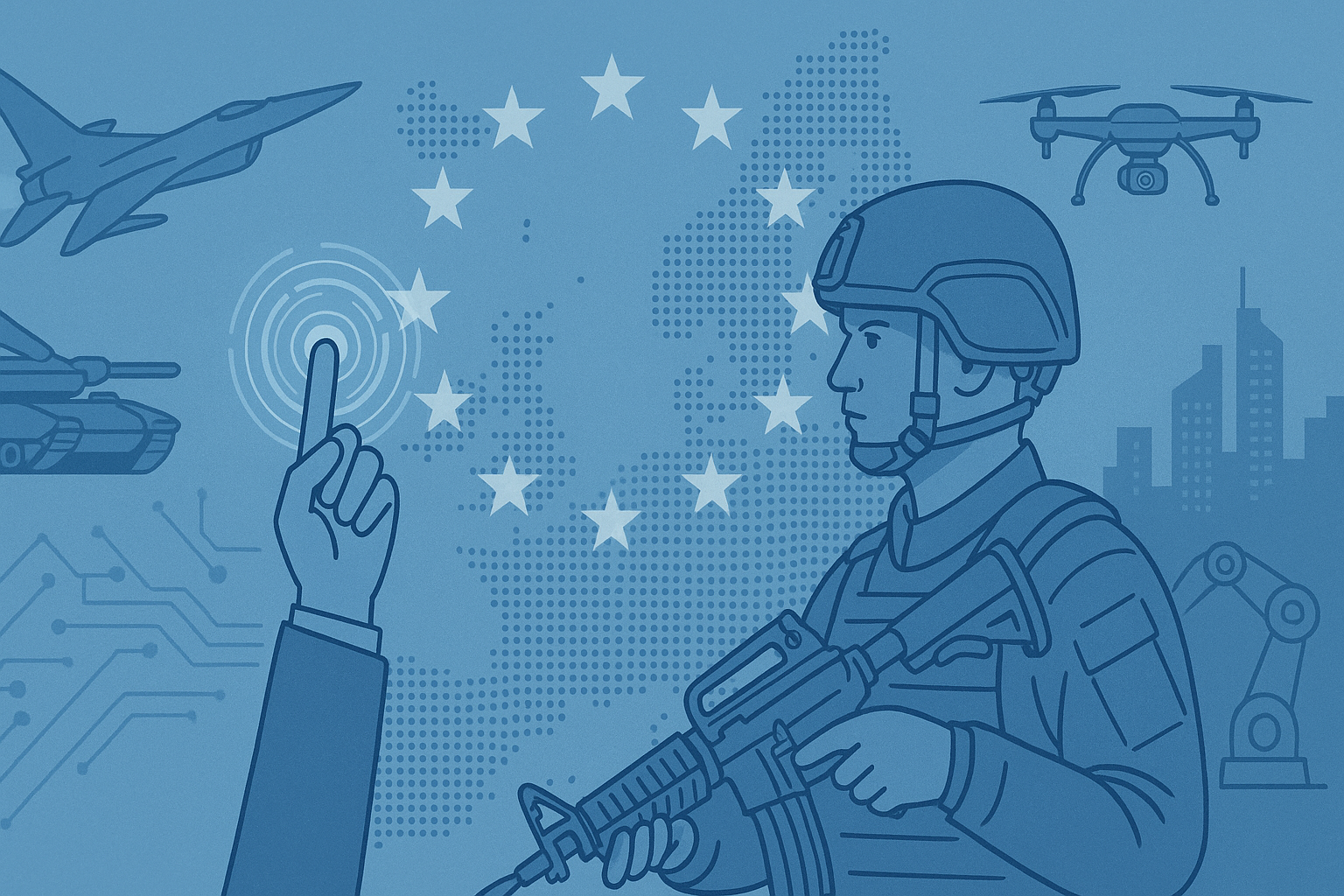
Europe's defense in transition – The role of SMEs in the context of the White Paper “Readiness 2030” – Image: Xpert.Digital
European defence and the involvement of SMEs: Innovation and new technologies in light of the 'Readiness 2030' White Paper
Europe's defence in transition – The role of SMEs in the context of the White Paper “Readiness 2030”
Presentation of the strategic context and urgency
The European security architecture is undergoing a fundamental transformation. The “Joint White Paper on European Defence – Preparedness 2030” (hereinafter referred to as the “White Paper”), presented by the European Commission and the High Representative for Foreign Affairs and Security Policy on March 19, 2025, paints an unequivocal picture of a “rapidly deteriorating strategic context.” This assessment is underpinned by Russia’s high-intensity war in Ukraine, the increasingly aggressive stance of authoritarian states such as China, the rise of hybrid threats, and a discernible shift in the United States’ security focus away from Europe. Decades of underinvestment have weakened European defence preparedness. In light of these tectonic shifts in the international order, Europe faces a choice: to actively shape this new order or to be shaped by it. The White Paper argues emphatically that, despite the undeniable benefits of NATO and the EU, past efforts are no longer sufficient. Europe must “rearm” itself and “take significantly more responsibility for its own security”.
Suitable for:
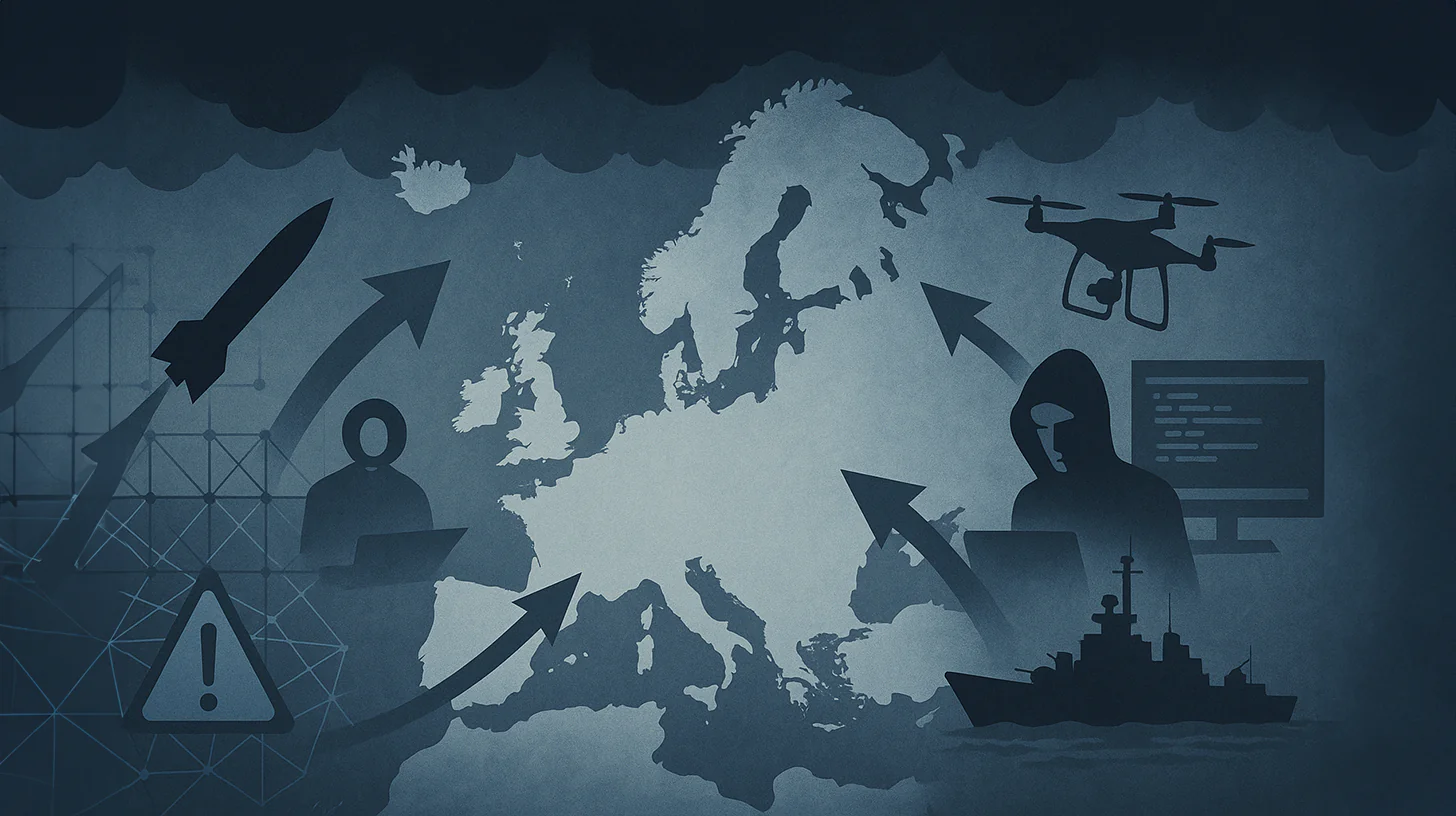
Introduction to the SME Europe Working Meeting
Against this serious backdrop, the working meeting “European Defence and the Involvement of SMEs: Innovation and New Technologies”, which will take place on May 20, 2025, from 1:30 p.m. to 3:00 p.m. CET at the Brussels office of SME Europe (Rue d'Arlon 46, 1000 Brussels) and online, takes on particular relevance. The event, under the patronage of Riho Terras MEP, Chair of the EPP SME Defence Initiative and Vice-Chair of the European Parliament's Committee on Security and Defence (SEDE), aims to provide a platform for reflecting on the European Commission's plans in light of the White Paper. The focus will be on the discussion of how small and medium-sized enterprises (SMEs) can strengthen Europe's defence capabilities through innovation, investment, and skills development.
Thesis: The central, yet challenging, importance of SMEs for the achievement of European defence goals
Small and medium-sized enterprises (SMEs) are increasingly recognized as indispensable players in strengthening European defense capabilities. They are considered “key drivers of innovation,” particularly with regard to disruptive technologies that are crucial for Europe’s future defense capabilities. This assessment is also reflected in the White Paper, which emphasizes the need to support SMEs through targeted initiatives such as FAST (Fund for Acceleration of Supply Chain Transformation).
Despite this general recognition, SMEs continue to face significant obstacles. These include, in particular, difficulties in accessing qualified specialists – especially in future-oriented fields such as artificial intelligence (AI) and quantum technology – as well as in securing the necessary financing for growth and scaling. The upcoming SME Europe working meeting will explicitly address these challenges and discuss concrete solutions.
The close proximity of the publication of the White Paper in March 2025 and the SME Europe Event in May 2025 creates a remarkable synergy and lends the event a particular urgency. The White Paper presents an ambitious and time-sensitive agenda for European defence, including concrete legislative initiatives and timelines, such as the submission of an “omnibus regulation” by June 2025 and the adoption of the European Defence Industry Programme (EDIP) by summer 2025. The SME Europe Event thus takes place within a crucial timeframe: between the publication of the strategic framework and the first key implementation deadlines. This elevates the meeting beyond a routine discussion. It provides an immediate platform for the critical evaluation and potential influencing of the implementation of those White Paper measures that are directly relevant to SMEs. The results and demands of the event could therefore have a direct influence on the final design of initiatives such as the aforementioned Omnibus Regulation and enable SME representatives to play a proactive role in this design process.
Advice - planning - implementation

Markus Becker
I would be happy to serve as your personal advisor.
Head of Business Development
Chairman SME Connect Defense Working Group
New impetus for SMEs: Europe's defense strategy and its opportunities
The White Paper “European Defence – Readiness 2030”: A strategic realignment
Key objectives of the White Paper: “ReArm Europe” – European Readiness 2030
The central and overarching goal of the White Paper is to achieve full European defense readiness by 2030. This includes restoring a credible deterrent capability and ensuring that Europe can act decisively to protect its citizens, interests, and values. To achieve this ambitious goal, the document calls for a massive increase in defense investment and a fundamental shift in Europe's approach to defense. It is nothing less than a strategic realignment under the guiding principle of "ReArm Europe.".
Key pillars and proposals relevant to SMEs
The white paper is based on several strategic pillars and contains a number of concrete proposals, many of which have direct or indirect effects on small and medium-sized enterprises:
Closing critical capability gaps
The document identifies priority areas where Europe urgently needs to improve its capabilities. These include integrated air and missile defense systems, advanced artillery systems (especially for long-range precision strikes), ensuring the supply of ammunition and missiles (building on a “Munitions Plan 2.0”), unmanned systems (drones) and systems for their defense, military mobility, and capabilities in artificial intelligence, quantum technology, and cyber and electronic warfare (both offensive and defensive). Strategic enablers such as strategic airlift, intelligence, surveillance and reconnaissance (ISR), and the protection of critical infrastructure are also highlighted. To close these gaps, the document emphasizes significantly enhanced cooperation among Member States and joint procurement of defense equipment, with the aim of increasing economies of scale, interoperability, and efficiency. It aims to achieve the European Defence Agency's (EDA) target of joint procurement for 35% of operations. The Commission could act as the central procurement body upon request.
Relevance for SMEs:
These prioritized capability areas offer SMEs diverse opportunities, particularly in technological niches, as suppliers of complex systems and as providers of innovative components and services.
Strengthening the European Defence Industrial Base (EDIB)
The White Paper diagnoses a fragmented, underinvested European defense industry that is currently unable to produce at the required scale and speed. National markets are too small to support the necessary industrial base.
Proposed solutions include: an “omnibus regulation” (by June 2025) to simplify and harmonize regulations, accelerate approval procedures, secure supply chains for critical materials, facilitate access to financing (including consideration of ESG criteria), and simplify secure information exchange. Further proposed solutions include aggregating demand through long-term, multi-year contracts to create planning certainty for industry; securing supply chains by identifying and diversifying sources of critical raw materials and components (e.g., chips); developing domestic alternatives; creating a genuine EU-wide market for defense goods; and considering a “European preference” in public procurement (review of the 2026 Procurement Directive). A strong focus is also placed on promoting innovation through the launch of a “European Defence Technology Roadmap” (initially for AI and quantum technology), the strengthening of EUDIS (EU Defence Innovation Scheme) and the EDA’s Defence Innovation Hub, and the support of SMEs through initiatives such as FAST. Finally, the need to address skills shortages and attract talent to the defence sector is being addressed.
Relevance for SMEs:
The direct mention of SME support instruments like FAST is positive. The Omnibus Regulation has the potential to significantly reduce bureaucratic hurdles, but could also create new complexities if it is not specifically tailored to the needs of SMEs.
Massive increase in defense spending and financial leverage
The white paper outlines five pillars for financing the “ReArm Europe” project. These include:
- A new financial instrument called SAFE (Security and Action for Europe), an EU regulation (Article 122 TFEU), is intended to provide up to €150 billion in EU budget-backed loans to member states for joint procurement projects (involving at least two countries, one of which is the SAFE recipient member state). This covers priority capabilities and includes a VAT exemption for SAFE-financed purchases.
- The coordinated activation of the national exemption clause of the Stability and Growth Pact (SGP) by the Member States to allow higher defence spending (potentially an additional 1.5% of GDP, which could amount to around €800 billion over four years, including SAFE).
- Making existing EU instruments more flexible to allow for the reallocation of funds within cohesion policy programs in favor of defence and security priorities.
- An expanded role for the European Investment Bank (EIB), which should accelerate its action plan for security and defence, double its annual investments to €2 billion (for drones, space, cyber, etc.), make its funding criteria less restrictive and establish an overarching policy objective for security investments.
- Mobilizing private capital by improving access to financing for defense companies (especially SMEs) and clarifying the relationship between defense and sustainability investment objectives in accordance with the Financial Stability and Development (SFDR) Disclosure Regulation. The Capital Markets Union is intended to play a supporting role in this.
Relevance for SMEs:
SMEs could indirectly gain access to SAFE-financed projects through main contractors. Direct opportunities could arise from the expanded role of the EIB and potentially from more flexible cohesion funds. Clarifying the SFDR is crucial for mobilizing private investment in defense SMEs.
Suitable for:

Specific mention and intended role of SMEs in the White Paper
The White Paper explicitly acknowledges that SMEs play a key role in the development of disruptive technologies. This is underscored by the focus on future fields such as AI and quantum technology, as well as the reference to the SME-specific funding instrument FAST. The description of the SME Europe event confirms this assessment and highlights that SMEs are considered “essential drivers of innovation.” According to the event announcement, up to €840 million is to be made available to support SME activities between 2023 and 2027. This sum, which presumably relates to existing or ongoing programs, must be reassessed and recontextualized in the context of the White Paper's new, substantial funding levers.
The ambition outlined in the White Paper for a “massive” increase in investment and production capacity, however, presents an inherent challenge for the role of small and medium-sized enterprises (SMEs). The White Paper emphasizes the need to strengthen the fragmented European defense industry and rapidly ramp up production. Large-scale joint procurement projects, such as those promoted by the SAFE instrument, and the desired consolidation of the industry tend to favor large, established companies that possess the necessary capacity to handle such contracts. SMEs are often characterized by greater flexibility and innovative strength, but they frequently lack the resources and administrative capacity to act directly as prime contractors in very large tenders or to lead complex, cross-border consortia. If the “massive increase” in defense production is achieved primarily through large systems integrators, there is a risk that SMEs will merely act as subcontractors with low margins, or that the innovative contribution of smaller, agile firms will be stifled by the dominance of large structures and their established processes. Therefore, it is crucial that the SME support instruments mentioned in the White Paper (such as FAST and EUDIS) and the design of the planned Omnibus Regulation do not merely give nominal consideration to SMEs. Rather, they must ensure genuine, low-threshold access to finance and contracts, as well as fair competitive conditions within the new paradigm of “ReArm Europe,” in order to prevent the unintended marginalization of these important players.
New impetus for SMEs: Financing and networking in the defense sector
Opportunities and challenges for SMEs in the European defence sector
Analysis of the obstacles identified in the White Paper and in the event context
Strengthening European defense capabilities with the significant participation of SMEs is a stated goal. However, these companies face a number of significant hurdles, which are addressed in both the White Paper and the announcement of the SME Europe event:
- Access to finance: One of the biggest challenges for SMEs is securing the necessary funding to drive innovation and scale up production. The White Paper acknowledges this problem and proposes measures such as an expanded role for the EIB and the mobilization of private capital through clarification of the SFDR regulations.
- Skills shortage: Particularly in high-tech sectors such as artificial intelligence and quantum technology, there is an acute shortage of qualified specialists, which threatens the innovation and competitiveness of SMEs. The White Paper identifies this as a problem for the entire European defence industry and calls for measures to attract and retain talent.
- Market access and complexity: SMEs suffer from fragmented national markets and often opaque, complex procurement processes. The White Paper aims to create a “genuine EU-wide market” for defense goods and to simplify administrative procedures through an “omnibus regulation”.
- Visibility and networking: For many SMEs, it is difficult to be noticed by potential clients, especially large system integrators, and international partners, and to integrate effectively into value chains.
Potential for SMEs through the new initiatives and strategic change
Despite these challenges, the initiatives outlined in the White Paper and the general strategic shift in European defence policy also offer considerable potential for SMEs:
- Innovation leadership: SMEs can fully leverage their agility and specialization in technological niches and in the development of disruptive technologies (e.g., AI, quantum computing, cyber defense, unmanned systems). The announced “European Defence Technology Roadmap” could generate targeted research and development contracts tailored to the strengths of SMEs.
- New sources of financing: Targeted support programs for SMEs such as FAST and EUDIS, improved access to EIB financing, and potentially easier access to venture capital through the planned clarification of the SFDR criteria could strengthen the financial base of SMEs. The €840 million for SME activities mentioned in the event context for the period 2023-2027 represents an important starting point, but one that may need to be supplemented in light of the new ambitions.
- Participation in larger programs: SMEs can participate as specialized suppliers or as partners in consortia in the capability development programs prioritized in the White Paper (e.g. in the areas of air defense, artillery, drone defense) and thus benefit from the increased defense spending.
- Simplified framework conditions: Should the planned “Omnibus Regulation” meet the expectations placed upon it, administrative burdens for SMEs could decrease noticeably and cross-border market access could be facilitated.
- Focus on “Secure Supply Chains”: SMEs that supply critical components, materials, or technologies to the defense industry could benefit from the measures announced in the White Paper to strengthen and diversify European supply chains. This could lead to increased demand and longer-term business relationships.
A subtle but potentially significant aspect concerns the financing of SMEs, particularly those with dual-use technologies. While the White Paper aims to clarify the Sustainable Finance Disclosures Regulation (SFDR) regarding defense investments, many innovative technologies relevant to defense, such as AI, cybersecurity solutions, and advanced materials, also have civilian applications (dual-use). SMEs are often particularly well-represented in these dual-use areas. Private investors and banks are increasingly subject to stringent ESG (Environmental, Social, Governance) guidelines and the associated expectations of their stakeholders.
Suitable for:

Defense investments are often viewed critically or categorically excluded in this context. The White Paper acknowledges this problem and calls for clarification of the SFDR, which is an important step. However, mere “clarification” may not suffice. Proactive positioning and specific criteria may be needed to enable SMEs in the defense sector—particularly those with a clear dual-use focus—to be classified as ESG-compliant or at least as “socially relevant” within the context of European security. Without such a clear and positive classification, SMEs could remain cut off from important private financing sources, despite the political commitments expressed in the White Paper. This would significantly hinder their ability to scale and innovate. The upcoming SME Europe event provides an important platform to examine this aspect of SFDR clarification specifically from the perspective of SMEs and to formulate corresponding demands.
Key initiatives of the White Paper “Readiness 2030” and their implications for SMEs

Key initiatives of the White Paper “Readiness 2030” and their implications for SMEs – Image: Xpert.Digital
The key initiatives of the White Paper "Readiness 2030" outline a wide range of measures and their potential impact on small and medium-sized enterprises (SMEs). The SAFE instrument envisages providing up to €150 billion in EU loans to Member States for joint procurement projects and introducing a VAT exemption. This offers SMEs the opportunity to participate indirectly as suppliers in large-scale projects and benefit from tax advantages in the supply chain. However, there is also the risk of marginalization if they are not actively involved in supply chains. To successfully include SMEs, transparent award criteria and mechanisms are needed to ensure fair participation and the pass-through of benefits.
The Omnibus Regulation aims to support SMEs by simplifying and harmonizing rules, accelerating approvals, and securing supply chains. This opens up opportunities such as reduced bureaucratic hurdles, easier market access, and better access to financing and information. However, an excessive focus on larger players could create new challenges. It is therefore crucial to involve SME associations in the design process early on and to ensure the regulation's practical applicability.
The European Defence Agency's (EDA) target of 35 percent joint procurement offers SMEs, particularly as specialized suppliers, opportunities to access larger cross-border projects and contract volumes. At the same time, however, they must meet high demands regarding capacity and standardization to avoid being dominated by larger system integrators. Clear rules for subcontracting, the promotion of SME consortia, and support for standardization and certification are essential in this regard.
The "European Preference" initiative proposes giving preferential treatment to EU suppliers in public tenders. SMEs could benefit from this, as they would have an advantage over non-European competitors. However, there is a risk of accusations of protectionism and ambiguities in its implementation. Transparent and fair application of this preference is therefore essential to avoid distortions of competition within the EU.
The expanded role of the European Investment Bank (EIB) envisions doubling its annual investments to two billion euros, focusing on drones, space, cyber technologies, and similar areas. Innovative SMEs, particularly in strategic sectors, could thus gain better access to financing. However, SMEs must ensure their projects are visible and financeable, as the focus may be on larger projects. SME-specific financing instruments and application guidance services would provide support in this regard.
Making the Cohesion Fund more flexible allows for the reallocation of resources to defense and security priorities. This could create new sources of financing for SMEs, particularly in certain regions, for projects with regional development potential. However, there is a risk that funds will be diverted from other important development goals. Transparent criteria for the use of funds and a focus on SME projects with regional added value are therefore crucial.
Finally, clarifying the relationship between defense and sustainability investment targets under the SFDR should facilitate access to private capital. This is particularly beneficial for SMEs that rely on dual-use technologies. However, unclear regulations could exacerbate existing problems. Clear, SME-friendly guidelines that recognize the contribution of defense-related SMEs to security are therefore crucial.
The EU's role in the defense sector: Perspectives for small and medium-sized enterprises
EU funding instruments and policy measures to strengthen SMEs in defence
Detailed review of existing and planned instruments
The European Union already has a range of instruments to promote research, development, and industrial cooperation in the defense sector, and new, more ambitious measures are planned as part of the White Paper. A key question, which will also be discussed at the SME Europe event, is how these programs can better support SMEs.
European Defence Fund (EDF)
The European Defence Fund (EDF) is the EU's flagship program for promoting cross-border cooperation in defence research and development. An analysis of previous funding periods shows significant participation from SMEs, often as partners in larger consortia, but also in specific calls for proposals tailored to SMEs. Nevertheless, SMEs continue to report challenges with the application process, the complexity of consortia formation, and the administrative burden.
EU Defense Innovation Scheme (EUDIS)
EUDIS was established to specifically promote disruptive technologies and innovations from SMEs and start-ups in the defense sector. The White Paper envisages strengthening EUDIS, underscoring its role as a key catalyst for groundbreaking developments from the SME sector. The SME Europe event will highlight EUDIS as one of the central support initiatives for SMEs.
Fund for Acceleration of Supply Chain Transformation (FAST)
This initiative is specifically designed to support SMEs in modernizing and transforming their supply chains to make them more resilient and competitive. Adequate funding and streamlined eligibility criteria that address the specific needs of SMEs will be crucial to FAST's success.
New SAFE instrument (Security and Action for Europe)
The SAFE instrument proposed in the White Paper, with a potential volume of up to €150 billion in EU budget-backed loans to Member States for joint procurement projects, represents a paradigm shift in EU defense financing. The VAT exemption for SAFE-financed purchases provides an additional incentive.
For SMEs, the SAFE framework offers primarily indirect access. SAFE is designed for joint procurement projects between Member States, which typically involve large procurement volumes (“joint procurement projects involving at least two countries”). Small and medium-sized enterprises are rarely the main actors or direct contractual partners in such large projects. Their access to SAFE-funded contracts will therefore primarily be as suppliers or subcontractors for the larger consortia entrusted by the Member States with the project implementation. This carries the risk that SMEs will be put under pressure in negotiations on terms of supply and prices, or that the financial benefits of SAFE, such as favorable credit conditions for Member States or VAT exemption, will not be fully passed on to them. Specific clauses in the SAFE guidelines or in the national implementation programs of the Member States may therefore be necessary to ensure fair and substantial SME participation and to guarantee a “trickle-down effect” of the financial benefits to the SME level of the supply chain.
Analysis of the planned “Omnibus Regulation”
The “Omnibus Regulation”, planned for June 2025, is one of the key legislative initiatives of the White Paper on strengthening the EDIB. Its objectives are ambitious: simplifying and harmonizing rules, accelerating approval procedures (e.g., for production facilities or exports), securing supply chains for critical goods, facilitating access to financing for defense companies, and creating secure channels for information exchange.
This regulation holds enormous potential for SMEs to facilitate their business operations, particularly in a cross-border context. If implemented effectively, it could streamline lengthy and costly administrative processes. However, there is also the risk that a poorly designed regulation could create new bureaucracy or fail to adequately address the specific needs and capacities of SMEs. It is therefore crucial that the perspective of SMEs and their associations is fully and comprehensively integrated into the development of this regulation from the outset. The SME Europe event provides a timely opportunity for SME representatives to voice their input and concerns before the Commission finalizes its proposal.
The role of the European Investment Bank (EIB) and the mobilization of private capital
The White Paper envisions a significantly strengthened role for the European Investment Bank (EIB) in financing the European defense industry. The EIB is to double its annual investments to €2 billion under its Security and Defense Action Plan, focusing on areas such as drones, space, and cybersecurity. Furthermore, its funding criteria are to be made less restrictive to allow investment in a broader range of defense equipment and technologies.
In parallel, the White Paper aims to mobilize private capital. A key element in this is clarifying the relationship between defense investments and sustainability targets under the Financial Services Disclosure Regulation (SFDR). This clarification is intended to improve access to private capital for defense companies, particularly SMEs. As already discussed, a differentiated approach for dual-use technologies and an SME-friendly interpretation are crucial here.
Flexibility of cohesion funds
Another fiscal policy lever proposed by the White Paper is the reallocation of funds from the EU's cohesion funds in favor of defence and security priorities.
This measure could bring regionally differentiated opportunities, but also risks. Cohesion funds are traditionally designed to reduce regional disparities in the EU and strengthen economic, social, and territorial cohesion. Reallocating funds for defense purposes could mean that regions with an existing or potential defense industry base and corresponding SME clusters benefit from additional investment. This could contribute to job creation and strengthen the local economy in these regions. On the other hand, this approach carries the risk of diverting funds from other important regional development objectives, such as education, infrastructure, or environmental protection. It could also lead to a concentration of defense investment in certain regions, while others that could potentially contribute but lack the same industrial history are neglected or have funding for other development areas withdrawn from them. To minimize negative effects, clear criteria for the use of funds, transparent allocation, and rigorous monitoring will be crucial. It must be ensured that this flexibility does not come at the expense of the original cohesion objectives and that SMEs in all regions that can make a relevant contribution to strengthening European defence capabilities have fair opportunities for support.
EU funding and support mechanisms for SMEs in the defence sector: Status quo and outlook
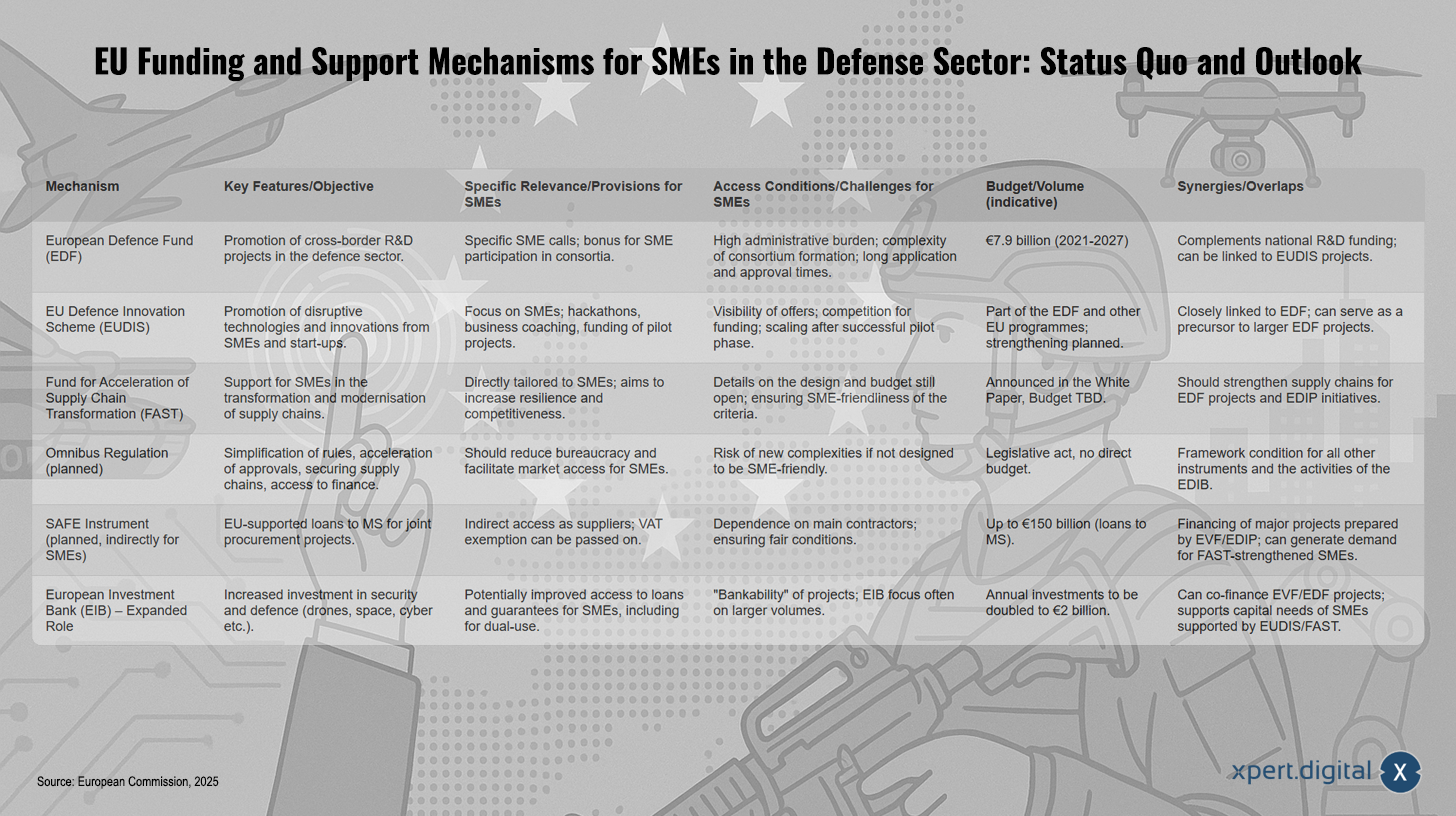
EU funding and support mechanisms for SMEs in the defence sector: Status quo and outlook – Image: Xpert.Digital
The EU offers various funding mechanisms for small and medium-sized enterprises (SMEs) in the defense sector, supporting research, development, and innovation, but also presenting challenges. The European Defence Fund (EDF) aims to promote cross-border R&D projects in the defense field, with specific calls for proposals and bonuses for SMEs. However, the high administrative burden, the complexity of consortia formation, and long processing times pose obstacles. The budget for the period 2021–2027 amounts to €7.9 billion, and there are synergies with national funding programs and EUDIS projects.
The EU Defence Innovation Scheme (EUDIS) focuses on disruptive technologies and innovations, particularly from SMEs and start-ups. With hackathons, business coaching, and pilot project funding, it offers visible initiatives, but is characterized by strong competition and challenges in scaling after a successful pilot phase. EUDIS is part of the European Defence Fund (EDF) and other EU programs and often serves as a stepping stone to larger EDF projects.
The Fund for Acceleration of Supply Chain Transformation (FAST) supports SMEs in modernizing and transforming their supply chains to strengthen their resilience and competitiveness. The exact details and budget are still pending, but care will be taken to ensure that the criteria are SME-friendly. FAST aims to strengthen supply chains that are relevant to EVF projects and EDIP initiatives.
A proposed omnibus regulation aims to reduce bureaucratic hurdles, accelerate approval processes, and facilitate market access for SMEs. However, there is a risk of creating new complexities if its implementation is not tailored to the needs of SMEs. As a legislative framework, the regulation will not provide a direct budget but will serve as a foundation for other support instruments.
The planned SAFE instrument will enable EU-backed loans to member states for joint procurement projects. Although SMEs will only have indirect access through supplier roles, potential tax benefits such as VAT exemption could be passed on. However, dependence on main contractors and ensuring fair conditions remain challenges. The volume could reach up to €150 billion and finance large-scale projects based on EVF or EDIP preparations, as well as boost demand for SMEs supported by FAST.
Finally, the European Investment Bank (EIB) plays an expanded role in investments in security and defense, including drones, space, and cyber technologies. This could potentially provide SMEs with better access to loans and guarantees, including in the dual-use sector. However, the EIB's focus is often on larger projects, which can make it more difficult for SME initiatives to access banking services. Nevertheless, annual investments are set to double to €2 billion. At the same time, EVF/EDF projects can be co-financed, and the capital needs of SMEs supported by EUDIS or FAST can be met.
Strategic partners: SMEs and European defense innovation
Innovation and new technologies: SMEs as drivers in the defense sector
Focus on AI, quantum technology and other disruptive technologies
Technological superiority is a crucial factor for Europe's future defense and security capabilities. The White Paper "Readiness 2030" therefore places particular emphasis on promoting and developing key technologies. Artificial intelligence (AI) and quantum technology are explicitly prioritized. To strategically guide these developments, the Commission plans to present a "European Defence Technology Roadmap".
In parallel, the announcement of the SME Europe event emphasizes that small and medium-sized enterprises (SMEs) play a key role in the development of disruptive technologies. At the same time, however, it highlights the significant challenges SMEs face in accessing highly qualified specialists in these specialized fields.
How SMEs can contribute to development and implementation
SMEs possess specific strengths that make them valuable partners in the development and implementation of new defense technologies:
- Agility and specialization: Compared to large companies, SMEs can often react faster to new technological requirements, implement innovative ideas more flexibly, and develop highly specialized niche solutions that can be crucial for larger defense systems.
- Spin-offs and spin-ins: SMEs are often pioneers in transferring civilian innovations to the military sector (spin-ins) and vice versa, in the commercial use of military research results in the civilian sector (spin-offs). This dual-use approach holds considerable innovation potential.
- Participation in testbeds and pilot projects: Within the framework of initiatives such as EUDIS and the planned technology roadmap, SMEs can participate in testbeds and pilot projects to test, validate and bring their technologies to market maturity under realistic conditions.
Significance of the “European Defence Technology Roadmap”
The announced “European Defence Technology Roadmap” will be a key instrument for setting clear priorities for technology development in the European defence sector. It aims to pool investments and focus research and development activities on the most strategically important areas. For SMEs, it is crucial that this roadmap not only defines large-scale projects for established prime contractors, but also provides specific opportunities, funding windows, and tenders for smaller companies. Only in this way can the innovation potential of SMEs be effectively mobilized for European defence objectives.
The simultaneous emphasis on disruptive innovation, often driven by agile SMEs, and the need to build secure and resilient supply chains can create a tension for SMEs. Disruptive innovation, by definition, means challenging established processes, technologies, and sometimes even supplier structures, and replacing them with entirely new approaches. This is a core competency of innovative SMEs. On the other hand, the demand for “secure supply chains” and the need to ramp up production quickly can lead public sector clients and large systems integrators to rely on proven, standardized components and established, often larger, suppliers to minimize risks related to delivery reliability and quality. An SME with a groundbreaking technology that may not yet be mass-produced or fully certified could struggle to demonstrate the production maturity, certification, and proven resilience of its supply chains required for long-term supply contracts and integration into complex defense systems. There is therefore a risk that the legitimate focus on “secure supply chains” and rapid scalability will dampen the willingness to take the (initial) risks associated with truly disruptive SME technologies. EU programs such as EUDIS and FAST, as well as the design of the technology roadmap, must therefore include mechanisms that actively support not only the invention and early development itself, but also the maturation, certification, standardization, and integration of disruptive SME technologies into larger defense systems and their supply chains. This could be achieved, for example, through dedicated funding lines for the industrial scaling of SME innovations or by creating “sandboxes” where new technologies can be tested and qualified for deployment under simplified conditions.
Dialogue between politics and SMEs: Solutions for the defense sector
The event “European Defense and the involvement of SMEs”: Expectations and implications
Analysis of the agenda and key players of the event
The working meeting “European Defence and the Integration of SMEs: Innovation and New Technologies” on May 20, 2025, is strategically timed and prominently attended, which points to its importance as a platform for dialogue between politics, industry and SMEs.
- The opening remarks by Riho Terras MEP, Chairman of the EPP SME Defence Initiative and Vice-Chairman of the SEDE Committee, are expected to outline the political perspective of the European Parliament and the European People's Party (EPP) on the role of SMEs in European defence and to highlight the need for their greater involvement.
- The keynote address by Guillaume De La Brosse, Head of the Defence Policy and Innovation Unit at the European Commission, will be of particular interest. He is expected to explain the Commission's plans for implementing the White Paper and to outline specifically how SMEs can be involved in these plans and benefit from the new initiatives. His remarks will be interpreted as a direct response from the Executive to the objectives and measures formulated in the White Paper.
- The subsequent statements from Members of the European Parliament and representatives of the business sector will offer an important opportunity to contribute diverse perspectives, experiences, and concrete demands, particularly from the perspective of SMEs, to the discussion. Specific challenges and practical solutions can be addressed here.
- The moderation by Horst Heitz, Secretary General of SME Europe of the EPP, will ensure that the discussion remains focused on the concerns and needs of small and medium-sized enterprises.
What specific steps and discussions can be expected?
In view of the agenda and current developments in defense policy, it is expected that the discussions at the event will focus on the following key areas:
- Practical implementation of SME support measures: A detailed discussion of the support instruments mentioned in the White Paper and existing ones such as EDF, EUDIS, and in particular the new FAST instrument. SME representatives are expected to express their expectations regarding the accessibility, bureaucratic burden, and effectiveness of these instruments.
- Assessments of the “Omnibus Regulation” and the SAFE instrument: From an SME perspective, the potential impact of these far-reaching initiatives is evaluated. Concrete proposals are expected on how these instruments can be designed to be more SME-friendly.
- Solutions for skills shortages and access to finance: Participants are expected to discuss best practices and new ideas on how SMEs can address the shortage of skilled workers and improve their access to finance.
- Demands on policymakers: The event will serve as a platform to formulate clear political demands to the EU institutions and member states, aiming for a sustainable improvement of the framework conditions for SMEs in the defence sector.
How the event can contribute to better integration of SMEs
The SME Europe Event has the potential to make a positive contribution to the better integration of SMEs into the European defence landscape on several levels:
- Direct feedback loop: As one of the first specialist events following the publication of the White Paper, the meeting offers an immediate opportunity for SMEs and their representatives to provide feedback on the Commission's and Parliament's plans. This feedback can be incorporated into the ongoing development of the new defence policy initiatives.
- Networking: The event brings SMEs together with high-ranking political decision-makers, representatives of EU institutions and potential industry partners, thus promoting the development of important networks.
- Formulation of concrete recommendations: By pooling the expertise and concerns of the participants, concrete and practical recommendations can be developed at the event, which can serve as a basis for political initiatives and for the strategic orientation of SMEs.
The high-level political goals and announcements of massive funding flows, as outlined in the "Readiness 2030" White Paper, meet the lived reality of small and medium-sized enterprises (SMEs) at the SME Europe Event. These businesses face very specific problems on a daily basis, such as access to qualified personnel, securing financing, and navigating bureaucratic hurdles. The White Paper presents a top-down vision for "ReArm Europe," equipped with ambitious goals and instruments. SMEs, on the other hand, typically operate from the bottom up and must address these concrete, operational challenges. The event brings these two levels together – the strategic vision and the operational reality. Guillaume De La Brosse's presentation on behalf of the European Commission will be measured against the reactions of business representatives and the experiences shared by SMEs. Should the solutions proposed in the White Paper, such as the FAST instrument or the Omnibus Regulation, fail to address the actual needs of SMEs or even create new obstacles, this will inevitably be discussed at the event. The event thus serves as an important "reality check" for the ambitions of the White Paper. It can help to send out early warning signals, identify potential pitfalls, and develop corrective measures. The goal must be to bridge the gap between the strategic vision and its operational feasibility for SMEs and to ensure that the "ReArm Europe" strategy not only includes and promotes SMEs as indispensable players on paper, but also in practice.
Skilled workers, funding, innovation: Success strategies for SMEs in the defense sector
Recommendations for policymakers and SMEs
Specific recommendations for action to optimize the framework conditions for SMEs
For political decision-makers (EU level and member states):
- SME-friendly design of the “Omnibus Regulation”: Early and continuous consultation with SME associations and individual SMEs during the drafting of the regulation is essential. An “SME test” should be carried out for all proposed measures to ensure that they take into account the specific needs and capacities of smaller companies and do not lead to disproportionate bureaucracy.
- Transparent and low-threshold access to SAFE funds: Mechanisms must be created to ensure fair access for SMEs to SAFE-funded projects. This could be achieved by setting quotas for SME participation among main contractors, promoting SME-led consortia for specific sub-projects, or providing direct funding for SMEs that make innovative contributions to SAFE priorities. The benefits of VAT exemption should be demonstrably passed on to SMEs in the supply chain.
- Strengthening EUDIS and FAST: These SME-specific instruments must be provided with sufficient and predictable budgets. Application and reporting procedures should be as streamlined and rapid as possible. The focus should be on promoting genuine innovation and the rapid market launch of new technologies.
- Targeted programs for recruiting and training skilled workers: In cooperation with educational institutions, industry associations, and regional development agencies, specific programs should be established to train and further educate skilled workers to meet the needs of SMEs in the defense sector, particularly in high-tech fields such as AI, quantum technology, and cybersecurity. This could include scholarships, dual study programs, and specialized training modules.
- Swift and clear implementation of the SFDR clarification: The announced clarification regarding the treatment of defense investments under the SFDR must be swift and provide clear, practical guidelines for investors and financial institutions. Particular attention must be paid to ensuring that SMEs and companies with dual-use technologies are not disadvantaged, but rather that their contribution to European security is recognized. Specific guidelines for dual-use investments may be necessary.
- Establishing a central point of contact: For SMEs seeking to establish a foothold or expand their activities in the complex defense sector, a central advisory and information center at the EU or national level would be helpful. This center could offer support in navigating funding programs, finding partners, and addressing regulatory issues.
Strategic advice for SMEs on how to seize new opportunities
- Proactive information and preparation: SMEs should actively and early inform themselves about the new funding instruments (EDF, EUDIS, FAST, SAFE participation opportunities), the planned Omnibus Regulation and the technology roadmap and adapt their strategies accordingly.
- Networking and consortia: The formation of national and cross-border consortia and networks with other SMEs, research institutions and also larger companies is often essential in order to be able to participate in larger tenders and to reach the necessary critical mass.
- Focus on specialization and innovation: SMEs should leverage their strengths in niche markets and in developing innovative solutions in the capability and technology areas prioritized by the White Paper (e.g. AI, quantum, cyber, drones, specialized components).
- Investing in expertise: Building and developing the internal expertise needed for future fields such as AI, quantum technology, and cybersecurity is crucial. Collaborations with universities and research institutions can support this.
- Clear communication of value contribution: SMEs should confidently communicate their specific value contribution to European security, technological sovereignty, and industrial base. This is important both to potential clients and financiers.
- Use of platforms for advocacy: Events such as the SME Europe Event should be actively used to network with political decision-makers and other stakeholders, to raise one's own concerns and to participate in shaping the framework conditions.
Suitable for:

Towards a resilient and innovative European defence union, including SMEs
Summary of key findings
The analysis of the “Joint White Paper on European Defence – Readiness 2030” and its implications for small and medium-sized enterprises in the European defence sector leads to several key findings:
- The White Paper marks an undeniable paradigm shift in European defense policy. In the face of a rapidly deteriorating strategic environment, it aims for a massive increase in European defense readiness and spending. This has far-reaching financial, industrial, and technological implications.
- Small and medium-sized enterprises (SMEs) are explicitly recognized in the White Paper and in the accompanying policy discussions as innovators and important components of the European Defence Industrial Base (EDIB). Their agility, specialization, and ability to develop disruptive technologies are considered essential for Europe's future competitiveness.
- Despite this recognition, SMEs continue to face significant challenges, particularly regarding access to finance, skilled workers, and complex procurement markets. These hurdles must be actively addressed to unlock the full potential of SMEs.
- The new EU instruments outlined in the White Paper (such as SAFE and FAST), the planned Omnibus Regulation, and the increased role of the EIB offer significant opportunities for SMEs. At the same time, however, they also carry risks of unintended marginalization, particularly if the measures are primarily tailored to large system integrators or if the specific needs of SMEs are not sufficiently considered in their design.
The future role of SMEs in European defense
The successful integration of small and medium-sized enterprises (SMEs) is not a side issue of the European defense agenda, but a critical prerequisite for the success of the “ReArm Europe” strategy and the building of a resilient, innovative, and competitive European defense union. SMEs are not merely suppliers of components, but often the seeds of the technological breakthroughs that Europe needs to achieve its security policy objectives and maintain its technological sovereignty.
A continuous and structured dialogue between policymakers at EU and national levels, large corporations, and SMEs is crucial for success. Events such as the upcoming SME Europe working meeting play an important role in this by providing a platform for exchange, feedback, and the joint development of solutions.
Strengthening SMEs in the defense sector will not only increase Europe's security. As the White Paper also suggests in its conclusion, it will have positive spillover effects on innovation, economic growth, and the creation of high-quality jobs throughout the European Union. The path to a genuine European Defense Union, based on strength and unity, leads through the consistent involvement and support of its most agile and innovative players: small and medium-sized enterprises. The coming months and years will show to what extent the ambitious plans of the White Paper can be translated into concrete, SME-effective measures.
Advice - planning - implementation
Markus Becker
I would be happy to serve as your personal advisor.
Head of Business Development
Chairman SME Connect Defense Working Group
Advice - planning - implementation
Konrad Wolfenstein
I would be happy to serve as your personal advisor.
contact me under Wolfenstein ∂ Xpert.digital
call me under +49 89 674 804 (Munich)
Your dual -use logistics expert

Dual -use logistics expert - Image: Xpert.digital
The global economy is currently experiencing a fundamental change, a broken epoch that shakes the cornerstones of global logistics. The era of hyper-globalization, which was characterized by the unshakable striving for maximum efficiency and the “just-in-time” principle, gives way to a new reality. This is characterized by profound structural breaks, geopolitical shifts and progressive economic political fragmentation. The planning of international markets and supply chains, which was once assumed as a matter of course, dissolves and is replaced by a phase of growing uncertainty.
Suitable for:


