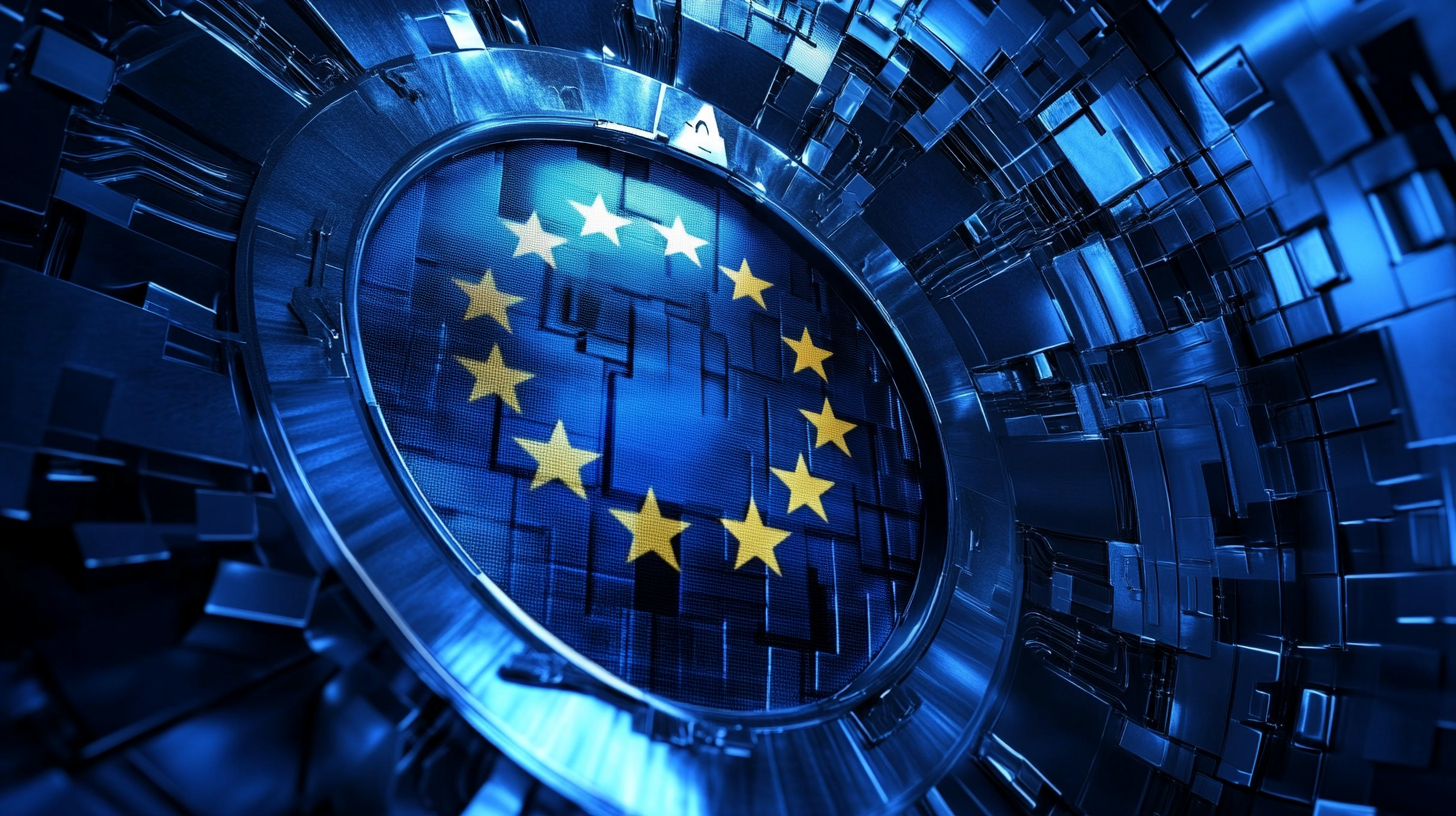
Eurobarometer survey: Defense and security are top priorities for the European Union – Image: Xpert.Digital
Nine out of ten are calling for it: The loud cry of Europeans for more unity and strength
Citizens torn: Security is the top priority, but inflation hurts the most
In a Europe marked by profound geopolitical uncertainties and economic pressures, public opinion has shifted decisively. The latest Eurobarometer survey from spring 2025 paints a clear picture: defense and security have risen to the top priority for citizens of the European Union, reflecting the new reality since the war in Ukraine.
This historic shift in priorities, however, goes hand in hand with a remarkably strong trust in the Union. The survey reveals not only one of the highest approval ratings for EU membership in the last two decades and growing optimism for the future, but also the overwhelming desire of 90 percent of Europeans for greater unity and common solutions to global crises. While the broad strategic focus is on a more resilient Union, economic pressures remain palpable in everyday life: inflation and rising living costs are the most pressing personal concerns for people. This snapshot of public sentiment paints a portrait of a Union in transition – a Union whose population demands strength externally and solidarity and economic security internally, and which they trust to meet these complex challenges.
What is the Eurobarometer?
The Eurobarometer is an important instrument for opinion research in the European Union, which has been gauging the public opinion of European citizens on various political and social issues since 1973. Commissioned by the European Commission, the survey is conducted twice a year in all EU member states and serves as a key source for monitoring trends in public opinion across Europe. For each standard semi-annual survey, approximately 1,000 EU citizens aged 15 and over are interviewed in each member state; in Germany, the traditional sample size is 2,000 or 1,500 people.
The Eurobarometer survey examines key questions about social and political attitudes on important European Union issues such as social conditions, minority integration, health, culture, information technology, environmental protection, the euro, and European integration. The methodology includes both standard questions that remain constant and questions that change depending on current events. Since 2007, the European Parliament has also conducted its own Eurobarometer surveys focusing on specific parliamentary topics, including the European elections.
The Eurobarometer data are scientifically processed and documented by GESIS and other archives to enable researchers and the public to conduct well-founded analyses. The combination of the diverse range of topics consistently surveyed over a long period, the regularity of the publications, and the geographical coverage makes the Eurobarometer a unique source of knowledge and information in the European Union.
The results of the Spring 2025 survey
The latest Eurobarometer survey, conducted between 5 and 29 May 2025 in all EU Member States, was based on 26,410 face-to-face video interviews and reveals remarkable shifts in priorities among the European public. Defence and security were cited by 37 percent of respondents as the top priority for strengthening the EU's global influence. This development reflects the changed geopolitical landscape in which Europe finds itself, given the ongoing war in Ukraine and other international threats.
The respondents ranked competitiveness, economy, and industry as their second highest priority at 32 percent, followed by energy independence, resources, and infrastructure at 27 percent. These results show that European citizens consider both military and economic strength crucial for the future of the Union.
An interesting pattern emerges in the geographical distribution of priorities: In 13 of the 27 EU member states, including France, Germany, and Poland, defense and security are the top priority. In ten countries, including Italy and Greece, competitiveness, the economy, and industry were cited as the most important priorities. In Slovenia, Slovakia, and Romania, food security and agriculture topped the list.
Support for EU membership reaches new heights
The survey also reveals a remarkable improvement in overall perceptions of the EU. More than half of respondents, 52 percent to be precise, have a positive view of the Union, an increase of two percentage points compared to the last survey. This is only the third time in the last two decades that a majority of Europeans have expressed a positive perception of the EU. The previous peaks were recorded in autumn 2021, at 54 percent during the COVID-19 vaccination campaign, and in spring 2022, at 52 percent immediately after the outbreak of the war in Ukraine.
A particularly telling finding is that 73 percent of respondents stated their country had benefited from EU membership. The highest approval ratings were recorded in Denmark, Ireland, and Malta, while the lowest were found in Austria, Bulgaria, and the Czech Republic. The main advantages cited by respondents were peace and security (37 percent) and improved cooperation between European countries (36 percent).
The call for greater unity and common solutions
An overwhelming majority of 90 percent of Europeans believe that EU member states should show greater unity in addressing global challenges. In addition, 68 percent believe that the EU's role in protecting its citizens from global crises should be strengthened. These figures illustrate the strong desire among the European population for a more united and effective Union.
Delphine Colard, spokesperson for the European Parliament, stated that nine out of ten respondents not only call for unity but also want more funding. 78 percent of those surveyed believe that jointly financed projects would be beneficial, as this would deliver greater added value than funding at the national level. These results demonstrate a remarkable willingness among European citizens to accept greater integration and shared responsibility.
Hub for Security and Defense - Advice and Information

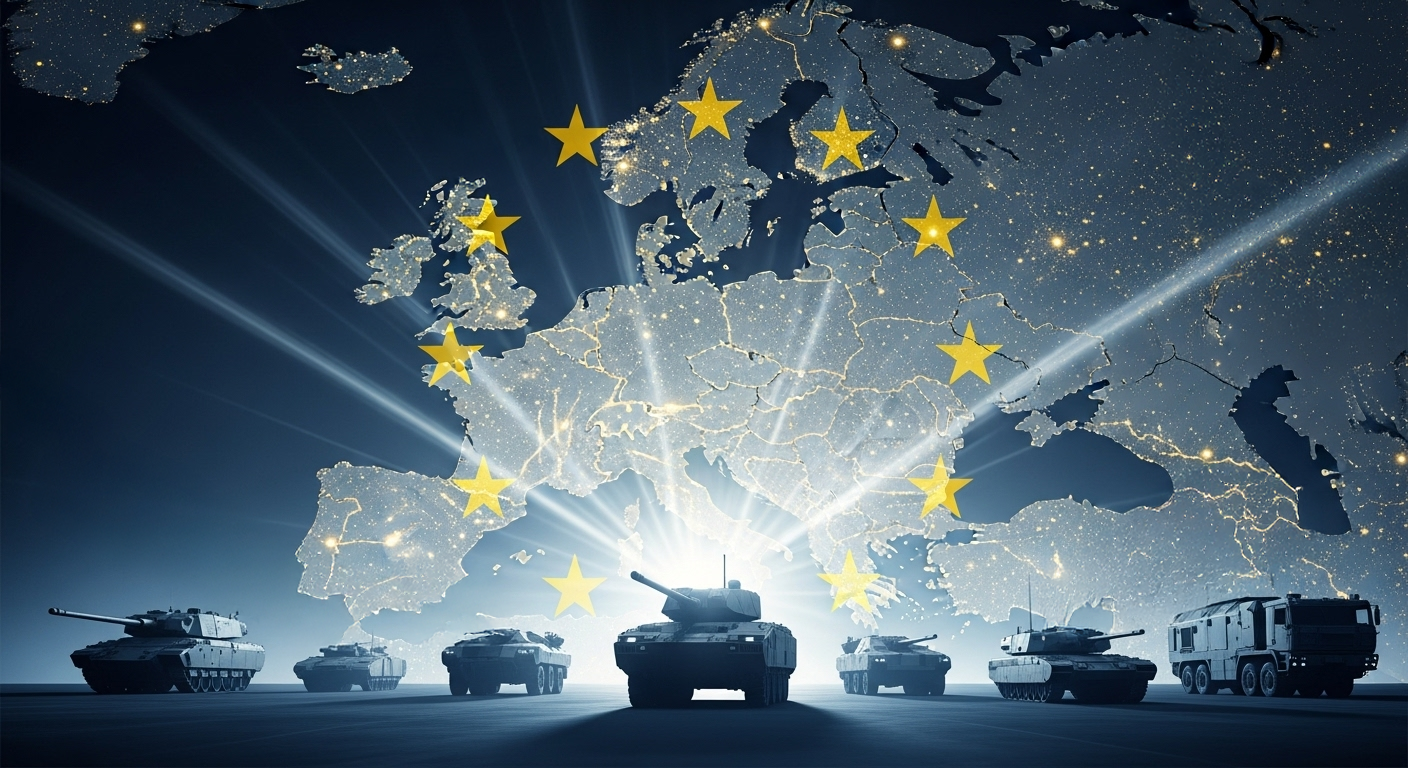
Hub for Security and Defense - Image: Xpert.Digital
The Security and Defence Hub offers expert advice and up-to-date information to effectively support companies and organizations in strengthening their role in European security and defence policy. Working closely with the SME Connect Defence Working Group, it particularly promotes small and medium-sized enterprises (SMEs) that wish to further develop their innovative capacity and competitiveness in the defence sector. As a central point of contact, the Hub thus creates a crucial bridge between SMEs and European defence strategy.
Related to this:
The single market remains key: How the EU secures growth, infrastructure and stability
The most important issues for the European Parliament
When asked about the specific issues the European Parliament should address, 41 percent of respondents cited inflation, rising prices, and the cost of living as the most important challenge. This reflects the direct impact of the current economic situation on citizens' daily lives. Defense and security came in second place with 34 percent, followed by the fight against poverty and social exclusion with 31 percent.
The survey also revealed that 72 percent of people believe EU measures have an impact on their daily lives. Half viewed this impact as positive, 31 percent as neutral, and 18 percent as negative. These figures demonstrate that the EU is increasingly perceived as a relevant actor in citizens' lives.
Optimism for the future of Europe
A particularly encouraging finding of the survey is the increased optimism regarding the future of the EU. 66 percent of respondents expressed a positive view of the Union's future prospects, the highest level since 2020-2021. Among younger Europeans aged 15 to 24, optimism is even greater: 72 percent believe that things are moving in the right direction in the EU.
These high levels of optimism among young people are particularly noteworthy, as they represent the generation that will have to live with the decisions of current EU policy the longest. Their trust in European integration and their positive attitude towards the future of the Union are important indicators of the long-term stability and legitimacy of the European project.
The geopolitical dimension of security priorities
The emphasis on defense and security as a top priority reflects the dramatically changed geopolitical situation in which Europe has found itself since the Russian attack on Ukraine in February 2022. EU member states have already taken significant steps to strengthen their defense capabilities and increase their strategic autonomy.
In March 2025, the European Commission presented the ReArm Europe plan, later renamed Ready 2030. This ambitious program aims to mobilize up to €800 billion for European defense. The plan comprises five key measures: activating the national escape clause of the Stability and Growth Pact, the SAFE instrument for loans of up to €150 billion, using cohesion policy programs for defense purposes, expanding lending by the European Investment Bank Group, and mobilizing private capital.
National responses to security challenges
Individual EU member states have responded differently to the new security challenges, with defense spending rising dramatically across the EU. Germany has made a fundamental U-turn in its fiscal policy, adopting a far-reaching reform of its debt brake in March 2025, which exempts defense spending above one percent of GDP from the constitutional debt rule. The German defense budget is projected to increase from around €52 billion in 2024 to a planned €152.8 billion in 2029.
France has earmarked a total of €413 billion for defense spending between 2024 and 2030 under its 2024-2030 Military Program, representing a nominal increase of approximately 40 percent compared to the previous plan. Poland, which already spends 4.2 percent of its GDP on defense—the highest figure of all NATO allies—has requested €45 billion from the EU SAFE program.
The role of the European Investment Bank
The European Investment Bank has significantly expanded its role in strengthening European defense capabilities. The EIB Group has raised the financing ceiling for 2025 to a record €100 billion and introduced new programs designed to boost Europe's competitiveness, technological leadership, and security. The financing program for European defense suppliers has been tripled to €3 billion.
The EIB is focusing on three core areas: increased support for infrastructure to defend against various threats, investments in modern key technologies such as artificial intelligence and drones, and access to financing for small and medium-sized enterprises in the security and defense sector. It is important to note that weapons and ammunition will continue to be excluded from EIB financing.
Economic advantages of EU membership
Despite the new focus on security and defense, the fundamental economic advantages of EU membership must not be overlooked. All member states benefit from the common EU single market, not just the net recipients of EU funds. In 2019, approximately two-thirds of total EU trade was with other member states.
Studies show that Germany is among the biggest winners among member states, with an annual welfare gain of €1,046 per capita. Abolishing the EU single market would lead to a 25 to 35 percent decline in trade between EU members and reduce German GDP by 7.9 percent. Southern European countries such as Spain, Italy, and Portugal also benefit significantly from EU infrastructure projects. Without EU funding and access to European transport and telecommunications networks, many of these countries would never have been able to finance the expansion of their infrastructure.
Challenges and future developments
The high level of support for defense and security as priorities does not mean that other important areas should be neglected. The EU faces the challenge of striking a balance between different policy areas while simultaneously responding to the changing needs and expectations of its citizens. The survey results clearly show that Europeans want an EU that protects them and acts in unison.
Support for a common defense and security policy has reached its highest level since 2004, at 81 percent. At the same time, 78 percent express concern about EU security and defense over the next five years. These figures underscore the urgency with which European citizens expect a strengthening of defense capabilities.
The EU must also take citizens' concerns seriously regarding other important issues. Inflation and rising living costs remain the biggest worry for many Europeans. The Union must demonstrate that it can guarantee both the security and the economic well-being of its citizens.
Eurobarometer 2025: High approval, calls for unity and stronger security policy
The Eurobarometer survey from spring 2025 paints a picture of an EU facing fundamental changes. The prioritization of defense and security reflects the new geopolitical reality in which Europe must assert itself. At the same time, the high approval ratings for EU membership and the increased optimism for the future show that citizens have confidence in the Union's ability to meet these challenges.
The overwhelming demand for greater unity and common solutions is a clear mandate for European institutions to act more decisively and in a more coordinated manner. Citizens' willingness to accept more joint financing opens up new opportunities for ambitious European programs.
The coming years will be crucial in determining whether the EU can meet the expectations of its citizens. High approval ratings are both an opportunity and a responsibility. The Union must prove that it has the right answer to the challenges of the 21st century – both in security and defence policy and in all other areas that are important to the lives of European citizens.
Consulting - Planning - Implementation

Markus Becker
I would be happy to serve as your personal advisor.
Head of Business Development
Chairman SME Connect Defense Working Group
Consulting - Planning - Implementation
Konrad Wolfenstein
I would be happy to serve as your personal advisor.
You can contact me at wolfenstein∂xpert.digital or
Just call me on +49 7348 4088 965 .