
Efficiency racingaissance of buffer warehouse with AI and robotics in the automation to stabilize the regional economy
Xpert pre-release

Available in 27 languages 📢
Prefer Xpert.Digital on GoogleⓘPublished on: January 24, 2025 / Updated on: January 24, 2025 – Author: Konrad Wolfenstein
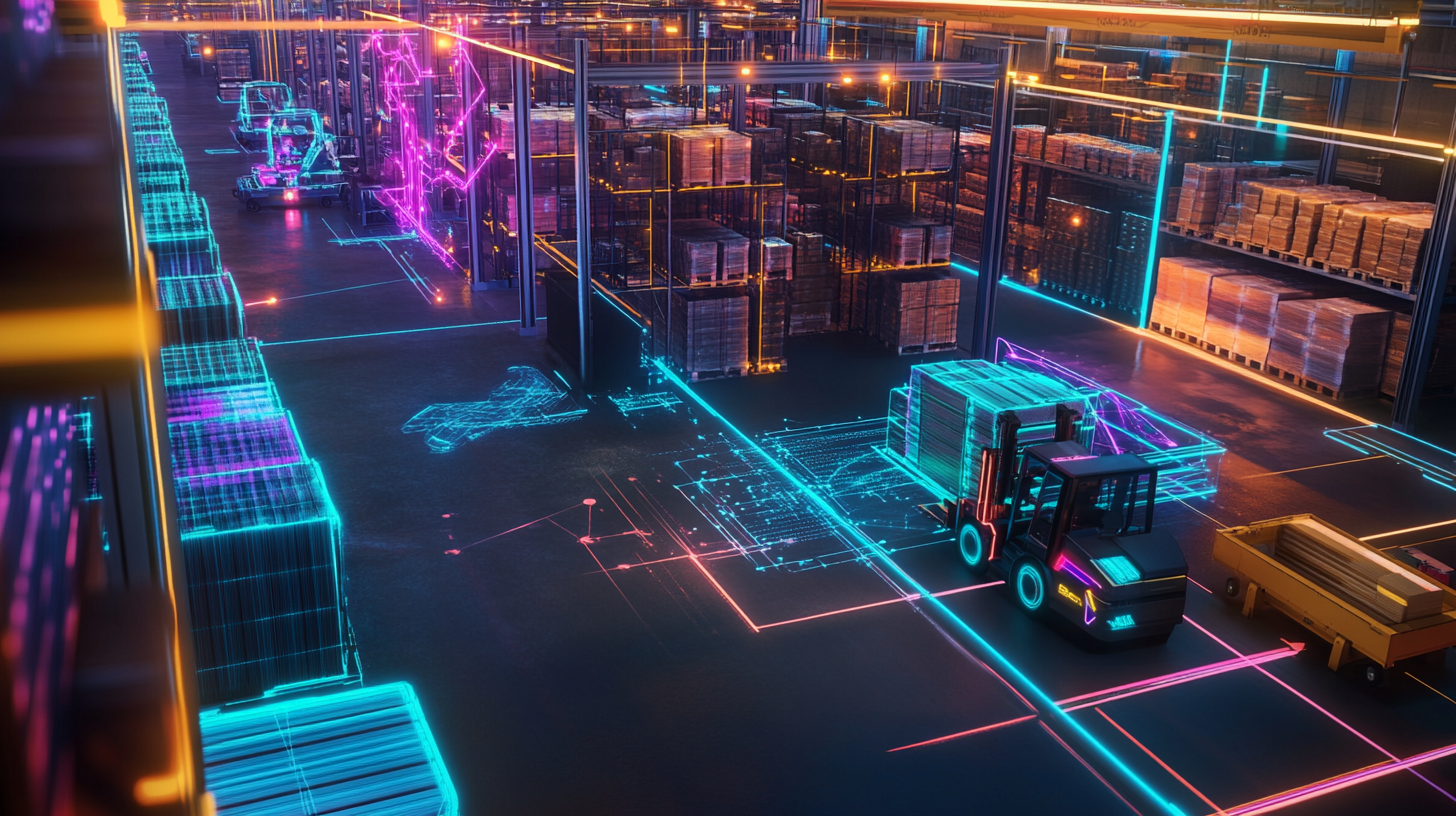
Efficiency renaissance of buffer storage with AI and robotics in automation to stabilize the regional economy – Image: Xpert.Digital
AI and robotics for top-level logistics: The renaissance of buffer warehouses begins
Automated buffer storage: AI as a key to regional economic stabilization
The integration of artificial intelligence (AI) and robotics into automated buffer warehouses is leading to a veritable efficiency renaissance in logistics, which has far-reaching positive effects on the regional economy.
AI and robotics are revolutionizing warehousing
Modern warehouses are increasingly relying on AI-controlled robotic systems to optimize processes and significantly increase efficiency. Autonomous mobile robots (AMRs) take over tasks such as order picking, transport, and packing of goods. These systems operate around the clock, resulting in a substantial increase in productivity.
Key benefits of automation
- Increased efficiency and productivity through reduced waiting times and optimized transport
- Increased accuracy and reliability, leading to fewer errors and higher customer satisfaction
- Cost reduction through minimization of manual intervention
- Improved scalability to respond flexibly to fluctuating demands
AI as a driver of process optimization
AI algorithms analyze vast amounts of data in real time to identify patterns and continuously improve processes. This enables:
- Precise forecasts for inventory requirements, preventing overstocking and shortages
- Dynamic route planning for AMRs based on current inventory levels and priorities
- Automated quality control for the detection of defective products
Impact on the regional economy
The implementation of these technologies has far-reaching positive effects on the local economic structure:
- Strengthening competitiveness: Companies that invest in AI and robotics can significantly increase their productivity and hold their own in global competition.
- Creation of new jobs: While some routine tasks are automated, new, highly skilled positions are being created in areas such as AI development and robot maintenance.
- Promoting innovation: Collaboration between research institutions and regional companies drives technological innovation.
- Increased efficiency in the supply chain: Optimized warehouse processes lead to faster delivery times and higher customer satisfaction, which strengthens the entire regional economy.
- Sustainability: AI-controlled systems contribute to resource conservation and waste reduction, which promotes the ecological sustainability of the region.
Challenges and solutions
The implementation of AI and robotics in warehouse systems also presents challenges:
- High initial investments: Funding programs such as the “AI-Regio” project of the University of Würzburg support SMEs in the introduction of AI technologies.
- Legal framework: Real-world laboratories like the one in Baden-Württemberg help companies to implement the new EU regulations for AI and machinery regulations.
- Employee qualification: Training programs and cooperation with universities prepare the workforce for new requirements.
Future prospects
The continuous development of AI and robotics promises further innovations:
- More advanced robot systems with increased flexibility and autonomy
- Enhanced AI capabilities for even more precise predictions and analyses
- Increased human-robot collaboration through the use of cobots
These developments will further increase the efficiency and competitiveness of regional companies and thus make an important contribution to the stabilization and growth of the local economy.
Based on current trends and forecasts for 2025, several promising developments are emerging in warehouse automation:
Advanced AI and Robotics
More intelligent robots
Robots are becoming more flexible and adaptable through AI integration. They can take on more complex tasks such as recognizing and handling different objects. These "smarter" robots optimize their workflows independently through machine learning and dynamically adapt to changes in the warehouse.
Collaborative robotics (cobots)
The collaboration between humans and robots will intensify. Cobots enable flexible and human-centered automation by working side-by-side with employees and supporting them in various tasks.
AI-driven optimization
Predictive analytics
AI systems are increasingly being used for predictive maintenance, demand forecasting, and process optimization. They analyze large amounts of data in real time to predict potential malfunctions and proactively make adjustments.
Dynamic route planning
AI algorithms optimize the movements of autonomous transport systems in the warehouse, leading to more efficient processes and shorter throughput times.
Advanced automation
Autonomous Mobile Robots (AMR)
The use of AMRs for goods transport and order picking will continue to spread. These systems navigate autonomously through the warehouse and dynamically adjust their routes.
Automated storage systems
Advanced automated storage and order picking systems are increasingly being used to increase storage capacity and improve efficiency.
Integration of IoT and real-time monitoring
Sensors and IoT devices enable comprehensive real-time monitoring of inventory and processes. This improves transparency and allows for faster responses to changes.
sustainability
Sustainable solutions such as energy-efficient automation systems and environmentally friendly packaging solutions are gaining importance in reducing the ecological footprint of warehouses.
These developments promise a future in which warehouses can operate more efficiently, flexibly, and sustainably. The integration of these technologies will enable companies to better respond to the increasing demands of e-commerce and changing customer expectations.

Xpert partner in warehouse planning and construction
Buffer storage reimagined: How technologies drive growth and efficiency – and background analysis
When robotics and AI conquer the warehouse: The engine for regional economic growth
The modern logistics landscape is undergoing a profound transformation, driven by the integration of artificial intelligence (AI) and robotics into automated buffer warehouses. This development, which can certainly be described as an efficiency renaissance, has the potential to fundamentally transform and stabilize regional economies. We are witnessing how outdated, manual processes are increasingly being replaced by intelligent, automated systems, leading to a significant increase in efficiency, precision, and flexibility.
The revolution in warehousing through AI and robotics
Traditional warehousing, characterized by manual labor and high error rates, is giving way to a new era in which AI and robotics are the main players. Modern warehouses are increasingly relying on AI-controlled robotic systems to optimize processes and maximize productivity. Autonomous mobile robots (AMRs) take over a wide range of tasks, from order picking and transport to packing and sorting goods. These systems often operate around the clock, without the fatigue experienced by human employees, resulting in an unprecedented increase in productivity.
The introduction of these technologies is not just a technological advancement, but also a strategic realignment of logistics. By automating critical processes, warehouses become dynamic hubs in the supply chain, capable of responding quickly and flexibly to changing demands. It's no longer just about storing goods, but also about managing them intelligently and distributing them optimally.
Key advantages of automation in buffer storage
The advantages of automation through AI and robotics are numerous and substantial:
Increased efficiency and productivity
Automating transport and order picking processes minimizes waiting times and drastically reduces throughput times. Intelligent algorithms optimize AMR routes, eliminating unnecessary travel and making the movement of goods within the warehouse more efficient. This leads to a significant increase in throughput speed and better utilization of warehouse capacity.
Increased accuracy and reliability
Automated systems minimize human error in order picking and inventory, leading to a reduction in stockouts and incorrect deliveries. This, in turn, increases customer satisfaction and strengthens trust in the supply chain. Precise control of goods movements reduces the risk of damage and loss, positively impacting the company's profitability.
Reduction of operating costs
Automation reduces manual intervention and the associated costs. The use of robots and AI systems can lead to significant savings in personnel costs, particularly in areas that previously involved heavy physical labor. Furthermore, optimizing warehouse processes reduces energy costs.
Improved scalability and flexibility
Automated warehouse systems are more flexible and can adapt better to seasonal fluctuations or short-term changes in demand. Companies can expand their storage capacity quickly and efficiently without having to undertake major restructuring. This is particularly important in dynamic markets where flexibility is a crucial competitive advantage.
Improvement of working conditions
Automating repetitive and physically demanding tasks frees employees from these burdens. They can then focus on more challenging and creative tasks that better utilize their expertise and skills. This leads to greater job satisfaction and stronger employee loyalty.
Increased security
Automating dangerous tasks reduces workplace accidents and creates a safer working environment. Robots can take over tasks that would be risky for humans, such as lifting heavy loads or working in cluttered warehouse areas.
AI as a driving force for process optimization
The role of artificial intelligence goes far beyond simply controlling robots. AI algorithms analyze vast amounts of data in real time to recognize patterns, make predictions, and continuously optimize processes. This enables:
Precise inventory planning
AI systems can analyze historical sales data, seasonal trends, and other relevant factors to predict future inventory needs with high accuracy. This prevents overstocking, which leads to unnecessary storage costs, and shortages that can impair delivery capabilities. By optimizing inventory, companies can reduce their capital tied up in inventory and increase their liquidity.
Dynamic route planning
AI algorithms plan the optimal routes for AMRs based on current inventory levels, order priority, and other relevant factors. This makes robot movement within the warehouse more efficient and reduces throughput times. Dynamic route adjustments allow for flexible responses to unexpected events, such as a sudden increase in demand.
Automated quality control
AI-powered image recognition systems can check products for defects or damage before they are shipped. This minimizes the risk of returns and increases customer satisfaction. Automating quality control helps to reduce production costs and increase process efficiency.
Predictive Maintenance
AI can analyze the behavior of machines and robots to predict potential failures and schedule maintenance in a timely manner. This minimizes downtime and increases system availability. Predictive maintenance helps extend the lifespan of equipment and reduce operating costs.
Optimization of warehouse space utilization
AI algorithms can optimize the placement of goods in the warehouse to make the best possible use of storage capacity and minimize picking distances. Intelligent warehouse management helps to increase the efficiency of the entire warehouse operation.
Impact on the regional economy
The implementation of AI and robotics in buffer storage facilities has far-reaching implications for the regional economic structure and can set in motion a positive cycle of innovation, competitiveness and job creation:
Strengthening competitiveness
Companies investing in AI and robotics can significantly increase their productivity and efficiency. This enables them to compete globally, tap into new markets, and strengthen their market position. Improved competitiveness leads to growth, new investments, and the creation of new jobs in the region.
Creation of new, highly skilled jobs
While some routine tasks are being automated, new, highly skilled positions are emerging in areas such as AI development, robotics, data analysis, and the maintenance and management of automated systems. These jobs offer attractive career opportunities and contribute to the development of skilled workers in the region. The transition to a more automated economy requires an adaptation of education and training systems to prepare the workforce for the new demands.
Promoting innovation and research
Collaboration between research institutions and regional companies drives technological innovation. Through the exchange of knowledge and the joint development of solutions, new technologies can be implemented more quickly. The regional economy benefits from the innovative strength of universities and research institutes, which in turn benefit from the practical expertise of companies.
Efficiency improvement in the supply chain
Optimized warehousing processes lead to faster delivery times, shorter lead times, and higher customer satisfaction. This has a positive impact on the entire supply chain and strengthens the regional economy as a whole. Companies that benefit from an efficient supply chain can reduce their costs, increase their competitiveness, and better serve their customers.
sustainability
AI-driven systems can contribute to resource conservation, waste reduction, and energy efficiency. By optimizing warehouse processes, companies can reduce their environmental footprint and contribute to regional sustainability. The use of energy-efficient robots and automated systems can significantly reduce energy consumption in warehouses.
Attractiveness to investors
Regions with a high concentration of companies investing in AI and robotics are becoming more attractive to investors. The presence of innovative companies and a well-trained workforce can lead to further investment and economic growth in the region. A dynamic and future-oriented economy is a magnet for capital and skilled workers.
Strengthening the regional economic cycle
The introduction of AI and robotics in buffer storage facilities can strengthen the regional economic cycle. When regional companies become more competitive and efficient, they can better market their products and services, thereby contributing to the economic development of their region.
Challenges and solutions
Implementing AI and robotics in warehouse systems is not without its challenges. Several hurdles must be overcome to fully realize the benefits of these technologies:
High initial investment
The introduction of AI and robotics requires significant investments in hardware and software, training, and the integration of these new technologies into existing systems. Many small and medium-sized enterprises (SMEs) shy away from these investments because they cannot bear the associated financial risk. Funding programs and financial support from state or regional initiatives are needed to facilitate access to these technologies for businesses. Projects like the “AI Regio” at the University of Würzburg provide valuable support by helping SMEs implement AI technologies.
Legal framework
The development of AI and robotics is progressing rapidly, and the legal frameworks often lag behind. It is crucial to establish clear and uniform rules for the use of AI and robotics, particularly regarding liability, data protection, and security. Real-world laboratories like the one in Baden-Württemberg help companies implement the new EU regulations for AI and machinery.
Employee qualification
The introduction of AI and robotics requires new skills and competencies from employees. It is important to offer training programs and further education opportunities to prepare the workforce for these new demands. Collaboration between universities and companies is crucial for training employees in AI, robotics, and data analytics.
Acceptance and trust
The introduction of new technologies can trigger anxieties among employees about job loss or changes in their work processes. It is important to actively involve employees in the change process, take their concerns seriously, and educate them about the benefits of the new technologies. Open communication and transparent management can strengthen employee trust in the new technologies.
Security
The use of robots and automated systems requires a high level of attention to safety issues. It is essential to ensure that the systems function reliably and pose no danger to people. Comprehensive safety concepts must be developed to minimize potential risks.
Future prospects and outlook for 2025
The continuous development of AI and robotics promises further innovations and improvements in warehouse automation. Based on current trends and forecasts for 2025, the following promising developments are emerging:
More advanced robot systems
Robots are becoming more flexible, intelligent, and adaptable. They will be able to take on more complex tasks, recognize and handle different objects, and optimize their workflows independently. The integration of artificial intelligence into robots will lead to "smarter" robots that continuously improve their performance through machine learning.
Collaborative robotics (cobots)
The collaboration between humans and robots will intensify. Cobots will not replace human employees, but rather support them in their tasks. They will be able to work side-by-side with employees, relieving them of heavy and repetitive tasks and increasing their efficiency.
Enhanced AI capabilities
AI systems will deliver even more precise predictions and analyses. They will be able to recognize complex patterns in large datasets, plan predictive maintenance, and optimize dynamic routes for autonomous transport systems. The development of increasingly sophisticated AI algorithms will further increase the efficiency of warehouse processes.
Real-time monitoring and IoT
Sensors and IoT devices will enable comprehensive, real-time monitoring of inventory, processes, and equipment. This will improve transparency, allow for faster responses to changes, and lead to better control of warehouse processes. Integrating IoT devices into warehouses will result in the networking of all warehouse elements.
Autonomous Mobile Robots (AMRs)
The use of AMRs for goods transport, order picking, and other tasks will continue to expand. These systems will be able to navigate autonomously through the warehouse, dynamically adjust their routes, and react to changes in real time. AMRs will play a crucial role in the automation of intralogistics.
Automated storage systems
Advanced automated storage and order picking systems are increasingly being used to increase storage capacity, improve efficiency, and optimize warehouse space utilization. These systems will be able to store and manage large quantities of goods, reduce lead times, and lower costs.
sustainability
Sustainable solutions are becoming increasingly important. Energy-efficient automation systems, environmentally friendly packaging solutions, and the resource-conserving use of materials will gain in significance. Integrating sustainability aspects into warehouse logistics will lead to a reduction in the ecological footprint of warehouses.
Efficiency revolution in buffer storage
The efficiency revolution in buffer storage through AI and robotics is not only a technological advancement but also a crucial step towards stabilizing and growing the regional economy. These developments will enable companies to become more competitive, reduce costs, increase efficiency, and better serve their customers. The integration of these technologies will lead to sustainable development, creating jobs, fostering innovation, and enhancing the region's attractiveness to investors. The successful transformation of warehouse logistics will thus become a decisive factor for the future competitiveness and prosperity of the regional economy.

Xpert.Plus warehouse optimization - high-bay warehouses such as pallet warehouses consulting and planning
We are there for you - advice - planning - implementation - project management
☑️ SME support in strategy, consulting, planning and implementation
☑️ Creation or realignment of the digital strategy and digitalization
☑️ Expansion and optimization of international sales processes
☑️ Global & Digital B2B trading platforms
☑️ Pioneer Business Development

Konrad Wolfenstein
I would be happy to serve as your personal advisor.
You can contact me by filling out the contact form below or simply call me on +49 7348 4088 965 (Munich) .
I'm looking forward to our joint project.
Write to me

Xpert.Digital - Konrad Wolfenstein
Xpert.Digital is a hub for industry with a focus on digitalization, mechanical engineering, logistics/intralogistics and photovoltaics.
With our 360° business development solution, we support well-known companies from new business to after sales.
Market intelligence, smarketing, marketing automation, content development, PR, mail campaigns, personalized social media and lead nurturing are part of our digital tools.
You can find out more at: www.xpert.digital - www.xpert.solar - www.xpert.plus
Keep in touch










