
Energy-efficient commercial building and energy-efficient industrial building – new construction or renovation with solar systems and heat pumps

Available in 27 languages 📢
Prefer Xpert.Digital on GoogleⓘPublished on: July 25, 2023 / Update from: July 25, 2023 - Author: Konrad Wolfenstein
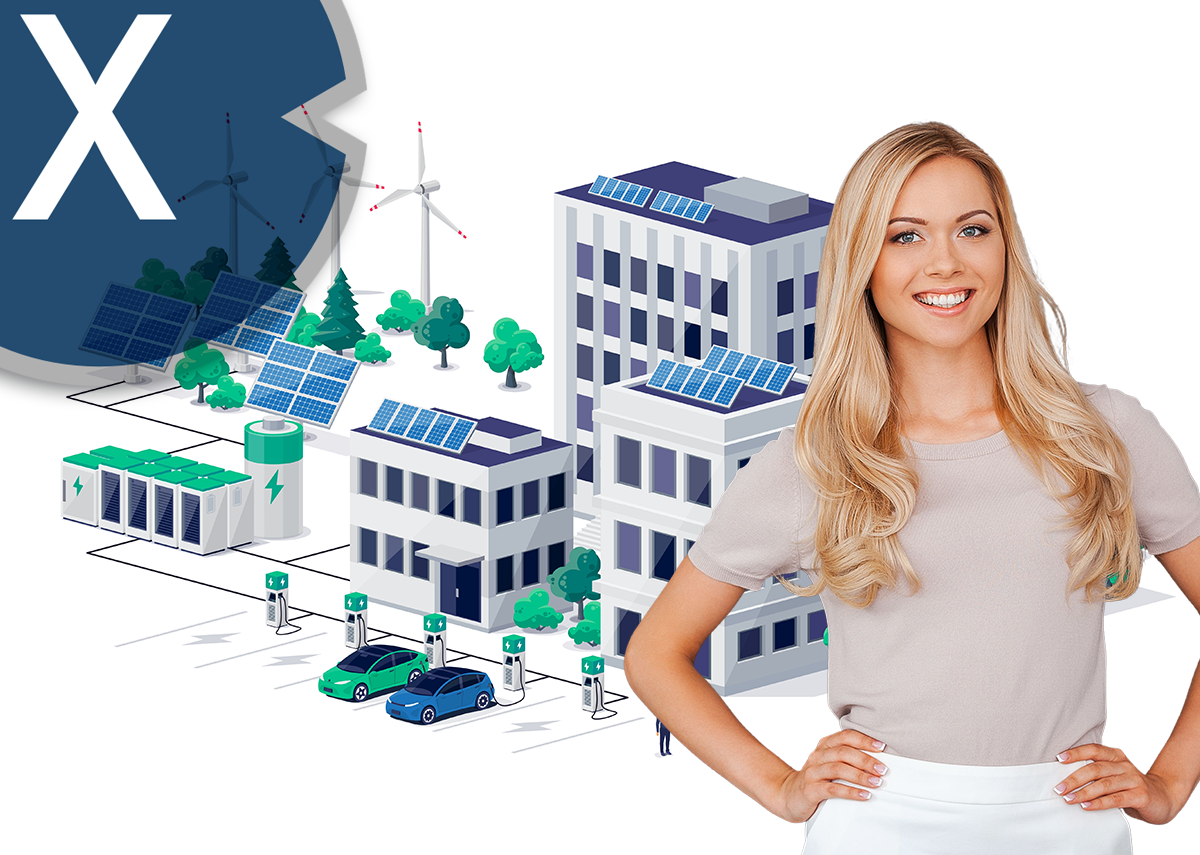
Energy-efficient commercial building and energy-efficient industrial building – Image: Xpert.Digital
Energy transition in commercial construction: new construction and renovation with renewable energies
Sustainable commercial construction with solar systems and heat pumps: environmentally friendly solutions for the future
Energy-efficient commercial construction and energy-efficient industrial construction are important steps towards sustainability and environmental protection in the commercial construction industry. Nowadays, the implementation of solar systems and heat pumps is becoming increasingly important in both new buildings and renovations. These measures not only help reduce energy consumption and reduce CO2 emissions, but also offer economic benefits and long-term preservation of the value of the buildings.
Integrating solar systems is one of the most effective ways to harness renewable energy and meet building energy needs. Commercial and industrial buildings usually offer large roof areas that are ideal for installing photovoltaic systems. These systems convert sunlight directly into electrical energy, thus reducing the need for conventional electricity from fossil sources. The solar energy generated can not only cover the building's own needs, but can also be fed into the public power grid as required, generating additional income.
Another important aspect is the integration of heat pumps into commercial and industrial building construction. Heat pumps use natural heat energy from the environment, such as air, water or earth, and raise it to a higher temperature level. This technology can be used to heat and cool buildings and provides an extremely efficient way to generate thermal energy without relying on fossil fuels. Particularly in industrial processes that generate a lot of waste heat, heat pumps can use this waste heat and convert it into usable heating energy, which significantly improves the overall energy balance of the building.
Careful planning and integration of energy-efficient technologies plays a crucial role in new buildings. Factors such as the orientation of the building, the insulation, the selection of materials and the positioning of the solar systems can be taken into account as early as the design phase in order to achieve optimal energy efficiency. It is important that architects and engineers work together from the outset to find the best possible solution for the commercial or industrial project in question.
The renovation of existing buildings also offers enormous potential for increasing energy efficiency. Older buildings can often be energetically upgraded through structural measures such as improved insulation, replacing windows and doors and integrating modern building technology. The installation of solar systems and heat pumps can also be a useful addition here to reduce energy consumption and reduce operating costs in the long term.
In addition, companies that rely on energy efficient technologies benefit from various support programs and tax incentives offered by governments and authorities at national and regional levels. These financial supports can significantly reduce the initial investment costs and shorten the payback period for such technologies.
➡️ The integration of solar systems and heat pumps in commercial and industrial construction is of great importance to ensure a more sustainable and environmentally friendly operation of commercial buildings. With the combination of renewable energies and modern building technology, companies can not only reduce their energy costs and benefit from government incentives, but also make a valuable contribution to climate protection and at the same time strengthen their competitiveness. The switch to energy-efficient commercial buildings is therefore not only an ecological necessity, but also an economic opportunity for companies in a sustainable future.
📣 Energy-related renovation and new construction, consulting, planning and implementation for industry, retail and municipalities
Our experienced team will support you in optimizing your buildings to reduce energy consumption and promote sustainable energy use with photovoltaics. We analyze your individual needs and create tailor-made concepts that make sense both economically and ecologically. Regardless of whether it is about the energy-efficient renovation of existing buildings or the construction of new energy-efficient structures, we are at your side. Industrial facilities, retail buildings and municipal facilities can reduce their energy costs and reduce environmental impact while improving the comfort and efficiency of their buildings through our tailored solutions.
👨🏻 👩🏻 👴🏻 👵🏻 Energy-saving renovation and new construction, advice, planning and implementation for private households
We offer comprehensive support for private households in the energy-efficient renovation and construction of new buildings with photovoltaics. Our experienced team is at your side to help you advise, plan and implement your sustainable energy solutions. We analyze your energy consumption, identify savings potential and develop tailor-made concepts to improve your energy efficiency. From improving building insulation to installing energy-efficient windows and doors to installing photovoltaic and solar systems - we accompany you step by step to make your home more energy efficient and environmentally friendly. Trust in our expertise and benefit from the numerous advantages that energy renovation and the use of renewable energies offer you. Together we will create a sustainable future for your home.
Plan your solar system for the most common applications conveniently online with our solar system planner!
With our user-friendly solar system planner you can plan your individual solar system online. Whether you need a solar system for your home, your business or for agricultural purposes, our planner offers you the opportunity to take your specific requirements into account and develop a tailor-made solution.
The planning process is simple and intuitive. You simply enter relevant information. Our planner takes this information into account and creates a tailor-made solar system that meets your needs. You can try out different options and configurations to find the optimal solar system for your application.
Additionally, you can save your plan to review later or share with others. Our customer service team is also available to answer your questions and provide support to ensure your solar system is optimally planned.
Use our solar system planner to plan your individual solar system for the most common applications and advance the transition to clean energy. Start now and take an important step towards sustainability and energy independence!

The solar system planner for the most common applications: Plan the solar system online here - Image: Xpert.Digital
More about it here:
Energy saving in industrial construction: Roof solar as an environmentally friendly solution
Future-oriented construction, roof solar for energy-efficient new buildings and renovations - Green Building in focus: Why roof solar systems are indispensable for commercial businesses
Commercial and industrial construction includes a wide range of building types that are perfect candidates for rooftop solar installation. Whether it's factory floors, warehouse buildings, office complexes or other commercial structures, integrating solar technology offers a sustainable and cost-effective way to reduce energy consumption and reduce environmental impact.
One of the most attractive features of roof solar systems is that they are suitable for retrofitting into existing buildings as part of an energy-efficient renovation as well as for use in energy-efficient new buildings. The flexibility of the installation makes it possible for companies to upgrade their existing buildings or to rely on renewable energy from the outset when planning new projects.
Rooftop solar systems use the sun's inexhaustible energy source to generate electricity. The photovoltaic modules convert sunlight directly into electrical energy, which can either be used in the building itself or fed into the public power grid. Especially in commercial and industrial buildings, which often have extensive roof areas, large solar systems can be installed that can cover a significant portion of the building's energy needs.
Installing rooftop solar systems offers a variety of benefits for commercial and industrial businesses. First of all, using solar energy can result in significant cost savings on energy costs. Since solar energy is available free of charge, the need for electricity from the public grid can be reduced, significantly reducing electricity bills and increasing the long-term profitability of commercial construction.
In addition, companies that switch to renewable energies make a valuable contribution to environmental protection and reducing CO2 emissions. By using solar power instead of conventional fossil-based electricity, commercial and industrial buildings can significantly reduce their carbon footprints and contribute to a more sustainable future.
Another aspect that should not be neglected is the positive external impact that comes with the use of solar energy. More and more customers and business partners are paying attention to companies integrating sustainable practices into their business processes. Installing rooftop solar systems signals environmental awareness and can improve a company's image, which can have a positive impact on brand reputation.
When planning and installing rooftop solar systems in commercial buildings, a careful analysis of the structural conditions and the energy needs of the building is necessary. The orientation of the roof, the slope and possible shading from surrounding structures must be taken into account to ensure optimal performance of the solar system.
➡️ Roof solar systems in commercial and industrial buildings are a worthwhile investment. They enable efficient use of renewable energies, reduce energy costs, contribute to environmental protection and improve the company's image. Whether as a retrofit as part of an energy-efficient renovation or as part of a new energy-efficient building - solar energy offers commercial businesses a sustainable and future-proof solution for their energy needs.
In commercial and industrial construction, there are a variety of building types that are ideal for installing solar systems as roof solar. Retrofitting as part of an energy-efficient renovation or as an energy-efficient new building.
Here is an overview of the roof potential for solar systems on the roof:
- Factory halls: Buildings in which industrial production and manufacturing processes take place.
- Warehouses: Buildings used to store goods, products and materials.
- Office buildings: Buildings that house offices for business and administrative activities.
- Manufacturing Facilities: Specialized buildings designed for the manufacturing and production of specific goods or products.
- Exhibition halls: Buildings used for exhibitions, trade fairs, conferences or events.
- Commercial buildings: Buildings that provide space for various shops and retail outlets.
- Shopping Malls: Large building complexes that combine a variety of retail stores, restaurants and service providers under one roof.
- Business parks: Complexes containing various commercial buildings and facilities, often arranged in a common area.
- Logistics centers: Buildings used for the distribution, shipping and logistics of goods and goods.
- Warehouse and distribution centers: Large building complexes used for the storage, handling and distribution of goods on a regional or national level.
- High-bay warehouse: Specialized warehouses with high shelves designed to efficiently store large quantities of goods.
- Hotels and accommodation: Buildings used to accommodate travelers and guests.
- Restaurants and Cafés: Buildings that function as catering establishments.
- Bank buildings: Buildings in which banks offer their services.
- Gyms and sports centers: Buildings used for sports activities and fitness classes.
- Educational facilities: Buildings intended for schools, colleges, training centers or kindergartens.
- Health centers and doctor's offices: Buildings that provide medical services and health care.
- Workshops: Buildings in which craft businesses or repair services are provided.
- Research and development centers: Buildings intended for carrying out research and development activities in various industries.
- Cinemas and theaters: Buildings used for the screening of films or performances of plays and concerts.
- Auto repair shops: Buildings where vehicle repairs, maintenance and services are carried out.
- Gas Stations: Buildings that function as vehicle fuel and service centers.
- Airport terminals and train stations: Buildings used to receive and process passengers at airports and train stations.
- Research laboratories: Buildings specifically equipped for scientific and technical research.
- Data Centers: Highly secure buildings used to house servers and data centers.
- Libraries: Buildings that serve as knowledge and information centers for books and other media.
- Retirement homes and care facilities: Buildings intended for the care and nursing of older people.
- Museums: Buildings that display works of art, historical artifacts, or cultural exhibits.
- Research and technology parks: Complexes that house and promote research companies, start-ups and technology companies.
- Indoor sports facilities: Buildings used for indoor sports such as swimming pools, sports halls or climbing halls.
- Sports Stadiums: Large buildings used for sporting events and games.
- Exhibition centers: Complexes designed for large trade fairs, exhibitions and events.
- Concert and event halls: Buildings used for concerts, shows and other public events.
- Food and Beverage Manufacturing Facilities: Specialized buildings where food and beverages are produced.
- Film studios: Buildings with special facilities for the production of films and television shows.
- Parking garages: Buildings used to accommodate vehicles and parking spaces.
- Call Center: Buildings where customer service and telemarketing services are provided.
- Animal Shelters and Veterinary Clinics: Buildings used to house and care for animals.
- Churches, Temples and Religious Buildings: Buildings used for religious gatherings and ceremonies.
- Event centers: Buildings used for various events such as weddings, celebrations or meetings.
- Emergency shelter: Buildings that provide temporary shelter and care for homeless people or people in need.
- Animal Feed and Animal Supplies Production: Specialized buildings for the production of animal feed and animal supplies.
- Art Galleries: Buildings that display works of art and cultural exhibits.
- Car Wash Facilities: Buildings used for cleaning and maintaining vehicles.
Technical advice on energy-efficient renovation and new construction with solar solutions and heat pumps/air conditioning systems

Konrad Wolfenstein
I would be happy to serve as your personal advisor.
You can contact me by filling out the contact form below or simply call me on +49 7348 4088 965 (Munich) .
I'm looking forward to our joint project.
Write to me

Xpert.Digital – Konrad Wolfenstein
Xpert.Digital is a hub for industry with a focus on digitalization, mechanical engineering, logistics/intralogistics and photovoltaics.
With our 360° business development solution, we support well-known companies from new business to after sales.
Market intelligence, smarketing, marketing automation, content development, PR, mail campaigns, personalized social media and lead nurturing are part of our digital tools.
You can find out more at: www.xpert.digital – www.xpert.solar – www.xpert.plus
Keep in touch





