Clone Boom – in the VR/AR universe: Apple Vision Pro 'clones' are heating up the XR competition! – Image: Xpert.Digital
Extended Reality Transformation in Immersion: How VR and AR Dominate the Technology Industry (Reading time: 27 min / No advertising / No paywall)
Virtual Reality (VR) and Augmented Reality (AR): An Analysis of the Rise and Competition in an Immersive Future
The world of virtual reality (VR) and augmented reality (AR) is currently experiencing a renaissance, a time of remarkable growth and intense competition. Fueled by groundbreaking technological advancements and a steadily growing variety of applications, this sector is expanding at a breathtaking pace. The development of devices often described as "clones" of the Apple Vision Pro is a clear indication of the increased interest and growing intensity of competition in this burgeoning market segment. In parallel, Meta maintains its influential position by continuously launching new hardware such as the Meta Quest 3 and consistently investing in software and game development.
Related to this:


The driving forces of growth
The growth of the VR/AR market is driven by a multitude of factors. Forecasts indicate an impressive compound annual growth rate (CAGR) in the coming years, highlighting the enormous potential of this sector. VR/AR technologies are increasingly being applied across various industries far beyond gaming, including healthcare, education, manufacturing, and corporate training. This broader adoption and use reflects the growing recognition that VR/AR are transformative tools for a wide range of applications.
Continuous technological advancements in hardware play a crucial role in improving the user experience. High-resolution displays, improved lenses (especially pancake lenses), more precise tracking systems, and advanced haptic feedback all contribute to creating more immersive and realistic virtual worlds. These innovations are gradually overcoming the technological hurdles that have previously hindered wider adoption and paving the way for new and exciting applications.
Competition in the VR/AR market
Competition in the VR/AR market is shaped by a number of factors. Apple's entry into the high-end mixed reality segment with the Vision Pro has the potential to fundamentally change the market landscape. Apple's reputation for innovation and its strong brand value could help the Vision Pro gain rapid traction, especially among discerning users willing to pay a premium for the latest technology.
The rapid response from competitors developing devices as "clones" of the Apple Vision Pro demonstrates a swift adaptation and an attempt to gain market share. These "clone" devices often aim to offer a more affordable alternative to the Vision Pro, potentially appealing to a broader consumer base interested in the technology but unwilling to pay Apple's high price.
Meta continues to maintain its dominant position in the VR market through new hardware like the Meta Quest 3 and ongoing software and game development. Meta has established itself as a pioneer in the VR field and boasts a strong ecosystem of hardware, software, and content. The company continues to invest heavily in research and development to solidify its position as a market leader.
Gaming remains a key driver of VR adoption, with new titles and continued support for established games maintaining consumer interest. VR gaming offers an immersive and interactive experience unlike traditional gaming platforms. Developing compelling VR games is crucial for attracting new users and engaging the existing community.
Another important trend is the development of smaller, lighter, and more comfortable VR headsets, such as the Bigscreen Beyond. These devices aim to overcome a key hurdle to wider adoption: the often bulky and uncomfortable form factor of traditional VR headsets. By reducing size and weight, manufacturers can improve the user experience and make VR more comfortable for extended sessions.
Finally, the continued popularity and influence of established VR games like Half-Life: Alyx demonstrates the potential of high-quality, immersive VR experiences to captivate audiences. Half-Life: Alyx is widely considered a milestone in VR gaming and has shown that VR is capable of telling compelling stories and offering innovative gameplay mechanics.
Related to this:

Growth rate and key trends in detail
The growth rate of the VR/AR market is estimated differently by various sources, reflecting the dynamics and ongoing development of this sector. For example, a significant compound annual growth rate (CAGR) of 50.81% is projected for the overall AR/VR market until 2033. Another source reports a 10% increase in AR/VR headset shipments in 2024, but anticipates a 12% decline in 2025 before significant growth resumes in subsequent years. Specifically for the VR market, a CAGR of 27.31% is expected from 2025 to 2033. Within the manufacturing sector, an even higher CAGR of 22.88% is projected for AR/VR between 2025 and 2034. Interestingly, global VR headset shipments declined by 12% in 2024, while AR smartglasses are expected to grow by over 30% in 2025. The hardware sector of the AR/VR market is projected to grow by 34.5% between 2024 and 2025, and the overall AR/VR market is expected to have a CAGR of 34.2% from 2024 to 2029. Another forecast projects a CAGR of 19.1% for the VR market from 2024 to 2029, and a CAGR of 28.7% for the VR market through 2032.
The apparent discrepancy between the overall positive CAGR forecasts for the VR/AR market and the reported decline in VR headset shipments in 2024 and the forecast for 2025 suggests a potential shift in market dynamics. Growth may increasingly be driven by factors other than pure headset sales, such as software, content, enterprise solutions, and potentially the growing importance of AR technologies. While the long-term outlook for the VR/AR market remains robust according to various sources, the short-term decline in VR headset shipments could indicate temporary saturation in the consumer VR hardware market, a wait for more compelling next-generation devices, or a growing emphasis on software and services within the VR ecosystem. Furthermore, the strong growth projected for AR smartglasses suggests a potential shift in market focus toward less immersive, more integrated AR experiences.
Key trends in the VR/AR market
The VR/AR market is shaped by a number of important trends:
Wireless VR
The increasing prevalence of wireless VR headsets offers users more freedom of movement and contributes to a more realistic experience without annoying cables.
Haptic feedback and eye tracking
The integration of haptic feedback and eye-tracking improves immersion and enables more natural interactions in virtual worlds.
Artificial Intelligence (AI)
Artificial intelligence (AI) is playing an increasingly important role by enabling more realistic non-player characters in games, facilitating personalized learning experiences in education, and improving virtual training simulations.
VR in education and training
VR is also increasingly used in education and training to enable realistic, practice-oriented learning experiences without real risks.
Social VR
The popularity of social VR platforms, which allow users to meet and interact in shared virtual spaces, is also increasing.
VR in healthcare
In healthcare, VR offers new opportunities for patient care and well-being in the areas of pain management, physiotherapy, and mental health.
Affordable VR hardware
The availability of affordable VR hardware for the general public helps to make the technology more accessible.
Multisensory technologies
The focus on multisensory technologies aims to improve immersion in VR experiences by incorporating different senses.
Ultra-realistic graphics
Continuous advancements are leading to ultra-realistic graphics and immersive worlds.
VR in Entertainment and Media
VR is also experiencing growth in the entertainment and media sector beyond gaming, for example for immersive films, museum tours and live events.
VR Fitness and Wellness
The VR fitness and wellness sector is booming with platforms that make workouts playful and offer personalized coaching.
Advanced therapy applications
VR is also increasingly finding advanced therapeutic applications.
VR in the workplace
VR is expanding into the workplace for employee training, remote collaboration, and skills development.
Mixed Reality (MR)
The integration of Augmented Reality (MR) into VR devices leads to a convergence of both technologies.
Hyperreality
VR is moving towards hyperreality with increasingly realistic sensory experiences.
Business applications
Business applications of VR are also increasing, including prototyping, training, and customer retention.
Cloud gaming
Cloud gaming has the potential for growth, driven by faster internet speeds and lower hardware costs.
Enterprise-grade VR headsets
There is a growing focus on enterprise-grade VR headsets for professional use.
Gesture recognition
Gesture recognition improves VR immersion and interaction.
Hardware dominance
Currently, hardware components dominate the global VR market, and semi- and fully immersive technologies are leading revenue growth in the VR industry.
Virtual Reality 2.0: The Potential of Haptics, Smell and Taste
The increasing emphasis on multisensory technologies, including haptic feedback and potential advancements in smell and taste, points to a future where VR experiences become significantly more immersive, blurring the lines between the virtual and physical worlds and potentially opening up new applications in areas such as entertainment, training, and even sensory therapy. The trend toward hyperreality in VR indicates a growing focus on engaging multiple senses beyond sight and hearing. While haptic feedback is becoming more prevalent, the mention of technologies that could simulate touch, smell, and taste suggests a future where VR can offer truly holistic and realistic sensory experiences, potentially revolutionizing interaction with virtual environments across various applications.
The strong focus on enterprise applications of VR/AR demonstrates a growing awareness within companies of the tangible benefits these technologies can offer in terms of cost savings, improved efficiency, and enhanced training outcomes, indicating significant potential for future market growth and investment. The increasing adoption of VR/AR across various business functions, such as prototyping, training, customer engagement, and remote collaboration, underscores a shift from viewing these technologies primarily for entertainment to recognizing their practical value in the corporate world. This trend suggests a significant opportunity for VR/AR solution providers to develop and market tailored applications for specific industry needs.
The convergence of cloud computing and 5G technology is likely to play a crucial role in further enhancing VR/AR experiences by enabling more scalable, accessible, and high-resolution content delivery, potentially overcoming limitations in computing power and bandwidth. The expectation that advancements in cloud computing and 5G networks will improve VR experiences by making them more scalable and accessible is significant. Cloud gaming, along with the increased bandwidth and lower latency offered by 5G, can enable the streaming of complex VR/AR content to lightweight devices, reducing the need for powerful local hardware and potentially expanding the reach of immersive experiences to a wider audience.
🎯🎯🎯 Benefit from Xpert.Digital's extensive, five-fold expertise in one comprehensive service package | BD, R&D, XR, PR & Digital Visibility Optimization

Benefit from Xpert.Digital's extensive, five-fold expertise in a comprehensive service package | R&D, XR, PR & Digital Visibility Optimization - Image: Xpert.Digital
Xpert.Digital possesses in-depth knowledge across various industries. This allows us to develop tailored strategies precisely aligned with the requirements and challenges of your specific market segment. By continuously analyzing market trends and monitoring industry developments, we can act proactively and offer innovative solutions. The combination of experience and expertise generates added value and provides our clients with a decisive competitive advantage.
More information here:
Innovation or imitation? The rapid rise of Vision Pro clones
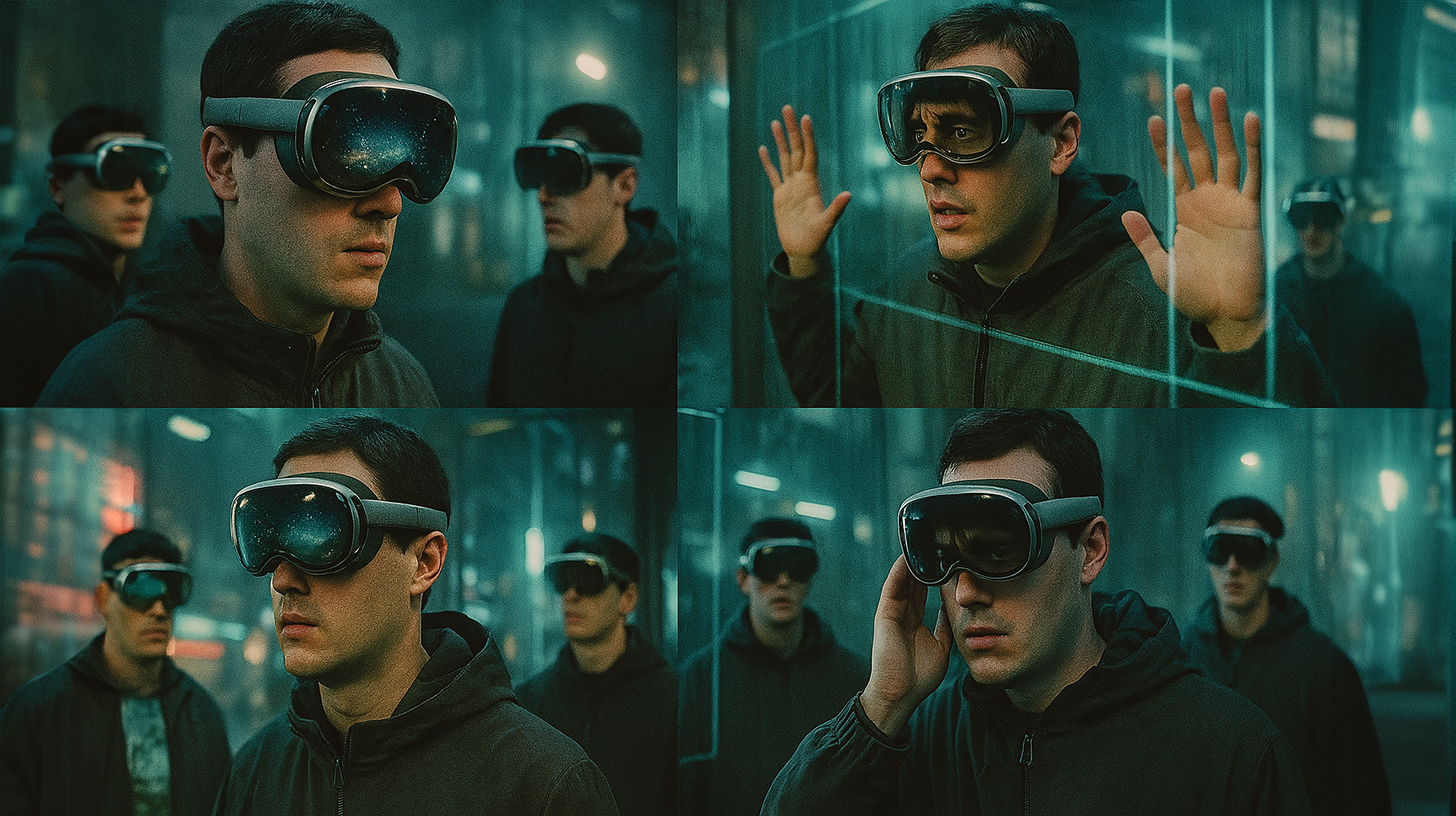
Innovation or imitation? The rapid rise of Vision Pro clones – Image: Xpert.Digital
The phenomenon of "Apple Vision Pro clones" in detail
Following the launch of the Apple Vision Pro, devices described as "clones" of this high-end mixed reality headset quickly emerged. These include, in particular, the Play for Dream MR and the VivoVision. It's worth noting that other headsets, such as those from Samsung and potentially the MetaQuest 3, are also inspired by the Apple Vision Pro or positioned as alternatives.
The Play for Dream MR features a Snapdragon XR2+ Gen 2 processor and boasts an impressive array of 11 high-performance cameras, 7 sensors, and 22 LEDs. Its design is described as comfortable and thinner than other headsets. A key feature is its ability to project virtual objects into the real world as if they were physically present. The device uses 4K Micro-OLED panels and integrates eye tracking. Unlike the Apple Vision Pro, the Play for Dream MR includes controllers. The operating system is very similar to VisionOS, and the headset supports PCVR gaming via SteamVR streaming. A significant advantage is its lower price, expected to be around $1.99.
The Vivo Vision features a design very similar to the Apple Vision Pro, including a gray fabric faceplate, a rear strap, an external battery, and a corresponding connector. Even the name "Vision" has been adopted. One notable difference is the metallic-looking side arms compared to the white plastic arms of the Apple Vision Pro. The Vivo Vision's visor appears to be slimmer, potentially resulting in a lighter weight. It is slated for release in mid-2025.
These "clone" devices position themselves as more affordable alternatives to the Apple Vision Pro, aiming to reach a broader consumer base with a lower price point. Some clones, like the Play for Dream MR, specifically target gamers with features such as controllers and PCVR compatibility. The Vivo Vision appears to directly mimic the design of the Apple Vision Pro and may be targeting consumers who like the Vision Pro's aesthetics but are looking for a more budget-friendly option.
The rapid emergence of "Apple Vision Pro clones" signals strong market validation for the concept of spatial computing and suggests a race to offer similar experiences at different price points. Apple's entry into the high-end microcontroller market with the Vision Pro has clearly generated significant interest and a desire for similar technology. The immediate appearance of devices mimicking its design and functionality indicates that other manufacturers recognize the potential of this product category and are moving quickly to capture different market segments with more affordable alternatives.
Although design similarities exist, these "clones" often differentiate themselves through specific features (e.g., controllers, price) to address different user needs and potentially avoid direct competition with Apple in all areas. The Play for Dream MR, for example, includes controllers and emphasizes PCVR gaming, targeting a different user base than the Apple Vision Pro, which primarily relies on hand and eye tracking for input. This differentiation strategy allows competitors to target specific market niches and potentially offer advantages over the Vision Pro in certain areas.
The potential for legal disputes due to the strong similarity of some clones (such as VivoVision) to the Apple Vision Pro underscores the complexity of intellectual property in a rapidly evolving technology market. The article explicitly mentions the "obvious clone" nature of VivoVision's design and name, as well as the potential for legal challenges for Play for Dream MR due to its imitation of VisionOS. This highlights the risks associated with closely replicating a competitor's product and the long-term importance of innovation and differentiation.
Related to this:

Meta's lasting influence in detail
Meta continues to maintain an influential position in the VR/AR market, particularly through its ongoing hardware and software innovations.
Hardware innovations (Meta Quest 3 and Quest 3S)
The Meta Quest 3 was launched in October 2023 at a price of $499 (for the 512GB version). The Quest 3S was also introduced as a more affordable alternative, starting at $299. The Quest 3 is a standalone device running Meta Horizon OS (based on Android). It is powered by a Qualcomm Snapdragon XR2 Gen 2 processor, offering twice the GPU performance of the Quest 2, and features 8GB of LPDDR5 RAM. The headset boasts high-resolution dual-LCD displays (2064×2208 pixels per eye) with a refresh rate of 90-120Hz. In contrast, the Quest 3S has a lower resolution (1832×1920) and uses Fresnel lenses. The Quest 3 uses specially designed pancake lenses, which allow for sharper images and a thinner design, while the Quest 3S uses Fresnel lenses. Both headsets feature full-color passthrough cameras for mixed reality experiences, but the Quest 3 also includes a depth sensor for improved spatial mapping and MR capabilities, which the Quest 3S lacks. The Quest 3's Touch Plus controllers offer improved tracking without a sensor ring and are compatible with the Touch Pro controllers. Both headsets support hand and body tracking and offer Wi-Fi 6E and Bluetooth 5.2 connectivity.
User reviews of the MetaQuest 3 are predominantly positive, highlighting the improved design, comfort, graphics, tracking, and mixed-reality capabilities compared to the Quest 2. Some users criticize the short battery life and the lack of eye tracking. The Quest 3S is considered inexpensive but offers lower image quality due to its Fresnel lenses and lower resolution.
Meta's strategy of launching both the high-performance Quest 3 and the more affordable Quest 3S underscores its commitment to appealing to a broader range of consumers with varying budgets and performance needs, thereby solidifying its leading position in the VR/MR market. By offering two distinct headset options with different price points and features, Meta can attract both early adopters and enthusiasts willing to pay for the latest technology (Quest 3) and mainstream consumers seeking a more accessible entry point into VR/MR (Quest 3S). This dual approach allows Meta to maximize its market reach and further strengthen its ecosystem.
The significant performance boost provided by the Snapdragon XR2 Gen 2 processor in both the Quest 3 and Quest 3S is a key factor in enabling more immersive and demanding VR/MR experiences, indicating a continued focus on improving the computing power of standalone headsets. Meta's emphasis on a powerful processor in its latest headsets suggests a commitment to delivering high-resolution graphics, smooth performance, and the ability to run complex applications directly on the device without being tethered to a PC. This trend toward increased computing power in standalone VR/MR headsets is crucial for enhancing the overall user experience and enabling more advanced features.
The integration of full-color passthrough into the Meta Quest 3 signals a strategic shift towards emphasizing mixed reality applications and experiences, positioning Meta as a key player alongside Apple in the evolving spatial computing landscape. By allowing users to maintain a clear view of their real-world surroundings while wearing the headset and viewing virtual content, Meta is actively driving the development and adoption of mixed reality applications. This focus on MR enables Meta to compete more directly with devices like the Apple Vision Pro and explore new use cases beyond traditional, fully immersive VR experiences.
Software and game development
Meta is also pushing ahead with its software and game development in the VR/AR space. Eggy is a mixed-reality dragon pet simulator scheduled for release on April 17 for Quest 3 and 3S. The game focuses on raising a virtual dragon in the user's real-world environment using hand tracking. Elements Divided is a multiplayer action game launching on April 23 for Meta Quest. It allows players to control elements (water, earth, air, fire) using gestures in online and solo modes. Worms MR (Table Troopers) is a mixed-reality multiplayer strategy game inspired by Worms, slated for release later in 2025 for Quest. It uses a tabletop approach with hand-tracking controls for moving units and firing weapons. Update 76 (Horizon OS) is a beta version that reveals upcoming features such as an avatar selfie camera for video calls, the ability to share windows in Horizon Home, and a possible upgrade to Android 14. It also hints at a major UI overhaul ("Navigator") in future updates.
Meta's software and game development strategy appears to be heavily focused on showcasing the potential of mixed reality on the Quest 3 platform, with titles like Eggy and Worms MR specifically designed to blend virtual content with the user's real-world environment. The development of MR-centric games indicates Meta's commitment to leveraging the Quest 3's full-color passthrough capabilities to create novel and immersive experiences that transcend traditional VR. This strategy aims to differentiate the Quest 3 and attract users interested in the unique possibilities of mixed reality.
The features tested in Horizon OS Update 76 suggest that Meta is actively working to enhance the social and collaborative aspects of its Metaverse platform, potentially drawing inspiration from features in competing devices like the Apple Vision Pro. The introduction of an avatar selfie camera for video calls and the exploration of window-sharing capabilities point to Meta's efforts to improve communication and productivity within its virtual environments—features also emphasized by the Apple Vision Pro. This suggests a competitive landscape where key features are adopted and refined across different platforms.
The diverse range of game genres being developed for the MetaQuest platform (pet simulation, action, strategy) underscores Meta's ongoing commitment to appealing to a broad audience of VR gamers and ensuring a robust and varied content library for its headsets. The upcoming releases span multiple genres, indicating that Meta supports a wide range of development efforts to cater to diverse gaming preferences within the VR community. A rich and varied content library is crucial for the long-term success of any VR platform, as it provides users with a variety of experiences and encourages continued use.
VR Gaming: A Lasting Catalyst
Gaming remains a key driver of VR adoption and innovation. In March 2025, numerous new VR games were released, including Symphoni (Meta Quest), Lovesick (Meta Quest), Trailblazer with Daisy Ridley (Meta Quest), Path of Fury – Episode I: Tetsuo's Tower (Meta Quest), Mythic Realms (Meta Quest), Sportvida Cyberdash (Meta Quest & PC VR), Hitman World of Assassination (PlayStation VR 2), Wanderer: The Fragments of Fate (Meta Quest & PlayStation VR 2), Train Sim World VR: New York (Meta Quest), Hellsplit: Arena (Meta Quest), VRIDER SBK (PC VR & PlayStation VR 2), Downtown Club (Meta Quest), EXOcars (Meta Quest & PC VR), Rogue Pinatas: VRmageddon (Meta Quest & PC VR), Boxed Out (Meta Quest), and Premier League Player (Meta Quest). These releases cover a wide range of genres, from music and adventure to action and simulation, as well as puzzle and sports.
In addition to new releases, there were also sales promotions for established VR games. Hitman VR was offered at a discount as part of the PlayStation VR 2 Spring Sale. The VR upgrade for Hitman: World of Assassination was released on March 27th. Behemoth was part of the MetaQuest Spring Savings Sale with a 50% discount. A "New Game Plus" update for Behemoth was also released on Steam in March 2025.
The continuous release of new VR games across various platforms, including both standalone titles and VR ports of established franchises, demonstrates the ongoing vitality and evolution of the VR gaming market, appealing to dedicated VR users and attracting potential new players. The steady stream of new VR games in March 2025 across multiple platforms (Meta Quest, PSVR 2, PC VR) and a wide range of genres (music, action, puzzle, simulation) shows that developers continue to invest in creating content for VR. This constant flow of new experiences is crucial for keeping the VR platform engaging for existing users and convincing new users to embrace VR.
The strategic use of sales promotions for popular VR titles like Hitman and Behemoth suggests a concerted effort by platform operators and developers to increase user engagement, expand the player base, and potentially pave the way for newer releases within the VR ecosystem. Offering significant discounts on reputable VR games can be an effective way to lower the barrier to entry for new VR users and encourage existing users to try games they may have previously overlooked. These sales can also help developers generate more revenue from their back catalog and increase anticipation for future projects.
The release of a dedicated VR mode for a major gaming franchise like Hitman on PlayStation VR 2 underscores the growing recognition of VR as a viable platform for AAA gaming content and its potential to offer a fresh perspective on familiar game worlds. Bringing an established and critically acclaimed franchise like Hitman to VR can attract a significant audience of existing Hitman fans who may be curious to experience the game's complex levels and stealth gameplay in a fully immersive VR environment. This trend of VR adaptations of popular IPs could be a major factor in expanding the reach of VR gaming to a wider audience.
Our recommendation: 🌍 Limitless reach 🔗 Connected 🌐 Multilingual 💪 Sales power: 💡 Authentic with strategy 🚀 Innovation meets 🧠 Intuition


From local to global: SMEs conquer the world market with a clever strategy - Image: Xpert.Digital
In an era where a company's digital presence determines its success, the challenge lies in creating an authentic, personalized, and far-reaching presence. Xpert.Digital offers an innovative solution that positions itself as the intersection of an industry hub, a blog, and a brand ambassador. It combines the advantages of communication and sales channels in a single platform and enables publication in 18 different languages. Cooperation with partner portals and the ability to publish articles on Google News and a press distribution list with approximately 8,000 journalists and readers maximize the reach and visibility of the content. This represents a crucial factor in external sales and marketing (SMarketing).
More information here:
Comfort and performance: Compact VR solutions on the rise
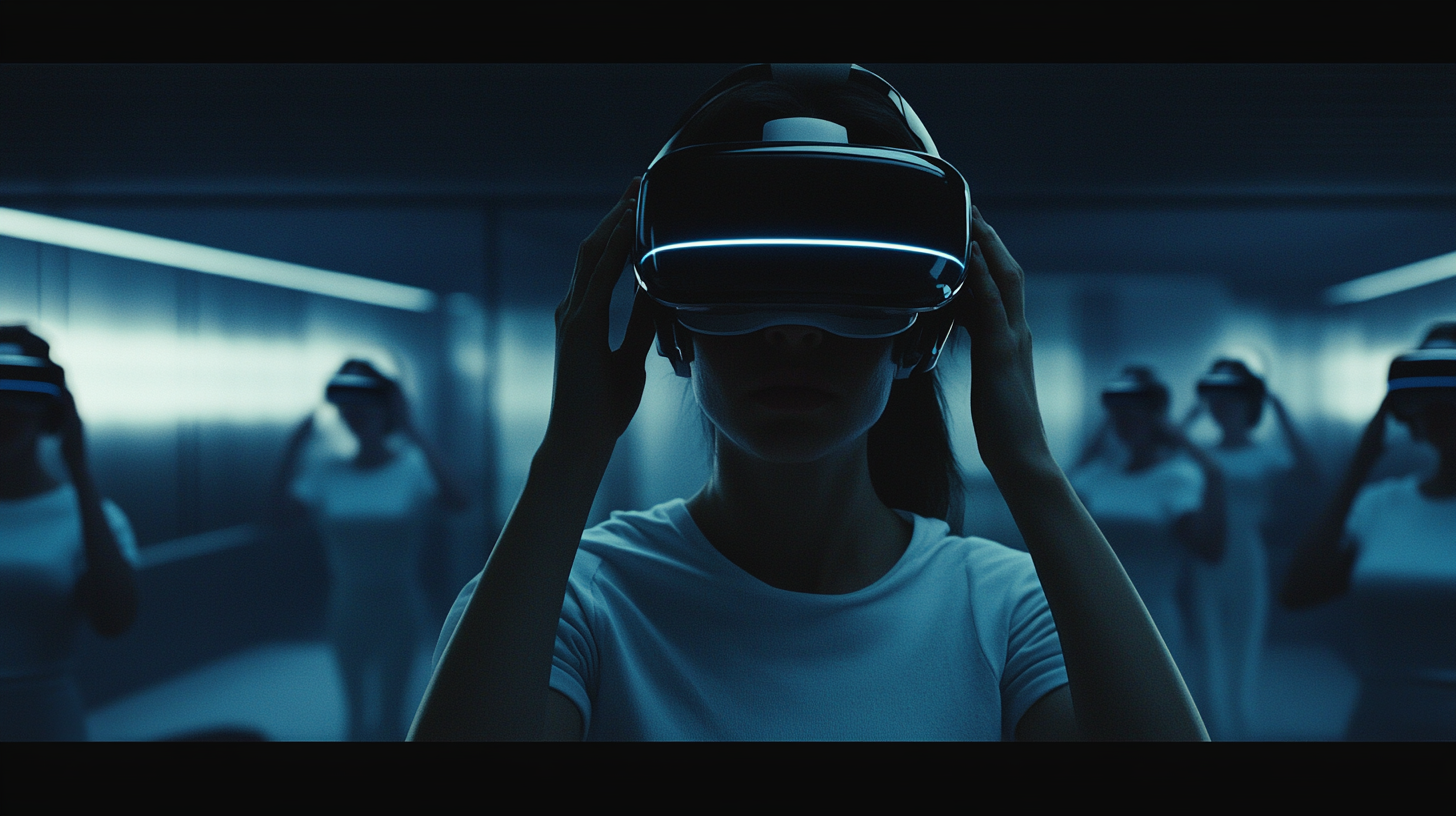
Comfort and performance: Compact VR solutions on the rise – Image: Xpert.Digital
The trend towards compact VR glasses
A significant trend in the VR market is the growing importance of smaller and more compact VR solutions. The Bigscreen Beyond is a prime example of this development.
The first batches of the Bigscreen Beyond are scheduled for release in April 2025, with the eye-tracking version, the Beyond 2e, following in May. Pricing starts at $1,019 for the Beyond and $1,219 for the Beyond 2e. An upgrade option is available for owners of the original Bigscreen Beyond 1, starting at $849. The Beyond boasts an ultra-lightweight (107g) and compact design. It features improved pancake lenses with a wider 116° diagonal field of view and enhanced clarity. A key new feature is adjustable IPD (interpupillary distance) for easier sharing. The headset utilizes dual 1-inch micro-OLED displays with a resolution of 2560x2560 per eye and a refresh rate of up to 90Hz. The Beyond 2e offers optional integrated eye tracking with AI-powered computer vision. SteamVR is required for tracking (base stations and controllers are necessary). New color options and an optional halo strap are planned for release in the third quarter of 2025.
The advantages of the Bigscreen Beyond include exceptional visual clarity and sharpness right to the edge, a larger field of view compared to previous models, improved comfort due to its lighter weight, and enhanced usability thanks to adjustable IPD. Disadvantages include the need for external base stations and controllers (it's not a standalone headset), the lack of integrated audio (requiring separate headphones or the Bigscreen Audio Strap), the high price compared to standalone headsets, and potentially less binocular overlap compared to some other headsets.
The Bigscreen Beyond exemplifies a growing trend in the VR market, targeting a niche of dedicated PC VR enthusiasts who prioritize top-tier visuals, comfort for extended use, and a minimal form factor, even if it means sacrificing the convenience of standalone operation and a lower price point. Its focus on micro-OLED displays, custom pancake lenses, and significantly reduced weight clearly targets users who demand the best possible VR visual experience and value comfort for long gaming or simulation sessions. The reliance on SteamVR tracking and a powerful PC suggests this headset is designed for experienced VR users who already possess the necessary infrastructure and are willing to invest in a premium experience.
The addition of adjustable IPD to the Bigscreen Beyond is a significant improvement, addressing a key limitation of the original model and making the headset more versatile and appealing to a wider range of users. It also facilitates sharing and demonstrations, which is crucial for broader adoption, even within the enthusiast market. The fixed IPD of the original Bigscreen Beyond was a significant drawback, limiting its usability to individuals whose IPD closely matched the custom-fit headset. The introduction of manual IPD adjustment on the Beyond makes the headset far more versatile and user-friendly, removing a major barrier to adoption.
The emergence of compact VR headsets like the Bigscreen Beyond, alongside other lightweight options such as the MeganeX Superlight 8K and the HTC Vive Flow, signals a growing awareness among manufacturers of the importance of comfort and portability in improving the overall VR user experience and potentially attracting a wider audience beyond traditional gamers. The development of smaller and lighter VR headsets addresses a common criticism of VR technology—its bulkiness and potential for discomfort. By focusing on improving ergonomics and reducing weight, manufacturers aim to make VR more accessible and comfortable for extended periods, which is crucial for both consumer adoption and the use of VR in professional and business environments.
The continued popularity of Half-Life: Alyx
Half-Life: Alyx, released in 2020, is still considered a masterpiece in 2025. It sets a benchmark for the quality of VR games and enjoys high ratings on Steam and Metacritic. Some even consider it a game that can "ruin" other VR titles due to its high quality.
Player numbers on Steam show a stable baseline, with a recent increase in the average number of players. The highest number of players in the last 30 days reached 1,199. It is estimated that over two million copies will have been sold by 2024.
Half-Life: Alyx had a significant impact on the VR gaming market by demonstrating VR's potential for storytelling and immersive gameplay. It contributed to increased sales of VR headsets, particularly the Valve Index, and set a precedent for VR game design and interaction. It is considered a "killer app" for VR.
The game received universal acclaim upon its release and was praised for its graphics, voice acting, narrative, atmosphere, and innovative gameplay.
The enduring popularity of Half-Life: Alyx serves as a powerful testament to VR's potential to deliver truly exceptional and memorable gaming experiences that stand the test of time. This suggests that high-quality, immersive content is a crucial factor in the long-term success and appeal of the VR platform. Despite its release several years ago, Half-Life: Alyx continues to be highly regarded and actively played. This sustained popularity indicates that the game's quality and VR's unique immersive capabilities have created an experience that remains captivating for players, underscoring the importance of content that truly leverages the strengths of the VR medium.
The game's significant impact on VR hardware sales, particularly for the Valve Index headset, underscores the crucial role that exclusive, high-demand content can play in driving consumer adoption of VR technology and establishing a platform's ecosystem. The surge in Valve Index sales surrounding the launch of Half-Life: Alyx demonstrates that compelling, must-play VR content can motivate users to invest in the necessary hardware to experience it. This highlights the synergistic relationship between VR software and hardware and the importance of "killer apps" for platform growth.
Although Half-Life: Alyx set a high standard, the VR market still faces the challenge of producing more games of similar scope, quality, and impact to broaden its appeal beyond early adopters and VR enthusiasts and attract a larger segment of the traditional gaming audience. While Half-Life: Alyx demonstrated VR's potential for AAA gaming, the relative scarcity of similar, high-quality titles suggests that the VR gaming market still needs to mature and attract more significant investment from major game developers to create a more diverse and robust library of experiences that can compete with traditional PC and console gaming.
Related to this:

Comparative analysis and competitive dynamics
The VR/AR market is characterized by a multi-tiered competitive landscape, with major players like Meta and Apple targeting different segments, while new entrants and niche providers focus on specific features or user groups. Meta aims for a broad consumer market with relatively affordable and versatile headsets like the Quest 3, while Apple serves the premium segment with advanced technology and a higher price point. At the same time, clone manufacturers are attempting to capture the price-conscious segment, and companies like Bigscreen concentrate on specific needs within the enthusiast PC VR market. This segmentation suggests a more mature market with diverse consumer preferences and competitive strategies.
The battle for market dominance will likely be driven by a combination of hardware innovation, the strength of the software ecosystem, content availability (especially gaming), and pricing strategies. Meta's strength lies in its extensive content offering and relatively affordable hardware. Apple's advantage is its brand recognition and cutting-edge technology. The success of "clones" will depend on their ability to offer compelling features at lower prices. Ultimately, the leading companies in the VR/AR market will be those that can effectively balance these factors to attract and retain a large user base.
Increasing competition is likely to accelerate innovation across the VR/AR landscape, leading to more advanced features, improved user experiences, and a wider range of applications in the coming years. Competitive pressure from new market entrants and the ongoing rivalry between major players like Meta and Apple will likely drive further innovation in VR/AR technology. This could result in advancements in display technology, tracking systems, user interfaces, and the development of new and compelling applications across various sectors.
Growth and Transformation: What the next phase in the VR/AR sector brings
The virtual reality (VR) and augmented reality (AR) market is in a dynamic phase of growth and intense competition. Driven by technological advancements and increasing acceptance across various applications, the market is continuously expanding. The emergence of devices described as "clones" of the Apple Vision Pro underscores the growing interest and increasing competitiveness in the high-end segment. Meta continues to maintain a strong position through both new hardware releases and ongoing software and game development. Gaming remains a key driver of VR adoption, while a trend toward smaller, lighter, and more comfortable VR headsets is also evident. The continued popularity of established VR games like Half-Life: Alyx demonstrates the potential for immersive and high-quality VR experiences.
The phenomenon of "Apple Vision Pro clones" signals market validation for the concept of spatial computing and is leading to increased competition and pressure to innovate. While Meta continues to play a dominant role in the VR market, Apple's entry into the market and the emergence of new competitors are challenging established dynamics. Gaming remains a crucial factor for VR adoption, and the development of more compact VR headsets has the potential to appeal to a broader user base. The continued relevance of titles like Half-Life: Alyx underscores the importance of high-quality content for the long-term success of the VR platform.
The future of the VR/AR market is expected to be characterized by continued strong overall growth, although fluctuations may occur in individual segments. The increasing convergence of VR and AR technologies will lead to more advanced VR/AR devices. Greater adoption of VR/AR in both enterprise and non-gaming sectors is anticipated. Intensified competition will drive innovation and potentially lead to lower prices. Crucial for sustainable market growth will be the availability of compelling content in both the gaming and enterprise sectors. Overall, current dynamics indicate that the VR/AR market remains an exciting and rapidly evolving field with significant potential for future growth and innovation.
We are here for you - Consulting - Planning - Implementation - Project Management
Xpert.Digital - Pioneer Business Development
Smart Glasses & AI - XR/AR/VR/MR industry expert
Consumer Metaverse or Metaverse in general
If you have any questions, require further information or advice, please feel free to contact me at any time.

Konrad Wolfenstein
I would be happy to serve as your personal advisor.
You can contact me by filling out the contact form below or simply call me on +49 7348 4088 965 .
I'm looking forward to our joint project.
Write to me


Xpert.Digital - Konrad Wolfenstein
Xpert.Digital is a hub for industry focusing on digitalization, mechanical engineering, logistics/intralogistics and photovoltaics.
With our 360° Business Development solution, we support renowned companies from new business to after-sales.
Market intelligence, smarketing, marketing automation, content development, PR, mail campaigns, personalized social media and lead nurturing are part of our digital tools.
You can find more information at: www.xpert.digital - www.xpert.solar - www.xpert.plus
Keep in touch