
Architects love them: Aesthetic diversity with semi-transparent double-glazed solar modules for solar carports and terraces

Available in 27 languages 📢
Prefer Xpert.Digital on GoogleⓘPublished on: March 11, 2022 / Updated on: April 25, 2023 – Author: Konrad Wolfenstein
The semi-transparent double-glass modules create an aesthetically pleasing overall appearance for the photovoltaic or solar system: They make a modern statement for self-sufficient power generation! Due to their construction, the solar modules are extremely robust and durable. They combine aesthetics with high energy yield.
Extremely lightweight yet very stable
The sun shining through the double-glazed modules brings plenty of light to the areas being covered. Thanks to the use of specially tempered glass with a thickness of only 2 mm (front and back glass), the frameless solar module weighs only 20 kg, making it lighter than the few competing models that often weigh 30 kg with the same output.
Aesthetics in BIPV applications are also recognized by architects
Private or public roofs, such as those for terraces and carports, are enhanced both energetically and visually. The aesthetics of the bright, inviting spaces beneath the transparent modules are compelling and dispel the skepticism often held by architects and building owners regarding building-integrated photovoltaic systems.
Successfully passed testing according to the European standard EN 12600. Provides protection against falling splinters in the event of a breach.
This protection against injuries from broken glass is provided by the double-glazed solar modules we recommend. Effective protection against forced entry is based on a combination of glass and a laminate as a tough, elastic interlayer.
The European standard EN 12600 (Glass in construction – Pendulum impact test) governs the testing of such glass-glass laminates. This standard is a method for impact testing and classification of flat glass and is applied analogously to laminated double-glazed modules.
BiPV - Building-integrated Photovoltaics / GiPV - Building-integrated Photovoltaics
Building-integrated photovoltaics (BIPV) refers to the integration of photovoltaic modules into the building envelope, aiming not only for the classic energy generation (conversion of sunlight into electrical energy) but also for additional functions. The "Photovoltaics in Buildings" working group, under the umbrella of the German Association for Building Systems (Bundesverband für Bausysteme e. V.), describes BIPV as the architectural, building physics, and structural integration of PV elements into the building envelope, taking into account the multifunctional properties of the PV module. These multifunctionalities can include weather protection, thermal insulation, shading, aesthetics and design, as well as privacy, sound insulation, electromagnetic shielding, burglar protection, and light control and transmission.
Building-integrated photovoltaics (BIPV) are used in roof integration, facade, window, and shading solutions. Project-specific variations (adapted to the respective building) in size, shape, material, color, transparency, and design are desired to achieve the most homogeneous overall appearance possible.
To meet architectural requirements and the desired multifunctionality, the PV modules need to be adaptable in terms of size, shape, and materials. The various mechanical and electrical integration requirements must also be taken into account.
Basically, there are two types of technologies that can be used for modules for BiPV:
- Crystalline modules are constructed from multiple silicon wafers, usually connected in series. The grid spacing, which varies in size, is determined by the wafer size and the necessary clearances for interconnection and insulation. These spacings typically range from 15 to 25 cm. The cell material is classified as either monocrystalline or polycrystalline silicon, differing in their efficiency. This efficiency indicates what percentage of the incident solar energy is converted into electrical energy. (Mono-)crystalline modules currently offer the highest efficiency (15–20%) with optimal orientation. However, in building-integrated photovoltaics (BIPV), such optimal orientation (e.g., a vertically oriented facade) is usually not possible. Furthermore, crystalline solutions are highly susceptible to shading and a reduction in performance at high temperatures, which are common in building applications. Therefore, it is advisable to use simulation software to determine the true energy yield. Crystalline solutions offer a high degree of flexibility in the choice of encapsulation material, which is very advantageous for BIPV. Various glass thicknesses, as well as plastics, can be used; however, crystalline cells are very fragile and cannot be bent. Semi-transparency in simple patterns can also be created.
- Thin- film modules are applied to a substrate (usually glass). With the glass substrate variant, size variation is very limited. Material selection is also very restricted with this substrate variant, as very high temperatures are used during the PV cell build-up process, which preclude certain variations in the glass (e.g., safety glass). Other thin-film solutions are applied to plastic or metal strips (steel, copper). These solutions currently offer the greatest degree of variation in size and packaging and allow for flexible and very lightweight solutions (plastic/plastic). Thin-film solutions currently have efficiencies of 6–14%, depending on the technology used, offer better yields under suboptimal orientation (scattered light, low light), and their performance is less temperature-dependent.
Special funding programs
Various political measures promote the use of BIPV: Driven by the 20-20-20 targets and the desire to promote energy-independent buildings, some countries (e.g. Italy, France) offer increased tariffs for BIPV in addition to feed-in tariffs (see Germany EEG).
In Switzerland, roof-integrated solar systems / photovoltaic systems receive higher subsidies than standard systems.
Building guidelines
A strong driver for the use of building-integrated photovoltaics (BIPV) is the successive tightening of regulations regarding the energy performance of buildings (zero-energy buildings, carbon footprint). In Germany, the Energy Saving Ordinance (EnEV) serves as the benchmark, based on the EU directive on the overall energy performance of buildings. Furthermore, there are country-specific sustainability-related building assessments with varying quality levels, which also promote high energy efficiency and low environmental impact. Examples include the Leadership in Energy and Environmental Design (LEED) developed in the USA, BREEAM from the UK, and the German Sustainable Building Council (Gütesiegel Nachhaltige Bauungen).
Three crucial characteristics

For solar modules: Samples of various polycrystalline and monocrystalline solar cells – Image: Xpert.Digital / Petair|Shutterstock.com
Suitable for:
The compliance with building regulations for overhead glazing was tested in an accredited institute according to the EN 12600 standard with regard to the following properties:
- Splinter control: Even if the panes are broken, no sharp glass splinters should fall out
- Penetration resistance
- Residual load-bearing capacity: The overhead glazing must have a high resistance to occurring loads and still exhibit a minimum load-bearing capacity even if damaged.
The double-glazed solar modules we recommend have passed all tests with flying colors. Not a single module was severely damaged or even punctured. Therefore, the modules can be used for overhead glazing, facade installations, and as balcony modules. This results in a wide range of applications, from terraces and carports to large parking lot canopies, industrial building roofs, and sports facility roofs.
What additional advantages do the double-glazed modules we recommend offer?
Suitable for:
Glass-glass solar modules are durable and extremely robust against all weather conditions. They are as light as conventional modules and easy to install. The advantage of glass-glass modules lies in the material: glass does not age. It offers the best protection for solar cells and ensures that the modules remain highly efficient for decades to come.
Price and performance speak in favor of double-glass solar modules
When comparing glass-glass solar modules with glass-foil modules, the costs over the entire lifespan must be considered. Furthermore, the amount of energy a module delivers during this time is crucial. Photovoltaic system operators get a high-performance product with glass-glass modules that lasts significantly longer than glass-foil modules. This means that, at nearly the same price and with a longer lifespan, the glass-glass solar module produces considerably more solar power.
📣 Open parking areas: Photovoltaic solutions for industry, retail and municipalities
Everything from a single source, specifically designed for solar solutions for large parking areas. Refinance or offset your future costs with your own electricity generation.
🎯 For solar engineers, plumbers, electricians and roofers
Consultation and planning including a non-binding cost estimate. We connect you with strong partners in photovoltaics.
👨🏻 👩🏻 👴🏻 👵🏻 For private households
We have a regional presence throughout the German-speaking world. We have reliable partners who will advise you and implement your wishes.

- Warehouses, production halls and industrial buildings with their own power source from a rooftop photovoltaic system – Image: NavinTar|Shutterstock.com

- Industrial plant with its own power source from a ground-mounted photovoltaic system – Image: Peteri|Shutterstock.com

- Planning solar power systems with photovoltaic solutions for freight forwarding companies and contract logistics
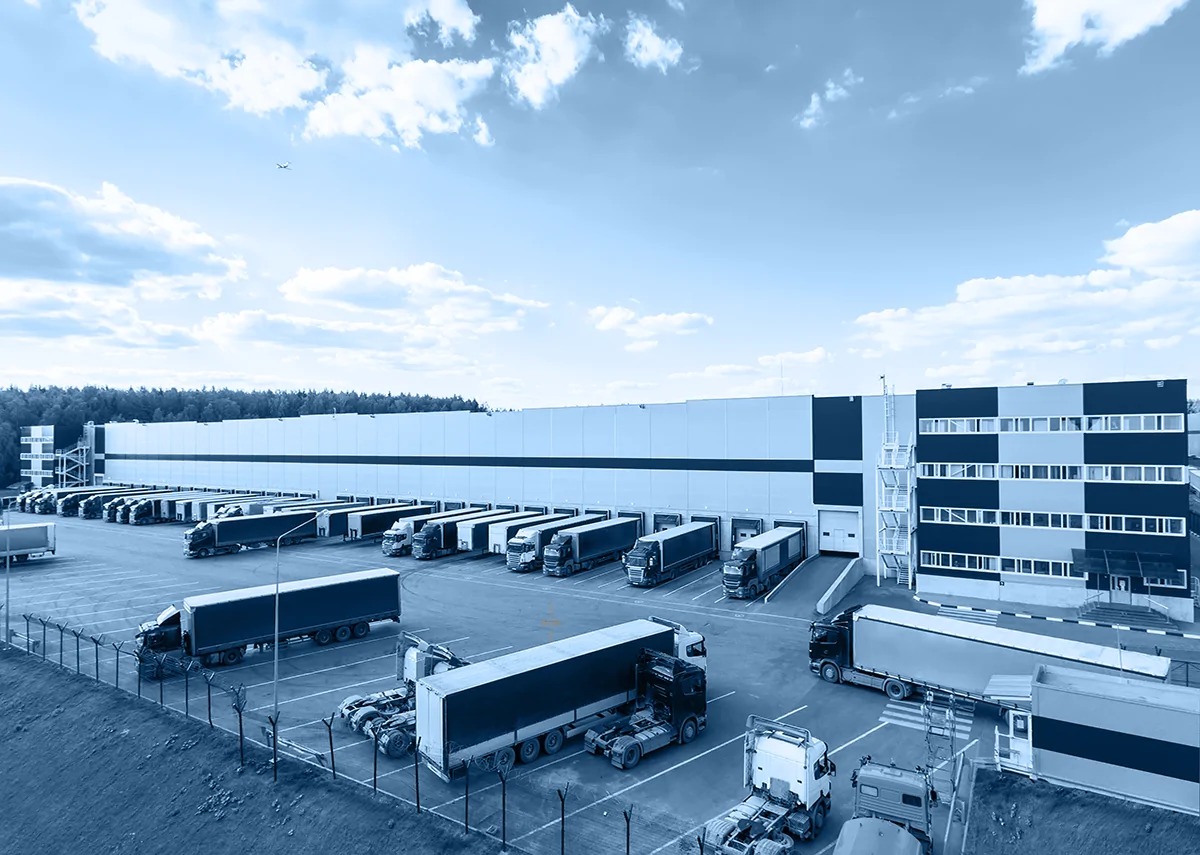
- B2B Solar Systems and Photovoltaic Solutions & Consulting
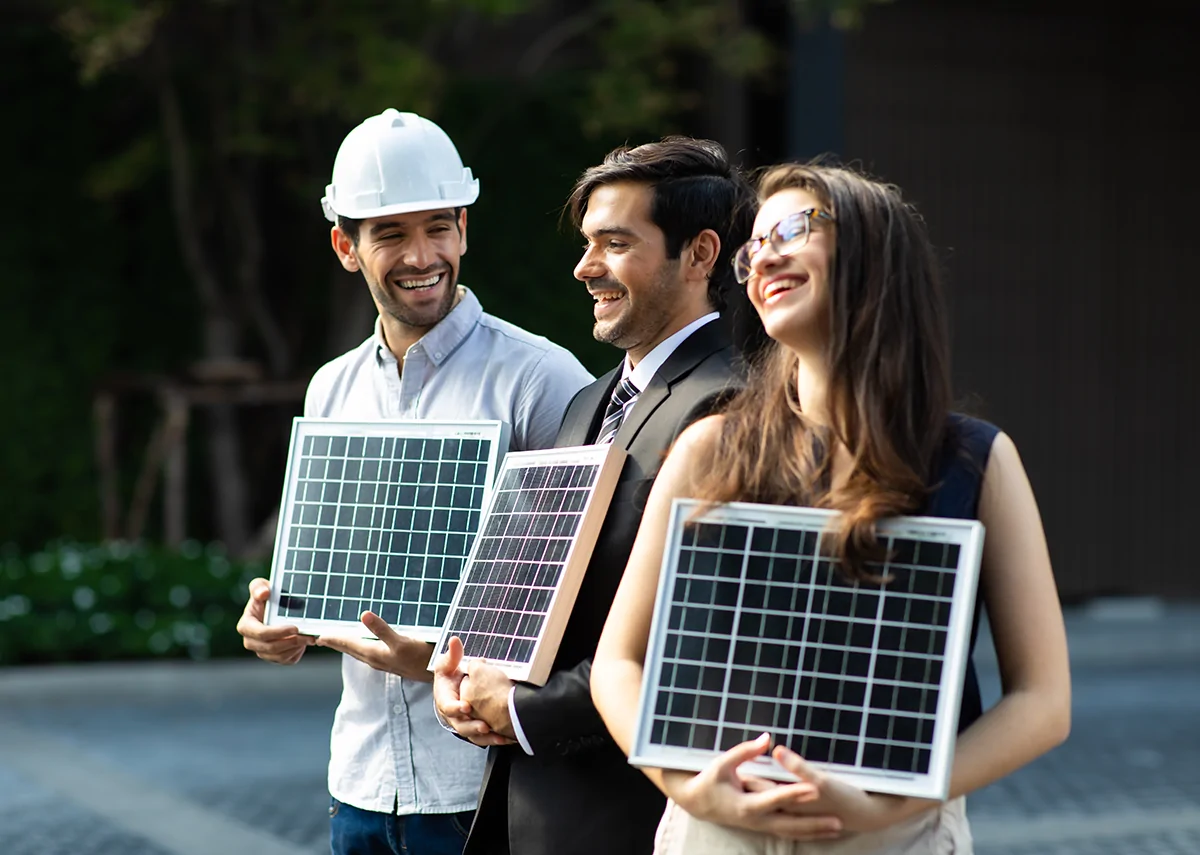
- Planning photovoltaics on warehouses, commercial buildings and industrial buildings
- Industrial plant: Planning a photovoltaic open-field system or open-area system
- Planning solar power systems with photovoltaic solutions for freight forwarding companies and contract logistics
- B2B Solar Systems and Photovoltaic Solutions & Consulting
For architects and solar system installers: Xpert.Solar offers planning and consulting services for green solar carports, rooftop solar systems, and photovoltaic systems in general. We also support you in finding the right and suitable solar modules!

Konrad Wolfenstein
I would be happy to serve as your personal advisor.
You can contact me by filling out the contact form below or simply call me on +49 7348 4088 965 .
I'm looking forward to our joint project.
Write to me

Xpert.Digital – Konrad Wolfenstein
Xpert.Digital is a hub for industry with a focus on digitalization, mechanical engineering, logistics/intralogistics and photovoltaics.
With our 360° business development solution, we support well-known companies from new business to after sales.
Market intelligence, smarketing, marketing automation, content development, PR, mail campaigns, personalized social media and lead nurturing are part of our digital tools.
You can find out more at: www.xpert.digital – www.xpert.solar – www.xpert.plus
Keep in touch







