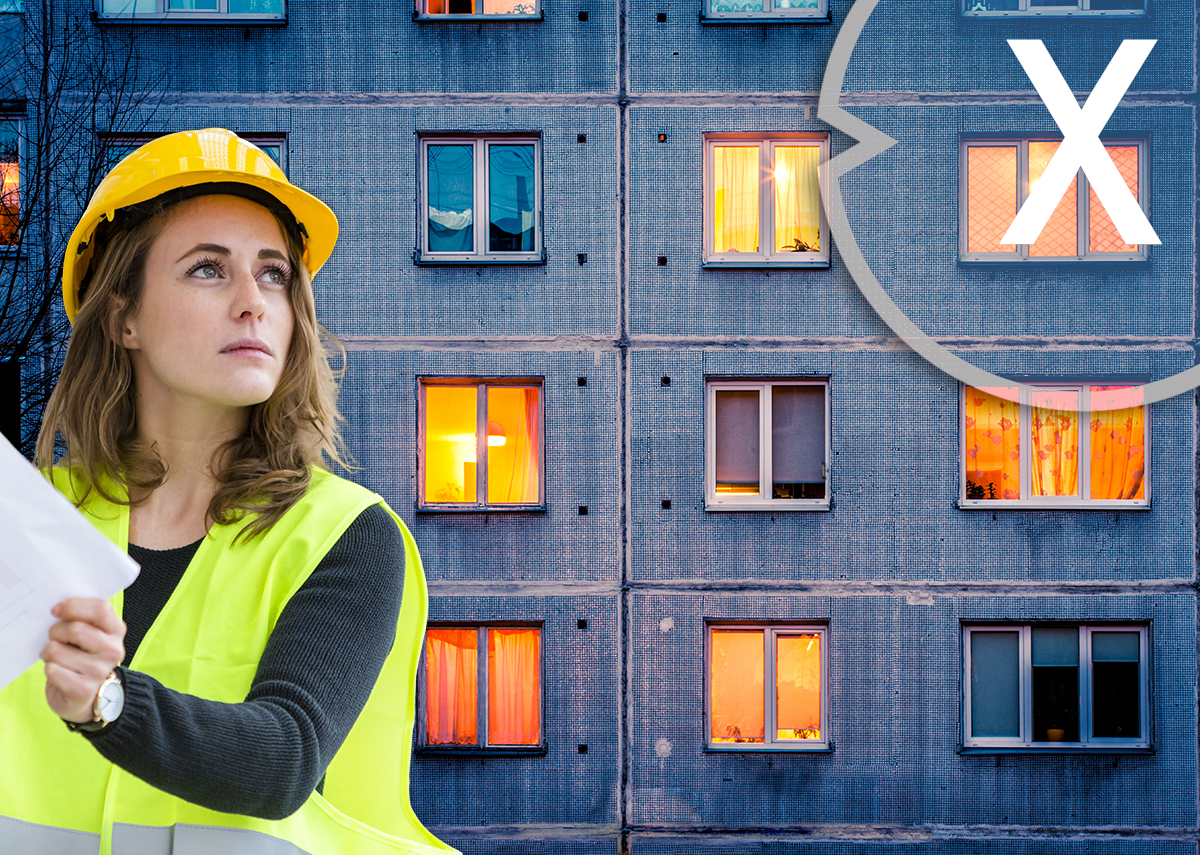
Window installer or window replacement and facade insulation company with photovoltaics and heat pump – Image: Xpert.Digital
Energy transition in buildings with expert implementation for efficient building renovation or new construction
Integrated photovoltaics, window replacement, facade insulation, and heat pumps are key to sustainability. Window installation or replacement and facade insulation are important aspects of energy-efficient building renovation, especially in relation to the Energy Efficiency Act. In Berlin and Brandenburg, there is a growing demand for energy-efficient windows, facade insulation, and renewable energy sources such as photovoltaics and heat pumps.
Energy-efficient windows
Replacing old windows with energy-efficient models can significantly reduce heat loss. Modern windows feature innovative glazing with low U-values, which considerably lowers energy consumption. They also offer improved sound insulation and enhanced security. Window manufacturers in Berlin and Brandenburg offer a wide range of options to meet individual customer needs and requirements.
Facade insulation
Effective facade insulation plays a crucial role in reducing a building's heating energy requirements. By using high-quality insulation materials and ensuring professional installation, heat loss through the facade can be minimized. This leads to improved energy efficiency and a more comfortable indoor climate. Window manufacturers and facade insulation companies in Berlin and Brandenburg offer customized solutions for different building types and requirements.
Photovoltaics
The integration of photovoltaic systems into building envelopes is becoming increasingly important. Solar modules can be installed on the roof, on the facade, or as semi-transparent modules in windows and glass facades. Berlin and Brandenburg offer excellent conditions for solar energy generation, as the region enjoys ample sunshine. Window manufacturers and facade insulation companies with expertise in photovoltaics can offer customized solutions for integrating solar modules into buildings.
Heat pumps
Heat pumps are an environmentally friendly alternative to conventional heating technology. They utilize energy available in the environment, such as heat from the ground, groundwater, or air, to heat buildings and provide hot water. Combined with energy-efficient windows and good facade insulation, energy consumption can be significantly reduced. Window manufacturers and facade insulation companies with expertise in heat pumps can offer their customers comprehensive energy-efficient renovation solutions.
Energy Efficiency Act
The Energy Efficiency Act sets binding requirements for the energy efficiency of buildings. It stipulates that energy standards must be met during renovation work. This applies to both window replacement and facade insulation. Compliance with the law allows owners to benefit from government subsidy programs and financial incentives. Window manufacturers and facade insulation companies are familiar with the requirements of the law and can support their customers in its implementation.
Expert advice and planning
Professional consultation and meticulous planning are crucial for the success of any energy-efficient renovation project. Window manufacturers and facade insulation companies offer their customers comprehensive advice on the various options and assist them in selecting suitable products and materials. They also prepare detailed plans and cost estimates to ensure the smooth implementation of the project.
Assembly and implementation
Window installers and facade insulation companies have experienced personnel and the necessary expertise to ensure professional installation and implementation of renovation measures. They coordinate the various trades and ensure that the work is completed on schedule. High-quality workmanship and high customer satisfaction are paramount.
➡️ The combination of window replacement, facade insulation, photovoltaics, and heat pumps in Berlin and Brandenburg, in accordance with the Energy Efficiency Act, offers a wide range of opportunities to increase the energy efficiency of buildings. Expert window installers and facade insulation companies are available to assist customers with their know-how and support them in implementing customized solutions. Investing in energy-efficient renovations pays off in the long run, as it not only leads to cost savings but also contributes to climate protection.
📣 Energy-efficient renovation and new construction, consulting, planning and implementation for industry, retail and municipalities
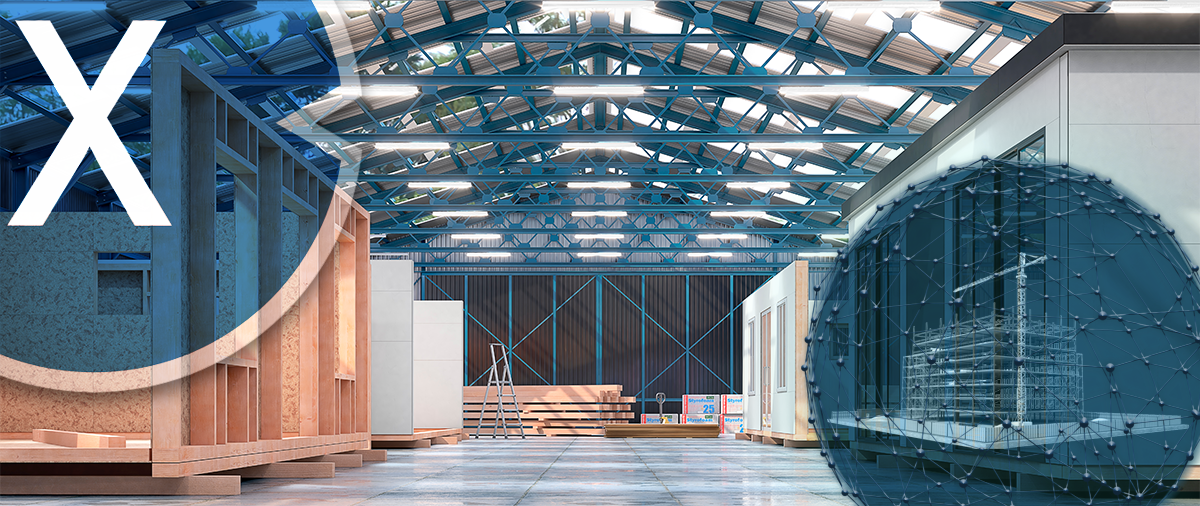
Our experienced team supports you in optimizing your buildings to reduce energy consumption and promote sustainable energy use with photovoltaics. We analyze your individual needs and develop customized concepts that are both economically and ecologically sound. Whether it's the energy-efficient renovation of existing buildings or the construction of new, energy-efficient structures, we are here to help. Industrial plants, retail buildings, and municipal facilities can reduce their energy costs, minimize their environmental impact, and simultaneously improve the comfort and efficiency of their buildings with our tailored solutions.
👨🏻 👩🏻 👴🏻 👵🏻 Energy-efficient renovation and new construction, consulting, planning and implementation for private households
We offer comprehensive support for private households in the energy-efficient renovation and new construction of buildings with photovoltaics. Our experienced team is at your side to assist you with consulting, planning, and implementing your sustainable energy solutions. We analyze your energy consumption, identify potential savings, and develop customized concepts to improve your energy efficiency. From improving building insulation and installing energy-efficient windows and doors to installing photovoltaic and solar thermal systems – we guide you step by step to make your home more energy-efficient and environmentally friendly. Trust in our expertise and benefit from the numerous advantages that energy-efficient renovation and the use of renewable energies offer. Together, we'll create a sustainable future for your home.
Reduce energy consumption with energy-efficient windows: 10 tips for installation and replacement
Energy efficiency plays a crucial role when installing or replacing windows. Here are 10 points to consider:
Heat transfer coefficient (U-value)
The U-value indicates how well a window resists heat conduction. A lower U-value means better thermal insulation. For new buildings or replacement windows, a low U-value should be considered to minimize heat loss.
Multi-pane glazing
Windows with multiple panes of glass offer better thermal insulation than single-pane windows. The U-value can be further improved by using insulating glass or triple glazing.
Heat protection coating
Windows with a heat-reflective coating reflect some of the heat radiation and help to reduce energy loss. This coating can be applied to the glass surface.
Airtightness
Good airtightness is crucial to prevent uncontrolled air currents and energy loss. Windows should be professionally installed and fitted with suitable seals.
Sound insulation
Windows with good sound insulation contribute to a pleasant indoor climate. This is particularly important in urban areas or near busy roads. Soundproof windows can significantly reduce noise levels.
sun protection
To prevent rooms from overheating in summer, the use of solar control glass or external blinds can be beneficial. These measures reduce the need for cooling and contribute to energy efficiency.
Frame material
The frame material affects the thermal insulation and stability of the windows. Plastic frames, wood-aluminum combinations, or well-insulated wooden windows are common options. The choice of material should be tailored to individual needs.
Window size and position
The size and position of windows influence the amount of light entering a room and the amount of solar heat gained. Optimal window placement allows for natural lighting and solar energy gain without causing unnecessary heat loss.
Consulting and planning
Professional consultation and careful planning are crucial for finding the right window solutions for specific requirements. Expert window installers or energy consultants can assist in selecting suitable windows and their optimal placement.
Use funding programs
Government funding programs can be used for energy-efficient renovations. These offer financial incentives for installing energy-efficient windows. It is worthwhile to find out about current funding opportunities and take advantage of them.
Installing or replacing windows with a focus on energy efficiency can lead to a significant reduction in energy consumption and heating costs. By following the guidelines mentioned, building owners can achieve better thermal insulation, lower energy consumption, and a more comfortable indoor climate. Professional advice and planning from experienced specialists will help you make the right decisions and benefit from the advantages of energy-efficient windows.
Facade insulation and facade solar panels: a worthwhile combination?
Facade insulation and facade solar are two components that complement each other synergistically and form a combination that is definitely worthwhile.
Energy efficiency improvement
Facade insulation is a proven method for reducing a building's energy consumption. It minimizes heat loss and provides improved thermal insulation. By reducing energy demand, facade insulation contributes to lower heating costs and reduced CO2 emissions.
Integration of solar modules
Integrating solar panels into the facade enables the use of solar energy to generate electricity. The solar panels are integrated into the facade and serve as active energy generators. They convert sunlight into electrical energy, which can either be used directly or fed into the power grid.
Aesthetic design
Facade-integrated solar panels not only enable energy use but also contribute to the aesthetic enhancement of a building. The solar modules can be designed in various colors and shapes to allow for harmonious integration into the facade, thus preserving the architectural design.
Space saving
Integrating solar modules into the facade offers the advantage that no additional surface area is required. Unlike conventional photovoltaic systems on the roof or in open spaces, facade integration allows for the use of previously unused areas on the building envelope.
Efficient energy use
Combining facade insulation with facade-integrated solar panels further increases a building's energy efficiency. The facade insulation reduces heat loss, while the solar panels generate renewable electricity. This further reduces the need for external energy supply, resulting in a more sustainable and cost-effective solution.
Funding programs and financial incentives
Governments and energy companies often offer subsidy programs and financial incentives for combining facade insulation and facade solar panels. These programs can reduce the costs of installing and operating such systems and enable a rapid return on investment.
Long-term investment
The combination of facade insulation and facade solar panels is a long-term investment with many advantages. Significant cost savings can be achieved in the long run through energy conservation and electricity generation. Furthermore, the use of renewable energy contributes to reducing CO2 emissions and protecting the environment.
Technological advancement
Facade solar integration technology is constantly evolving. New materials, improved solar modules, and innovative systems offer continuously enhanced efficiency and performance. By choosing future-proof solutions, you can benefit from the latest technological advancements.
➡️ The combination of facade insulation and facade solar panels is a promising way to increase the energy efficiency of buildings and utilize renewable energy. In addition to energy savings and CO2 reduction, it offers aesthetic design options, space savings, and long-term cost savings. With the support of funding programs and the continuous development of the technology, this combination is an investment in a sustainable future.
Plan your solar system for the most common applications conveniently online with our solar system planner!
With our user-friendly solar system planner, you can design your individual solar system online. Whether you need a solar system for your home, your business, or for agricultural purposes, our planner allows you to consider your specific requirements and develop a customized solution.
The planning process is simple and intuitive. You simply enter the relevant information. Our planner takes this information into account and creates a customized solar system that meets your needs. You can try out different options and configurations to find the optimal solar system for your application.
Furthermore, you can save your plan to review it later or share it with others. Our customer service team is also available to answer any questions and provide support to ensure your solar system is optimally planned.
Use our solar system planner to design your individual solar system for the most common applications and accelerate the transition to clean energy. Get started now and take an important step towards sustainability and energy independence!

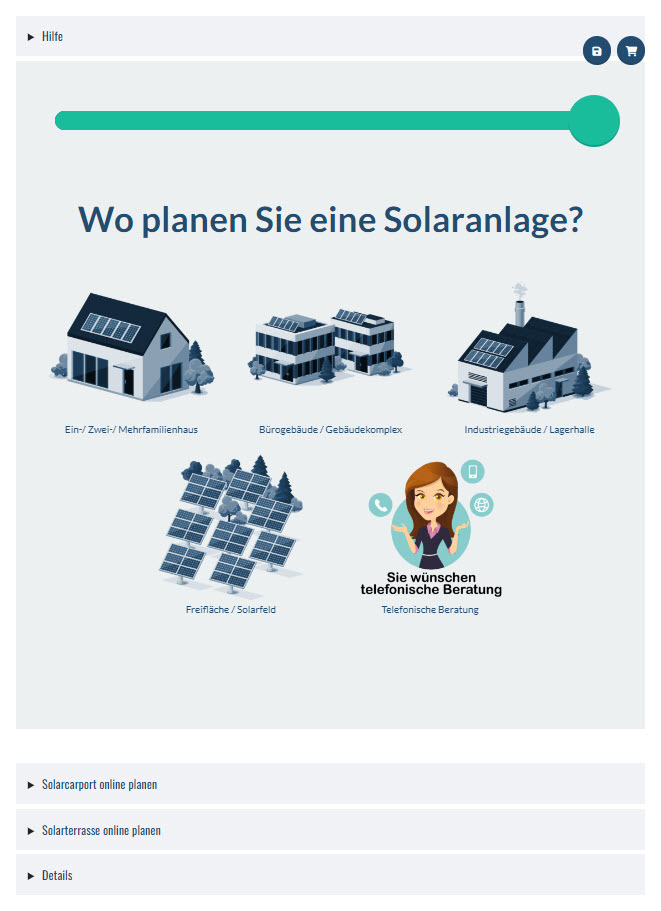
The solar system planner for the most common applications: Plan your solar system online here - Image: Xpert.Digital
More information here:
Challenges and solutions for window replacement in listed buildings
Replacing windows in listed buildings presents particular challenges, as the preservation of the historical character and compliance with monument protection regulations are paramount.
Historic preservation regulations
Listed buildings are subject to specific regulations and requirements designed to preserve their historical character. This can affect the choice of materials, the design of the windows, and their proportions. These regulations must be considered and adhered to when replacing windows.
Preservation of historical building elements
Preserving historic windows and architectural elements is often desirable, as they contribute to the character and value of the building. Restoring and maintaining existing windows can be an alternative to complete replacement. This involves repairing damaged parts and adding missing elements to preserve functionality and historic charm.
Adaptation to modern requirements
Listed buildings must still meet today's energy efficiency requirements. The challenge lies in replacing windows in a way that improves the building's energy efficiency without compromising its historical character.
Material selection
When selecting materials for window replacement in listed buildings, historically authentic materials should be given preference. Wooden windows are often the best choice, as they retain their traditional character and blend well with historical architectural styles. However, modern materials such as wood-aluminum combinations or PVC windows with an authentic look can also be used.
Attention to detail and proportions
The proportions of the new windows must conform to historical specifications. This includes the correct size, shape, and arrangement of the muntins, frame profiles, and window sashes. Meticulous attention to detail in the design and manufacture of the new windows is crucial to ensure a harmonious appearance.
Cooperation with heritage conservation authorities
Replacing windows in listed buildings requires close cooperation with the relevant heritage authorities. They can provide valuable advice and guidelines regarding material selection, proportions, and design details. Early consultation and approval are essential to comply with heritage regulations.
Expertise from specialized companies
Replacing windows in listed buildings requires specialized expertise and craftsmanship. Specialized window manufacturers and restorers with experience in historic preservation can provide valuable support. They are familiar with the specific requirements and can develop tailored solutions to preserve the building's historical character.
➡️ Replacing windows in listed buildings undoubtedly presents significant challenges, but with careful planning, collaboration with heritage authorities, and the expertise of specialized companies, suitable solutions can be found. Preserving the historical character while simultaneously improving energy efficiency allows the charm and value of the listed building to be maintained and met with modern requirements.
The importance of consultation and planning for successful window and facade renovations
The importance of careful consultation and planning for successful window and facade renovations should not be underestimated. A solid foundation in these areas lays the groundwork for an efficient and high-quality renovation.
Analysis of the existing situation
A thorough analysis of the existing windows and facade is the starting point for a successful renovation. Important factors such as condition, age, materials, and energy performance are taken into account. This analysis helps to determine the appropriate renovation measures and identify individual needs.
Professional expertise
Professional consultation ensures that expertise and know-how are incorporated into the planning. Window and facade renovation are complex topics that require specific specialist knowledge. Qualified experts can inform owners about the best solutions and advise them on materials, technical aspects, legal requirements, and costs.
Individual needs
Every building and every owner has different requirements and expectations. Individual consultation makes it possible to tailor renovation measures to specific needs. Aspects such as aesthetics, functionality, energy efficiency, and budget are taken into account.
Energy efficiency potentials
Careful consultation and planning enable you to fully exploit the energy efficiency potential of window and facade renovations. Significant energy savings can be achieved through the use of energy-efficient materials, high-quality glazing, and optimal insulation. Consultation helps identify the right measures and take advantage of available funding programs.
Budget and costs
Early consultation allows for the establishment of realistic budgets and the planning of renovation costs. A transparent cost breakdown and the inclusion of various quotes enable an informed decision. Careful planning also helps to minimize unforeseen expenses.
Coordination and scheduling
Good planning also includes careful coordination of the various trades and the creation of a schedule. This ensures a smooth progress of the renovation work and minimizes disruption for the building's residents or users. Close collaboration between the specialists involved is crucial in this process.
Sustainability and future developments
Forward-looking consultation and planning also takes into account future developments in window and facade technology as well as legal requirements. Sustainable planning makes it possible to benefit from renovation measures in the long term and to support the increase in the building's value.
Thorough consultation and planning are key to successful window and facade renovations. They allow for consideration of individual needs, maximizing energy efficiency potential, controlling costs, and ensuring long-term sustainability. Working with experienced professionals and taking various aspects into account enables efficient and high-quality renovations.
Focus on performance and efficiency: Technological breakthroughs in building-integrated photovoltaics
Significant technological advances have taken place in the field of building-integrated photovoltaics (BIPV) in recent years. These developments have enabled solar modules to be installed not only as separate units on roofs or open spaces, but also seamlessly integrated into the building envelope. This comprehensive text explains important and interesting details of the technological developments in the field of building-integrated photovoltaics.
Integrated solar modules
Compared to conventional photovoltaic modules mounted on the roof surface, integrated solar modules are specifically designed for seamless integration into the building envelope. They can be placed in windows, facade elements, roof tiles, or other building components to optimize solar energy harvesting without compromising the building's aesthetic appearance.
Transparent solar modules
An exciting development in the field of GIPV (Building Integrated Photovoltaics) is transparent solar modules. These allow solar modules to be integrated into window glass or glass facades, while still allowing daylight to enter the interior spaces. This achieves optimal use of sunlight for electricity generation without compromising visual transparency.
Colored solar panels
In addition to transparency, advances in solar technology have also enabled the development of colored solar modules. These modules can be adapted to the aesthetic requirements of a building by being manufactured in various colors and shades. This allows them to integrate seamlessly into the architectural design while simultaneously generating solar energy.
Performance enhancement
The performance of integrated solar modules has steadily improved over the years. Module efficiency has increased, meaning they can extract more energy from sunlight. Advances in materials, cell technology, and module architecture have contributed to increasing the power density of solar modules and thus improving electricity generation.
Flexible design
Technological advances in GIPV have also led to more flexible design options. The solar modules can be adapted to various architectural shapes and surfaces. They can be bent, curved, or arranged in complex geometric patterns to maximize aesthetic impact and optimize energy production.
Durability and longevity
In addition to increased performance, improvements were also achieved in the durability and longevity of the integrated solar modules. New materials and coatings were developed to protect the modules from environmental influences such as moisture, temperature fluctuations, and contamination. This ensures that the solar modules function reliably over a long period and have a long lifespan.
Efficient installation and commissioning
Technological developments in the field of building-integrated photovoltaics (BIPV) have also simplified the installation and commissioning of solar modules. The modules can be integrated into the construction process, enabling efficient assembly. Furthermore, intelligent connection systems and monitoring technologies can be installed to optimize the performance and operation of the solar modules.
➡️ Technological advancements in building-integrated photovoltaics (BIPV) have significantly expanded the possibilities for harnessing solar energy. Integrated solar modules offer aesthetic advantages, efficient power generation, and seamless integration into the building envelope. Transparent and colored solar modules, increased performance, flexible design, and improved durability open up diverse possibilities for integrating solar energy into building architecture. The continuous development of these technologies promises sustainable and aesthetically pleasing energy generation in the future.
Complete solution for energy-efficient buildings: Integrated photovoltaics, window replacement, facade insulation and heat pump
In conjunction with window replacement and facade insulation, technological developments in building-integrated photovoltaics have also made significant progress. However, to further increase a building's efficiency and sustainability, it is advisable to also consider the heating system. A heat pump is a promising solution for heating and cooling buildings, but it requires a higher electricity supply. To reduce this dependence on external electricity and increase energy independence, it is recommended to supplement the entire system with a rooftop solar array and/or a photovoltaic facade.
Building-integrated solar technologies
Building-integrated photovoltaics (BIPV) allows for the seamless integration of solar modules into the building envelope, whether in windows, facades, roofs, or other building elements. This integration maximizes solar power generation without compromising the building's aesthetic appearance. This enables environmentally friendly energy production directly on the building.
Advantages of window replacement and facade insulation
Replacing old, inefficient windows with energy-efficient models and insulating the facade significantly contribute to improving a building's energy efficiency. The use of high-quality insulated glass windows and effective thermal insulation reduces heat loss and thus lowers the energy required for heating and cooling the building.
The importance of the heat pump
Heat pumps are an environmentally friendly alternative to conventional heating systems because they utilize heat from the ambient air, the ground, or groundwater. They can be used not only for space heating but also for hot water preparation and air conditioning. Using an efficient heat pump reduces the consumption of fossil fuels and thus lowers CO2 emissions.
Power consumption of the heat pump
One challenge when using a heat pump is the associated increased electricity demand. To reduce this dependence on external power, it is advisable to supplement the entire system with a rooftop solar array or a photovoltaic facade. By generating your own electricity from renewable energy sources, you can largely produce the electricity needed to operate the heat pump yourself.
Energy independence through solar power
A rooftop solar system or a photovoltaic facade allows for the direct use of solar energy to generate electricity. The generated solar power can be used to operate a heat pump, thus reducing the need for external electricity. In combination with an intelligent energy management system, excess solar power can be stored and used during periods of low sunlight.
Holistic approach
A holistic approach encompassing consultation, planning, construction, and installation is crucial for optimally coordinating the individual system components. Collaboration with a qualified specialist company with expertise in building-integrated photovoltaics, window replacement, facade insulation, and heat pumps ensures seamless integration and optimal performance.
Sustainability and cost savings
The combination of building-integrated photovoltaics, window replacement, facade insulation, heat pump, and on-site electricity generation offers numerous advantages. Besides independence from external electricity grids and the reduction of CO2 emissions, it enables long-term cost savings through lower energy bills. Furthermore, it increases the value of the building and contributes to sustainability and environmental protection.
➡️ Technological advancements in building-integrated photovoltaics (BIPV), combined with window replacement, facade insulation, heat pumps, and energy independence, offer a promising opportunity to increase the energy efficiency of buildings while simultaneously reducing dependence on fossil fuels. Integrating solar modules into the building envelope, replacing inefficient windows, improving thermal insulation, and using an efficient heat pump takes a holistic approach focused on sustainability and cost savings. Supplementing the system with a rooftop solar array or a photovoltaic facade increases energy independence and enables on-site, environmentally friendly power generation. Partnering with an experienced specialist company that covers all aspects of consulting, planning, construction, and installation is crucial for efficient and successful implementation. This holistic approach offers not only benefits in terms of energy efficiency and environmental protection but also long-term cost savings and increased building value.
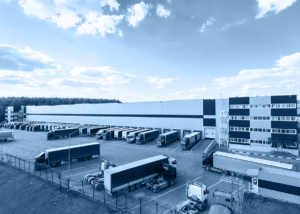
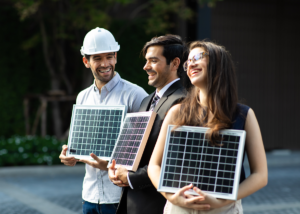
- Planning photovoltaics on warehouses, commercial buildings and industrial buildings
- Industrial plant: Planning a photovoltaic open-field system or open-area system
- Planning solar power systems with photovoltaic solutions for freight forwarding companies and contract logistics
- B2B Solar Systems and Photovoltaic Solutions & Consulting
Expert advice on energy-efficient renovation and new construction with Xpert.Plus & Xpert.Solar

Konrad Wolfenstein
I would be happy to serve as your personal advisor.
You can contact me by filling out the contact form below or simply call me on +49 7348 4088 965 .
I'm looking forward to our joint project.
Write to me


Xpert.Digital – Konrad Wolfenstein
Xpert.Digital is a hub for industry focusing on digitalization, mechanical engineering, logistics/intralogistics and photovoltaics.
With our 360° Business Development solution, we support renowned companies from new business to after-sales.
Market intelligence, smarketing, marketing automation, content development, PR, mail campaigns, personalized social media and lead nurturing are part of our digital tools.
You can find more information at: www.xpert.digital – www.xpert.solar – www.xpert.plus
Keep in touch