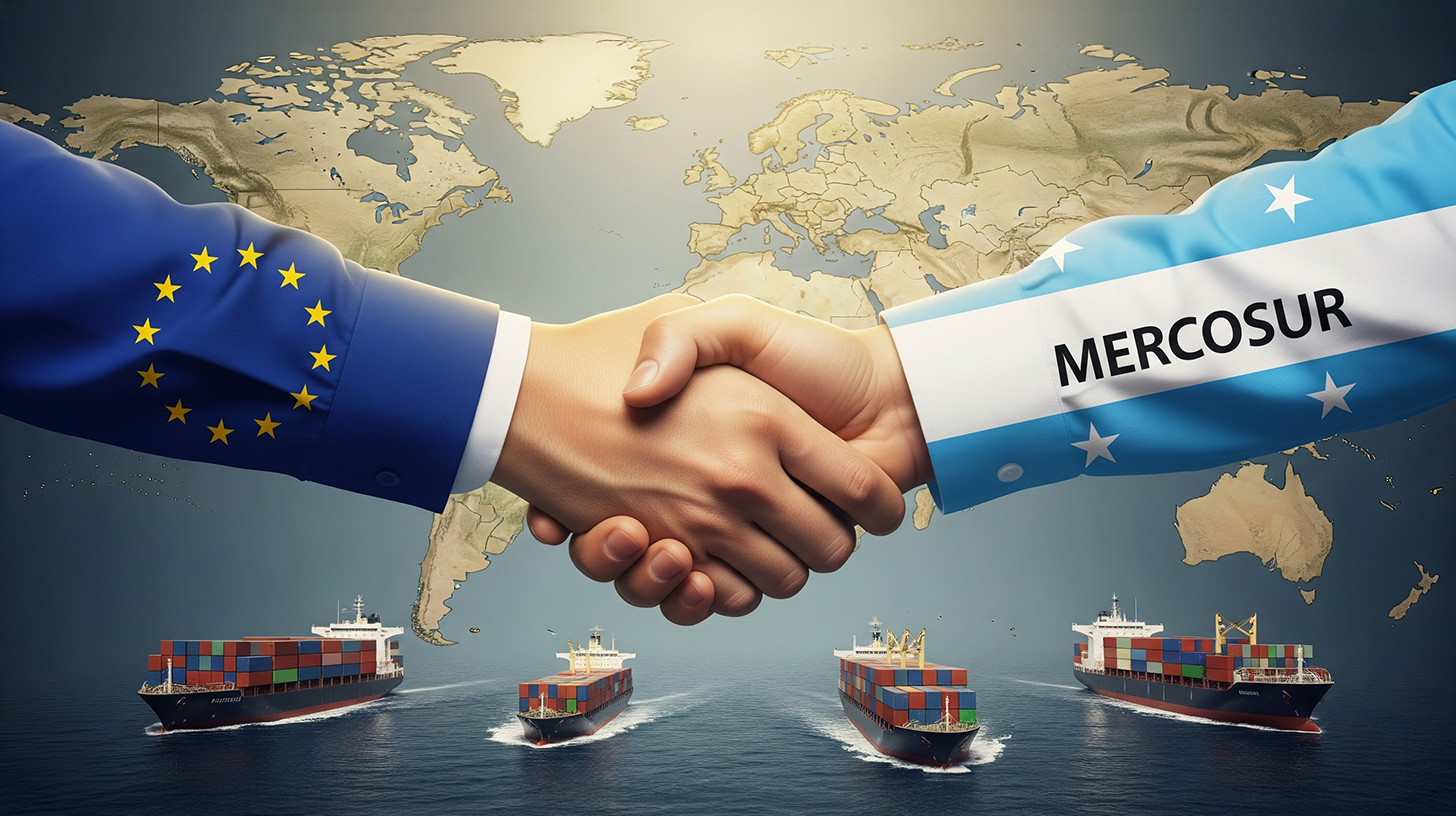
Mega-deal nearing completion: World's largest free trade zone – The EU-Mercosur agreement – Image: Xpert.Digital
Europe's response to Trump's tariffs: How this pact is shifting global power dynamics
### €4 billion per year: Why German car companies are now hoping for the Mercosur deal ### Cheaper meat in exchange for more expensive cars? How the Mercosur trade pact directly affects you ### Climate killer or Green Deal for two continents? The truth about the controversial EU agreement ###
Huge opportunity or sell-off? The bitter dispute over the Mercosur agreement
After more than 25 years of arduous negotiations, the global economy is facing a historic turning point: The EU-Mercosur agreement, which would create a free trade zone encompassing over 715 million people, is on the verge of ratification. But this agreement is far more than just a trade deal. It is a geopolitical statement, a gigantic economic opportunity, and at the same time the subject of fierce controversy that is dividing Europe.
On the one hand, the pact promises enormous advantages: By eliminating tariffs, European exporters could save around 4 billion euros annually, with key industries such as the automotive, mechanical engineering, and chemical sectors in Germany benefiting massively. Strategically, the EU is positioning itself as a champion of free trade and creating a counterweight to US protectionism and the growing dependence on China.
On the other side is the fierce resistance of farmers and environmentalists. They warn of unfair competition from cheaper agricultural imports from South America and fear accelerated deforestation of the Amazon rainforest for cattle pastures and soy fields. While the agreement does contain sustainability chapters, critics doubt their effectiveness. This text examines the far-reaching opportunities, the deep divisions, and the crucial questions now on the table: Can Europe successfully balance economic growth, strategic independence, and sustainable responsibility?
Related to this:

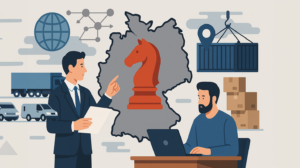
What does the EU-Mercosur agreement mean for the global economy?
With the European Commission's approval of the EU-Mercosur agreement, the world is on the verge of creating one of the largest free trade zones in history. What exactly lies behind this historic trade deal, and what impact will it have on the global economic order?
The agreement between the European Union and the South American Mercosur states of Brazil, Argentina, Uruguay, and Paraguay would create a free trade zone with more than 715 million inhabitants. According to the EU Commission, this would be the largest of its kind in the world and thus represents a significant alternative to the protectionist trade policies of the USA under President Donald Trump.
Negotiations for this agreement lasted over 25 years. The EU began initial talks with the Mercosur countries as early as 1999, with negotiations on the trade-related aspects originally concluded in June 2019. The final political and cooperative elements were then negotiated in June 2020, before the Commission adopted the proposals for Council decisions to sign and conclude the agreement on 3 September 2025.
How is Mercosur organized and what is its economic significance?
Mercosur, whose full name is "Mercado Común del Sur" or "Southern Common Market," is an international economic organization in Latin America, established in 1991 by the Treaty of Asunción. The organization currently comprises four full members: Argentina, Brazil, Paraguay, and Uruguay, with Venezuela having been permanently suspended since 2016. Bolivia joined as the most recent full member in 2023.
With a gross domestic product of approximately US$2.4 trillion and a foreign trade volume of around US$400 billion for exports and US$330 billion for imports, Mercosur is the world's third-largest market after the EU and NAFTA. Mercosur's total merchandise trade volume in 2023 was approximately US$668.7 billion, with exports amounting to roughly US$378.8 billion and imports to around US$290 billion.
The region possesses significant raw material deposits that are crucial for Europe's climate transition, including lithium, nickel, and rare earth elements. Europe, in turn, is a key supplier of automobiles, machinery, and chemicals to the Mercosur countries.
What specific trade facilitations does the agreement bring?
The centerpiece of the EU-Mercosur agreement is the extensive reduction of tariffs and trade barriers. Tariffs are to be eliminated for 91 percent of all goods traded between the EU and Mercosur. According to calculations by the European Commission, this tariff reduction will result in annual savings of €4 billion for European exporters.
The current tariffs that would be eliminated are particularly drastic: Mercosur currently levies some of the highest external tariffs in the world, for example 35 percent on cars, 14 to 20 percent on machinery, and up to 18 percent on chemicals. These high tariffs represent significant trade barriers that hinder European companies from exporting to the region.
The agreement would not only reduce tariffs but also protect geographical indications of 350 European food products in Mercosur, including traditional products such as Munich beer and Tyrolean bacon. This is the largest number of geographical indications ever protected in an EU agreement.
What economic impacts are expected for the EU?
The European Commission predicts significant positive economic effects from the agreement. Annual EU exports to South America could increase by up to 39 percent, or €49 billion, thereby supporting more than 440,000 jobs across Europe. In 2024, trade volume between the EU and the Mercosur countries already amounted to €112.3 billion.
Several key EU industries would particularly benefit: The automotive industry could profit significantly from the abolition of the 35 percent tariffs on vehicle imports. The mechanical engineering sector, which currently faces tariffs of between 14 and 20 percent, would also see substantial relief. The pharmaceutical industry, currently burdened with tariffs of up to 14 percent, would have improved export opportunities.
Around 70 percent of the 12,500 German companies that export to Mercosur are small and medium-sized enterprises (SMEs). These are addressed through a separate chapter in the agreement, including support programs and assistance with market development.
How is the EU reacting to the protectionist US trade policy?
The EU-Mercosur agreement is also seen as a strategic response to the protectionist tariff policies of US President Donald Trump. Since taking office, Trump has introduced a series of additional tariffs that have burdened international trade. These include a universal tariff of 10 percent on imports over US$800, increased tariffs on steel and aluminum of up to 50 percent, and country-specific additional tariffs.
The EU is consciously positioning itself as a reliable, rules-based, and predictable trading partner, as a counter-model to protectionist reflexes. Amidst global uncertainty, the EU can become an anchor for reliable trade policy, thereby not only preventing escalation but also actively contributing to the stabilization of the global economy.
The Mercosur agreement is part of a broader EU strategy to diversify trade relations and reduce critical dependencies, particularly on China. Countries like Germany and Spain explicitly support the agreement, as they consider it important for reducing dependence on China.
Related to this:
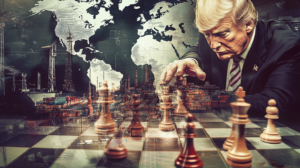
Which industries would particularly benefit from the agreement?
The EU-Mercosur agreement would affect different economic sectors to varying degrees. On the European side, several industries are in focus that are particularly affected by the current high tariffs.
The chemical industry, which accounts for 14.1 percent of EU exports to the Mercosur countries, would benefit from the elimination of tariffs of up to 18 percent. The Mercosur countries are important buyers of agricultural and industrial chemicals, which would significantly relieve the burden on European manufacturers.
The mechanical engineering sector, which accounts for 21.5 percent of EU exports, is currently suffering from tariffs of between 14 and 20 percent, among the highest in the world. The German Engineering Association (VDMA) sees the agreement as an important opportunity to better access the large Brazilian market.
The automotive industry would benefit from the gradual elimination of the 35 percent tariffs on vehicles and the 14 to 18 percent tariffs on auto parts. This is particularly important given the massive increase in competitive pressure in South America due to the market entry of Chinese automakers.
For the pharmaceutical industry, which accounts for 12.4 percent of EU exports, current tariffs would be reduced by up to 14 percent. However, European manufacturers would not gain free access to public health contracts.
What advantages will this bring for European agriculture?
The EU-Mercosur agreement also opens up new export opportunities for European agriculture. In 2024, the EU exported agricultural food products worth €3.3 billion to Mercosur, and these exports are expected to increase as a result of the agreement.
Exporters of olive oil, currently subject to a 10 percent tariff, would particularly benefit, as would exporters of wine (with tariffs up to 35 percent), exporters of beverages other than wine (with tariffs up to 35 percent), and exporters of chocolate (with a 20 percent tariff). For some dairy products, tariffs would be gradually eliminated for certain quotas, including 30,000 tons of cheese, 10,000 tons of milk powder, and 5,000 tons of infant formula, which are currently subject to tariffs of 28 and 18 percent, respectively.
The agreement also protects around 344 EU food and beverage products in Mercosur countries from imitation by protecting their geographical indications. This allows these products to stand out more from others, and enables manufacturers to strengthen their market position in Mercosur and sell at higher prices.
How are the interests of EU agriculture protected?
Despite opening up to South American agricultural products, the agreement includes comprehensive protective measures for European agriculture. The EU will grant only very limited market access for imported agricultural products.
For sensitive goods such as beef, poultry, or sugar, access to the EU market will remain permanently restricted through the gradual introduction of quotas. Additionally, a bilateral safeguard clause can be invoked if increasing imports from Mercosur seriously harm, or even threaten to harm, the relevant EU sectors.
No duty-free access is granted for beef from Mercosur. Only 99,000 tons can enter the EU market with a reduced tariff of 7.5 percent, which corresponds to only 1.5 percent of total beef production in Europe and less than half of current imports from Mercosur.
The EU Commission has promised additional robust safeguards for sensitive agricultural products and announced an additional legal act that will clarify in detail the activation and control of these safeguards.
What political opposition exists to the agreement?
Despite its economic advantages, the EU-Mercosur agreement faces considerable political resistance in various EU member states. France was long considered the agreement's biggest critic and, along with Poland and other countries, threatened to block its ratification.
President Emmanuel Macron justified the French opposition by citing the need to protect domestic farmers, particularly from cheaper poultry and beef from South America. Poland and Italy also called for compensation for their agricultural sector. Austria's National Council has voted against the agreement, although a change of position is still theoretically possible.
However, positive signals are now emerging from some previously critical countries. Polish Prime Minister Donald Tusk has indicated a willingness to compromise, while pledging assurances that the EU can take countermeasures in the event of market distortions. It is considered likely that the European Commission will issue precisely this assurance.
However, the agricultural lobby remains skeptical of the agreement, fearing negative effects on domestic producers.
Our recommendation: 🌍 Limitless reach 🔗 Connected 🌐 Multilingual 💪 Sales power: 💡 Authentic with strategy 🚀 Innovation meets 🧠 Intuition


From local to global: SMEs conquer the world market with a clever strategy - Image: Xpert.Digital
In an era where a company's digital presence determines its success, the challenge lies in creating an authentic, personalized, and far-reaching presence. Xpert.Digital offers an innovative solution that positions itself as the intersection of an industry hub, a blog, and a brand ambassador. It combines the advantages of communication and sales channels in a single platform and enables publication in 18 different languages. Cooperation with partner portals and the ability to publish articles on Google News and a press distribution list with approximately 8,000 journalists and readers maximize the reach and visibility of the content. This represents a crucial factor in external sales and marketing (SMarketing).
More information here:
Geopolitical signal: How the agreement strengthens Europe's trading power
What is the ratification process?
The EU-Mercosur agreement consists of two separate parts, each requiring different ratification procedures. For the trade-only part to enter into force, the approval of the EU Council and the European Parliament would suffice, as trade competence lies with the EU and not with the member states.
This covers most of the agreement and allows for faster implementation of the trade-related provisions. The general political issues will then also require the approval of the national parliaments.
On 3 September 2025, the European Commission adopted proposals for Council decisions on the signing and conclusion of two parallel legal instruments: the EU-Mercosur Partnership Agreement and the Interim Trade Agreement. The Interim Trade Agreement will be repealed and replaced by the Partnership Agreement once the latter has been fully ratified and entered into force.
The Brussels authority hopes that the EU Council and the European Parliament will give their approval by the end of the year at the latest, thus enabling the final conclusion of the agreement.
Related to this:
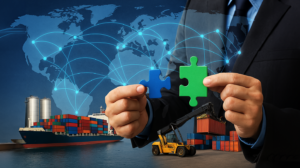
What environmental and climate protection concerns exist?
The EU-Mercosur agreement is at the center of an intense debate about its environmental impact. Environmental organizations such as Greenpeace describe the agreement as harmful to the climate and fear that it would lead to increased deforestation in South America.
The Mercosur countries would sell more agricultural products and raw materials under the agreement, many of which originate from forested areas like the Amazon. Global trade is already responsible for approximately 21 to 37 percent of global deforestation. Critics fear that increased imports of agricultural products such as beef, soy for animal feed, and bioethanol from sugarcane could accelerate deforestation of the rainforests.
A study by Greenpeace and Misereor shows that the agreement would increase import quotas for beef and chicken by half, while bioethanol imports are expected to increase sixfold compared to current levels. The Amazon rainforest, as well as other important ecosystems such as the dry forests of Argentina's Gran Chaco and the savannah forests of Brazil's Cerrado, would be increasingly sacrificed for more cattle pastures and soy fields.
What environmental protection provisions does the agreement contain?
The EU-Mercosur agreement does contain provisions on environmental protection, but these are not sufficiently binding from the perspective of non-governmental organizations. The ambitious chapter on sustainable development includes binding regulations on labor, the environment, and climate.
The contracting parties undertake to ratify the fundamental and other relevant conventions of the International Labour Organization and to effectively implement multilateral environmental agreements, including the Paris Climate Agreement. Specific provisions against deforestation also apply to the Mercosur states.
The Paris Climate Agreement is now an integral part of the agreement, which means that the agreement can be suspended if commitments are not met. Brazil, for example, has committed to reducing its net greenhouse gas emissions by 37 percent by 2025 compared to 2005 levels and to taking measures to end illegal deforestation.
In addition, the EU Deforestation Regulation will come into force at the end of 2025, which aims to ensure that only deforestation-free products enter the EU market. This applies to soybeans, beef, palm oil, timber, cocoa, coffee, and rubber, and also to imports based on the EU-Mercosur Partnership Agreement.
Are there concerns about the effectiveness of the environmental protection measures?
Critics doubt the effectiveness of the environmental protection provisions included in the agreement. A recent study by Bread for the World, Misereor, and Powershift warns that the current version grants Mercosur countries the right to sue against Europe's sustainability laws, which are part of the Green Deal.
The newly created compensation mechanism is enshrined in the central arbitration procedure and grants member states the right to compensation if EU laws, such as the deforestation regulation, restrict their trade advantages. Critics fear that the EU would permanently shackle itself on climate protection.
The EU Forest Protection Regulation only protects forests and excludes other ecosystems such as savannas and peatlands, which are also being destroyed for agricultural land. The EU-Mercosur agreement also promotes products not covered by the EU Forest Protection Regulation, such as chicken and sugarcane.
Experience with other trade agreements has already shown negative environmental impacts. In the case of the EU-Andes agreement, increased demand for agricultural products led to an expansion of cultivated land; more than a third of the area was cleared of forest in the first four years.
How does the agreement position itself in relation to other global trading blocs?
The EU-Mercosur agreement is not just a bilateral trade deal, but also a strategic signal to other major economic powers. By creating a free trade area of over 715 million people, Europe would cement its position as the world's largest trading bloc.
The agreement is explicitly understood as a response to the protectionist tariff policies of US President Donald Trump. While the US significantly increased its tariffs under Trump – for example, universal 10 percent tariffs and up to 50 percent on steel and aluminum – the EU is focusing on trade liberalization and market opening.
At the same time, the agreement serves as an instrument for diversifying trade relations and reducing dependence on China. Diversifying trade relations is essential for reducing critical dependencies and building resilient supply chains.
The EU is thus attempting to strengthen its role as a reliable, rules-based trading partner and to position itself as an alternative to protectionist approaches. This is particularly important given the erosion of the WTO-centric multilateral trading order and the rise of protectionism worldwide.
What impact will the agreement have on small and medium-sized enterprises?
The impact of the EU-Mercosur agreement on small and medium-sized enterprises (SMEs), which constitute a significant share of exporters, deserves particular attention. Approximately 70 percent of the 12,500 German companies exporting to Mercosur are SMEs.
These companies are addressed in a separate chapter of the agreement, which provides for support programs and assistance with market entry. The elimination of high tariffs and the simplification of trade procedures can significantly relieve the burden on smaller companies in particular, as they often have fewer resources to overcome complex trade barriers.
The agreement also provides for improved access to public tenders, which will benefit European companies. EU service providers will gain better market access in the information technology, telecommunications, and transport sectors.
However, cultural and linguistic barriers, as well as time differences, make market access difficult for German companies. Currently, Germany tends to focus its business activities on Asia, Europe, or the USA, while Latin America is often considered too far away.
How does the agreement affect the global supply chain structure?
The EU-Mercosur agreement will have a significant impact on global supply chains. The reduction of tariffs and trade barriers will create new trade flows and strengthen existing ones. This is particularly relevant given current geopolitical tensions and the need to diversify supply chains.
The agreement contributes to securing a sustainable supply of critical raw materials for the EU's green and digital transformation and ensures greater security and predictability in the supply chain. The Mercosur region possesses important raw material deposits such as lithium, nickel, and rare earth elements, which are essential for the European energy transition.
The trade agreement also reduces tariffs on key raw materials and down products. This reduces Europe's dependence on other suppliers, particularly China, and creates alternative sources of supply.
At the same time, rules of origin are becoming more important in determining the origin of goods. These rules are particularly important in the era of global value chains, where a significant portion of the value of European products derives from foreign components or services.
What are the long-term strategic implications?
The EU-Mercosur agreement has far-reaching strategic implications that extend beyond the immediate trade effects. It signals Europe's commitment to a rules-based, multilateral global trading order at a time of increasing trade tensions.
By creating the world's largest free trade area, the EU would strengthen its position as a leading trading power and simultaneously counterbalance protectionist tendencies. This is particularly important given the pressure on the World Trade Organization and the increasing importance of bilateral and regional trade agreements.
The agreement could also serve as a model for other trade negotiations, particularly regarding the integration of sustainability and climate protection provisions. Linking trade liberalization with binding environmental and social standards could set a precedent for future agreements.
In the long term, the agreement contributes to economic integration between Europe and Latin America and strengthens political relations between the two regions. This can offer strategic advantages in a multipolar world order where different economic blocs compete for influence.
Related to this:
How are business associations and industry reacting to the agreement?
The reactions from business associations and industry to the EU-Mercosur agreement have been overwhelmingly positive. The Federation of German Wholesale, Foreign Trade and Services described the agreement as historic and expressed its "overjoyment" at its successful conclusion. The president of the Association of German Chambers of Industry and Commerce called the agreement "extremely positive news in an otherwise rather gloomy global economic environment.".
The German Chamber of Industry and Commerce described the start of the ratification process as a "long overdue milestone." It emphasized that 12,500 German companies export to the region, 72 percent of which are small and medium-sized enterprises.
The German Engineering Federation (VDMA) is particularly urging ratification of the agreement. Oliver Richtberg, head of the VDMA's foreign trade department, welcomed the decision to address the trade component separately. He pointed out that the average customs duty on European exports of machinery to the Mercosur countries is around eleven percent, and the agreement aims to gradually reduce these duties to zero in almost all sectors.
The German Association of the Automotive Industry (VDA) also sees significant opportunities arising from the elimination of high tariffs on vehicles and auto parts. The chemical and pharmaceutical industries likewise anticipate substantial relief from the reduction of the currently high trade barriers.
What are the next steps in the ratification process?
The ratification process for the EU-Mercosur agreement is now at a crucial stage. On September 3, 2025, the European Commission forwarded the legally reviewed treaty texts to the governments of the EU member states and the European Parliament.
Next, the Council of EU member states and the European Parliament must give their approval for the agreement to enter into force. The Brussels authorities hope that this approval will be granted by the end of the year at the latest, thus enabling the final conclusion of the agreement.
An important aspect is that the agreement has been divided into two parts: For the pure trade section, the approval of the EU Council and the European Parliament is sufficient, since trade competence lies with the EU. This covers the largest part of the agreement and allows for faster implementation.
The political and cooperative components also require the approval of the national parliaments of the EU member states. This division is intended to accelerate the ratification process and reduce the risk of blockage by individual member states.
The agreement could enter into provisional force no earlier than 2026. The Commission is working to create all the necessary legal and political conditions by then.
Your global marketing and business development partner
☑️ Our business language is English or German
☑️ NEW: Correspondence in your native language!

Konrad Wolfenstein
I and my team are happy to be available to you as your personal advisor.
You can contact me by filling out the contact form here wolfenstein@xpert.digital:or simply call me at +49 7348 4088 965. My email address is
I'm looking forward to our joint project.