
Solar carport employee parking lot: Jungheinrich opens the largest solar parking lot in Hamburg - roofing with photovoltaic system

Available in 27 languages 📢
Prefer Xpert.Digital on GoogleⓘPublished on: September 29, 2023 / Update from: September 29, 2023 - Author: Konrad Wolfenstein
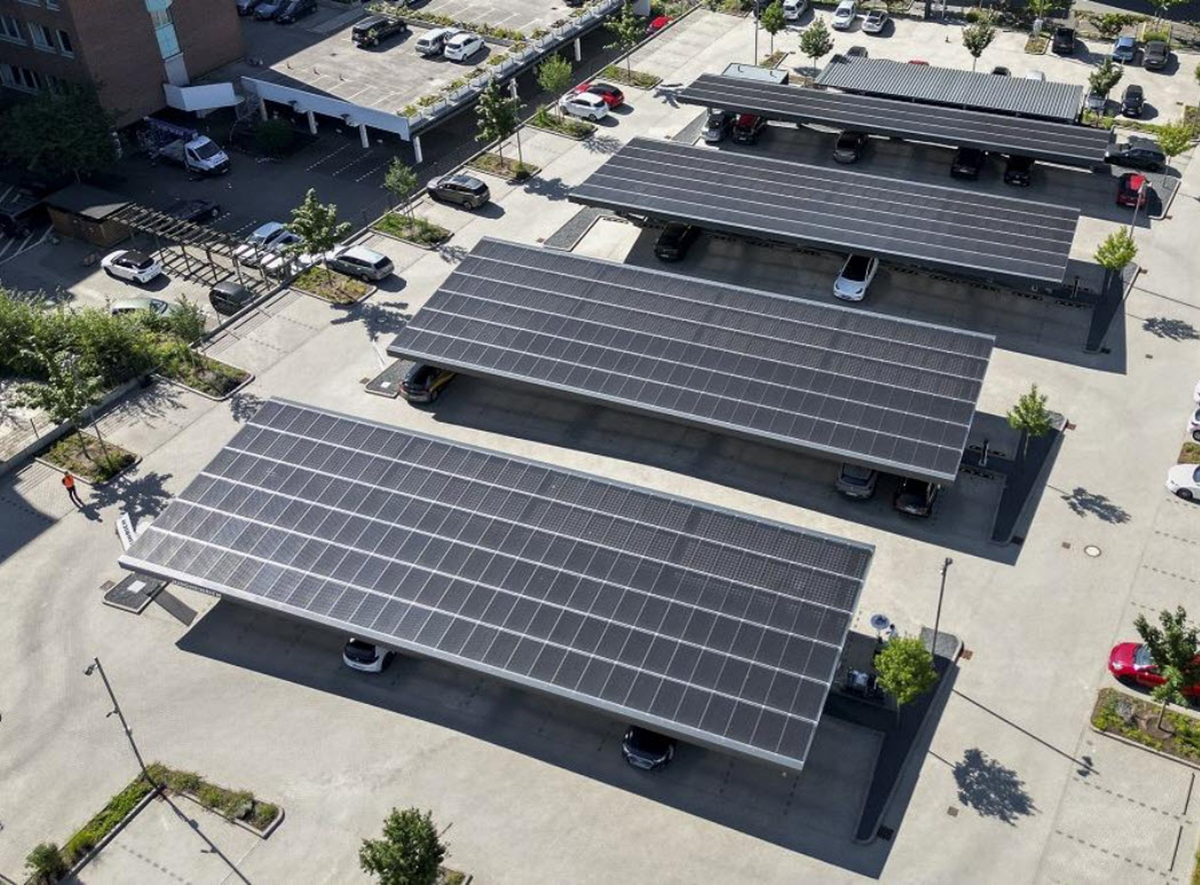
Solar carport employee parking lot: Jungheinrich opens the largest solar parking lot in Hamburg - Image: energielenker
🌞 Jungheinrich's solar carport: A lighthouse project in Hamburg's infrastructure 🌆
Jungheinrich Aktiengesellschaft, based in Hamburg, is a listed German company specializing in industrial truck, warehouse and material flow technology. In these segments, the company ranks third worldwide and second in Europe.
🎯 Why solar parking spaces are important
The introduction of a solar parking lot by Jungheinrich, a renowned provider of intralogistics solutions, is a revolutionary step to promote sustainability and electromobility. With an investment of 1.7 million euros, the company equipped the roof of the employee parking lot at its headquarters in Hamburg-Wandsbek with a high-performance photovoltaic system.
🌐 Participate in the green movement
The remarkable thing about this project is that Jungheinrich did not take advantage of any public funding. This highlights the company's commitment to environmental sustainability and sends a strong message to other companies to follow suit.
🎉 Opening ceremony with celebrities
The facility was opened on September 8, 2023 in a ceremonial ceremony attended by Economics Senator Dr. Melanie Leonhard, Jungheinrich CEO Dr. Lars Brzoska and Matthias Boxberger, Chairman of the Hamburg Industrial Association, took part. The opening has attracted media and public interest and sets a new standard in the city.
💡 Technical details: performance and capacity
The system is impressive: 630 photovoltaic modules on an area of 1,100 square meters with a peak output of 200 kilowatt peak. This makes it the largest solar parking lot in Hamburg.
🚗 Charging stations for employees and the public
Of the 52 e-charging points, 48 are available to employees who can charge their electric vehicles during working hours. The remaining four are open to the public and part of the urban infrastructure for electromobility in Hamburg.
🌱 Ecological benefits and impacts
The annual output of the photovoltaic roof is enough to fully charge the batteries of an average of 4,000 electric cars. This is a big step towards greener and more sustainable mobility.
💰 Economic prospects
Jungheinrich's investment could serve as a model for other companies interested in environmentally friendly technologies. In addition, government incentives could be created to promote similar projects.
🤝 Collaborations and partnerships
Given the successful project, Jungheinrich could work with other companies or the city of Hamburg in the future to increase the number of solar parking spaces and charging stations in the region.
🌟 Conclusion: A paradigm shift in mobility and energy infrastructure
Jungheinrich's solar parking lot is more than just a system; it is a paradigm shift that shows that ecological sustainability and economic efficiency can go hand in hand.
📣 Similar topics
1️⃣ Jungheinrich's solar initiative: A role model for companies 🌞🏢
2️⃣ Sustainability meets intralogistics: Jungheinrich's solar parking lot 🌿🔋
3️⃣ Hamburg's green revolution: The largest solar parking lot in the city 🌆🌱
4️⃣ How Jungheinrich is promoting e-mobility in Hamburg ⚡🚗
5️ ⃣ Technical innovations: The solar parking lot from Jungheinrich 🌞⚙️
6️⃣ Renewable energies: The potential of solar parking spaces ☀️🔌
7️⃣ From employees for employees: solar power for electric cars ⚡👩💼
8️⃣ The future of electromobility in Hamburg 🚗⚡🌍
9️⃣ Investing in the future: Jung Heinrich's 1.7 million euro project 💰🌞
🔟 No public funding: Jungheinrich's brave step 🚫💡
#️⃣ Hashtags: #JungheinrichSolarparkplatz #SustainableMobility #HamburgElectromobility #RenewableEnergy #EcologicalInnovations
🚗🔋 Jungheinrich and the triad of sustainability: economy, ecology, social issues💡
1️⃣ Dr. Melanie Leonhard on climate protection: “Specific action on site” 🌿🏢
Dr. Melanie Leonhard, Senator for Economics and Innovation of the Free and Hanseatic City of Hamburg: “More climate protection requires concrete action on site – by politicians, society and companies. Jungheinrich takes responsibility for this here in Hamburg. With the photovoltaic system in the parking lot, the company is not only relying on renewable energies, but also on promoting electromobility. Every ray of sunlight that hits these solar panels becomes clean energy for electric vehicles. Such measures are, on the one hand, economically wise and, on the other hand, an important contribution to preserving our planet for future generations.”
2️⃣ Dr. Lars Brzoska: “Sustainability as a triple obligation with Jungheinrich” 🌍⚡
Dr. Lars Brzoska, CEO of Jungheinrich AG: “We at Jungheinrich see sustainability as our economic, ecological and social obligation. Since 2021, all Jungheinrich locations in Germany have been using only green electricity. With our solar parking lot, we now produce clean energy exactly where it is needed - at the charging stations for our employees' electric cars. In doing so, we are making our contribution to the energy and transport transition and are taking another step closer to our goal of becoming CO2e-neutral at all Jungheinrich locations, including all plants, by 2030.”
3️⃣ Matthias Boxberger: “Free entrepreneurial action against climate change” 🌏💼
Matthias Boxberger, Chairman of the Hamburg Industrial Association: “Our Hamburg industrial companies have been climate protection activists for some time! While politicians are still discussing a photovoltaic requirement for parking spaces in the Climate Protection Strengthening Act, a leading Hamburg industrial company is already ensuring implementation. This shows that free entrepreneurial action can often reduce CO2 emissions faster than bureaucratic requirements. For Hamburg’s industry, climate protection has long been one of the key corporate goals.”
The Xpert.Solar solar carport planner
Solar parking spaces are a promising way to generate renewable energy while optimizing limited space requirements in cities and urban areas. However, there are actually some challenges that can complicate the introduction of such parking spaces.
One of the biggest hurdles is the high cost and planning effort associated with installing solar panels in parking lots. Not only must the cost of the solar panels themselves be taken into account, but also the cost of the infrastructure required to connect the panels to the grid. In addition, the space required for installing the solar modules must be precisely planned and coordinated to ensure effective use of the available space.
Another obstacle are bureaucratic hurdles and approval processes that can make it difficult to install solar panels in parking lots. Depending on the region or country, different rules and regulations may apply, which can complicate the approval and implementation process.
Despite these challenges, there is high demand for solar parking spaces as they represent an effective way to promote renewable energy while optimizing space requirements in urban areas. With careful planning and collaboration between the parties involved, the hurdles can be overcome to facilitate the introduction of such parking spaces.
➡️ We specialize in providing advisory and planning support for such solar carport projects and advancing their implementation.
➡️ With our solar carport planner we simplify the process.
➡️ We are there for you for the next steps and thus minimize costs and effort for you.

Xpert.Solar solar carport planner
More about it here:
The scalable city solar carport module for companies, cities and communities

Solar canopy: Solar covered parking space - Image: Wiederspan.Solar
More about it here:
We can also offer alternative large solar parking systems!
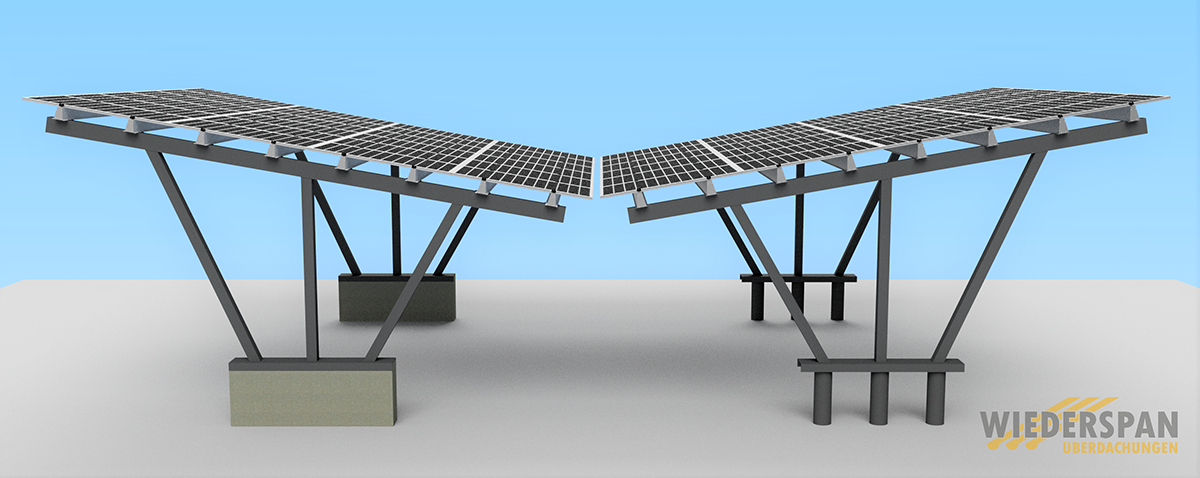
Photovoltaic large parking lot systems - Image: Wiederspan.Solar
👉🏻 Let us advise you 👈🏻
👉🏻 Cars as well as trucks possible! 👈🏻
We would be happy to help you find the optimal solar roofing for you together.
Our favorite city solar carport or solar carport module
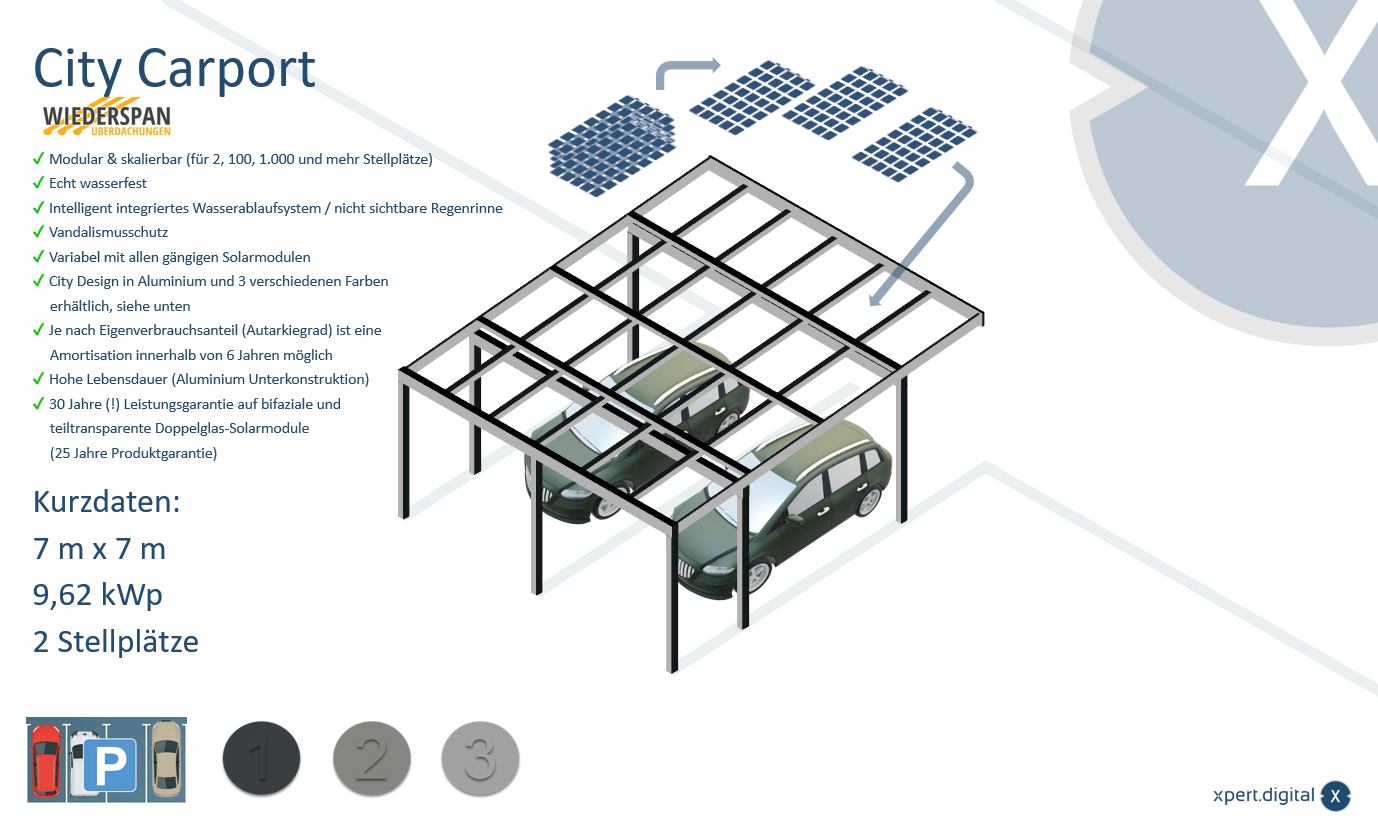
The city solar carport - with increased collision and vandalism protection - Image: Xpert.Digital
The advantages at a glance
- Support & Made in Germany
- Modular & scalable (for 2, 100, 1,000 and more parking spaces)
- Really waterproof
- Integrated water drain / invisible rain gutter
- Vandalism protection, optionally with integrated impact protection
- Variable with all common solar modules
- City design available in aluminum and 3 different colors
- Depending on the amount of self-consumption (degree of self-sufficiency), amortization is possible within 6 years
- Long service life (aluminum substructure)
- 30-year (!) performance guarantee on bifacial and partially transparent double-glass solar modules (25-year product guarantee)
- Reducing urban heat islands
- Building-integrated photovoltaics
- Ideal for transparent and translucent double-glass solar modules with overhead mounting approval!
🌞 Renewable energies and the challenges of urbanization: Hamburg's commercial and industrial areas as solar potential 🏭
🌍 The global context of renewable energy
The introduction of renewable energy is not only a response to the climate crisis, but also a way to counteract the rise in energy prices. This represents a particular challenge for cities like Hamburg, as the space for renewable energies such as wind or solar systems is limited.
🏙️ The urban problem: lack of space and energy costs
Cities like Hamburg are facing a dilemma: On the one hand, there is an urgent need to promote renewable energies in order to reduce CO2 emissions. On the other hand, space is scarce, which hinders the expansion of renewable energies. In addition, rising electricity and energy prices are making the situation more difficult for the local economy.
🌞 Solution through photovoltaics: Sealed surfaces as a key resource
A promising approach is to use already sealed areas, such as commercial and industrial sites, for photovoltaic systems. These offer enormous potential for inner-city areas. With their help, companies and communities can meet the challenges of energy security and self-sufficiency without sealing additional ground.
🔒 Energy security and self-sufficiency: The new imperatives
In times when security of supply is becoming increasingly uncertain due to geopolitical developments and natural disasters, the topic of energy security and self-sufficiency is becoming increasingly important. Solar systems on commercial and industrial sites could provide both a safe and sustainable source of energy.
📊 Economic aspects: investment in the future
The introduction of photovoltaic systems not only benefits the environment, but also the economy. By reducing energy costs and potentially feeding excess energy into the grid, companies could improve their bottom lines.
🤝 Cooperations and synergies: Together for a sustainable future
The public and private sectors should work hand in hand to fully exploit the opportunities offered by impervious surfaces. Funding programs and public-private partnerships can make a decisive contribution to leveraging this potential.
🌱 Conclusion: A multi-layered approach for a more sustainable city
The use of photovoltaic systems on sealed commercial and industrial areas is more than just an alternative; it is a necessity to meet the many challenges of urbanization and the climate crisis.
📣 Similar topics
1️⃣ Photovoltaics in the city: Sealed areas as solar potential ☀️🏭
2️⃣ Energy security in urban areas: Self-sufficiency through photovoltaics 🔒🌞
3️⃣ Rising energy costs: Photovoltaic systems as a solution 💲☀️
4️⃣ Public-private partnerships for renewable energies 🤝🌿
5️⃣ Sustainability in the economy: solar investments as Profit 📈🌱
6️⃣ Geopolitics and energy security: Local solutions for global challenges 🌍🔒
7️⃣ Urbanization and climate change: A sustainable approach 🏙️🌍
8️⃣ Lack of space in the city: Creative solutions for renewable energies 🏢🌿
9️⃣ Energy transition in the industrial sector: A practical example from Hamburg 🏭 🔄
🔟 Economy and climate protection: A balancing act of possibilities 📊🌱
#️⃣ Hashtags: #RenewableEnergy #EnergySecurity #UrbanSpace #Photovoltaics #SustainableEconomy
🌞 Jungheinrich's solar parking lot for sustainability and innovation in the industry 🏗️
🎯 The goal of sustainability
In the pursuit of sustainability and a CO2-neutral future, Jungheinrich is setting new standards with its new solar parking lot at the group headquarters in Hamburg. The energielenker group was responsible for the project planning and implementation. But this is just a small step in a long journey that the company has been taking for several years.
🌱 The ecological foundation: Green electricity for all locations
Jungheinrich is not only leading by good examples, but has already completed the complete switch to renewable energies at all of its German locations and plants since 2021. This model has already been implemented in 21 countries, making Jungheinrich a pioneer in renewable energy.
💡 The solar parking lot: A milestone in the pursuit of sustainability
With the solar parking lot, the company has created the opportunity to generate environmentally friendly energy directly on site. The solar panels not only supply the electric charging stations for the employee cars with electricity, but also the company building itself. Excess electricity is fed into the public grid and thus used sensibly.
📊 The numbers speak for themselves: massive CO2 savings
In 2022, Jungheinrich was able to save around 18,900 tons of CO2e emissions through these measures. For comparison: This corresponds to the annual storage capacity of a 3,150 hectare forest. This makes it clear how great the contribution to sustainability can be by switching to renewable energies.
⏳ A look into the future: CO2 neutrality by 2030
Jungheinrich has set itself high goals: CO2e-neutral business operations should be established at all locations and plants worldwide by 2030. The measures that have already been taken and are still planned promise to achieve this ambitious goal.
🤝 Collaboration and partnership: The path to a more sustainable world
The close cooperation with partners like the energielenker group shows how important synergies are in the implementation of such projects. Through shared commitment, greater steps can be taken towards a sustainable future.
🌞 A step in the right direction
Generating your own electricity through photovoltaic systems such as the solar parking lot at Jungheinrich is an important building block in the vision of a CO2-neutral future. The company sets a positive example and shows that industrial production and ecological responsibility can go hand in hand.
📣 Similar topics
1️⃣ How companies can contribute to the energy transition 🌍🔋
2️⃣ CO2 neutrality in industry: Is it possible?
🏭💚 3️⃣ Photovoltaic systems in companies: A win-win scenario ☀️📈
4️⃣ Green electricity for everyone: How Jungheinrich manages it 🌱💡
5️⃣ E-charging stations in the workplace: A trend is catching on 🚗⚡
6️⃣ Using excess energy sensibly: Best practices 🔄 🔌
7️⃣ Sustainable partnerships: The key to success 🤝🌿
8️⃣ The role of employees in the energy transition 🙋♀️🌍
9️⃣ Sustainability goals 2030: This is how Jungheinrich plans 🗓️🌱
🔟 CO2 savings through renewable energies: facts and figures 📊 🌳
#️⃣ Hashtags: #Jungheinrich #RenewableEnergy #CO2Neutrality #IndustrialSustainability
🚀 Jungheinrich: Pioneer of electromobility in intralogistics 🌿
🎯 The transformation to electromobility
Since March 2023, Jungheinrich has marked a new era in intralogistics: the company has completely stopped producing forklifts with combustion engines and has since then only produced electric vehicles. This pioneering achievement underlines the company's commitment to a sustainable future.
📜 Historical context: Seven decades of electric vehicles
Jungheinrich is not a newcomer to the world of electromobility. Founded in 1953, the company has been producing electric vehicles for 70 years, which are used in warehouses around the world. The company is building on a solid tradition of innovation and sustainability.
🔋 Lithium ions vs. lead acid: A quantum leap in climate protection
An essential element of Jungheinrich's electric vehicles are the modern lithium-ion batteries. These offer several advantages over traditional lead-acid batteries, including higher energy density, longer life and a lower carbon footprint.
🏭 Moosburg: The end of the combustion engine
Jungheinrich has reached an important milestone at the plant in Moosburg near Munich: the last forklift with a combustion engine rolled off the production line there in March 2023. This makes the company the first in its industry to specialize entirely in electromobility.
💚 Sustainability as a corporate philosophy
Jungheinrich is not only concerned with economic success, but also with ecological responsibility. The switch to electromobility is a clear sign that the company takes the ecological impact of its products seriously.
🌐 Global influence: Electromobility in warehouses worldwide
The decision to switch to electromobility not only impacts the company itself, but also warehouses worldwide. By introducing environmentally friendly technologies, Jungheinrich is setting new standards in the area of intralogistics.
📈 Economic advantages of electromobility
Switching to electric vehicles is not only environmentally friendly, but also makes economic sense. The longer lifespan of lithium-ion batteries and lower operating costs can save companies money in the long term.
🌟 A paradigm shift in the industry
The complete switch to electromobility is a paradigm shift for Jungheinrich and for the entire intralogistics industry. It shows that sustainable development and economic success can go hand in hand.
📣 Similar topics
1️⃣ The future of electromobility in industry ⚡🏭
2️⃣ Lithium-ion vs. lead-acid: A comparison 🤔🔋
3️⃣ How electromobility is revolutionizing intralogistics 🌍⚡
4️⃣ Sustainable logistics: no longer a contradiction 🍃📦
5️⃣ Jungheinrich as a role model for ecological responsibility 🌱🌟
6️⃣ The economic advantages of electromobility 💸⚡
7️⃣ From combustion engines to electric vehicles: An industry change 🔄⚡
8️⃣ Sustainability as a corporate strategy 📈💚
9️⃣ Global influence of electromobility on logistics 🌐🔋
🔟 The role of battery technology in sustainable development 🎛️ 🍃
#️⃣ Hashtags: #Jungheinrich #Electromobility #Sustainability #LithiumIonBatteries #Intralogistics

- Warehouses, production halls and industrial halls with their own power source from a photovoltaic roof system - Image: NavinTar|Shutterstock.com

- Industrial plant with its own power source from an outdoor photovoltaic system - Image: Peteri|Shutterstock.com

- Plan solar systems with photovoltaic solutions for freight forwarding and contract logistics
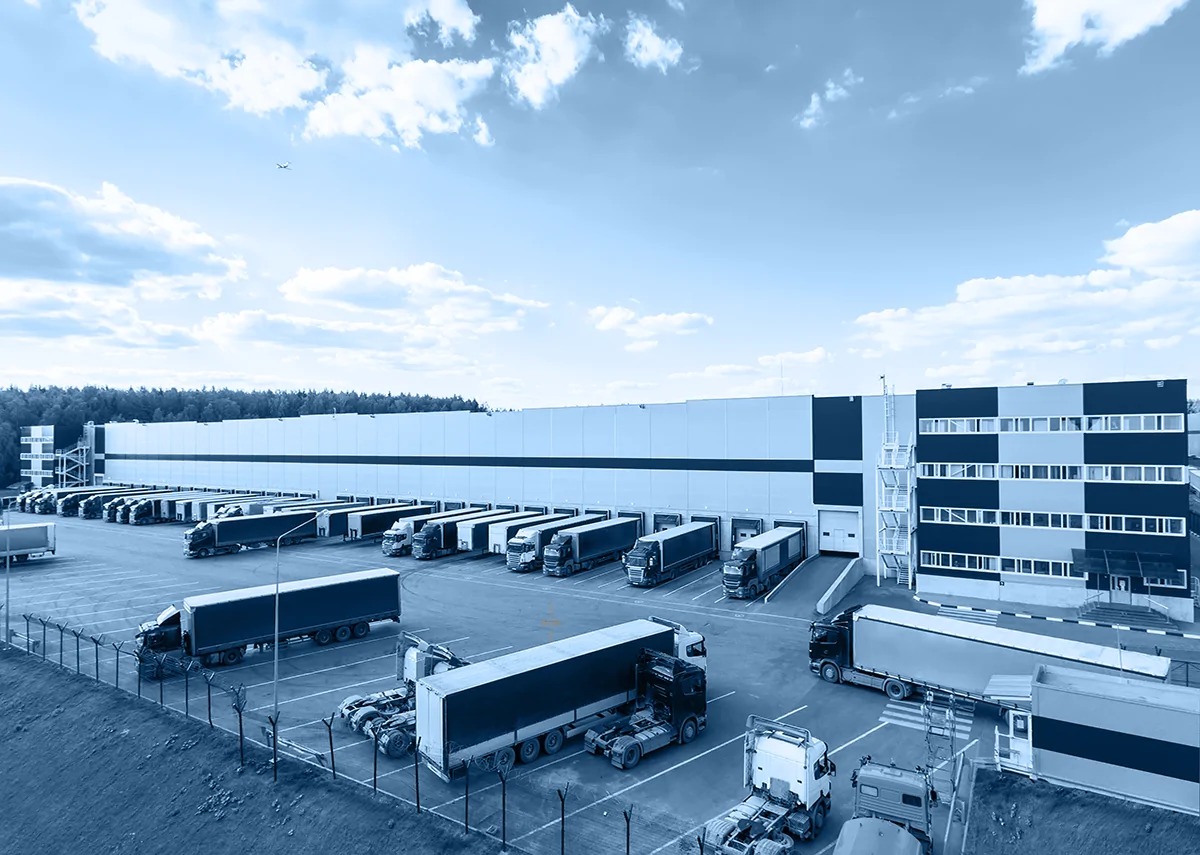
- B2B solar systems and photovoltaic solutions & advice
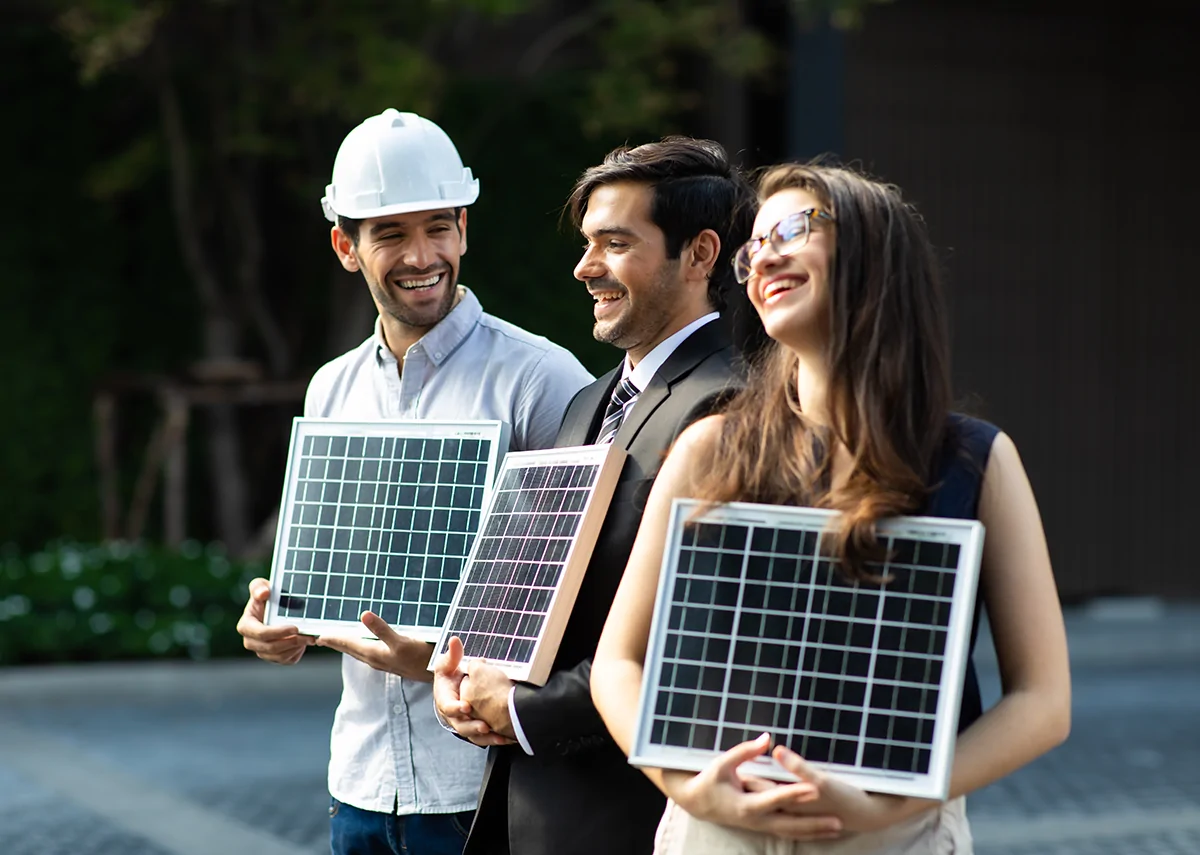
- Plan photovoltaics for warehouses, commercial halls and industrial halls
- Industrial plant: Plan a photovoltaic open-air system or open-space system
- Plan solar systems with photovoltaic solutions for freight forwarding and contract logistics
- B2B solar systems and photovoltaic solutions & advice
We are there for you - advice - planning - implementation - project management
☑️ From simple solar carports to large parking spaces
☑️ Your individual photovoltaic parking space advice with Xpert.Solar
Xpert.Solar is your ideal partner for the planning, consulting and construction implementation of ground-mounted photovoltaic systems and agricultural photovoltaic projects due to our many years of experience and expertise in the solar energy industry. Xpert.Solar has an experienced team of professionals that offers tailored solutions to farmers and investors. From location analysis to financial and legal advice to technical implementation and monitoring, Xpert.Solar supports its customers professionally and reliably to ensure successful and sustainable implementation.

Konrad Wolfenstein
I would be happy to serve as your personal advisor.
You can contact me by filling out the contact form below or simply call me on +49 7348 4088 965 (Munich) .
I'm looking forward to our joint project.
Write to me

Xpert.Digital - Konrad Wolfenstein
Xpert.Digital is a hub for industry with a focus on digitalization, mechanical engineering, logistics/intralogistics and photovoltaics.
With our 360° business development solution, we support well-known companies from new business to after sales.
Market intelligence, smarketing, marketing automation, content development, PR, mail campaigns, personalized social media and lead nurturing are part of our digital tools.
You can find out more at: www.xpert.digital - www.xpert.solar - www.xpert.plus
Keep in touch








