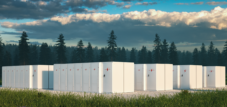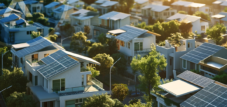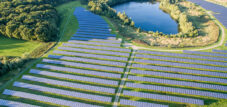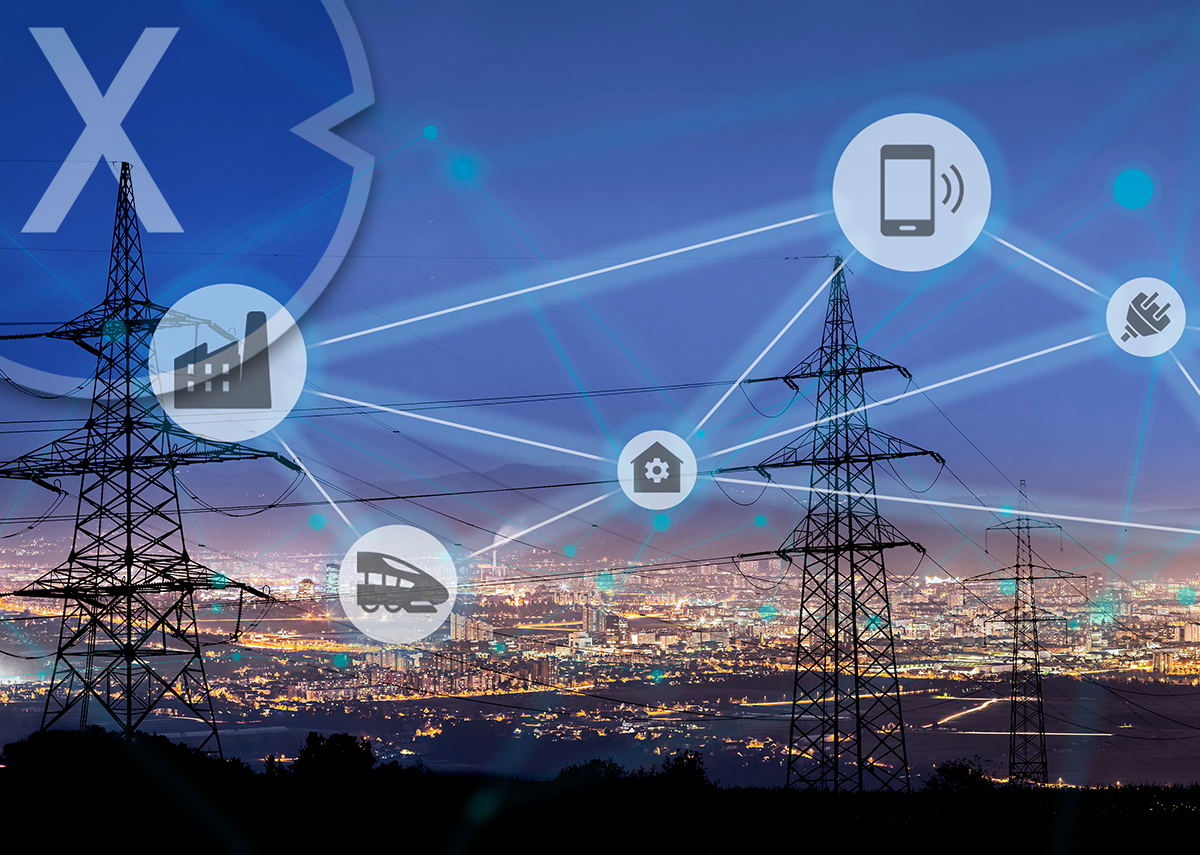
Renewable energies & solar: Preventing impending grid overloads through expansion – Image: Xpert.Digital
🔌🏡 Challenges in power supply 💡
Current and future electricity supply faces new challenges. With the increasing use of renewable energies, especially solar power, the strain on the electricity grid is becoming ever more noticeable. This means that in some cases, surplus electricity generated by solar power plants cannot be fed into the grid. The cause lies in the overload of the existing energy infrastructure network.
💡 Increase in electricity consumption in private households
The increase in electricity consumption in private households is a key factor in this development. The growing prevalence of internet-enabled devices, smart home technologies, electric vehicles, and heat pumps is leading to a steady rise in electricity consumption. As a result, many consumers are considering generating their own electricity to cope with rising costs and simultaneously contribute to sustainability.
💡 Challenges in implementation
The idea of feeding surplus self-generated electricity into the grid to sell it or offset it against one's own electricity costs sounds appealing. However, many households and solar panel operators encounter challenges when implementing this concept. A key difficulty is that not all electricity grids have been upgraded to meet the demands of modern energy generation and distribution.
🌍 A nationwide problem
This situation is by no means an isolated incident, but rather a nationwide problem. The current electricity grid infrastructure is not adequately prepared for the ambitious goals of the governing coalition for the energy, heating, and mobility transitions. This has led even large energy suppliers like E.ON to point out the need for a comprehensive expansion of the energy infrastructure.
💰 Significant investment required
To make the grid fit for the future, significant investments are required. E.ON, for example, plans to invest €26 billion in grid infrastructure by 2027, with the majority of these funds to be invested in Germany. By 2045, investments are even expected to reach the hundreds of billions of euros. These enormous sums illustrate the scale of the problem and the necessity of a comprehensive modernization.
🔌 Committed energy supply companies
Other energy suppliers, such as the EnBW Group, are also demonstrating a strong commitment to grid expansion. EnBW currently invests approximately two billion euros annually in expanding the electricity grid, with half of these funds going into the regional distribution network. This represents a significant increase compared to the past and illustrates the pressure on energy companies to adapt their infrastructure.
🏭 Substations and power lines
Another example is the subsidiary Netze BW, the largest distribution network operator in Baden-Württemberg. It faces the challenge of expanding almost all of its more than 300 substations in the future and constructing a double-digit number of new substations. This illustrates the enormous scope of the work required to prepare the electricity supply for increasing demands.
🌬️ Relevant for various renewable energy sources
Modernizing the energy infrastructure encompasses various measures. These include the construction of new power lines, the installation of transformers, and the expansion of substations. These measures are necessary to efficiently distribute the increasing amount of renewable electricity generated and integrate it into the existing grid.
🌞 Key to the energy transition
It is important to emphasize that expanding the energy infrastructure is not only relevant for integrating solar power, but also for other renewable energy sources such as wind and hydropower. Creating a robust and future-proof energy infrastructure is crucial for successfully implementing the energy transition and ensuring a sustainable energy supply.
🔌 Technological advances
The current situation regarding energy infrastructure demonstrates that the expansion of renewable energies and the adaptation of the energy infrastructure must go hand in hand. Only in this way can it be ensured that self-generated electricity from solar power plants and other renewable sources can be used efficiently and fed into the grid. This is a crucial step towards a sustainable and climate-friendly energy supply.
💻 Modern technology and decentralized energy generation
Modernizing the energy infrastructure encompasses various measures that go beyond the investments already mentioned by energy suppliers. These include the integration of modern technologies, such as smart grids and digital control systems, to better manage energy flow and minimize bottlenecks. These technological advancements are crucial for increasing the stability and efficiency of the electricity grid.
🏡 Decentralized energy generation
Furthermore, decentralized energy generation is playing an increasingly important role. Smaller decentralized installations, including private solar and wind power systems, help to reduce the strain on the central electricity grid. These decentralized systems can store surplus electricity or use it locally, thus reducing dependence on the overloaded grid.
🤝 Cooperation for the energy transition
The energy transition also requires increased cooperation between energy suppliers, governments, and industry to develop a coordinated strategy for expanding renewable energy and modernizing energy infrastructure. This includes creating incentives for investment in renewable energy and promoting research and development in this area.
🔌 A sustainable and reliable power supply
The electricity supply faces challenges triggered by the growth of renewable energies and the increasing electricity demand in households. The solution lies in a comprehensive modernization of the energy infrastructure and increased use of decentralized energy generation to ensure a sustainable and reliable electricity supply for the future.
📣 Similar topics with emojis:
- 🌞 The solar energy revolution: Challenges and opportunities
- 💡 Electricity consumption in transition: Smart home technologies and electromobility
- 🏗️ Energy infrastructure expansion: Investments and modernization
- 🔄 Sustainable energy supply: The importance of renewable energies
- 🌐 The future of the power grid: Smart technologies and decentralized energy generation
- 💰 Selling electricity from private systems: Hurdles and opportunities
- 🇩🇪 Germany on the path to the energy transition: Challenges and solutions
- 🌍 Global Energy Challenges: A Look at the World's Infrastructure
- 🤝 Cooperation for the energy transition: government, industry and utilities
- 🚀 The energy supply of the future: Sustainability and efficiency
#️⃣ Hashtags: #EnergyInfrastructure #RenewableEnergies #ElectricitySupply #Sustainability #EnergyTransition
Artificial Intelligence in the Renewable Energy Sector - Article from 2020

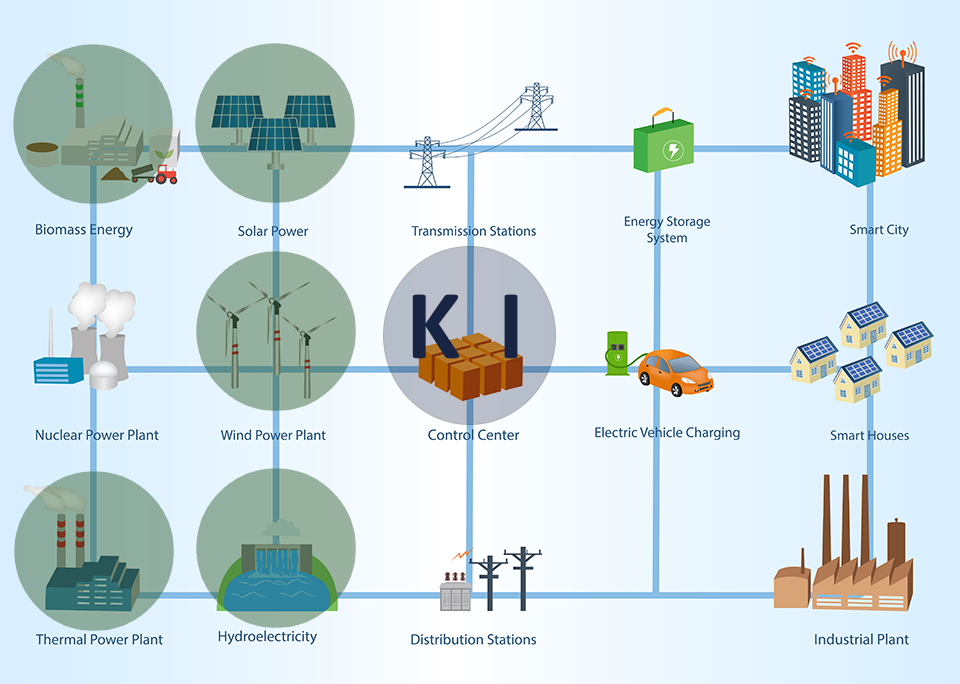
Artificial intelligence in the field of renewable energies – @shutterstock | monicaodo
It's been 33 years since I first came into contact with the then-nascent field of "Artificial Intelligence" (AI). I worked with the AI programming languages LISP and Prolog. Through the university network, I also became familiar with the internet. At the same time, the satellite television market was booming. From there, I developed my skills in the field of intralogistics, eventually arriving at my current position in photovoltaics.
More information here:
🔌🏭 Challenges in the energy industry 🌞 📊
Businesses and industries are also increasingly facing challenges in feeding generated electricity into the grid. This has significant implications for the overall planning, cost calculations, and planning certainty of companies in the energy sector.
☀️ Decentralized energy generation
The increasing use of renewable energies, including solar and wind power, has led to more companies generating their own electricity. This decentralized approach offers advantages in terms of sustainability and independence from conventional energy sources. Companies can reduce their energy costs and their environmental footprint.
⚡️ Challenges of decentralized energy generation
However, this decentralized energy generation also comes with challenges. One of the main problems is efficiently feeding the generated electricity into the grid. This requires careful planning and coordination to avoid bottlenecks in the power grid.
🌐 Technological innovations for smart grids
To meet these challenges, technological innovations are needed. Modern smart grids enable more intelligent control and distribution of electricity. They utilize advanced technologies such as IoT (Internet of Things) and data analytics to optimize energy flow and facilitate the integration of renewable energies.
🔋 Storage of excess electricity
Another key issue is the storage of excess electricity. Companies need to find solutions to store energy during periods of low demand and release it again when needed. Battery storage systems and other energy storage technologies are therefore gaining in importance.
🏭 Electrification of industry
The increasing electrification of industry, particularly in the field of electromobility, also increases the need for a reliable power supply. Companies must ensure they have sufficient electricity available for their production processes and the operation of electric vehicles.
🏗️ Infrastructure investments
Another dimension of this problem concerns infrastructure. Existing power grids may need to be expanded and modernized to meet the growing demands of industry. This requires substantial investment and close cooperation between energy suppliers and businesses.
🔌 Innovation & Investment
The economy and industry face the challenge of efficiently utilizing their self-generated electricity and feeding it into the grid. This requires technological innovations, investments in infrastructure, and close cooperation between various stakeholders in the energy sector. Successfully addressing these challenges will be crucial to ensuring a sustainable and reliable energy supply for the future.
📣 Similar topics
- The future of decentralized energy generation ⚡
- Smart Grids: Intelligent power distribution 💡
- Challenges and opportunities in the energy transition 🌍
- Battery storage: Key to energy storage 🔋
- Electrification of industry: Electricity demand is rising 🏭
- Infrastructure investments in the energy sector 🏗️
- Sustainability in corporate energy supply 🌱
- Technological innovations for efficient energy integration 🚀
- Energy planning and coordination in industry ⚙️
- Cooperation in the energy sector: Ways to solve the challenges 🤝
#️⃣ Hashtags: #EnergyGeneration #SmartGrids #EnergyTransition #BatteryStorage #Electrification #InfrastructureInvestments #Sustainability #Technology #EnergyPlanning #Collaboration
Electricity Highway Infrastructure: Grid Expansion and the Energy Transition – Shaping and Expanding a Sustainable Future


Electricity Highway: Grid expansion and the energy transition – Image: Xpert.Digital
Germany's energy transition has the potential to pave the way to a climate-neutral future. Grid expansion plays a central role in this. A strong and intelligent grid enables the more efficient use and distribution of renewable energies.
More information here:
Faster grid expansion for electricity: The need for an expanded grid – especially for renewable energies
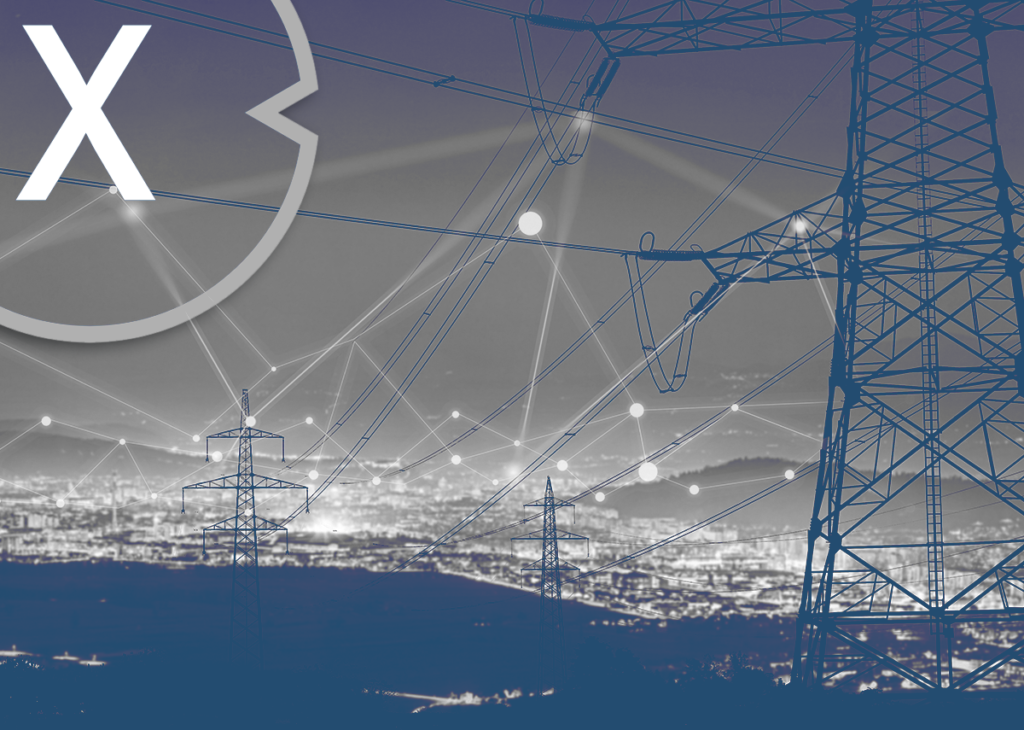
Faster expansion of the electricity grid – electricity for everyone – especially for renewable energies – Image: Xpert.Digital
“We must work together to accelerate grid expansion. In the next two decades, we will need thousands of kilometers of additional power lines. These must be planned, approved, and built as quickly as possible,” said Federal Minister for Economic Affairs Robert Habeck at the groundbreaking ceremony for the converter construction of the “SuedLink” at the Leingarten substation near Heilbronn.
More information here:
Plan your solar system for the most common applications conveniently online with our solar system planner!
With our user-friendly solar system planner, you can design your individual solar system online. Whether you need a solar system for your home, your business, or for agricultural purposes, our planner allows you to consider your specific requirements and develop a customized solution.
The planning process is simple and intuitive. You simply enter the relevant information. Our planner takes this information into account and creates a customized solar system that meets your needs. You can try out different options and configurations to find the optimal solar system for your application.
Furthermore, you can save your plan to review it later or share it with others. Our customer service team is also available to answer any questions and provide support to ensure your solar system is optimally planned.
Use our solar system planner to design your individual solar system for the most common applications and accelerate the transition to clean energy. Get started now and take an important step towards sustainability and energy independence!

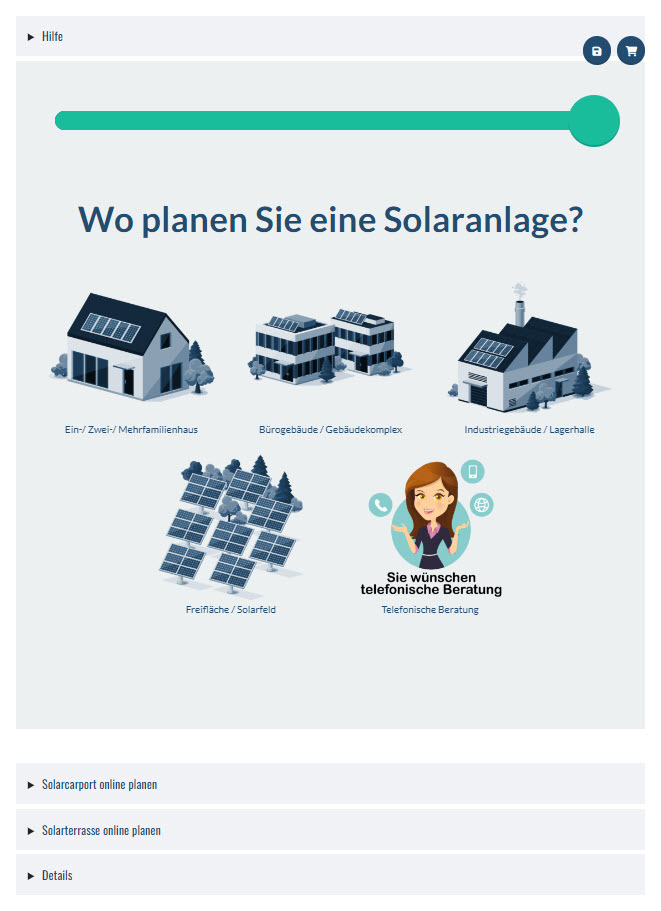
The solar system planner for the most common applications: Plan your solar system online here - Image: Xpert.Digital
More information here:
We are here for you - Consulting - Planning - Implementation - Project Management
☑️ Expert advice on energy-efficient renovation and new construction
☑️ with solar solutions and heat pumps/air conditioners

Konrad Wolfenstein
I would be happy to serve as your personal advisor.
You can contact me by filling out the contact form below or simply call me on +49 157 30 44 9 555 .
I'm looking forward to our joint project.
Write to me


Xpert.Digital - Konrad Wolfenstein
Xpert.Digital is a hub for industry focusing on digitalization, mechanical engineering, logistics/intralogistics and photovoltaics.
With our 360° Business Development solution, we support renowned companies from new business to after-sales.
Market intelligence, smarketing, marketing automation, content development, PR, mail campaigns, personalized social media and lead nurturing are part of our digital tools.
You can find more information at: www.xpert.digital - www.xpert.solar - www.xpert.plus
Keep in touch