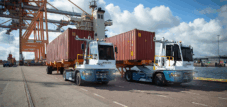
Defense Logistics | Scalable warehousing solutions for the defense industry – Image: Xpert.Digital
How the defense industry is making the impossible possible with intelligent storage systems
A paradigm shift in defense logistics
The European defense landscape is undergoing profound change. While the Russian attack on Ukraine painfully highlighted the strategic importance of robust logistics systems, leading defense technology companies are already focusing on revolutionary automation technologies. The transformation from manual to intelligent warehouse systems is no longer a vision, but an operational reality that can determine the success or failure of military operations.
The integration of automated high-bay warehouses into trimodal dual-use logistics networks represents a key component in improving European infrastructure. These state-of-the-art warehouse systems act as intelligent buffer zones, decoupling different modes of transport in terms of both time and volume. Automation solutions not only reduce picking times by up to 30 percent but also ensure guaranteed availability for time-critical deliveries.
The historical roots of military automation
The history of automated systems in defense logistics goes back further than commonly assumed. The first driverless transport systems, considered precursors to modern autonomous mobile robots, emerged as early as the 1950s. NATO's standardization of over 260 developments on the BRAVE1 platform demonstrates the systematic integration of combat-proven innovations from Ukraine into European systems.
European defense cooperation, through agencies like OCCAR and NAHEMA, has already established proven structures for managing complex international projects. This institutional experience forms the foundation for the current automation initiative. The Multinational Structured Partnership in Logistics (SPiL) between Germany, Hungary, and the Czech Republic serves as an exemplary demonstration of how modern dual-use logistics functions.
The German Armed Forces (Bundeswehr) act as a central logistical hub for NATO operations, with the term "Host Nation Support" describing the comprehensive support Germany provides to allied forces. This strategic role significantly increases the need for highly efficient, automated warehousing systems.
Key technological components of intelligent defense logistics
Modern automated storage systems in the defense industry are based on four key technological pillars: robotics, artificial intelligence, digitization, and security architecture.
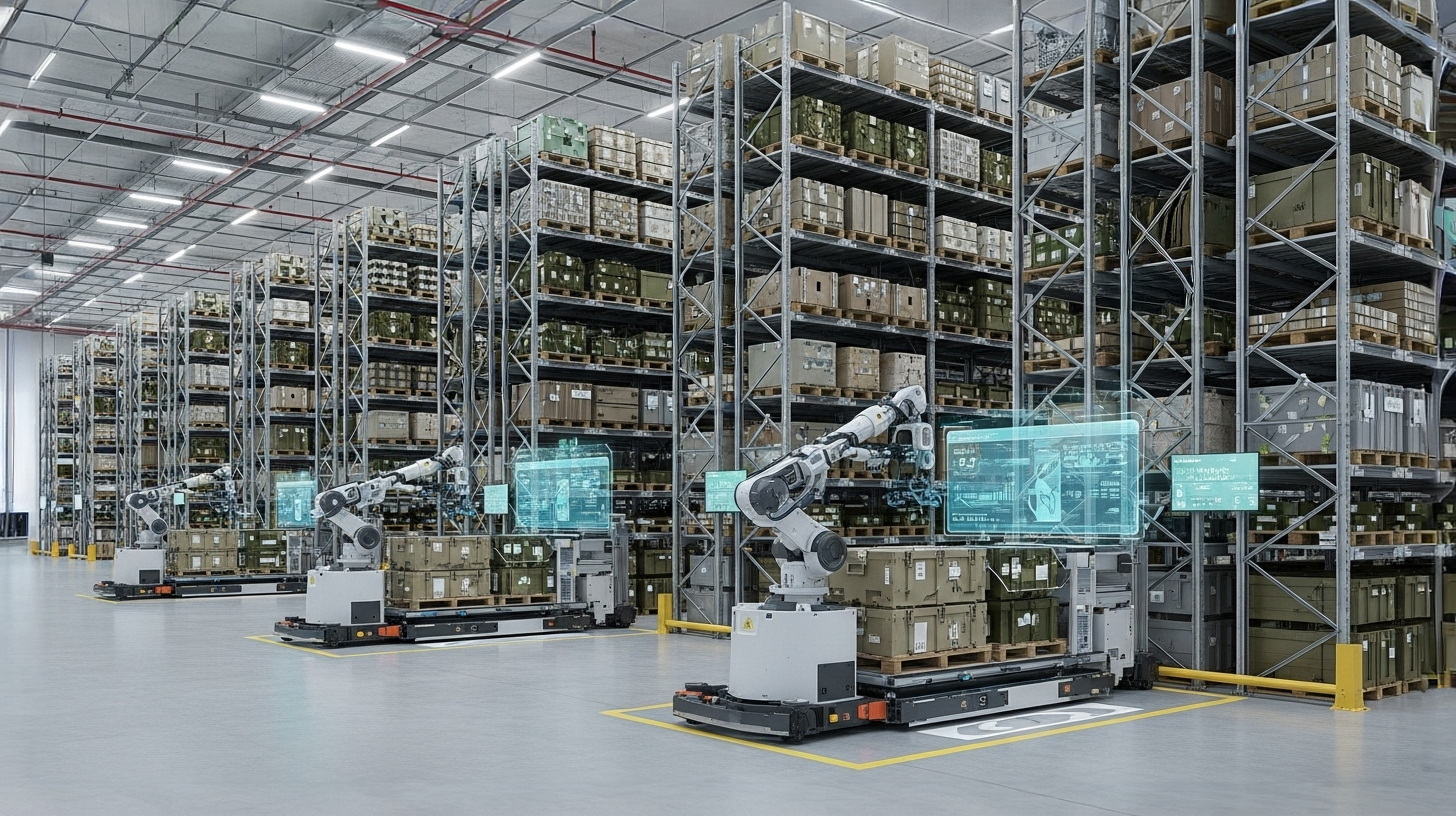
The RackBot Eco system, with six autonomous robots, handles all storage and retrieval processes in the small parts warehouse completely autonomously. These mobile robots operate as an intelligent swarm, with each RackBot having access to every container. If one robot fails, the others can seamlessly take over. This redundancy is essential for military applications, as downtime in critical situations is unacceptable.
Artificial intelligence is revolutionizing demand forecasting and sales planning, which 62 percent of logistics companies consider to have the greatest potential. AI algorithms analyze historical data and real-time patterns to determine optimal product placements and reduce picking times by up to 30 percent. In defense logistics, this means that urgently needed spare parts or ammunition are available at all times.
The integration of IoT sensors enables real-time inventory tracking and continuous equipment condition monitoring. Modern warehouse management systems can be seamlessly integrated with higher-level transportation management systems, enabling end-to-end control from goods receipt to final delivery.
Security architectures must meet the strictest compliance requirements. ITAR compliance regulates the export of defense-related products, services, and information according to the US munitions list. The introduction of technologies such as mTLS and data encryption has led to significant improvements in communication and data security.
Current market dynamics and operational realities
The global market for warehouse automation is projected to reach US$63 billion by 2030, with 26 percent of warehouses expected to be automated by 2027. In the defense industry, these trends are amplified by specific requirements: over 30 percent of warehouses are expected to integrate robotics by 2024.
German defense technology companies have been on a steady growth trajectory for years, which has also increased the demands on warehouse logistics. Production supply requires managing master data in the five- to six-figure range. This complexity overwhelms manual systems and necessitates the transition to automation.
Automated vertical storage systems can be used for the safe storage, cleaning, organization, and tracking of expensive and sensitive materials such as electronic components, aircraft parts, and chemicals used in manufacturing processes. Regulatory compliance is essential.
Europe's military defense capabilities depend crucially on logistics. The German Army would need to double its transport and logistics capacities to meet current resupply and supply needs. Autonomous systems could become Europe's strategic reserve.
Success stories from practice
For example, a general contractor for intralogistics supported a rapidly growing defense technology provider with a semi-automated, turnkey solution. The company delivered all the necessary subsystems and implemented them within just ten months. This speed is crucial in the defense industry, as delivery times can determine strategic advantages.
The Munich-based company FERNRIDE, previously known for autonomous trucks in the civilian sector, has established a defense division and raised €18 million for autonomous logistics in the military. This development demonstrates how civilian innovations are being systematically transferred to military applications.
A particularly impressive example is the BraveTech EU initiative, which combines battle-tested innovations from Ukraine with Europe's industrial capacity. The more than 3,500 developments registered on the BRAVE1 platform offer enormous potential for modernizing European logistics systems.
Fully automated deep-freeze high-bay warehouses, such as those used in the pharmaceutical industry, demonstrate how specialized facilities function. Such systems could also be adapted for military applications where temperature-sensitive components need to be stored.
Scalable warehouse solutions from LTW Intralogistics: Fast, flexible, scalable and fully automated
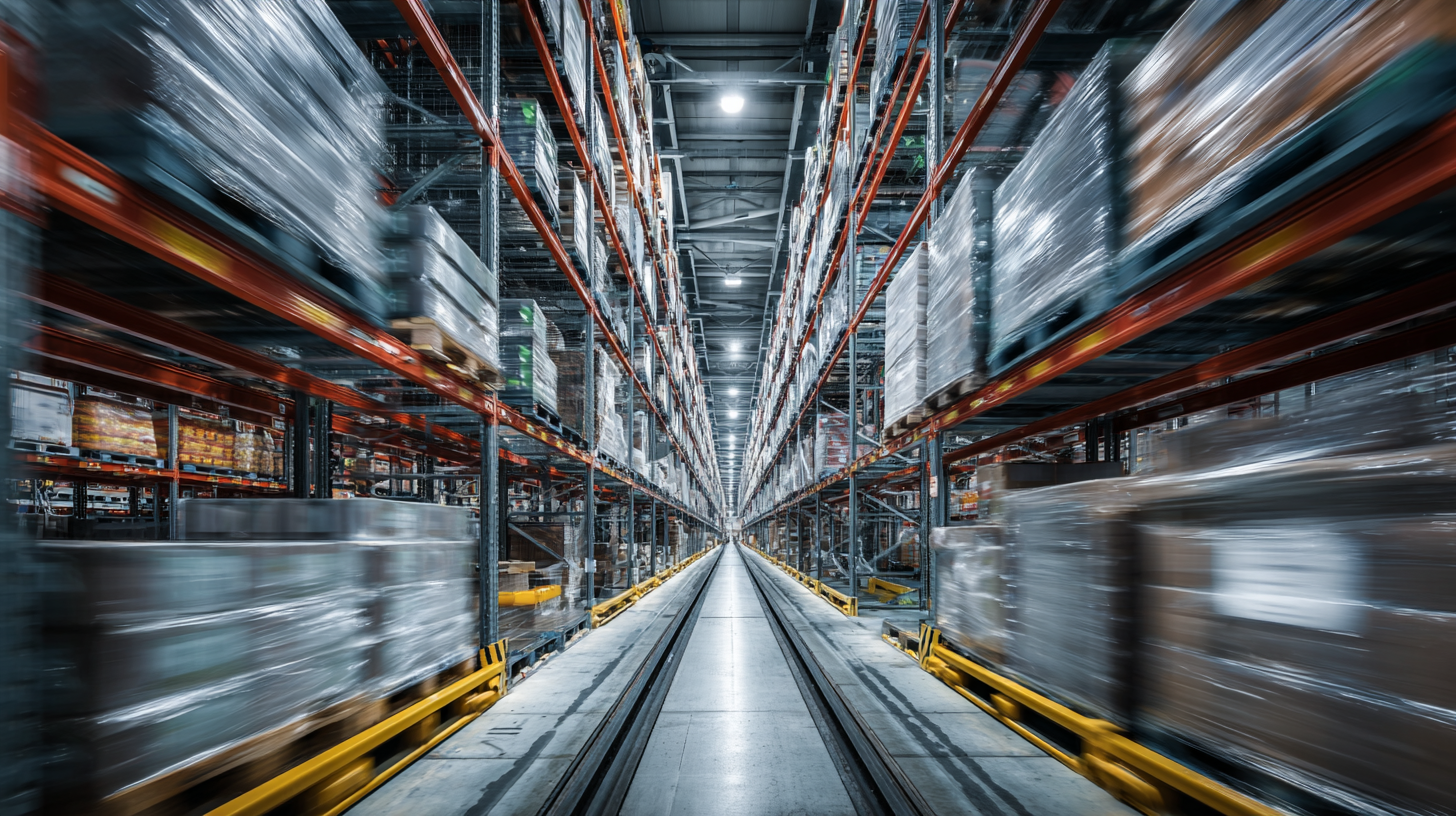
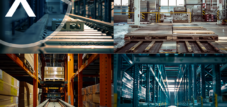
Scalable storage solutions: Fast, flexible, scalable and fully automated - Image: Xpert.Digital
LTW Intralogistics, as a full-service provider, offers customized, scalable warehousing solutions for a wide range of industries and requirements. The combination of stacker cranes, conveyor technology, and its proprietary, modular software, LTW LIOS, guarantees seamless and efficient material flow in high-bay warehouses. Whether for a medium-sized business or a fully automated logistics center with over 100,000 pallet positions, LTW's solutions are designed to scale flexibly with customer needs and growth.
Modular, scalable, resilient: How Europe is modernizing its defense supply
Challenges and critical observations
Despite the impressive progress, significant challenges remain. The European Court of Auditors warns that it can take up to 45 days for EU member states to obtain permits for cross-border equipment shipments. These bureaucratic hurdles negate the efficiency gains of automated systems.
Cybersecurity presents a key challenge. The US Department of Defense's CMMC program requires third-party audits to verify that cybersecurity programs meet requirements. This creates complex compliance requirements for European companies.
Integrating automated high-bay warehouses requires significant investment. Although initial investments in autonomous mobile robots can be 50 to 100 percent higher than for conventional driverless transport systems, the long-term cost advantages outweigh this. Numerous customer projects demonstrate that automating complex internal transport can reduce logistics costs by up to ten percent.
Skilled labor shortages are intensifying the need for automation. The lack of truck drivers, warehouse workers, and dockworkers is a critical factor in global supply chain management. Robot manufacturers are combining hardware with intelligent software to meet the specific automation needs of the warehousing and logistics industry.
Safety requirements in high-bay warehouses are particularly demanding. The German Ordinance on Industrial Safety and Health (Betriebssicherheitsverordnung) regulates the safe use of work equipment such as industrial trucks and automated storage and retrieval systems (AS/RS). Installations requiring monitoring above a certain height fall under its scope and necessitate regular inspections.
Future prospects and strategic developments
The future of defense logistics will be shaped by five megatrends: hyper-intelligent automation, complete system integration, predictive maintenance, sustainable energy systems, and adaptive security architectures.
AI-driven processes are driving an intelligent warehouse revolution. The AI market in logistics exploded to $20.8 billion in 2025, representing an annual growth rate of 45.6 percent since 2020. Computer vision and quality control through AI-powered visual inspection systems detect product defects and packaging problems in real time.
Fully digitized logistics systems based on IoT-supported digital twins can achieve efficiency gains of 30 to 50 percent compared to traditional setups. These systems enable comprehensive simulation and control in real time.
Sustainable warehouse automation is becoming strategically important. Automated warehouse systems can reduce carbon emissions by up to 30 percent and energy consumption by up to 25 percent. Dark warehouses, which operate fully automatically in the dark, significantly reduce the carbon footprint.
Modular, scalable solutions are becoming the standard. NoyesStorage offers compact, flexible, and highly efficient storage solutions that make optimal use of space. The modular design allows companies to expand their storage capacity without costly infrastructure changes.
Collaborative robots will become a reality in medium-sized companies by 2025. These systems work closely with humans or take over certain tasks completely autonomously. Around 75 percent of the surveyed specialists and managers plan to use robotic systems.
Strategic recommendations for the industry
The analysis clearly shows that automating defense logistics is no longer an option, but a strategic necessity. Leading defense technology companies should act now to secure their competitiveness and ensure military operational readiness.
Integrating battle-tested Ukrainian innovations into European systems offers unique opportunities. The BraveTech EU initiative can significantly contribute to improving European infrastructure, particularly by promoting technologies with high dual-use potential.
European companies should focus on modular, scalable automation solutions that meet both civilian and military requirements. The synergy between civilian economic interests and military needs leads to cost savings, increased resilience, and enhanced strategic autonomy.
The future of defense logistics lies in the intelligent networking of autonomous systems that function reliably under the most extreme conditions. Companies that successfully master this transformation will not only increase their operational excellence but also make a crucial contribution to European security architecture. The waiting is over – robots are already handling tomorrow's supplies.
Hub for Security and Defense - Advice and Information


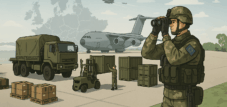
Hub for Security and Defense - Image: Xpert.Digital
The Security and Defence Hub offers expert advice and up-to-date information to effectively support companies and organizations in strengthening their role in European security and defence policy. Working closely with the SME Connect Defence Working Group, it particularly promotes small and medium-sized enterprises (SMEs) that wish to further develop their innovative capacity and competitiveness in the defence sector. As a central point of contact, the Hub thus creates a crucial bridge between SMEs and European defence strategy.
Related to this:
Consulting - Planning - Implementation

Markus Becker
I would be happy to serve as your personal advisor.
Head of Business Development
Chairman SME Connect Defense Working Group
Consulting - Planning - Implementation
Konrad Wolfenstein
I would be happy to serve as your personal advisor.
You can contact me at wolfenstein∂xpert.digital or
Just call me on +49 7348 4088 965 .
Your dual-use logistics experts
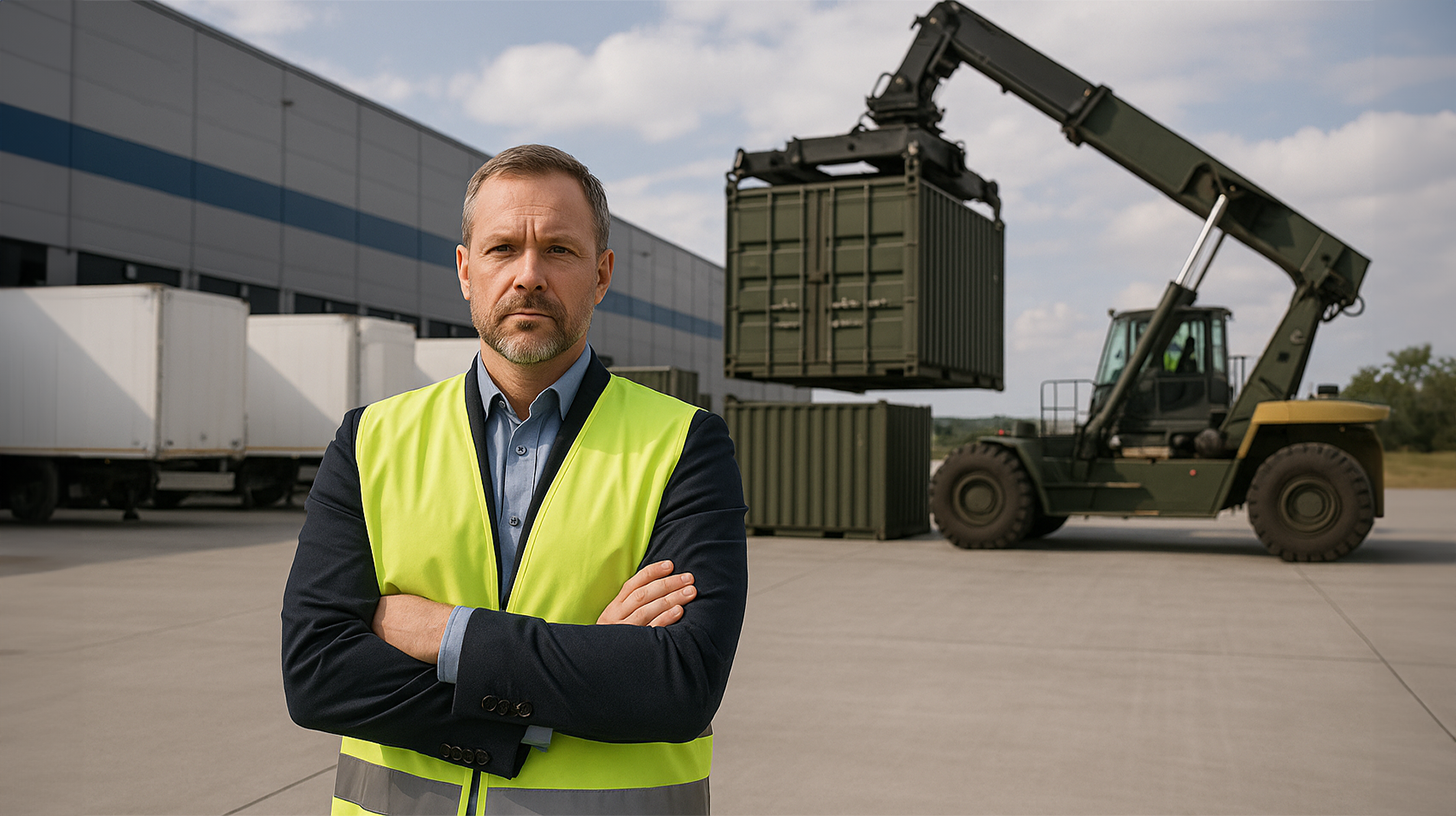
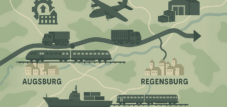
Dual-use logistics experts - Image: Xpert.Digital
The global economy is currently undergoing a fundamental transformation, a watershed moment that is shaking the foundations of global logistics. The era of hyper-globalization, characterized by the relentless pursuit of maximum efficiency and the "just-in-time" principle, is giving way to a new reality. This new reality is marked by profound structural breaks, geopolitical power shifts, and increasing fragmentation of economic policy. The once taken-for-granted predictability of international markets and supply chains is dissolving and being replaced by a period of growing uncertainty.
Related to this: