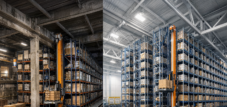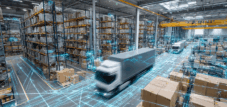
Retrofit instead of new construction: Brownfield modernization as a multi-billion-euro lever for competitiveness – Image: Xpert.Digital
A way out of the exodus from Germany: This clever trend preserves Germany's competitiveness
The underestimated billion-dollar market: How retrofitting solves the German investment crisis
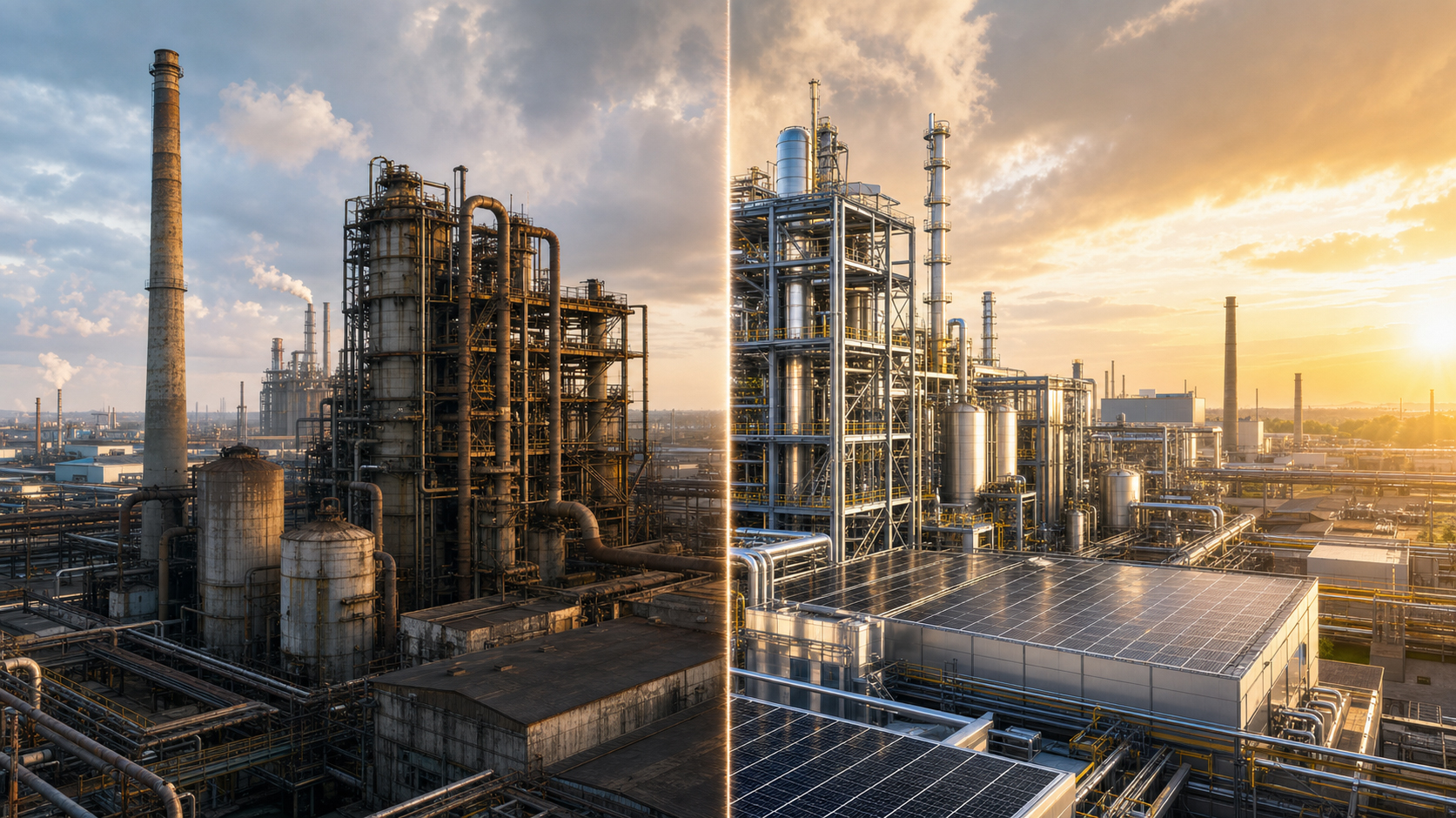
Germany's industrial sector is under enormous pressure: Exploding construction costs, protracted permitting processes, and high energy prices are increasingly driving companies abroad or forcing them to make painful cost-cutting measures. But beyond the ubiquitous crisis rhetoric, a remarkable shift is emerging, fundamentally changing the way investments are made in Germany. Instead of relying on prestigious new buildings on so-called "greenfield" sites, domestic businesses are turning to what already exists: brownfield modernization. The targeted retrofitting of old plants and factory sites has evolved from an ecological niche trend to a hard-nosed, multi-billion-euro lever for competitiveness. Whether it's huge logistics parks on disused steel mills or state-of-the-art battery factories in aging industrial buildings – upgrading existing buildings and facilities often saves not only up to 90 percent of costs but also avoids years of permitting delays. The following article takes an in-depth look at why Germany needs to learn to love its old factories and how retrofitting is becoming perhaps the most important pragmatic way out of the investment trap.
The quiet transformation on the industrial sites of the republic
For years, the public debate surrounding Germany as an industrial location has been dominated by bleak figures. Industrial value creation is significantly below 2017 levels, entire factory buildings stand empty, and companies are increasingly shifting their investments abroad. But beyond these headlines, a remarkable shift is taking place in the way German companies invest at all. For the first time in recent history, modernization projects on existing industrial sites—so-called brownfield developments—exceed the volume of traditional new construction on greenfield sites. In the first half of the year alone, well over half of all new logistics and industrial space was built on former factory sites, an increase of ten percentage points within a year. This shift is no coincidence, nor is it merely an aesthetic trend toward sustainability. It is an economic necessity, born from scarce land, skyrocketing construction costs, agonizingly long permitting processes, and a business calculation that, in many cases, simply makes new construction unprofitable. What is emerging here is more than just a construction trend. It is a quiet realignment of German investment logic that possibly says more about the future of the location than any Sunday speech on reindustrialization.
The slide rule decides: Why retrofitting is almost always cheaper
The cost-effectiveness of modernizing existing systems is not a matter of belief, but can be demonstrated with hard figures. As a rough guideline, the cost of a retrofit is approximately fifty percent of the price of a comparable new system, while the investment often pays for itself within a year and a half. In particularly favorable cases, the savings are significantly greater. A concrete example from the field of exhaust air and building services engineering illustrates the scale of the savings: An exhaust air system built in 2008 with a capacity of sixty thousand cubic meters per hour was technically assessed and largely retained, with only worn components being replaced. The modernization, including the purchase of the system, cost around €71,000, whereas a complete replacement would have cost approximately €300,000 – more than four times as much. Such cost savings are not isolated incidents but reflect a structural pattern: For machines with a solid mechanical foundation, targeted retrofitting of control technology, sensors, and drives can save up to ninety percent of the cost of a completely new system. Added to this are avoided ancillary costs, which are regularly underestimated when replacing entire systems, such as new foundations, modified processes, extensive staff training, and lengthy familiarization periods for new systems. A retrofit, on the other hand, preserves the basic functionality of the system, significantly reducing training requirements for the workforce and eliminating the need to revalidate established processes. The timeframe also favors modernization: While a new construction project, including planning, permitting, and construction, can easily take twelve to twenty months, many retrofit measures can be implemented in just a few weeks, sometimes even during ongoing operations without any significant production interruption. For companies that fear any additional downtime in already strained markets, this factor is often more decisive than the pure investment amount.
When the green meadow becomes an expensive illusion
The classic new construction on undeveloped land, the so-called greenfield project, has noticeably lost its appeal in Germany in recent years, and the reasons for this are multifaceted. First, available land in a convenient location with good transport links and no building permit issues has simply become scarce in most economic regions, driving up land prices and severely limiting site choices. Second, permitting processes for new industrial plants in Germany regularly drag on for years, while existing plants on already developed and approved sites are exempt from many of these hurdles because the basic commercial use is already established. Third, construction costs for completely new plants have risen disproportionately in recent years due to increased material prices, a shortage of skilled workers in the construction industry, and higher financing costs, further widening the cost gap compared to retrofitting. This effect is particularly evident in the logistics real estate sector, which is considered an early indicator of general location trends: In regions like the Ruhr area, where there are numerous brownfield sites, around ninety percent of all new logistics space is now being built on former industrial land. A prominent example is the development of a roughly 72,000-square-meter business park on the site of a former Thyssen wire mill in Gelsenkirchen, giving the former steelworks a completely new economic function. The trend is also impressively evident outside of traditional heavy industry: On the site of a decommissioned coal-fired power plant in Lübbenau, a state-of-the-art data center for artificial intelligence is currently being built at a cost of around eleven billion euros. This project utilizes the existing grid connection, district heating infrastructure, and the already developed area of a fossil fuel power plant for the digital future. Such projects demonstrate that brownfield development is no longer just a last resort for cost-conscious medium-sized companies, but also represents the more economically compelling choice for capital-rich, future-oriented industries.
Battery factories, chemical parks and the underestimated size of the market
The business logic of retrofitting unfolds its full effect only at the macro level, when considering the sum of all modernization needs across entire industries. A joint study by the German Engineering Association (VDMA) and a major management consultancy on battery manufacturing provides impressive figures in this regard: The global market volume for battery production facilities is projected to reach a cumulative total of between €250 and €280 billion by 2035, of which the modernization of existing facilities alone will account for approximately €135 billion – almost half of the total market. This opens up considerable new business opportunities for European, and especially German, mechanical and plant engineering, because the first large battery factories of the 2010s are now technically outdated and need to be upgraded with more modern cell chemistry, higher energy density, and more efficient manufacturing processes, rather than being completely rebuilt. Similar dynamics can be observed in the chemical industry, which traditionally forms the core of the German industrial landscape but simultaneously suffers particularly from high energy costs and low capacity utilization. Existing chemical parks have enormous sunk investments in piping systems, steam networks, safety infrastructure, and logistical connections, which would have to be completely refinanced for a new, greenfield site. The targeted modernization of individual plant components, for example through more efficient heat exchangers, digitized process control, or electrified drives, allows chemical companies to significantly increase their energy efficiency without abandoning the entire integrated site system, whose value far exceeds the sum of its parts. These so-called integrated structures, in which one plant uses the waste heat or byproducts of another as a raw material, are difficult to replicate at a new location, which makes the retrofit approach at existing chemical sites even more attractive.
Between cost pressure and relocation: The structural dilemma of German industry
The increasing popularity of brownfield modernization projects cannot be understood in isolation from the general economic crisis facing German industry. Recent surveys show that more than 40 percent of industrial companies are planning investments outside Germany this year, a sharp increase compared to the previous year and the highest figure in over two decades. Particularly alarming is the shift in motivation: Previously, foreign investments often had positive repercussions for the domestic market, such as opening up new markets, whereas today pure cost savings are the dominant driver, generally at the expense of domestic locations. High energy prices, rising labor costs, lengthy permitting processes, and a growing tax burden combine to create a cost level that is becoming increasingly unattractive in international comparison. In the cost sub-index of a widely followed location ranking, Germany now occupies one of the lowest positions among the major industrialized nations. Against this backdrop, modernizing existing facilities appears to be one of the few remaining strategies by which companies can improve their competitiveness at their domestic locations without bearing the full risk of a capital-intensive new investment. A third of industrial companies already report postponing planned investments in their core processes due to high energy costs, which further increases the attractiveness of capital-saving modernization approaches. If large new plants cannot be built, then at least the existing infrastructure should be used as efficiently as possible – this is the pragmatic response of many companies to an environment that hardly allows for large-scale new construction projects.
LTW Intralogistics Solutions

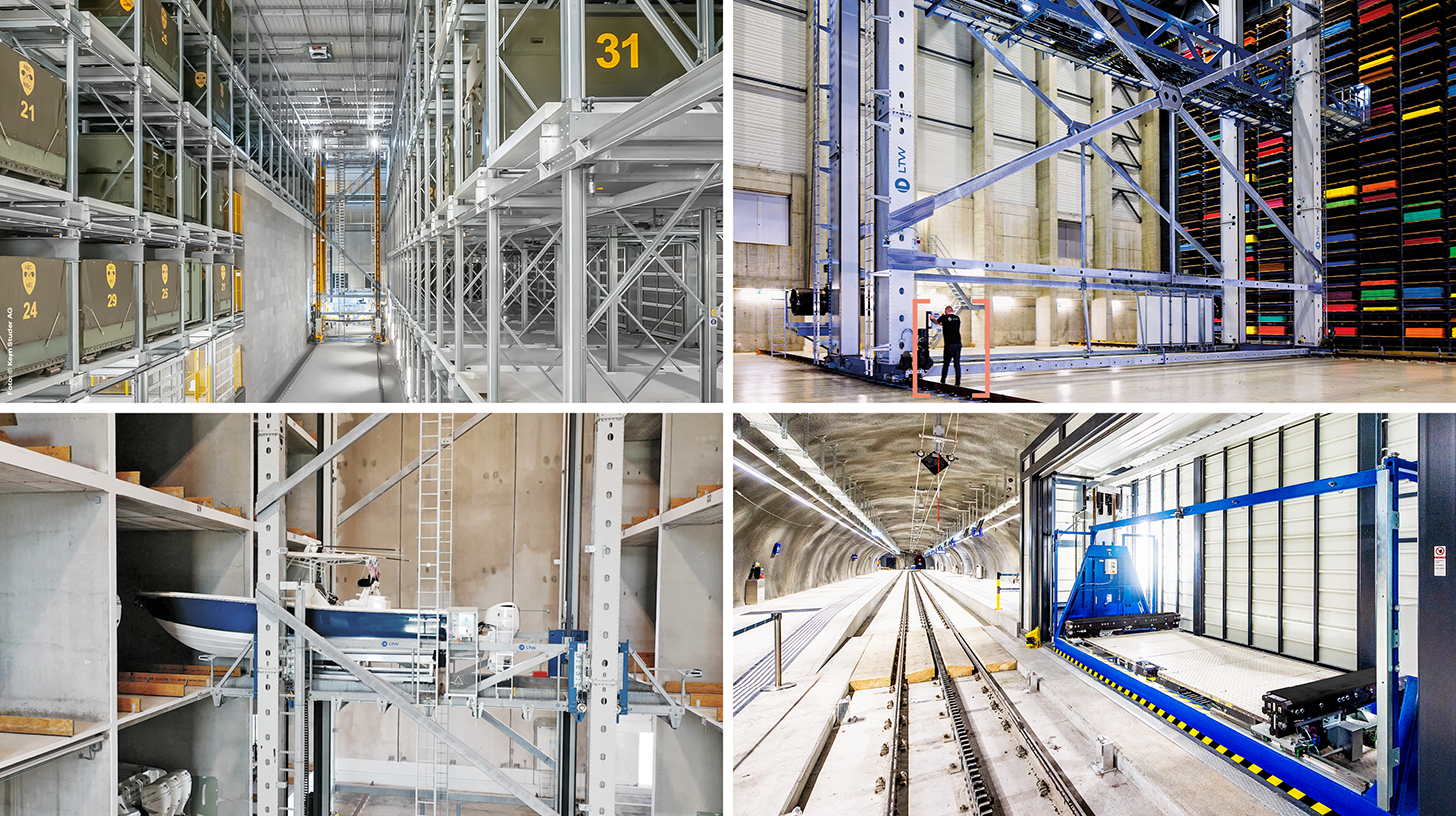
LTW Intralogistics – Engineers of Flow - Image: LTW Intralogistics GmbH
LTW offers its customers not individual components, but integrated complete solutions. Consulting, planning, mechanical and electrotechnical components, control and automation technology, as well as software and service – everything is networked and precisely coordinated.
In-house production of key components is particularly advantageous. This allows for optimal control of quality, supply chains, and interfaces.
LTW stands for reliability, transparency, and collaborative partnership. Loyalty and honesty are firmly anchored in the company's philosophy – a handshake still means something here.
Related to this:
Efficiency meets sustainability: Why retrofitting is the underestimated solution for German industrial companies
The political debate: structural crisis, pressure for reform and a divided country
The economic policy debate surrounding German industry is deeply divided, and this division also shapes the evaluation of modernization strategies. Critics are now speaking of the most severe structural crisis in the German economy since the Second World War, pointing to the decline in industrial production since 2018 and the decreasing share of industry in total value creation, which has fallen from around 25 percent in 2015 to significantly lower levels today. According to this view, many companies are already focusing solely on replacement investments instead of innovation and growth, which is seen as a clear warning sign for long-term competitiveness. The Federation of German Industries (BDI) estimates the monthly loss of industrial jobs at around 15,000, but at the same time sees opportunities in consistently integrating digitalization, artificial intelligence, and real investment decisions, rather than simply remaining on strategy papers. The German government, in turn, points to extensive relief programs, such as a reduction in electricity tax for the manufacturing sector, the abolition of certain grid levies, and the introduction of an industrial electricity price for energy-intensive industries, which are expected to generate cost savings of around thirty billion euros for consumers and businesses this year alone. Institutes affiliated with trade unions are calling for an even more proactive industrial policy that combines targeted government investment with a clear prioritization of future-oriented industries, while economically liberal voices are primarily demanding the reduction of bureaucracy and a decrease in corporate taxes. Within this politically charged debate, brownfield modernization serves as a rare point of consensus because it possesses attractive characteristics for both cost-conscious entrepreneurs and climate-oriented reformers: it reduces investment costs, shortens implementation times, and often simultaneously improves the energy efficiency of existing facilities without requiring the sealing of additional land.
Ecological side effect or strategic core? The sustainability dimension
One aspect easily overlooked in purely business-oriented analyses is the ecological dimension of plant modernization, which has itself become a compelling economic argument. Every ton of steel, every cubic meter of concrete, and every kilogram of copper that can be reused in an existing plant doesn't need to be newly produced, resulting in significant emission savings given the energy-intensive manufacturing of these raw materials. This logic of so-called embodied energy is gaining increasing economic relevance in times of rising CO2 pricing, because avoided new production will be directly measurable in lower taxes and certificate costs. At the same time, many retrofit projects specifically improve the energy efficiency of existing plants, for example, by replacing outdated motors with variable-speed drives, optimizing heat recovery systems, or digitizing process control, thereby noticeably reducing ongoing energy consumption. In practice, this achieves improvements in overall plant effectiveness of around five percent, which adds up to considerable savings over the plant's lifetime. From the perspective of land sealing, reusing existing industrial sites is clearly preferable to developing undeveloped land, because it limits the already scarce land consumption in a densely populated country like Germany and simultaneously reduces conflicts with residents, conservation groups, and local authorities, which regularly lead to delays in new construction projects on greenfield sites. The modernization of a former coal-fired power plant site into a climate-neutral data center, as is currently being implemented in Brandenburg, exemplifies this double benefit of economic efficiency and ecological responsibility, where a contaminated industrial site is reactivated instead of requiring additional land.
Where retrofitting reaches its limits: The downside of modernization
Despite all its economic advantages, modernizing existing plants is not a panacea and is by no means always worthwhile, necessitating a differentiated approach. With fundamentally outdated technology whose basic physical or process engineering principles no longer meet today's requirements, a retrofit often merely leads to an expensive extension of an essentially obsolete system without addressing the actual efficiency or safety deficiencies. Practical rules of thumb therefore recommend seriously considering a new purchase for machines and plants older than approximately forty years, while modernization is generally the more economical option for plants between ten and thirty years old. The remaining service life also plays a crucial role: modernizing a plant that is slated for decommissioning in a few years for other reasons is a waste of capital that could be used more productively elsewhere. In addition, there is a technical risk that is less pronounced in new construction: Integrating modern control technology into decades-old mechanical structures requires detailed technical assessments to ensure that new components are compatible with the existing infrastructure and that no unexpected interactions arise that could lead to failures during operation. Particularly in safety-critical industries such as the chemical or pharmaceutical sectors, retrofitting individual components can also entail extensive recertifications and regulatory testing procedures, partially negating the time advantage over new construction. Companies are therefore well advised to conduct a robust investment analysis before making any decision. This analysis should consider not only the pure acquisition costs but also aspects such as expected remaining service life, failure risks, regulatory requirements, and the long-term technological competitiveness of the modernized plant. Where this analysis reveals that the basic structure of a plant is sound and only outdated control or drive technology is the bottleneck, retrofitting is almost always the better option. However, where the entire process engineering concept is obsolete, there is no alternative to a new investment, even if it appears more expensive in the short term.
A pragmatic way out of the investment trap
Brownfield modernization is not a panacea for industrial policy that can solve the underlying structural problems of Germany as a business location, but it is a remarkably effective lever for maintaining competitiveness even under adverse conditions. In an environment where high energy costs, lengthy permitting processes, and increasing regulatory complexity are making traditional new investments increasingly unattractive, the targeted upgrading of existing facilities and sites offers a way to achieve significant efficiency gains with limited capital investment. The available figures from logistics properties, battery manufacturing, and conventional plant engineering consistently show that the cost advantages of retrofitting compared to new construction are not marginal, but structural, often ranging from fifty to ninety percent. For German industry, which has been experiencing a period of investment restraint and gradual relocation for years, this finding could serve as a guiding principle: Not every lost competitive position can be regained through spectacular new plants, but many can at least be stabilized through the consistent, technically sound modernization of existing industrial infrastructure. Those who intelligently develop the vast, sunk investments in existing sites, network infrastructures, and interconnected systems, instead of letting them lie fallow or prematurely depreciate them, gain valuable time that German industry desperately needs in the current situation. Ultimately, the perhaps uncomfortable, but economically sound, realization is that the way out of the investment crisis rarely leads through the grand gesture of a new factory, but more often through the sober, well-calculated upgrading of what already exists.
Consulting - Planning - Implementation

Konrad Wolfenstein
I would be happy to serve as your personal advisor.
You can contact me at wolfenstein∂xpert.digital or
Just call me on +49 7348 4088 965 .
Your container high-bay warehouse and container terminal experts
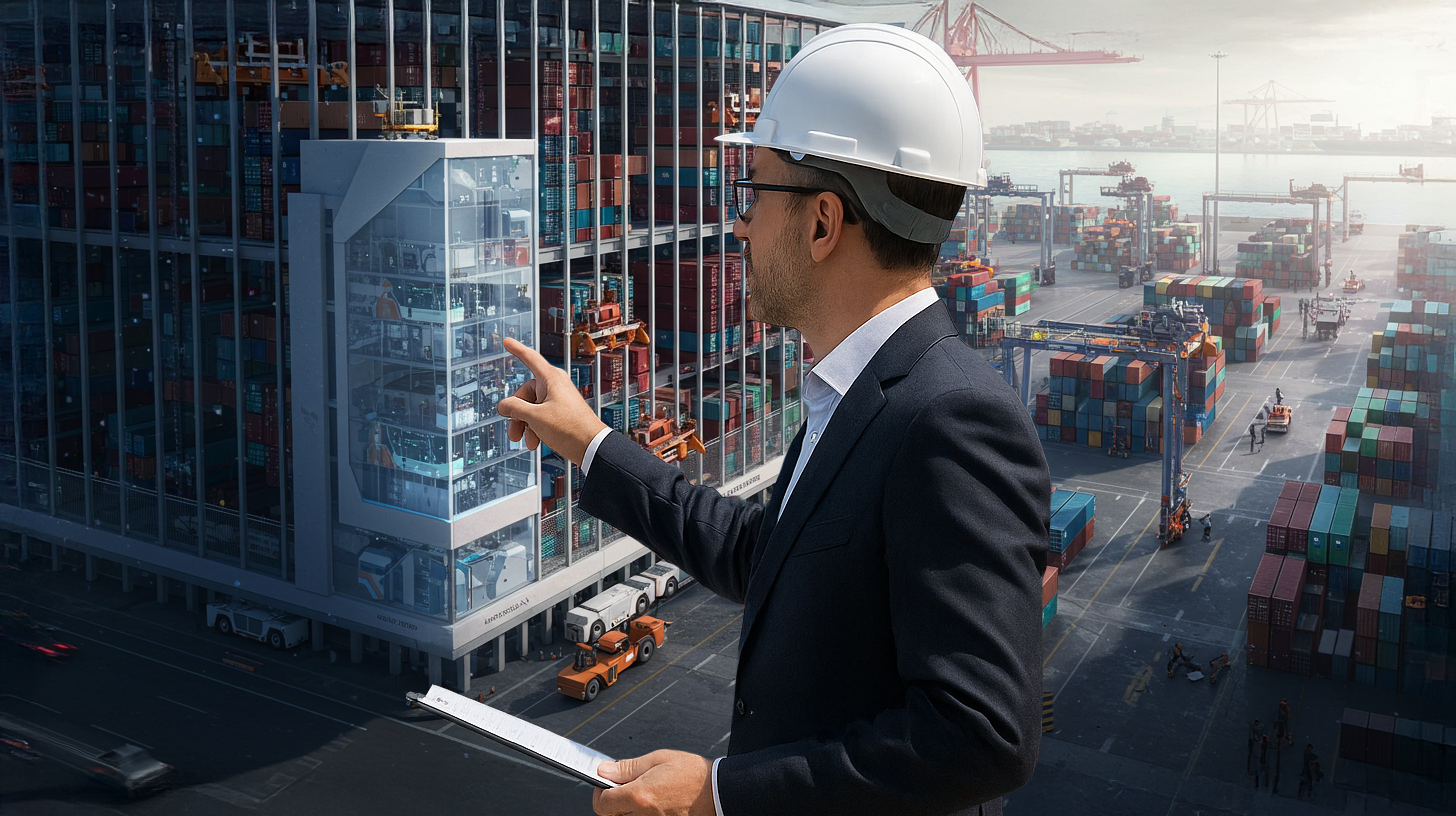
Container high-bay warehouses and container terminals: The logistical interplay – expert advice and solutions - Creative image: Xpert.Digital
This innovative technology promises to fundamentally change container logistics. Instead of stacking containers horizontally as before, they will be stored vertically in multi-story steel racking structures. This not only allows for a drastic increase in storage capacity within the same area, but also revolutionizes all processes at the container terminal.
More information here: