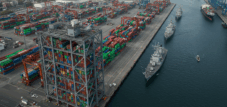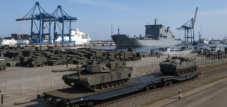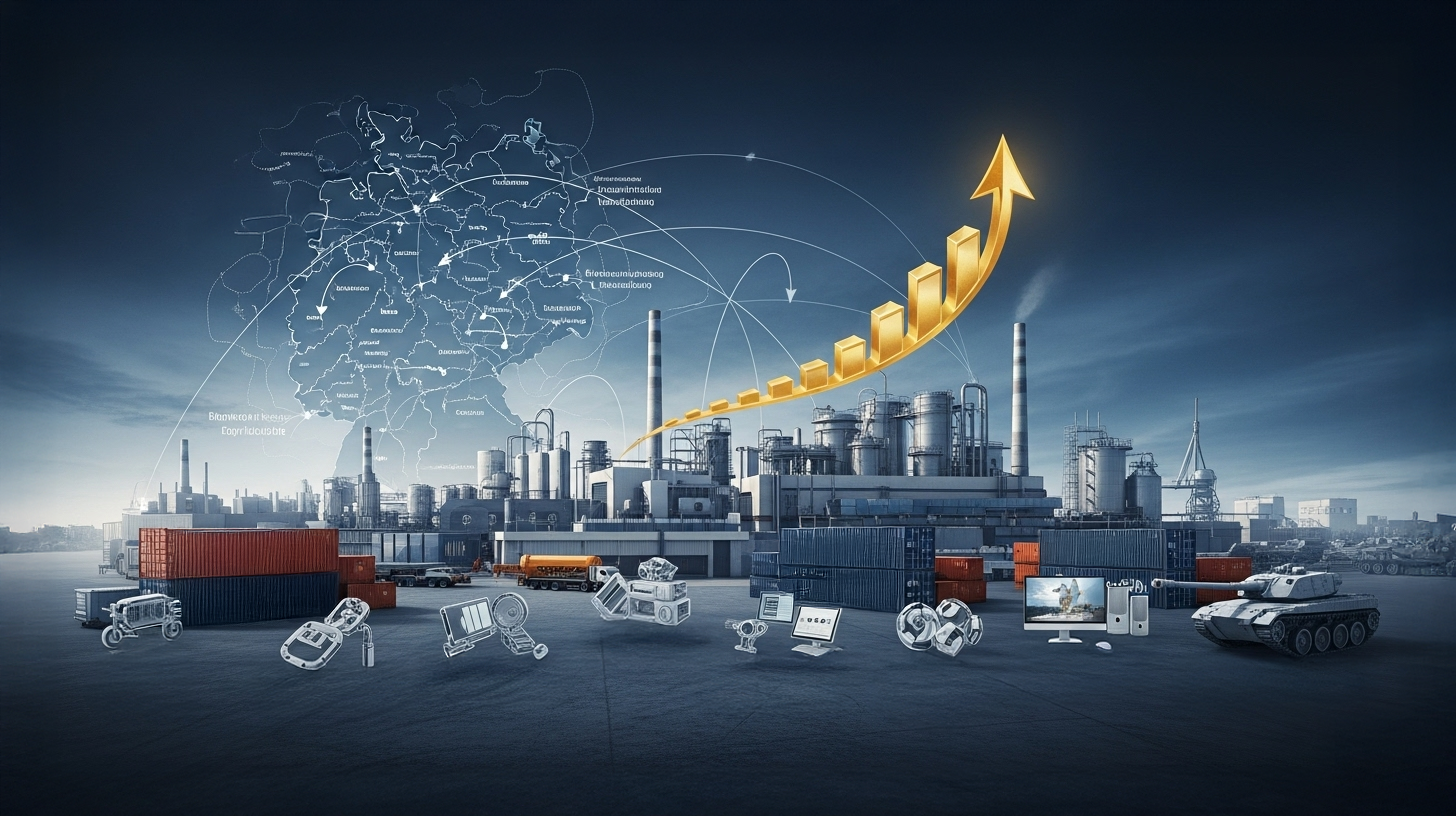
Defense industry and dual-use logistics – Is the arms industry a new job engine? Is the arms industry now saving the German economy? – Image: Xpert.Digital
Why are German medium-sized companies suddenly getting involved in the arms business?
What has changed in Germany that has led to previously purely civilian medium-sized companies entering the arms business?
While German defense spending had steadily declined for decades after the end of the Cold War, the Russian offensive against Ukraine in 2022 triggered a strategic reversal. As part of this "turning point," the German government enacted massive rearmament programs and allocated a special fund of €100 billion to the Bundeswehr (German Armed Forces). Furthermore, the debt brake for defense spending was relaxed, and NATO tightened defense policy targets, stipulating that up to five percent of gross domestic product (GDP) should be allocated to external security and defense in the future. In this environment, enormous investment volumes are attracting even those medium-sized companies that previously had no involvement in arms production. Traditional companies such as automotive suppliers, mechanical engineering firms, and electronics specialists are suddenly faced with the question of whether and how they can enter the defense sector.
Related to this:

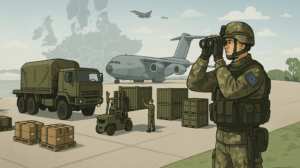
What opportunities does entering the arms business offer for medium-sized companies, and what challenges are associated with it?
The opportunities lie primarily in stable, often long-term secured contracts, as demand for military equipment and technology is rising significantly. Typical defense companies are reporting order backlogs that have multiplied since 2022. Suppliers and technology-driven SMEs also benefit: those who can supply, for example, specialized parts for tanks, drone defense, or cyber warfare technology can expect attractive growth areas. Exports to NATO members and EU countries are on the horizon, which can lead to international expansion. The German government is focusing on networking between the defense industry and SMEs to strengthen national defense and the resilience of supply chains.
However, the barriers to entry are considerable. The arms market is highly regulated and requires the development of specialized legal, technical, and procedural expertise. Companies must grapple with complex procurement procedures, public pricing regulations, and strict export control requirements. Furthermore, ethical and moral questions within companies and in public discourse are a major concern for many decision-makers. A shift to military-related production can require substantial investments, for example, in new machinery, certifications, or infrastructure.
The competition is increasingly seeking top talent in shrinking industries: defense companies like Rheinmetall, KNDS, and Hensoldt are specifically poaching employees from the automotive sector. At the same time, arms exports are subject to strict licensing requirements – failure to comply can lead to drastic penalties and social ostracism. New market entrants face the dilemma of seeing sales and growth opportunities while simultaneously having to deal with historically ingrained and emotionally charged taboos surrounding weapons production.
How do German medium-sized companies deal with the moral and ethical dilemma surrounding the arms trade?
Many medium-sized companies are grappling with whether they can reconcile their established value system with entering the defense business. The question of the legitimacy of "making money with weapons" is widely debated – both within corporate circles and in the general public, as controversies surrounding tank manufacturers' sponsorship of professional sports demonstrate. Proponents argue that contributing to Germany's defense capabilities and security is a value in itself, while critics warn of the increasing danger of societal militarization and ethical dilemmas.
In Germany, the fundamental political decision is such that arms exports and military equipment are subject to strict approval procedures and case-by-case political reviews. The aim is to prevent abuse and human rights violations, as well as to comply with international obligations. Nevertheless, moral ambiguity persists for many companies. Some medium-sized businesses manage to strike a balance through ethics committees, compliance measures, and open communication of their motives. The image of the arms sector has changed noticeably since the war in Ukraine – both in the job market and in terms of public acceptance. Investments in arms companies are now considered acceptable by a majority of Germans.
Structural change and job engine: How is the arms buildup changing the German industrial landscape?
Since the beginning of the "turning point" in history, the German defense industry has experienced an unprecedented boom: The number of employees has risen significantly, and the industry's attractiveness as an employer has increased. Large corporations employ tens of thousands of people and award billions of euros in contracts to medium-sized companies and suppliers. At the same time, many other sectors, such as metal processing, logistics, and high-tech, are benefiting from the defense industry boom. Experts estimate that the increase in defense spending from two to three percent of Germany's gross domestic product alone could create up to 200,000 additional jobs.
However, the growth effects are limited and will likely not fully compensate for job losses in other sectors. The German Association of the Automotive Industry (VDA) also expressed skepticism: the potential new jobs will "by no means be able to replace the jobs threatened by the transformation and the lack of competitiveness of the location." Furthermore, armaments are only produced in small batches, which requires a completely different production logic than in traditional industries.
Related to this:
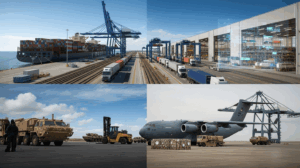
Regulatory hurdles: What do companies need to consider when entering the defense sector?
German and European legislation governs the manufacture, trade, and export of armaments and dual-use products, imposing numerous regulations. The War Weapons Control Act and the Foreign Trade and Payments Act regulate the necessary permits and prohibit exports if there is a risk of misuse. The EU Dual-Use Regulation defines a detailed list of goods and technologies requiring permits, as well as their transfer – from lasers to specialized software. Companies must verify that each item being exported is on the relevant list and that they possess a permit from the Federal Office for Economic Affairs and Export Control (BAFA).
Production and delivery to the German Armed Forces are subject to public pricing regulations as well as specific requirements for product safety, documented due diligence, and confidentiality. Violations of export regulations are rigorously prosecuted and subject to severe penalties. The processing of approval applications is complex and often lengthy, which can lead to planning uncertainties for newcomers to the market.
Your dual-use logistics experts
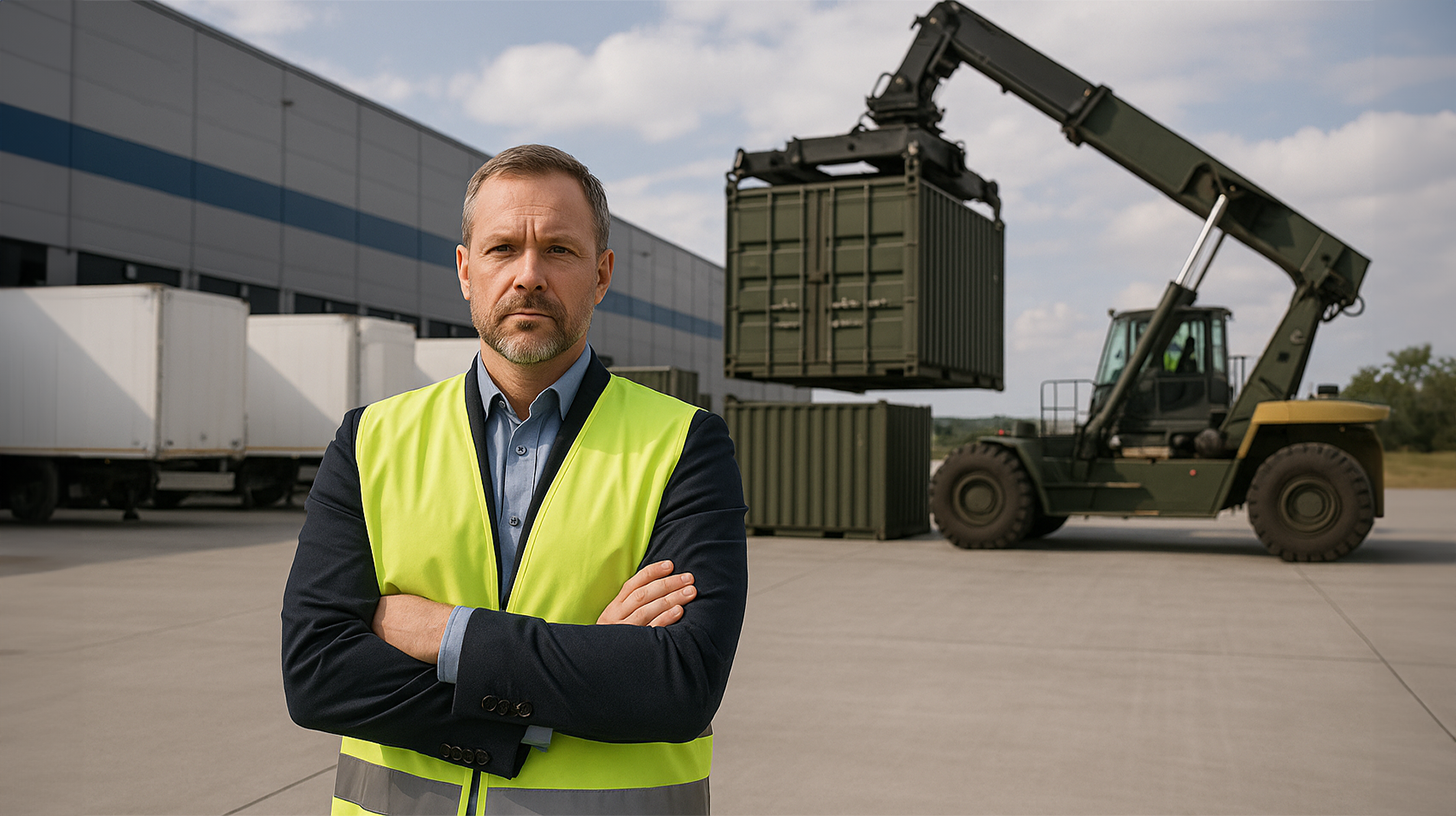
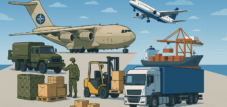
Dual-use logistics experts - Image: Xpert.Digital
The global economy is currently undergoing a fundamental transformation, a watershed moment that is shaking the foundations of global logistics. The era of hyper-globalization, characterized by the relentless pursuit of maximum efficiency and the "just-in-time" principle, is giving way to a new reality. This new reality is marked by profound structural breaks, geopolitical power shifts, and increasing fragmentation of economic policy. The once taken-for-granted predictability of international markets and supply chains is dissolving and being replaced by a period of growing uncertainty.
Related to this:
Dual-use logistics under scrutiny: How civilian networks strengthen defense – infrastructure for peace and emergencies
Dual-use: What does the term mean and what role does dual-use logistics play in defense strategy?
Dual-use refers, at both the European and national levels, to technologies, materials, and products that can be used for both civilian and military purposes. While export control is the focus of traditional dual-use regulations, dual-use logistics in the modern context refers to the deliberate integration of infrastructure and processes used for both civilian and military purposes—such as the rail network, bridges, tunnels, or digital logistics platforms.
A well-designed dual-use logistics system serves two purposes: On the one hand, it ensures the rapid and flexible deployment of military units or materials in the event of a national emergency, and on the other hand, it guarantees the supply security of the civilian population in crisis situations, such as major disasters, pandemics, or cyberattacks. The system enables a more resilient infrastructure that not only meets the needs of the German Armed Forces and NATO, but also offers economic and environmental benefits for the civilian logistics sector and supply chains.
An effective dual-use system requires forward-looking planning, joint financing, shared use, and clear prioritization mechanisms. Technical standards and governance structures must be established that meet the needs of both user groups. This strategy is gaining importance, especially in times of geopolitical uncertainty and increasing need for crisis preparedness.
Advantages of dual-use logistics for defense logistics and the security of supply for the population
A dual-use system improves the economic efficiency and utilization of infrastructure by allowing investments in defense and civilian sectors to be combined. The flexibility of use increases resilience against disruptions, natural disasters, and targeted attacks. Upgrading bridges and terminals to meet military load classes also yields capacity and efficiency gains for civilian freight transport. Modern dual-use terminals rely on digitalization and automation to serve both user groups.
In a crisis, dual-use logistics allows for rapid repurposing and prioritization in favor of military or civilian needs, such as widespread power or food shortages. During normal operations, civilian users benefit from the availability of robust systems and high technical standards, while in a defense scenario, it enables the rapid deployment of heavy units or the restoration of vital supply lines.
However, the integration of dual-use technologies must be carefully accompanied by governance mechanisms—and in crisis situations, it must be clearly regulated which users receive preferential access. Creating mixed financing models with defense, transportation, and private funds is a political and operational challenge.
Ethics and governance: How do the state and society address the legal and moral challenges in the arms industry?
Ethical questions are central to decision-making and public debate in every arms production and export. According to the Basic Law and subordinate federal laws, arms exports and dual-use goods may only take place with explicit authorization, in accordance with national and international obligations. The Federal Government examines each request on a case-by-case basis, taking into account criteria such as the human rights situation in the recipient country and the risk of use in actions that disrupt peace.
Furthermore, the "end-user control system" is a globally recognized security measure that ensures weapons and critical technology remain with the designated recipient and are not resold. Companies are encouraged to operate internal ethics committees that set moral standards and implement ongoing compliance measures.
However, the responsibility for the moral evaluation of arms production or export is often shifted back and forth between companies and the state—and thus frequently remains opaque. Recent developments show a shift in thinking, for example in investment funds that want to invest sustainably and no longer categorically exclude the defense industry.
Crisis preparedness and security of supply: How can dual-use logistics protect the population in times of disaster and crisis?
In the context of overall societal resilience, dual-use logistics is a key mechanism for ensuring the supply security of the population in times of crisis. Civil protection and disaster relief organizations in Germany are structurally closely linked to logistics networks, the German Armed Forces, and private aid organizations. Dual-use infrastructures enable the rapid provision of food, medicine, or energy, even in remote or hard-to-reach areas, when needed.
The integration of systems such as high-bay container warehouses, digitized port and rail networks, and automated transshipment terminals makes critical infrastructure more resilient to natural disasters, technical failures, and targeted acts of sabotage. In the event of a disaster, resources and transport capacities can be flexibly diverted from civilian to military use or vice versa.
Coordinated civil protection requires that the federal government, states, and municipalities have plans in place for the use and prioritization of dual-use infrastructure in crisis situations, enabling a rapid reorganization of logistics and supply routes. Cooperation among all stakeholders is essential for this—from fire departments and rescue services to the armed forces and private logistics providers.
Related to this:

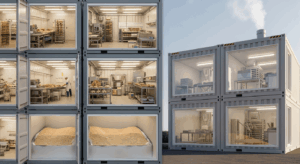
What are the key challenges and perspectives for SMEs, defense and dual-use logistics?
For companies, entering the arms business remains a strategic but complex decision that affects not only economic success but also ethical and social responsibility. Opportunities for growth, innovation, and job security are coupled with regulatory and moral challenges, high investment requirements, and the need for a robust compliance architecture.
Dual-use logistics represents a promising alternative approach to strengthening the resilience of the economy and population in crisis situations. However, it requires a new way of thinking, close civil-military cooperation, and clear governance structures. Investments in infrastructure that unlock synergies between defense and civilian supply contribute to national resilience and security of supply.
Ultimately, the "turning point" is not just a buzzword for rearmament, but a symbol for the comprehensive transformation of social, economic, and technological paradigms in Germany and Europe. Small and medium-sized enterprises (SMEs) stand at a new threshold between market forces, ethics, and broader societal responsibility.
Consulting - Planning - Implementation

Markus Becker
I would be happy to serve as your personal advisor.
Head of Business Development
Chairman SME Connect Defense Working Group
Consulting - Planning - Implementation
Konrad Wolfenstein
I would be happy to serve as your personal advisor.
You can contact me at wolfenstein∂xpert.digital or
Just call me on +49 7348 4088 965 .
Your container high-bay warehouse and container terminal experts
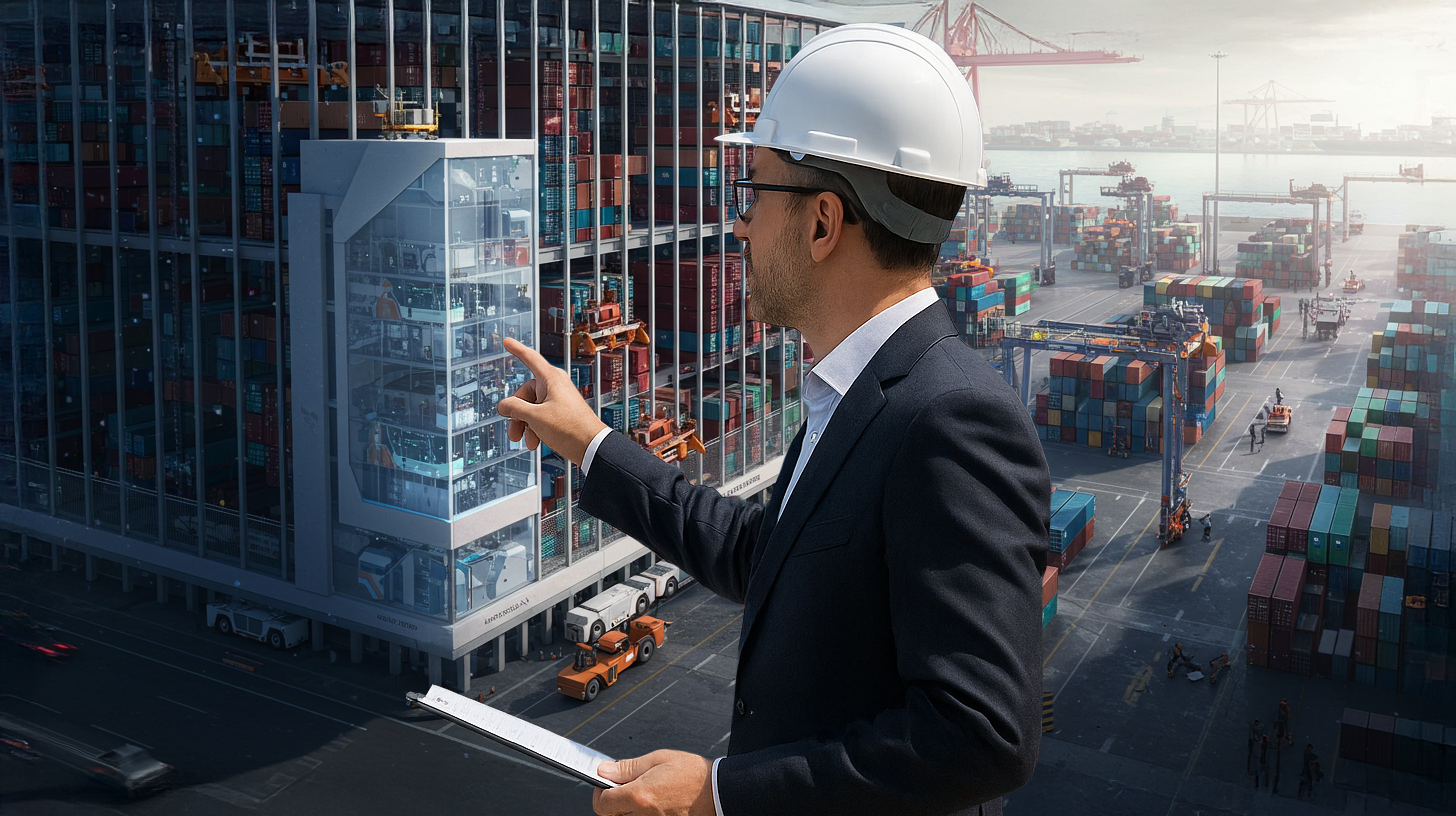
Container high-bay warehouses and container terminals: The logistical interplay – expert advice and solutions - Creative image: Xpert.Digital
This innovative technology promises to fundamentally change container logistics. Instead of stacking containers horizontally as before, they will be stored vertically in multi-story steel racking structures. This not only allows for a drastic increase in storage capacity within the same area, but also revolutionizes all processes at the container terminal.
More information here: