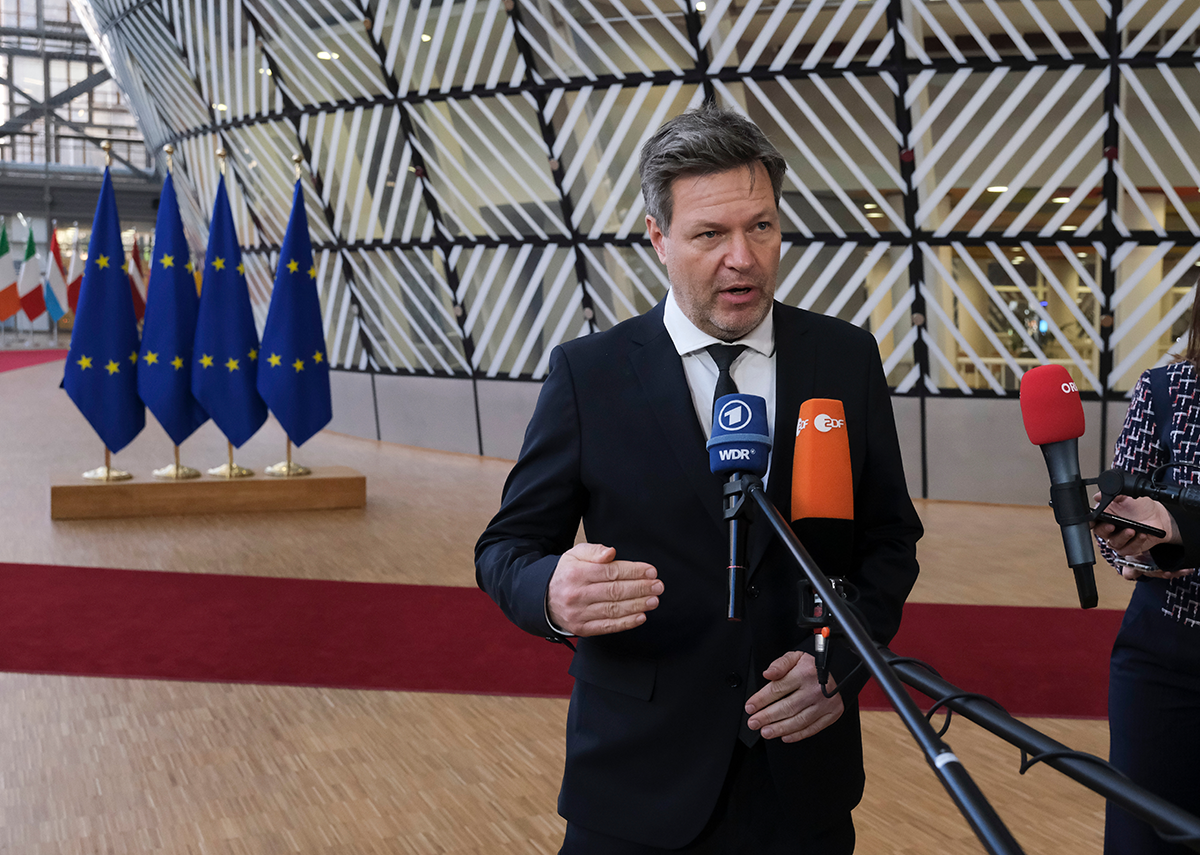
❌ Economic slowdown ❌ German economy stagnates ❌ Robert Habeck, Deputy Chancellor and Federal Minister for Economic Affairs and Climate Protection of the Federal Republic of Germany – Image: Alexandros Michailidis|Shutterstock.com
Analysis of the current economic situation in the Federal Republic of Germany and the European Union
Slump in the gross domestic product (GDP) of the Federal Republic of Germany
Germany's gross domestic product (GDP) experienced unexpected stagnation in the second quarter of 2023. Compared to the previous quarter, economic output remained unchanged, following a slight decline of 0.1 percent in the first quarter. This unexpected result raises questions and requires a thorough analysis of the underlying factors.
Europe-wide economic challenges
Not only Germany, but the entire European Union (EU) is struggling with stagnant economic output. The GDP of all EU countries remained unchanged on average, indicating a broad economic challenge. In contrast, the Eurozone recorded a growth spurt of 0.3 percent in the second quarter compared to the previous quarter. Countries such as France (+0.5 percent) and Spain (+0.4 percent) contributed significantly to this growth.
Factors influencing the German economic downturn
Increased interest rates and persistent inflation
Experts agree that rising interest rates and persistent inflation are having a dampening effect on the German economy. The monetary policy of the European Central Bank (ECB) influences interest rates and thus the investment and consumption willingness of companies and consumers. Sustained inflation increases costs for companies and reduces consumer purchasing power, which in turn dampens demand for goods and services.
Subdued demand from abroad
The German economy is heavily export-oriented, so foreign demand plays a crucial role. Global economic uncertainty and trade conflicts can lead to foreign buyers being hesitant to purchase German products. This reluctance to buy international goods could significantly impair the growth of the German export industry.
Outlook on future developments
Economic research institutes and bank economists largely agree that the German economy will contract slightly in 2023. Dampening factors such as rising interest rates, persistent inflation, and weak foreign demand are expected to continue to have a negative impact. This necessitates careful monitoring of economic developments and potential measures to stimulate growth.
Industrial production in the European Union
Surprising growth in industrial production
Besides GDP analysis, industrial production also provides important insights into a region's economic health. The latest Eurostat data on industrial production in the EU showed a surprising turnaround in June. Production rose by 0.5 percent month-on-month, although experts had expected a decline of 0.1 percent. This unexpected growth could point to temporary factors or unforeseen changes in the production landscape.
Review of the year's development
However, industrial production on an annual basis still shows a decline of 1.2 percent compared to the previous year. This underscores the long-term challenges facing European industry. Structural changes, technological developments, and global competitive factors may have contributed to this decline.
Recommendations for action
Current economic data indicates that Germany and the European Union are facing significant challenges. The combination of rising interest rates, persistent inflation, and an overall uncertain global economic environment is negatively impacting the region's growth. Experts recommend careful monitoring of developments, adjustments to monetary policy, and targeted measures to promote investment and consumption in order to stimulate economic recovery. The surprising performance in industrial production serves as a reminder that economic trends are multifaceted and require continuous analysis and adaptation to respond to unexpected changes.
📈 Robert Habeck's prediction and its implications
Taking the current economic downturn into account, Robert Habeck has made an extremely optimistic prediction. He assumes that investments totaling 80 billion euros are possible in the near future despite the economic uncertainties. This bold statement naturally raises questions about how these investments are to be achieved and what impact they might have on the economy and society.
💰 The planned investment areas
It is important to identify the areas where these investments should flow. Habeck emphasizes that a large portion should be invested in sustainable energy projects to advance Germany's energy transition. Further funds could be allocated to education, healthcare, and digital infrastructure. A detailed look at these investment areas is crucial to understanding the full scope of the planned measures.
🌍 The European perspective
The question of how these investments fit into the European context is of great importance. Germany, as an economic powerhouse, contributes not only to its own stability but also to strengthening the EU economy. This raises questions about how the investments might influence European cooperation and which partnerships might be strengthened.
⚖️ Challenges and Concerns
Of course, potential challenges and concerns associated with this forecast must also be considered. Economic uncertainties, political factors, and the feasibility of the planned measures could affect the success of these investments. It is important to critically examine these aspects to obtain a balanced picture.
📊 Impact on citizens and the economy
Ultimately, the focus should be on the impact of these investments on citizens and the economy. What benefits could people expect? How might these investments stimulate the economy? The immediate and long-term consequences of this forecast are of great importance.
📣 The latest headlines
- 80 billion euros despite the economic downturn: Robert Habeck's bold investment forecast
- Sustainable future: Habeck's vision of 80 billion euros in investments
- Investments for change: Robert Habeck's optimistic outlook despite economic downturn
- European impetus: Habeck's prediction of 80 billion euros in investments
- Opportunities and challenges: Robert Habeck's forecast for massive investments
The future of the German economy: An analysis
Today we face numerous challenges that could affect the German economy. In this section, we will take a detailed look at the future prospects, examine the role of Olaf Scholz as Chancellor in this situation, and discuss the criticisms and views of economic experts.
Economic challenges
The German economy has proven itself in recent years, but there are increasing uncertainties that could be looming. A potential recession could have significant repercussions, and it is important to take the right steps to address these potential risks. 📉
Olaf Scholz and his vision
As Chancellor, Olaf Scholz is a key player in shaping Germany's economic future. His political views and strategies will play a crucial role in how the country addresses the challenges ahead. 👨💼
Criticism and viewpoints of economic experts
Various economic experts have expressed their concerns and assessments regarding economic developments in Germany. Some see potential weaknesses in current strategies, while others hold more optimistic views. It is crucial to understand these different perspectives and draw lessons for the future. 💬💼
Innovation and technology as drivers
In a constantly changing global economy, innovation plays a crucial role. Promoting technology and new business models can help strengthen Germany's competitiveness and unlock new opportunities. 🚀💡
Sustainability and environmental aspects
Germany's future economy will be heavily influenced by environmental factors. Sustainability and ecological responsibility are becoming increasingly important. It is essential to develop strategies that reconcile economic growth with environmental protection. 🌱🌍
International Relations and Trade
The German economy is closely linked to international relations and trade agreements. The way these relationships are shaped will have a major impact on the country's economic future. 🌐🤝
Construction industry 2023 – Construction sector collapses – Housing construction in free fall – Bankruptcies loom


Construction industry 2023 – Construction sector collapses – Housing construction in free fall – Image: yuttana Contributor Studio|Shutterstock.com
More information here:
Want two more shocking news stories? The German start-up bubble is bursting and the European economy is crashing
The German start-up bubble bursts and the European economy crashes – Image: Xpert.Digital
More information here:
Want two more shocking news stories? The German start-up bubble is bursting and the European economy is crashing
Energy targets in jeopardy: German expansion of wind power and electromobility lags behind expectations
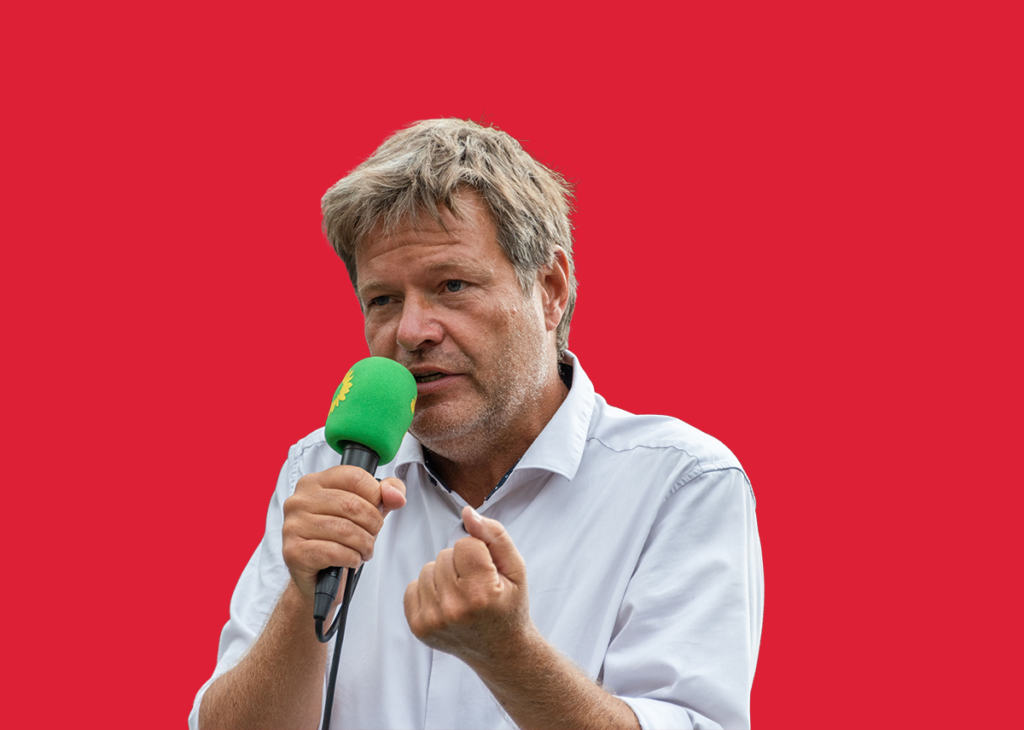
Robert Habeck, Deputy Chancellor and Federal Minister for Economic Affairs and Climate Protection of the Federal Republic of Germany – Source: penofoto|Shutterstock.com
More information here:
What impact will the CO2 tax have on companies in the coming years if they do not reduce their CO2 emissions?

Fatal impact of the CO2 tax without a reduction in CO2 emissions – Image: Xpert.Digital / BigBlueStudio|Shutterstock.com
More information here:
Write to me


Keep in touch