
Comparison of fresh logistics and refrigerated logistics in France with other European countries such as Germany, Spain and Italy
Xpert pre-release

Language selection 📢
Published on: January 3, 2025 / update from: January 3, 2025 - Author: Konrad Wolfenstein
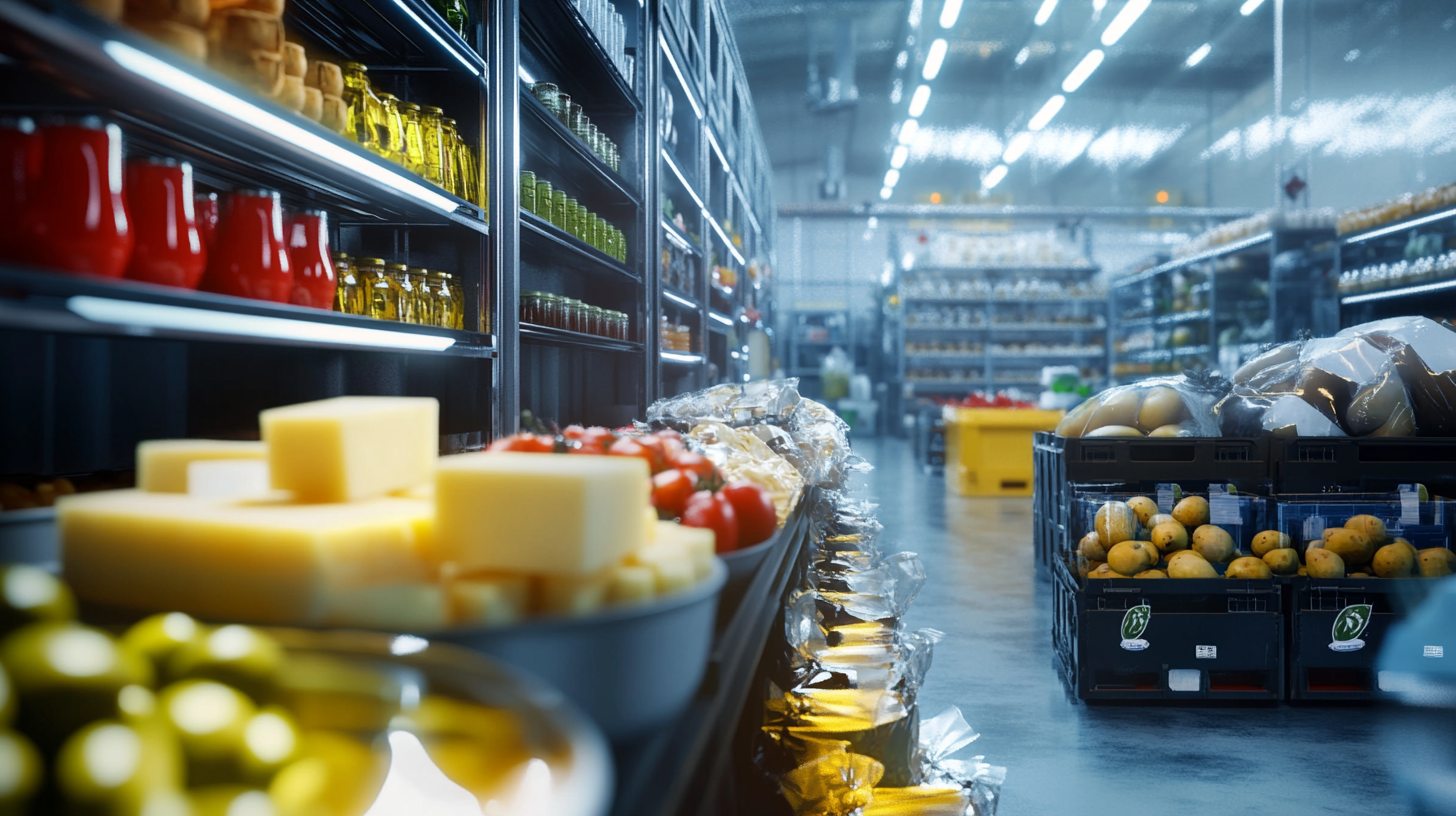
Comparison of fresh logistics and refrigerated logistics in France with other European countries such as Germany, Spain and Italy - Image: Xpert.Digital
Temperature control for the future: How refrigerated logistics is shaping the European economy
Refrigerated logistics plays a central role in the European economy and is essential for industries such as food, pharmaceuticals and other temperature-dependent goods. France has established a strong position in this area compared to other European countries such as Germany, Spain and Italy. The European refrigerated logistics market is estimated to be worth approximately $105.5 billion by 2024 and is expected to grow to $356.7 billion by 2033 at an impressive CAGR of 14.1%. This dynamic shows how important this sector is for Europe's economic development.
France: Strengths and Challenges
France benefits from excellent infrastructure, a strategic geographical location and a strong position in important industries such as food and pharmaceuticals. Some of the outstanding strengths are:
1. Well-developed transport infrastructure
France has one of the densest transport networks in Europe, with state-of-the-art motorways, an efficient rail network and well-connected ports such as Le Havre, Marseille and Bordeaux. This infrastructure facilitates the rapid and safe transport of refrigerated goods within and outside the country.
2. Strategic location
France's central location in Europe makes it an important logistics hub for trade between Northern Europe, Southwest Europe and North Africa.
3. Large number of cold storage facilities
France has an extensive network of cold storage facilities, often located in close proximity to industrial centers and major transport hubs. This allows sensitive goods to be stored and transported efficiently.
4. Strong Industry Presence:
The food and pharmaceutical industries, which are particularly dependent on functioning refrigerated logistics, are important economic sectors in France. Products such as cheese, wine, fruit and vegetables as well as pharmaceutical products benefit from well-organized refrigerated logistics.
5. Challenges
Despite these strengths, France faces several challenges:
- Rising fuel costs: The dependence on road transport and the increase in energy prices place a significant burden on the cost structure. This poses major challenges, especially for smaller logistics companies.
- Environmental regulations and sustainability: The strict environmental regulations in France force companies to invest in more sustainable technologies and processes, which entails high initial costs.
Germany: technological leadership and sustainability
Germany is considered a European leader in logistics and also shows outstanding performance in the area of refrigerated logistics.
Strengthen
- High technology density: German companies rely on innovative technologies such as IoT sensors for monitoring temperature and humidity as well as automated storage systems. These technologies improve the efficiency and reliability of refrigerated logistics.
- Sustainability: The German logistics industry focuses heavily on environmentally friendly solutions such as electric vehicles and CO2-neutral warehouses.
- Infrastructure: Similar to France, Germany has an excellent infrastructure with well-connected ports, airports and road networks.
challenges
- High labor costs: Compared to other European countries, labor costs in Germany are high, which can affect the competitiveness of German refrigerated logistics in an international comparison.
- Regulatory requirements: Strict food safety and environmental requirements can limit operational flexibility.
Spain: junction between Europe and Africa
Spain occupies a special position in European refrigerated logistics due to its strategic location. It acts as a bridge between Europe, Africa and Latin America and is a major exporter of agricultural products.
Strengthen
- Agriculture: Spanish agricultural products such as citrus fruits, olive oil and wine require efficient refrigerated logistics systems in order to be exported to international markets with quality assurance.
- Geographical location: Ports such as Algeciras and Valencia play a central role in intercontinental trade.
challenges
- Infrastructure deficits: There are weaknesses in the transport infrastructure, particularly in the south of Spain, which makes transport more difficult.
- Seasonal fluctuations: The dependence on agricultural products leads to strong seasonal fluctuations in the demand for refrigerated logistics.
Italy: Strong focus on the food industry
Italy is known for its food industry and is one of the leading export countries for high-quality agricultural and food products. Refrigerated logistics plays a crucial role here.
Strengthen
- Network of cold storage facilities: Italy has a well-developed network of cold storage facilities, which is particularly well represented in regions with high agricultural production such as the Po Valley.
- Food industry: The focus on exclusive products such as Parmesan cheese, prosciutto and wine requires highly developed refrigerated logistics.
challenges
- Bureaucratic hurdles: Italy is known for its complex and often inefficient administration, which can complicate logistics processes.
- High transport costs: Transport costs in Italy are relatively high, especially when compared internationally.
Europe's strengths in refrigerated logistics
Europe has a highly developed refrigerated logistics market, benefiting from technological innovations, strategic investments and geographical diversity. France, Germany, Spain and Italy are key players, each with specific strengths and challenges:
- France impresses with its strategic location and strong industry presence, but is under pressure from rising costs and environmental regulations.
- Germany relies on technological leadership and sustainability, but is struggling with high labor costs.
- Spain benefits from its geographical location and strong agricultural economy, but suffers from infrastructural weaknesses.
- Italy stands out for its focus on high-quality food products, but struggles with bureaucracy and high transportation costs.
Refrigerated logistics in Europe is a growth market driven by innovation and increasing demand. Companies that want to be successful in this area must not only build on their strengths, but also invest in sustainable technologies and respond flexibly to global challenges.

Xpert partner in warehouse planning and construction

Xpert.Plus warehouse optimization - high-bay warehouses such as pallet warehouses consulting and planning
We are there for you - advice - planning - implementation - project management
☑️ SME support in strategy, consulting, planning and implementation
☑️ Creation or realignment of the digital strategy and digitalization
☑️ Expansion and optimization of international sales processes
☑️ Global & Digital B2B trading platforms
☑️ Pioneer Business Development

Konrad Wolfenstein
I would be happy to serve as your personal advisor.
You can contact me by filling out the contact form below or simply call me on +49 7348 4088 965 (Munich) .
I'm looking forward to our joint project.
Write to me

Xpert.Digital - Konrad Wolfenstein
Xpert.Digital is a hub for industry with a focus on digitalization, mechanical engineering, logistics/intralogistics and photovoltaics.
With our 360° business development solution, we support well-known companies from new business to after sales.
Market intelligence, smarketing, marketing automation, content development, PR, mail campaigns, personalized social media and lead nurturing are part of our digital tools.
You can find out more at: www.xpert.digital - www.xpert.solar - www.xpert.plus
Keep in touch











