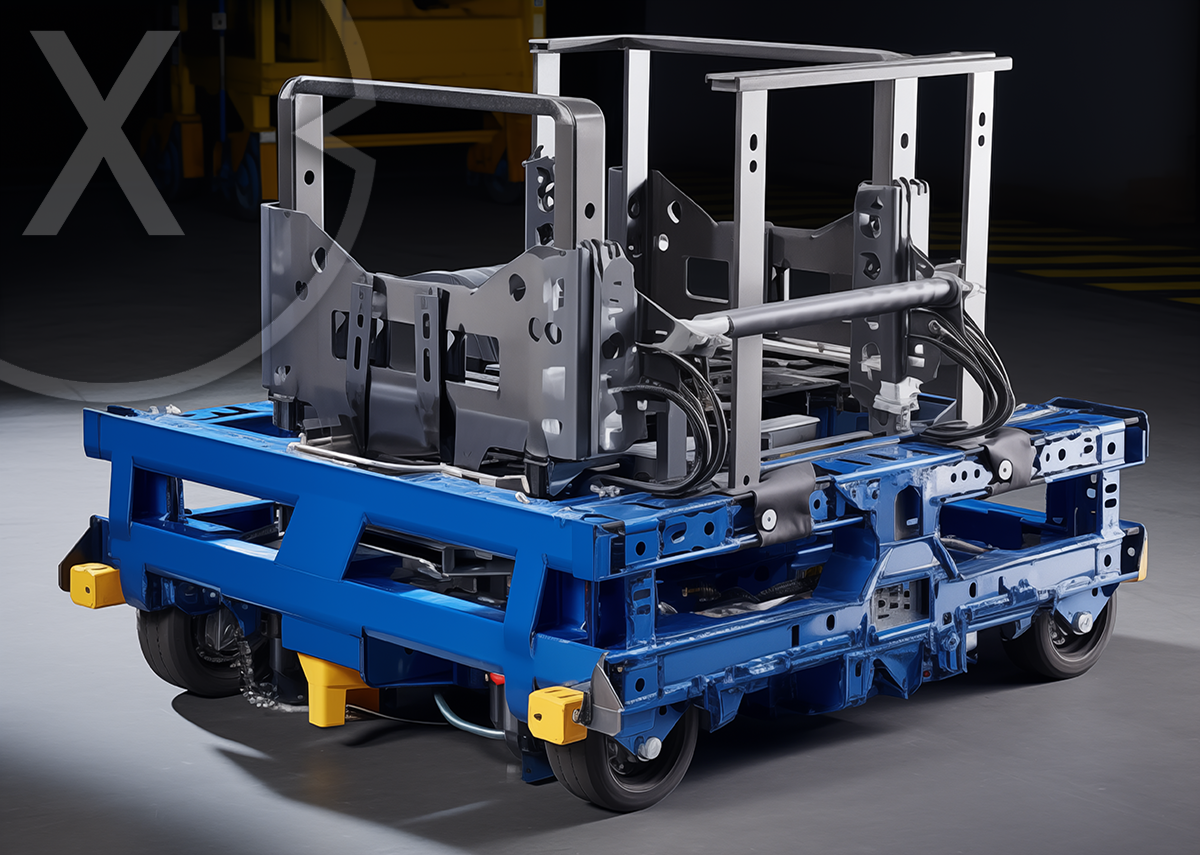
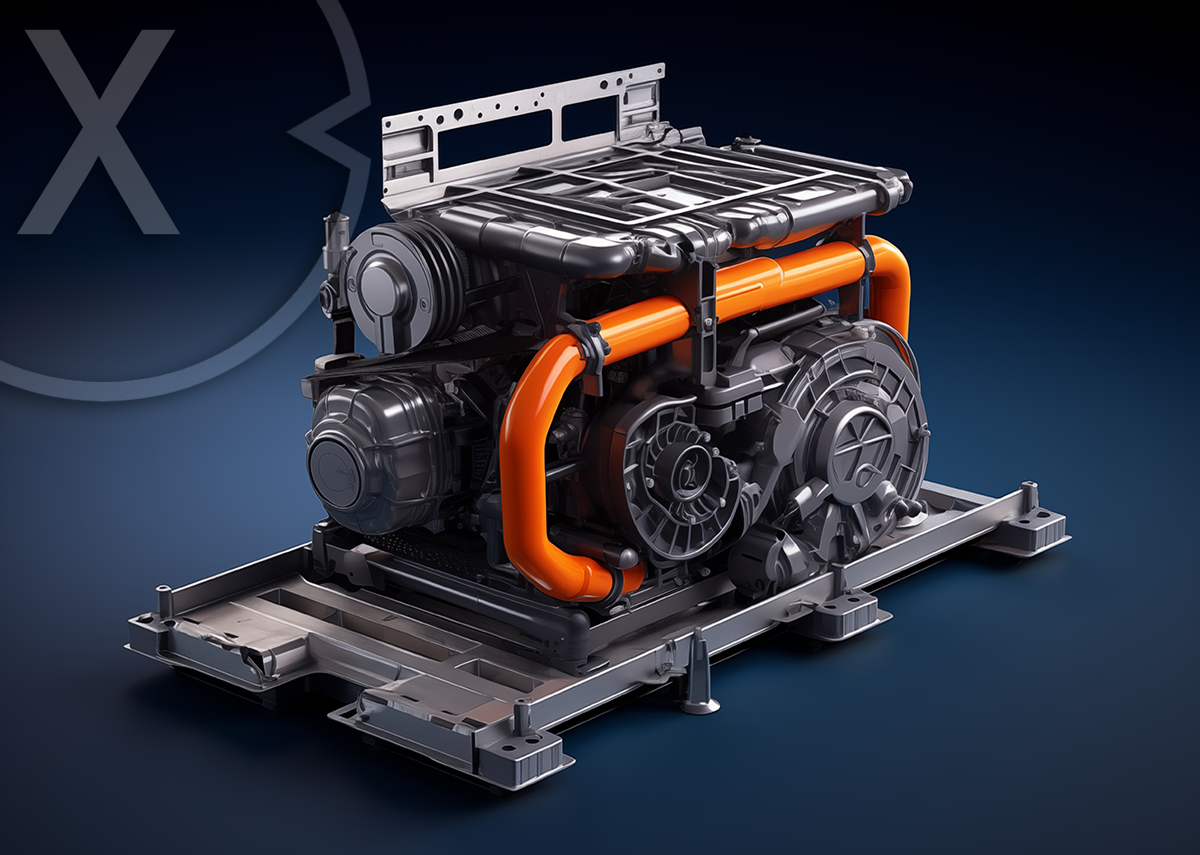
Logistics & Intralogistics: Sample of a custom-made individual transport load carrier for electromobility – Image: Xpert.Digital
🔌 Electromobility and its significance
Electromobility has experienced rapid development in recent years and has become a central topic in the automotive industry. With the rise of electric and hybrid vehicles, the requirements for transport and packaging solutions have also fundamentally changed. In this article, we will examine load carriers in detail and discuss their significance for electromobility.
🔍 What are load carriers?
Load carriers are specialized transport and packaging solutions designed to transport and store components and products safely and efficiently. These load carriers can be made from various materials such as plastic, metal, or wood, and are often designed to meet the specific requirements of a particular product or product group. They are used in a variety of industries, from food processing to automotive manufacturing.
⚡ The importance of charge carriers in electromobility
Electromobility has become a driving force in the automotive industry in recent years. Electric and hybrid vehicles are gaining increasing importance as they represent an environmentally friendly alternative to conventionally powered cars. However, this development has also created new demands on logistics and transportation.
🚗 Specially developed load carriers for electric and hybrid vehicles
Load carriers for electromobility are specifically designed to meet the requirements of hybrid and electric vehicles. These vehicles contain a variety of sensitive components, including batteries, electric motors, and power electronics. The load carriers must be designed to transport these components safely and protect them from damage. This often requires customized solutions precisely tailored to the geometry and sensitivity of the components.
📦 Protection of goods during transport
Another crucial aspect is the protection of goods during transport. Electromobility often requires the transport of expensive and sensitive components that must be handled carefully to prevent damage. Cargo carriers play a vital role in protecting these components from shocks, vibrations, and other stresses during transport. This not only helps maintain product quality but also prevents costly failures and repairs.
🚚 Integration into logistics processes
Load carriers must be seamlessly integrated into existing logistics processes. This means they must not only protect the goods but also fit efficiently into the storage and transport workflows. This is where the adaptability of load carriers comes into play. They must be designed to be easily integrated into the existing processes of manufacturers and suppliers. This increases efficiency and reduces costs throughout the entire supply chain.
🤖 Automation and robotics
Automation plays an increasingly important role in modern manufacturing and logistics. Load carriers must therefore be usable not only manually but also automatically. This enables efficient and cost-effective transport and storage of components. The automatability of load carriers is particularly important when they are used in conjunction with robotics to optimize production and logistics processes.
🌟 Latest developments in electromobility and charge carriers
Electromobility is constantly evolving, and the load carrier industry is adapting to these changes. Here are some of the latest developments and trends:
1. Lightweight construction and sustainability
In electromobility, lightweight construction is a key focus in order to maximize vehicle range. Load carriers are increasingly being manufactured from lighter yet robust materials to save weight and reduce environmental impact.
2. Intelligent load carriers
As technology advances, load carriers are becoming increasingly intelligent. They can be equipped with sensors and IoT devices to monitor the status of transported goods in real time and make the supply chain more efficient.
3. Reusability and Recycling
Sustainability also plays an important role in load carriers. More and more companies are relying on reusable and recyclable load carriers to reduce waste and conserve resources.
4. Adaptability
Load carriers must be able to adapt quickly to changing requirements. This is particularly important in a rapidly evolving industry like electromobility, where product geometries and requirements change frequently.
🚛 Transport of electromobility components using secure load carriers
Load carriers are inconspicuous yet crucial components in electromobility. They not only ensure the safe transport of components but also contribute to efficiency and sustainability in the supply chain. With the continued development of electromobility and the load carrier industry, we will undoubtedly see many more exciting innovations and improvements that will help to further advance this transformative industry.
📣 Similar topics
- Electromobility and the role of charge carriers 🚗⚡
- Innovative transport solutions for electromobility 🌐📦
- Load carriers in the automotive industry: A look into the future 🔮🚘
- Sustainability in electromobility: Charge carriers as the key 🌱🔑
- Efficient transport for electric vehicles: The importance of load carriers 📈🔋
- Intelligent load carriers for modern electromobility 🧠💼
- Load carriers and the challenges of electromobility 🛡️🚚
- Lightweight construction and load carriers: Innovations for electromobility 🌟🏗️
- Logistics 4.0: The integration of load carriers into automated processes 🤖📊
- Charge carriers through the ages: Trends in electromobility 🔄📰
#️⃣ Hashtags: #Electromobility #Loadcarriers #Transportsolutions #Sustainability #Innovations
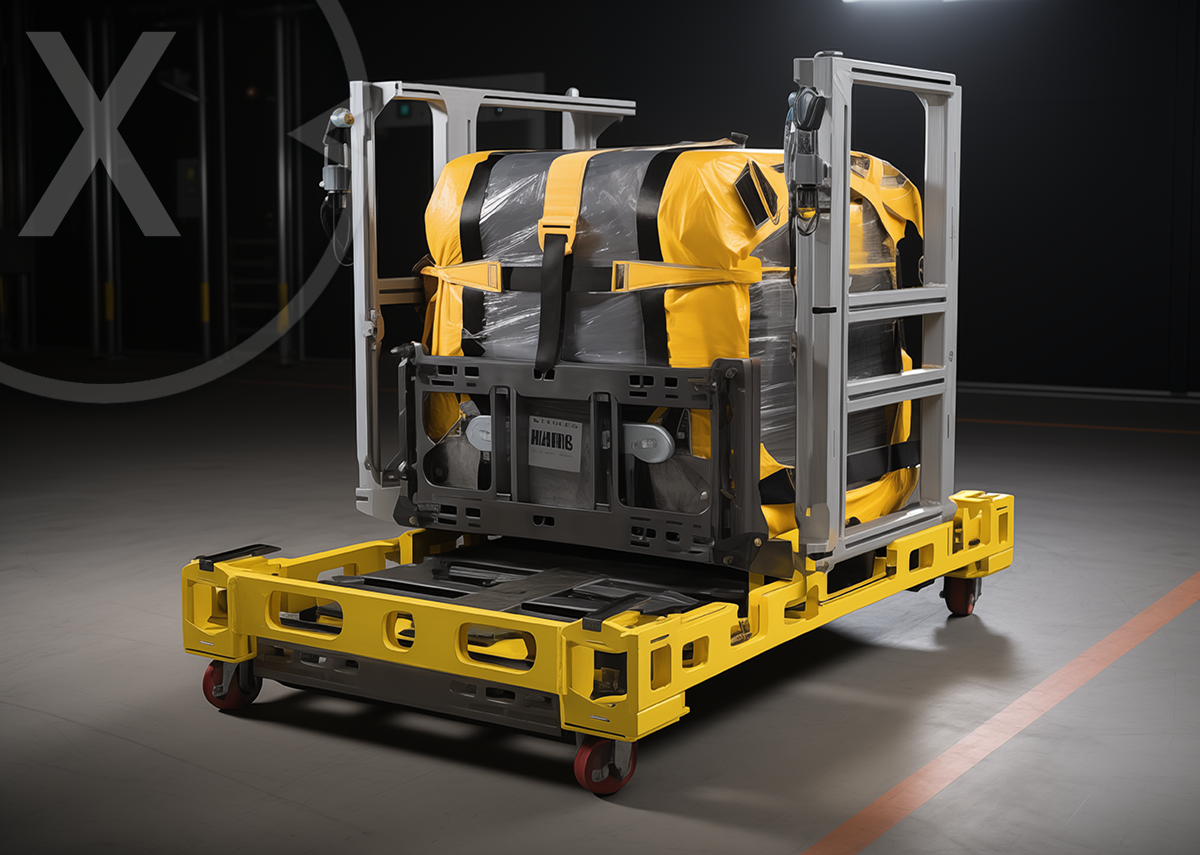
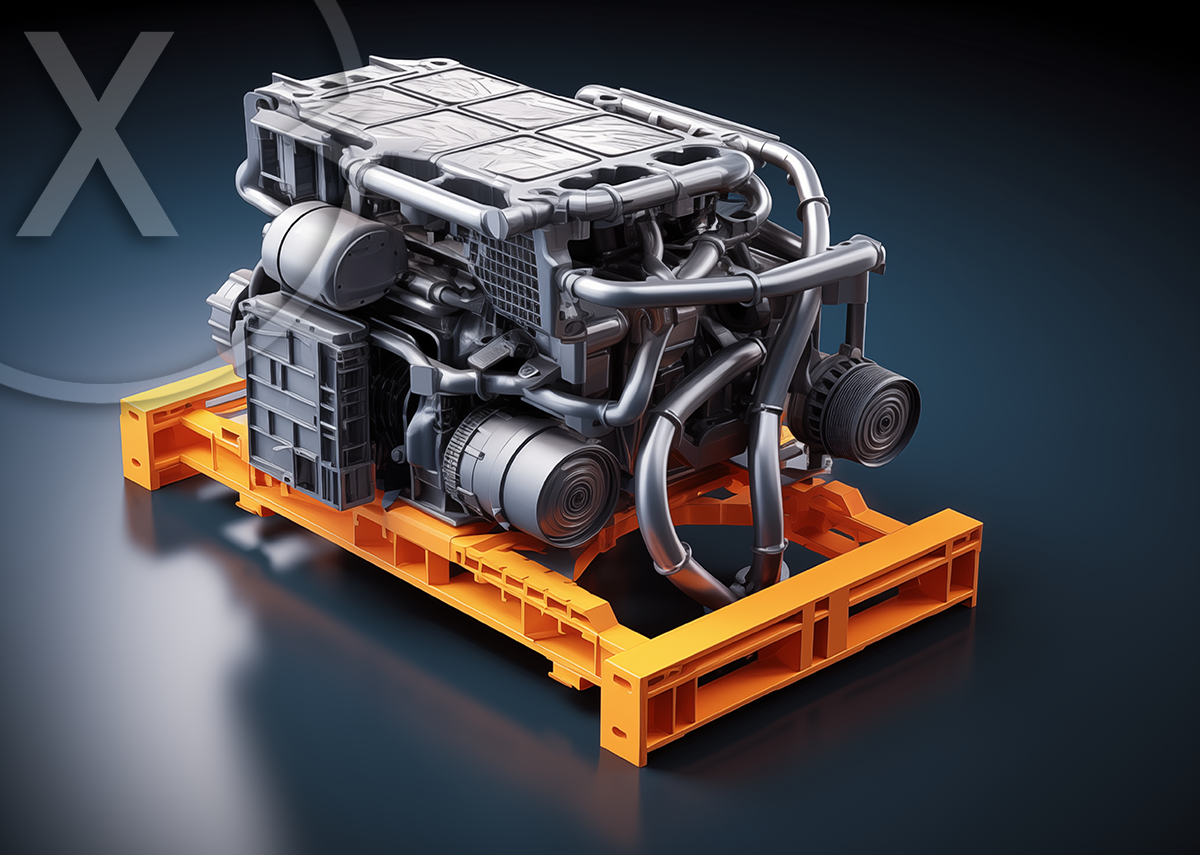
📦 Various patterns of custom-made transport load carriers
📦 Logistics 4.0: The integration of smart load carriers into automated processes
In the era of Logistics 4.0, a fundamental shift is taking place in how load carriers are integrated into automated processes. This transformation brings with it a wealth of innovations and challenges that are fundamentally changing the logistics industry. In this article, we will examine Logistics 4.0 in detail and focus specifically on the integration of load carriers into these state-of-the-art processes.
📋 1. The basics of Logistics 4.0
Logistics 4.0 is a term closely linked to Industry 4.0. It refers to an approach that encompasses the progressive digitalization and networking of logistics processes both within and outside of companies. This involves the use of cutting-edge technologies such as the Internet of Things (IoT), artificial intelligence (AI), and big data analytics to increase efficiency and flexibility in logistics.
📦 2. The role of load carriers in logistics
Load carriers play a crucial role in logistics, as they serve to transport and store goods safely and efficiently. Traditionally, load carriers were simple pallets, containers, and bins. In the era of Logistics 4.0, however, these load carriers are evolving into intelligent, networked units.
🔍 3. Smart load carriers
Smart load carriers are equipped with sensors that can collect information in real time. For example, they can track temperature, humidity, position, and movement. This data is then transmitted via the IoT to a central control platform. This enables complete transparency regarding the status of the load carriers and the goods they contain.
🚀 4. Advantages of integrating load carriers into automated processes
The integration of intelligent load carriers into automated processes offers a multitude of advantages:
Real-time tracking
Companies have access to the location and condition of their load carriers at any time, thus minimizing losses and increasing safety.
Efficiency improvement
The automated control of load carriers enables optimal use of storage and transport capacities.
Cost savings
Significant cost savings can be achieved by reducing theft, damage, and loss of load carriers.
sustainability
The precise control of load carriers contributes to reducing resource consumption and minimizing waste.
🤔 5. Challenges of integrating load carriers into Logistics 4.0
Although the integration of intelligent load carriers offers many advantages, there are also some challenges to overcome:
Cost
The purchase and implementation of smart load carriers can initially be expensive. Companies must weigh the long-term benefits against the initial costs.
Data security
The transmission of sensitive data from load carriers via the Internet requires strict security precautions to prevent data leaks and hacking attacks.
Training and acceptance
Employees need to be trained to use the new technologies, and there may be resistance to change.
🏭 6. Practical Examples
A notable example of the integration of load carriers into automated processes is the use of automated guided vehicles (AGVs) in warehouses. These AGVs are able to autonomously move smart pallets and containers by using sensor data to detect obstacles and choose the optimal route.
Another example is the use of smart bins in waste logistics. These intelligent waste containers are equipped with sensors that measure the fill level. When a container is full, a message is automatically sent to the waste collection service to schedule pickup. This reduces empty trips and significantly lowers operating costs.
🔮 7. Future prospects
The integration of load carriers into automated processes is an exciting and constantly evolving field. In the future, we could see even more advanced load carriers capable of making autonomous decisions and communicating with other intelligent systems. This would further increase the efficiency of the entire supply chain.
🔚 8. Logistics 4.0: Smart load carriers
Logistics 4.0 and the integration of intelligent load carriers into automated processes are closely linked and have the potential to fundamentally change the way companies conduct their logistics processes. By utilizing state-of-the-art technologies and transforming simple load carriers into intelligent, networked units, diverse opportunities arise for increasing efficiency, reducing costs, and promoting sustainability.
In terms of future prospects, the possibilities are virtually limitless. Advanced load carriers that can make autonomous decisions and communicate seamlessly with other intelligent systems could further increase the efficiency of the entire supply chain and drive the logistics industry even further towards digitalization and networking.
The integration of load carriers into automated processes in the era of Logistics 4.0 demonstrates how the logistics industry is continuously evolving and finding new ways to optimize transport, storage, and resource utilization. Companies investing in these technologies could benefit from improved efficiency and competitiveness in the long term.

Xpert.Plus Warehouse Optimization - High-bay warehouses and pallet warehouses: Consulting and planning
Plan your solar system for the most common applications conveniently online with our solar system planner!
With our user-friendly solar system planner, you can design your individual solar system online. Whether you need a solar system for your home, your business, or for agricultural purposes, our planner allows you to consider your specific requirements and develop a customized solution.
The planning process is simple and intuitive. You simply enter the relevant information. Our planner takes this information into account and creates a customized solar system that meets your needs. You can try out different options and configurations to find the optimal solar system for your application.
Furthermore, you can save your plan to review it later or share it with others. Our customer service team is also available to answer any questions and provide support to ensure your solar system is optimally planned.
Use our solar system planner to design your individual solar system for the most common applications and accelerate the transition to clean energy. Get started now and take an important step towards sustainability and energy independence!


The solar system planner for the most common applications: Plan your solar system online here - Image: Xpert.Digital
More information here:
We are here for you - Consulting - Planning - Implementation - Project Management
☑️ Smart City & Factory: Industry expert for energy-efficient 5G buildings and halls, as well as consulting and installation of solar systems
☑️ Xpert.Plus - Logistics consulting and logistics optimization
☑️ Industry expert, here with his own Xpert.Digital industry hub with over 2,500 specialist articles

Konrad Wolfenstein
I would be happy to serve as your personal advisor.
You can contact me by filling out the contact form below or simply call me on +49 7348 4088 965 .
I'm looking forward to our joint project.
Write to me


Xpert.Digital - Konrad Wolfenstein
Xpert.Digital is a hub for industry focusing on digitalization, mechanical engineering, logistics/intralogistics and photovoltaics.
With our 360° Business Development solution, we support renowned companies from new business to after-sales.
Market intelligence, smarketing, marketing automation, content development, PR, mail campaigns, personalized social media and lead nurturing are part of our digital tools.
You can find more information at: www.xpert.digital - www.xpert.solar - www.xpert.plus
Keep in touch