
Bio-photovoltaics (BPV): Researchers are developing photosynthesis-based solar panels that also produce oxygen! | Bio solar modules

Language selection 📢
Published on: April 1, 2024 / Update from: April 1, 2024 - Author: Konrad Wolfenstein
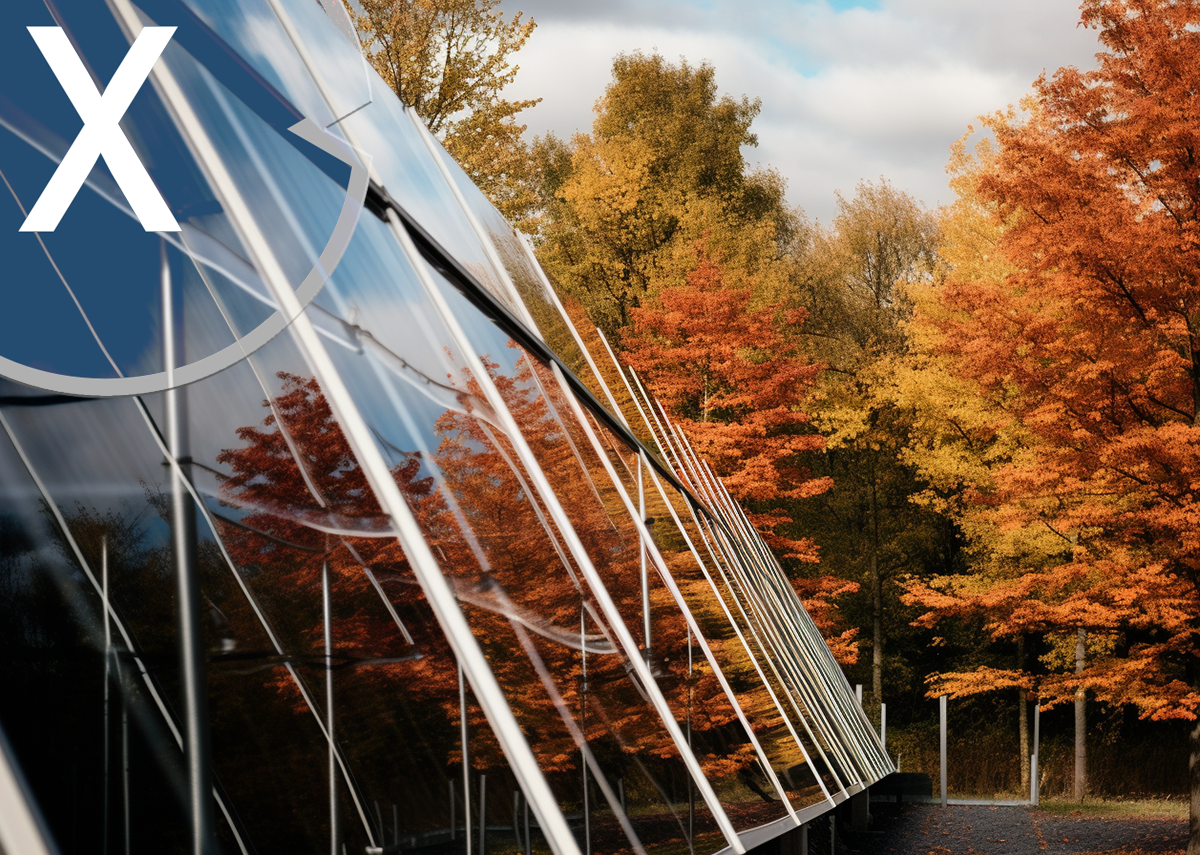
Bio-photovoltaics: Researchers are developing photosynthesis-based solar panels that also produce oxygen - Image: Xpert.Digital
🍃☀️ Future energy bio-photovoltaics: Scientists create solar panels with oxygen plus!
🌿🌟 In a world where energy supply and the consequences of global warming represent key challenges for our future, the development of green technologies opens up new horizons and hopes. One of the most promising areas is solar technology, particularly research into bio-photovoltaics and bio-solar modules.
🔬💡 Both environmental scientists and technologists are working hand in hand to develop new systems that mimic natural photosynthesis. But what is so special about this technology? Nature has been efficiently converting energy for billions of years through the process of photosynthesis, in which plants, algae and certain bacteria convert sunlight into chemical energy. This process takes place in the chloroplasts, converting carbon dioxide and water into glucose with the release of oxygen. Researchers are now using this incredible ability of nature to create renewable energy sources that not only provide sustainable electricity, but also help improve air quality through the production of oxygen.
☀️🌱 Bio-photovoltaic systems (BPV) use living microorganisms to generate electrical energy from sunlight. Instead of relying on inorganic materials such as silicon used in traditional solar cells, BPVs integrate the potential of photosynthesizing microbes. When these organisms absorb sunlight, they produce electrons that flow through an external circuit, producing usable electricity.
🏭🌿 The integration of bio-solar modules into our energy infrastructure has a fascinating advantage: In contrast to traditional solar modules, bio-solar modules produce oxygen in addition to electrical energy. This makes them a potentially climate-friendly dual-purpose solution, returning some of the vital gas to our atmosphere while generating renewable electricity.
👩🔬⚙️ However, the development process of these solar bio-reactors is complex and presents scientists with numerous challenges. For example, a way must be found to increase the performance of these systems, because so far they are still less efficient compared to traditional photovoltaic systems. Nature may be an efficient energy converter, but replicating this process in a form that is also technologically scalable and cost-effective requires innovative materials, methods and designs.
🔄🌳 Another obstacle is the lifespan of such biological elements, as they tend to be less durable than inorganic materials. Research is therefore focused on increasing the stability and longevity of microorganisms to ensure continuous and long-term energy production.
🌍💡 The advantages of bio-solar energy are convincing. In addition to energy production and oxygen release, the environmental footprint of this technology would be significantly lower compared to traditional solar panels. The production of silicon cells is energy intensive and involves chemicals and processes that can harm the environment. Bio-photovoltaics, on the other hand, rely on natural and renewable resources that have a lower environmental impact.
🏙️🌼 Another potential advantage is the versatility of the application. Bio-solar systems could be used in a variety of environments, including where traditional solar cells would be impractical. For example, the facades of buildings could be used in urban areas or integrated into greenhouses in agricultural operations to simultaneously generate energy and promote plant growth.
🌱➡️ The integration of BPV has another exciting advantage for agriculture and landscaping - through targeted selection of microorganisms, the technology could also be used to regenerate soil or purify polluted water. The importance of such additional benefits can hardly be overestimated, especially in regions that suffer from scarce resources or experience severe environmental pollution.
🧬👨🔬 Advances in synthetic biology could further increase the efficiency and applications of BPV. For example, genetically modified microbes could be used to optimize their ability to convert light into energy or to operate at lower light levels. This could enable the integration of BPV in geographical regions with less sunshine.
🌱🔮 As a relatively young technology, bio-photovoltaics is still in an early development phase. Many of the possibilities suggested have not yet been fully put into practice and require further research and development. One thing is certain, however: In a time of rapidly advancing climate crisis, the combination of renewable energy production and oxygen production through photosynthesis-based solar panels offers an inspiring vision for a more sustainable future.
🤝💚 Given these exciting advances, it will ultimately depend on support from politics, business and society in order to develop the full potential of bio-photovoltaics. Investing in research and development, fostering innovation and creating markets for green technologies will be critical to bringing this pioneering energy source out of the lab and into the world. The goal is a technology that is environmentally friendly, economically viable and fundamental to our efforts to combat climate change. Bio-photovoltaics could play a key role by generating not only electricity, but also quality of life and hopeful prospects.
🎯🎯🎯 Benefit from Xpert.Digital's extensive, fivefold expertise in a comprehensive service package | R&D, XR, PR & SEM

AI & XR 3D Rendering Machine: Fivefold expertise from Xpert.Digital in a comprehensive service package, R&D XR, PR & SEM - Image: Xpert.Digital
Xpert.Digital has in-depth knowledge of various industries. This allows us to develop tailor-made strategies that are tailored precisely to the requirements and challenges of your specific market segment. By continually analyzing market trends and following industry developments, we can act with foresight and offer innovative solutions. Through the combination of experience and knowledge, we generate added value and give our customers a decisive competitive advantage.
More about it here:
🌿☀️ Bio-photovoltaics and bio-solar cells: nature's energy source
🌱 Let's start with the principle
Photosynthesis is known to be the process by which plants, algae and some bacteria produce energy in the form of glucose by processing sunlight, water and carbon dioxide. What if we could replicate this amazing natural spectacle to produce not only clean energy but also fresh oxygen? This is not science fiction, but the bright future of the solar revolution - bio-photovoltaics.
🧪 Research progress and the creation of a green energy source
Researchers around the world have been exploring the concept of bio-solar cells, and it almost sounds as if the construction of such a cell was inspired by an April Fool's joke: They simply start by creating chloroplasts - the little factories in the leaves that are responsible for... responsible for photosynthesis – and pack them into a mixture of nanowires and conductive polymers. Out comes a green, greasy paste containing living cells trained to bathe in sunlight to produce electricity.
💡 The merged future of plant life and renewable energy
But wait, the story gets even better. In a brilliant twist - perhaps inspired by the mythical Midas, who turned everything he touched into gold - this research has found a way to not only convert CO2 into electricity, but also create oxygen-rich air. You could say that the plant world and our need for renewable energy kissed and produced this prodigy.
🏙️ Visions of a bio-solar world
Now, in the exciting crescendo of this green composition, you say? Imagine: cities where the roofs of skyscrapers are densely covered with these bio-solar modules; Street lamps that, thanks to photosynthesis, breathe fresh oxygen into passers-by during the day; Cars whose roofs support a tiny forest and help purify the air while parked in the sunlight. And perhaps, to let your imagination run wild, you could soon be sitting in a restaurant that creates its own ambience with organic lights that work the same way.
🌐 The challenges of mass suitability
Could we soon witness such a world? Perhaps. Is it likely? Not before we also develop giant flying kites as eco-friendly taxis and oversized tumbleweeds that clean our cities. Because even if researchers have done their part to lay the technological basis for such visions, mass suitability is still up in the air.
😅 Back to nature and April Fools' Day
And here we must not forget that an April Fool's joke often lies in exaggeration. Current bio-photovoltaic systems are still a long way from their traditional silicon counterparts in terms of efficiency. The lifespan of such biologically inspired solar cells is also still up for debate.
🌍 Bio-photovoltaics: merging nature and technology
But let's go back to the roots, in the truest sense of the word. Plants have gone through millions of years of evolution to perfect their process - we humans are just scratching the surface when it comes to understanding and replicating their methods. Hopefully we can one day develop a type of bio-photovoltaics that is not only worthy of admiration for its potential for CO2 reduction and oxygen production, but is also economically sustainable.
🌞 The energetic evolution and the farewell
Until then, let's laugh heartily at the idea of solar cells that also double as houseplants, supplying oxygen to our living space so we may never have to open the window again. Or about ideas of bioreactor backpacks that use our body temperature to generate electricity while providing us with fresh air - ideal for the modern city dweller looking for something green in the concrete jungle!
🤔 Man and his teachers, nature
Research in bio-photovoltaics and bio-solar cells offers endless possibilities for the imagination and is symbolic of our tireless human spirit to fuse the natural with the technical. It beautifully shows that nature is our greatest teacher and that we can still learn a lot from it.
🌱 Conclusion and outlook
In the end, bio-photovoltaics and bio-solar cells could very well be the next stage of our energetic evolution and thus set the course for a greener, more livable world. Until then, let's enjoy the day and perhaps even a good-natured April Fool's joke or two that reminds us that in every humorous exuberance there is also a spark of truth and possibility.
🔍👀 Note
🎭 April 1st - A day full of jokes and surprises
🎉 Origin of April Fool's Day
April 1st is a day that brings people together in many cultures around the world and provides cheer and amusement. It is known as the day when friends, family members and even institutions often gamble on putting a smile on the faces of those around them through practical jokes and jokes.
But where does this unusual custom come from? The exact origin of April Fool's Day cannot be clearly established, but there are various theories as to how this day came to be so important.
A frequently mentioned theory refers to the calendar reform in 1582, when Pope Gregory XIII. introduced the Gregorian calendar and thus moved the start of the year from April 1st to January 1st. The story goes that news traveled slowly back then and many people didn't immediately find out about the calendar change. So they clung to the old date and were ridiculed by their contemporary peers. For example, they received invitations to non-existent parties or were otherwise misled.
🎭 Global spread and traditions
Another interpretation traces April Fool's Day back to ancient celebrations such as the Roman "Hilaria", which were celebrated at the end of March in honor of the goddess Cybele. During this festival, disguises and masquerades were common - a practice not far removed from modern April Fool's Day.
In France, April Fools' Day is referred to as "Poisson d'Avril" (April fish), possibly referring to the young fish in April, which are easier to catch - an analogy to the gullible victims of April Fools' jokes.
🌍 April Fool's Day in different cultures
The custom of April Fool's Day has spread worldwide over the centuries. In Scandinavia, for example, it is common to leave small notes with humorous content or to stick paper fish on people's backs, which symbolizes a light form of teasing. In Scotland, where April Fool's Day lasts two days, on the first day the victim is called "April Fool" and on the second day "Kick me" signs are stuck on their bottoms.
😄 April Fool's Day in the modern world
In the United States and Canada, both children and adults enjoy tricking each other. Media and brands often increase their creativity to entertain audiences with made-up stories or “revolutionary” new products, which are then revealed as a joke the next day.
🌐 Digitization of the custom
With the advent of the internet and social media, April Fool's Day has taken on a new dimension. Companies, celebrities and even politicians use the Internet to launch sophisticated April Fools' Day pranks. Some of these jokes are so subtle and well thought out that they initially seem believable and only become apparent as a joke upon closer inspection.
✨ The humorous aspect of April Fool's Day
This worldwide spread of April Fool's Day shows that human humor and the joy of community are universal values. Nevertheless, it remains a balancing act, because a successful April Fool's joke should be done in good spirit and not lead to injuries or permanent damage.
🤔 April fools jokes as creative outbursts
Another aspect of April Fool's Day is its usefulness as an outlet for creativity and stress relief. Especially in the modern working world, where professionalism and efficiency predominate, April Fool's Day offers the opportunity to break away from the strict everyday routine for a moment and creates a playful counterpoint. It's the opportunity not to take yourself too seriously, to deal with your own fallibility with humor and to give your colleagues or friends a moment of amusement.
🔄 The downside of April Fool's Day
However, April Fool's Day also has a downside. While the majority of jokes are harmless, there are always pranks that go too far and have unpleasant consequences. It is therefore important to always keep the well-being of the “victims” in mind and to draw a line between fun and harassment.
📺 April fools jokes in the media landscape
There are also cases in history where April Fools' jokes have led to major misunderstandings. For example, in 1957, the renowned British news program Panorama broadcast a report claiming that spaghetti was being harvested in Switzerland. Numerous viewers believed these apparent facts and were amazed by the “spaghetti tree,” which became one of the most famous April Fools' jokes in media history.
🤨 Critical reflection on April Fool's Day
This example highlights the power of the media and the responsibility it bears. It also shows that people tend to believe information from seemingly trustworthy sources without further verification. In times of fake news and disinformation, April Fool's Day takes on an interesting position. On the one hand, it reminds us not to believe everything we see and hear and to always maintain a healthy skepticism. On the other hand, April Fool's Day serves to give us a break from the seriousness of everyday life and celebrate the value of joy and laughter together.
🌐 Cultural significance of April Fool's Day
Finally, it should be said that the April Fool's Day tradition also shows how cultural customs and human interactions can merge over the centuries to form a global phenomenon. Regardless of our background or culture, the desire for connection, fun and a sense of community unites us all.
💡 The symbol of April 1st
And although April 1st sometimes represents nonsense and deception, it is also a symbol of people's lightness and ability to share joy - even, or especially, when reality sometimes seems a bit bleak. April Fool's Day may be a small joke, but at the same time it reminds us of the larger context of human interaction. Because even if life sometimes presents us with great challenges, it is the lightness of being that helps us to find balance and perspective again.
We are there for you - advice - planning - implementation - project management
☑️ Construction and advice on photovoltaic open-space systems
☑️ Solar park planning ☑️ Agri-photovoltaic implementation
☑️ Solar outdoor systems with dual-use solutions
Xpert.Solar is your ideal partner for the planning, consulting and construction implementation of ground-mounted photovoltaic systems and agricultural photovoltaic projects due to our many years of experience and expertise in the solar energy industry. Xpert.Solar has an experienced team of professionals that offers tailored solutions to farmers and investors. From location analysis to financial and legal advice to technical implementation and monitoring, Xpert.Solar supports its customers professionally and reliably to ensure successful and sustainable implementation.

Konrad Wolfenstein
I would be happy to serve as your personal advisor.
You can contact me by filling out the contact form below or simply call me on +49 7348 4088 965 (Munich) .
I'm looking forward to our joint project.
Write to me

Xpert.Digital - Konrad Wolfenstein
Xpert.Digital is a hub for industry with a focus on digitalization, mechanical engineering, logistics/intralogistics and photovoltaics.
With our 360° business development solution, we support well-known companies from new business to after sales.
Market intelligence, smarketing, marketing automation, content development, PR, mail campaigns, personalized social media and lead nurturing are part of our digital tools.
You can find out more at: www.xpert.digital - www.xpert.solar - www.xpert.plus
Keep in touch








