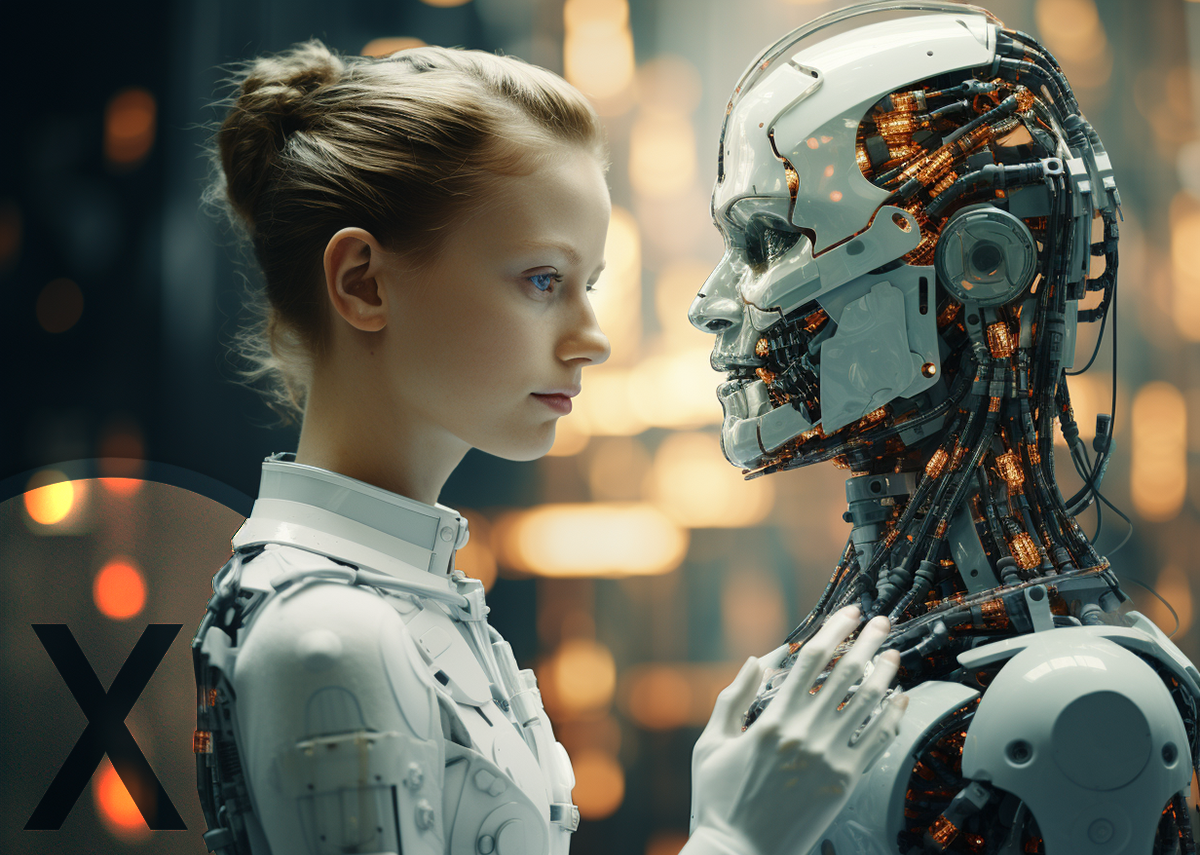
AI & XR 3D Rendering Machine: Image Creation with AI – The Big Comparison – DALL·E vs. Midjourney – Image: Xpert.Digital
🌟 Artificial Intelligence (AI) in image composition 🎨
🧠 Early beginnings of AI in image generation 🖼️
Artificial intelligence (AI) has revolutionized the field of image creation in recent years and has become an essential tool for artists, designers, and creative professionals. However, the beginnings of AI that became publicly known for generating images date back at least to the mid-20th century, if we consider basic research and the first programs capable of generating artistic patterns or figures as our starting point. The modern, widely accessible form of image generation through AI, however, is a phenomenon that only gained widespread popularity in the 2010s.
🚀 Progress through artificial neural networks and deep learning 🧠🎨
With advances in computer science and the emergence of powerful algorithms, researchers began experimenting with how machines could be involved in the creation of artistic works. One of the significant milestones was the development of artificial neural networks, which function and learn much like the human brain. This technology enabled AIs to process complex data and recognize patterns, laying the foundation for modern AI art.
💥 Breakthrough with Generative Adversarial Networks (GANs) 🔍👥
The early 2010s saw a breakthrough with the popularization of deep learning, and specifically with Generative Adversarial Networks (GANs), introduced in 2014 by Ian Goodfellow and his colleagues. GANs quickly became a key technology for generating realistic images. They consist of two neural networks working against each other: a generator that produces images and a discriminator that assesses whether these images are real or generated by the AI. This technique led to a more vivid and compelling art form that captured public attention.
🌌 Interest is rising with Google's DeepDream and surreal-looking images 🌀📸
The release of projects like Google's DeepDream in 2015, which generated surreal-looking images from existing photos, further fueled interest in AI-generated art. Users could see how an algorithm-driven system altered images in ways that differed significantly from human actions. This resulted in unique, often dreamlike visual representations that became a social media sensation.
💻 GPT-2 and DALL·E expand AI capabilities in image generation 🤖🎨
A further leap forward came with the release of OpenAI's GPT-2 in 2019, which, while primarily designed for text, also offered the possibility of implementing simple forms of image generation. The subsequent version, GPT-3, significantly improved these capabilities and enabled even more versatile interaction between AI and human users. DALL·E, based on GPT-3, soon followed, demonstrating to the public just how detailed and creative AI can be with visual concepts.
🎨 Accessible AI tools are shaping the creative landscape 🌈🔧
In the second half of the 2010s, access to easier-to-use AI tools led to more and more creatives beginning to experiment with AI. Platforms like Artbreeder and apps like Prisma, which use AI to transform photos into works of art, brought AI into the spotlight as a creative tool.
Today, AI-powered image generation is virtually indispensable in the creative field. AI tools like Midjourney and others are constantly evolving, offering users ever-new possibilities for creating unique images. These tools are no longer just for specialists, but accessible to anyone with internet access.
⚖️ Copyright and ethics raise important questions ❓🔒
The application of AI in image and art production has also raised important questions regarding copyright and ethics. Since AIs are trained on existing data, often derived from human creations, discussions arise about who owns the rights to AI-generated works and how originality should be defined in this context.
📚 AI in image creation: Past, present and future 📅🔮
AI has existed in image creation for decades, but it has only achieved its prominent position in the public eye in the last ten years. With continuous technological improvements and increasing accessibility, AI tools will likely continue to influence how images are created and viewed for a long time to come. They have expanded the boundaries of creativity, and it will be exciting to see how this technology develops and what role it will play in the future of art.
📣 Similar topics
- 🎨 AI in image creation: A brief history
- 👾 Deep Learning and GANs: A Revolution in Art
- 🤖 The beginnings of artistic AI
- 🔮 AI Art: Then and Now
- 🌌 DeepDream and the era of visual surrealism
- 📡 GPT-3 and the evolution of image-generating AI
- 🎭 Prisma & Artbreeder: AI as a tool for everyone
- ✨ Midjourney: The Democratization of AI Creativity
- ⚖️ Copyright and ethics in AI-generated art
- 🧬 The continuous development of AI art tools
#️⃣ Hashtags: #AIImageDesign #AIArt #GenerativeArt #AIinArt #CreativewithAI
🤖📊🔍 The report 'Artificial Intelligence – Perspective of the German Economy' offers you a diverse thematic overview

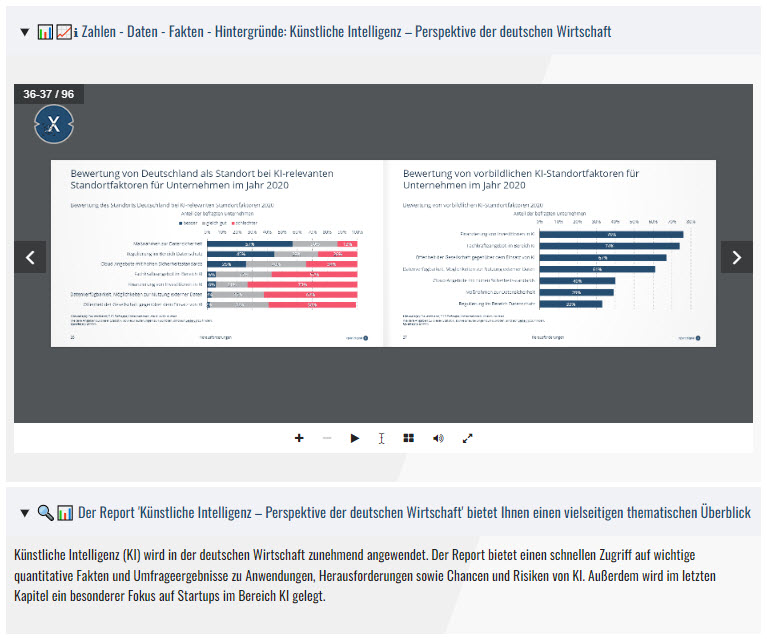
Facts, figures, and background information: Artificial intelligence – the perspective of the German economy – Image: Xpert.Digital
We currently no longer offer our newer PDFs for download. These are only available upon direct request.
However, you can find the PDF “Artificial Intelligence – Perspective of the German Economy” (96 pages) in our
📜🗺️ Infotainment portal 🌟 (e.xpert.digital)
under
https://xpert.digital/x/ai-economy
with the password: xki
view.

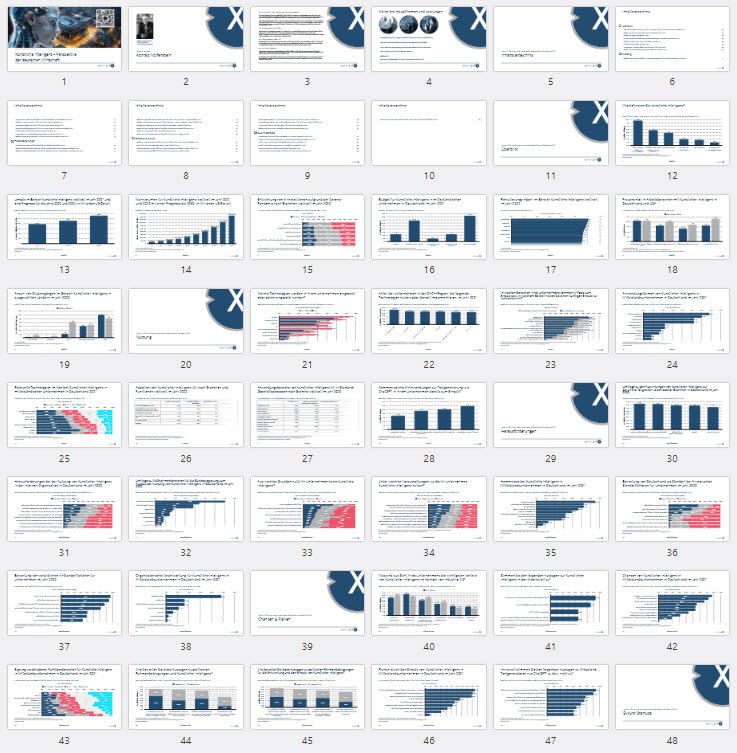
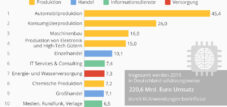
How AI is shaping Germany's industrial landscape – AI technologies as a new export opportunity – Image: Xpert.Digital
🤖 Which is better? DALL·E or Midjourney? What other alternatives are there? 👩🎨
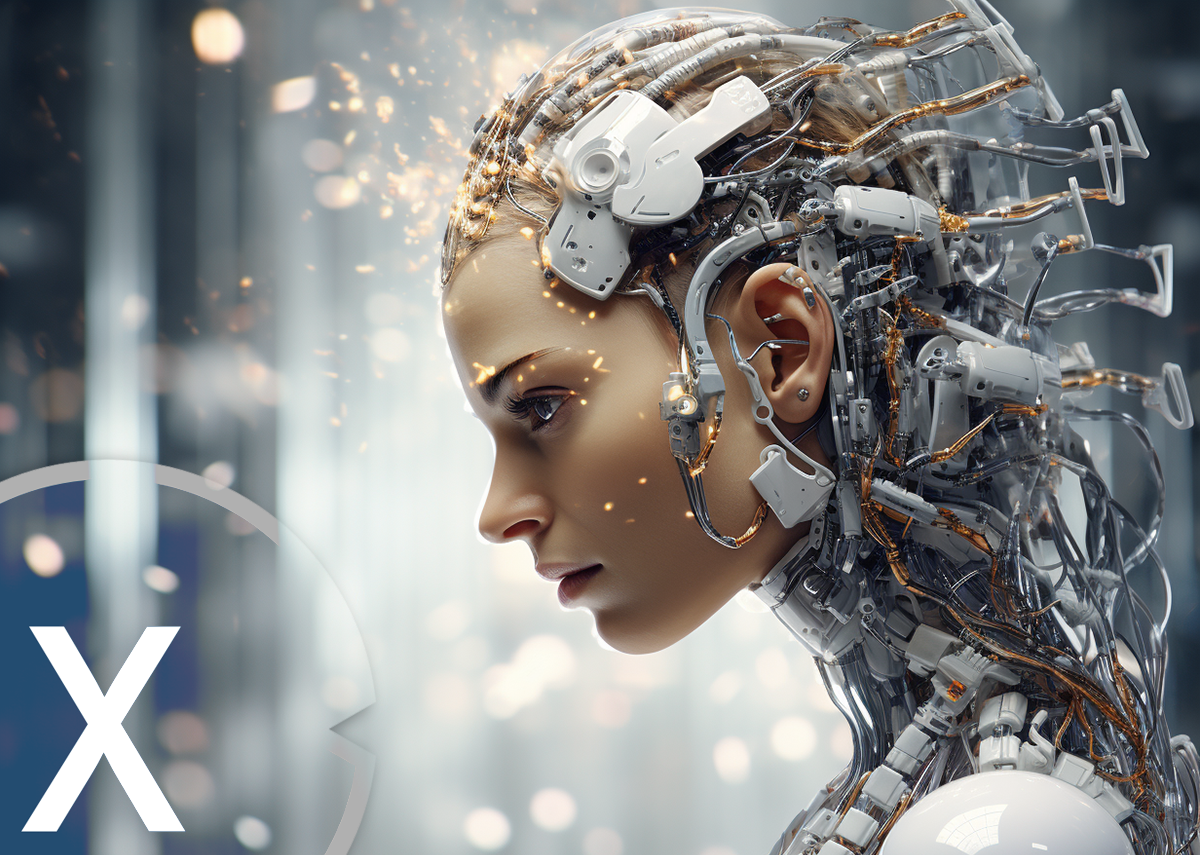
AI & XR 3D Rendering Machine: Which is better? Image creation with AI – DALL·E or Midjourney? What other alternatives are there? – Image: Xpert.Digital
In the discussion about which tool – DALL·E or Midjourney – is superior, various aspects must be considered to gain a nuanced understanding. Both are AI-based systems trained to generate images from text descriptions, and each has its own strengths and alternatives, each serving different use cases and user preferences.
🔶 DALL·E
DALL·E, a program developed by OpenAI, is named after the famous artist Salvador Dalí and the Pixar film "Wall-E". It uses an advanced version of GPT-3 to generate images characterized by a high degree of creativity and detail. Images created with DALL·E can produce surreal and often humorous results, sometimes resembling Dalí's art.
DALL·E's strengths lie particularly in its attention to detail and its ability to interpret complex instructions. It can not only generate specific objects but also skillfully manipulate their properties, such as texture or lighting. Furthermore, DALL·E is capable of incorporating references to cultural contexts or puns into its visual creations.
🔷 Midjourney
Midjourney is also an AI that specializes in generating visual content. It appears to take a slightly different approach, focusing more on stylistic diversity and aesthetic image composition. Images created by Midjourney often exhibit a kind of signature style that can be associated with the characteristics of specific art movements or photographic techniques.
One of Midjourney's strengths is its efficient implementation of artistic visions and the generation of images that could serve as a valuable source of inspiration for designers and artists. Depending on the prompt used, Midjourney can adopt different styles, making it a versatile tool.
⚖️ Comparison and decision-making aid
Deciding whether DALL·E or Midjourney is "better" depends heavily on the intended use. If you need highly detailed and precise images with the ability to focus on subtle nuances, DALL·E might be the right choice. However, if you're looking for unique, stylistically diverse images, Midjourney could be the better alternative.
Both systems have one thing in common: they are constantly learning. With every image created and every new piece of user feedback, their algorithms and the quality of the results improve.
🔧 Alternative Tools
There are other alternatives to AI-generated image creation, such as DeepDream, Artbreeder, DeepArt, RunwayML, StarGAN, and This Person Does Not Exist. Choosing the right tool depends on various factors, including results, ease of use, and ethical considerations.
The balance between human artistry and machine creation is crucial when using AI tools in art and design. Ultimately, the choice of the "better" AI lies in the hands of the users and their understanding of art and technology.
It is also important to mention that the use of these artificial intelligences is fueling a discussion about copyright, authenticity, and the definition of creativity in the modern world. While these technologies offer impressive possibilities, it is crucial to strike a balance between respecting human art and the potential of machine creation. The decision as to which AI is "better" therefore lies not only in its technical capabilities but also in the hands of users and their understanding of art and the application of this technology.
Choosing the right tool depends not only on the desired results, but also on factors such as user-friendliness, accessibility, cost, and ultimately one's own ethical and creative attitude towards the use of AI in art and design.
🌐🎨 Besides DALL·E and Midjourney, there are other alternatives on the AI-generated image market
🌀 DeepDream
An AI program developed by Google, known for creating very trippy and surreal-looking images by amplifying patterns in the images.
🌿 Artbreeder
A platform for creating combinations and variations of images through a process that can be described as "genetic" blending of properties from different images. It allows users to intuitively create and modify faces, landscapes, and other objects.
🎨 DeepArt
It focuses on transforming photographs into works of art by using the style of famous artists like Van Gogh or Picasso. It specializes in the stylistic transformation of existing images.
🚀 RunwayML
A creative toolkit platform that allows even laypeople to experiment with AI and train their own models without in-depth technical knowledge.
👤 StarGAN
An AI that specializes in facial modification and can, for example, change a person's age or hairstyle in a picture.
👥 This Person Does Not Exist
A website that generates hyperrealistic faces of people who don't actually exist. Based on GAN (Generative Adversarial Network) technology, it impressively demonstrates how far the technology has already advanced.
📣 Similar topics
- 🎨 DALL·E vs. Midjourney: AI Art Compared
- 🤖 Alternative AI tools for creative image generation
- 👁️ DeepDream: Creating surreal images through AI
- 🌌 Artbreeder: Genetic mixing of images
- 🖼️ DeepArt: Transform photos into masterpieces
- 🛠️ RunwayML: AI Experiments for Beginners
- 👩🎨 StarGAN: Facial Transformation Through Artificial Intelligence
- 🧑🎨 This Person Does Not Exist: Hyperrealistic AI Faces
- 🔍 AI in Art and Design: An Ethical Perspective
- 🤔 AI Creativity: The Future of Art?
#️⃣ Hashtags: #AIArt #DALLEvsMidjourney #AIImageGeneration #CreativityAndAI #TechnologyAndArt
📸 Top Ten Tips for Creating Images and High-Quality, Cost-Effective Photorealistic Product Images with Artificial Intelligence (AI) 🖌️
Creating high-quality product images is a crucial factor for success in e-commerce and other digital platforms. Photorealistic product images can positively influence purchasing decisions. With advancing technologies, especially artificial intelligence (AI), it's possible to create such images cost-effectively and efficiently. Below are ten essential tips for creating excellent product images using AI.
🧰 1. Choosing the right AI software
To get started, it's important to find the right AI software. It should be user-friendly, offer versatile editing tools, and have the ability to realistically represent different lighting conditions and material textures.
📊 2. Data quality and quantity
Train your AI with a large amount of high-quality data. More data, and especially high-quality images, are crucial for the AI to learn what constitutes photorealistic images.
🤖 3. Understanding AI Functions
Familiarize yourself with the functions of AI. Understand how to adjust parameters to improve image quality, for example by adjusting shading, reflections, and textures.
🌄 4. Adaptability and flexibility
Leverage the flexibility of AI to simulate different scenarios and environments. Experiment with various backgrounds, lighting, and positioning for your products.
💡 5. Feedback loops
Integrate feedback mechanisms to continuously monitor and improve the quality of the generated images. Feedback from potential customers can be particularly valuable in this regard.
📱 6. Optimization for different channels
Consider the requirements of different sales channels and adapt your images accordingly. Different platforms may require different image formats or resolutions.
⚙️ 7. Automation
Take advantage of the automation capabilities offered by AI tools to accelerate processes such as image background removal or image resizing for different device types.
🔄 8. Ongoing training
Keep your AI up-to-date by regularly training it with new data. Trends in product photography are constantly changing, and your AI should be able to keep up with these changes.
⚖️ 9. Legal Aspects
Ensure that all image data used respects copyright laws. Educational materials for AI must be properly licensed or free of third-party rights.
🚀 10. Future-proof scalability
Think about the future and choose an AI solution that can grow with your business. The ability to efficiently process large volumes of images is essential for scaling your production capacity.
📣 Similar topics
- 🖌️ AI-powered photography: Tips for top-notch product images
- 🔍 Choosing the best AI software for realistic product visualizations
- 💾 Importance of data quality and quantity in AI-based image generation
- 🤖 Deep understanding of AI functionalities for image optimization
- 💡 Using AI to create diverse product environments
- 🔄 Using feedback loops for perfect AI-generated images
- 🎯 Adapting AI-generated images for various sales channels
- ⚙️ Simplifying image editing through AI automation
- 📈 Continuous training of your AI for current photography trends
- ⚖️ Legal tips for using images in AI applications
- 🚀 Future-proof scaling with AI-based image production
#️⃣ Hashtags: #AIProductPhotography #ImageEditingWithAI #PhotorealisticImages #AIInECommerce #ProductImageOptimization
🖼️🤖 AI in image production: Visual expectations and aesthetics 🎨
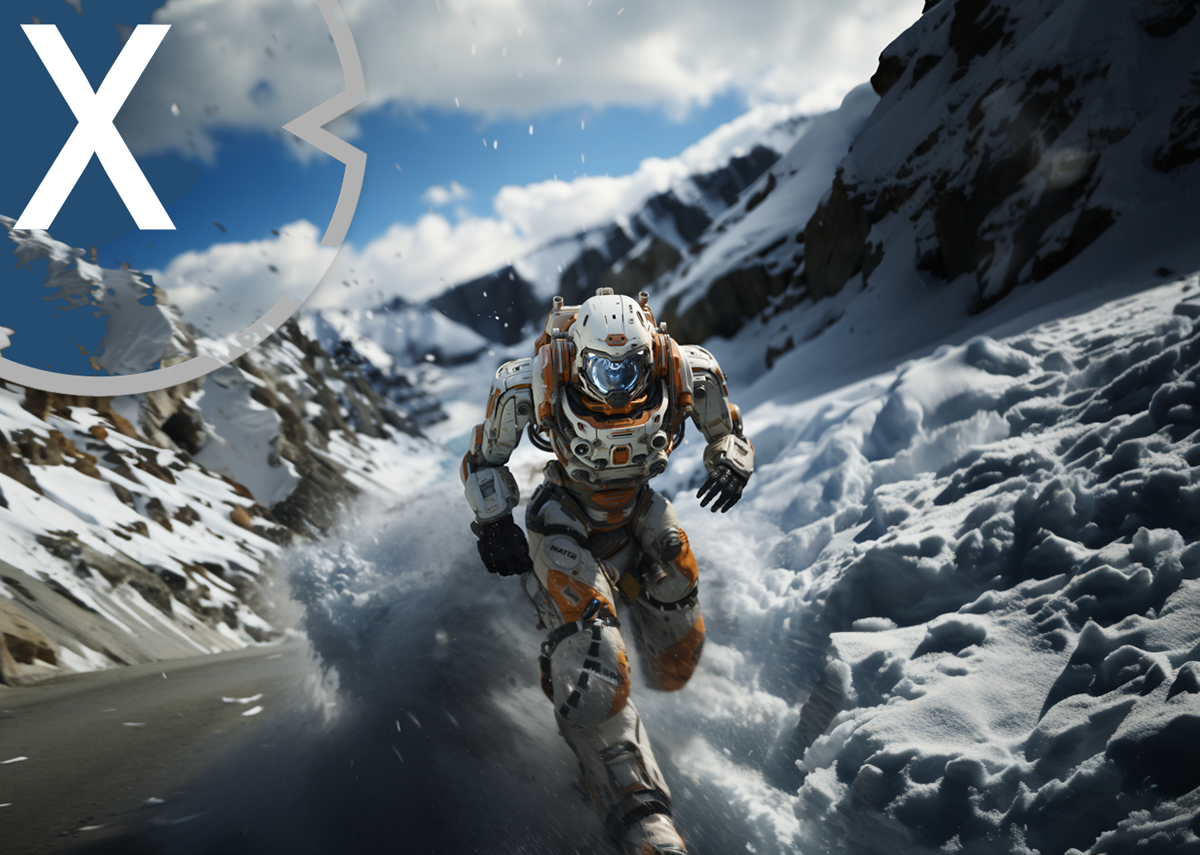
AI & XR 3D Rendering Machine: AI in image production – Visual expectations and aesthetics – Image: Xpert.Digital
🔍 Understanding of target group aesthetics
Using AI in image production is not just a matter of technical skills, but also requires a thorough understanding of your target audience's visual expectations. Aesthetics play a crucial role, and the AI should be trained to generate images that meet industry standards and customer expectations.
🖼️ The importance of product images
Product images are often the first point of contact between customers and products. AI-generated images must therefore not only be technically excellent, but also tell the product's story and evoke emotions. This includes highlighting the product's uniqueness and presenting its features and benefits in an appealing way.
📏 Quality assurance and benchmarks
It is also advisable to establish internal benchmarks and guidelines for quality assurance. This ensures that all product images, regardless of when they were created, convey a consistent quality and brand message.
🌐 Trends in AI-powered image editing
Furthermore, it would likely be advantageous to familiarize oneself with new developments and trends in the field of AI-supported image processing. For example, AI approaches based on machine learning can create image compositions that were previously impossible.
⚙️ Increased workflow efficiency
Integrating AI into the image production workflow can lead to significant efficiency gains after an initial training period. Processes that previously took days or weeks can often be completed in hours or even minutes.
🔝 Innovative approaches for the digital age
To satisfy the visual appetite of the digital age, innovative approaches to image production are needed. AI-powered solutions offer a promising way to meet the demands for speed, adaptability, and quality.
📈 Dynamic progress and market positioning
Ultimately, the use of AI in product image creation is a dynamic and ongoing process. Companies that adopt this technology are well-positioned for the future and can benefit from a stronger presence in the digital space. It is crucial, however, never to rest on their laurels but to continuously explore and expand the possibilities of AI. Only in this way can companies stay ahead of market demands and create visuals that inspire and drive sales.
📣 Similar topics
- 🔍 How AI is revolutionizing aesthetics in image production
- 📸 From pixel to emotion: AI in visual product presentation
- 🛠️ Using AI for consistent product image quality and brand identity
- 🌐 New horizons in image editing through machine learning
- 💼 Increased efficiency in image production through AI application
- 🚀 AI as a driver for fast and flexible image production
- 📈 AI in product image creation: An investment in the digital future
- 🌟 Continuous Innovation: The Path to Optimal AI-Supported Image Production
- 🏆 Impressive visuals: AI use as a competitive advantage
- 🔖 AI-powered image production: Exceeding expectations and conquering markets
#️⃣ Hashtags: #AI_Image_Production #VisualIntelligence #Product_Presentation #Efficiency_Through_AI #Digital_Image_Editing

Industrial & B2B Business Metaverse: Reduce costs with XR technology for photorealistic product images (XR 3D rendering machine)

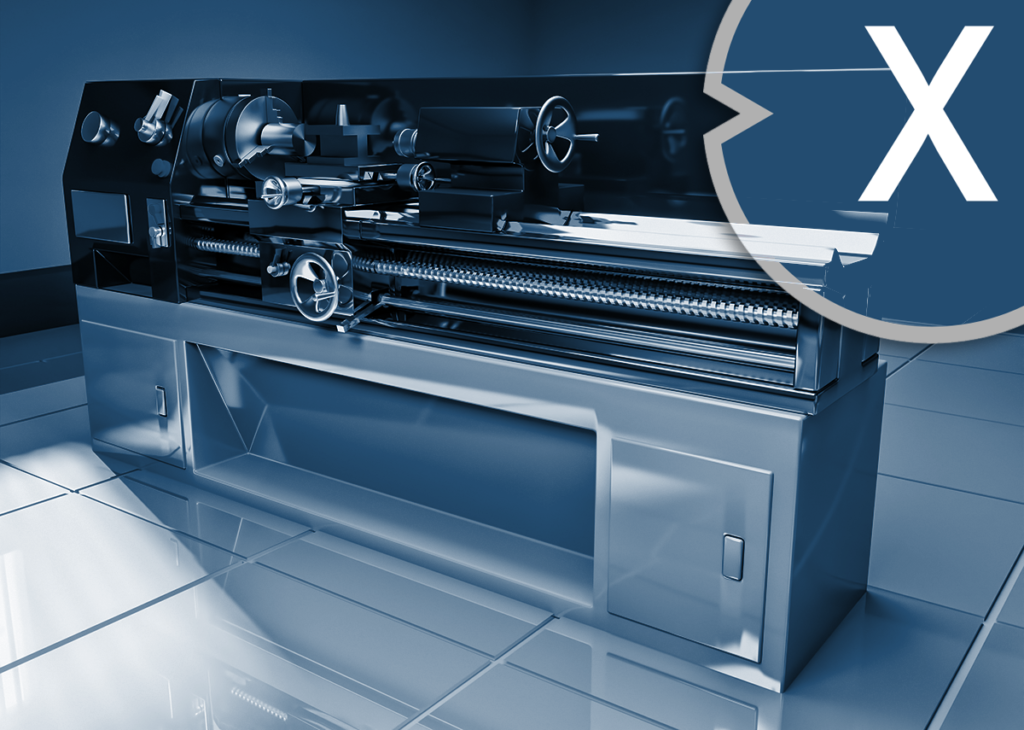
Lathe in photorealistic rendering (3D product presentation) - Image: Xpert.Digital
XR technology offers a superior solution for creating photorealistic images, allowing companies to avoid the expensive fees charged by external media agencies. It's well known that media agencies charge high prices for creating such images, as this requires expertise, specialized software, and collaboration with various specialists.
More information here:
Plan your solar system for the most common applications conveniently online with our solar system planner!
With our user-friendly solar system planner, you can design your individual solar system online. Whether you need a solar system for your home, your business, or for agricultural purposes, our planner allows you to consider your specific requirements and develop a customized solution.
The planning process is simple and intuitive. You simply enter the relevant information. Our planner takes this information into account and creates a customized solar system that meets your needs. You can try out different options and configurations to find the optimal solar system for your application.
Furthermore, you can save your plan to review it later or share it with others. Our customer service team is also available to answer any questions and provide support to ensure your solar system is optimally planned.
Use our solar system planner to design your individual solar system for the most common applications and accelerate the transition to clean energy. Get started now and take an important step towards sustainability and energy independence!

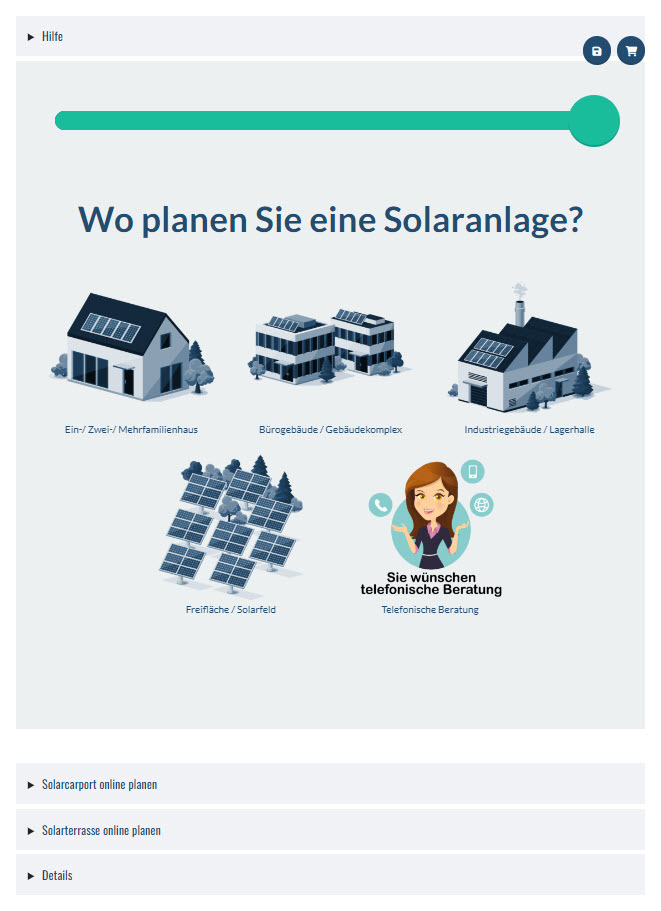
The solar system planner for the most common applications: Plan your solar system online here - Image: Xpert.Digital
More information here:
We are here for you - Consulting - Planning - Implementation - Project Management
☑️ Smart City & Factory: Industry expert for energy-efficient 5G buildings and halls, as well as consulting and installation of solar systems
☑️ Xpert.Plus - Logistics consulting and logistics optimization
☑️ Industry expert, here with his own Xpert.Digital industry hub with over 1,500 specialist articles

Konrad Wolfenstein
I would be happy to serve as your personal advisor.
You can contact me by filling out the contact form below or simply call me on +49 7348 4088 965 .
I'm looking forward to our joint project.
Write to me


Xpert.Digital - Konrad Wolfenstein
Xpert.Digital is a hub for industry focusing on digitalization, mechanical engineering, logistics/intralogistics and photovoltaics.
With our 360° Business Development solution, we support renowned companies from new business to after-sales.
Market intelligence, smarketing, marketing automation, content development, PR, mail campaigns, personalized social media and lead nurturing are part of our digital tools.
You can find more information at: www.xpert.digital - www.xpert.solar - www.xpert.plus
Keep in touch