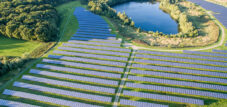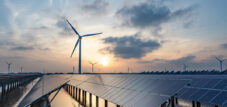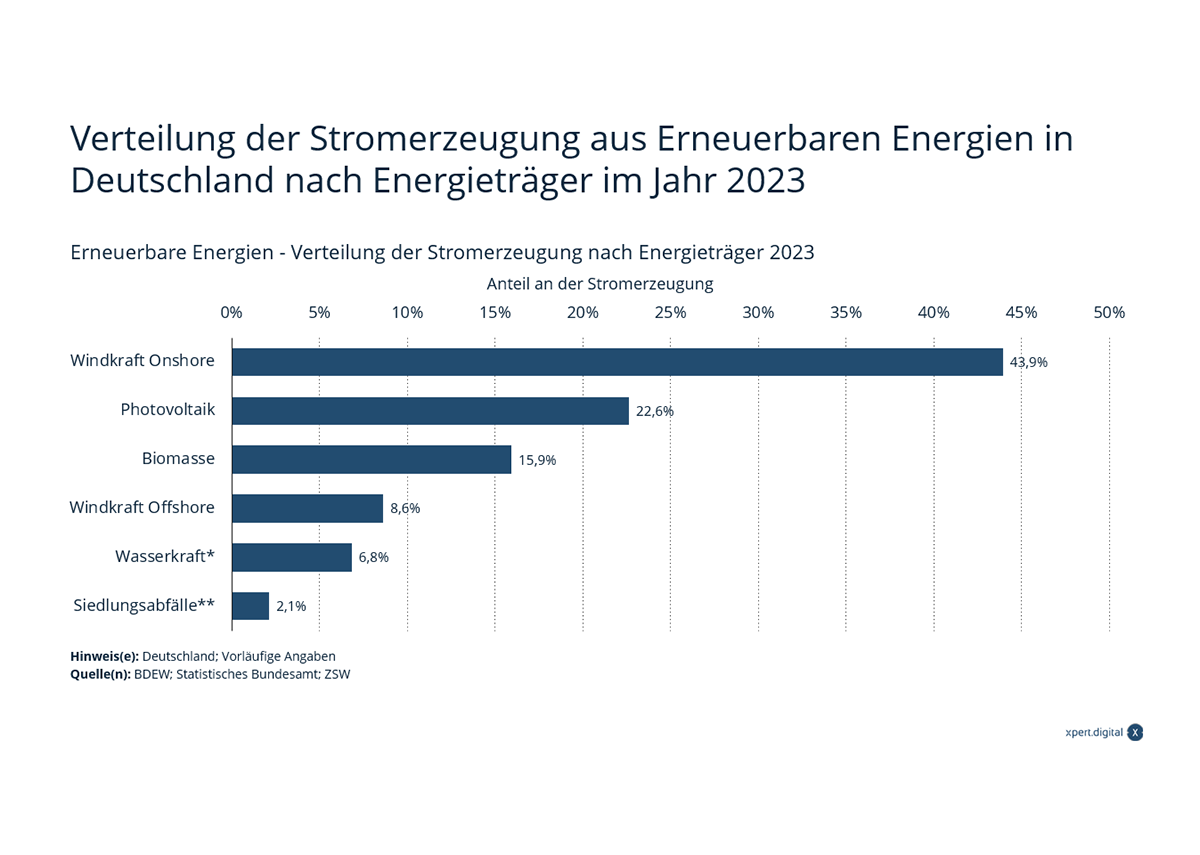
Wind power in Germany: In 2023, its share of gross electricity generation from renewable energies was 43.9 percent – Image: Xpert.Digital
🍃 Wind power: Opportunities and challenges in modern energy supply
🌟 The importance of wind power in Germany
Germany is among the leading nations in the field of wind energy. In 2022, Germany, along with China and the USA, was one of the world's top countries in terms of installed wind turbine capacity. The amount of electricity generated from wind power has increased significantly in recent years, both onshore and offshore. This is also reflected in the statistics: Onshore wind power accounted for 43.9 percent of Germany's gross electricity generation from renewable energy sources. Across all energy sources, onshore wind power contributed approximately 24 percent in 2023.
🚩 Site selection and efficiency of wind turbines
The efficiency of wind turbines depends heavily on their location. Ideal conditions are found in areas with high wind speeds, such as open spaces, mountainous regions, and the sea. Offshore wind farms, meaning wind turbines located off the coast, are particularly efficient, but also more expensive and complex to construct than onshore installations. Nevertheless, they are playing an increasingly important role because they can harness consistent and strong winds, resulting in a higher energy yield.
One disadvantage of onshore wind turbines is their potential impact on the landscape and their proximity to residential areas, which can be problematic due to noise and shadow flicker. These factors make site selection and permitting processes a complex challenge.
💡 Technological advances and innovation potential
Significant technological advances have been made in the field of wind energy in recent years. Modern wind turbines have become larger and more efficient. New materials and designs have improved the lifespan and performance of the turbines. Furthermore, digitalization enables more precise control and maintenance of wind turbines, which reduces operating costs and increases reliability.
One promising area of innovation is the development of floating offshore wind farms. This technology allows wind turbines to be relocated to deeper waters where stronger and more consistent winds prevail. Floating wind farms could thus significantly increase the potential of offshore wind energy and overcome the geographical limitations of traditional offshore installations.
🚧 Challenges and solutions
Despite the progress and potential, wind energy faces several challenges. One of the biggest is its dependence on wind conditions. In low wind or calm conditions, other energy sources must be used, which affects the reliability of wind energy. Various approaches are being developed to address this problem:
1. Energy mix and storage technologies
Integrating wind energy into a broader energy mix that includes other renewable energies such as solar and hydropower can increase security of supply. Furthermore, energy storage technologies such as battery storage and power-to-gas systems are being developed and deployed to store surplus electricity and make it available again when needed.
2. Network expansion and stability
Expanding and modernizing the electricity grid is crucial to balancing the fluctuating feed-in from wind turbines. Smart grids, characterized by intelligent control systems, can improve grid stability and enable more efficient use of the generated energy.
3. Political and regulatory framework
A clear and supportive policy is essential to promote the expansion of wind energy. This includes permitting procedures, financial incentives, and investments in research and development. In Germany, a number of measures have been implemented in recent years to accelerate the expansion of wind power, including adjustments to minimum distance regulations and the provision of funding for innovative projects.
🌍 Future prospects of wind energy
The future of wind energy looks promising, especially if existing challenges can be overcome and the technology's full potential realized. With continued investment in research and development, greater integration into the energy mix, and the use of advanced technologies, wind power can make an even greater contribution to the global energy supply.
Germany has set itself ambitious goals to further increase the share of renewable energies. By 2030, the share of wind energy in electricity generation is to be significantly increased in order to achieve climate targets and reduce dependence on fossil fuels. However, this requires not only technological innovations, but also societal commitment and public acceptance for the expansion of wind power plants.
🌬️ Wind power is an indispensable component
Wind power is an indispensable component of a sustainable energy future. Despite its challenges, it offers enormous opportunities for reducing greenhouse gas emissions and creating a secure and sustainable energy supply. Germany plays a leading role in wind energy use and, through continuous innovation and political support, can further develop its position as a global pioneer. The successful integration of wind energy into the energy mix will be crucial for achieving climate targets and securing a sustainable future.

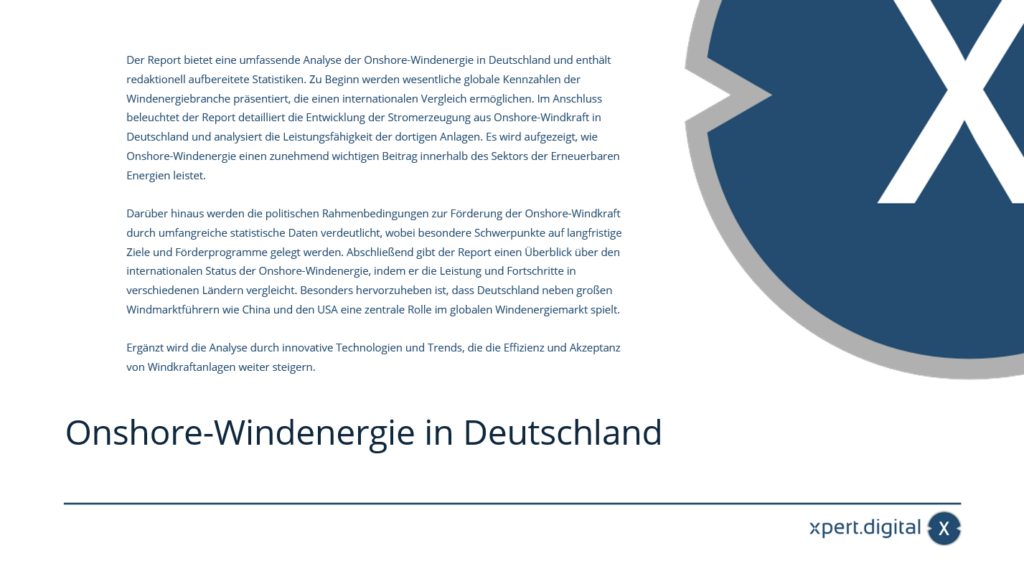
Onshore wind energy in Germany – Image/PDF: Xpert.Digital
📣 Similar topics
- 🌪️ The importance of wind power in Germany
- 📊 Efficiency of onshore and offshore wind turbines
- 🚀 Technological advances in wind energy
- 📉 Challenges and solutions in wind energy
- 🎯 Future prospects of wind energy in Germany
- 🏞️ Site selection for wind turbines
- 🌐 Floating offshore wind turbines of the future
- ⚡ Energy storage technologies for greater reliability
- 🏗️ Grid expansion and smart grids for wind energy
- 🥇 Germany's pioneering role in wind energy use
#️⃣ Hashtags: #WindEnergy #RenewableEnergy #EnergyTransition #ClimateProtection #TechnologicalInnovation
🌬️ Challenges in wind energy expansion in Germany
The expansion of wind energy in Germany faces significant challenges. In many federal states where wind turbines are planned, numerous projects have fallen behind schedule. This has far-reaching consequences for the desired energy transition and the use of renewable energy sources in the country. Particularly in North Rhine-Westphalia, Brandenburg, and Lower Saxony, there are considerable delays in the completion of wind turbines.
🕒 Delays and reasons
The expansion of wind energy in Germany is hampered by various factors. One of the main reasons for the delays is lengthy bureaucratic approval processes. It often takes years for a wind turbine to receive all the necessary permits, leading to significant delays. Furthermore, there are transportation difficulties in delivering wind turbine components and rising material costs, which increase the cost of the projects.
🗺️ Regional differences
The delays are not evenly distributed across the country. North Rhine-Westphalia tops the list of affected states, followed by Brandenburg and Lower Saxony. This reflects regional differences in permitting processes and logistical challenges.
🎯 Target value not reached
Even if all planned wind turbines were completed on time, the targeted total output would still be a long way off. Current estimates show that Germany's total wind power capacity is currently around 72.4 gigawatts, which is about 37 percent below the targeted value.
🌍 Energy transition and climate protection
The expansion of wind energy is crucial for Germany's energy transition and climate protection. Renewable energies, including wind power, are intended to account for a significant share of electricity generation in Germany and reduce dependence on fossil fuels. Delays in wind power expansion could jeopardize the achievement of these goals.
🚀 Measures to accelerate the process
The German Federal Government has recognized that measures must be taken to accelerate the expansion of wind energy. This includes simplifying permitting procedures, improving the infrastructure for transporting wind turbine components, and promoting innovation in the wind energy sector.
💼 Economic impact
The wind energy sector has the potential to offer significant economic benefits, including job creation and investment in the regional economy. However, delays in its expansion could diminish these positive effects.
🌎 International Perspective
Germany is not alone in facing these challenges. The expansion of renewable energies, and wind power in particular, is of global importance in the fight against climate change. Other countries are experiencing similar difficulties in implementing their renewable energy transitions.
📣 Similar topics
- 🌬️ Wind energy expansion in Germany: Challenges and opportunities
- 💼 Bureaucratic hurdles: Delays in the wind power sector
- 🗺️ Regional differences: Wind energy projects in Germany
- ⚡ Target missed: The level of wind energy output
- 🌍 Energy transition and climate protection: The role of wind energy
- 🚀 Measures to accelerate: Pathways to wind energy expansion
- 💰 Economic impacts: Wind energy and the economy
- 🌎 International Perspective: Wind Energy Worldwide
- 🏗️ Infrastructure problems: Logistical challenges in the wind power sector
- 🌿 Sustainable future: Wind energy and renewable energies
#️⃣ Hashtags: #WindEnergy #EnergyTransition #ClimateProtection #Delays #RenewableEnergy
🌿🍃 The delays in the expansion of wind energy in Germany are a serious obstacle to the energy transition and climate protection. It is crucial that measures are taken to overcome these obstacles and accelerate the expansion of renewable energies, especially wind power, in order to achieve the country's long-term energy goals.
Plan your solar system for the most common applications conveniently online with our solar system planner!
With our user-friendly solar system planner, you can design your individual solar system online. Whether you need a solar system for your home, your business, or for agricultural purposes, our planner allows you to consider your specific requirements and develop a customized solution.
The planning process is simple and intuitive. You simply enter the relevant information. Our planner takes this information into account and creates a customized solar system that meets your needs. You can try out different options and configurations to find the optimal solar system for your application.
Furthermore, you can save your plan to review it later or share it with others. Our customer service team is also available to answer any questions and provide support to ensure your solar system is optimally planned.
Use our solar system planner to design your individual solar system for the most common applications and accelerate the transition to clean energy. Get started now and take an important step towards sustainability and energy independence!

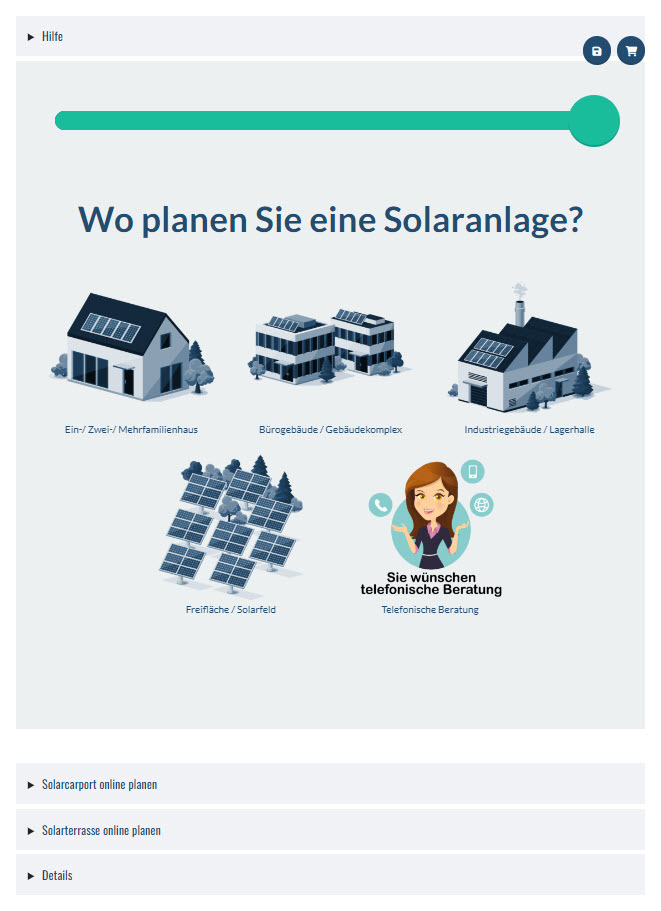
The solar system planner for the most common applications: Plan your solar system online here - Image: Xpert.Digital
More information here:
We are here for you - Consulting - Planning - Implementation - Project Management
☑️ Expert advice on energy-efficient renovation and new construction
☑️ with solar solutions and heat pumps/air conditioners

Konrad Wolfenstein
I would be happy to serve as your personal advisor.
You can contact me by filling out the contact form below or simply call me on +49 157 30 44 9 555 .
I'm looking forward to our joint project.
Write to me


Xpert.Digital - Konrad Wolfenstein
Xpert.Digital is a hub for industry focusing on digitalization, mechanical engineering, logistics/intralogistics and photovoltaics.
With our 360° Business Development solution, we support renowned companies from new business to after-sales.
Market intelligence, smarketing, marketing automation, content development, PR, mail campaigns, personalized social media and lead nurturing are part of our digital tools.
You can find more information at: www.xpert.digital - www.xpert.solar - www.xpert.plus
Keep in touch