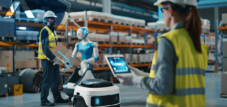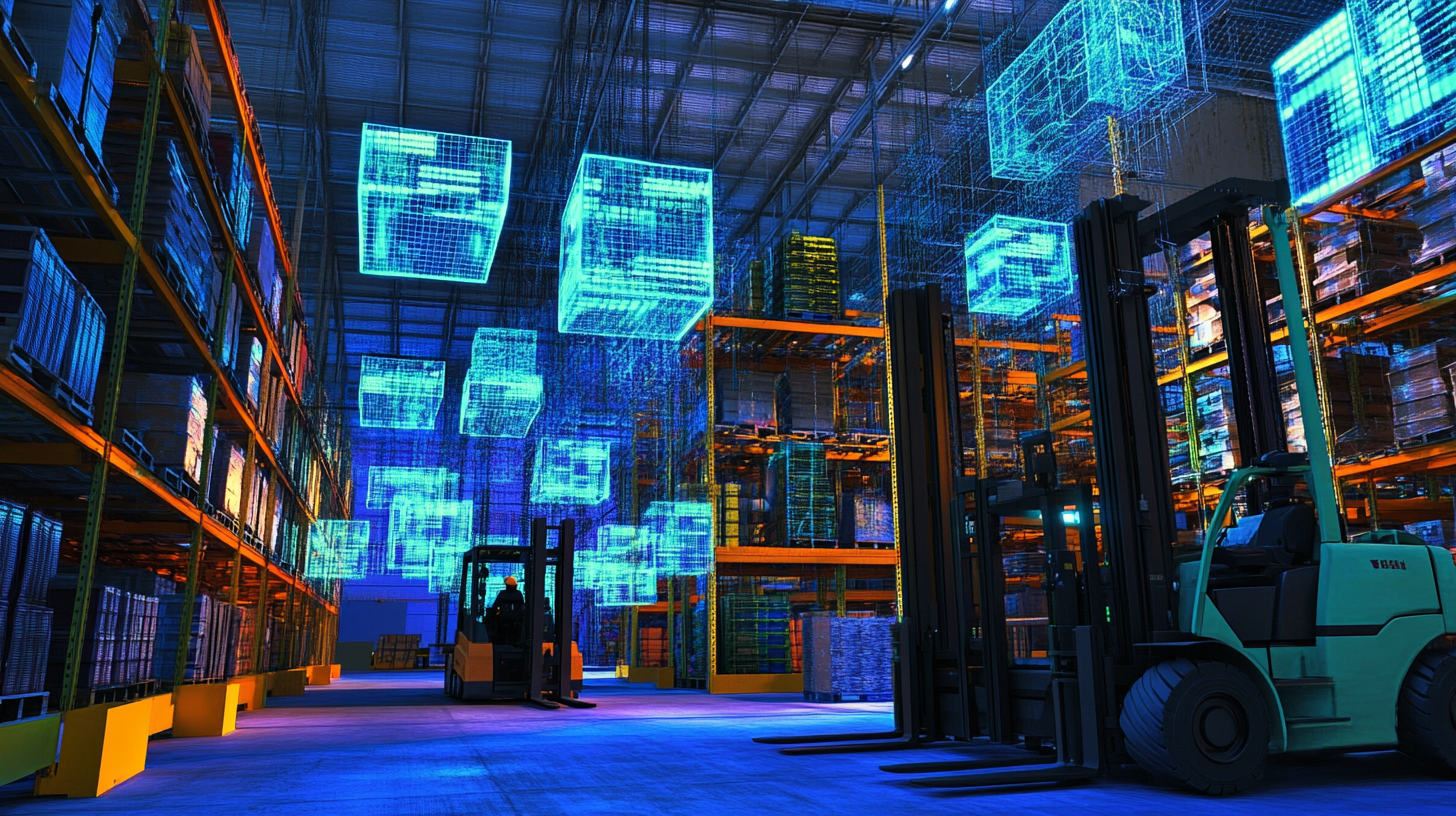
Warehouse optimization in the USA through warehouse automation and retrofit – 80% are still not automated! – Image: Xpert.Digital
From manual labor to high-tech: The transformation of warehouse automation in the USA
In the United States, over 80% of warehouses are currently not automated. This figure may seem surprising at first glance, especially given the growing demand for fast delivery times and increasing labor shortages. However, the warehouse automation sector is undergoing a profound transformation that will fundamentally change the entire logistics industry in the coming years. Companies are increasingly investing in technology to improve their efficiency, meet customer expectations, and maintain their competitive edge.
Current situation of warehouse automation
The current state of warehouse automation in the USA is sobering:
- It is estimated that approximately 80% of warehouses in the United States are not yet automated. This figure aligns with global statistics showing that a similarly large proportion of warehouses worldwide operate without automation.
- Only about 15% of warehouses have been mechanized in the last ten years, while only 5% use highly developed automation technologies.
This lag stems from a variety of challenges, ranging from high costs and a lack of expertise to complex integration processes. Despite these obstacles, there are indications that the level of automation will increase significantly in the coming years.
Related to this:
Reasons for the low level of automation
The advantages of warehouse automation are numerous and include increased efficiency, reduced error rates, and improved working conditions. Nevertheless, there are several reasons why many companies have so far refrained from automation:
High initial investments
Implementing automation technologies is costly. In addition to purchasing hardware, there are also costs for integration and employee training. Small and medium-sized enterprises (SMEs) in particular shy away from these investments.
Lack of expertise
Approximately 28.3% of companies report a lack of internal expertise required for implementing automation projects. This knowledge gap significantly hinders the adoption of new technologies.
Integration problems
Existing warehouse infrastructures are often not designed to accommodate automation technologies. Almost a quarter of companies (24.5%) cite difficulties in integrating them into existing systems as one of their biggest challenges.
Lack of awareness of the benefits
Many companies are unaware of the potential benefits of automation or underestimate its long-term profitability.
Advantages of warehouse automation
Despite the hurdles, the advantages of automation speak for themselves:
- Increased efficiency: Automated systems can perform tasks such as picking, sorting and loading much faster and more accurately than humans.
- Cost savings: In the long term, automation leads to lower operating costs, as less staff is needed and errors are reduced.
- Scalability: Automated systems can be easily adapted to changing requirements, for example during seasonal peaks.
- Competitive advantages: Companies that invest in automation can offer their customers shorter delivery times and greater reliability.
Key trends and developments
The coming years promise dynamic growth in the field of warehouse automation. Several studies and market forecasts show that the demand for automated solutions is rising rapidly
- By 2027, approximately 26% of warehouses worldwide are expected to be automated. This is a significant increase compared to the 18% recorded at the end of 2021.
- The global warehouse automation market is expected to reach a volume of US$35 billion by 2025, with an average annual growth rate of 12% between 2021 and 2024.
- Particularly strong growth is predicted in North America: The market value could rise from US$7.5 billion in 2024 to US$23.2 billion in 2031, with an impressive annual growth rate of 17.4%.
These figures illustrate that warehouse automation is no longer a future topic, but is already playing an increasingly important role in the present.
Warehouse automation technologies
Automation encompasses a wide range of technologies used for different purposes:
- Automated Storage and Retrieval Systems (AS/RS): These systems enable the automated storage and retrieval of goods. They are particularly efficient when handling small items and high turnover rates.
- Driverless transport systems (AGVs): These vehicles transport goods autonomously through the warehouse and reduce the need for human labor.
- Robot arms: These are frequently used for order picking and packing and offer high accuracy and speed.
- AI-supported systems: Artificial intelligence helps to optimize processes, e.g. by analyzing data to avoid bottlenecks and improve the flow of goods.
- Drones: Drones are increasingly being used for inventory monitoring and can scan warehouses faster and more efficiently than traditional methods.
Related to this:
Challenges in implementation
However, the implementation of automation technologies remains complex. In addition to the aforementioned high costs and integration problems, there are further challenges:
- Safety concerns: The introduction of robots and automated systems requires new safety concepts to prevent accidents.
- Regulatory requirements: In some cases, companies must comply with complex regulations that govern the use of certain technologies.
- Employee resistance: The fear of job loss often leads to resistance among the workforce. Companies must therefore develop clear strategies for employee retention and training.
Early automation leads to significant competitive advantages
With the rapid development of new technologies and the increasing acceptance of automation, companies will be able to make their warehouses more efficient and flexible. This will not only lead to lower costs and faster delivery times, but also create new opportunities for innovation and growth.
Companies that invest in automation early on will benefit from significant competitive advantages in the long term. At the same time, it remains crucial to address the challenges and ensure that the implementation of new technologies is socially and economically sustainable.
In the next 5 to 10 years, warehouse automation will no longer be the exception, but the rule. Companies that recognize and implement this change in time will secure their position in an increasingly digitalized and automated economy.
Related to this:
LTW Intralogistics Solutions

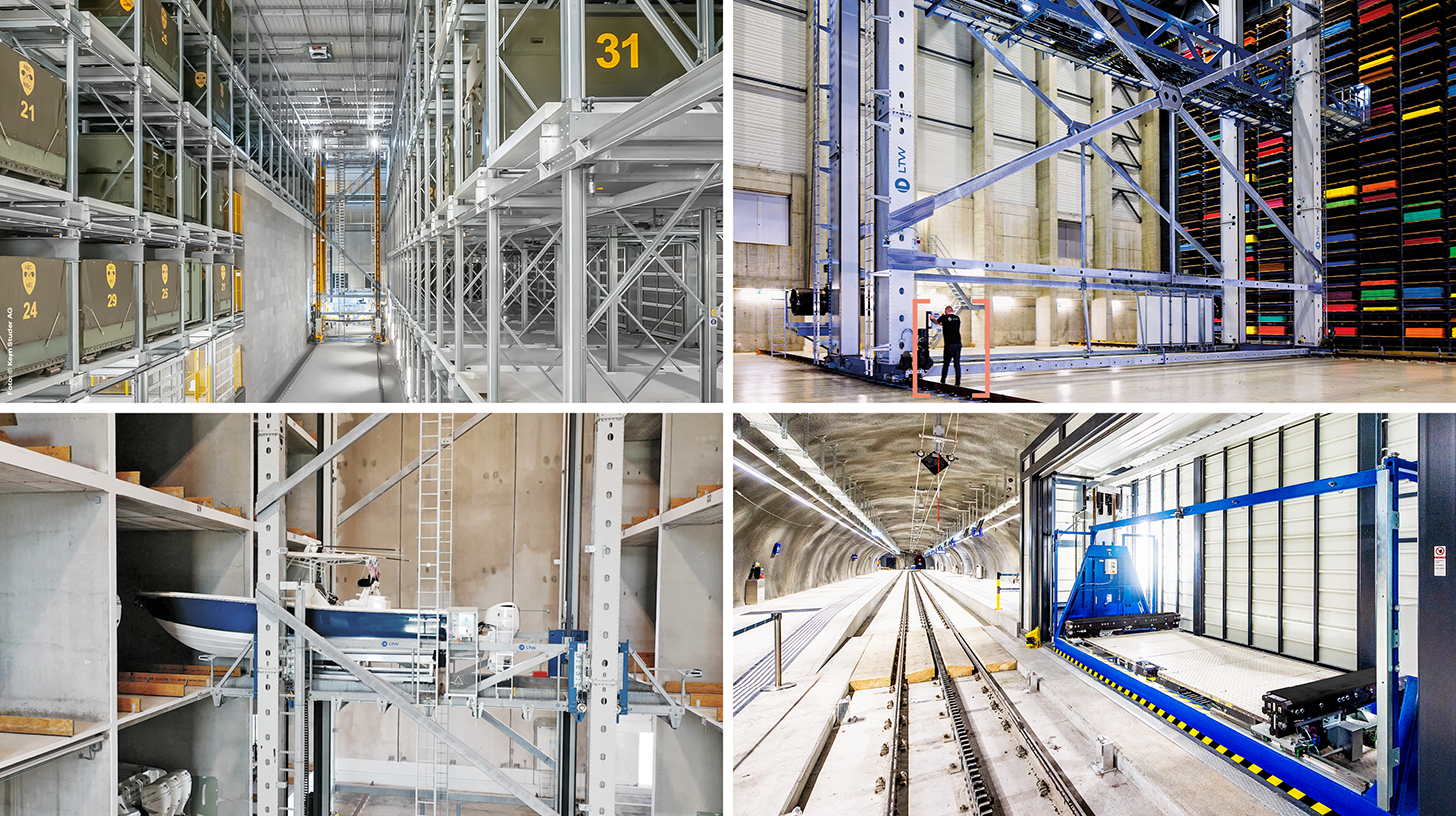
LTW Intralogistics – Engineers of Flow - Image: LTW Intralogistics GmbH
LTW offers its customers not individual components, but integrated complete solutions. Consulting, planning, mechanical and electrotechnical components, control and automation technology, as well as software and service – everything is networked and precisely coordinated.
In-house production of key components is particularly advantageous. This allows for optimal control of quality, supply chains, and interfaces.
LTW stands for reliability, transparency, and collaborative partnership. Loyalty and honesty are firmly anchored in the company's philosophy – a handshake still means something here.
Related to this:
Consulting - Planning - Implementation

Konrad Wolfenstein
I would be happy to serve as your personal advisor.
You can contact me at wolfenstein∂xpert.digital or
Just call me on +49 7348 4088 965 .