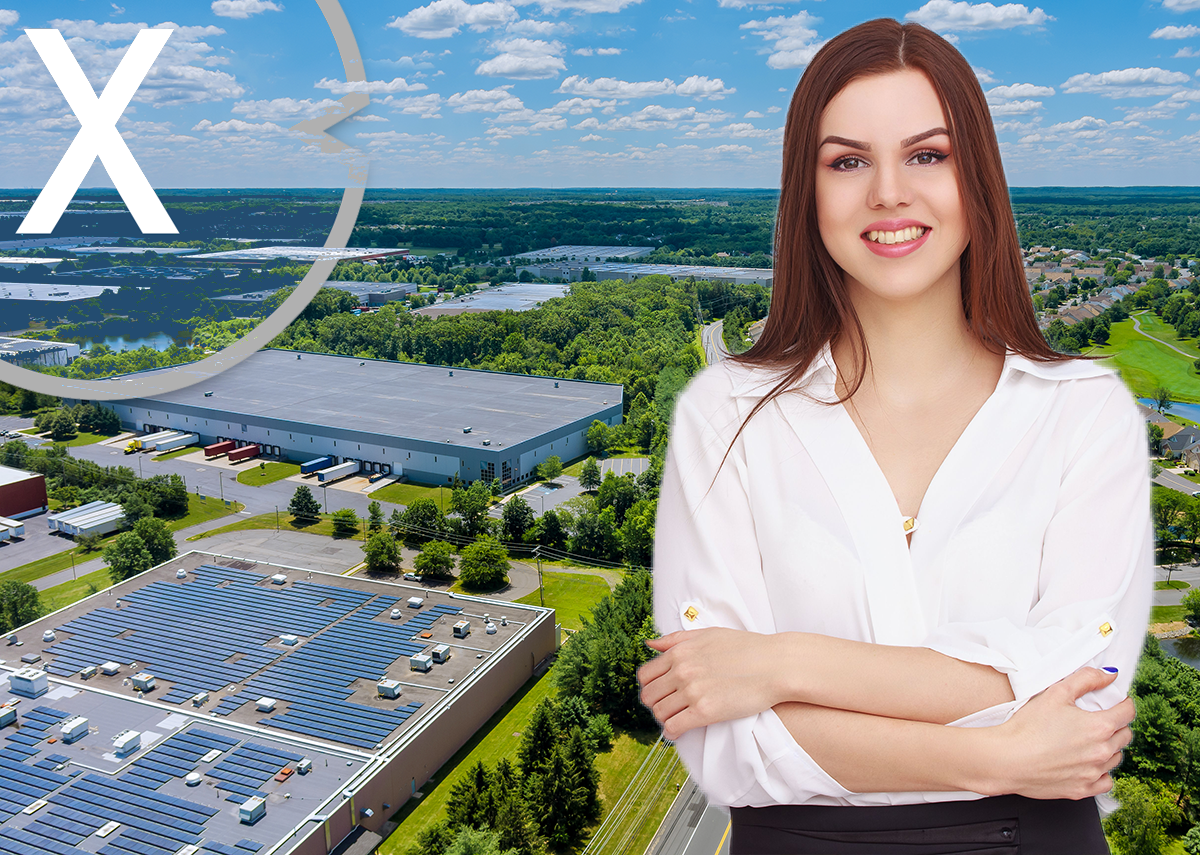
Sustainability certification systems for building, real estate and infrastructure projects – Image: Xpert.Digital
🏢 Sustainability certification systems for buildings, real estate and infrastructure projects 🌿
Welcome to your comprehensive guide to sustainability certification schemes for various types of construction projects! In a time when environmental awareness and sustainability are increasingly important, it is crucial that the construction industry also does its part. Here you will find everything you need to know about sustainability certifications for buildings, real estate, and infrastructure projects.
Why are sustainability certifications important? 🌍
The ecological footprint of the construction industry is considerable. From energy efficiency to the selection of environmentally friendly materials, numerous aspects must be considered to create more sustainable buildings. This is where sustainability certification systems come into play. They offer a structured framework that enables building owners, developers, and architects to make more environmentally friendly decisions and minimize ecological impacts.
The most important sustainability certification systems 🌱
In the world of sustainability certifications, there are numerous systems specifically tailored to different types of construction projects. Here are some of the leading systems:
1. LEED (Leadership in Energy and Environmental Design) 🌿
LEED is one of the best-known certification systems and focuses on energy efficiency, resource use, and indoor air quality. It covers a wide range of building types, including commercial properties, office buildings, and warehouses.
2. BREEAM (Building Research Establishment Environmental Assessment Method) 🍃
BREEAM is widely used in Europe and places great emphasis on reducing the environmental impact of buildings. It covers various sectors, including commercial and industrial construction.
3. DGNB (German Sustainable Building Council) ☘️
DGNB is a German certification system that is holistically designed and considers both ecological and social aspects. It is applicable to a wide variety of construction projects.
Benefits of certification 🌈
The certification of buildings and real estate according to sustainability standards offers a multitude of advantages:
- Energy savings: Certified buildings are generally more energy-efficient and result in lower operating costs.
- Value retention: Sustainable buildings often retain their value better and can have a higher resale chance.
- Health and comfort benefits: Certified buildings often offer better indoor air quality and a more pleasant environment.
- Reduce environmental impact: Sustainable building minimizes the ecological footprint.
Challenges and outlook 🔮
Although sustainability certification systems have a positive impact, they also face challenges. Costs, planning aspects, and the requirements of different certification systems can be complex. Nevertheless, long-term investment in sustainable building is worthwhile, both from an ecological and an economic perspective.
Similar topics 📣
- 📣 Sustainability certifications: A guide to environmentally conscious building
- 📣 Green building: Certification systems for sustainable architecture
- 📣 Energy efficiency in focus: Sustainable certifications for buildings and real estate
- 📣 Future-proof building: Top sustainability certifications at a glance
- 📣 BREEAM, LEED and more: The best certification systems for green buildings
Sustainability certifications are key 🌿
Sustainability certifications are key to a better future for the construction industry. By taking environmental responsibility, we help minimize environmental impacts while simultaneously achieving economic benefits.
#️⃣ Hashtag: #SustainableBuilding #GreenBuildings #EnvironmentalProtection #EnergyEfficiency #FutureofBuilding
Remember that every project is unique, so it's important to choose the most suitable certification system for your specific needs. Together, we can create a more sustainable world of building! 🌱
📣 Energy-efficient renovation and new construction, consulting, planning and implementation for industry, retail and municipalities
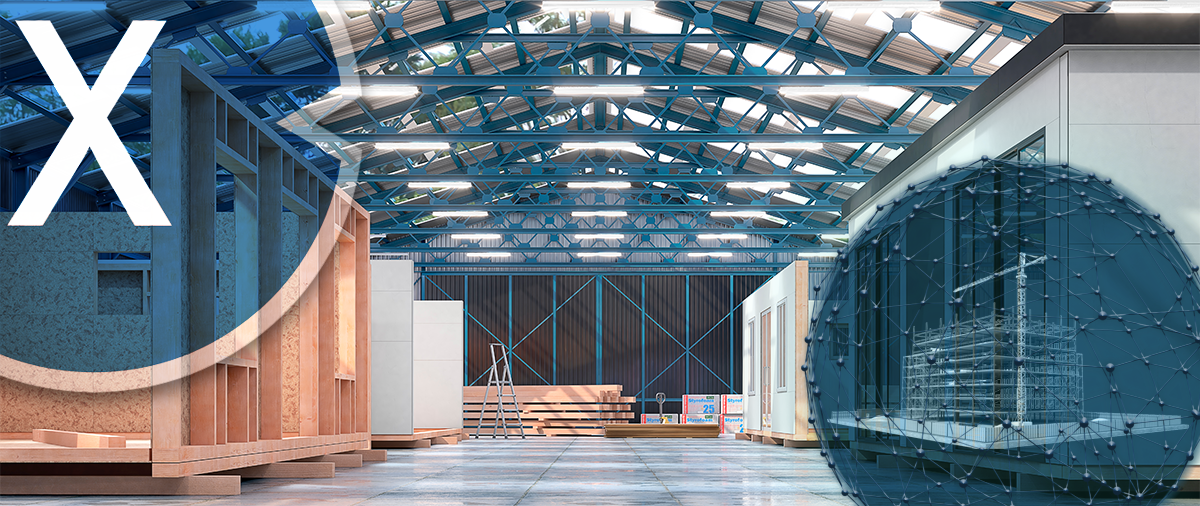
Our experienced team supports you in optimizing your buildings to reduce energy consumption and promote sustainable energy use with photovoltaics. We analyze your individual needs and develop customized concepts that are both economically and ecologically sound. Whether it's the energy-efficient renovation of existing buildings or the construction of new, energy-efficient structures, we are here to help. Industrial plants, retail buildings, and municipal facilities can reduce their energy costs, minimize their environmental impact, and simultaneously improve the comfort and efficiency of their buildings with our tailored solutions.
👨🏻 👩🏻 👴🏻 👵🏻 Energy-efficient renovation and new construction, consulting, planning and implementation for private households
We offer comprehensive support for private households in the energy-efficient renovation and new construction of buildings with photovoltaics. Our experienced team is at your side to assist you with consulting, planning, and implementing your sustainable energy solutions. We analyze your energy consumption, identify potential savings, and develop customized concepts to improve your energy efficiency. From improving building insulation and installing energy-efficient windows and doors to installing photovoltaic and solar thermal systems – we guide you step by step to make your home more energy-efficient and environmentally friendly. Trust in our expertise and benefit from the numerous advantages that energy-efficient renovation and the use of renewable energies offer. Together, we'll create a sustainable future for your home.
Plan your solar system for the most common applications conveniently online with our solar system planner!
With our user-friendly solar system planner, you can design your individual solar system online. Whether you need a solar system for your home, your business, or for agricultural purposes, our planner allows you to consider your specific requirements and develop a customized solution.
The planning process is simple and intuitive. You simply enter the relevant information. Our planner takes this information into account and creates a customized solar system that meets your needs. You can try out different options and configurations to find the optimal solar system for your application.
Furthermore, you can save your plan to review it later or share it with others. Our customer service team is also available to answer any questions and provide support to ensure your solar system is optimally planned.
Use our solar system planner to design your individual solar system for the most common applications and accelerate the transition to clean energy. Get started now and take an important step towards sustainability and energy independence!

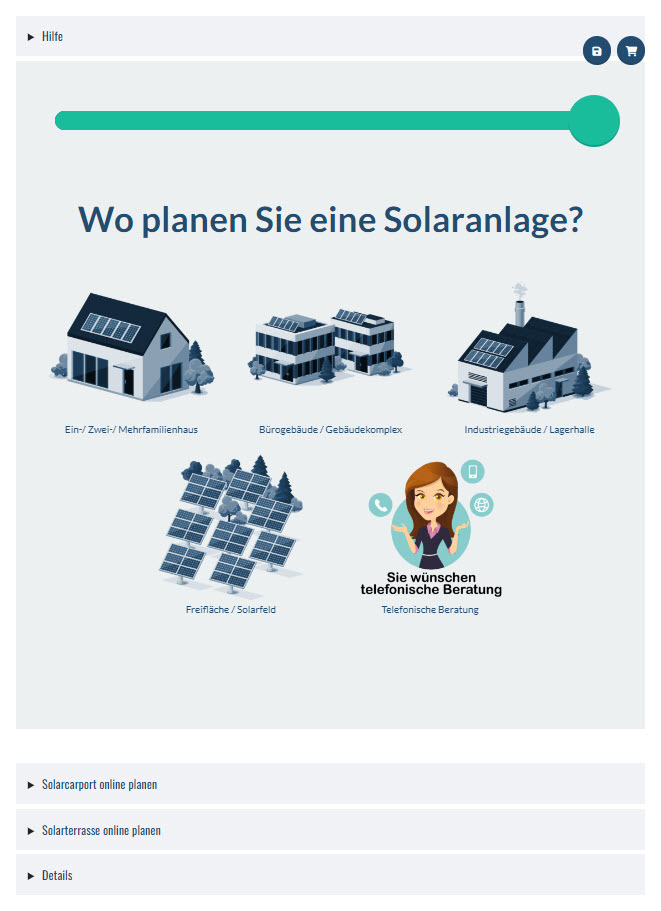
The solar system planner for the most common applications: Plan your solar system online here - Image: Xpert.Digital
More information here:
🗒️ Top Ten Overview of Sustainability Certification Systems for Warehouses, Commercial Properties, Office Buildings and Others
These sustainability certification systems provide clear guidance on how buildings, real estate, and infrastructure projects can be designed and operated sustainably. The choice of the appropriate system depends on the project's objectives, its geographic location, and the developer's priorities.
LEED (Leadership in Energy and Environmental Design)
LEED is one of the best-known certification systems and is administered by the US Green Building Council (USGBC). It assesses various aspects such as energy efficiency, water use, indoor air quality, and sustainable site selection. Certification is awarded at different levels, from "Certified" to "Platinum.".
BREEAM (Building Research Establishment Environmental Assessment Method)
BREEAM is a widely used certification system from the UK. It focuses on environmental performance, social responsibility, and economic viability. BREEAM ratings range from "Pass" to "Outstanding".
DGNB (German Sustainable Building Council)
The DGNB is a German organization that sets sustainability standards for buildings and neighborhoods. It considers ecological, economic, and socio-cultural criteria and awards certificates at the bronze, silver, gold, and platinum levels.
HQE (Haute Environmental Quality)
HQE is a French certification system that aims to minimize the environmental impact of buildings. It covers aspects such as energy, water, health, and comfort, and awards certificates ranging from "Passable" to "Excellent".
WELL Building Standard
This certification system focuses on the health and well-being of building occupants. It considers aspects such as air quality, water, nutrition, and exercise.
ÖGNB (Austrian Society for Sustainable Building)
The Austrian Sustainable Building Council (ÖGNB) promotes sustainable building in Austria. Its certifications comprehensively consider energy efficiency, resource use, and life cycle costs.
Green Star
This Australian certification system assesses the sustainability of buildings and infrastructure projects. It places particular emphasis on energy and water efficiency, as well as materials.
LEED v4.1
An updated version of the LEED standard that allows for an even more precise assessment of sustainability performance.
CASBEE (Comprehensive Assessment System for Building Environmental Efficiency)
A Japanese certification system that assesses the environmental impact of buildings and focuses on different building types.
Living Building Challenge
This demanding standard aims to create buildings that generate more resources than they consume. It emphasizes the creation of buildings as living systems.
Estidama Pearl Rating System
From the United Arab Emirates, specifically developed for the Middle East region.
Green Mark (Singapore)
Singapore's certification system assesses the sustainability performance of buildings and infrastructure projects to minimize environmental impact.
GRIHA (Green Rating for Integrated Habitat Assessment)
India's national certification system.
EDGE (Excellence in Design for Greater Efficiencies)
A worldwide certification program of the IFC (International Finance Corporation).
WELL v2
The second version of the WELL Building Standard with updated criteria.
RESET Standard
Focused on indoor air quality and health.
Living Future Institute Programs
In addition to the Living Building Challenge, it also includes other programs to promote sustainable practices.
CEEQUAL
A certification system specifically developed for infrastructure projects.
ISO 14001
An international environmental management standard that relates not only to buildings, but to the overall environmental performance of organizations.
🏢 The future of building: sustainability and future-proofing
In a constantly changing world, it is crucial to design buildings, real estate, and infrastructure projects to be future-proof and sustainable. This is especially true for commercial properties, warehouses, office buildings, and other construction projects. Sustainable building is not only environmentally friendly but can also reduce costs in the long term and increase the long-term value of properties.
🌿 Sustainable design and materials
Sustainable design principles should be paramount in the construction of commercial properties and other buildings. This includes selecting environmentally friendly materials that promote energy efficiency and minimize the ecological footprint. The use of recycled materials, energy-efficient insulation, and solar energy can significantly improve a building's sustainability.
🔒 Future-proof through flexibility
When planning buildings, it's important to think about the future. Technological developments and changing business needs demand flexible design. Commercial properties and office buildings should be designed to adapt to new requirements without requiring extensive renovations.
🌐 Smart technologies for efficiency
Integrating smart technologies such as building automation systems can improve the efficiency and sustainability of buildings. These systems automatically control lighting, heating, cooling, and security to optimize energy consumption and increase user comfort.
🌍 Location selection and infrastructure
The choice of location for commercial properties and warehouses can have a significant impact on sustainability. A good location should be well connected to the public transport network to reduce the need for private vehicles. Furthermore, existing infrastructure should be utilized to minimize environmental impact.
💼 Economic aspects and long-term value creation
Sustainable building can pay off economically in the long run. Energy efficiency measures and environmentally friendly technologies can reduce operating costs and increase the property's value. Investments in sustainable buildings can prove to be profitable for companies in the long term.
👥 Stakeholder engagement and awareness raising
To develop a holistic sustainability strategy, it is important to involve all relevant stakeholders. This includes architects, engineers, investors, and users. Open communication and raising awareness of the benefits of sustainable building can facilitate acceptance and implementation.
📐 Certifications and Standards
Certifications such as LEED (Leadership in Energy and Environmental Design) or DGNB (German Sustainable Building Council) offer clear guidelines for sustainable building. Compliance with such standards can not only guarantee the quality and sustainability of a project, but also improve the company's image.
🔄 Life cycle analysis
To ensure the long-term sustainability of buildings, it is important to consider the entire life cycle. This includes the planning and construction phases, as well as operation and maintenance. Effective facility management can help maintain performance and energy efficiency over time.
🌈 Shared responsibility
Sustainable building goes beyond individual projects. It is a responsibility towards the community and future generations. By integrating ecological and social aspects, commercial properties, warehouses, and office buildings can not only offer economic advantages but also contribute to a more positive future.
📣 Similar topics
- 🌿 Sustainable materials and design
- 🔒 Future-proof and flexible
- 🌐 Smart technologies for efficiency
- 🌍 Location selection and infrastructure
- 💼 Economic aspects and value retention
- 👥 Stakeholder engagement and communication
- 📐 Certifications and quality standards
- 🔄 Life cycle management for sustainability
- 🌈 Shared responsibility and sustainability
#️⃣ Hashtags: #SustainableBuilding #FutureProtection #CommercialRealEstate #EnergyEfficiency #EnvironmentalProtection
🏆 Economic and political significance of sustainability certification systems 🏆
Sustainability certification systems such as LEED, BREEAM, or DGNB have gained considerable importance in today's economic and political landscape. Let's take a closer look at the various aspects:
🏢 Economic importance of sustainability certification systems
Cost savings through efficiency
Sustainable buildings designed and constructed according to these certification systems focus on energy efficiency, water conservation, and material use. This leads to long-term cost savings in terms of energy and water consumption, as well as maintenance costs.
Increase in the value of real estate
Buildings with sustainability certificates often have higher property values. Demand for environmentally friendly buildings is increasing as businesses and individuals pay more attention to sustainability.
Image and brand value
Companies can enhance their image by operating in sustainable buildings. Sustainability certificates serve as a credible indicator of social responsibility and environmental awareness.
Promoting innovative technologies
Compliance with these certification standards often requires the use of advanced technologies, which can lead to the development of new business opportunities.
🌍 Political significance of sustainability certification systems
Environmental protection and climate change
Governments worldwide are increasingly relying on sustainability guidelines to reduce CO2 emissions and mitigate climate change. Sustainable buildings contribute to reducing the ecological footprint.
Fulfillment of international obligations
Many countries have signed international agreements to achieve sustainable development goals. Promoting sustainable buildings is one way to fulfill these commitments.
Promoting the circular economy
Sustainability certifications encourage the use of recycled materials and the minimization of waste. This supports the development of a circular economy.
Workplace quality and health
Sustainable buildings often create a better working environment with good air quality and natural light. This can increase productivity and boost job satisfaction.
📣 Similar topics
Sustainability certification systems such as LEED, BREEAM, and DGNB are of great economic and political importance. They not only promote efficiency and cost savings for companies, but also contribute to environmental compatibility, resource conservation, and international commitment to sustainability.
- 🌱 Sustainability certification systems: Economic benefits and cost savings
- 🏗️ Construction in transition: Political implications of sustainable buildings
- 💼 Corporate image and sustainability: Brand value through environmentally friendly locations
- 🌎 International commitments: The contribution of sustainable buildings to global goals
- 🌞 Workplace quality and health: The impact of sustainable buildings on well-being
#️⃣ Hashtags: #SustainableBuildings #EnvironmentalProtection #EconomicBenefits #ClimateChange #ConstructionIndustry
Expert advice on energy-efficient renovation and new construction with solar solutions and heat pumps/air conditioning systems

Konrad Wolfenstein
I would be happy to serve as your personal advisor.
You can contact me by filling out the contact form below or simply call me on +49 7348 4088 965 .
I'm looking forward to our joint project.
Write to me


Xpert.Digital – Konrad Wolfenstein
Xpert.Digital is a hub for industry focusing on digitalization, mechanical engineering, logistics/intralogistics and photovoltaics.
With our 360° Business Development solution, we support renowned companies from new business to after-sales.
Market intelligence, smarketing, marketing automation, content development, PR, mail campaigns, personalized social media and lead nurturing are part of our digital tools.
You can find more information at: www.xpert.digital – www.xpert.solar – www.xpert.plus
Keep in touch