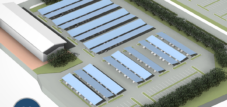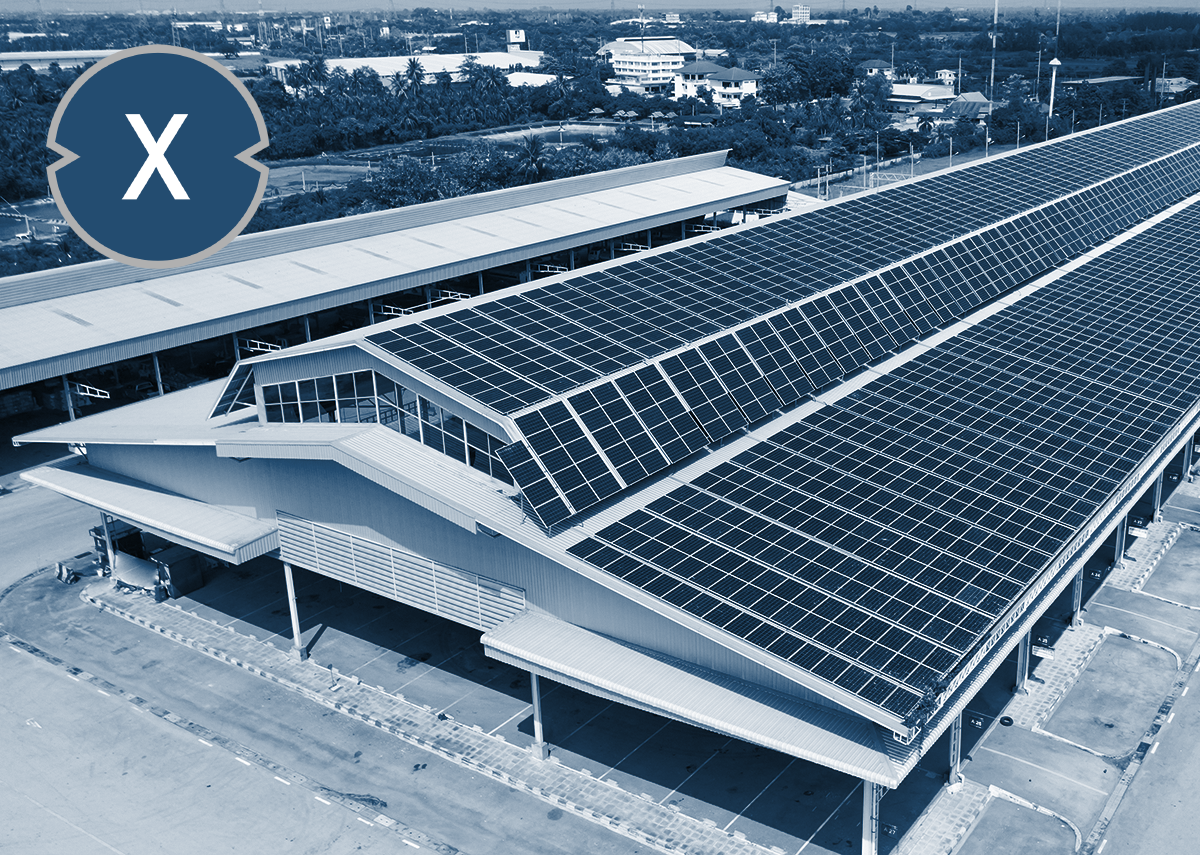
Solar panels for the hall roof – Image: Xpert.Digital / Naypong Studio|Shutterstock.com
A solar power system pays for itself faster the more solar power you consume directly. Electricity from your roof costs significantly less than electricity from the grid. The point at which a photovoltaic system becomes economically viable depends on several factors. For a single-family home with a 4 to 10 kWp system, the payback period is typically 8 to 12 years. Adding a battery storage system can extend this to approximately two more years. For businesses and industry, it's worthwhile simply because of the CO2 tax and the need for an independent power supply.
Add green energy to your life
Solar energy is only part of the solution. Adapting and expanding the infrastructure to renewable energies is a major challenge, but one that will ultimately pay off for us and future generations. In the future, innovations and ideas will no longer be developed in the conventional way, consciously or unconsciously, based on existing standards, but will always be geared towards energy efficiency and, for the most part, solar energy. This applies to everything from mechanical engineering to commerce. Moving away from everyday products, almost all of which were developed and produced using oil, the future will be exactly the opposite. It's not just about saving energy, but about the sustainable use of our environment and the inexhaustible energy provided by the sun.
With over 1,000 articles published, we cannot present all topics here. Therefore, you will find a small selection of our work here, and we would be delighted if we have sparked your interest in learning more about us:
Planning solar power systems with photovoltaic solutions for freight forwarding companies and contract logistics

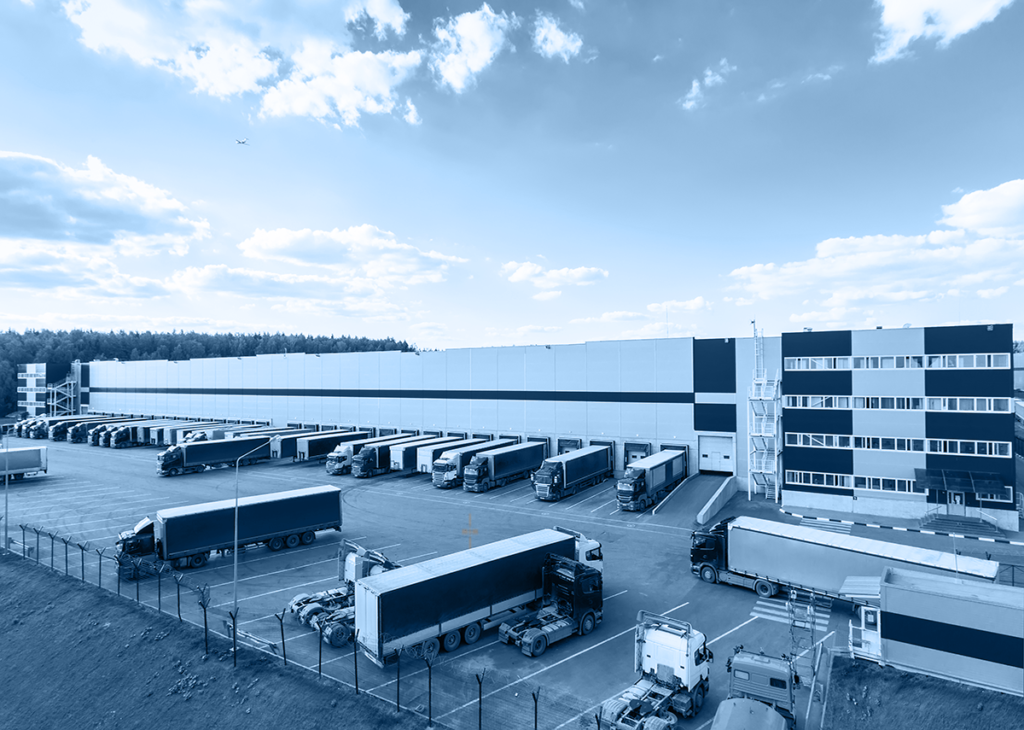
Planning solar power systems with photovoltaic solutions for freight forwarding companies and contract logistics
The EU Green Deal is the centerpiece of the new climate protection law and is driving developments and measures forward. In some German states, legal regulations already mandate the installation of photovoltaic systems in new logistics buildings. The requirement for solar panels in existing logistics buildings and centers will follow. Initial announcements regarding this have already been made by politicians, as the EU aims to be the world's first climate-neutral continent by 2050.
How we continue to secure the infrastructure of our key industries will be crucial for the future! In Germany today, key industries include the automotive industry, construction industry, food industry, chemical industry, electrical industry, energy production, mechanical engineering and shipbuilding.
The COVID-19 pandemic, in particular, has demonstrated that the functioning supply chain management of trade and industry is largely due to the logistical expertise of freight forwarders and contract logistics providers. The fact that there were "only" shortages like the "toilet paper crisis" will remain a humorous footnote in the future.
More information here:
Photovoltaics surpasses conventional power plants

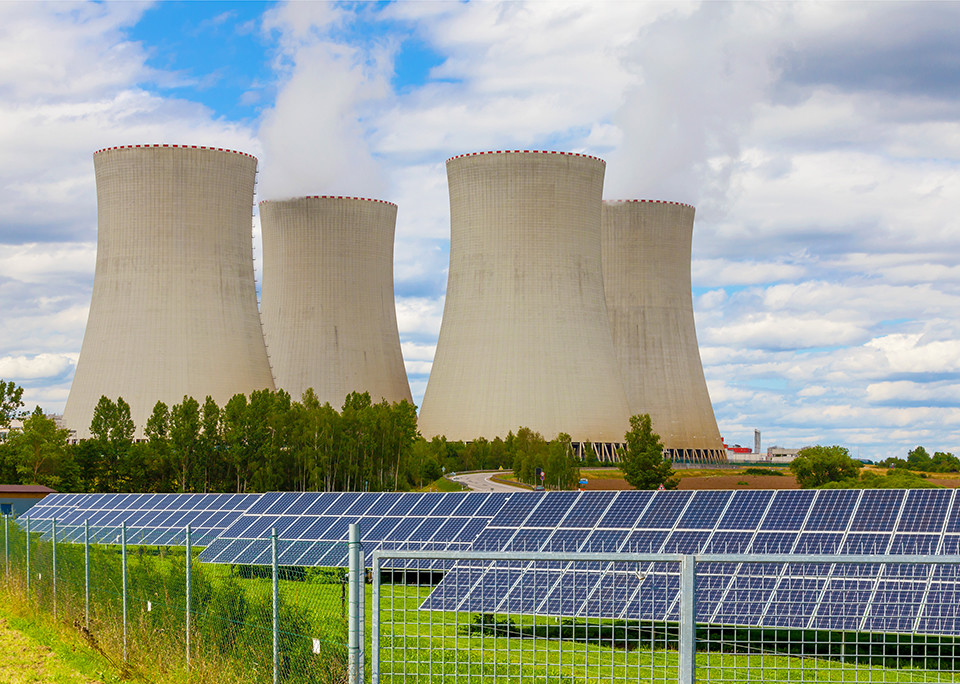
Photovoltaics overtakes conventional power plants – @shutterstock | Martin Lisner
The importance of photovoltaics for domestic electricity generation continues to grow unabated. A recent analysis by the Fraunhofer Institute revealed that solar and wind energy shared the top spot in net electricity generation in Germany for the first time in June. According to the analysis, photovoltaic systems in Germany contributed 7.04 terawatt-hours (TW) to electricity generation.
This put them just slightly behind wind turbines, which reached 7.09 TW. In comparison, gas-fired power plants (6.5 TW) and lignite-fired power plants (6.4 TW) performed significantly worse. The 18.3 percent share for photovoltaics thus clearly demonstrates why it is rightly considered by many to be the preferred technology for the energy transition.
More information here:
The solar gold of 68 terawatt hours in North Rhine-Westphalia
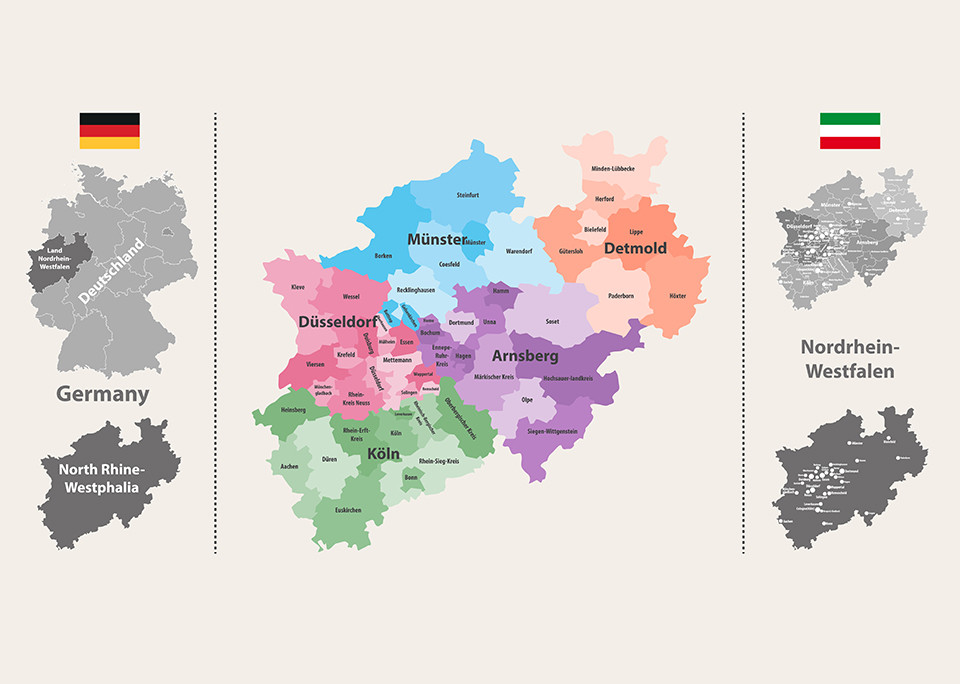
Photovoltaics in North Rhine-Westphalia – @shutterstock | brichuas
Nationwide, around one in ten terawatt hours of electricity from renewable energies comes from North Rhine-Westphalia, according to the State Agency for Nature, Environment and Consumer Protection (LANUV).
With over 288,000 renewable energy installations and a capacity of 23.3 terawatt-hours, renewable energy sources supplied over 16 percent of North Rhine-Westphalia's electricity consumption in 2019. This amount alone could completely power Bremen, Hamburg, and Mecklenburg-Western Pomerania.
The approximately eleven million rooftops in North Rhine-Westphalia have an estimated potential for 68 terawatt-hours of solar power. So far, only about 4 terawatt-hours have been realized, representing just three percent of the current electricity consumption in North Rhine-Westphalia.
Particularly high potential for solar power generation exists in densely populated regions such as Cologne, Düsseldorf, and the Ruhr area. Realizing this potential could result in savings of approximately 30 million tons of CO2. This corresponds to roughly ten percent of North Rhine-Westphalia's current greenhouse gas emissions.
The largest increase in installed capacity, approximately 470 megawatts, was recorded in the photovoltaic sector last year. This marks the fourth consecutive year that photovoltaic capacity has exceeded the previous year's increase.
More information here:
Solar carports as the key component in e-mobility?
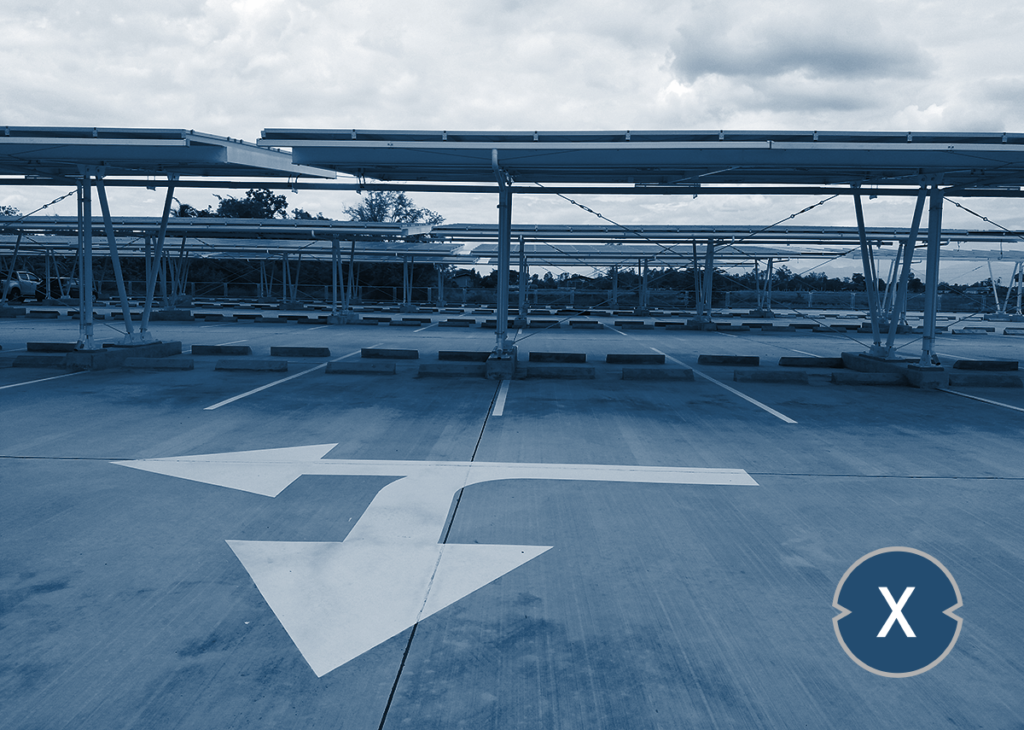
Converting company parking lots or shopping center parking spaces to solar carports – Image: Xpert.Digital / PATSUDA PARAMEE|Shutterstock.com
Now everything is supposed to happen very quickly: the transformation in mobility. The way we get around. For decades, we were told that oil reserves were dwindling and wouldn't last much longer. The figures were always 40, 50, even 100 years. Yet, little happened in terms of transport policy, because fuel still seemed to flow freely from the pump at the gas station. It's all the more surprising, then, that this argument is no longer even being raised. We've always known that our current form of transportation with combustion engines needed an alternative. That we can't continue like this in the long run, regardless of the environmental impact of our beloved gasoline and diesel vehicles. Electromobility is still in its infancy. It still has many flaws. But it also can't draw on decades of development like combustion engines, where improvements and optimizations, from emissions to fuel consumption, went hand in hand. Dieselgate, the diesel emissions scandal, not to mention the diesel scandal.
More information here:
📣 Solar solutions for industry, retail and municipalities
Everything from a single source, specifically tailored to your solar solution. Refinance or offset your future costs with your own electricity generation.
🎯 For solar installers, plumbers, electricians and roofers
Consultation and planning including a non-binding cost estimate. We connect you with strong partners in photovoltaics.
👨🏻 👩🏻 👴🏻 👵🏻 For private households
We have a regional presence throughout the German-speaking world. We have reliable partners who will advise you and implement your wishes.
📊 Photovoltaic planning tool and solar configurator for roofs and open fields 💬


Solar parks – benefits for biodiversity
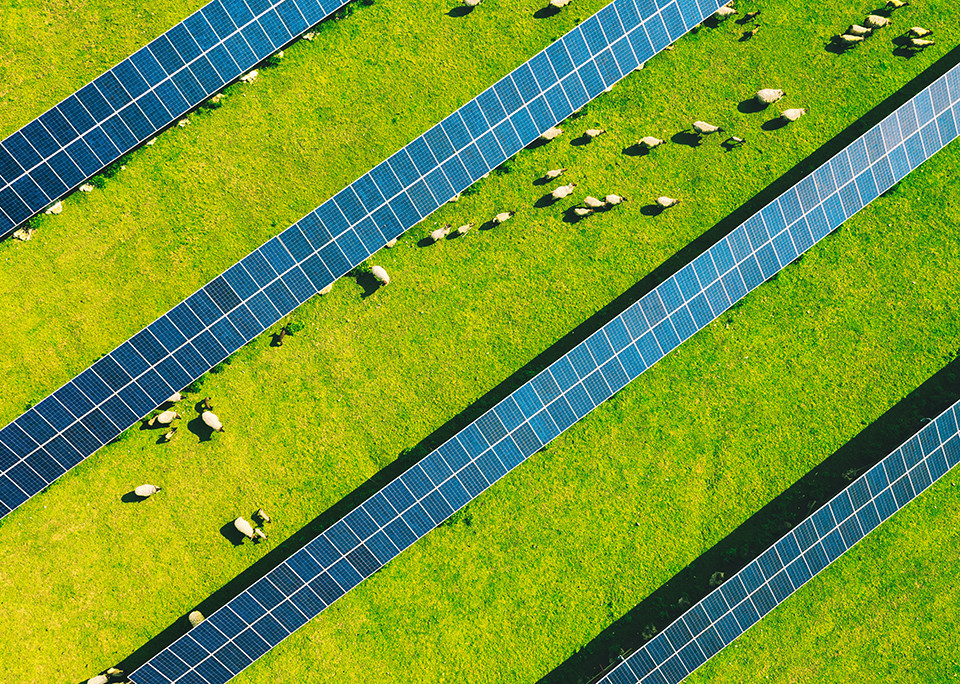
Solar park with grazing sheep – @shutterstock | David Jancik
A study commissioned by the German Association of New Energy Industries (bne) concludes that solar parks have a positive effect on biodiversity.
The aim of the study was to show whether and to what extent solar parks can contribute to floristic and faunistic biodiversity.
For this purpose, documentation on the vegetation and fauna of 75 solar parks in Germany was evaluated. The studies and investigations available for the parks, which are spread across nine federal states, were mostly conducted during the permitting phases and are highly heterogeneous. Nevertheless, documentation from almost 40% of the solar parks eligible for evaluation could be used. For some parks, intensive studies also exist, in some cases comparing the federal states before and after the parks were built, allowing for meaningful conclusions to be drawn. These conclusions suggest that solar parks generally have a positive effect on biodiversity and identify structures that can contribute to increasing biodiversity, particularly with regard to the spacing between the module rows and maintaining these spacings.
More information here:
EU: Waste incineration is renewable energy

EU: Waste incineration is renewable energy – Image: @shutterstock | DeawS – atabik yusuf djufni
A group of NGOs and companies from the recycling, forestry and chemical industries are demanding that the burning of non-recyclable waste for energy generation no longer be considered renewable energy.
Non-renewable energy can only be used once. It is a limited resource and not available indefinitely. This includes nuclear power. Nuclear power plants require enriched uranium, which must first be produced industrially. Depleted uranium is produced as a waste product. What happens to this waste, as well as to the fission products generated during nuclear fission—that is, highly toxic radioactive waste—is another matter. In contrast, fossil fuels cause environmental pollution and global warming through the release of greenhouse gases.
Up to this point, everything is logically comprehensible: Renewable energy is available in unlimited quantities and does not harm the environment.
More information here:
2019: In Germany, 47% of the electricity mix is renewable

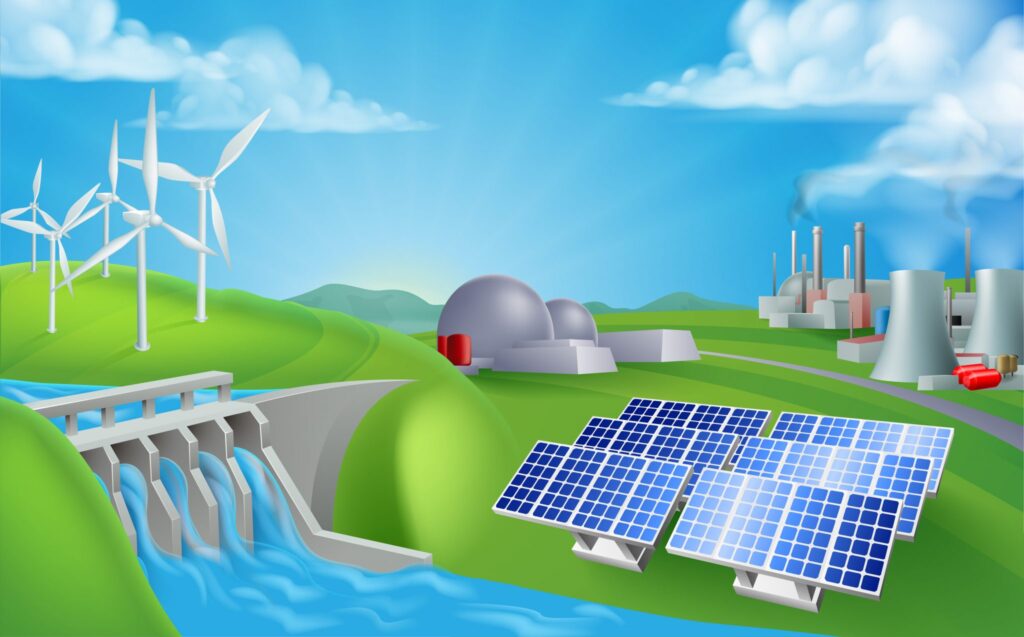
In Germany, 47% of the electricity mix comes from renewable sources – @shutterstock | Christos Georghiou
According to the Fraunhofer Institute for Solar Energy Systems, 47 percent of the electricity generated in Germany this year comes from renewable sources. Up to and including mid-July, wind and solar power plants in Germany produced almost 100 terawatt-hours (TWh) of electricity. By comparison, lignite and hard coal produced 84 TWh. According to a report in the Handelsblatt newspaper, the share of coal-fired power plants in German electricity generation fell surprisingly sharply in the first half of the year. "Wind, solar, and even gas-fired power plants have largely displaced hard coal power plants from the market, but increasingly also lignite-fired power plants."
More information here:
- Planning photovoltaics on warehouses, commercial buildings and industrial buildings
- Industrial plant: Planning a photovoltaic open-field system or open-area system
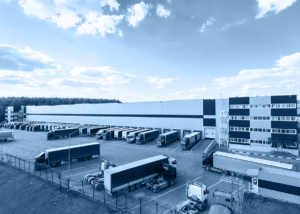
- Planning solar power systems with photovoltaic solutions for freight forwarding companies and contract logistics
- B2B Solar Systems and Photovoltaic Solutions & Consulting
Xpert.Solar offers consulting and planning services for solar solutions, solar systems, solar fences, balcony solar systems or ground-mounted solar installations in Ulm, Neu-Ulm, Stuttgart and Augsburg

Konrad Wolfenstein
I would be happy to serve as your personal advisor.
You can contact me by filling out the contact form below or simply call me on +49 7348 4088 965 .
I'm looking forward to our joint project.
Write to me


Xpert.Digital – Konrad Wolfenstein
Xpert.Digital is a hub for industry focusing on digitalization, mechanical engineering, logistics/intralogistics and photovoltaics.
With our 360° Business Development solution, we support renowned companies from new business to after-sales.
Market intelligence, smarketing, marketing automation, content development, PR, mail campaigns, personalized social media and lead nurturing are part of our digital tools.
You can find more information at: www.xpert.digital – www.xpert.solar – www.xpert.plus
Keep in touch