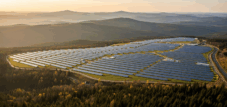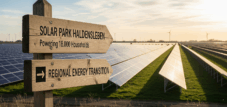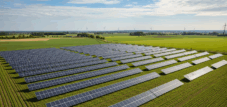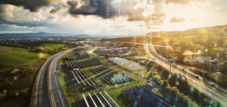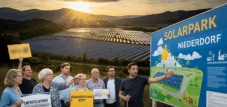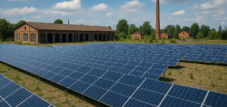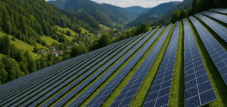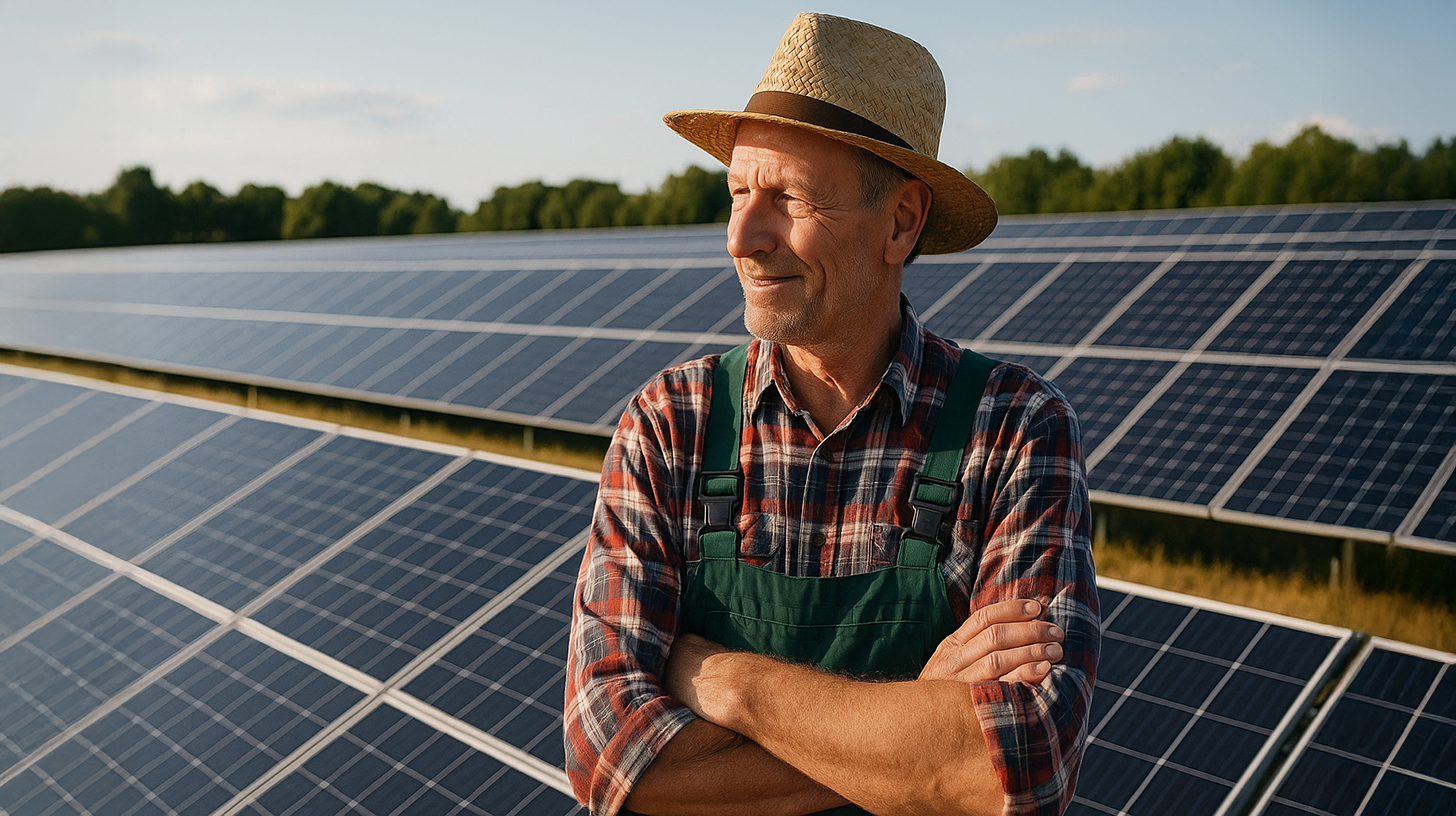
Solar park instead of worry lines: How farmers are now earning thousands of euros per year with unused land – Image: Xpert.Digital
From useless field to power plant: How a meadow that lay fallow for 25 years suddenly supplies 1,700 households
Königsfeld becomes energy self-sufficient – What happened in Königsfeld in the Black Forest?
In the municipality of Königsfeld in the Black Forest, a significant milestone for sustainable energy supply has been reached. On September 24, 2025, the "Halden" solar park went online, making the municipality theoretically energy self-sufficient. The project was realized in close cooperation with Energiekontor AG and made possible through the digital land brokerage platform landverpachten.de. With this new solar park, existing wind turbines on the Brogen mountain, and numerous rooftop photovoltaic systems, Königsfeld now produces as much electricity as the municipality consumes.
What role did landverpachten.de play in this project?
The digital platform landverpachten.de was crucial for the realization of the Königsfeld solar park. Sebastian Muissus, Managing Director of landverpachten.de, explains: “Königsfeld is another successfully completed project brokered through landverpachten.de. With more than 20,000 verified plots of land and over 400 lease agreements already concluded, our digital platform is the number one in Germany when it comes to bringing landowners and project developers together.” The platform acted as an interface between the landowner and Energiekontor AG, creating a connection that might never have been established without this digital solution.
How large is the solar park and what is its power output?
The "Halden" solar park covers an area of 5.5 hectares and has a total rated output of approximately 4.6 megawatts peak. The average expected annual yield is around 5.5 million kilowatt-hours, which is enough to theoretically supply around 1,700 average households in Germany with renewable electricity. This electricity generation will save approximately 3,800 tons of CO₂ annually.
What was the history of the area used?
The land now used for the solar park had lain fallow for approximately 25 years. Owner Dietmar Fleig explained that the land had been cultivated organically for 25 years without any significant yield, as the crops had simply lain dormant. Most recently, only grass for a biogas plant had been harvested there. This fallow land was put to a sensible and sustainable use through the mediation of landverpachten.de.
What nature conservation measures were taken into account in the project?
Various nature conservation and environmental protection measures have been integrated into the Königsfeld solar park. A wildflower meadow promotes groundwater recharge and supports water protection. A shepherd will graze his animals under the solar panels, enabling dual use of the area. Additionally, a specially designed fence has been erected to allow small animals unimpeded passage. These measures demonstrate how modern solar park projects can consider and even promote ecological concerns.
Who are the project partners and what is their role?
The project was realized through a collaboration between several partners. Energiekontor AG acted as the project developer and operator of the solar park. Founded in Bremerhaven in 1990, the company is a pioneer in the industry and is now one of Germany's leading project developers. Landverpachten.de acted as a digital land broker, connecting landowners with the project developer. The municipality of Königsfeld supported the project through appropriate planning measures and permitting procedures.
How does the digital land brokerage service of landverpachten.de work?
With over 4,500 hectares of leased land brokered, Landverpachten.de is the leading platform for brokering land for renewable energy projects in Germany. The company targets agricultural businesses, private landowners, and municipalities that wish to make their land available for renewable energy projects. The platform guides landowners through the entire process – from the initial consultation and pre-qualification to connecting them with suitable project developers. Landverpachten.de ensures the provision of attractive, non-binding lease offers.
What financial aspects are relevant when leasing land for solar parks?
Leasing land for solar parks offers landowners attractive and long-term income opportunities. According to information from landverpachten.de, lease payments of between €2,700 and €4,400 per hectare per year are possible, depending on the location and specific characteristics of the land. These lease payments are in addition to a percentage of the revenue, typically between 4 and 5.5 percent. The contracts usually have a term of 20 to 30 years, thus providing long-term financial planning security.
How is the generated electricity marketed?
The electricity generated at the Königsfeld solar park is sold through various marketing channels. On the one hand, the solar park receives a feed-in tariff from the Federal Network Agency, which ensures long-term compensation. In addition, Energiekontor and Currenta GmbH & Co. OHG have concluded a Power Purchase Agreement (PPA) for the first few years. Currenta, one of Germany's largest chemical park operators, uses the PPA as a key component of its own sustainability strategy. The green electricity from the solar park is used specifically to make energy applications at the chemical park sites more sustainable and to reduce environmental impact.
What does energy self-sufficiency mean for a community like Königsfeld?
In this context, energy self-sufficiency means that Königsfeld theoretically produces as much renewable electricity as the municipality consumes. This is achieved through a combination of various renewable energy sources: the new "Halden" solar park, existing wind turbines on the Brogen mountain, and numerous rooftop photovoltaic systems. Mayor Fritz Link described this as "a significant milestone in Königsfeld's renewable energy production." It is important to understand that this energy self-sufficiency refers to the balance sheet – the actual electricity supply continues to be provided via the public grid.
What challenges were encountered during the implementation of the project?
Several challenges arose during the construction of the Königsfeld solar park. Originally, an area of 5.92 hectares was planned, but due to a lack of agreement with other landowners, this had to be reduced to 5.5 hectares. Extensive discussions were necessary regarding rights of way and power line routes. While the grid connection point is relatively close at 700 meters, the power line route itself is two kilometers long, as agreements could not be reached for some areas. Despite partially routing the line through the forest, care was taken to avoid damaging any tree roots, which is why the line was buried three and a half meters deep.
How does the project contribute to regional value creation?
The solar park project in Königsfeld makes a significant contribution to regional economic development. Lease payments to the landowner ensure a continuous flow of funds into the local economy. Energiekontor AG emphasized the importance of collaborating with local partners and the municipality's support for the project. Eileen Lenz, project manager of landverpachten.de, explains: "The Königsfeld example vividly demonstrates how digital platforms like landverpachten.de can drive the transformation of rural areas. We bring together landowners and project developers who often wouldn't have connected without this platform."
What significance does this project have for Germany's energy transition?
The Königsfeld solar park is an example of how the energy transition is being concretely advanced in Germany. The project demonstrates how the combination of digital technology, entrepreneurial initiative, and municipal support can develop unused land for sustainable energy production. Sebastian Muissus of landverpachten.de emphasizes: "We are proud to make an important contribution to securing land for the energy transition with our work." With more than 20,000 assessed sites and over 400 concluded lease agreements, the platform systematically contributes to developing the land necessary for the energy transition.
How has landverpachten.de developed as a company?
Landverpachten.de has become a significant player in Germany's energy transition. The company, led by Managing Director Sebastian Muissus, has already brokered over 4,500 hectares of leases for renewable energy projects. Since 2018, the platform has assessed the suitability of more than 13,400 lease applications and successfully brokered 950 plots of land to project developers, investors, and energy suppliers. This has resulted in over 340 finalized lease agreements, generating more than €16 million annually for lessors in the long term.
New: Patent from the USA – install solar parks up to 30% cheaper and 40% faster and easier – with explanatory videos!

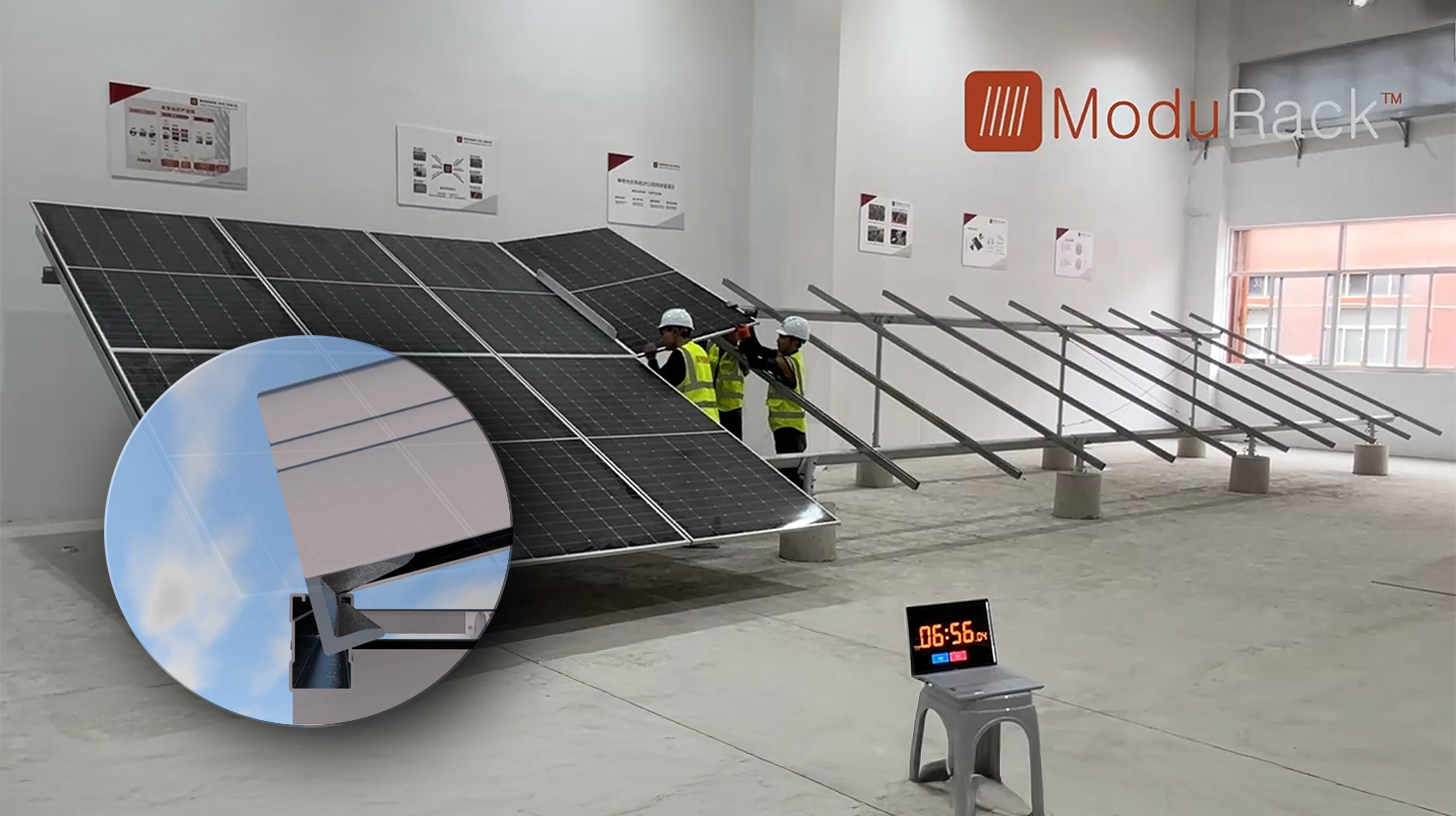
New: Patent from the USA – Install solar parks up to 30% cheaper and 40% faster and easier – with explanatory videos! - Image: Xpert.Digital
The core of this technological advancement is the deliberate departure from conventional clamp mounting, which has been the standard for decades. The new, more time- and cost-effective mounting system addresses this with a fundamentally different, more intelligent concept. Instead of clamping the modules at specific points, they are inserted into a continuous, specially shaped support rail and held securely in place. This design ensures that all forces – whether static loads from snow or dynamic loads from wind – are distributed evenly across the entire length of the module frame.
More information here:
How Landverpachten.de makes arable land quickly and fairly usable for the energy transition
What are the technical specifications of the Königsfeld solar park?
The "Halden" solar park in Königsfeld has an installed capacity of 4.6 megawatts peak and covers an area of 5.5 hectares. The plant generates approximately 5.5 million kilowatt-hours of electricity annually, enough to power about 1,700 households. The electricity is fed into the grid via a two-kilometer-long power line, which runs partly through a wooded area and was laid at a depth of three and a half meters to avoid damaging tree roots. The modules are designed for a lifespan of at least 20 to 30 years.
What role does digitalization play in the energy transition?
Digitalization plays a central role in accelerating the energy transition, as the example of Königsfeld impressively demonstrates. Digital platforms like landverpachten.de make it possible to efficiently connect landowners and project developers, enabling faster project implementation. These digital solutions reduce transaction costs, shorten search times, and create transparency in the renewable energy market. Sebastian Muissus explains: "Participating in the energy transition can be very easy, and we demonstrate this with our online platform www.landverpachten.de.".
What does the future of digital property brokerage look like?
Digital land brokerage is expected to play an even more important role in the energy transition. With the increasing demand for land for renewable energy projects, such platforms will become indispensable for efficient resource allocation. Landverpachten.de plans to further expand its services and integrate new technologies to make the brokerage process even more efficient. Experience shows that digital solutions can not only accelerate project development but also improve the quality of land selection through systematic preliminary checks and evaluations.
What impact will the project have on other communities?
The successful example of Königsfeld could serve as a model for other municipalities in Germany. It demonstrates how municipal energy self-sufficiency can be achieved through a combination of various renewable energy sources. The collaboration between the municipality, private landowners, a digital platform, and project developers could serve as a model for similar projects. Mayor Fritz Link emphasized the constructive cooperation with Energiekontor AG and expressed his gratitude for the goal-oriented project management.
How can public acceptance be ensured?
Acceptance of the solar park in Königsfeld was fostered through various measures. As early as 2022, the municipality held a public meeting at the community center to inform the public about the project. Mayor Fritz Link emphasized: "It's not enough for politicians to simply set goals. Concrete implementation steps are needed." The municipality also considered it important to minimize the impact on the landscape. In addition, citizen participation models were developed, allowing local residents to directly participate in the project.
What are the economic effects of the solar park?
The Königsfeld solar park generates various economic benefits at the local and regional levels. The landowner receives long-term lease payments that are significantly higher than those from conventional agricultural use. Energiekontor AG invested several million euros in the project, stimulating local construction and service activity. The electricity production saves approximately 3,800 tons of CO₂ annually, representing a significant economic benefit through the avoidance of climate damage. The municipality also benefits from increased business tax revenue and an improved energy balance.
How is the solar park maintained and operated?
The Königsfeld solar park is operated by Energiekontor AG, which has extensive experience in managing renewable energy plants. The company already operates 40 wind and solar parks with a total installed capacity of approximately 450 megawatts. Maintenance includes regular inspections of the solar modules, inverters, and electrical components. Modern monitoring systems enable continuous monitoring of plant performance and the early detection of malfunctions. Sheep grazing beneath the modules contribute to the natural maintenance of the vegetation.
What legal framework applies to such projects?
Solar park projects like the one in Königsfeld are subject to various legal frameworks. Since such installations are not privileged in rural areas, the land-use plan had to be amended and a development plan drawn up. The project received a feed-in tariff from the Federal Network Agency, which ensures long-term compensation for the electricity generated. Environmental and nature conservation permits were also required, with the integrated nature conservation measures, such as the wildflower meadow and the animal-friendly fence, contributing to the project's approval.
How does the project contribute to security of supply?
The Königsfeld solar park makes a significant contribution to local and regional energy security. Decentralized power generation reduces dependence on electricity imports from outside the region. Combining it with other renewable energy sources in the community creates a diversified energy portfolio that increases security of supply. Peter Szabo, CEO of Energiekontor AG, explains: “The continuous expansion and diversification of our own power generation not only strengthens the resilience and profitability of our business model, but also makes an important contribution to the energy transition in Germany.”.
What innovations characterize this project?
The Königsfeld project is distinguished by several innovative aspects. The digital land brokerage platform landverpachten.de represents a modern and efficient method for matching supply and demand. The integration of nature conservation measures, such as the animal-friendly fencing and grazing beneath the modules, demonstrates innovative approaches to the sustainable dual use of the land. The Power Purchase Agreement with Currenta showcases new avenues for the direct marketing of electricity to industrial customers. The achievement of municipal energy self-sufficiency through the combination of various renewable energy sources is also noteworthy.
What challenges still exist for the energy transition?
Despite the success in Königsfeld, significant challenges remain for Germany's energy transition. Land availability for renewable energy projects remains a limiting factor, which is why platforms like landverpachten.de play a crucial role. Grid expansion and storage technologies must be further advanced to compensate for the fluctuating feed-in of renewable energies. Permitting processes are often lengthy and complex, slowing down project development. Public acceptance of renewable energy projects must be continuously fostered through information campaigns and citizen participation.
How scalable is the Königsfeld model?
The model for digital land brokerage and municipal energy self-sufficiency developed in Königsfeld is fundamentally scalable and transferable to other municipalities. Landverpachten.de has already successfully brokered over 950 plots of land, demonstrating the effectiveness of the digital model. The combination of various renewable energy sources can be adapted to local conditions. Every municipality has different potential for solar, wind, or other renewable energies. Success depends on the availability of suitable land, municipal support, and the willingness of landowners to cooperate.
What role do citizen participation models play?
Citizen participation models are becoming increasingly important for the acceptance and financing of renewable energy projects. As early as 2022, the establishment of a cooperative was discussed in Königsfeld to give citizens the opportunity to participate in the solar power plant. Such models allow the local population to directly benefit from the returns of the energy transition and thus create a stronger identification with the projects. Returns for citizens can reach five to six percent, representing attractive investment opportunities for private investors.
How is the quality of the land allocation ensured?
Landverpachten.de has developed processes to ensure the quality of its land brokerage services. The company conducts systematic preliminary checks of the offered properties and assesses their suitability for solar projects. More than 13,400 lease inquiries have been reviewed for suitability since 2018. The platform guides landowners through the entire process and ensures transparent and fair lease offers. Collaboration with established project developers such as Energiekontor AG guarantees the professional implementation of the projects. The successful brokerage of over 950 properties demonstrates the effectiveness of these quality assurance measures.
Look, this little detail saves up to 40% installation time and reduces costs by up to 30%. It comes from the USA and is patented.

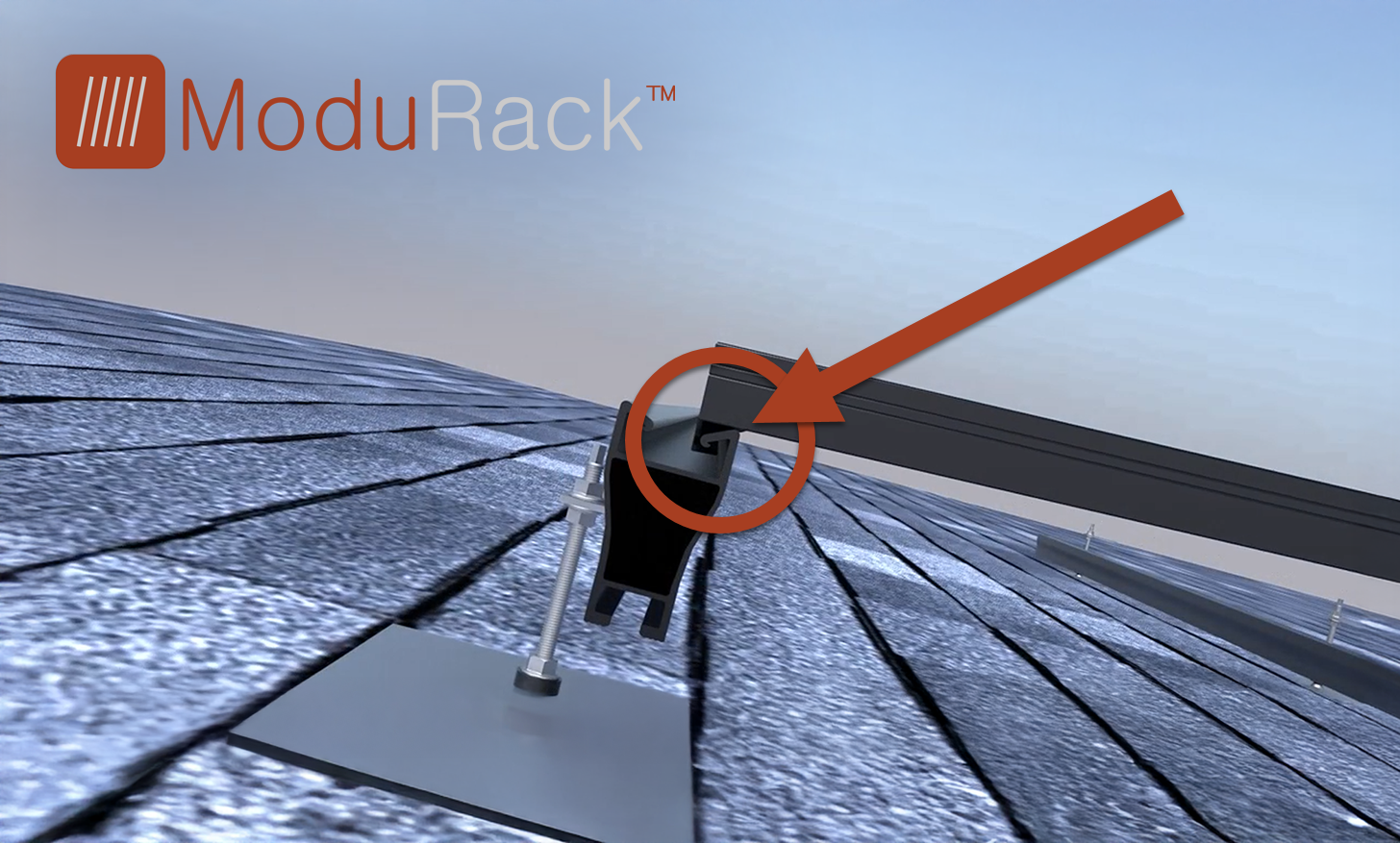
NEW: Ready-to-install solar systems! This patented innovation significantly accelerates your solar construction project
The core of ModuRack 's innovation lies in the departure from conventional clamp fastening. Instead of clamps, the modules are inserted and held in place by a continuous support rail.
More information here:
Your partner for business development in the fields of photovoltaics and construction
From industrial rooftop PV to solar parks and larger solar parking lots
☑️ Our business language is English or German
☑️ NEW: Correspondence in your native language!

Konrad Wolfenstein
I and my team are happy to be available to you as your personal advisor.
You can contact me by filling out the contact form here wolfenstein@xpert.digital:or simply call me at +49 7348 4088 965. My email address is
I'm looking forward to our joint project.