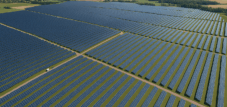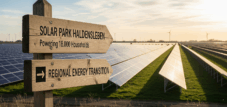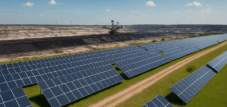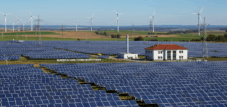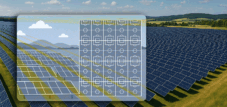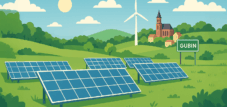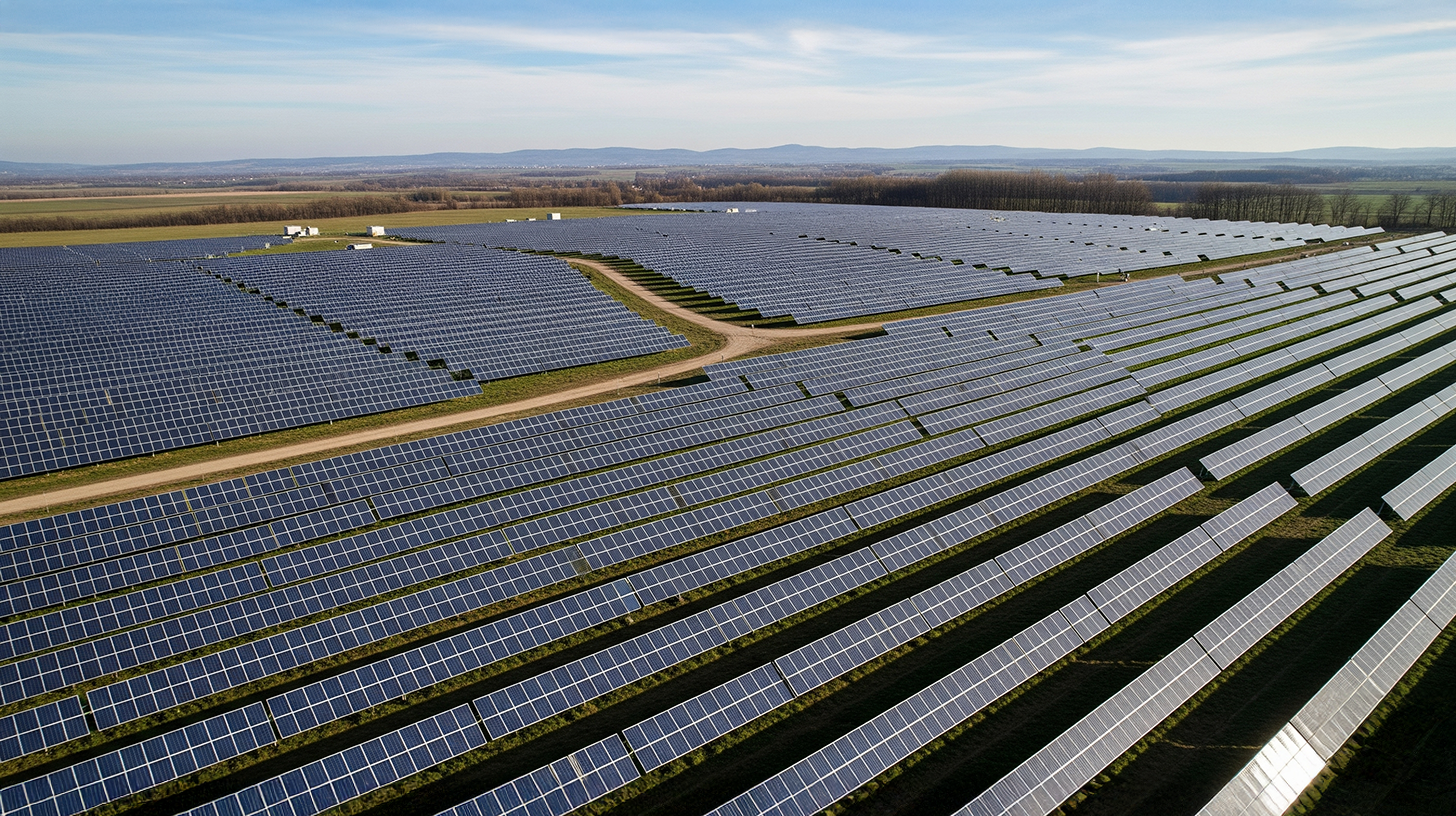
Park Słoneczny | Borek solar park project in Deszczno with 24 megawatts and 40,000 photovoltaic modules for 10,500 households – Creative image: Xpert.Digital
40,000 solar modules for Poland: RWE's new mega-project supplies an entire small town
### Historic Turning Point: How a German corporation is ending Poland's coal era ### More than just electricity: How RWE's new solar park in Poland promotes biodiversity ### Poland's solar boom has a downside: RWE's new major project is putting the grid to the test ###
From coal champion to solar hotspot: Why RWE is now investing massively in Poland
Poland, long known as the heart of the European coal industry, is undergoing an energy revolution of historic proportions. In an unprecedented turning point, electricity generation from renewable energy sources has surpassed that from coal for the first time – a clear signal of the country's unstoppable transformation. Amidst this transformation, the German energy company RWE is setting a crucial milestone with its Borek solar park project, reinforcing its strategic role in the decarbonization of Central Europe.
In the western Polish municipality of Deszczno, a large-scale solar power plant is being built, symbolizing the future of Poland's energy supply. With a planned capacity of 24 megawatts (MWac), achieved through approximately 40,000 photovoltaic modules, the project, upon its completion at the end of 2025, is projected to supply up to 10,500 Polish households with clean electricity.
The Borek project is more than just another solar park; it is a key component of RWE's comprehensive "Growing Green" strategy and tangible proof of the successful German-Polish energy partnership. While demonstrating the technical possibilities and economic viability of large-scale plants in Poland's growing solar market, it also sheds light on future challenges such as grid stability and land management. From regional value creation and innovative pilot projects to promote biodiversity, to strategic expansion into offshore wind power, the project shows how the energy transition in Poland is being implemented holistically.
The RWE Borek project: A milestone in Poland's energy transition
The RWE Borek project represents a significant step in Poland's energy transformation and exemplifies how international energy companies can contribute to the decarbonization of Central Europe. With this solar park in the municipality of Deszczno, the German energy company RWE has created a strategically important building block for Poland's energy transition.
Poland is currently experiencing a historic turning point in its energy supply. For the first time in June 2025, more electricity came from renewable sources than from coal, with green energy reaching a share of 44.1 percent and narrowly surpassing coal-fired power at 43.7 percent. This development marks a fundamental shift for the traditionally heavily coal-dependent country, which until now was considered one of the largest coal producers and consumers in Europe.
The Borek project fits into this national energy strategy and demonstrates how large solar parks can contribute to achieving Poland's climate goals. With its planned capacity of 24 MWac, it embodies both the technical possibilities of modern photovoltaic plants and the economic attractiveness of renewable energies in Poland.
Project description and technical specifications
The Borek solar park project consists of three separate photovoltaic plants with a total capacity of 24 megawatts of alternating current (MWac). These are divided into two larger units of 10 MWac each and one smaller plant of 4 MWac. This modular structure allows for flexible site development and optimal adaptation to local conditions.
The project will involve the installation of approximately 40,000 ground-mounted photovoltaic modules. This substantial number of solar modules underscores the scale of the project and its importance for regional energy supply. The modules will be erected on land belonging to the municipality of Deszczno in the Lubusz Voivodeship of west-central Poland.
The plant's annual electricity production will be sufficient to theoretically supply up to 10,500 Polish households with clean energy. This supply capacity represents a significant contribution to local and regional energy security while simultaneously reducing dependence on fossil fuels.
Timeline and project progress
Construction on the Borek project began in October 2024, after RWE received all necessary permits. The schedule anticipates full completion and commissioning in the second half of 2025. This relatively short construction time underscores the efficiency of modern solar park construction and RWE's experience in implementing such large-scale projects.
The project development took place in several phases, beginning with site analysis and permitting procedures and continuing through to the current construction phase. RWE was able to draw on its many years of experience in the Polish renewable energy market, where the company has been active for over 15 years.
The timely completion of the project is of strategic importance, as Poland aims to achieve its ambitious renewable energy expansion targets. The share of renewable energy in the electricity mix is to increase to at least 53 to 56 percent by 2030.
Location and regional significance
The Borek solar park is being built in the municipality of Deszczno, located in the Lubusz Voivodeship in west-central Poland. This region offers favorable conditions for photovoltaic projects due to its sufficient solar irradiance and available suitable land. Furthermore, its proximity to existing grid infrastructure facilitates the integration of the generated energy into the Polish electricity grid.
The project's regional significance extends beyond mere energy production. During its construction phase, the solar park will create jobs in the region and contribute to local economic development. Furthermore, it will strengthen Lubusz Voivodeship's position as a location for renewable energy and may attract further investment in this sector.
The municipality of Deszczno benefits from business tax revenue and lease income from the land used. These additional revenue streams can be used for local infrastructure projects and community development, which promotes the project's social acceptance.
RWE's strategy and portfolio in Poland
RWE is pursuing a comprehensive growth strategy in the Polish renewable energy market. The company already operates wind farms with a total installed capacity of 541 MW and has solar parks with a capacity of 91 MWac. This existing infrastructure forms a solid foundation for further expansion.
The Borek project is part of a larger pipeline of solar projects. RWE is currently building photovoltaic plants with a total capacity of more than 100 MWac across Poland. This ambitious expansion strategy underscores the company's confidence in the Polish market and its long-term commitment to the country's energy transition.
RWE's success in recent renewable energy auctions in Poland is particularly noteworthy. At the beginning of 2025, the company was awarded contracts for 31 additional solar projects with a total capacity of 84 MWac. These projects have already received all necessary permits and are scheduled to begin construction at the beginning of 2025.
Technological aspects and innovation
The Borek project utilizes modern photovoltaic technology with ground-mounted installations. This design is particularly suitable for large-scale solar parks and enables cost-effective implementation with high energy yields. The modules are optimally aligned with the sun, thus achieving maximum energy production.
RWE places particular emphasis on sustainability and environmental compatibility in its Polish solar projects. The company is collaborating with Adam Mickiewicz University in Poznań to conduct a biomonitoring pilot project. This project investigates how to create favorable conditions for biodiversity on solar park sites. Environmentally friendly measures have been implemented at ten selected photovoltaic plants in Poland to create a beneficial habitat for insects.
The integration of intelligent management systems enables optimal operation and maintenance of the plants. Modern monitoring technologies ensure maximum availability and efficiency of electricity production.
Economic aspects and financing
The economic attractiveness of solar projects in Poland has improved considerably in recent years. Falling technology costs and favorable financing conditions are making photovoltaic investments increasingly profitable. At the same time, prices for conventional energy are rising, further strengthening the competitiveness of renewable energies.
RWE benefits from long-term power purchase agreements (PPAs), which ensure planning security and stable revenues. The company has concluded a comprehensive PPA with Axpo Polonia, covering the marketing of electricity generated from all RWE plants in Poland with a total capacity of 628 MW. This agreement secures an annual electricity production of approximately 1,500 GWh.
Investments in the Borek project and other Polish solar projects are part of RWE's global growth program "Growing Green". Between 2024 and 2030, RWE plans to invest €55 billion worldwide in offshore and onshore wind energy, solar energy, batteries, flexible power generation and hydrogen projects.
New: Patent from the USA – install solar parks up to 30% cheaper and 40% faster and easier – with explanatory videos!

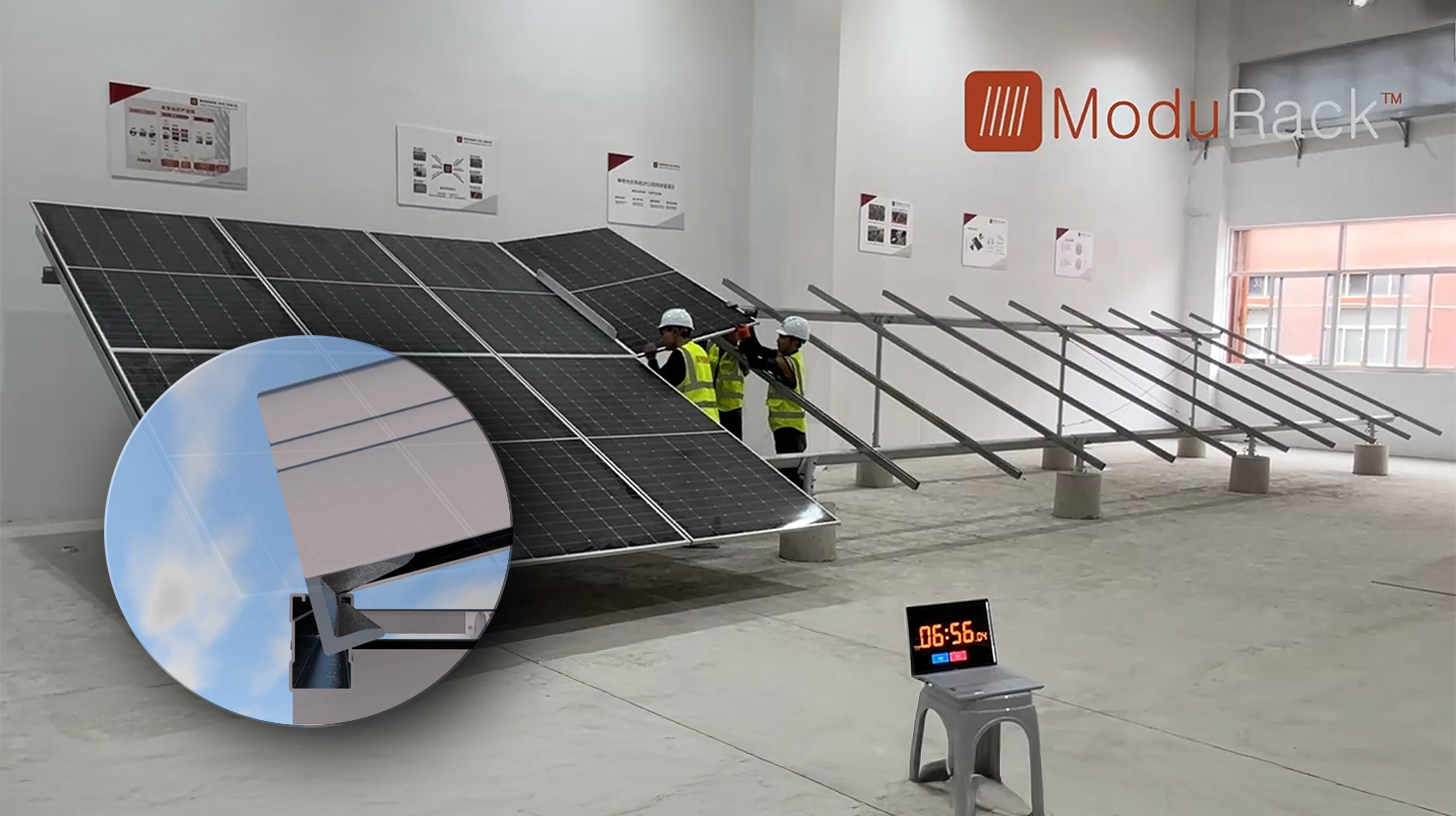
New: Patent from the USA – Install solar parks up to 30% cheaper and 40% faster and easier – with explanatory videos! - Image: Xpert.Digital
The core of this technological advancement is the deliberate departure from conventional clamp mounting, which has been the standard for decades. The new, more time- and cost-effective mounting system addresses this with a fundamentally different, more intelligent concept. Instead of clamping the modules at specific points, they are inserted into a continuous, specially shaped support rail and held securely in place. This design ensures that all forces – whether static loads from snow or dynamic loads from wind – are distributed evenly across the entire length of the module frame.
More information here:
German-Polish Energy Partnership: The Transformation That Is Changing Europe
Poland as a solar energy market
The Polish photovoltaic market is developing extremely dynamically and has become one of the most important growth markets in Europe. Poland added 637 MW of new photovoltaic capacity in the first quarter of 2025, bringing total installations to almost 22 GW. By the end of 2024, the country had already exceeded the 21-gigawatt mark.
Particularly noteworthy is the shift towards large-scale solar parks. The share of installations over 1 MW rose from 11 percent at the end of 2024 to 20 percent in the first quarter of 2025. This trend shows that investments in utility-scale projects are increasing and the market is becoming more professional.
The Polish government supports the expansion of renewable energies through various funding programs. Programs such as "My Electricity" and "Clean Air" promote investments in renewable energy sources. Additionally, a thermal modernization allowance has been introduced for energy storage systems and micro wind turbines.
Integration into the Polish energy transition
The Borek project is making a significant contribution to Poland's transformation from a coal-dominated to a diversified energy system. Traditionally, Poland generates over 70 percent of its electricity from lignite and hard coal. The Bełchatów power plant alone accounts for 20 percent of the country's electricity production and is considered the second-largest coal-fired power plant in the world.
The Polish government has set ambitious goals for its energy transition. By 2040, the share of coal in electricity generation is to fall to just eight percent, while half of electricity production is to come from renewable energy sources. These goals require massive investments in solar and wind energy, as well as a gradual phase-out of coal-fired power plants.
The rapid expansion of solar energy, however, also presents new challenges for the electricity grid. By mid-June 2025, the Polish grid operator PSE had to reduce photovoltaic output by around 600 GWh – an increase of almost 34 percent compared to the previous year. These curtailments demonstrate that Poland needs to accelerate grid expansion and the integration of storage technologies.
Offshore wind and hybrid energy projects
RWE is not only active in the solar sector in Poland, but is also developing the first Polish offshore wind project, FEW Baltic II. This 350 MW wind farm will be built approximately 50 kilometers off the coast in the Polish Baltic Sea and, upon completion, will be able to supply around 350,000 households with green electricity.
The offshore project has already received key approvals, including environmental approval and a Contract for Difference (CfD) from the Polish government. RWE has selected Siemens Gamesa as the preferred supplier for 25 SG 14-236 DD wind turbines. Initial construction could begin in 2024, with commissioning planned for the end of the decade.
RWE has selected the port of Ustka as the maintenance base for the offshore wind farm, which will contribute to the creation of up to 50 new jobs. This local value creation strengthens acceptance of the project and promotes the development of a Polish offshore wind supply chain.
International cooperation and German-Polish energy partnership
The Borek project is an example of successful German-Polish cooperation in the energy sector. The German-Polish Energy Platform, operated by the German Energy Agency (dena) and the Polish National Energy Agency (KAPE), promotes bilateral exchange and cooperation on the energy transition.
Both countries face similar challenges in decarbonizing their energy systems and benefit from the mutual exchange of technical expertise, regulatory experience, and financing models. At the political level, the German-Polish Energy Platform was jointly established, organizing specialist events, workshops, and study trips to promote dialogue between regulatory authorities, grid operators, energy suppliers, and research institutions. This regular exchange allows for the faster identification and resolution of development barriers, thereby accelerating the expansion of renewable energies on both sides of the border.
Solar energy in Poland: Smart grids as the key to the energy transition
Network stability and integration
The rapid growth of solar and wind energy in Poland is increasingly leading to periods of high generation surplus, which are straining the transmission grid. Grid operators have already had to curtail several hundred gigawatt-hours of photovoltaic power to maintain voltage and frequency stability. A nationwide rollout of smart transformers and load management systems is therefore essential. Furthermore, volatile feed-in patterns necessitate new balancing energy markets and flexible power plant capacities that can step in at short notice.
Land availability and environmental compatibility
Large-scale solar projects like Borek require time-consuming permitting processes for agricultural or green spaces. To minimize conflicts with agriculture and nature conservation, agri-photovoltaic concepts are increasingly being used: Wildflower meadows thrive under and between the solar modules, providing habitats that promote biodiversity and opening up new locations for beekeepers. RWE is testing pilot projects on selected sites where special module designs allow sufficient light to pass through for vegetation development.
Financing and profitability
The attractiveness of solar investments depends heavily on interest rate policies, exchange rate risks, and regulatory frameworks. While fixed feed-in tariffs and long-term power purchase agreements provide planning security, markets for storage capacity and flexibility services must be developed in parallel. Innovative financing models such as green bonds and public-private partnerships can further contribute to risk sharing and attract new investors.
Future Development and Perspectives
Sector coupling and hydrogen
Linking the electricity sector with heating and mobility applications opens up new sales opportunities for solar power. Excess energy can be converted into green hydrogen in power-to-X plants, which can then be used as a storage medium and in industrial processes in the long term. RWE plans to build demonstration plants in Poland that combine PV power and electrolysis. This will create hydrogen production chains in eastern Poland, where large open spaces and industrial customers are available.
Decentralized energy systems and prosumer models
Alongside large-scale projects like Borek, decentralized photovoltaic and storage systems in residential areas are gaining importance. Prosumers – combined consumers and producers – can optimize their self-consumption and feed surplus energy into virtual power plants. Digital platforms allow thousands of decentralized systems to be combined into a network that provides short-term balancing energy, thereby reducing grid expansion costs. RWE is developing corresponding marketplaces for peer-to-peer trading of surplus electricity.
Expansion of offshore capacities
Parallel to onshore expansion, the potential of offshore wind power in the southern Baltic Sea is growing. Following FEW Baltic II, RWE is planning further wind farms off the Polish coast, which are to be realized using floating foundations. This technology opens up new water depths where conventional foundations are not possible. The expansion of the offshore infrastructure also strengthens local technological expertise and creates skilled jobs in port cities such as Ustka and Gdynia.
Socioeconomic impacts
The Borek project and similar large-scale facilities have far-reaching effects in rural regions. During the construction phase, hundreds of jobs are created in assembly, logistics, and maintenance. After commissioning, local tradespeople are involved in maintenance work and environmental monitoring. The lease payments for farmers from the use of their land provide diversified income sources, which are urgently needed, especially in economically disadvantaged areas. This allows municipalities to invest in schools, roads, and public services.
German-Polish energy cooperation: A turning point in the possibilities
The RWE Borek project is a pioneering component of Poland's energy transition. With an installed capacity of 24 MWac and the ability to supply over 10,500 households with carbon-free electricity annually, the solar park demonstrates how renewable energies can be implemented economically and technically. Its modular construction, modern monitoring and management systems, and environmental pilot projects showcase RWE's comprehensive approach to efficiency, sustainability, and biodiversity protection.
In conjunction with the expansion of offshore wind power and the development of decentralized energy systems, the Borek project is paving the way for a flexible and resilient energy system in Poland. Close German-Polish cooperation on technical, regulatory, and financial issues promotes bilateral knowledge transfer and accelerates market ramp-up. Challenges such as grid stability, competition for land, and financing continue to require innovative solutions, but the progress achieved underscores the potential of renewable energies for a sustainable economic and climate policy in Central Europe.
With its on-schedule completion in 2025, the Borek project will not only become a supporting pillar in Poland's national energy mix, but also a beacon for further investments in the region's green transformation. The integration of agrivoltaics, sector coupling, and decentralized prosumer models already indicates that solar energy will grow far beyond mere electricity production in the future and will serve as a key technology for a climate-neutral Europe.
Look, this little detail saves up to 40% installation time and reduces costs by up to 30%. It comes from the USA and is patented.

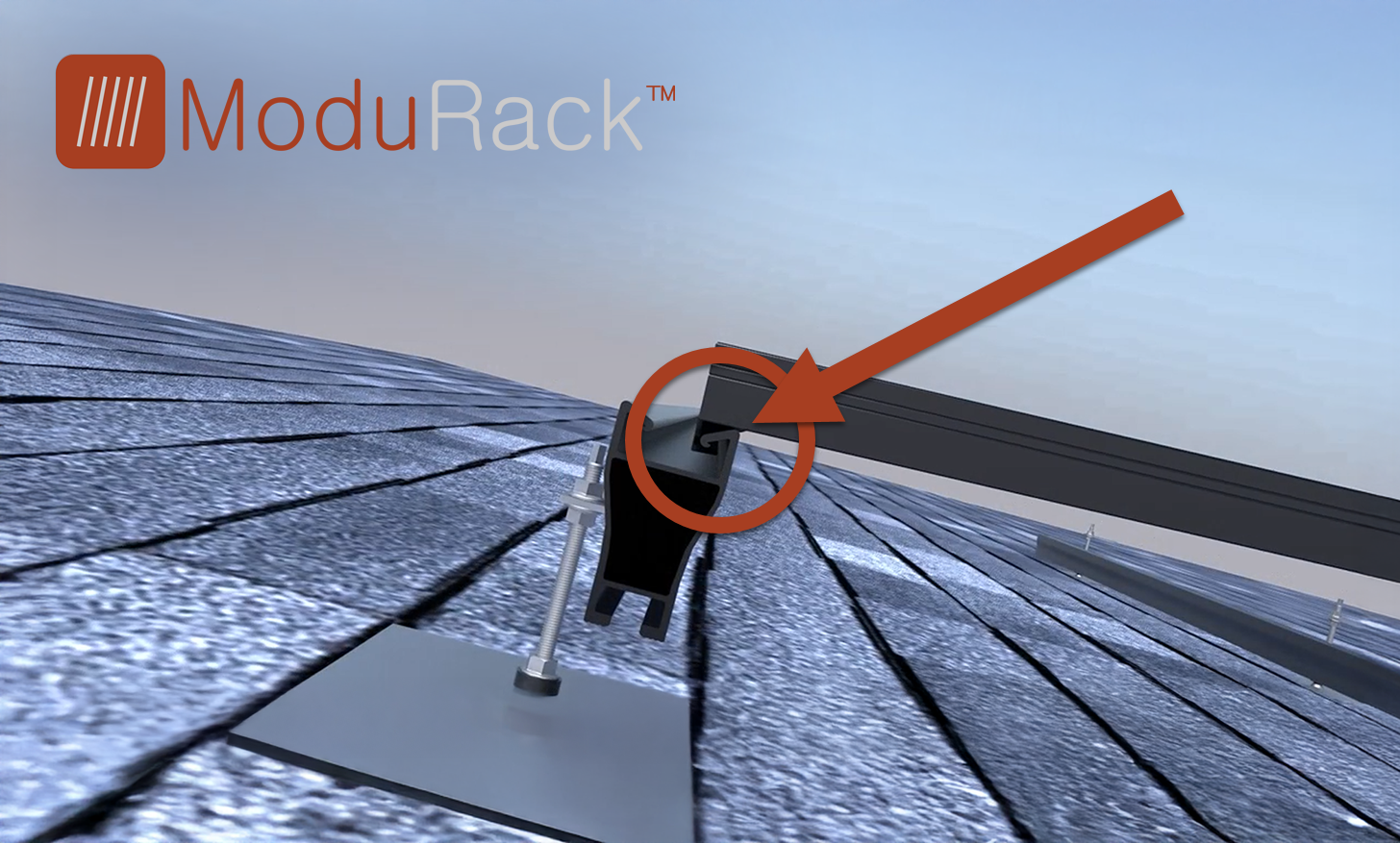
NEW: Ready-to-install solar systems! This patented innovation significantly accelerates your solar construction project
The core of ModuRack 's innovation lies in the departure from conventional clamp fastening. Instead of clamps, the modules are inserted and held in place by a continuous support rail.
More information here:
Your partner for business development in the fields of photovoltaics and construction
From industrial rooftop PV to solar parks and larger solar parking lots
☑️ Our business language is English or German
☑️ NEW: Correspondence in your native language!

Konrad Wolfenstein
I and my team are happy to be available to you as your personal advisor.
You can contact me by filling out the contact form here wolfenstein@xpert.digital:or simply call me at +49 7348 4088 965. My email address is
I'm looking forward to our joint project.