Rhineland-Palatinate: New changes to the solar law – Image: Xpert.Digital
Development of solar energy in Rhineland-Palatinate 🌞🔋
Rapid progress of solar energy in Rhineland-Palatinate
The use of solar energy in Rhineland-Palatinate is currently experiencing accelerated expansion compared to previous years. The governing coalition plans to further boost this trend with a new law. Climate Protection Minister Katrin Eder (Greens) emphasizes that the measures taken are already showing noticeable effects. In the first six months of this year, photovoltaic systems with a total capacity of 375 megawatts were installed, which is already more than in the entire previous year.
Ambitious goal of the traffic light coalition
The traffic light coalition's goal is ambitious: to generate an additional 500 megawatts of solar energy annually. Both the Greens and their coalition partners, the SPD and FDP, are confident of achieving this target. Current developments suggest that even a capacity of 600 megawatts could be attainable.
Focus on ground-mounted photovoltaic systems
The planned changes aim to further accelerate the expansion of solar energy. A particular focus is on photovoltaic systems on open land such as arable land and meadows. These areas yield comparatively low agricultural returns. The members of the governing coalition plan to increase the annual tender volume for such areas from 200 megawatts to 400 megawatts. Experts expect this increased volume to be utilized.
Solar panel installation is mandatory for public buildings and listed buildings
From 2024 onwards, according to the planned law, both the state and municipalities will be required to install solar panels on new or extensively renovated roofs. This is intended to serve as a model for the expansion of solar energy. The installation of solar panels will also be permitted on listed buildings. This measure could lead to increased use of solar energy in various sectors.
“PV-ready” for private homes
Although there is no legal requirement to install solar energy in new private homes, the members of the governing coalition plan to implement the "PV-ready" concept. This involves integrating provisions for future photovoltaic systems, such as cables or conduits, into new buildings. This will make retrofitting with solar energy easier and cheaper.
Summary 🌞🔋
- Rhineland-Palatinate: Solar energy expansion accelerated 📈🔌
- Photovoltaic systems: Record capacity of 375 MW in the first half of the year ☀️🔌
- Traffic light coalition: Target of 500 MW annually, possibly even 600 MW 🎯🔋
- Focus on open spaces: Tender volume to be increased to 400 MW 🌾🔌
- Solar panels will be mandatory for public buildings and listed buildings from 2024 🏛️🌞
- “PV-ready” for homes: Preparation for future solar installations 🏡🔌
Bullet points 🎯
- Solar energy expansion in Rhineland-Palatinate is accelerating compared to previous years
- New legislative initiative from the coalition government aims to further accelerate expansion
- 375 MW of photovoltaic systems were installed in the first half of the year, more than in the previous year
- The traffic light coalition aims for an additional 500 MW of solar energy annually, possibly even 600 MW
- Focus on ground-mounted photovoltaic systems to increase performance
- Solar panels will be mandatory for public buildings and listed buildings from 2024 onwards
- The "PV-ready" concept for private homes facilitates later upgrades with solar energy
Similar topics 📣
- The Sun's Dawn: Solar Evolution in Rhineland-Palatinate ☀️🚀
- Green electricity on the rise: Solar expansion in Rhineland-Palatinate 🌞⚡
- Green light: Rhineland-Palatinate is pushing ahead with solar energy 🟢🔋
- A bright future: Solar expansion in Rhineland-Palatinate is gaining momentum 🌅🔌
- Rhineland-Palatinate shines brightly: Progress in solar energy expansion 🌄🌱
#️⃣ Hashtags: #SolarEnergy #Expansion #RhinelandPalatinate #Photovoltaics #RenewableEnergies
🌞 This is how the solar law will continue in Rhineland-Palatinate 🌞
🗒️ The future of the solar law in Rhineland-Palatinate
The solar energy law in Rhineland-Palatinate is at a crucial stage of development. The state parliament has referred the draft amendment to the solar energy law to the relevant committee, which is now intensively discussing the planned changes. This article provides you with all the information you need about the current status and next steps regarding the solar energy law in Rhineland-Palatinate.
🔍 The background
The Solar Act plays a crucial role in promoting renewable energy in Rhineland-Palatinate. It establishes the framework for the installation and use of solar power systems and thus contributes to sustainable energy production. In light of evolving energy policy and the increased focus on environmentally friendly solutions, the state government has initiated an update to the existing Solar Act.
💼 The path of legislative change
After the state parliament referred the draft amendment to the solar energy law to the relevant committee, the intensive consultation phase begins. Experts and representatives of various interest groups have the opportunity to contribute their insights and proposals. This phase is of great importance, as it ensures that the planned changes are practical and effective.
📅 Outlook on the next steps
The parliamentary summer recess will temporarily interrupt the deliberations. Discussions in the state parliament are not expected to resume until the end of September at the earliest. This means that the amendment cannot come into force before autumn. This period will give all parties involved sufficient opportunity to further develop their positions and carefully examine the planned changes.
🔥 Importance for the region
The planned update to the solar energy law has potentially far-reaching implications for Rhineland-Palatinate and beyond. By further promoting renewable energies, the state will contribute to reducing its energy dependence and take an important step towards sustainability. This could also lead to new jobs in the solar industry and strengthen the region's economic development.
🌱 Focus on environmental protection
The amendments to the solar energy law could also bring about a stronger emphasis on environmental protection and CO2 reduction. Solar power systems are a clean energy source that can help reduce emissions and mitigate climate change. With updated legislation, Rhineland-Palatinate could make a significant contribution to global environmental protection.
🔗 Citizen participation
The planned changes affect not only experts and companies, but also the citizens of Rhineland-Palatinate. Introducing incentives for expanding solar power systems on private property could help increase public acceptance and participation in the energy transition. This could contribute to decentralized energy production and promote energy sovereignty.
🚀 Future outlook
The planned amendment to the solar energy law in Rhineland-Palatinate marks a significant step towards renewable energies and sustainable development. It also demonstrates the state government's commitment to promoting environmentally friendly solutions and adapting energy policy to current challenges. The coming months will reveal how the deliberations in the state parliament proceed and which specific measures will ultimately be incorporated into the legislation.
✨ Similar topics
- 📣 Latest news on the solar law amendment in Rhineland-Palatinate
- 🌞 The future of solar energy: Changes in the solar law
- 🔋 Sustainable energy: Update on the solar law in Rhineland-Palatinate
- 🏭 Change in energy policy: What the solar law amendment means
- 💡 On the road to the energy transition: News from the solar law
- 🌍 Advancing climate protection: The planned amendment to the solar law
- 💰 Opportunities for citizens: Solar law and decentralized energy generation
- 💡 Expert view: Assessment of the planned solar law amendment
- 🏞️ Sustainable development: Solar law and environmental protection in Rhineland-Palatinate
- 🚀 The future of energy: Impact of the solar law amendment
#️⃣ Hashtags: #EnergyTransition #Sustainability #SolarEnergy #EnvironmentalProtection #RhinelandPalatinate
Plan your solar system for the most common applications conveniently online with our solar system planner!
With our user-friendly solar system planner, you can design your individual solar system online. Whether you need a solar system for your home, your business, or for agricultural purposes, our planner allows you to consider your specific requirements and develop a customized solution.
The planning process is simple and intuitive. You simply enter the relevant information. Our planner takes this information into account and creates a customized solar system that meets your needs. You can try out different options and configurations to find the optimal solar system for your application.
Furthermore, you can save your plan to review it later or share it with others. Our customer service team is also available to answer any questions and provide support to ensure your solar system is optimally planned.
Use our solar system planner to design your individual solar system for the most common applications and accelerate the transition to clean energy. Get started now and take an important step towards sustainability and energy independence!

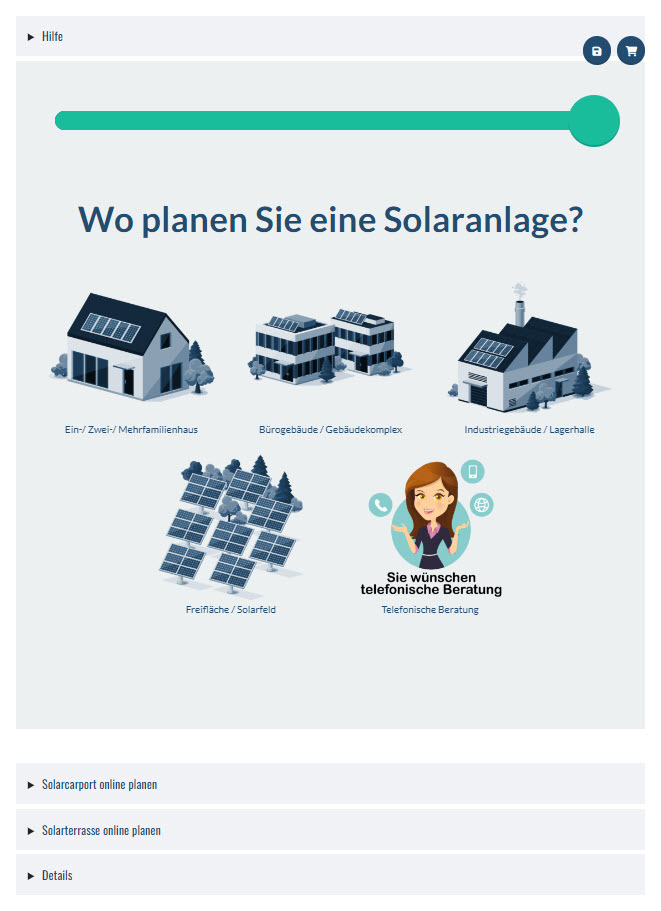
The solar system planner for the most common applications: Plan your solar system online here - Image: Xpert.Digital
More information here:
📣 Energy-efficient renovation and new construction, consulting, planning and implementation for industry, retail and municipalities
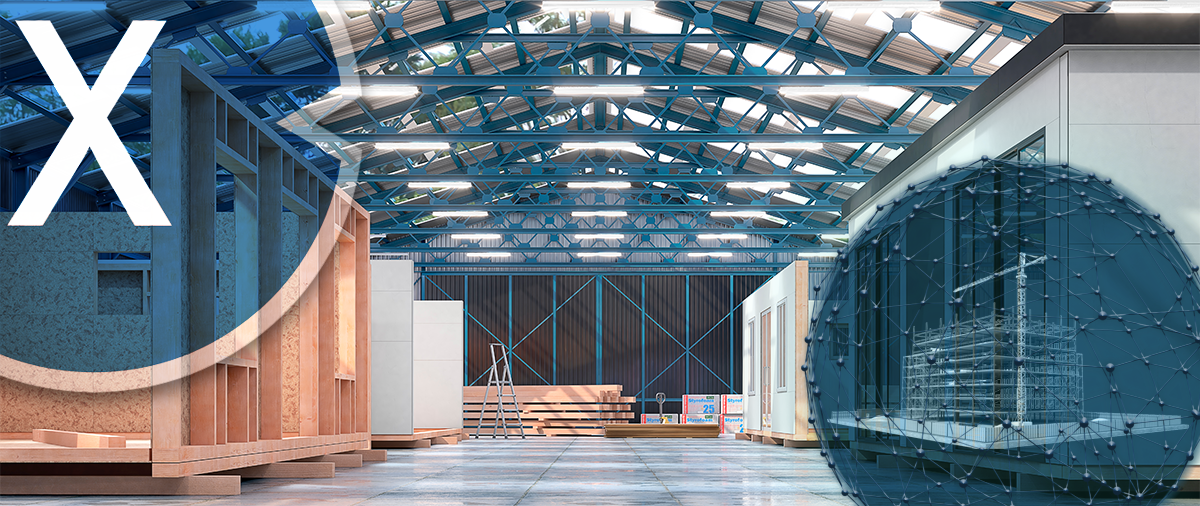
Our experienced team supports you in optimizing your buildings to reduce energy consumption and promote sustainable energy use with photovoltaics. We analyze your individual needs and develop customized concepts that are both economically and ecologically sound. Whether it's the energy-efficient renovation of existing buildings or the construction of new, energy-efficient structures, we are here to help. Industrial plants, retail buildings, and municipal facilities can reduce their energy costs, minimize their environmental impact, and simultaneously improve the comfort and efficiency of their buildings with our tailored solutions.
👨🏻 👩🏻 👴🏻 👵🏻 Energy-efficient renovation and new construction, consulting, planning and implementation for private households
We offer comprehensive support for private households in the energy-efficient renovation and new construction of buildings with photovoltaics. Our experienced team is at your side to assist you with consulting, planning, and implementing your sustainable energy solutions. We analyze your energy consumption, identify potential savings, and develop customized concepts to improve your energy efficiency. From improving building insulation and installing energy-efficient windows and doors to installing photovoltaic and solar thermal systems – we guide you step by step to make your home more energy-efficient and environmentally friendly. Trust in our expertise and benefit from the numerous advantages that energy-efficient renovation and the use of renewable energies offer. Together, we'll create a sustainable future for your home.
🌞 PV-ready for homes: The future of solar energy made easy! 🌞
The coalition government in Rhineland-Palatinate (RLP) is planning to introduce the "PV-ready" concept for new buildings: a revolutionary strategy to promote solar energy in private homes. 💡
Installing solar energy in private homes has many positive effects on the environment and homeowners' wallets. The members of the governing coalition have recognized that the key to further expanding renewable energy lies in making the solar installation process as seamless and cost-effective as possible. Therefore, they have developed the innovative "PV-ready" concept, which aims to minimize the obstacles to retrofitting photovoltaic systems in new buildings.
What is "PV-ready" and how does it work?
"PV-ready" is a building concept designed to simplify and facilitate the installation of photovoltaic systems in private homes. Although there is currently no legal obligation to integrate solar energy into new private residences, the governing coalition is pursuing a proactive strategy to promote the use of renewable energy. In new buildings, infrastructure such as cables and conduits are installed during the construction phase, which can later be used for the integration of photovoltaic systems. This creates a solid foundation for the subsequent retrofitting of solar energy without requiring extensive structural alterations.
The advantages of “PV-ready” for homeowners
✅ Cost-efficiency: Integrating "PV-ready" systems into new buildings is a cost-effective way to keep the door open for future solar energy use. Later installations are less complex and expensive, as the necessary infrastructure is already in place.
✅ Environmental friendliness: The transition to renewable energies is crucial for environmental protection. Thanks to "PV-ready", homeowners can seamlessly switch to solar energy and reduce their carbon footprint.
✅ Flexibility: With "PV-ready", homeowners have flexibility. They can initially opt for a conventional energy mix and later, when it makes financial sense, easily switch to solar energy.
✅ Increased property value: A home that is already "PV-ready" can be more attractive on the real estate market. Potential buyers appreciate the possibility of using solar energy in the future without having to make structural changes.
The impact of “PV-ready” on solar energy use
The introduction of "PV-ready" has the potential to significantly increase the use of solar energy in private homes. This pioneering concept removes the barriers that have previously prevented many homeowners from using solar energy. The combination of cost-efficiency, environmental friendliness, and flexibility makes choosing solar energy more attractive than ever before.
The future of solar energy is "PV-ready"!
With its "PV-ready" concept, the governing coalition is demonstrating a visionary approach to promoting renewable energy in private homes. By integrating provisions for future photovoltaic systems into new buildings, the door to solar energy use is being opened wide. Homeowners benefit from a cost-effective, environmentally friendly, and flexible solution for switching to solar energy in the future. This step has the potential to revolutionize the energy sector and have a positive impact on both the environment and people's wallets.
📣 Similar topics
- The future of solar energy: How "PV-ready" is changing the use of solar energy in private homes. 🌞
- "PV-ready": A step in the green direction: How the concept promotes the environmental friendliness of homes. 🌿
- Prepared for the future: The flexibility of "PV-ready" for homeowners. 💡
- Cost-effective entry into solar energy: Why being "PV-ready" minimizes the financial burden. 💰
- More than just cables and conduits: The technical aspects behind "PV-ready". 🔌
#️⃣ Hashtags: #SolarEnergy #PVReady #Sustainability #RenewableEnergy #GreenFuture
📣 Photovoltaic open-field systems and solar parks for industry, retail and municipalities
Everything from a single source, specifically designed for solar solutions for large parking areas. Refinance or offset your future costs with your own electricity generation.
🎯 For investors
Consultation and planning including a non-binding cost estimate. We connect you with strong partners in photovoltaics.
Focus on ground-mounted photovoltaic systems
The energy transition continues to progress, and in this context, renewable energy sources such as solar power are increasingly coming into focus. The planned changes aim to accelerate the expansion of solar energy in Germany. A particular emphasis is placed on photovoltaic systems that can be installed on open land such as arable land and meadows. These areas offer great potential because they yield comparatively low agricultural returns. The members of the governing coalition in Rhineland-Palatinate have ambitious plans to maximize the use of such areas for energy generation. The current tendered capacity of 200 megawatts is to be doubled to an impressive 400 megawatts. Experts are confident that this increased volume will be utilized due to rising demand and technological advancements.
🗒️ Current developments in the field of ground-mounted photovoltaic systems
The planned doubling of the tender volume for ground-mounted photovoltaic systems has the potential to further strengthen solar energy in Germany and accelerate the expansion of renewable energies. This measure goes hand in hand with the German government's efforts to achieve its climate targets and reduce CO2 emissions. The decision to focus on ground-mounted systems is based on the understanding that these areas often have limited agricultural usability and can therefore be optimally used for energy generation.
📊 Potential and benefits of the expansion
The planned increase in the tender volume to 400 megawatts underscores the confidence in solar energy as a key pillar of the energy transition. Ground-mounted photovoltaic systems have the potential to generate a significant amount of clean energy while simultaneously making good use of unused land. This will not only contribute to a reduction in CO2 emissions but also lead to job creation in the solar industry.
🌞 Technological innovation and growth opportunities
Rapid advances in solar technology have led to photovoltaic systems becoming more efficient and cost-effective. This technological development opens up new possibilities for expanding solar energy on open land. Modern systems can be used in various environments and achieve high yields even under diffuse light conditions. The planned increase in the tender volume is expected to lead to increased investment in innovative solar technologies.
🏭 Economic stimulus and regional development
The expansion of ground-mounted photovoltaic systems not only has positive effects on the environment but also on the local economy. The construction and operation of such systems create jobs and promote regional development. Suppliers, installers, and maintenance providers benefit from the increasing demand for solar technologies. This can contribute to strengthening the economy and supporting rural communities.
🔮 Outlook and challenges
The expansion of solar energy on open land undoubtedly faces challenges, including land-use conflicts, permitting processes, and the integration of renewable energies into the electricity grid. Nevertheless, the planned measures are a step in the right direction to address these challenges and advance the energy transition. With the right planning, technology, and political support, Germany can further strengthen its position as a pioneer in the field of renewable energies.
📣 Similar topics
- 🌞 Current developments in the field of solar energy
- 💡 Ground-mounted photovoltaic systems: The future of energy generation
- 🏭 Economic opportunities through solar energy expansion
- 🌍 Sustainable energy production for the environment and the economy
- 🔮 Challenges and potential: Ground-mounted solar technologies
#️⃣ Hashtags: #EnergyTransition #SolarEnergy #Photovoltaics #RenewableEnergies #Sustainability
Solar panels mandatory for public buildings and listed buildings: The future of solar energy in Rhineland-Palatinate
The energy transition is in full swing, and Rhineland-Palatinate is increasingly relying on renewable energy sources to achieve its climate goals. In this context, the planned introduction of a solar panel mandate for public buildings and listed buildings from 2024 onwards has caused quite a stir. The new legal regulation stipulates that both the state and municipalities will be obligated to install solar panels on newly constructed or extensively renovated roofs. But how will this measure affect solar energy in Germany, and what opportunities will it present? Here is the most important information on this topic:
🗒️ Introduction of mandatory solar panels: Background and objectives
The planned introduction of mandatory solar panels for public buildings and listed buildings aims to further promote the expansion of solar energy. The state government intends to send a clear signal with this regulation and underscore the importance of renewable energies. The solar installations on the roofs of public buildings and listed buildings are meant to serve as models and encourage other stakeholders to also invest in solar energy.
💡 Promoting the expansion of solar energy
The introduction of mandatory solar panels not only increases the visibility of solar energy but also has practical benefits. Installing solar panels on public buildings and listed historical monuments contributes to decentralized energy generation. This allows these buildings to cover part of their own energy needs and thus help relieve the strain on the electricity grid. At the same time, it accelerates the expansion of solar energy, making a significant contribution to the energy transition.
🏛️ Solar panels on listed buildings: A special opportunity
The possibility of installing solar panels on listed buildings is a remarkable development. This demonstrates that technological progress and historic preservation are compatible. Such buildings are thus given the opportunity to actively participate in sustainable energy production without losing their historical character.
🌞 Increasing acceptance and awareness
Mandatory solar panels for public buildings can help raise awareness of renewable energy in society. By installing such systems in prominent locations like public buildings, they become visible to the general public. This can lead to greater acceptance of solar energy and motivate people to install solar panels on their private buildings as well.
🏭 Economic stimulus and local employment
The introduction of mandatory solar panels also brings economic advantages. The increased installation of solar systems opens up new business opportunities for companies in the solar technology sector. Furthermore, jobs will be created for the installation, maintenance, and monitoring of these systems. This can contribute to strengthening the regional economy, particularly in rural areas.
🌍 Environmentally friendly energy production and climate protection
The solar panel mandate is a further step towards environmentally friendly energy production and climate protection. Increased use of solar energy can reduce greenhouse gas emissions. This contributes to achieving climate goals and decreasing dependence on fossil fuels.
📣 Similar topics
- 🌞 The future of solar energy: Mandatory solar panels for public buildings
- 💡 Solar energy expansion through legal requirements: Opportunities and challenges
- 🏛️ Listed buildings and solar energy: A harmonious balance
- 🌍 Sustainability and environmental protection: The importance of mandatory solar panels
- 💼 Economic impact: Growth of the solar technology industry
#️⃣ Hashtags: #EnergyTransition #SolarEnergy #ClimateProtection #Sustainability #RenewableEnergies


- Planning photovoltaics on warehouses, commercial buildings and industrial buildings
- Industrial plant: Planning a photovoltaic open-field system or open-area system
- Planning solar power systems with photovoltaic solutions for freight forwarding companies and contract logistics
- B2B Solar Systems and Photovoltaic Solutions & Consulting
☑️ Construction and consulting for photovoltaic open-field systems
☑️ Solar park planning ☑️ Agri-photovoltaic implementations
☑️ Solar ground-mounted systems with dual-use solutions
Xpert.Solar is your ideal partner for the planning, consulting, and construction of ground-mounted photovoltaic systems and agri-photovoltaic projects, thanks to our many years of experience and expertise in the solar energy sector. Xpert.Solar has an experienced team of professionals who offer farmers and investors tailored solutions. From site analysis and financial and legal advice to technical implementation and monitoring, Xpert.Solar provides its clients with professional and reliable support to ensure successful and sustainable project implementation.

Konrad Wolfenstein
I would be happy to serve as your personal advisor.
You can contact me by filling out the contact form below or simply call me on +49 7348 4088 965 .
I'm looking forward to our joint project.
Write to me


Xpert.Digital – Konrad Wolfenstein
Xpert.Digital is a hub for industry focusing on digitalization, mechanical engineering, logistics/intralogistics and photovoltaics.
With our 360° Business Development solution, we support renowned companies from new business to after-sales.
Market intelligence, smarketing, marketing automation, content development, PR, mail campaigns, personalized social media and lead nurturing are part of our digital tools.
You can find more information at: www.xpert.digital – www.xpert.solar – www.xpert.plus
Keep in touch