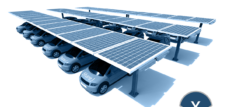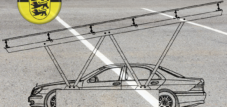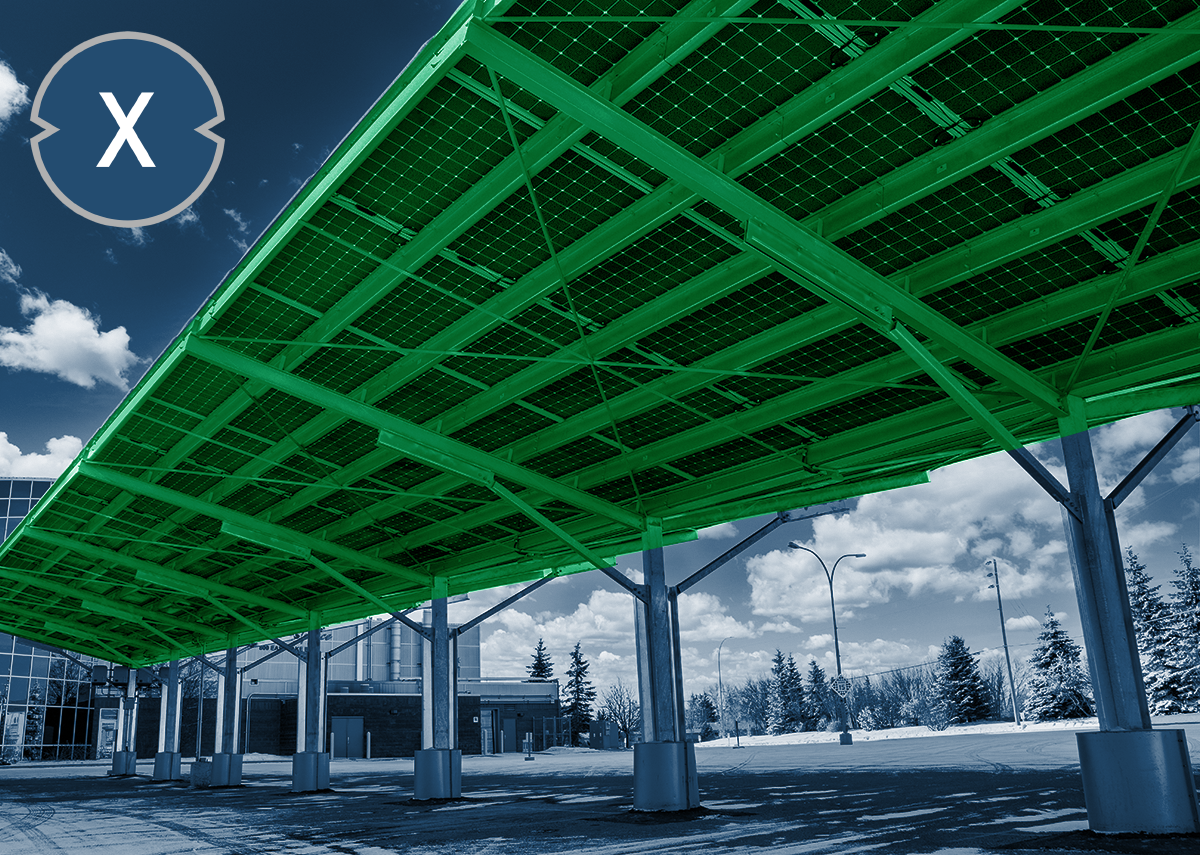
Solar carports for North Rhine-Westphalia – Xpert.Digital / Ramon Cliff|Shutterstock.com
North Rhine-Westphalia: Solar carports mandatory for vehicles with 35 or more parking spaces
Instead of the previously planned 25 parking spaces that must be covered with a photovoltaic system (keyword: solar carport solar obligation), this now applies to newly built open parking lots with 35 or more spaces. The state parliament passed this law on June 30, 2021. The regulation applies only to commercial areas such as supermarkets or company parking lots and not to private households or residential buildings. Minister of Construction Ina Scharrenbach emphasized that parking lots are essentially barren ground with concrete surfaces that heat up. In general, the new building code promotes residential construction and ensures the growth of renewable energies, especially in the area of sealed surfaces.
We will keep you updated on further developments in North Rhine-Westphalia here:
As recently as June 16th, there was a dispute over the new state building code, and the vote had to be postponed. This concerned, among other things, the change in the solar panel requirement for newly constructed open parking areas with 25 or more spaces to 35 spaces for solar carports. On June 25th, another expert hearing was held regarding the relevant state building code. The new state building code is now in effect.
📣 Parking lot solar solutions for industry, retail and municipalities
Everything from a single source, specifically designed for solar solutions for large parking areas. Refinance or offset your future costs with your own electricity generation.
🎯 For solar installers, plumbers, electricians and roofers
Consultation and planning including a non-binding cost estimate. We connect you with strong partners in photovoltaics.
👨🏻 👩🏻 👴🏻 👵🏻 For private households
We have a regional presence throughout the German-speaking world. We have reliable partners who will advise you and implement your wishes.
However, for solar carports, this only applies to applications for building permits for new vehicle parking spaces from January 1, 2022. Section 8 (Fn 10) Unbuilt areas of developed properties, children's playgrounds, paragraph 2 of the new state building code of North Rhine-Westphalia states:
When constructing a new open parking lot suitable for solar energy use, serving a non-residential building, with more than 35 parking spaces for motor vehicles, a photovoltaic system must be installed above the parking area suitable for solar energy use if the building permit application is submitted to the building authority on or after January 1, 2022. The installation of a solar thermal system for heat generation is equivalent to fulfilling this requirement. Sentences 1 and 2 do not apply to parking lots
1. which are located directly along the carriageways of public roads, or
2. if the fulfillment of other public-law obligations is contrary to this.
The building authority may, in particular for urban planning reasons, grant exceptions or, upon application, an exemption pursuant to sentences 1 and 2 if compliance would involve a disproportionately high cost.
The text continues: Open spaces owned by the State of North Rhine-Westphalia shall, in addition to the provisions of paragraph 1, be appropriately landscaped or planted, subject to existing building regulations, bylaws, historic preservation regulations, or other legal provisions. Paragraph 2 applies accordingly to open parking lots . Local authorities are advised to proceed in accordance with sentence 1 with regard to their open spaces and in accordance with paragraph 2 for open parking lots.
Paragraph 8, section 1 (footnote 10), states: Areas of developed properties not covered by buildings or comparable structures must be left or made permeable to water and must be landscaped or planted, unless this conflicts with the requirements of another permissible use of the areas. The first sentence does not apply if development plans or other regulations contain provisions regarding the unbuilt areas.
More information here:
- More green electricity from solar carports – Which solar carport system is best suited?
- Solar carports with energy storage as solar charging stations for electric cars
The solar panel requirement for open parking spaces is also a further step in the expansion of the infrastructure for electromobility.
Related to this:
- Solar charging station: Solar carports as a further step towards the growing charging station infrastructure
- Charging infrastructure for electric mobility in Germany
Opinion poll on the car purchase bonus in Germany

Purchase incentive for new cars? – Image: Xpert.Digital
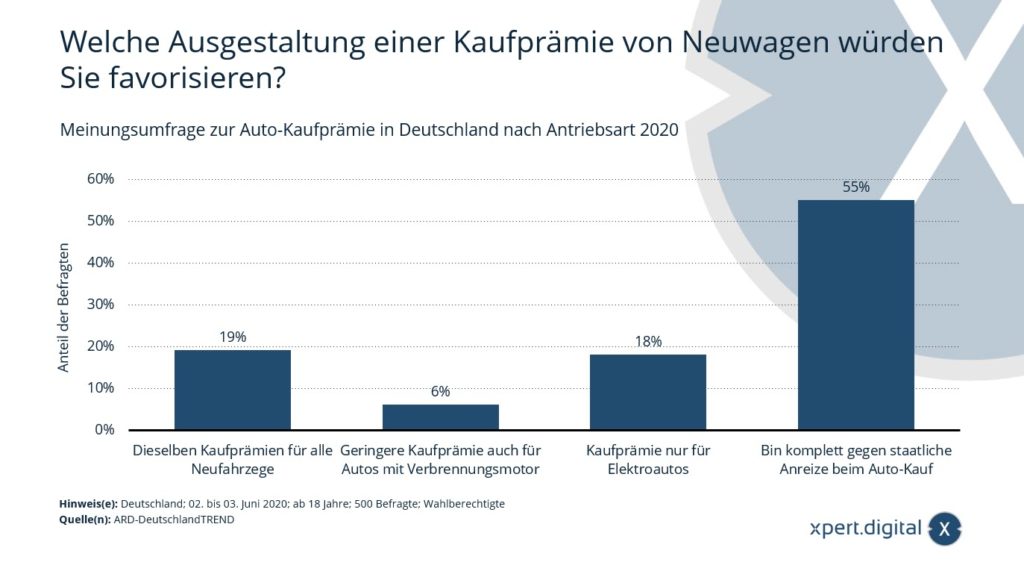
Opinion poll on car purchase incentives in Germany by drive type 2020 – The majority rejects government purchase incentives for automobiles: A total of 55 percent of respondents in the ARD-DeutschlandTREND survey stated that they are completely against the introduction of a purchase incentive for new cars, regardless of the drive type. As part of the economic stimulus package to overcome the economic consequences of the Corona crisis, the grand coalition decided to promote only alternative drive systems through bonus payments. The subsidies for the purchase of electric, hybrid, or hydrogen vehicles, which already exist in the form of the environmental bonus, are to be increased.
The source does not specify the missing percentage points from 100 percent. The question was phrased in the source as follows: “Another proposal concerns so-called purchase premiums for new cars. In this case, the government would cover part of the purchase price. Should such a purchase premium only apply to electric cars? Should there also be a smaller purchase premium for cars with combustion engines? Should there be the same purchase premiums for all new vehicles? Or are you completely against such government incentives for buying new cars?”
Which form of a purchase incentive for new cars would you favor?
- 55%: I am completely against government incentives for buying a car
- 19%: The same purchase premiums for all new vehicles
- 18%: Purchase bonus only for electric cars
- 6%: Lower purchase premium also for cars with combustion engines
Amount of the environmental bonus for the purchase of electric vehicles in Germany
Amount of the environmental bonus for the purchase of electric vehicles – Image: Xpert.Digital
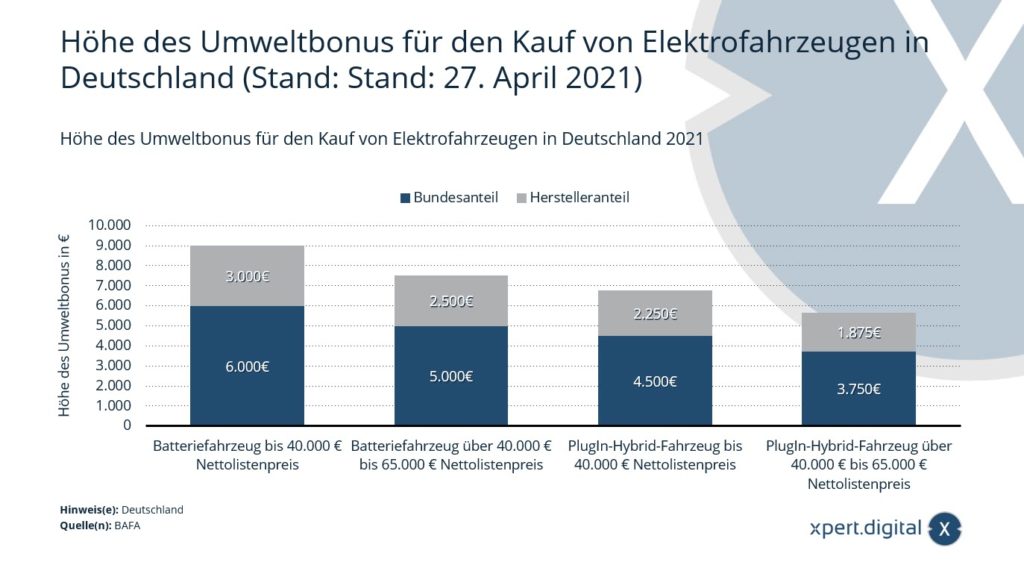
This statistic shows the amount of the purchase premium for electric vehicles, also known as the environmental bonus, by type of electric vehicle in Germany in 2021 (as of April 27, 2021). The purchase (buying or leasing) of an electric vehicle, as well as corresponding used vehicles, are eligible for funding. The premium is shared equally between the federal government and the vehicle manufacturer. The environmental bonus for purely battery-electric vehicles with a net list price of up to €40,000 amounted to €9,000 per vehicle in 2021.
The stated subsidy rates apply retroactively to vehicles registered from June 4th onwards. According to BAFA, eligible vehicles include pure electric cars, plug-in hybrids, fuel cell cars, and corresponding used vehicles.
Amount of the environmental bonus for the purchase of electric vehicles in Germany in 2021
Federal share
- Battery-powered vehicle up to €40,000 net list price – €6,000
- Battery-powered vehicle with a net list price of €40,000 to €65,000 – €5,000
- Plug-in hybrid vehicle up to €40,000 net list price – €4,500
- Plug-in hybrid vehicle with a net list price between €40,000 and €65,000 – €3,750
Manufacturer share
- Battery-powered vehicle up to €40,000 net list price – €3,000
- Battery-powered vehicle with a net list price of €40,000 to €65,000 – €2,500
- Plug-in hybrid vehicle up to €40,000 net list price – €2,250
- Plug-in hybrid vehicle with a net list price between €40,000 and €65,000 – €1,875
Environmental bonuses applied for for electric cars in Germany by manufacturer up to 2021
Number of environmental bonuses applied for for electric cars – Image: Xpert.Digital
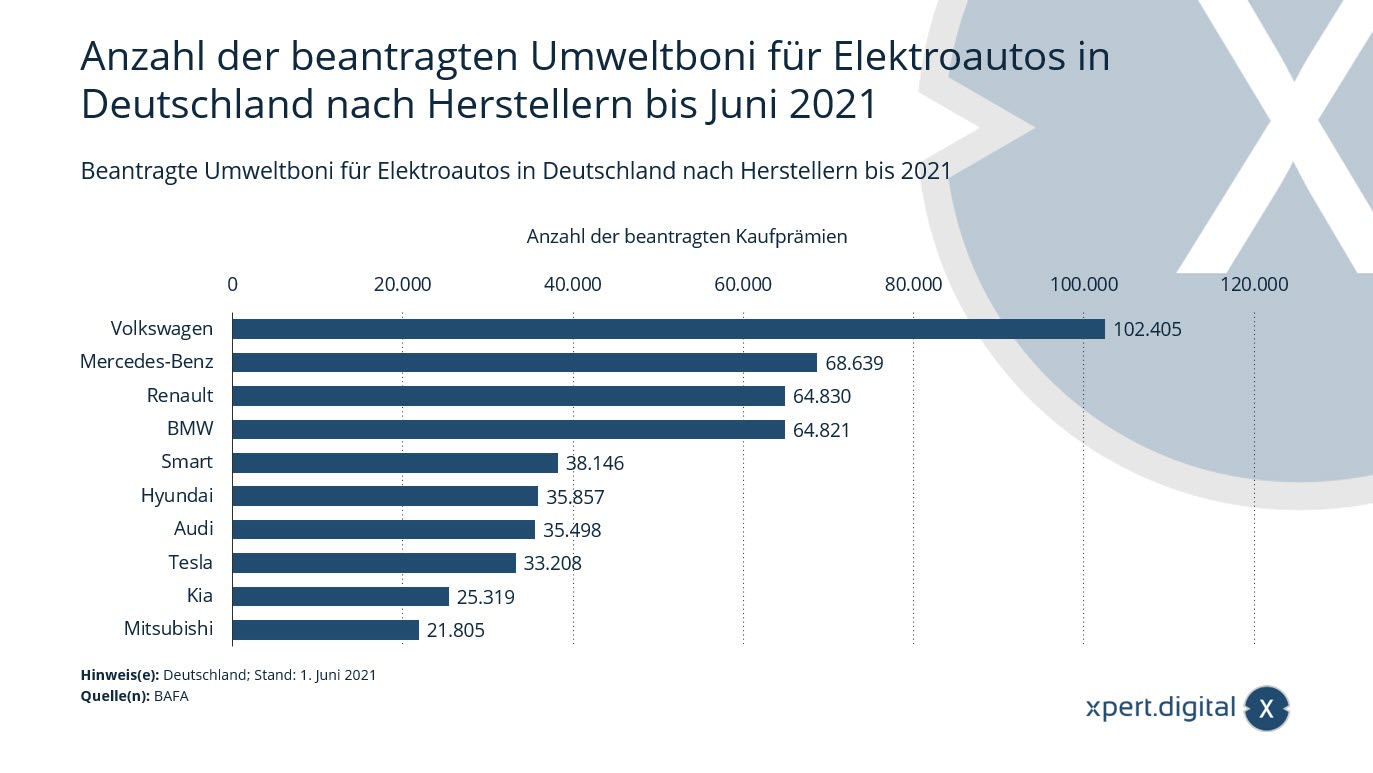
Volkswagen is number one in applications for purchase incentives for electric cars. By June 2021, the number of applications for purchase incentives for battery-electric or plug-in hybrid vehicles from the Wolfsburg-based automaker amounted to approximately 102,400. Mercedes-Benz and Renault followed in second and third place, respectively.
Vehicles up to €65,000 are eligible for funding
Eligible for funding is the acquisition (purchase or leasing) of a battery electric, plug-in hybrid or fuel cell vehicle that is being registered for the first time and does not exceed a net list price of the base model of 65,000 euros.
Incentive to buy electric cars
The goal of the bonus payments for car purchases, introduced in July 2016, was to promote electromobility and boost sales of relatively expensive electric vehicles, in order to get closer to the target of one million electric cars by 2020 set by the then German government. As of January 1, 2021, approximately 309,100 electric cars were registered in Germany. New registrations of electric cars have increased steadily since 2016.
Number of environmental bonuses applied for for electric cars in Germany by manufacturer up to June 2021
- Volkswagen – 102,405
- Mercedes-Benz – 68,639
- Renault – 64,830
- BMW – 64,821
- Smart – 38,146
- Hyundai – 35,857
- Audi – 35,498
- Tesla – 33,208
- Kia – 25,319
- Mitsubishi – 21,805
Hybrid cars in Germany by 2021
Number of hybrid cars in Germany – Image: Xpert.Digital
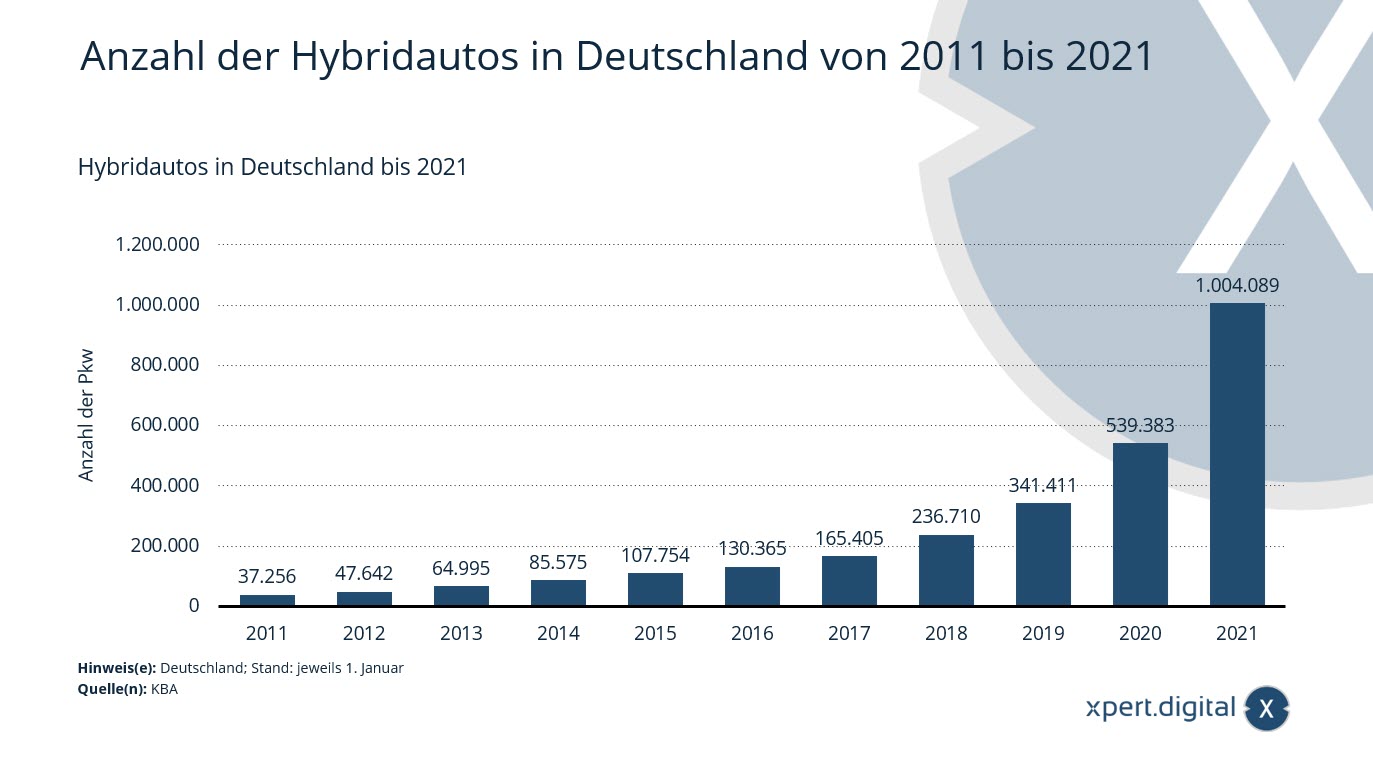
The number of hybrid cars is at a record high – in 2021, the number of passenger cars with hybrid drive systems in Germany reached approximately one million. In 2011, there were only about 37,300 hybrid cars registered in Germany. Since then, the number has increased steadily every year. A hybrid vehicle is defined as a vehicle with at least two energy converters and two integrated energy storage systems to power the vehicle. Energy converters include, for example, electric, gasoline, and diesel engines; energy storage systems include, for example, batteries, fuel tanks, or gas tanks. Hybrid vehicles that also have an electric motor are classified as electric cars (plug-in hybrids).
Purchase bonus for electric vehicles and plug-in hybrids
The purchase or leasing of various types of electric cars is eligible for a government subsidy in Germany called the "environmental bonus." Eligible purchases (buying or leasing) are electric vehicles that are being registered for the first time and whose net list price for the base model does not exceed €65,000. Pure battery electric vehicles receive subsidies of up to €9,000, and hybrid electric vehicles receive up to €5,625. Two-thirds of the subsidy is covered by the federal government and one-third by the car manufacturer. This increased subsidy (previously €4,000 for pure battery electric vehicles and €3,000 for hybrid electric vehicles) was introduced as part of the economic stimulus package to combat the effects of the COVID-19 pandemic.
Demand for alternative drive systems is increasing
The share of conventional powertrains in new vehicle registrations has declined significantly in recent months, while the number of electric cars in Germany continues to rise. Other alternative powertrains, however, have not shown comparable growth; plug-in hybrids and battery electric vehicles (BEVs) still dominate the list of new registrations.
Number of hybrid cars in Germany from 2011 to 2021
- 2011 – 37,256 hybrid cars in Germany
- 2012 – 47,642 hybrid cars in Germany
- 2013 – 64,995 hybrid cars in Germany
- 2014 – 85,575 hybrid cars in Germany
- 2015 – 107,754 hybrid cars in Germany
- 2016 – 130,365 hybrid cars in Germany
- 2017 – 165,405 hybrid cars in Germany
- 2018 – 236,710 hybrid cars in Germany
- 2019 – 341,411 hybrid cars in Germany
- 2020 – 539,383 hybrid cars in Germany
- 2021 – 1,004,089 hybrid cars in Germany
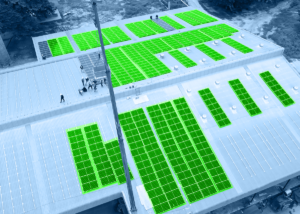
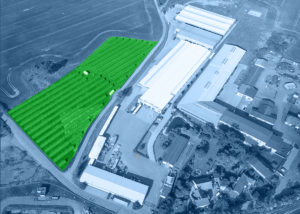

- Planning photovoltaics on warehouses, commercial buildings and industrial buildings
- Industrial plant: Planning a photovoltaic open-field system or open-area system
- Planning solar power systems with photovoltaic solutions for freight forwarding companies and contract logistics
- B2B Solar Systems and Photovoltaic Solutions & Consulting
With Xpert.Solar, plan, organize and build the expansion of solar carports in North Rhine-Westphalia, especially in Cologne, Düsseldorf, Dortmund and Essen

Konrad Wolfenstein
I would be happy to serve as your personal advisor.
You can contact me by filling out the contact form below or simply call me on +49 7348 4088 965 .
I'm looking forward to our joint project.
Write to me



Xpert.Digital – Konrad Wolfenstein
Xpert.Digital is a hub for industry focusing on digitalization, mechanical engineering, logistics/intralogistics and photovoltaics.
With our 360° Business Development solution, we support renowned companies from new business to after-sales.
Market intelligence, smarketing, marketing automation, content development, PR, mail campaigns, personalized social media and lead nurturing are part of our digital tools.
You can find more information at: www.xpert.digital – www.xpert.solar – www.xpert.plus
Keep in touch