Sales slump and uncertainty: Heat pump manufacturers suffer after dispute over heating law – Image: Xpert.Digital
Heating law in chaos: voting debacle and slowed transition to heat pumps
Heat pump manufacturers are facing a crisis: Uncertain future and rising prices are slowing down the market
Following the dispute over the planned heating law, heat pump manufacturers are complaining of a slump in sales and deeply unsettled consumers. The disagreements within the governing coalition regarding the details of the Building Energy Act (GEG) were settled in June. The Green Party had originally sought stricter regulations for the energy transition and the installation of climate-friendly heating systems, but were unable to push through any further-reaching regulations.
But then the vote in the Bundestag failed, brought about by an urgent application to the Federal Constitutional Court by Thomas Heilmann, a member of the CDU/CSU parliamentary group in the German Bundestag. The argument: the short time allotted for deliberations would not allow members of parliament sufficient time to examine the heating law in order to identify weaknesses and propose amendments. "The coalition government is ruining the energy transition with a last-minute legislative package and an unconstitutional procedure," Heilmann aptly stated.
The uncertain future of energy prices is exacerbating the problems facing heat pump manufacturers. If gas prices fall again but electricity remains expensive, many people will opt for gas heating systems instead of heat pumps. Effective promotion of heat pumps requires a reasonable price ratio, ideally not much higher than a factor of 2.5. Persistent inflation continues to strain consumers' finances. Although energy prices have recently fallen sharply, the prices of oil, gas, and electricity remain comparatively high. According to the Federation of German Consumer Organizations (VZBV), heating prices in Germany have also risen dramatically in the last two years.
Demand for oil and gas heating systems is rising, while sales of heat pumps have declined dramatically. Manufacturers have already invested five billion euros in anticipation of planned legal requirements to be able to supply and install around 500,000 new heat pumps per year from 2024 onwards. Due to the current political situation, this process is now being slowed down.
The timetable stipulates that municipalities must first develop a municipal heat plan for existing buildings by 2028 at the latest. Only then will the regulation requiring new heating systems to be powered by 65 percent renewable energy come into effect. This uncertain future and the lack of planning security are causing difficulties for industry and tradespeople. The announcement that people over 80 will not have to change their heating systems has resulted in some consumers taking no action at all, while others are rushing to replace their old gas or oil heating systems.
Part of the price increase reflects the rise in raw material and energy costs. Reports already surfaced a month ago about the slump in the housing construction market, which was also driven by the Building Energy Act (GEG) introduced by Climate Protection Minister Robert Habeck, also known as the Heating Act.

Solar/Photovoltaics: Residential construction market crisis – Does the slump in building permits have an impact on the photovoltaic industry?
Uncertainty and rising prices have led to a drastic decline in orders for heat pumps. On average, prices for heating systems rose by approximately 25 percent in 2021 and 28 percent in 2022. Air-to-water heat pumps increased in price from an average of €20,000 in 2021 to €31,000 this year. Prices for pellet heating systems rose from €27,000 to €37,000 during the same period, and the installation of a gas-fired central heating system increased from €6,000 to €10,000.
The uncertainty caused by the Federal Constitutional Court's temporary halt to the adoption of the German Building Energy Act (GEG) has led to a slump in orders for heat pumps. According to the Federal Office for Economic Affairs and Export Control, the number of applications for heat pumps in existing buildings has fallen significantly this year. While 20,000 such heating systems were installed monthly last year, this year the figure is only 7,000 to 8,000 per month.
The decline in orders in the heat pump market is comparable to that in the solar panel market for new buildings, which averages around 80 percent. Although interest remains, hardly any concrete contracts are currently being signed. Potential customers are waiting and hoping for improved subsidies. The German government originally intended to pass the heating law first and only then decide on specific subsidy measures.
📣 Energy-efficient renovation and new construction, consulting, planning and implementation for industry, retail and municipalities

Our experienced team supports you in optimizing your buildings to reduce energy consumption and promote sustainable energy use with photovoltaics. We analyze your individual needs and develop customized concepts that are both economically and ecologically sound. Whether it's the energy-efficient renovation of existing buildings or the construction of new, energy-efficient structures, we are here to help. Industrial plants, retail buildings, and municipal facilities can reduce their energy costs, minimize their environmental impact, and simultaneously improve the comfort and efficiency of their buildings with our tailored solutions.
👨🏻 👩🏻 👴🏻 👵🏻 Energy-efficient renovation and new construction, consulting, planning and implementation for private households
We offer comprehensive support for private households in the energy-efficient renovation and new construction of buildings with photovoltaics. Our experienced team is at your side to assist you with consulting, planning, and implementing your sustainable energy solutions. We analyze your energy consumption, identify potential savings, and develop customized concepts to improve your energy efficiency. From improving building insulation and installing energy-efficient windows and doors to installing photovoltaic and solar thermal systems – we guide you step by step to make your home more energy-efficient and environmentally friendly. Trust in our expertise and benefit from the numerous advantages that energy-efficient renovation and the use of renewable energies offer. Together, we'll create a sustainable future for your home.
Plan your solar system for the most common applications conveniently online with our solar system planner!
With our user-friendly solar system planner, you can design your individual solar system online. Whether you need a solar system for your home, your business, or for agricultural purposes, our planner allows you to consider your specific requirements and develop a customized solution.
The planning process is simple and intuitive. You simply enter the relevant information. Our planner takes this information into account and creates a customized solar system that meets your needs. You can try out different options and configurations to find the optimal solar system for your application.
Furthermore, you can save your plan to review it later or share it with others. Our customer service team is also available to answer any questions and provide support to ensure your solar system is optimally planned.
Use our solar system planner to design your individual solar system for the most common applications and accelerate the transition to clean energy. Get started now and take an important step towards sustainability and energy independence!

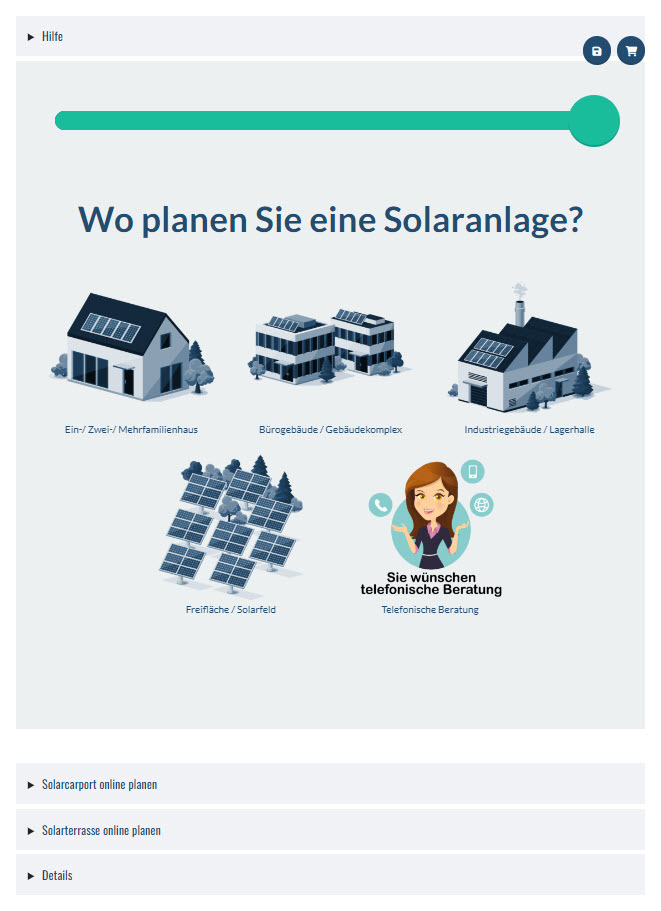
The solar system planner for the most common applications: Plan your solar system online here - Image: Xpert.Digital
More information here:
Shared challenges: How the impact of the decline in heat pump orders is becoming noticeable on the solar energy market
The decline in orders for heat pumps also has an impact on the solar energy market, although they are not directly related. Nevertheless, there are some potential effects that the decline in heat pump orders could have on the solar energy market.
First of all, it's important to note that both heat pumps and solar thermal systems are often considered part of a holistic approach to using renewable energy in buildings. Many homeowners and builders considering using renewable energy in their buildings often think about installing both a heat pump and a solar thermal system. These two technologies complement each other well, as the solar thermal system can supply the electricity to operate the heat pump.
The decline in heat pump orders could, however, lead potential customers to postpone their plans to install renewable energy systems in their buildings. If consumers hold back due to the uncertainty and lack of planning certainty in the heat pump market, this could also affect the solar energy market. Interest in solar systems could also decrease, as customers may wait for a more opportune time to invest in renewable energy.
Another potential impact of the decline in heat pump orders on the solar thermal market concerns overall market dynamics and competition. If demand for heat pumps decreases, solar thermal manufacturers and installers could face increased competition for customers. This could put downward pressure on prices and lead to a general slowdown in the solar thermal market, as the industry tries to persuade customers to switch to other technologies.
However, it is also possible that the decline in heat pump orders will not significantly affect the solar energy market. The two markets could exist independently, and those wishing to invest in renewable energy could continue to choose solar systems regardless of developments in the heat pump market. Furthermore, other factors can influence the solar energy market, such as government subsidy programs, environmental regulations, and the general public acceptance of renewable energy.
➡️ The decline in heat pump orders could potentially impact the solar energy market, but the precise impact depends on various factors. It is important to consider market dynamics and the interactions between different renewable energy technologies to gain a comprehensive understanding and better assess future developments in both markets.
'Furthermore, there are other important factors that can influence the solar energy market.'
Furthermore, other important factors can influence the solar energy market, such as government subsidy programs, environmental regulations, and the general public acceptance of renewable energies. However, the current challenge lies in the fact that these issues are often addressed by policymakers in a partisan and ideological manner, rather than comprehensively informing the public and convincingly demonstrating the added value of renewable energies.
1. Government funding programs
Political support and financial incentives for the expansion of renewable energies play a crucial role in promoting the solar energy market. Government support programs can facilitate investment and improve the profitability of solar installations. However, it is essential that these programs are transparent, well-designed, and stable in the long term to create trust and planning certainty for consumers and businesses.
2. Environmental regulations
Environmental regulations and guidelines influence the demand for renewable energy, including solar power. When governments implement strict environmental regulations that restrict the use of fossil fuels and promote the transition to renewable energy, this can positively impact the solar power market. It is crucial that these regulations are clearly defined and reliable in the long term to ensure a sustainable investment in solar energy.
3. General acceptance of renewable energies
Public acceptance and awareness of renewable energies have a strong influence on the solar energy market. When society perceives renewable energies positively and understands their advantages, consumers are more willing to invest in solar systems. A broad public awareness campaign and informational events can help improve acceptance and understanding of renewable energies.
➡️ Unfortunately, in the political landscape, renewable energies and their promotion sometimes become a partisan issue. The ideology of certain parties can lead to differing approaches and priorities, resulting in uncertainty and inconsistency in policy measures and support programs. This can negatively impact the solar energy market, as it makes it difficult for consumers to receive a clear and coherent message.
➡️ It is important that political decision-makers strive for non-partisan solutions and conduct comprehensive public education to make the added value of renewable energies for society transparent. The promotion of renewable energies should not be based on political ideologies, but on scientific findings and the conviction that a sustainable energy supply is in the interest of all citizens.
➡️ If policymakers shift their focus away from partisan ideologies and towards value-creating, informed, and persuasive arguments for renewable energy, this can have a positive impact on the solar energy market. It would strengthen consumer confidence, encourage investment, and increase demand for solar power, ultimately leading to a more sustainable and cleaner energy future.
10 tips on how consumers should behave when buying a heat pump and/or solar system in unclear market conditions and without planning certainty
In times of uncertain market conditions and a lack of planning security, it is important for consumers to make well-informed decisions when purchasing a heat pump and/or solar system. Here are 10 tips that can help consumers take the right steps in this situation:
1. Research thoroughly
Stay informed about the latest developments in the heat pump and solar energy market. Read trade journals, online resources, and attend information events to keep up to date.
2. Consult experts
Seek advice from professionals such as energy consultants, installers, or manufacturers. They can provide you with valuable insights and recommendations based on their experience and expertise.
3. Obtain multiple quotes
Don't just compare prices, but also the services offered by different providers. Pay attention to product quality, service, and warranty conditions.
4. Check for funding opportunities
Find out about government subsidy programs and incentives for purchasing heat pumps and solar panels. These can help reduce costs and improve your return on investment.
5. Consider long-term costs and savings
Don't just consider the purchase price, but also the long-term operating costs and potential savings. An energy-efficient heat pump or solar system can lead to significant cost savings in the long run.
6. Pay attention to quality and reliability
Ensure that the heat pump or solar system you choose comes from a reputable manufacturer and meets high quality standards. Reliability and longevity are crucial factors for a profitable long-term investment.
7. Check its suitability for your building
Have a professional energy consultation carried out to determine whether a heat pump or solar system is suitable for your building. It is important to consider the specific requirements and characteristics of your building.
8. Consider your individual needs
Think about your own preferences and needs. What type of heating or energy generation best suits you and your living situation? Also consider the environmental impact and choose a technology that aligns with your values.
9. Plan for the long term
Consider purchasing a heat pump or solar system as a long-term investment. Think beyond the next 10 to 20 years and plan accordingly. Take into account potential future developments regarding legislation, technology, and energy prices.
10. Don't let yourself be pressured into making hasty decisions
Even when market conditions are uncertain, it's important not to make hasty decisions. Take sufficient time to examine and weigh the various options. It's better to make a well-informed and thoughtful decision than to act impulsively.
➡️ By following these 10 tips, consumers can maximize their chances of making a sound investment in a heat pump and/or solar system, even in times of uncertain market conditions and a lack of planning security. Thorough research, expert advice, and careful evaluation of the various options are key to making an informed decision that will be beneficial in the long run.
10 tips on how electrical companies, installers and solar installers should behave in the face of unclear market conditions and a lack of planning certainty in the heat pump and/or solar system market
In times of uncertain market conditions and a lack of planning security, it is important for electrical contractors, installers, and solar installers to act appropriately and take the right steps when purchasing a heat pump and/or solar system. Here are 10 tips that can help them act correctly in this situation:
1. Stay informed about current developments
Follow industry-specific news, trade journals and online resources to stay informed about the latest trends, legal requirements and funding programs.
2. Build a strong network
Build relationships with other professionals in the industry, such as manufacturers, distributors, and colleagues. A strong network allows you to exchange information, learn from best practices, and discover potential business opportunities.
3. Monitor the development of the legal framework
Keep an eye on how legal requirements for heat pumps and solar systems are evolving. Governments may introduce new guidelines or amend existing regulations, which can impact the market.
4. Offer comprehensive consulting services
Inform your customers about the advantages and disadvantages of heat pumps and solar thermal systems, explain available funding programs, and demonstrate how they can benefit from the various technologies. Comprehensive consultation will build your customers' trust and help them make informed decisions.
5. Keep an eye on costs
Heat pumps and solar thermal systems can involve varying costs, from purchase and installation to maintenance. Carefully analyze the cost structure and offer your customers transparent and competitive prices.
6. Build expertise
Invest in the continuing education and training of your employees to ensure you have the most up-to-date knowledge and the latest technologies regarding heat pumps and solar systems. This will enable you to offer high-quality services and satisfy your customers.
7. Cooperate with other professionals
Collaborating with other electrical companies, installers, and solar installers can help you increase demand, share resources, and work together on larger projects. Joint efforts can strengthen your chances of success in an uncertain market.
8. Diversify your service offerings
Consider expanding your service offerings to include other renewable energy technologies or energy efficiency measures. This can help you diversify your business opportunities and adapt to changing market conditions.
9. Build customer relationships on trust
Customer relationships are crucial, especially in an uncertain market. Strive for excellent customer service, ensure you keep your promises, and respond professionally to customer inquiries and complaints.
10. Remain open to innovations
Renewable energy technology is constantly evolving. Stay open to new products, technologies, and business models emerging in the market. By remaining innovative, you can strengthen your competitiveness and seize new opportunities.
➡️ If electrical contractors, installers, and solar panel installers follow these 10 tips, they can better position themselves in an unclear market situation and lack of planning certainty. Comprehensive information, expertise, collaboration, and a strong focus on customer satisfaction will enable them to increase their success and confidently meet the challenges of the market.
Relevant topic: Housing market crisis – slump in building permits

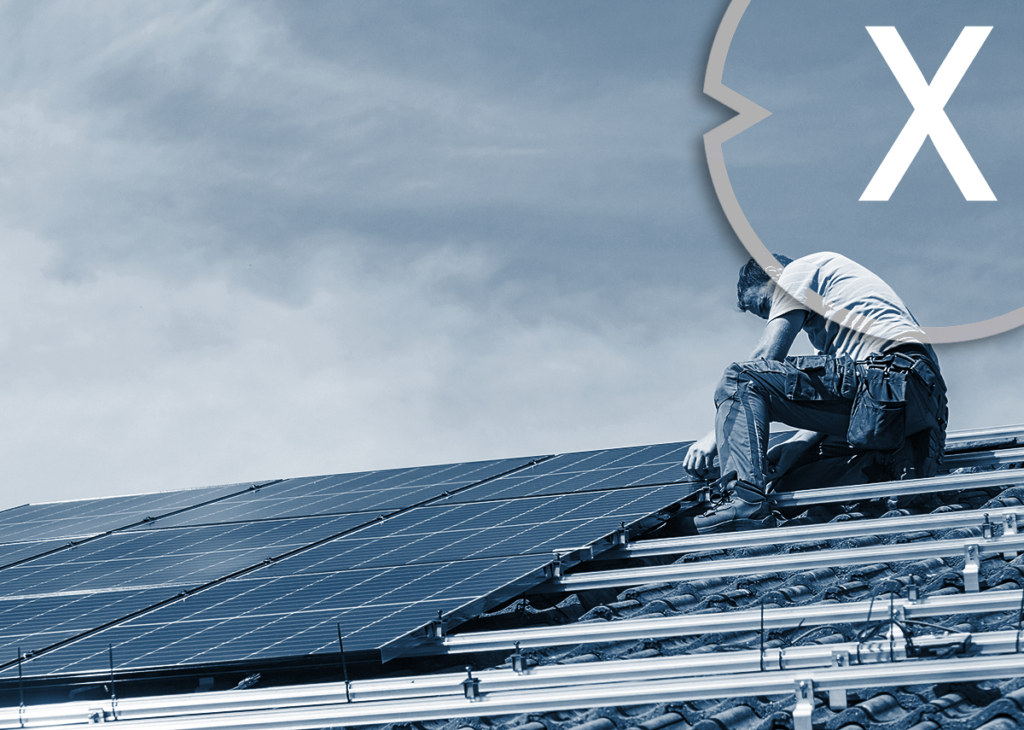
Does the decline in building permits in the residential construction market have an impact on the photovoltaic industry? – Image: Xpert.Digital / moreimages|Shutterstock.com
A recent brief survey we conducted among solar installers shows that demand for solar systems for single-family and multi-family homes is stagnating and customer purchasing behavior is hesitant. Many potential customers are postponing quotes they have already prepared, which will lead to increased price pressure and intensified competition in the industry.
The decline in building permits in the residential construction market has a direct impact on solar installers, as the installation of solar systems often goes hand in hand with new construction or renovations. The fact that demand for single-family and multi-family homes is stagnating directly affects installation orders and solar installers' revenue.
More information here:


- Planning photovoltaics on warehouses, commercial buildings and industrial buildings
- Industrial plant: Planning a photovoltaic open-field system or open-area system
- Planning solar power systems with photovoltaic solutions for freight forwarding companies and contract logistics
- B2B Solar Systems and Photovoltaic Solutions & Consulting
Expert advice on energy-efficient renovation and new construction with Xpert.Plus

Konrad Wolfenstein
I would be happy to serve as your personal advisor.
You can contact me by filling out the contact form below or simply call me on +49 7348 4088 965 .
I'm looking forward to our joint project.
Write to me


Xpert.Digital – Konrad Wolfenstein
Xpert.Digital is a hub for industry focusing on digitalization, mechanical engineering, logistics/intralogistics and photovoltaics.
With our 360° Business Development solution, we support renowned companies from new business to after-sales.
Market intelligence, smarketing, marketing automation, content development, PR, mail campaigns, personalized social media and lead nurturing are part of our digital tools.
You can find more information at: www.xpert.digital – www.xpert.solar – www.xpert.plus
Keep in touch